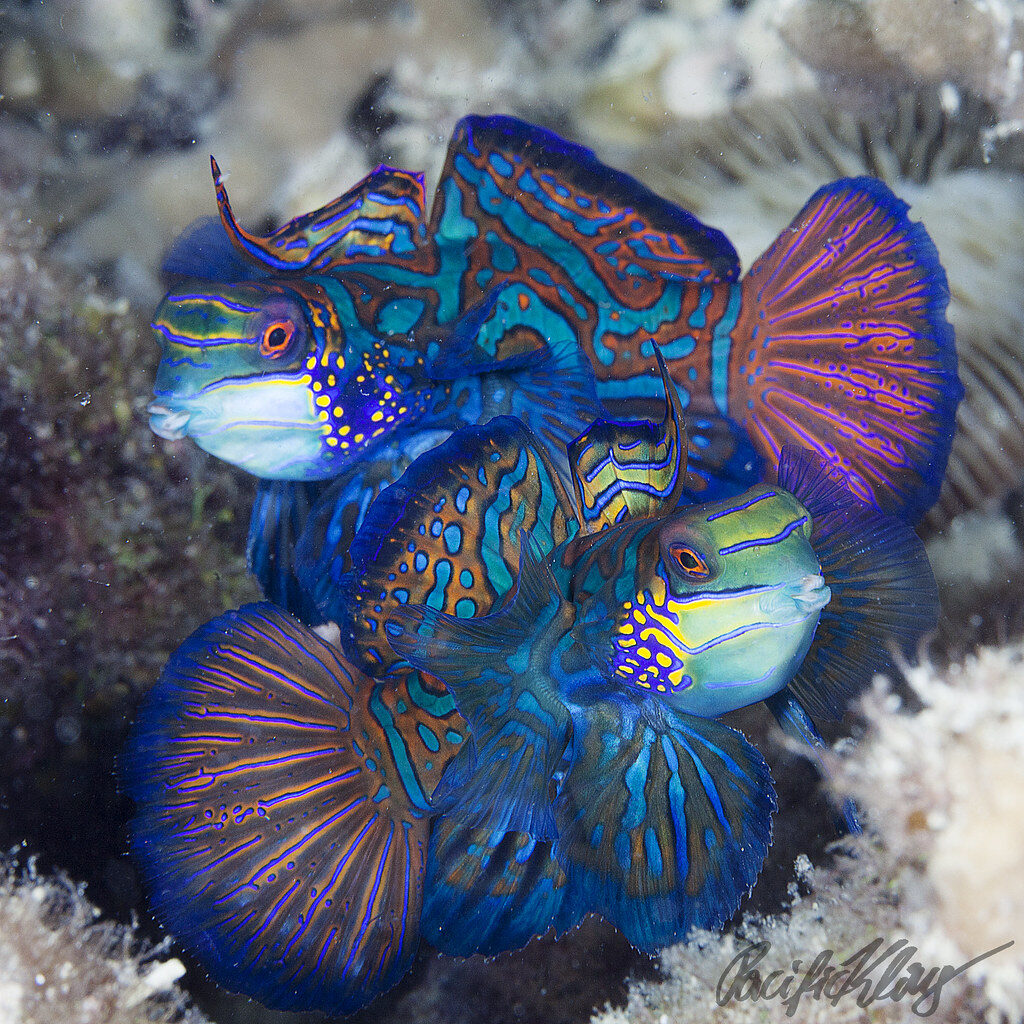
The Mandarin Dragonet, scientifically known as Synchiropus splendidus, is widely regarded as one of the most visually striking saltwater fish available to aquarists. With its vivid blues, greens, oranges, and intricate swirling patterns, this species looks almost hand-painted. Native to the warm waters of the Indo-Pacific, the Mandarin Dragonet is peaceful, slow-moving, and fascinating to observe, but it is also considered a challenging fish to care for properly.
Natural Habitat and Origin
Synchiropus splendidus is native to the Western Pacific Ocean, including regions around the Philippines, Indonesia, Papua New Guinea, and the Great Barrier Reef. In the wild, Mandarin Dragonets inhabit shallow lagoons and coral-rich reef flats where live rock and rubble provide shelter and a constant supply of microscopic food.
These fish spend most of their time hovering close to the substrate, picking at copepods and other tiny crustaceans. This natural feeding behavior is one of the main reasons they are difficult to keep in captivity.
Size and Lifespan
Mandarin Dragonets remain relatively small, typically reaching an adult size of about 3 inches (7–8 cm). Despite their small size, they require a mature aquarium with ample space to forage. With proper care and a stable food source, they can live between 10 and 15 years in captivity.
Diet and Feeding Requirements
In the wild, Mandarin Dragonets feed almost exclusively on live copepods, amphipods, and other microfauna found on live rock. In captivity, this specialized diet presents the greatest challenge.
An established reef tank with a large population of copepods is essential. Some individuals can be trained to accept frozen foods such as mysis shrimp, enriched brine shrimp, or specially prepared dragonet foods, but this is not guaranteed. Many mandarins will slowly starve in tanks that lack sufficient live food.
Refugiums connected to the main tank are highly recommended, as they allow copepod populations to replenish naturally.
Water Conditions
Stable water parameters are critical for Mandarin Dragonets:
Temperature: 24–26°C (75–79°F)
Salinity: 1.024–1.026 SG
pH: 8.1–8.4
Ammonia & Nitrite: 0 ppm
Nitrate: <10 ppm
Because they lack traditional scales and instead have a thick mucous coating, mandarins are sensitive to poor water quality and sudden parameter changes.
Temperament and Community Compatibility
Mandarin Dragonets are extremely peaceful and non-aggressive. They are ideal for calm community reef tanks but should never be housed with fast, aggressive, or competitive feeders.
Compatible tank mates include peaceful gobies, blennies, cardinalfish, and clownfish such as the Black Clownfish. Avoid housing them with aggressive wrasses, dottybacks, or large tangs that may outcompete them for food.
Reef Safety
Mandarin Dragonets are considered 100% reef safe. They do not nip at corals, anemones, or other sessile invertebrates. Their diet is limited to tiny crustaceans living on rock surfaces, making them an excellent choice for reef aquariums focused on coral health.
Sexing Mandarin Dragonets
Sexing Mandarin Dragonets is relatively straightforward once they reach maturity. Males have a noticeably elongated first dorsal spine that extends upward like a banner. Females have a shorter, rounded dorsal fin and are generally slightly smaller in overall size.
Breeding Behavior
Mandarin Dragonets have been successfully bred in captivity, though it remains an advanced endeavor. Breeding usually occurs at dusk, when bonded pairs rise together into the water column to release eggs and sperm simultaneously.
The larvae are extremely small and require specialized planktonic foods, making rearing fry difficult for most hobbyists. Dedicated breeding systems and live food cultures are essential for success.
Ease of Care
The Mandarin Dragonet is considered difficult to care for. While hardy in terms of disease resistance, their specialized feeding requirements mean they are best suited to experienced aquarists with mature reef systems.
They should never be added to newly established aquariums. A tank that has been running for at least 9–12 months with abundant live rock is strongly recommended.
Species Variations
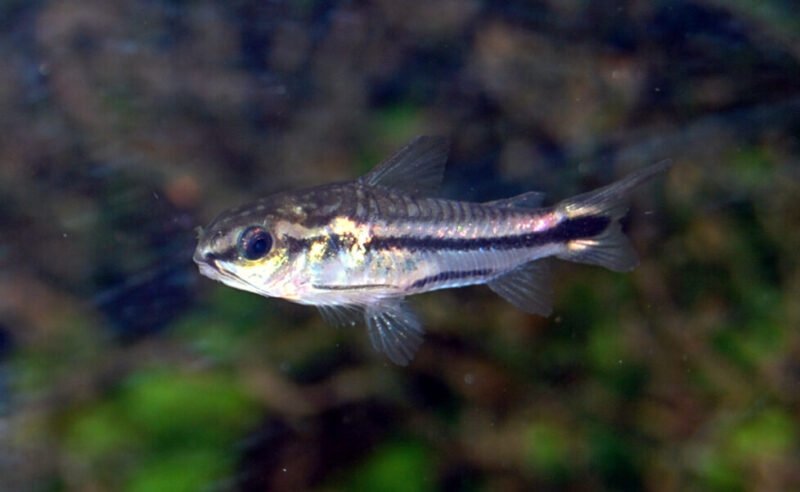
There are a few closely related dragonet species and color variations that aquarists may encounter. The most commonly confused relative is Synchiropus picturatus, often called the Psychedelic Dragonet or Target Mandarin. While similar in care, its patterning differs with more circular designs.
Albino Mandarin Dragonet
True albino Mandarin Dragonets are extremely rare and virtually unheard of in the aquarium trade. What is sometimes marketed as “albino” is typically a color morph or a stressed individual with muted pigmentation. Unlike freshwater species, genuine albinism is exceptionally uncommon among reef fish.
FAQs About Mandarin Dragonets
Can Mandarin Dragonets live in small tanks?
While their size is small, Mandarin Dragonets require large, mature systems (typically 75 gallons or more) to sustain enough natural food.
Do Mandarin Dragonets need live food?
Yes. Most rely heavily on live copepods. Some can adapt to frozen foods, but this should never be assumed.
Are Mandarin Dragonets prone to disease?
They are relatively disease-resistant due to their thick slime coat, but poor water quality and starvation are the most common causes of death.
Conclusion
The Mandarin Dragonet (Synchiropus splendidus) is undeniably one of the most beautiful fish in the marine aquarium hobby. However, its care requirements demand patience, experience, and a well-established reef ecosystem. For aquarists willing to meet its needs, the Mandarin Dragonet offers unmatched color, peaceful behavior, and a truly mesmerizing presence.