Neocaridina davidi, commonly known as the Neocaridina Shrimp, is one of the most popular freshwater aquarium invertebrates in the hobby. Best known through selectively bred color strains such as Cherry Shrimp, Blue Dream Shrimp, Yellow Shrimp, and Red Rili Shrimp, this species is prized for its hardiness, ease of care, and usefulness as a natural algae grazer.
Originally overlooked as a feeder or utility shrimp, Neocaridina shrimp have become a staple in planted aquariums and nano tanks due to their adaptability, peaceful nature, and vibrant coloration.
Scientific Classification and Related Species
Latin Name and Taxonomy
Neocaridina davidi belongs to the family Atyidae, a group of freshwater shrimp commonly found in streams and rivers throughout Asia. This species was previously misidentified as Neocaridina heteropoda, but modern taxonomy has confirmed Neocaridina davidi as the correct scientific name.
Related Shrimp Species
Close relatives include other Neocaridina species and members of the Caridina genus. While visually similar, Caridina shrimp typically require more specialized water conditions, whereas Neocaridina shrimp thrive in a wider range of parameters.
Natural Habitat and Origin
Neocaridina davidi is native to freshwater streams, ponds, and slow-moving rivers in Taiwan and parts of southern China. These environments are characterized by stable water conditions, abundant biofilm, leaf litter, and submerged vegetation.
The adaptability of this species to varying water chemistry is a key reason for its success in captivity.
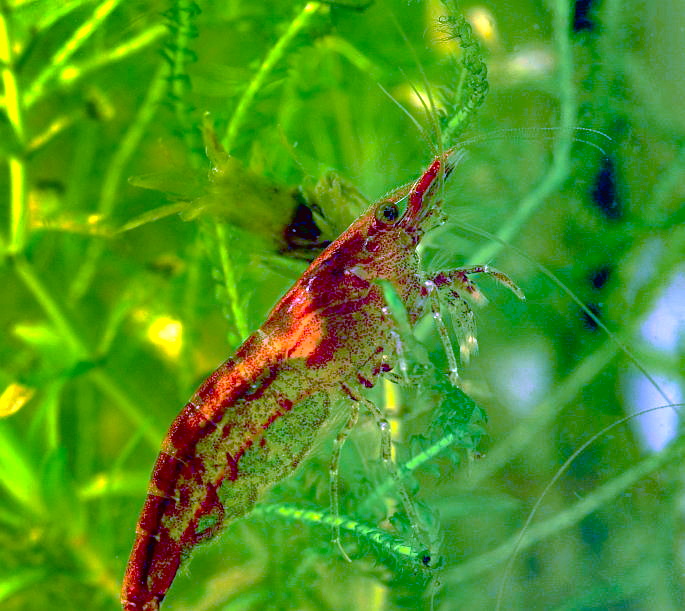
Adult Size and Lifespan
Adult Neocaridina shrimp typically reach a size of 2.5–3 cm (around 1–1.2 inches). Females are noticeably larger and more robust than males.
With proper care, Neocaridina shrimp can live for 1.5 to 2 years in a well-maintained aquarium.
Temperament and Community Compatibility
Neocaridina shrimp are completely peaceful and pose no threat to fish, plants, or other invertebrates. They are ideal for shrimp-only aquariums or carefully selected community tanks.
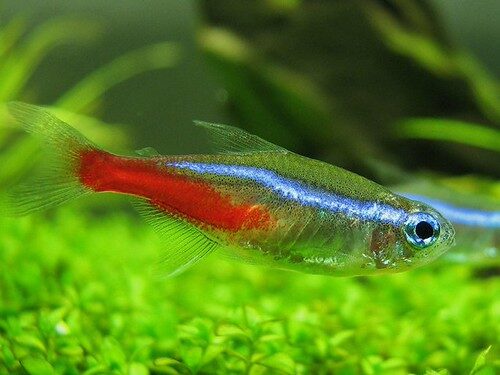
Due to their small size, they are best housed with non-aggressive fish. Suitable tank mates include small tetras, rasboras, otocinclus catfish, and other peaceful nano fish. Larger or predatory fish will view them as food.
Water Conditions and Aquarium Setup
Ideal Water Parameters
One of the strengths of Neocaridina davidi is its tolerance for a broad range of water conditions:
Temperature: 18–26°C (65–78°F)
pH: 6.5–8.0
GH: 6–12 dGH
KH: 3–8 dKH
Aquarium Setup
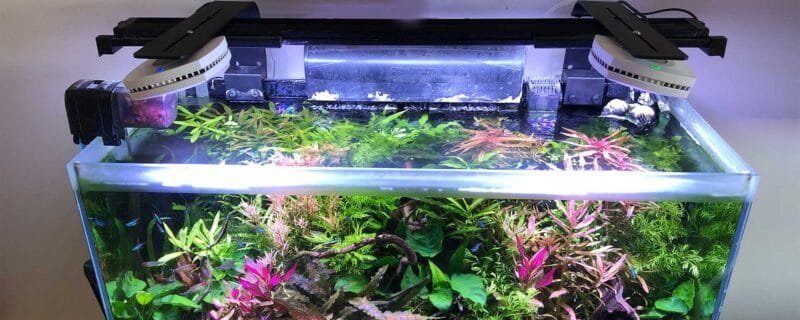
A planted aquarium with fine substrate, mosses, driftwood, and rocks provides ideal grazing surfaces. Biofilm development is essential, making mature tanks preferable.
For guidance on building an appropriate environment, see Setting Up Your First Freshwater Aquarium and Selecting the Best Aquarium Substrate.
Diet and Feeding
Neocaridina shrimp are omnivorous scavengers. In the aquarium, they feed on algae, biofilm, decaying plant matter, and microorganisms.
Supplement their diet with shrimp pellets, blanched vegetables such as spinach or zucchini, and occasional protein-based foods. Overfeeding should be avoided, as excess food can quickly degrade water quality.
Sexing Neocaridina Shrimp
Sexing Neocaridina shrimp is relatively straightforward once they mature:
Females are larger, have a curved underbelly, and display stronger coloration. Many females develop a visible “saddle,” which contains unfertilized eggs.
Males are smaller, slimmer, and usually paler in color.
Breeding Neocaridina davidi
Neocaridina shrimp are prolific breeders, making them ideal for hobbyists interested in shrimp propagation.
Once a female molts, she releases pheromones that attract males. After mating, the female carries fertilized eggs under her abdomen for approximately 3–4 weeks.
When hatched, miniature shrimp emerge fully formed and require no special care beyond stable water conditions and adequate biofilm.
Ease of Care
Neocaridina davidi is considered one of the easiest freshwater shrimp species to keep. Their tolerance of varying water parameters and readiness to breed make them suitable for beginners.
Stability is more important than perfection. Sudden changes in temperature or water chemistry are the most common cause of losses.
Color Variations and Selective Breeding
Selective breeding has produced numerous color morphs, including:
Red Cherry Shrimp
Blue Dream Shrimp
Yellow Shrimp
Orange Shrimp
Green Jade Shrimp
Rili-pattern varieties
These color strains should not be mixed if you wish to maintain strong coloration, as interbreeding often results in wild-type brown offspring.
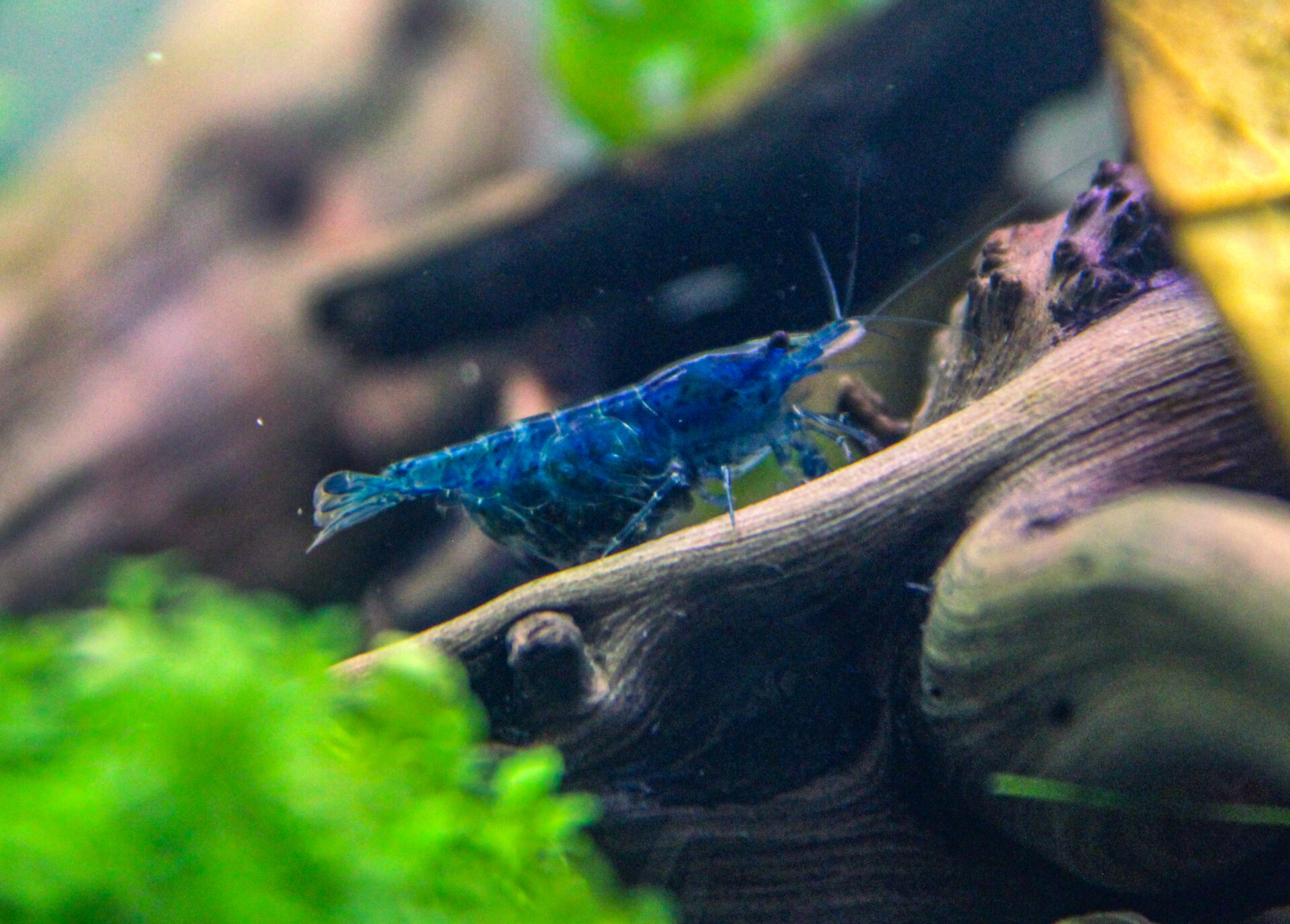
Albino Neocaridina Shrimp
Albino Neocaridina shrimp are extremely rare and not widely established in the aquarium trade. Most pale or translucent shrimp marketed as albino are actually low-grade or juvenile individuals rather than true genetic albinos.
True albino specimens would lack all pigmentation and have red or pink eyes, which is uncommon within Neocaridina breeding lines.
Common Health Issues
Neocaridina shrimp are generally hardy but sensitive to copper and other heavy metals. Always ensure medications and fertilizers are shrimp-safe.
Molting issues are often linked to improper mineral balance. Maintaining appropriate GH and KH levels is critical for successful molts. Learn more in Aquarium Water Chemistry Basics.
Frequently Asked Questions
How many Neocaridina shrimp should I start with?
Starting with 10–20 shrimp allows for a healthy breeding population and natural social behavior.
Can Neocaridina shrimp live with fish?
Yes, but only with small, peaceful fish. Larger fish will prey on adults and juveniles.
Do Neocaridina shrimp need a heater?
A heater is not mandatory if room temperatures remain stable within their acceptable range.
Conclusion
Neocaridina davidi is an exceptional freshwater invertebrate that combines beauty, utility, and ease of care. Whether kept as a colorful focal point in a shrimp-only aquarium or as part of a peaceful planted community tank, these shrimp reward aquarists with constant activity and natural breeding behavior.
For hobbyists seeking a resilient, fascinating species that enhances aquarium balance, Neocaridina shrimp remain one of the best choices available.