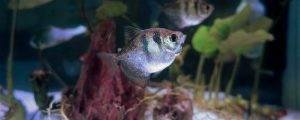
The Black Molly (Poecilia sphenops) is one of the most recognizable and widely kept freshwater aquarium fish. Known for its deep velvety black coloration and peaceful nature, the Black Molly is a favorite among beginner and experienced aquarists alike. These lively fish belong to the Poeciliidae family, which also includes other popular livebearers such as Guppies (Poecilia reticulata). Because of their adaptability and ease of care, Black Mollies are often recommended as an excellent starter species for community aquariums. Originally native to Central and South America, Black Mollies have been selectively bred over many decades to produce the striking jet-black coloration that makes them stand out in home aquariums. Their calm temperament, hardy nature, and interesting breeding behavior make them a fascinating addition to many freshwater setups.
Common Name and Scientific Classification
Scientific Name
Poecilia sphenops
Common Names
Black Molly, Common Molly, Shortfin Molly
Family
Poeciliidae
Related Species
The Black Molly belongs to a group of livebearing fish that includes species such as sailfin mollies (Poecilia latipinna) and other popular aquarium fish like guppies and swordtails. These relatives share similar breeding behaviors and water requirements.
Native Habitat
In the wild, Poecilia sphenops is found throughout Central America and northern regions of South America. Their natural habitats include slow-moving rivers, streams, coastal lagoons, and estuaries. Interestingly, mollies are capable of tolerating a wide range of salinity levels, meaning they can thrive in freshwater, brackish water, and even mildly salty environments. This adaptability is one reason why Black Mollies are so hardy in aquariums. In nature they are often found among dense aquatic vegetation where they feed on algae, small invertebrates, and plant matter.
Size
Black Mollies are moderately sized livebearers. Adult fish typically grow between 3 to 4 inches (7.5–10 cm) in length, though females are usually slightly larger than males. Their body shape is relatively rounded with a slightly flattened side profile. Depending on the variety, some mollies may have larger fins, such as the sailfin type, which can appear quite dramatic in a well-lit aquarium.
Diet
Black Mollies are omnivores and will accept a wide variety of foods in captivity. In the wild they consume algae, small crustaceans, insect larvae, and plant material. A balanced aquarium diet should include:
Staple Foods
High-quality tropical flakes or pellets designed for omnivorous fish.
Vegetable Matter
Spirulina flakes, algae wafers, and blanched vegetables such as zucchini or spinach.
Protein Supplements
Occasional treats like bloodworms, brine shrimp, or daphnia. Providing a mix of plant-based and protein-rich foods will help maintain their vibrant color and overall health.
Sexing Black Mollies
Sexing Black Mollies is relatively easy once they reach maturity.
Male Mollies
Males are typically smaller and more slender. They possess a specialized fin called a gonopodium, which is a modified anal fin used for reproduction.
Female Mollies
Females are larger, rounder in the belly, and have a standard fan-shaped anal fin. When pregnant, females often develop a noticeably swollen abdomen. Because males may constantly pursue females for mating, it is generally recommended to keep multiple females for each male to reduce stress.
Breeding
Black Mollies are livebearers, meaning they give birth to free-swimming young rather than laying eggs. Breeding them in an aquarium is relatively easy.
Breeding Behavior
Male mollies will court females frequently. Once fertilized, the female carries the developing fry internally.
Gestation Period
The gestation period typically lasts around 4 to 6 weeks depending on water temperature and environmental conditions.
Fry
A single female may give birth to anywhere from 20 to 100 fry at once. The young are fully formed and able to swim immediately after birth. Providing dense plants or breeding boxes can help protect fry from being eaten by adult fish.
Water Conditions
Black Mollies are hardy fish that adapt well to various aquarium environments, but they thrive best under stable conditions.
Ideal Water Parameters
Temperature: 72–82°F (22–28°C) pH: 7.0–8.5 Water Hardness: Moderate to hard water preferred Many aquarists report that mollies do particularly well in slightly alkaline water. Some hobbyists even add small amounts of aquarium salt to mimic their natural brackish conditions, though this is not strictly necessary in most freshwater tanks.
Ease of Care
The Black Molly is widely considered an easy fish to care for. Their ability to tolerate a variety of water conditions makes them ideal for beginners learning the basics of aquarium keeping. However, they still require clean water, a properly cycled aquarium, and regular maintenance to stay healthy. Frequent water changes and good filtration will help keep these fish thriving. Because they are active swimmers, a tank of at least 20 gallons is recommended for a small group.
Community Tank Compatibility
Black Mollies are peaceful fish that generally get along well with other non-aggressive species. Their calm temperament makes them ideal for community aquariums.
Good Tank Mates
Some compatible species include: TetrasRasborasCorydoras catfish Platies Swordtails Avoid housing them with aggressive fish such as large cichlids that may harass or injure them.
Species Variations
Selective breeding has produced numerous varieties of mollies with unique colors and fin shapes. While the classic Black Molly is the most well known, aquarists can find many interesting variations.
Common Molly Variants
Sailfin Molly Dalmatian Molly Gold Molly Lyretail Molly Each of these variations shares similar care requirements but offers different aesthetic appeal for aquarium enthusiasts.
The Albino Version
Albino mollies are another striking variant occasionally found in the aquarium trade. Instead of dark pigmentation, these fish display pale bodies with pink or red eyes due to the lack of melanin. Albino mollies typically require the same care conditions as standard Black Mollies. However, because they lack protective pigmentation, they may prefer slightly dimmer lighting or aquariums with shaded areas created by plants and decorations. Despite their delicate appearance, albino mollies can be just as hardy as their darker counterparts when kept in stable aquarium conditions.
Conclusion
The Black Molly (Poecilia sphenops) remains one of the most popular freshwater fish for good reason. Its striking appearance, peaceful nature, and fascinating livebearing behavior make it a rewarding species for aquarists of all experience levels. Whether kept in a planted community tank or a dedicated livebearer aquarium, Black Mollies bring constant activity and personality to the aquatic environment. With proper care, stable water conditions, and a balanced diet, these fish can thrive and reproduce readily, making them a wonderful addition to many home aquariums.
Frequently Asked Questions
Are Black Mollies good for beginners?
Yes, Black Mollies are considered one of the best beginner fish because they are hardy, adaptable, and easy to feed. As long as water quality is maintained, they are generally very resilient.
How many Black Mollies should be kept together?
It is best to keep them in small groups of at least three to five fish. A ratio of one male to two or three females helps prevent females from being constantly harassed during breeding.
Do Black Mollies need salt in their water?
Salt is not strictly required, but mollies can tolerate slightly brackish conditions. Some aquarists add small amounts of aquarium salt to improve health, especially in harder water setups.