Callichthys callichthys, commonly known as the Armored Catfish or Swamp Catfish, is a fascinating and hardy freshwater species native to South America. Unlike its more commonly kept Corydoras relatives, this species is larger, more primitive in appearance, and displays unique behaviours that make it an intriguing choice for experienced aquarists seeking something different.
Scientific Classification and Relatives
The Armored Catfish belongs to the family Callichthyidae, a group well known for their bony body plates and bottom-dwelling lifestyles. This family also includes the popular Corydoras catfish.
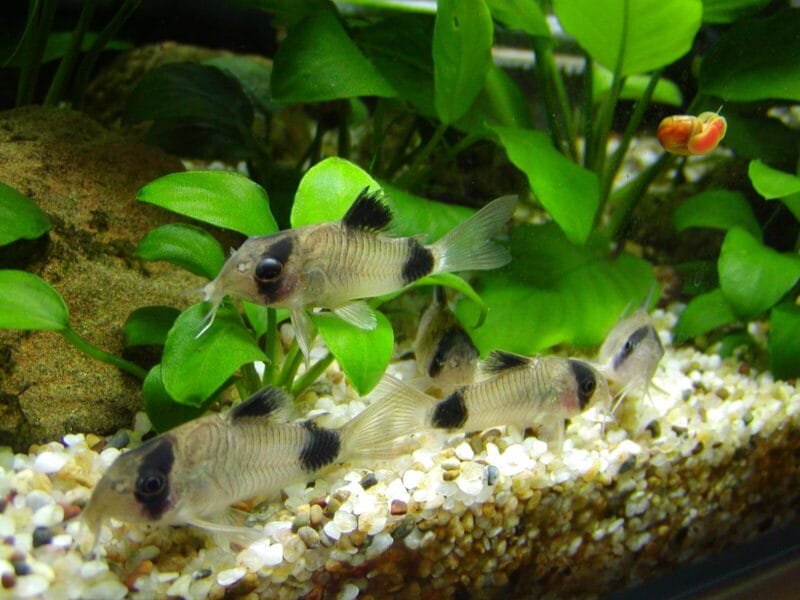
Notable relatives include Corydoras species such as Bronze Corydoras (Corydoras aeneus) and Peppered Corydoras (Corydoras paleatus), though Callichthys callichthys is considerably larger and more territorial than these peaceful community fish.
Natural Habitat and Distribution
Callichthys callichthys is native to northern and central South America, including Brazil, Venezuela, Guyana, Suriname, and Trinidad. It inhabits slow-moving rivers, swamps, floodplains, and heavily vegetated waters.
These environments are often low in oxygen, which has led to the species developing the ability to gulp atmospheric air using a modified gut. This adaptation allows them to survive in challenging conditions where many other fish could not.
Appearance and Size
The Armored Catfish has a robust, elongated body covered in hard bony plates rather than traditional scales. Its coloration typically ranges from dark brown to olive with a mottled or speckled pattern that provides excellent camouflage in murky waters.
Adults commonly reach a size of 15–20 cm (6–8 inches), making them significantly larger than most Corydoras species. Their pectoral fins are strong and can lock into place as a defense mechanism.
Albino Callichthys callichthys
Albino varieties of Callichthys callichthys do exist, though they are far less common in the aquarium trade. Albino specimens display a pale pinkish-white body with red or pink eyes.
Care requirements for albino individuals are identical to wild-type fish, though they may be slightly more sensitive to bright lighting and should be provided with plenty of shaded areas and hiding spots.
Tank Size and Setup
Due to their adult size and active bottom-dwelling nature, a minimum tank size of 55 gallons is recommended for Callichthys callichthys. Larger tanks are preferable, especially if keeping more than one specimen.
A soft sand or smooth fine gravel substrate is essential to protect their sensitive barbels. The aquarium should include driftwood, leaf litter, and dense planting around the edges to mimic their natural habitat while leaving open swimming areas.
Water Conditions
Callichthys callichthys is adaptable but thrives best in stable, well-maintained water conditions.
Recommended parameters include:
Temperature: 22–28°C (72–82°F)
pH: 6.0–7.5
Hardness: Soft to moderately hard
Despite their tolerance for poorer conditions, clean water and regular maintenance are essential for long-term health.
Diet and Feeding
This species is an omnivore with a strong preference for meaty foods. In the wild, it feeds on insects, worms, crustaceans, and organic debris.
In the aquarium, a varied diet should include sinking catfish pellets, frozen or live foods such as bloodworms and brine shrimp, and occasional vegetable matter. Feeding should occur after lights out, as they are most active during dusk and nighttime hours.
Behaviour and Temperament
Callichthys callichthys is generally peaceful toward mid- and upper-level fish but can be territorial with other bottom dwellers, particularly its own kind. Minor aggression is most likely during feeding times or breeding periods.
They are known for their ability to produce audible clicking sounds, especially when handled or stressed, which is a unique trait among aquarium fish.
Community Tank Compatibility
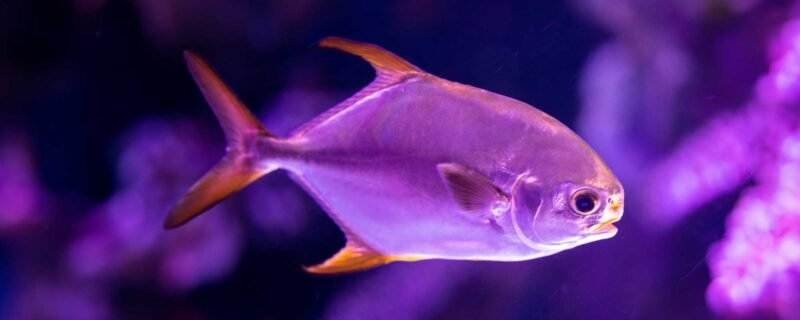
While not an ideal community fish for small tanks, Callichthys callichthys can coexist with larger, peaceful species such as silver dollars, larger tetras, peaceful cichlids, and robust barbs.
They should not be housed with aggressive or highly territorial fish, nor with very small species that may be outcompeted for food.
Sexing Differences
Sexing Callichthys callichthys can be challenging. Females are typically broader and fuller-bodied, especially when carrying eggs. Males often have thicker pectoral fin spines and may display more intense coloration during breeding periods.
Breeding Callichthys callichthys
Breeding this species in captivity is possible but uncommon. In the wild, spawning is often triggered by seasonal rains and changes in water parameters.
Males construct bubble nests among floating vegetation, similar to gouramis. After spawning, the male guards the nest until the eggs hatch. Raising fry requires infusoria or very fine powdered foods during the early stages.
Ease of Care
Callichthys callichthys is considered moderately easy to care for, provided its size and behaviour are properly accommodated. Its hardiness makes it forgiving of minor mistakes, but its space requirements mean it is best suited to intermediate or experienced aquarists.
Species Variations
Aside from the albino form, there are no widely recognized colour morphs or selective strains of Callichthys callichthys. Wild-caught individuals may vary slightly in pattern and coloration depending on their geographic origin.
Frequently Asked Questions
Is Callichthys callichthys suitable for beginners?
While hardy, its large size and tank requirements make it better suited to aquarists with some experience.
Does this species need to gulp air?
Yes, occasional air gulping is normal and healthy behaviour due to their specialized gut respiration.
Can Callichthys callichthys live alone?
Yes, they can be kept singly and often do well as a solitary bottom dweller in larger tanks.