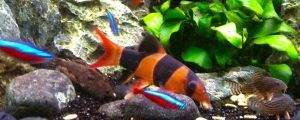
The Bronze Stripe Corydoras, scientifically known as Corydoras eques, is a lesser-known but highly rewarding freshwater catfish species for aquarists who appreciate natural behavior and subtle beauty. Once often confused with closely related species, Corydoras eques has earned its place as a distinct and fascinating member of the Corydoradinae subfamily. With its peaceful nature, social behavior, and active bottom-dwelling habits, this species is an excellent addition to well-planned community aquariums.
This in-depth care guide explores everything you need to know about Corydoras eques, including its natural habitat, tank requirements, diet, breeding behavior, compatibility, and even albino variations where applicable.
Scientific Classification and Relatives
Latin Name and Taxonomy
Scientific name: Corydoras eques
Family: Callichthyidae
Subfamily: Corydoradinae
Corydoras eques belongs to the armored catfish family Callichthyidae, a group known for their bony plates, bottom-feeding behavior, and social schooling instincts. It is closely related to other medium-sized Corydoras species such as Corydoras aeneus, Corydoras panda, and Corydoras sterbai. These species share similar care requirements but differ in coloration, patterning, and temperature tolerance.
Common Name
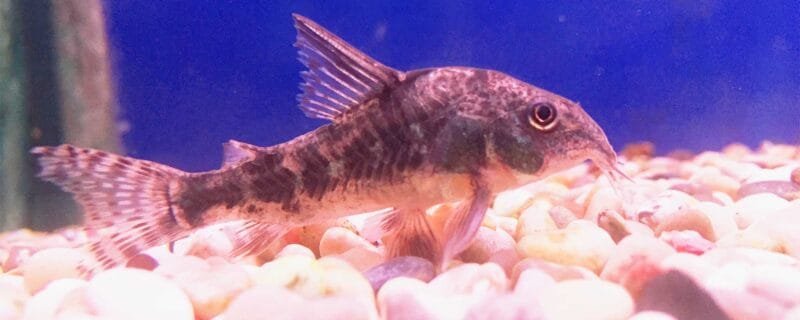
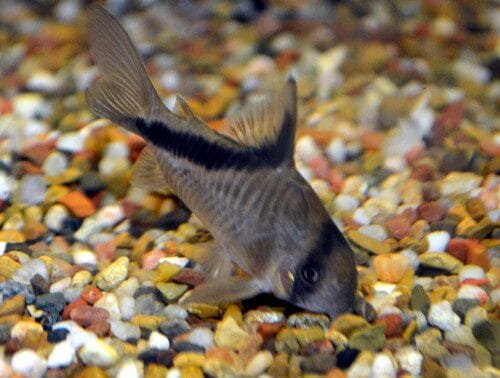
Corydoras eques is commonly referred to as the Bronze Stripe Corydoras. The name comes from the subtle metallic stripe that runs along the flank of the fish, particularly visible under good lighting.
Native Habitat and Distribution
The Bronze Stripe Corydoras is native to South America, primarily found in river systems of Brazil and surrounding regions within the Amazon and Paraguay river basins. In the wild, this species inhabits slow-moving tributaries, floodplains, and shallow streams with sandy or muddy substrates.
These environments are typically shaded by dense vegetation, submerged roots, and leaf litter. Water conditions fluctuate seasonally, with softer, slightly acidic water during the rainy season and warmer temperatures year-round. Understanding this natural habitat helps aquarists replicate ideal conditions in the home aquarium.
Adult Size and Appearance
Corydoras eques grows to an average adult size of approximately 6–7 cm (2.5–2.75 inches). This makes it slightly larger than dwarf Corydoras species but still well-suited for medium-sized aquariums.
The body is compact and armored, with overlapping bony plates instead of scales. The base coloration ranges from bronze to olive-brown, accented by a darker lateral stripe. Like all Corydoras, it has sensitive barbels around the mouth, which are used to locate food along the substrate.
Tank Size and Aquarium Setup
Minimum Tank Size
A minimum tank size of 20 gallons is recommended for a small group of Corydoras eques. Larger tanks are always preferable, especially when keeping them in proper social groups.
Substrate and Decor
Fine sand or smooth, rounded gravel is essential to protect the fish’s delicate barbels. Sharp substrates can lead to infections and barbel erosion. Driftwood, leaf litter, smooth rocks, and live plants such as Amazon swords or Cryptocoryne species help recreate their natural environment.
For aquascaping inspiration and setup guidance, see Setting Up Your First Freshwater Aquarium.
Filtration and Flow
Moderate filtration with gentle water flow is ideal. Corydoras eques does not appreciate strong currents but benefits from well-oxygenated water. Sponge filters or canister filters with spray bars work well.
Water Parameters
Stable water conditions are critical for long-term health.
Temperature: 22–26°C (72–79°F)
pH: 6.0–7.5
Hardness: Soft to moderately hard (2–12 dGH)
Regular water changes of 25–30% weekly help maintain water quality. Poor water conditions are one of the leading causes of illness in Corydoras species.
Diet and Feeding
Corydoras eques is an omnivore with a strong preference for sinking foods. In the wild, it feeds on insect larvae, worms, small crustaceans, and organic debris.
Recommended Foods
High-quality sinking pellets or wafers should form the dietary staple. Supplement with frozen or live foods such as bloodworms, brine shrimp, and daphnia. Occasional blanched vegetables can also be offered.
For more feeding insights, visit Aquarium Fish Feeding: Complete Nutrition Guide.
Temperament and Community Compatibility
The Bronze Stripe Corydoras is peaceful, social, and highly compatible with most community fish. It should always be kept in groups of at least six individuals, as solitary Corydoras become stressed and withdrawn.
Good Tank Mates
Ideal companions include small tetras, rasboras, peaceful barbs, dwarf gouramis, and other non-aggressive species. Corydoras eques also coexists well with other Corydoras species, provided there is enough space.
Avoid aggressive cichlids or large predatory fish that may harass or outcompete them for food.
Sexing Corydoras eques
Sexing this species is relatively straightforward once the fish reach maturity. Females are noticeably larger and rounder, especially when viewed from above. Males are slimmer and slightly smaller.
Breeding Behavior
Breeding Corydoras eques in captivity is achievable with proper conditioning. A separate breeding tank is recommended for best results.
Spawning Conditions
Gradual temperature drops combined with frequent water changes can simulate rainy season conditions and trigger spawning. Females lay adhesive eggs on glass, plants, or decor. Once spawning is complete, adults should be removed to prevent egg predation.
Eggs typically hatch within 3–5 days, and fry can be fed infusoria followed by newly hatched brine shrimp.
Ease of Care
Corydoras eques is considered an easy to moderate care species. While hardy once established, it is sensitive to poor water quality and unsuitable substrates. It is best suited for aquarists who understand the importance of routine maintenance.
Species Variations and Albino Forms
Unlike some Corydoras species, such as Corydoras aeneus, Corydoras eques does not have a widely recognized albino strain available in the aquarium trade. However, minor regional variations in coloration and stripe intensity can occur depending on origin.
Common Health Concerns
Barbel erosion, fungal infections, and stress-related illnesses are the most common issues. These are almost always linked to poor substrate choice or declining water quality. Maintaining clean water and a soft substrate prevents most problems.
FAQs About Corydoras eques
How many Corydoras eques should be kept together?
A minimum of six individuals is recommended to allow natural schooling behavior and reduce stress.
Do Corydoras eques clean the tank?
While they scavenge leftover food, they are not algae eaters and should not be relied on as a cleanup solution.
Can Corydoras eques live with shrimp?
Yes, they are generally shrimp-safe, though very small shrimp fry may occasionally be eaten.
Conclusion
The Bronze Stripe Corydoras (Corydoras eques) is an excellent choice for aquarists seeking a peaceful, active, and engaging bottom-dweller. With proper care, suitable tank mates, and stable water conditions, this species will thrive and display fascinating natural behaviors for many years. Its understated beauty and social nature make it a valuable addition to any freshwater community aquarium.