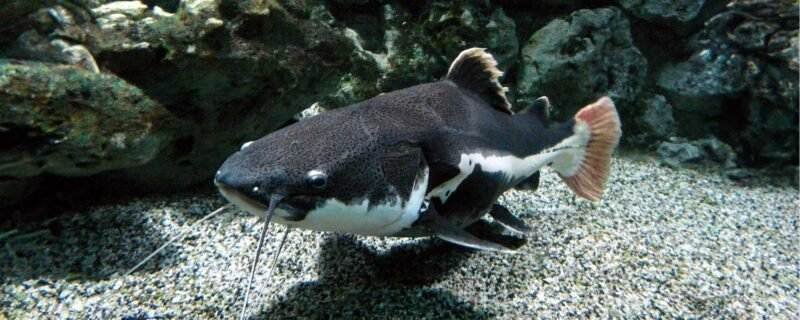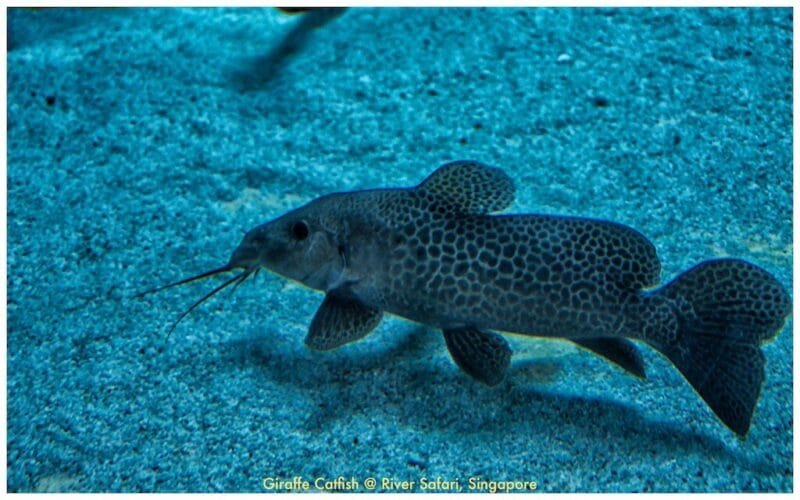
The Feather-Fin Synodontis, scientifically known as Synodontis eupterus, is one of the most striking and recognizable African catfish species available in the aquarium hobby. Named for its dramatic, sail-like dorsal fin and elegant flowing rays, this species is both hardy and full of character, making it a long-standing favourite among aquarists who enjoy larger, intelligent freshwater fish.
Native to Africa and known for its nocturnal habits, the Feather-Fin Synodontis is best suited to medium-to-large aquariums with plenty of structure. While often sold as a juvenile, it grows into a bold, confident fish that can live for well over a decade when properly cared for.
Natural Habitat and Origin
Synodontis eupterus is native to West and Central Africa, where it inhabits large river systems such as the Nile, Niger, Chad Basin, and Volta River. These waters are typically slow to moderately flowing, with muddy or sandy substrates, scattered rocks, submerged roots, and fallen wood.
In the wild, Feather-Fin Synodontis spend much of the day hiding among structure and become more active at dusk and during the night. This behaviour carries over into captivity, where they appreciate caves, driftwood, and shaded areas.
Size and Lifespan
The Feather-Fin Synodontis is a fairly large catfish species. In aquariums, adults commonly reach 20–30 cm (8–12 inches), with some specimens growing even larger in spacious tanks.
With proper care, stable water conditions, and a suitable diet, Synodontis eupterus can live 10–15 years, making it a true long-term commitment.
Appearance and Physical Characteristics
This species is instantly recognizable thanks to its oversized dorsal fin, which resembles a feather or sail and often extends dramatically when the fish is alert. The body is typically light brown to grey with darker spotting, helping it blend into riverbed environments.
Like other Synodontis species, it possesses strong pectoral spines, barbels around the mouth for sensing food, and a slightly flattened underside adapted for bottom-dwelling life.
Diet and Feeding
Feather-Fin Synodontis are omnivorous and opportunistic feeders. In the wild, they consume insects, crustaceans, plant matter, algae, and detritus.
Recommended Aquarium Diet
A varied diet is essential for long-term health:
• Sinking catfish pellets or wafers
• Frozen or live foods such as bloodworms, brine shrimp, and mysis shrimp
• Occasional vegetable matter such as blanched zucchini or spinach
• Leftover food from mid-water fish (they are excellent scavengers)
Feeding should ideally occur in the evening when they are most active.
Tank Size and Setup
Due to their size and activity level, Feather-Fin Synodontis require a minimum tank size of 75 gallons, with larger tanks strongly recommended for adult specimens.
Ideal Tank Setup
• Sandy or fine gravel substrate
• Driftwood, rock caves, and hollow décor for hiding
• Moderate lighting with shaded areas
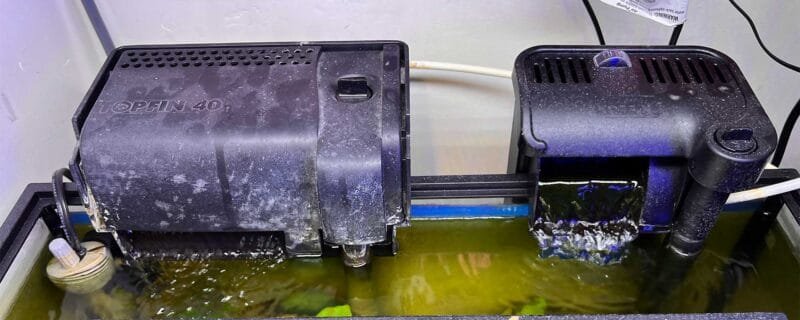
• Strong filtration to handle waste output
• Gentle to moderate water flow
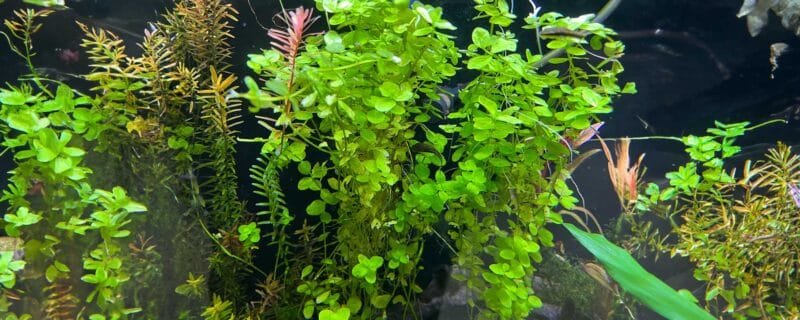
Plants can be used, but they should be hardy species such as Anubias or Java Fern attached to hardscape, as Synodontis may uproot delicate plants.
Water Conditions
Synodontis eupterus is adaptable but thrives best in stable, clean water conditions.
Recommended Parameters
• Temperature: 24–28°C (75–82°F)
• pH: 6.5–7.8
• Hardness: 5–20 dGH
• Ammonia/Nitrite: 0 ppm
• Nitrate: < 20 ppm
Weekly water changes of 25–30% are recommended to maintain water quality.
Temperament and Community Compatibility
The Feather-Fin Synodontis is generally peaceful but can become territorial with age, especially toward other bottom-dwelling fish. It is not aggressive in the traditional sense, but it will eat very small tank mates if given the opportunity.
Good Tank Mates
• Large African cichlids (non-aggressive species)
• Severums and other medium-large South American cichlids
• Rainbowfish
• Larger barbs and tetras
• Other robust catfish species
Avoid housing them with very small fish, shrimp, or slow-moving bottom dwellers.
Ease of Care
The Feather-Fin Synodontis is considered moderate in difficulty. While it is hardy and forgiving of minor parameter fluctuations, its size, longevity, and waste production mean it is best suited for aquarists with some experience and adequate tank space.
Sexing Feather-Fin Synodontis
Sexing Synodontis eupterus can be challenging. Females are typically broader-bodied when mature, especially when carrying eggs, while males tend to be slimmer. There are no dramatic external differences, making accurate sexing difficult without spawning behaviour.
Breeding in Captivity
Breeding Feather-Fin Synodontis in home aquariums is extremely rare. In commercial settings, hormone injections are often used to induce spawning.
In natural conditions, they are seasonal spawners triggered by changes in water chemistry and flow associated with rainy seasons. Due to the complexity, breeding is not considered realistic for most hobbyists.
Species Variations and Related Synodontis
The genus Synodontis includes many fascinating species that share similar traits but vary in size and temperament. Related species worth exploring include:
• Cuckoo Catfish (Synodontis multipunctatus)
• Dwarf Petricola Catfish (Synodontis petricola)
• Ocellated Synodontis (Synodontis ocellifer)
Albino Feather-Fin Synodontis
Albino Synodontis eupterus do exist, though they are uncommon. These fish display a creamy white to pale pink body with red or pink eyes while retaining the same dramatic fin structure.
Care requirements for albino individuals are identical to the standard form, though slightly subdued lighting is recommended to reduce stress.
FAQs
Is the Feather-Fin Synodontis good for beginners?
While hardy, its large adult size and long lifespan make it better suited to intermediate aquarists with adequate tank space.
Will Feather-Fin Synodontis clean my tank?
They are excellent scavengers but do not replace proper tank maintenance or algae control.
Can Feather-Fin Synodontis live alone?
Yes, they do well as solitary specimens, though they can also coexist with compatible tank mates.
Conclusion
The Feather-Fin Synodontis is a bold, intelligent, and visually stunning catfish that adds personality and presence to large freshwater aquariums. With proper care, ample space, and thoughtful tank mate selection, Synodontis eupterus can become a long-lived centrepiece fish that rewards keepers with fascinating behaviour and unmistakable beauty.
Meta Description
Learn how to care for the Feather-Fin Synodontis (Synodontis eupterus). Discover tank size, diet, temperament, compatibility, water conditions, breeding, and albino varieties.