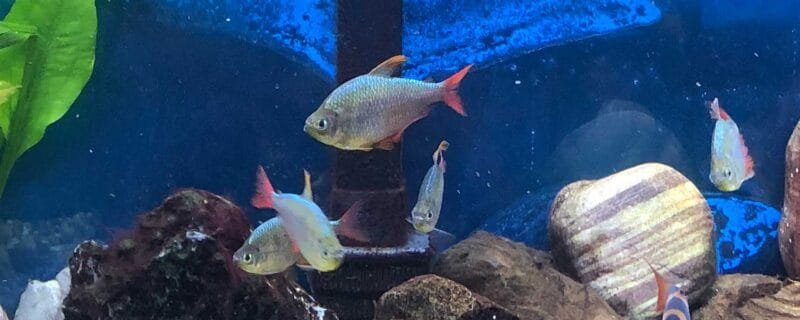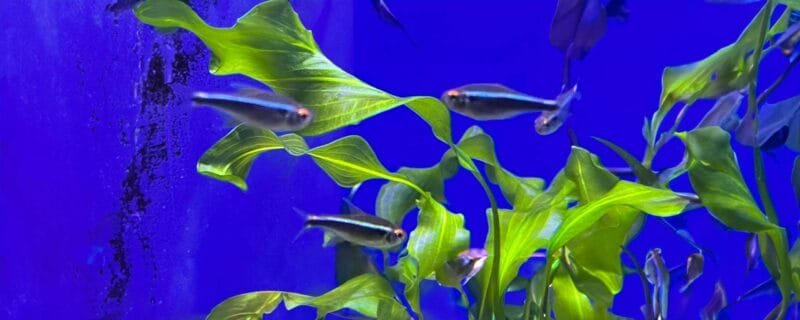
The Serpae Tetra (Hyphessobrycon eques), also known as the Red Minor Tetra or Jewel Tetra, is a dazzling freshwater fish loved by aquarists for its vivid red coloration and energetic personality. Native to the slow-moving waters of South America, particularly the Amazon Basin, these tetras bring a splash of color and liveliness to any community aquarium. While beautiful, Serpae Tetras are also known for their fin-nipping tendencies, making understanding their behavior essential for creating a peaceful and thriving tank.
Scientific Classification
Common Name: Serpae Tetra
Scientific Name:Hyphessobrycon eques
Family: Characidae
Origin: South America – primarily the Amazon River Basin, Paraguay, and Guaporé regions
Habitat: Slow-moving streams, tributaries, and floodplains with dense vegetation and shaded areas
Appearance
The Serpae Tetra is easily recognized by its striking, ruby-red coloration that deepens under good lighting and proper care. A distinctive black comma-shaped patch appears just behind the gills, and the dorsal and anal fins are often tipped with black. Males tend to be slimmer and more intensely colored than females, especially during spawning periods. The Albino Serpae Tetra, a selectively bred variant, exhibits a softer pinkish or peach hue with translucent fins, offering a more delicate aesthetic while maintaining the same lively personality.
Size
Adult Serpae Tetras grow to about 1.5 to 2 inches (4–5 cm) in length. Their compact size makes them ideal for small to medium community aquariums, provided their active swimming behavior is accommodated.
Lifespan
With proper care and stable water conditions, Serpae Tetras can live 5 to 7 years in captivity. Diet, water quality, and social environment greatly influence their longevity.
Behavior and Temperament
Serpae Tetras are semi-aggressive, especially if kept in too small a group or in overcrowded tanks. Known for their tendency to nip the fins of slower, long-finned tank mates, such as Angelfish or Guppies, their boisterous behavior is best managed by keeping them in schools of 6 or more. In a larger group, their focus stays within the shoal, and aggressive behavior is significantly reduced.
They are energetic swimmers, often occupying the middle levels of the tank, darting around plants and decorations. When happy, they display vivid coloration and synchronized schooling behavior that’s mesmerizing to watch.
Tank Requirements and Water Conditions
Creating a suitable environment is key to maintaining healthy and stress-free Serpae Tetras.
Tank Size
Minimum of 20 gallons for a small group (6–8 tetras).
Larger tanks are recommended for mixed-community setups.
Water Parameters
Temperature: 72–79°F (22–26°C)
pH: 5.0–7.8 (ideally slightly acidic to neutral)
Hardness: 5–25 dGH
Lighting: Moderate
Filtration: Gentle flow mimicking slow-moving natural habitats
Aquascaping Tips
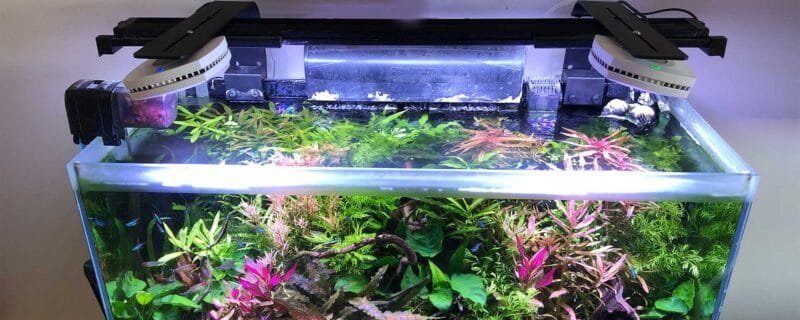
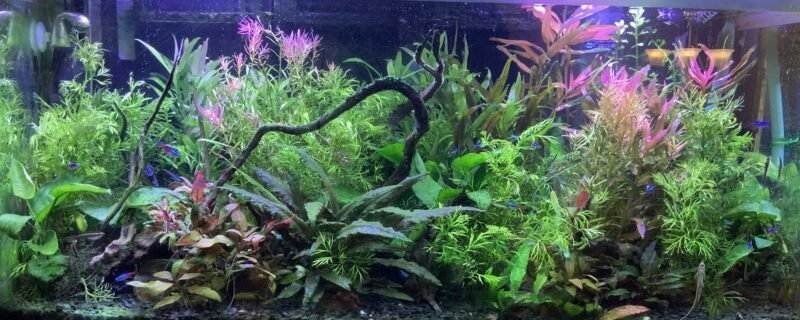
Include driftwood, live plants, and subdued lighting to replicate their native blackwater conditions.
Floating plants like Amazon Frogbit or Water Lettuce help diffuse light and create a sense of security.
A dark substrate enhances their coloration dramatically.
Diet
Serpae Tetras are omnivorous, thriving on a varied diet.
Feeding Recommendations
Primary Diet: High-quality flake or micro-pellet food formulated for tropical fish.
Supplements: Live or frozen foods such as bloodworms, brine shrimp, and daphnia encourage vibrant color and vitality.
Vegetable Matter: Spirulina flakes or blanched spinach can be offered occasionally.
Feed small amounts 2–3 times daily, ensuring they consume all food within a few minutes to prevent water fouling.
Sexing
Males are usually more vividly colored and slimmer, with pointed dorsal fins. Females appear rounder in the belly area, especially when carrying eggs. During breeding conditions, males display intensified coloration and chase females in courtship.
Breeding Serpae Tetras
Breeding Serpae Tetras in captivity is achievable with proper preparation and water conditions.
Breeding Setup
Use a separate breeding tank (10–15 gallons) with fine-leaved plants or spawning mops.
Maintain water at 78°F (25°C) and slightly acidic (pH 6.0–6.5).
Dim lighting encourages spawning behavior.
Spawning Process
Introduce one female and two males to the breeding tank.
Males will court the female, and spawning typically occurs in the morning.
Eggs are scattered over plants and substrate—remove adults immediately after spawning to prevent them from eating the eggs.
Fry Care
Eggs hatch in about 24–36 hours, and fry become free-swimming after three days.
Feed fry with infusoria or liquid fry food, progressing to crushed flakes or baby brine shrimp as they grow.
Tank Mates
When managed properly, Serpae Tetras can be part of a peaceful community tank.
Good Tank Mates
Other active tetras (Black Skirt, Rummy Nose, Bloodfin)
Corydoras catfish
Zebra Danios
Plecos (smaller species)
Snails or shrimp (with caution — they may nip antennae)
Avoid
Slow-moving or long-finned fish (Angelfish, Betta, Guppy)
Aggressive or territorial species (Cichlids, Barbs)
Ease of Care
Moderate.
Serpae Tetras are hardy and adaptable but require consistent water parameters and appropriate companions to minimize fin-nipping behavior. They are well-suited to intermediate aquarists or beginners willing to monitor behavior closely.
Species Variations
Several closely related Hyphessobrycon species share similar traits, including the Rosy Tetra (H. rosaceus) and the Red Phantom Tetra (H. sweglesi). The Albino Serpae Tetra, a popular variation, displays translucent pinkish-white coloration with a red eye ring, providing a gentler visual contrast to standard Serpaes.
The Albino Serpae Tetra
The Albino Serpae Tetra retains the same size, temperament, and care requirements as the standard species but offers a unique pastel aesthetic. Its shimmering white-pink scales and red eyes make it a favorite among aquarists seeking visual variety. Keeping both variants together enhances the visual appeal of a community tank, especially under soft LED lighting.
Common Health Issues
Serpae Tetras are prone to the same ailments as other tropical fish, including:
Ich (White Spot Disease) – Prevent by maintaining stable temperature and quarantine new fish.
Fin Rot – Caused by stress or poor water quality; treat promptly with antibacterial medication.
Nutritional Deficiencies – Avoid repetitive diets; provide varied food sources.
Routine water changes (25–30% weekly) and good filtration prevent most common illnesses.
FAQs About Serpae Tetras
1. Are Serpae Tetras good for beginners?
Yes, they are fairly hardy and adaptable, making them a good choice for beginner aquarists who can manage small community tanks and monitor aggression levels.
2. Why are my Serpae Tetras nipping other fish?
Fin-nipping often occurs when they are kept in small groups or with incompatible tank mates. Keeping at least six together in a spacious tank helps diffuse aggression.
3. Can Serpae Tetras live with shrimp?
They may occasionally nip at shrimp antennae or smaller shrimp. Keeping them with larger shrimp species or in well-planted tanks reduces the risk.
Conclusion
The Serpae Tetra (Hyphessobrycon eques) is a bold, colorful, and lively addition to a freshwater aquarium. Their vivid red bodies and dynamic schooling make them a visual centerpiece, while their hardy nature allows for easy care with consistent maintenance. With proper tank mates, balanced diet, and an enriching environment, these South American jewels can thrive for years, bringing color and motion to any aquascape.