The Black Clownfish is one of the most striking and sought-after colour morphs in the marine aquarium hobby. Instantly recognizable by its deep black body contrasted with crisp white bars, this fish offers the same iconic personality as the classic orange clownfish, but with a bold, dramatic appearance that stands out in reef and marine aquariums.
Often referred to as the Black Ocellaris Clownfish or Darwin Clownfish, this variety is a colour morph of Amphiprion ocellaris. It has become increasingly popular due to its hardiness, captive-bred availability, and compatibility with a wide range of tank setups.
Common Name and Scientific Classification
Common Name
Black Clownfish, Black Ocellaris Clownfish, Darwin Clownfish
Scientific (Latin) Name
Amphiprion ocellaris
Related Species and Family
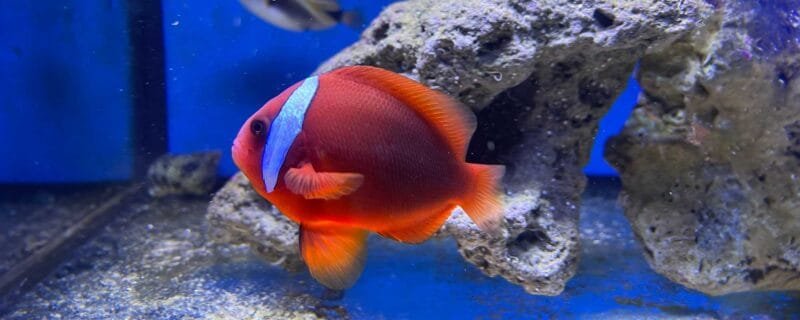
The Black Clownfish belongs to the family Pomacentridae, which includes damselfish and clownfish. Close relatives include the Orange Clownfish (Amphiprion percula) and the Tomato Clownfish (Amphiprion frenatus). While behaviour and care are very similar, coloration and temperament can vary slightly between species.
Natural Habitat and Native Range
In the wild, Amphiprion ocellaris is native to the Indo-Pacific region. The black colour morph originates specifically from the waters around northern Australia, particularly near Darwin, which is why it is often called the Darwin Clownfish.
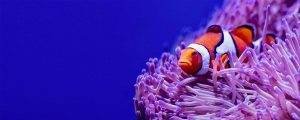
These fish inhabit shallow coral reefs and sheltered lagoons, where they form symbiotic relationships with sea anemones such as Heteractis magnifica and Stichodactyla species. In aquariums, however, anemones are optional and not required for their well-being.
Size and Lifespan
Adult Size
Black Clownfish typically grow to around 7–9 cm (approximately 3–3.5 inches) in length.
Lifespan
With proper care, they can live 10 years or more in captivity, making them a long-term and rewarding addition to a marine aquarium.
Diet and Feeding Requirements
Black Clownfish are omnivores and are not fussy eaters, which contributes to their reputation as an excellent beginner-friendly saltwater fish.
Recommended Diet
A balanced diet should include high-quality marine pellets or flakes, frozen foods such as mysis shrimp and brine shrimp, and occasional finely chopped seafood. Offering varied nutrition helps enhance coloration, immune health, and overall vitality.
For best results, feed small portions once or twice daily, ensuring all food is consumed within a few minutes.
Water Conditions and Tank Requirements
Ideal Water Parameters
Black Clownfish thrive in stable marine conditions:
Temperature: 24–27°C (75–81°F)
pH: 8.1–8.4
Salinity: 1.023–1.026 specific gravity
Moderate water flow and efficient filtration are important, along with regular water changes to maintain water quality.
Minimum Tank Size
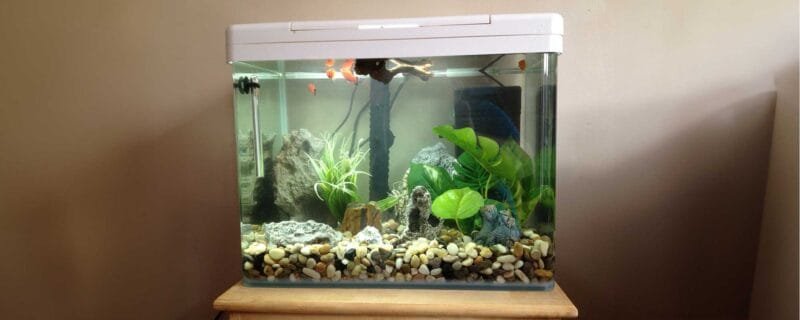
A single Black Clownfish or a bonded pair can be kept in aquariums as small as 20 gallons, although larger tanks offer greater stability and compatibility options.
Behaviour and Temperament
Black Clownfish are generally peaceful but can become territorial, especially once established or when hosting an anemone or coral substitute. They are known for their engaging personalities, often interacting with their owners and staying within a preferred territory.
They are best kept singly or as a bonded pair. Keeping more than two in small tanks often leads to aggression.
Community Tank Compatibility
Is the Black Clownfish Reef Safe?
Yes, Black Clownfish are fully reef safe. They do not harm corals, invertebrates, or live rock.
Is It Suitable for a Community Tank?
Black Clownfish do very well in community marine aquariums when housed with peaceful to semi-aggressive species. Suitable tank mates include gobies, blennies, cardinalfish, and some wrasses.
Avoid housing them with highly aggressive fish that may bully or stress them.
Ease of Care
The Black Clownfish is considered easy to care for and is ideal for beginners entering the saltwater hobby. Captive-bred specimens are widely available and adapt well to aquarium life, accepting prepared foods and tolerating a range of conditions as long as stability is maintained.
Sexing Black Clownfish
Like all clownfish, Black Clownfish are protandrous hermaphrodites. This means all individuals are born male. The dominant fish in a pair becomes female, while the smaller remains male.
Females are typically larger and more robust than males, but there are no obvious external differences when fish are young.
Breeding Black Clownfish
Black Clownfish are among the easiest marine fish to breed in captivity.
Breeding Conditions
A stable bonded pair, consistent water quality, and a nutritious diet are key. The pair will choose a flat surface near their host anemone or territory to lay eggs.
Eggs hatch within 6–10 days, depending on temperature. Raising larvae requires specialized care, including live foods such as rotifers during early development.
Species Variations and Colour Morphs
The Black Clownfish is itself a colour variation of Amphiprion ocellaris. Other popular morphs include snowflake, platinum, and mocha variations. These morphs share the same care requirements but differ in pattern and coloration.
Albino Version
There is currently no true albino version of the Black Clownfish or Amphiprion ocellaris. While some designer morphs display lighter pigmentation or unusual patterns, true albinism has not been documented in clownfish.
Frequently Asked Questions
Can Black Clownfish live without an anemone?
Yes, they do not require an anemone to thrive. Many Black Clownfish live healthy lives without one and may instead host corals or rock structures.
Are Black Clownfish more aggressive than orange clownfish?
No, their temperament is generally the same as standard Ocellaris Clownfish. Any aggression is usually related to territory rather than colour.
Do Black Clownfish fade in colour?
With proper nutrition and stable water conditions, their black coloration remains deep and vibrant. Poor diet or stress can lead to duller tones.
Conclusion
The Black Clownfish is a stunning and reliable marine fish that combines iconic clownfish behaviour with a unique, eye-catching appearance. Hardy, reef safe, and full of personality, it is an excellent choice for both beginner and experienced aquarists looking to add contrast and character to their saltwater aquarium.