Most aquarium owners face the distressing reality of fish mortality at some point. Understanding the common causes of fish death can help you protect your aquatic friends and maintain a healthy environment. From poor water quality to overfeeding, these factors can severely impact your fish’s well-being. In this guide, you will learn effective strategies to identify problems and fix them, ensuring a thriving aquarium ecosystem for your fish.
Key Takeaways:
- Water quality issues, such as ammonia, nitrite, and nitrate levels, are primary causes of fish stress and death.
- Overcrowding and lack of compatible species can lead to aggression and competition for resources, affecting fish health.
- Poor diet and malnutrition can weaken fish immune systems, making them susceptible to diseases and infections.
Common Factors That Lead to Fish Mortality
Several factors can contribute to your fish’s sudden death. Understanding these can help you maintain a thriving aquatic environment. Key issues include water quality, unsuitable temperature, overstocking, inadequate diet, and disease. Recognizing these problems early can prevent further loss of your aquatic pets.
Water Quality Issues
Poor water quality is a common cause of fish mortality. High levels of ammonia, nitrite, or nitrate can create a toxic environment for your fish. Regular testing and proper filtration systems are vital in maintaining a stable habitat. You should perform regular partial water changes to keep the parameters within safe limits for your fish.
Unsuitable Temperature
Temperature fluctuations can stress your fish, leading to increased susceptibility to disease and even death. Every species has a specific temperature range they thrive in, and failing to maintain this can disrupt their biology. You should use reliable heaters and thermometers to ensure your aquarium stays within the appropriate temperature range.
Fish are ectothermic organisms, meaning their body temperature is regulated by their surrounding environment. If the water temperature is too high or too low, it can impact their ability to function properly. For instance, many species prefer a narrow range of temperatures—typically between 74°F and 78°F. When temperature extremes occur, fish can exhibit lethargy or erratic swimming patterns, indicating distress. Ensuring stable conditions, through consistent monitoring, is vital for your fish’s longevity.
How to Identify Symptoms of Distressed Fish
Recognizing the symptoms of distress in your fish is vital for prompt intervention and to reduce mortality rates. Changes in behavior and physical appearance can both indicate underlying health issues.
Behavioral Changes
Observe your fish for any sudden changes in behavior, such as excessive hiding, lethargy, or abnormal swimming patterns. If they are lingering at the surface or bottom of the tank, or if they seem disoriented, these could be signs of stress or illness. Keep an eye on their feeding habits; a lack of appetite is often a red flag. Learn more about this in fish behavior monitoring.
Physical Indicators
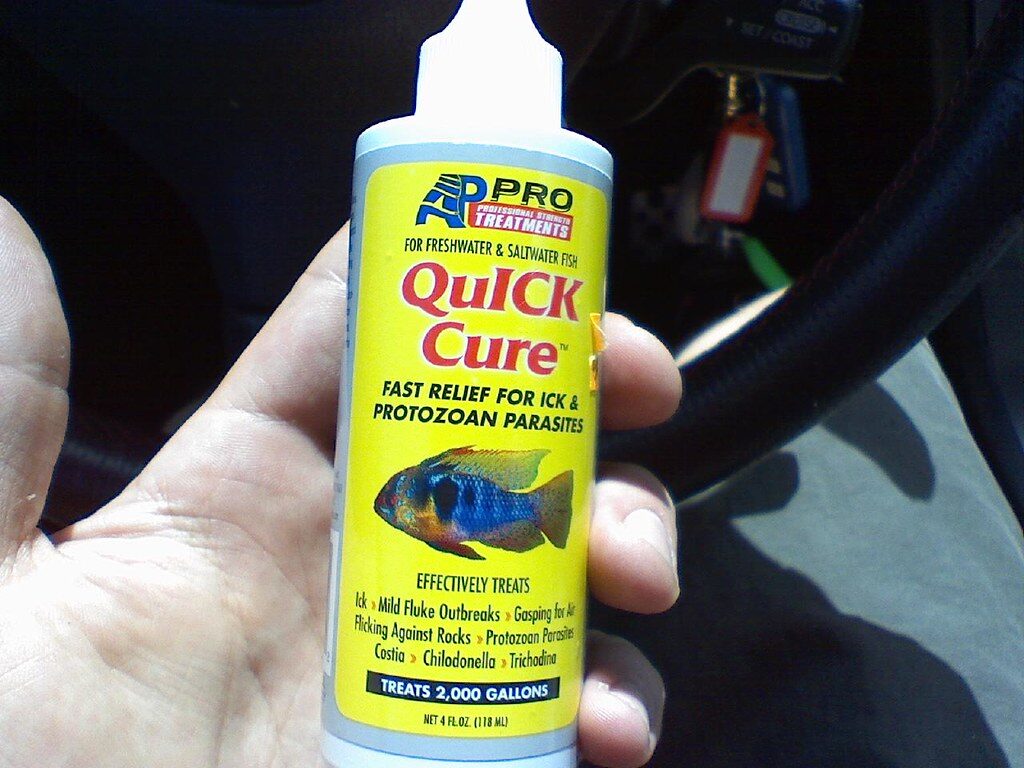
Look for physical indicators of distress, including discoloration, lesions, or swollen body areas. Fins that appear clamped or frayed can signal infections or poor water conditions. Additionally, watch for signs of parasites, such as white spots or visible worms on the body and fins.
Physical indicators can reveal significant health issues in your fish. For instance, white spots could indicate Ich, a common parasitic infection, while red patches may suggest bacterial infections. Look for signs of fin rot or abnormal swelling. Refer to loss of appetite in fish as another early warning sign.
Effective Tips for Maintaining a Healthy Aquarium
- Regular water changes to remove toxins
- Monitor water parameters consistently
- Feed your fish appropriately to reduce waste
- Avoid overstocking to enhance fish health
Regular Water Testing
Testing your water regularly is fundamental to maintaining a thriving aquarium. You should check parameters like pH, ammonia, and nitrite levels weekly. Reliable aquarium test kits help ensure your water stays within ideal ranges.
Proper Filtration and Aeration
Adequate filtration and aeration are vital for keeping your aquarium clean and your fish healthy. A proper filtration system removes waste and toxins while supporting beneficial bacteria. Ensuring adequate oxygen levels through surface agitation improves fish vitality and reduces stress. Learn more in choosing the right filter.
How to Address and Fix Common Problems
Addressing common issues in your aquarium involves vigilant monitoring and proactive measures. Regular maintenance, water testing, and disease prevention all contribute to improved fish health. Implementing a safe tank cleaning routine can significantly reduce long-term issues.
Quarantining New Fish
Implementing a quarantine process for new fish is vital to protect your existing tank from potential diseases. Set up a separate tank to observe new fish for at least two weeks. This practice aligns with best practices outlined in fish health care guides.
Preventative Measures to Ensure Fish Health
To safeguard your fish from illness and mortality, implementing effective preventative measures is crucial. Consistent maintenance, water testing, and environmental stability greatly improve fish longevity.
Routine Maintenance
Consistent routine maintenance is vital for sustaining a healthy aquarium. Aim to change 10–15% of the water weekly and inspect filters regularly. Refer to common aquarium mistakes to avoid preventable issues.
Monitoring Tank Conditions
Frequent monitoring of tank conditions ensures your fish experience a stable environment. Testing pH, ammonia, nitrites, and nitrates weekly helps you identify problems early. Understanding pH balance plays a critical role in fish survival.
Final Words
As a reminder, understanding why your fish are dying is necessary for maintaining a healthy aquarium. Common causes include poor water quality, inadequate oxygen levels, overfeeding, and diseases. By following proven maintenance practices and monitoring key parameters, you can prevent future losses and enjoy a vibrant, thriving aquarium.