

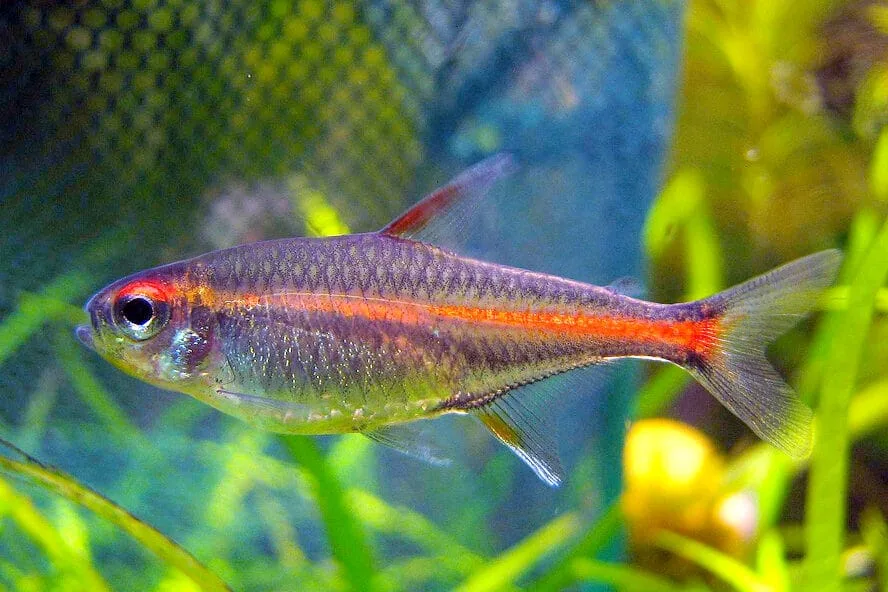
You can create a vibrant and harmonious aquarium by choosing the right fish species that thrive together. When dicking out community fish, it’s important to consider their temperaments, sizes, and environmental needs. Fish like Neon Tetras, Guppies, and Corydoras Catfish are not only beautiful but also social and peaceful, making them ideal for community setups. Avoid aggressive species to ensure your aquatic environment remains tranquil, allowing you and your fish to enjoy a stunning underwater landscape.
Key Takeaways:
- Community fish such as tetras, guppies, and rasboras thrive in peaceful environments and foster a harmonious tank atmosphere.
- Choosing species with similar temperaments and environmental needs enhances compatibility and reduces stress among fish.
- Maintaining appropriate tank size, hiding spots, and schooling numbers promotes well-being and minimizes aggression in community setups.
Characteristics of Peaceful Community Fish
When selecting peaceful community fish, it’s vital to identify their specific characteristics that enable harmonious living. Typically, these fish exhibit non-aggressive behaviors, grow to manageable sizes, and thrive in similar water conditions. They often favor social structures and prefer to swim in groups, fostering a sense of security among tank mates. This natural inclination toward companionship makes them ideal candidates for community aquariums, ensuring that your tank remains vibrant and active without the chaos of aggression.
Size and Compatibility
Size plays a significant role in ensuring compatibility among community fish. Generally, you should choose species that reach similar adult sizes to prevent larger fish from bullying smaller ones. For example, a tetra can coexist peacefully with a guppy, but pairing an aggressive cichlid with a diminutive rasbora can lead to disaster. Aim for fish that are similarly sized, often within a few inches of each other, to create a balanced and peaceful aquatic environment.
Behavioral Traits
Behavioral traits are a key factor in determining how well fish will coexist in a community tank. Peaceful species often exhibit shoaling tendencies, thriving in groups that provide security and reduce stress. They are less territorial and display low aggression levels, which allows them to share their environment without conflict. Additionally, social behaviors, such as foraging together or exploring their surroundings, strengthen community bonds and enhance the overall well-being of the tank.
For example, fish like neon tetras and rasboras are known for their sociable natures, frequently schooling together, which not only maintains peace but also encourages natural behaviors. In contrast, you should avoid species that exhibit strong territorial instincts or aggressive feeding behaviors, as these can disrupt the harmony of the tank. Keeping an eye on how fish interact during tank introduction is imperative; observing peaceful species can aid in determining compatibility and ensuring that all fish feel secure and stress-free in their shared habitat.
Top Community Fish Species
Tetras
Tetras are popular community fish known for their small size and vibrant colors. Species like the Neon Tetra and Cardinal Tetra thrive in groups, creating a lively atmosphere in your aquarium. Their peaceful nature makes them ideal companions for other community fish, and you’ll enjoy their active schooling behavior.
Rasboras
Rasboras are another excellent choice for peaceful tanks. Species such as the Harlequin Rasbora and Scissor-Tail Rasbora are known for their striking colors and friendly disposition, making them easy to integrate into your community setup.
When keeping Rasboras, aim for a minimum group of six to see their natural shoaling behavior. They prefer swimming in open spaces and can be comfortably housed with other non-aggressive species. In addition to their stunning appearance, Rasboras are also adaptable and can thrive in various water conditions, making them resilient community fish.
Gouramis
Gouramis add diversity and beauty to your aquarium, with varieties like the Betta Splendens and Dwarf Gourami being particularly popular. They are generally peaceful, though you should monitor for occasional territorial disputes among males.
Gouramis are labyrinth fish, meaning they have a unique organ that allows them to breathe atmospheric air. This feature enables them to thrive in lower oxygen environments. To maintain harmony in your tank, provide plenty of hiding spots and plants, as these fish appreciate a well-structured environment, and it reduces potential stress.
Corydoras Catfish
Corydoras Catfish are bottom dwellers that contribute to tank cleanliness by scavenging leftover food. Their gentle nature complements most community setups, and species like the Panda Corydoras and Julii Corydoras are especially favored.
These social fish prefer to be in groups of at least six to exhibit their playful behavior. Corydoras are equipped with armored plating and barbels that help them forage on the substrate. Their ability to efficiently clean the bottom of the tank enhances your aquarium’s overall health, making them an invaluable addition to any peaceful community tank.
Ideal Tank Conditions for Community Fish
Providing the right environment is vital for keeping community fish healthy and harmonious. These fish thrive best in stable conditions, where factors like temperature, pH, and tank size promote their well-being. A well-maintained aquarium can significantly enhance their activity levels and reduce stress, allowing for a community of diverse species to coexist peacefully.
Water Parameters
Your community fish prefer stable water parameters, typically between 75-80°F (24-27°C) for temperature. The pH should ideally range from 6.5 to 7.5, while hardness can be kept around 5-15 dGH. Regular testing and adjustments are necessary to maintain this balance, as fluctuations can lead to stress and health issues for your fish.
Tank Size and Setup
A minimum tank size of 20 gallons is recommended for small community fish. This allows enough swimming space and helps maintain water quality. Adding plants, rocks, and hiding spots not only provides shelter but also creates a natural environment that promotes social interactions among your fish. Ensure to include a suitable filtration system to keep the water clean and oxygenated.
A well-planned setup can significantly impact the happiness of your community fish. For instance, a tank with a length of at least 30 inches offers ample space for swimming, reducing territorial behavior. Including floating plants can diffuse light and provide shade, while a sandy substrate encourages bottom-dwelling species to forage naturally. Strategically placing decorations helps establish territory without overcrowding, promoting peaceful coexistence. With an ideal tank setup, you’ll create a thriving ecosystem that supports all your community fish.
Feeding Habits of Community Fish
Understanding the feeding habits of community fish is imperative for maintaining a thriving aquarium. These fish generally exhibit diverse dietary needs and preferences, which can vary significantly between species. A balanced diet rich in nutrients contributes not only to their health but also to their compatibility within a community setting. Adapting their feeding routine according to the specific requirements of the species you keep can promote an active, peaceful environment.
Diet Preferences
Your community fish will typically fall into three categories regarding diet: carnivorous, herbivorous, and omnivorous. Carnivorous fish, like betta fish, thrive on high-protein diets, while herbivores, such as guppies, prefer plant-based foods. Omnivores, exemplified by tetras, require a varied diet that combines both. Knowing these preferences allows you to select the right food to cater to all your fish species.
Feeding Techniques
Feeding techniques play a significant role in ensuring that all fish in your aquarium get their share of food. A common approach is to feed smaller amounts multiple times a day rather than a large quantity at once. Techniques such as target feeding with a turkey baster or specialized feeding sticks can encourage curious fish to come closer and minimize competition, thereby promoting peace during feeding time.
For instance, using a turkey baster to deliver food can prevent aggressive fish from hogging the food, ensuring that timid species also get their fill. Additionally, floating pellets can benefit both surface and mid-level feeders, while sinking foods cater to bottom dwellers. Rotating between frozen, live, and flake foods can keep your fish engaged and stimulate their natural foraging behaviors, further enhancing their overall well-being.
Common Challenges in Community Aquariums
Your community aquarium can face various challenges that affect its overall harmony and health. Issues like aggression among fish, disease outbreaks, and water quality fluctuations can disrupt the delicate balance necessary for a peaceful environment. By being aware of these potential pitfalls and implementing proactive measures, you can ensure a thriving aquarium.
Aggression and Bullying
Aggression and bullying are common problems in community tanks, particularly when stocking incompatible species or keeping too many dominant fish. Certain species, such as male bettas and cichlids, may display territorial behavior, leading to stress or injuries in other fish. To minimize conflict, choose fish that share similar temperaments and establish a proper hierarchy through adequate hiding spaces.
Disease Management
Implementing effective disease management practices is vital for maintaining a healthy community aquarium. Quarantining new arrivals for at least two weeks reduces the risk of introducing pathogens that can spread quickly among your established fish. Regular tank maintenance, including monitoring water quality and performing routine water changes, helps prevent stress-related diseases that flourishes in poor conditions.
By keeping a close watch on your fish and their behaviors, you’ll be in a better position to spot early signs of illness. Common symptoms include faded colors, frayed fins, and unusual swimming patterns. Act quickly by researching specific treatment methods, such as using medications or adjusting water parameters to target the disease effectively. Establish a routine for monitoring the health of your fish, as early intervention is often the key to recovery.
To wrap up
Taking this into account, choosing the best community fish that live peacefully together can significantly enhance your aquarium experience. You should consider species like tetras, guppies, and rasboras for their harmonious nature, ensuring a vibrant and balanced environment. Your fish will thrive when you choose compatible companions, allowing you to create an engaging aquatic habitat. By taking the time to select these peaceful species, you foster a community that not only looks great but also contributes to the overall health and happiness of your aquarium.
FAQ
Q: What are some of the best community fish that can coexist peacefully in an aquarium?
A: Some of the best community fish include Neon Tetras, Guppies, Corydoras Catfish, and Betta Fish (with caution). These species are known for their calm demeanor and compatibility with various other fish.
Q: How many community fish can I keep in a standard 20-gallon aquarium?
A: In a 20-gallon aquarium, you can typically keep around 10-12 small community fish, depending on their size and species. It’s important to provide adequate space and hiding spots to minimize stress.
Q: What are some signs that community fish are not living peacefully together?
A: Signs of conflict among community fish include aggression, fin nipping, hiding, and loss of appetite. Observing behavior changes can help identify potential compatibility issues within the tank.
Use good aquarium maintenance habits — regular testing, gentle water changes, and compatible tank mates — to keep your aquarium ecosystem stable.
Related Reading


Explore other topics
Dive into more aquarium guides across the site.