Blog Topic: Danio nigrofasciatus
Blog Title: Black Barred Danio (Danio nigrofasciatus)
The Black Barred Danio, scientifically known as Danio nigrofasciatus, is a lively and attractive freshwater fish prized for its bold horizontal striping and energetic behavior. Closely related to the ever-popular Zebra Danio, this species offers aquarists a slightly more refined and less ubiquitous alternative while retaining the hardiness and activity levels that make danios so appealing. Native to Southeast Asia, the Black Barred Danio is an excellent choice for community aquariums and planted tanks alike.
This guide provides a complete, educational overview of Danio nigrofasciatus, covering its natural habitat, care requirements, feeding, breeding, compatibility, and known variations, including albino forms.
Scientific Classification and Related Species
Scientific Name: Danio nigrofasciatus
Family: Cyprinidae
Genus: Danio
Danio nigrofasciatus belongs to the same genus as several popular aquarium fish, including Zebra Danios (Danio rerio), Leopard Danios, and Celestial Pearl Danios. These fish share similar body shapes, schooling behavior, and environmental needs, making them familiar and approachable for aquarists who already keep danios.
Common Name and Natural Distribution
The common name “Black Barred Danio” comes from the distinctive dark horizontal bands that run along the flanks of this species. Unlike the more vertically striped Zebra Danio, these horizontal markings give the fish a sleeker, streamlined appearance.
This species is native to Myanmar, where it inhabits clear, slow-moving streams, rivers, and floodplain areas. These environments are typically well-oxygenated, moderately planted, and subject to seasonal water level changes.
Size and Physical Appearance
Black Barred Danios are small fish, reaching an average adult size of approximately 4 to 5 cm (1.5 to 2 inches). Their slender bodies are silver to pale gold in color, overlaid with several bold black horizontal stripes. Males tend to display slightly stronger contrast and a slimmer profile, while females are fuller-bodied, especially when carrying eggs.
Water Conditions and Tank Requirements
Ideal Water Parameters
To keep Danio nigrofasciatus healthy and active, aim for the following water conditions:
Temperature: 22–26°C (72–79°F)
pH: 6.5–7.5
Hardness: Soft to moderately hard
Stable, clean water is essential. Regular partial water changes and reliable filtration will help maintain optimal conditions. For beginners setting up a suitable environment, the guide Setting Up Your First Freshwater Aquarium provides a solid foundation.
Aquarium Size and Layout
A minimum tank size of 60 litres (15 gallons) is recommended for a small school. As active swimmers, Black Barred Danios benefit from horizontal swimming space rather than tall tanks.
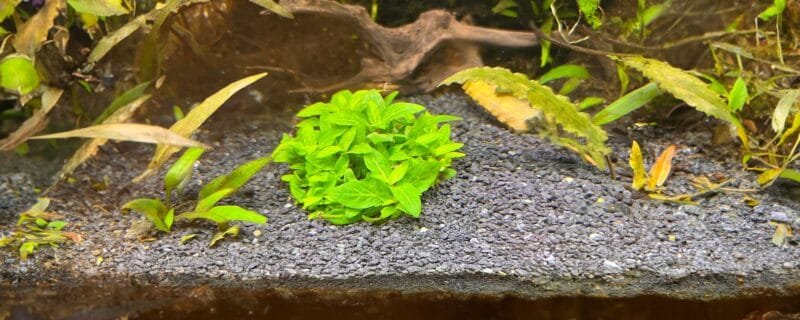
Decor should include open swimming areas combined with plants and driftwood for shelter. Live plants such as Java Fern, Vallisneria, and Cryptocoryne species work well. For inspiration, see Aquascaping Techniques and Ideas.
Diet and Feeding
Danio nigrofasciatus is an omnivore with a strong preference for small live and frozen foods. In the wild, it feeds on insects, larvae, and microscopic crustaceans.
In captivity, offer a varied diet that includes:
High-quality flake or micro-pellet foods
Frozen or live brine shrimp
Bloodworms and daphnia
A diverse feeding routine supports vibrant coloration and overall health. For nutritional guidance, refer to Aquarium Fish Feeding: Complete Nutrition Guide.
Temperament and Community Compatibility
Black Barred Danios are peaceful, energetic schooling fish. They should always be kept in groups of at least six, though larger groups are strongly recommended to reduce stress and encourage natural behavior.
They make excellent community fish and coexist well with other peaceful species such as:
Avoid pairing them with slow-moving or long-finned fish, as danios can occasionally nip fins during high-energy activity. For more compatible species ideas, see Best Community Fish That Live Peacefully Together.
Sexing Differences
Sexing Danio nigrofasciatus is relatively straightforward once the fish mature. Males are slimmer and often show more intense coloration, while females are rounder-bodied, especially when gravid. During feeding or breeding conditioning, these differences become more pronounced.
Breeding Black Barred Danios
Breeding this species is achievable for aquarists with some experience. Like other danios, they are egg scatterers and do not provide parental care.
Breeding Setup
A separate breeding tank with shallow water, fine-leaved plants, or a spawning mop is recommended. Slightly warmer water and increased live food feeding will condition adults for spawning.
After spawning, adults should be removed to prevent egg predation. Eggs typically hatch within 24 to 48 hours, and fry can be fed infusoria followed by newly hatched brine shrimp.
Ease of Care
The Black Barred Danio is considered an easy-to-care-for species, suitable for beginners and experienced aquarists alike. Its resilience, adaptability, and forgiving nature make it an excellent addition to well-maintained freshwater aquariums.
Consistent water quality and a proper school size are the main factors for long-term success.
Species Variations and Albino Forms
While Danio nigrofasciatus is not as heavily line-bred as Zebra Danios, albino variations have been reported in the aquarium trade. Albino Black Barred Danios lack dark pigmentation, resulting in pale bodies with faint patterning and red or pink eyes.
Care requirements for albino specimens are identical to wild-type fish, though they may be slightly more sensitive to bright lighting and benefit from shaded areas within the tank.
Frequently Asked Questions
How many Black Barred Danios should be kept together?
A minimum of six is recommended, but groups of eight to ten provide more natural schooling behavior and reduce stress.
Are Black Barred Danios good for planted tanks?
Yes, they are excellent for planted aquariums. They do not damage plants and their constant movement adds life and activity to aquascaped setups.
Can Black Barred Danios live with Zebra Danios?
Yes, they can coexist peacefully, though mixing species may dilute natural schooling patterns. Keeping larger groups of each species helps maintain balance.
Conclusion
Danio nigrofasciatus is a hardy, attractive, and engaging freshwater fish that brings movement and personality to any community aquarium. With simple care requirements, peaceful temperament, and fascinating breeding behavior, the Black Barred Danio is an underrated gem well worth considering for aquarists seeking something slightly different from the usual danio offerings.