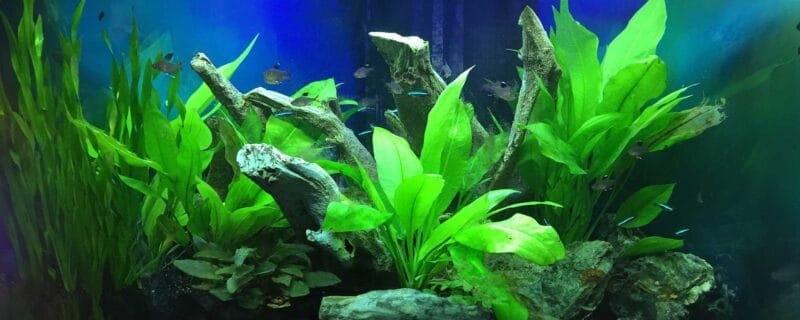
The Rosy Tetra (Hyphessobrycon rosaceus) is a peaceful, colorful freshwater fish that has earned a solid reputation among aquarium hobbyists for its subtle beauty and easy-going nature. With soft pink to reddish hues accented by a distinctive black dorsal fin marking, this South American tetra brings understated elegance and constant movement to community aquariums. Its schooling behavior, adaptability, and compatibility with a wide range of tank mates make it a dependable choice for both beginner and experienced aquarists.
Closely related to other popular tetras such as the Neon Tetra, Cardinal Tetra, and Black Widow Tetra, the Rosy Tetra shares many of the same care requirements while offering a slightly more refined, less flashy appearance that blends beautifully into planted aquascapes.
Natural Habitat and Origin
The Rosy Tetra is native to South America, specifically the slow-moving rivers, tributaries, and forest streams of the Amazon and Orinoco river basins. These environments are typically shaded by dense vegetation and overhanging trees, resulting in subdued lighting and soft, tannin-rich water.
In the wild, Rosy Tetras inhabit calm waters with leaf litter, submerged roots, and aquatic plants. Replicating these conditions in the aquarium helps bring out their best coloration and natural behaviors, especially schooling and gentle social interactions.
Physical Appearance and Size
Rosy Tetras are small, laterally compressed fish with a streamlined body designed for constant movement. Their base coloration ranges from pale silver to warm pink, often intensifying into deeper rosy-red tones when kept in optimal conditions.
Adult Size
Most Rosy Tetras reach an adult size of approximately 1.5 to 2 inches (4–5 cm). Their compact size makes them ideal for small to medium-sized community aquariums.
Distinctive Markings
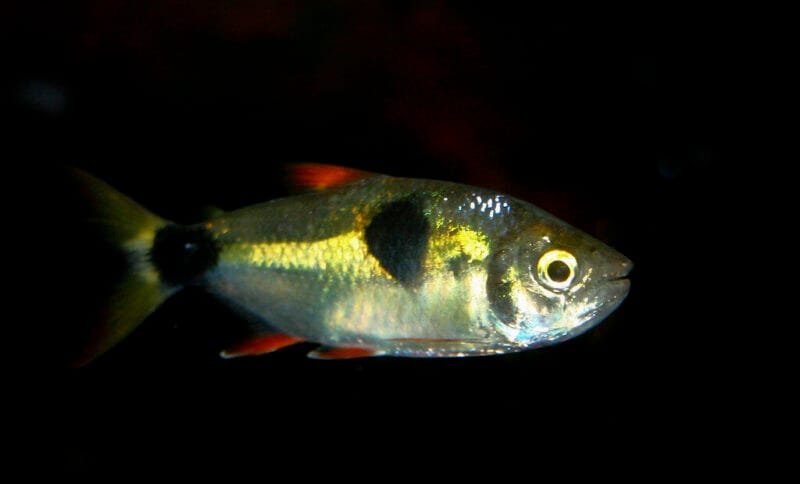
A defining feature of the Rosy Tetra is the dark patch at the base of the dorsal fin, often paired with subtle black edging on the fins. Healthy specimens kept in groups display more vibrant coloration and clearer markings.
Water Conditions and Aquarium Setup
Providing stable and appropriate water conditions is essential for the long-term health of Rosy Tetras. While they are adaptable, consistency is key.
Ideal Water Parameters
Temperature should be maintained between 72–80°F (22–27°C). A slightly acidic to neutral pH of 6.0–7.2 is ideal, with soft to moderately soft water hardness.
Gentle filtration that avoids strong currents is recommended, as Rosy Tetras prefer calm water movement similar to their natural habitat. Regular water changes help maintain clarity and reduce stress.
Aquarium Decor
A planted aquarium with fine-leaved plants, driftwood, and darker substrates enhances both comfort and coloration. Floating plants can be added to diffuse lighting, closely mimicking shaded river environments.
For guidance on creating a balanced environment, see this beginner aquarium setup guide.
Diet and Feeding
Rosy Tetras are omnivorous and readily accept a wide variety of foods. In the wild, they feed on small insects, larvae, and plant matter.
Recommended Foods
High-quality flake or micro-pellet foods should form the staple diet. Supplement regularly with frozen or live foods such as bloodworms, brine shrimp, and daphnia to enhance coloration and overall vitality.
Feeding small amounts two to three times daily ensures proper nutrition without overloading the aquarium.
Temperament and Community Tank Compatibility
Rosy Tetras are peaceful, social fish that thrive in groups of six or more. When kept in proper numbers, they display cohesive schooling behavior and minimal aggression.
Good Tank Mates
They are excellent additions to community tanks and coexist well with other peaceful species such as Corydoras catfish, small rasboras, dwarf gouramis, and other non-aggressive tetras.
For a broader look at compatible species, explore this community fish guide.
Sexing Rosy Tetras
Sexing Rosy Tetras can be subtle, especially outside of breeding condition.
Male vs Female Differences
Males are typically slimmer and display more intense coloration, especially during spawning periods. Females tend to have a rounder body shape, particularly when carrying eggs.
Breeding Rosy Tetras
Breeding Rosy Tetras is possible in the home aquarium with proper preparation, though they are not the easiest tetra to breed.
Breeding Setup
A separate breeding tank with soft, acidic water and fine-leaved plants or spawning mops is recommended. Dim lighting and slightly warmer temperatures can help trigger spawning.
After spawning, adults should be removed as they may consume the eggs. Fry hatch within a few days and should be fed infusoria or finely powdered fry food before transitioning to baby brine shrimp.
Ease of Care
The Rosy Tetra is considered an easy to moderately easy fish to care for. Its adaptability makes it suitable for beginners, provided water quality is maintained and the fish are kept in appropriate group sizes.
Stable parameters, a varied diet, and a stress-free environment are the main requirements for long-term success.
Species Variations and Albino Rosy Tetra
While the standard Rosy Tetra is the most common variety, selective breeding has produced albino forms.
Albino Rosy Tetra
Albino Rosy Tetras lack dark pigmentation, resulting in pale pink bodies with red or pink eyes. Their care requirements are identical to the standard form, though they may be slightly more sensitive to intense lighting and water quality fluctuations.
Albino varieties are best kept in subdued lighting with ample plant cover to reduce stress.
Frequently Asked Questions
How many Rosy Tetras should be kept together?
Rosy Tetras should be kept in groups of at least six, though larger groups of eight to twelve produce more natural schooling behavior and better coloration.
Are Rosy Tetras suitable for beginners?
Yes, they are well-suited for beginners due to their peaceful nature, manageable size, and adaptability to a range of water conditions.
Do Rosy Tetras need a planted aquarium?
While not strictly required, planted aquariums significantly improve their comfort, coloration, and overall health.