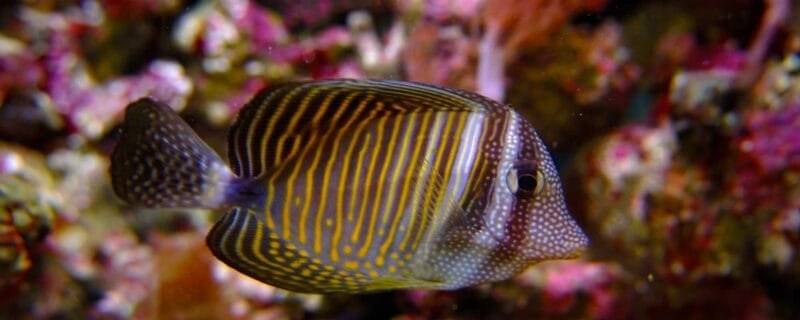
The Orange Shoulder Tang, scientifically known as Acanthurus olivaceus, is a large, intelligent, and visually striking marine fish prized by experienced saltwater aquarists. Known for its dramatic color transformation from juvenile to adult and its constant activity, this species is both rewarding and demanding. While not suitable for small aquariums, it becomes a true centerpiece fish in large marine systems.
Scientific Classification and Related Species
Latin Name:Acanthurus olivaceus
Family: Acanthuridae (Surgeonfishes & Tangs)
The Orange Shoulder Tang belongs to the same genus as several popular aquarium tangs, including the Yellow Tang, Powder Blue Tang, and Sailfin Tang. Compared to many of its relatives, Acanthurus olivaceus is generally more peaceful as an adult but requires significantly more swimming space.
Natural Habitat and Origin
The Orange Shoulder Tang is native to the Indo-Pacific region, ranging from East Africa to Hawaii and southern Japan. It inhabits coral-rich lagoons and outer reef slopes, often seen grazing on algae-covered rock surfaces. Juveniles prefer shallow reef areas, while adults migrate to deeper reef zones.
Adult Size and Growth Rate
This species grows large by aquarium standards, reaching up to 14 inches (35 cm) in length. Juveniles grow relatively quickly during the first few years. Because of its adult size and swimming needs, a minimum tank size of 180–220 gallons is strongly recommended.
Diet and Feeding Requirements
The Orange Shoulder Tang is a herbivore with some omnivorous tendencies.
Recommended Diet
• Dried algae sheets (nori)
• Spirulina-based pellets and flakes
• Blanched vegetables (spinach, zucchini)
• Occasional frozen foods such as mysis shrimp
A varied, algae-rich diet helps prevent nutritional deficiencies and reduces aggression. Feeding multiple small meals per day is ideal.
Temperament and Community Compatibility
Despite its size, the Orange Shoulder Tang is generally semi-peaceful. It can coexist well with other large, non-aggressive fish but may show dominance toward other tangs, especially those of similar body shape.
Good Tank Mates
• Large angelfish
• Wrasses
• Rabbitfish
• Peaceful groupers
• Triggerfish (non-aggressive species)
Introducing this species last can help reduce territorial behavior.
Is the Orange Shoulder Tang Reef Safe?
Yes, the Orange Shoulder Tang is considered reef safe with caution. It does not eat corals, but its size and strength may cause accidental damage by knocking over unsecured coral structures. Invertebrates are generally safe.
Water Conditions and Tank Requirements
Temperature: 24–27°C (75–81°F)
pH: 8.1–8.4
Salinity: 1.023–1.025 SG
Water Flow: Moderate to high
Lighting: Moderate to strong
Excellent water quality and strong filtration are essential. Protein skimmers and high oxygenation are strongly recommended.
Ease of Care
Care Level: Moderate to Advanced
This species is hardy once established but sensitive to stress during transport and acclimation. Like many tangs, it is prone to marine ich and requires stable water parameters and a stress-free environment.
Sexing Differences
There are no obvious visual differences between males and females. Sexual dimorphism is minimal, and sexing is nearly impossible without observing spawning behavior in the wild.
Breeding in Captivity
Breeding Orange Shoulder Tangs in home aquariums has not been successfully achieved. In the wild, they are pelagic spawners, releasing eggs into open water. Commercial breeding remains extremely rare.
Color Changes and Juvenile Appearance
Juveniles look dramatically different from adults. Young fish are bright yellow with a black-edged dorsal fin. As they mature, they transition into a grayish-blue body with the iconic orange shoulder patch that gives the species its name.
Are There Any Species Variations?
There are no officially recognized subspecies or color morphs of Acanthurus olivaceus. Color intensity may vary slightly depending on diet, age, and environmental conditions.
Albino Orange Shoulder Tang
True albino Orange Shoulder Tangs do not exist in the aquarium trade. While occasional lighter or unusually pale individuals may appear due to stress or genetics, there is no confirmed albino variant of this species.
Frequently Asked Questions
How big does an Orange Shoulder Tang get?
It can reach up to 14 inches, making it one of the larger tang species kept in aquariums.
Can an Orange Shoulder Tang live with other tangs?
Yes, but caution is required. It is best housed with tangs of different genera and introduced last to reduce aggression.
Is this species suitable for beginners?
No. Due to its size, swimming needs, and disease sensitivity, it is best suited for experienced marine aquarists.
Conclusion
The Orange Shoulder Tang (Acanthurus olivaceus) is an impressive and intelligent marine fish that rewards dedicated aquarists with constant activity and striking presence. While its care requirements are demanding, those with large, mature reef systems will find it to be a standout addition.