Saltwater aquariums are often seen as the more exotic option, offering vibrant corals and diverse marine life, but they also require more expertise and maintenance compared to freshwater setups. You must consider your budget, time commitment, and overall experience when choosing between the two. Freshwater tanks are typically easier to manage for beginners, featuring a wide variety of affordable species. Understanding the differences will help you make the best decision for your aquarium journey.
Key Takeaways:
- Freshwater aquariums are generally easier and less expensive to maintain compared to saltwater aquariums.
- Saltwater aquariums offer a wider variety of vibrant species and intricate ecosystems but require more advanced knowledge and equipment.
- The choice between freshwater and saltwater depends on your budget, experience level, and the types of species you wish to keep.
Understanding Freshwater Aquariums
Freshwater aquariums are often recommended for beginners due to their generally simpler maintenance and lower costs compared to saltwater setups. They provide a diverse habitat for a variety of fish species, plants, and other aquatic life. Furthermore, freshwater tanks can easily acclimate to your home environment, making them a more accessible choice for enthusiasts like you seeking to start an aquarium journey.
Types of Freshwater Fish
You can choose from various types of freshwater fish that suit different skill levels and aesthetic preferences. Consider these options:
- Betta Fish – Known for their vibrant colors and easy care.
- Goldfish – Hardy but require ample space and filtration.
- Neon Tetra – Small, schooling fish that thrive in groups.
- Angelfish – Striking appearance but can be territorial.
- Guppies – Colorful and prolific, ideal for community tanks.
Any of these fish can add life to your aquarium, depending on your preferences and tank size. For more inspiration on peaceful groupings, you can also explore our guide to best community fish that live peacefully together.
| Fish Variety | Care Level |
| Betta Fish | Easy |
| Goldfish | Moderate |
| Neon Tetra | Easy |
| Angelfish | Moderate |
| Guppies | Easy |
Tank Setup and Maintenance
Setting up a freshwater aquarium requires careful consideration of tank size, filtration, and water chemistry. You’ll need to choose an appropriate substrate, decor, and plants to create a balanced ecosystem. Regular maintenance includes water changes, monitoring temperature, and testing pH levels, ensuring a stable environment for your aquatic life.
Start with a tank size that accommodates the fish species you’ve chosen to keep; our guide to choosing the right aquarium size can help. Most freshwater fish thrive in a filtered environment, so investing in a reliable filter is imperative—see choosing the right filter for your aquarium and filtration systems for aquariums for more detail. Heavily planted tanks not only enhance aesthetics but also help maintain water quality; explore the ultimate guide to freshwater aquarium plants for ideas. Weekly water changes of 10-20% will mitigate toxins, while routine testing for ammonia and nitrate levels will keep your tank’s ecosystem healthy—our overview of aquarium water chemistry basics is a great starting point. Utilize a heater for tropical fish to ensure optimal temperatures, as described in types of aquarium heaters, and adjust feeding schedules based on species needs to avoid overfeeding. These practices create a thriving community that enhances your enjoyment and responsibility as an aquarium owner.
Exploring Saltwater Aquariums
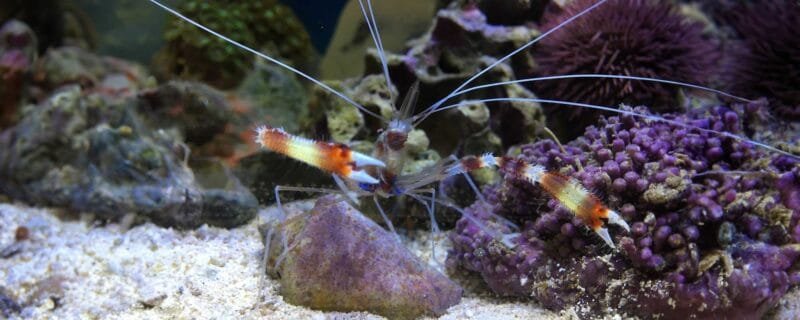
Saltwater aquariums offer vibrant ecosystems that house colorful marine life. These tanks can host diverse species, from beautiful corals to unique fish, each requiring specific care and attention. However, saltwater tanks need more sophisticated equipment, such as protein skimmers and specialized lighting (see aquarium lighting essentials) to maintain water quality. The investment in both time and resources can yield stunning results, making them a favorite among seasoned aquarists.
Types of Saltwater Fish
When identifying fish for your saltwater aquarium, consider these popular types:
- Clownfish – Hardy and social, perfect for beginners.
- Yellow Tang – Vibrant and lively, great for algae control.
- Blue Tang – Beautiful colors; requires more space.
- Royal Gramma – Peaceful and easy to care for.
- Angelfish – Stunning but needs careful species selection.
Any of these fish can significantly enhance your aquarium’s visual appeal and many are discussed across our saltwater fish species profiles.
Tank Setup and Maintenance
Setting up a saltwater aquarium is more intricate than a freshwater tank. Start with quality tank materials and proper filtration systems, and ensure to cycle the tank before adding marine life. Regular maintenance, including water changes and checking salinity levels, is crucial for the health of your aquatic inhabitants. For a deeper dive into testing and stability, see the crucial parameters to test in your marine aquarium.
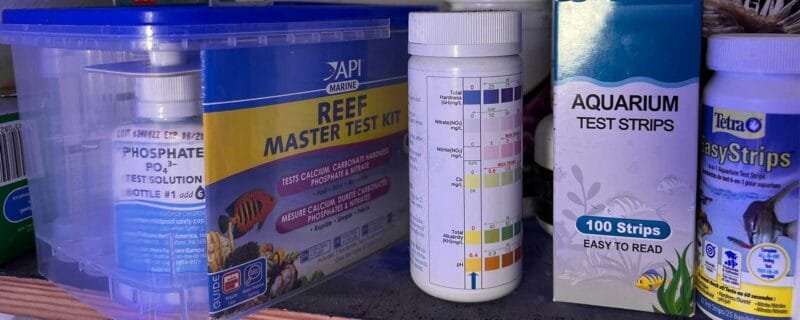
A well-maintained saltwater aquarium requires you to monitor several factors consistently. Establish efficient filtration and lighting that mimics natural conditions to foster coral growth. Use a hydrometer or refractometer to keep salinity levels within the optimal range (1.020 to 1.025 specific gravity). Test for pH, ammonia, nitrates, and phosphates regularly to prevent any harmful fluctuations, leveraging the guidance from the vital role of test kits in aquarium keeping. Your commitment to diligent maintenance will result in a thriving aquatic environment.
Cost Comparison
| Type | Estimated Costs |
|---|---|
| Freshwater Aquarium | $500 – $1,500 |
| Saltwater Aquarium | $1,500 – $3,000+ |
Initial Setup Costs
When setting up your aquarium, freshwater tanks typically demand a lower initial investment, ranging from $500 to $1,500. You’ll need importants like the tank, filtration system, substrate, and decorations. In contrast, saltwater setups can escalate between $1,500 to over $3,000 due to more complex filtration systems and specialized equipment required for water quality maintenance. Our overview of essential aquarium equipment can help you budget more accurately.
Ongoing Maintenance Costs
Ongoing maintenance for freshwater aquariums generally costs between $20 to $50 monthly, covering items like food, water conditioner, and important equipment replacement. You’ll find that saltwater tanks, however, could set you back approximately $50 to $150 monthly due to higher-quality foods, additives, and potential equipment repairs.
The ongoing maintenance in saltwater aquariums can be more demanding than their freshwater counterparts. Regular water testing kits, specialized lighting, and periodic purchases of live rock or coral can all contribute to higher expenses. Salinity management and more robust filtration systems also require consistent monitoring, which adds to the total costs. As a dedicated saltwater enthusiast, you may also invest in supplements and medications, increasing your overall budget significantly.
Ease of Care and Maintenance
When choosing between freshwater and saltwater aquariums, care and maintenance play a pivotal role in your decision. Freshwater tanks usually require less frequent testing and fewer specialized products compared to their saltwater counterparts, making them more beginner-friendly. Conversely, the intricate balances of saltwater ecosystems can lead to more complex maintenance routines that demand a deeper understanding and regular monitoring.
Freshwater Care Ease
Freshwater aquariums are typically easier to maintain due to their stability and lower requirements for chemical management. Regular water changes, filtration, and simple testing are usually sufficient for keeping your aquatic environment healthy. Our safe and easy fish tank cleaning guide and advice on how often you should change aquarium water offer practical routines. With a wide range of resilient fish species available, you can establish a thriving tank without extensive knowledge or experience.
Saltwater Care Challenges
Saltwater aquariums present unique challenges that demand more commitment and expertise. The need for precise salinity levels, tailored filtration systems, and regular parameter testing can overwhelm beginners. Furthermore, a larger variety of potential diseases that affect marine life adds to the complexity, requiring you to stay informed about preventative measures and treatments.
In addition to the initial setup costs, maintenance of saltwater aquariums requires not only time but also financial investment in high-quality equipment and supplies, such as RO/DI filters, protein skimmers, and live rock. The upkeep of water quality is also more demanding. Regularly testing pH, ammonia, nitrate, and phosphate levels is crucial, and any imbalance can lead to stress or disease among your delicate marine inhabitants. Thus, while saltwater tanks can be incredibly rewarding, they demand a deeper commitment to their upkeep, often discouraging novice aquarists.
Aesthetic Considerations
The visual appeal of your aquarium is important in determining its overall impact in your living space. Freshwater and saltwater aquariums both offer unique aesthetic qualities that can enhance your home. Depending on your style preference, one may resonate more deeply with your taste than the other.
Freshwater Aesthetics
Freshwater aquariums are often celebrated for their vibrant colors and diverse plant life. You can create captivating landscapes with a variety of freshwater plants, rocks, and driftwood. For inspiration, explore our aquascaping resources, including aquascaping with aquatic plants and rocks for your aquarium. Different species of freshwater fish, like neon tetras or angelfish, can complement the scenery, making your aquarium a lively focal point.
Saltwater Aesthetics
Saltwater aquariums provide an opportunity to showcase exotic marine life, featuring dramatic corals and brilliantly colored fish such as clownfish and tangs. The tranquil movement of marine animals against a backdrop of stunning corals creates an enchanting underwater experience.
Moreover, the option to incorporate live rock adds character and enhances the ecological aspect of your aquarium. The vibrant and intricate designs of corals, alongside the dynamic colors of saltwater species, create a mesmerizing underwater landscape. With careful planning, the saltwater tank can become a mini-reef teeming with life, offering a depth of aesthetic beauty that few freshwater setups can match. To learn more about coral care, see our article on photosynthetic feeding in corals.
For Beginners vs. Experienced Aquarists
Choosing between freshwater and saltwater aquariums largely depends on your experience level. Beginners typically benefit from the simplicity and lower maintenance of freshwater systems, while experienced aquarists often seek the challenges and diversity that saltwater setups offer. Understanding the demands and rewards of each type can help you make the right choice for your skill set.
Recommended Aquariums for Beginners
For those new to the hobby, 10 to 30-gallon freshwater tanks are ideal. They offer ample space for beginner-friendly fish like guppies and various tetras, are easier to maintain, and are generally more forgiving of water chemistry fluctuations. Start with a good filtration system and avoid overpopulating to ensure your setup remains manageable. Our step-by-step beginner aquarium setup guide walks you through the process.
Advanced Options for Experienced Aquarists
Experienced aquarists may prefer larger, complex saltwater tanks that can host marine species. Systems ranging from 50 to 200 gallons can support intricate reef ecosystems and diverse fish populations. You will often venture into more advanced techniques, including reef aquaculture, biotope aquariums, and utilizing live rock or coral substrates.
Cost Comparison for Beginners and Experts
| Experience Level | Estimated Costs |
|---|---|
| Beginners (Freshwater) | $500 – $1,500 |
| Experienced (Saltwater) | $1,500 – $3,000+ |
Advanced options for experienced aquarists include specialized tanks that feature advanced filtration systems, programmable LED lighting, and automation for water parameters. These setups can demand greater investment of both time and finances, but they allow you more control over the ecosystem. Consider the following features when planning:
- Advanced filtration systems for clear water and reduced toxins.
- Automated monitoring tools for consistent water quality.
- Selecting high-quality equipment tailored for specific marine species.
- Integrating a sump or refugium for enhanced biological filtration.
- Utilizing coral and live rock for a natural aesthetic and habitat.
Features of Advanced Aquariums
| Feature | Description |
|---|---|
| Filtration System | High-capacity filter to maintain water clarity and health. |
| Lighting | LED systems replicating natural sunlight for coral growth. |
| Temperature Control | Heaters and chillers to maintain optimal temperature ranges. |
Conclusion
With this in mind, your choice between freshwater and saltwater aquariums ultimately depends on your preferences, experience level, and commitment. Freshwater aquariums are generally easier to maintain and more cost-effective, making them ideal for beginners. On the other hand, saltwater setups offer diverse marine life and stunning aesthetics but require more effort and investment. Assess your goals, resources, and willingness to engage in upkeep to make the best decision for your aquatic journey.
FAQ
Q: What are the main differences between freshwater and saltwater aquariums?
A: Freshwater aquariums use tap or distilled water with a low salt concentration, while saltwater aquariums require mixing salt with water to create a specific salinity. Freshwater fish are generally easier to care for, and the setup costs are lower. Saltwater aquariums typically house a wider variety of species, including corals and invertebrates, but they require more equipment and maintenance. For more on water parameters, see aquarium water chemistry basics and crucial parameters to test in your marine aquarium.
Q: Which type of aquarium is better for beginners?
A: Freshwater aquariums are often recommended for beginners due to their simpler maintenance and lower equipment costs. Freshwater fish are generally hardier, making it easier for new aquarists to maintain stable water conditions. Saltwater aquariums, while rewarding, demand more knowledge and experience in water chemistry and equipment management. Our beginner aquarium setup guide is a helpful starting point if you’re just getting into the hobby.
Q: What are the long-term costs associated with maintaining freshwater versus saltwater aquariums?
A: Freshwater aquariums usually have lower ongoing costs, primarily due to less expensive fish, minimal equipment needs, and less frequent water changes. In contrast, saltwater aquariums can incur higher costs due to purchases of salt mixes, more sophisticated filtration systems, and potentially higher lighting needs for corals, leading to a more expensive long-term care and maintenance budget. Reviewing our article on essential aquarium equipment can help you anticipate these expenses more accurately.