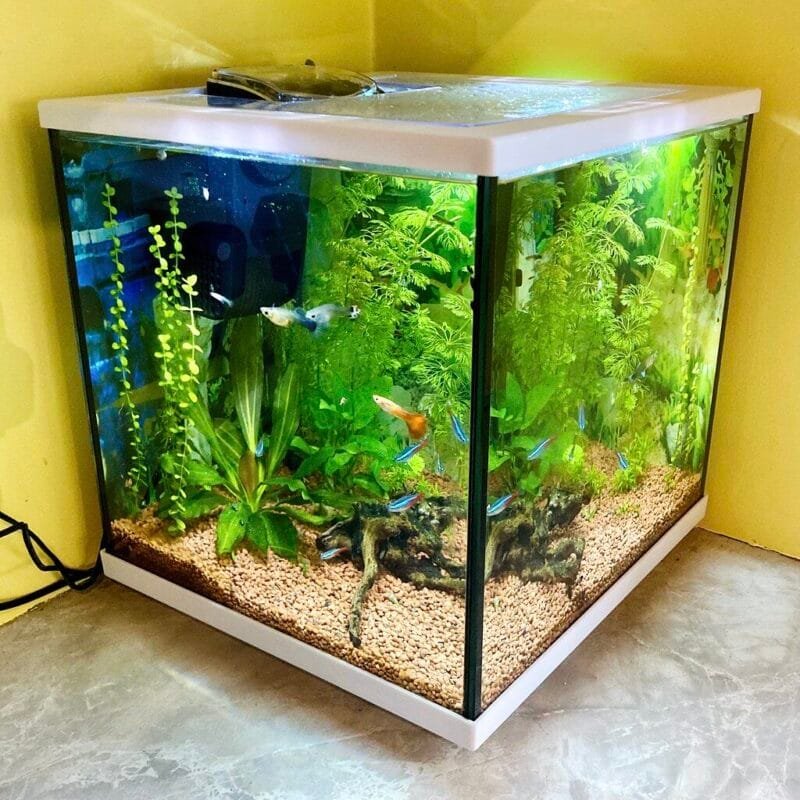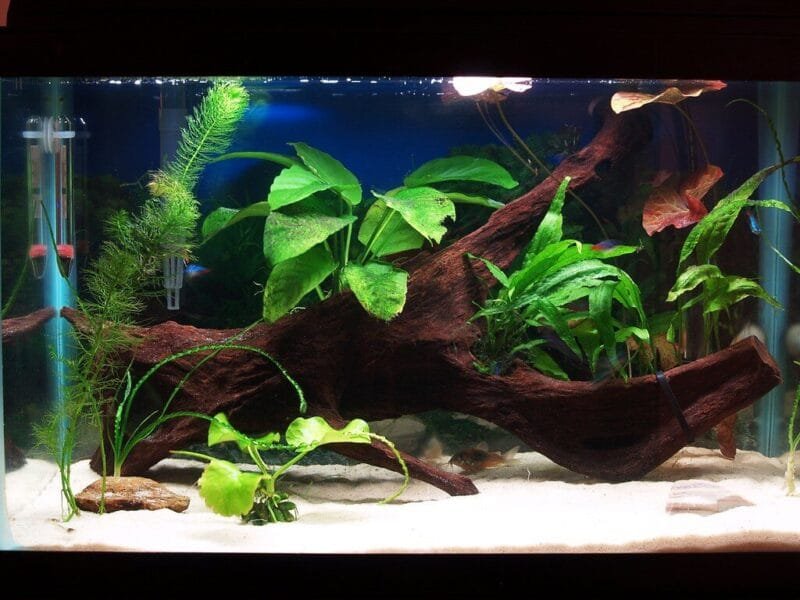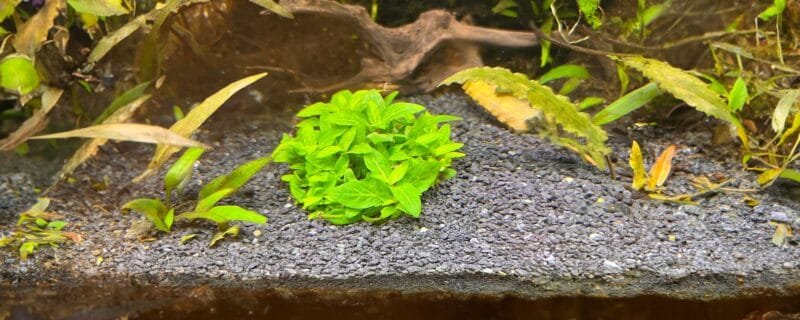
Just like any new addition to your home, introducing new fish to your aquarium can be a delicate process that impacts fish health and harmony in your tank. To ensure a smooth transition, you’ll need to be aware of the potential stressors that could arise. Following some key techniques can significantly enhance survival rates and create a thriving environment for your aquatic life. In this guide, you’ll learn effective strategies to integrate new fish into your community without causing unnecessary strain or conflict.
Key Takeaways:
- Quarantine new fish for 2-4 weeks to prevent disease introduction.
- Introduce fish slowly to minimize territorial aggression and stress.
- Maintain optimal water conditions and parameters before this process.
Understanding the Aquarium Environment
The harmony of your aquarium depends on understanding its environment. Each aspect contributes significantly to the health and well-being of your fish. Properly managing these elements creates a supportive habitat that minimizes stress for both new and existing fish. By comprehensively grasping these factors, you can ensure a smooth introduction process and maintain a thriving aquatic community.
Identifying Key Factors
To set up an optimal environment, you need to consider several key factors that impact your fish’s health:
- Water temperature
- pH levels
- Ammonia and nitrite levels
- Tankmates’ compatibility
- Filtration and aeration
Knowing these parameters will help you create a welcoming home for your new fish.
Creating a Stable Ecosystem
Establishing a stable ecosystem requires regular monitoring and adjustment of your tank’s conditions. Make sure to test the water parameters weekly and make necessary corrections to keep values within the optimal ranges for your specific fish species. Utilizing a good filtration system will reduce harmful substances, while regular water changes maintain water quality. Additionally, incorporating live plants can enhance oxygen levels and provide hiding spots, promoting a natural environment for your fish.
Preparing for New Fish
Before adding new fish to your aquarium, proper preparation is imperative to ensure a smooth transition and minimize stress. Start by checking your water parameters, including temperature, pH, and ammonia levels, to create a welcoming environment. Take the time to clean and rearrange your aquarium decorations if necessary, creating hiding spots that can help reduce aggression and allow new fish to acclimate. A solid plan ensures your aquarium remains a balanced ecosystem as you welcome new inhabitants.
Selecting Compatible Species
When selecting new fish, it is vital to choose species that are compatible with your existing tank inhabitants. Research behavior traits, adult sizes, and social structures to avoid conflicts. For example, pairing peaceful species like tetras with more aggressive types like cichlids can lead to stress and injury. Ensuring a harmonious community tank promotes a stable environment and enhances the overall aquarium experience.
Quarantining New Arrivals
Quarantining new fish for at least 2-4 weeks is an important step to safeguard your established aquarium. This separation allows you to monitor their health for any signs of disease without exposing your current fish. You can also adapt the new arrivals to your tank’s water conditions gradually, reducing the shock of sudden changes. This practice protects your aquarium from potential outbreaks while ensuring your new fish are healthy before integration.
During the quarantine period, set up a separate tank with similar water parameters to your main aquarium. Monitor your new fish closely for symptoms such as lethargy, discoloration, or unusual swimming patterns, which may indicate illness. If you notice any health issues, consult with a professional for appropriate treatment. Quarantine allows you to condition the fish to your feeding routine and environment so that the transition will be smoother when it’s time to introduce them to your main aquarium.
Introduction: Successfully introducing new fish to your aquarium is crucial for maintaining a healthy ecosystem and ensuring harmony among your aquatic residents. In this guide, you will learn effective strategies to minimize stress for both your new fish and your existing tank inhabitants. By understanding the importance of proper acclimatization and observing crucial water parameters, you can create a seamless transition that promotes a thriving aquatic environment.
Monitoring Fish Behavior
After introducing new fish, actively monitor their behavior to ensure they are adapting well. Pay attention to their interactions with existing fish and their overall activity level. Healthy fish are usually active, swim freely, and explore their environment. Observe feeding habits closely; reluctance to eat or hiding consistently can indicate distress. A calm, well-integrated school will exhibit synchronized movements and social interactions that signify comfort in their new surroundings.
Signs of Stress to Watch For
Be vigilant for signs of stress such as rapid gill movement, frayed fins, and unusual hiding behaviors. Fish that are feeling stressed may also display erratic swimming patterns or lethargy, often spending more time at the bottom of the tank. Additionally, watch for excessive scratching against decor or substrate, which may indicate irritation or illness. These signs suggest that the new fish are not settling in and may require immediate intervention.
Adjusting the Environment
If signs of stress are apparent, consider adjusting the environment to better suit your fish. This may involve modifying parameters like water temperature, pH, and salinity, ensuring they align with the specific needs of the new species. Additionally, increasing hiding spots using plants, rocks, or decorations can help provide a sense of security, allowing fish to acclimatize at their own pace. Regular water changes and maintaining adequate filtration will also reduce stress by providing a cleaner, healthier habitat.
Tips for Long-Term Success
To ensure the long-term success of your aquarium and its inhabitants, focus on key practices that promote a stable environment. Regular monitoring of water quality is imperative, including parameters like pH, ammonia, and nitrite levels. Keep your tank well-maintained by performing water changes and maintaining your filtration system. Educate yourself on the specific needs of each fish species to uphold a harmonious community. Foster a balanced diet and avoid overfeeding for optimal health. Only introduce compatible fish for your aquarium’s established conditions.
Regular Maintenance Practices
Adopting regular maintenance practices helps create a stable and healthy environment for your fish. Schedule weekly water changes of about 10-15% and regularly test your tank’s water parameters to catch any fluctuations early. Clean the substrate and decorations to prevent algae buildup.
Socializing Introduced Fish
Understanding the social dynamics of your fish species is crucial for effective socialization. For example, species like tetras are known for their schooling behavior and do best in groups, while others like betta fish may need careful monitoring to prevent conflicts.
FAQ
Q: What is the best way to acclimate new fish to my aquarium?
A: To acclimate new fish, float the sealed bag in your aquarium for 15-20 minutes to equalize temperature. Then, gradually mix tank water into the bag over the next 30 minutes before gently releasing the fish into the tank.