

Live Food for Aquarium Fish: Options and How to Use Them
Live food is enrichment and nutrition in one package. From Artemia nauplii to daphnia and blackworms, moving prey brings out colour and breeding condition — when you manage the risks.
Popular Live Options
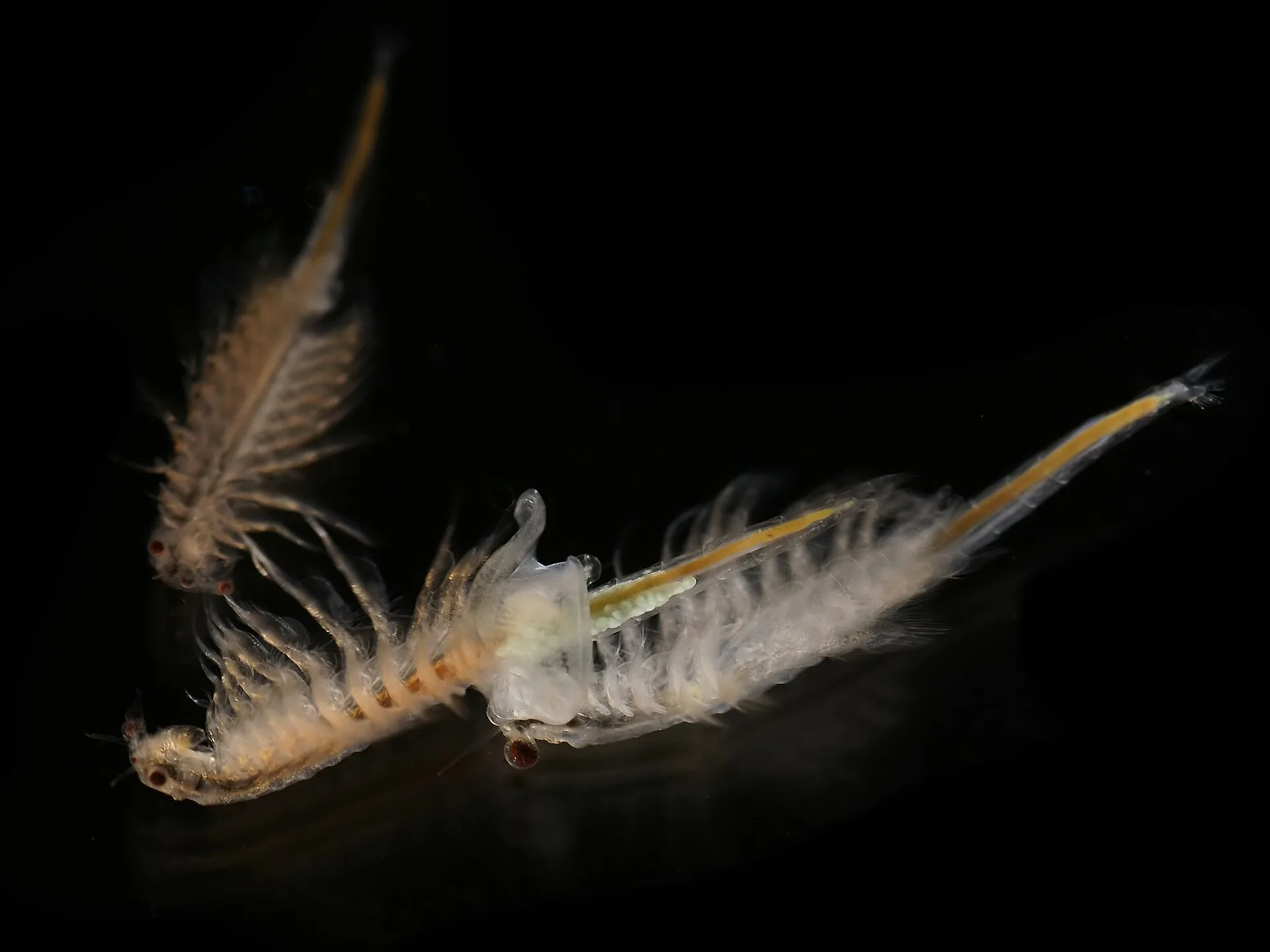
- Baby brine shrimp: fry and small tropicals
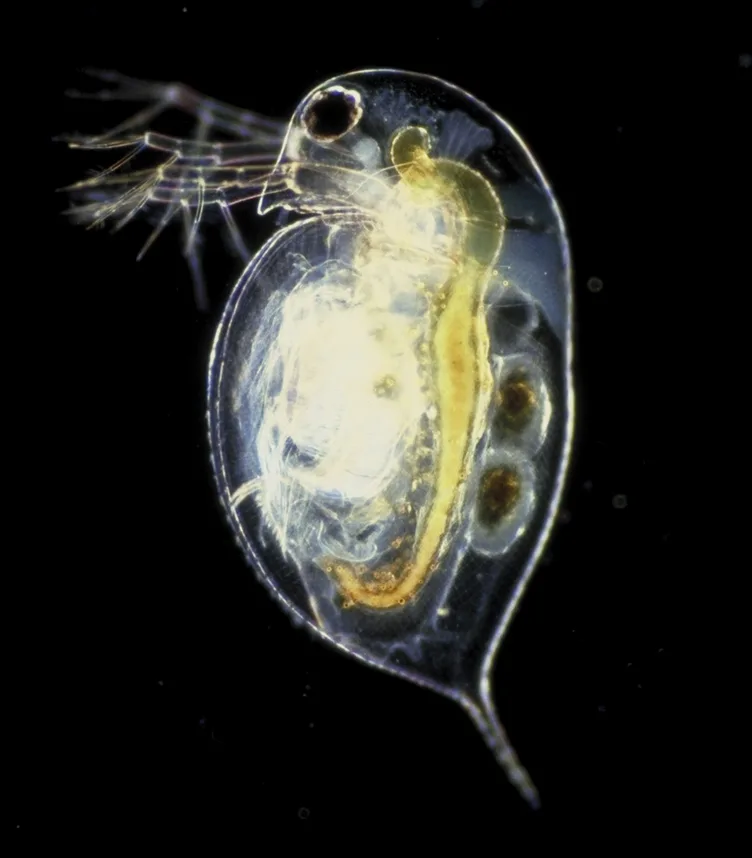
- Daphnia / Moina: fibre-rich “water fleas”
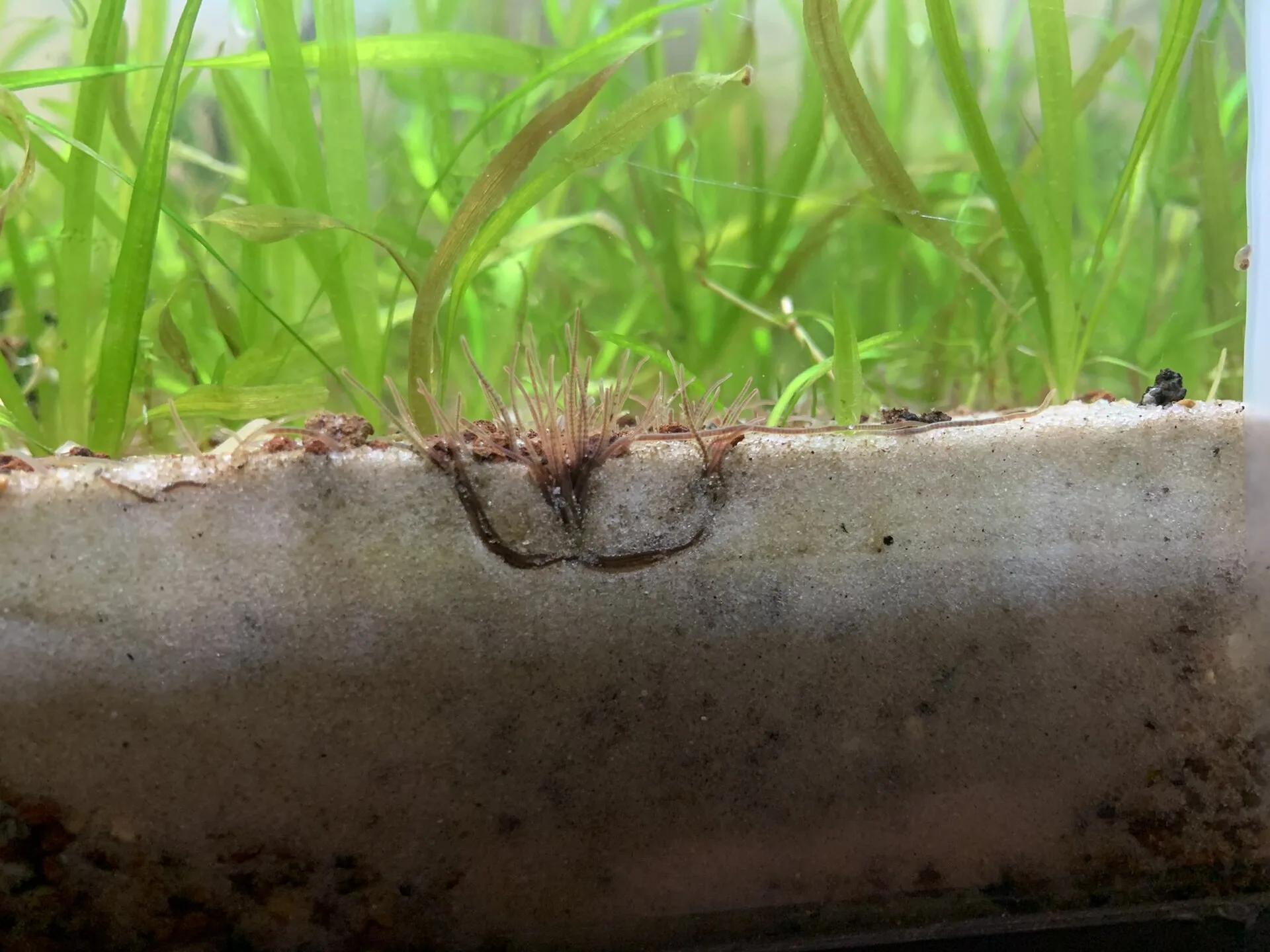
- Blackworms / microworms: high protein for picky carnivores
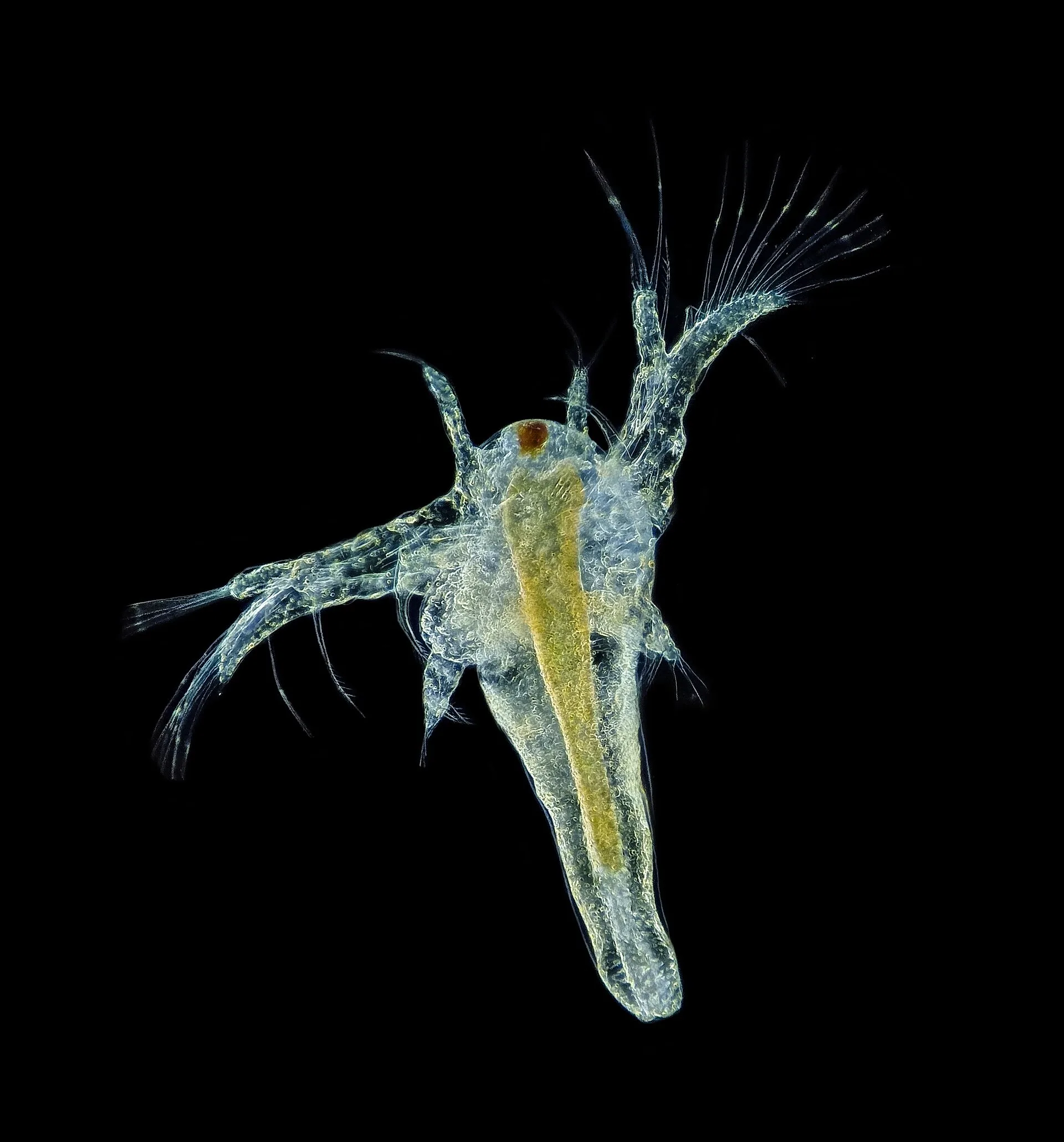
- Vinegar eels / infusoria: earliest fry foods
Benefits
Live foods stimulate hunting, improve condition for spawners, and often beat dry food for picky wild-type fish. Rotation with frozen and prepared staples prevents nutritional gaps.
Risks and Hygiene
- Wild-collected insects/worms can bring parasites or pesticides
- Overfeeding live cultures crashes water fast
- Rinse commercial live foods in a net before adding

How Often
Most tanks do well with live or frozen enrichment 2–4 times weekly, not every meal. Keep a quality dry staple as the backbone.
Starter Cultures
Home brine-shrimp hatches and vinegar-eel jars are beginner-friendly. Keep cultures separate from the display and never dump dead culture water into the tank.
Related Reading
Conclusion
Live food is a powerful tool when it stays a treat, not a free-for-all. Buy clean sources, rinse well, and pair hunts with a reliable prepared diet.
In practice, Live Food for Aquarium Fish decisions get easier when you watch appetite, water clarity, and filtration together rather than chasing one number. Keep notes for a week and adjust slowly — most Live Food for Aquarium Fish problems improve when ammonia, nitrite, and schedule stay consistent. Browse more Feeding and Nutrition ideas in our Feeding and Nutrition library, or start from the full guides index if you want a broader path. Stable husbandry beats fancy gear: test before you dose, quarantine new arrivals, and match feeding to what the livestock actually eats.

Explore other topics
Dive into more aquarium guides across the site.