
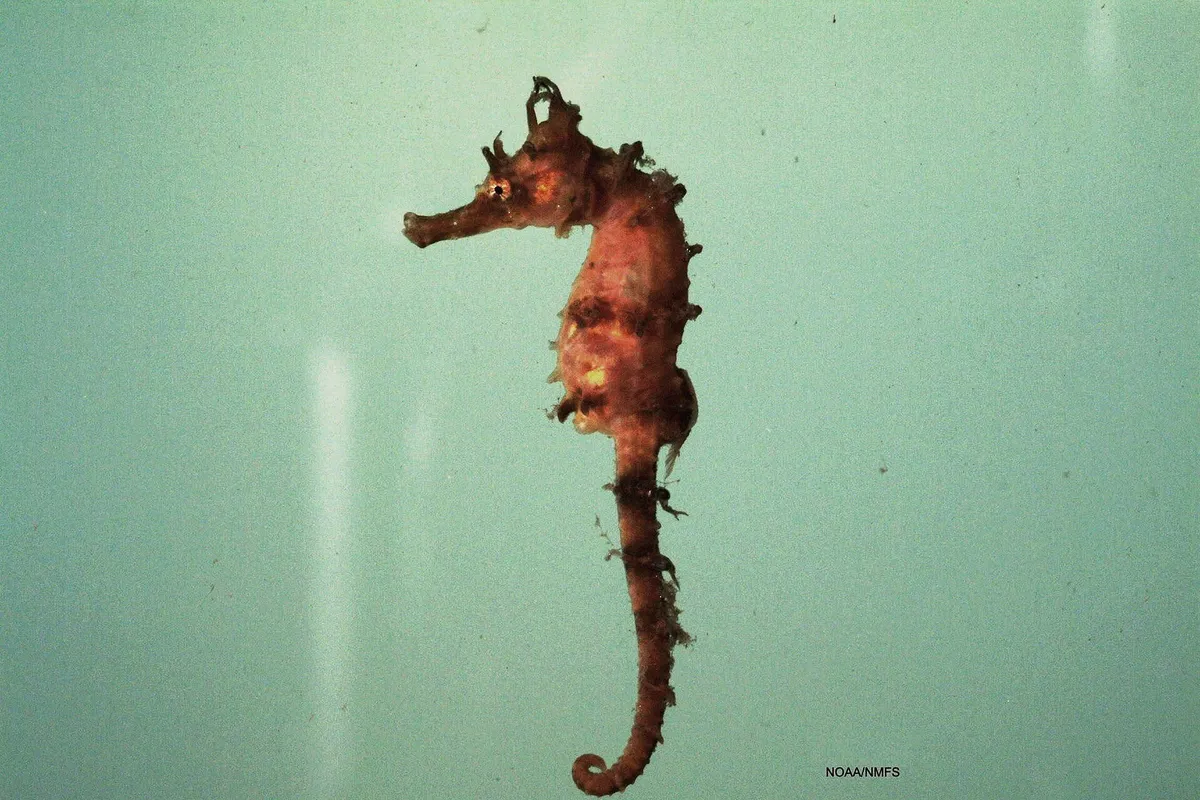
Lined Seahorse (Hippocampus erectus)
Hippocampus erectus is a hardy 15 cm Atlantic seahorse, widely captive bred, that needs a calm species tank, frozen mysis twice a day and plenty of…
Read more →
Guides
This Fish Species hub on Fishy Friends gathers practical fish species guidance for keepers who want clear answers before they change water, livestock, or gear.
Use these articles to match species to tank size, plan filtration and feeding, and troubleshoot water chemistry without guessing. Each guide is written for home aquariums and links to related reading when you need more depth on fish species.
Start with the basics — stable parameters, quarantine habits, and a feeding schedule that matches the livestock — then browse the profiles and how-tos below. When you are ready to branch out, jump into neighbouring topics so your fish species plan stays consistent across the whole tank.
Whether you are stocking a first community tank or refining an established scape, bookmark this page and return as questions come up. Healthy aquariums are built from small, repeatable routines more than one-time upgrades, and fish species success follows the same pattern.
Explore next: freshwater fish, saltwater fish, coldwater fish, all guides.
Fishy Friends publishes species care sheets, plant and invertebrate notes, aquascaping ideas, and water-care explainers so fish species advice stays easy to find. Read one guide thoroughly, apply it slowly, and use the linked hubs above when you want a second angle on the same problem.
Before you buy livestock or rethink filtration, skim two or three fish species articles here and write down target numbers for temperature, hardness, and feeding. That short checklist prevents the most common resets and keeps your aquarium closer to the calm, healthy display you are aiming for.
Come back after water changes or new additions: compare what you see in the tank with the fish species checklists below, then follow one recommended next step instead of changing everything at once. Steady improvements compound, and Fishy Friends is built to support that pace.
Jump into popular groups — tetras, corys, danios, and more.
Hippocampus erectus is a hardy 15 cm Atlantic seahorse, widely captive bred, that needs a calm species tank, frozen mysis twice a day and plenty of…
Read more →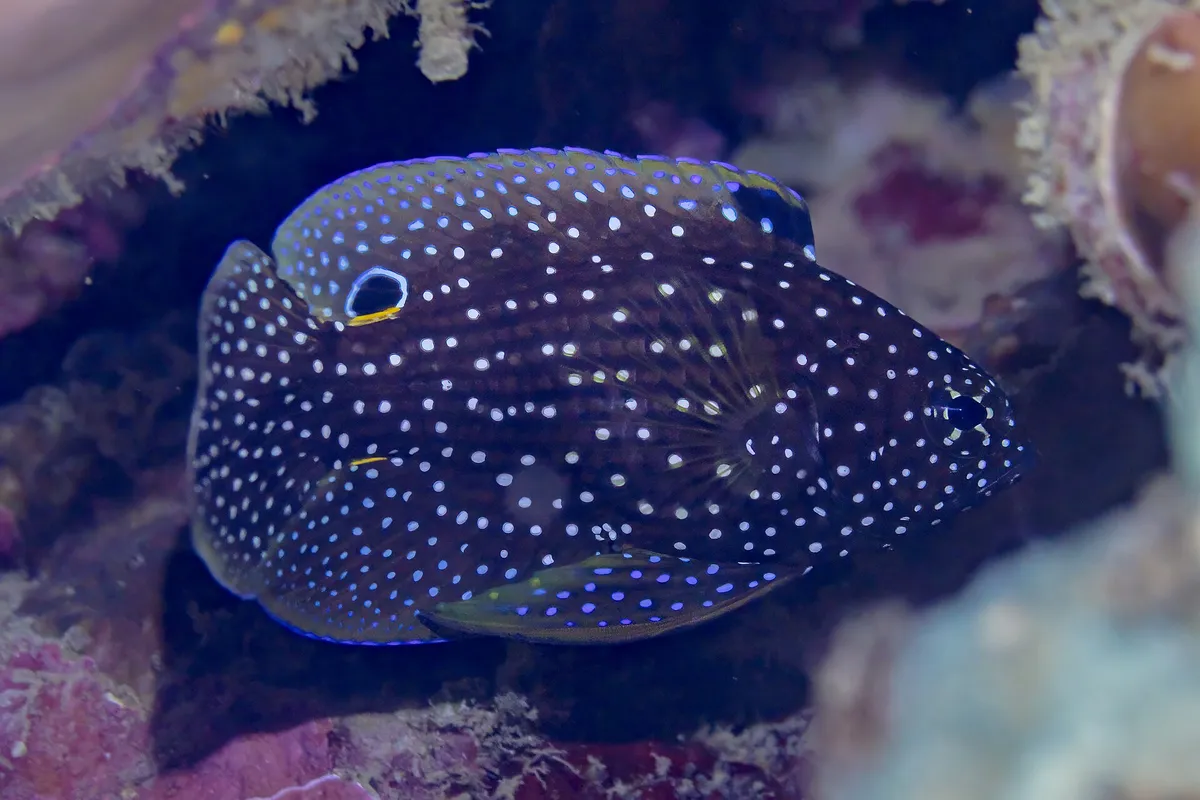
Calloplesiops altivelis is a shy, 15–20 cm white-spotted reef fish with huge fins and a fake eye on its tail that needs caves, calm tank mates an…
Read more →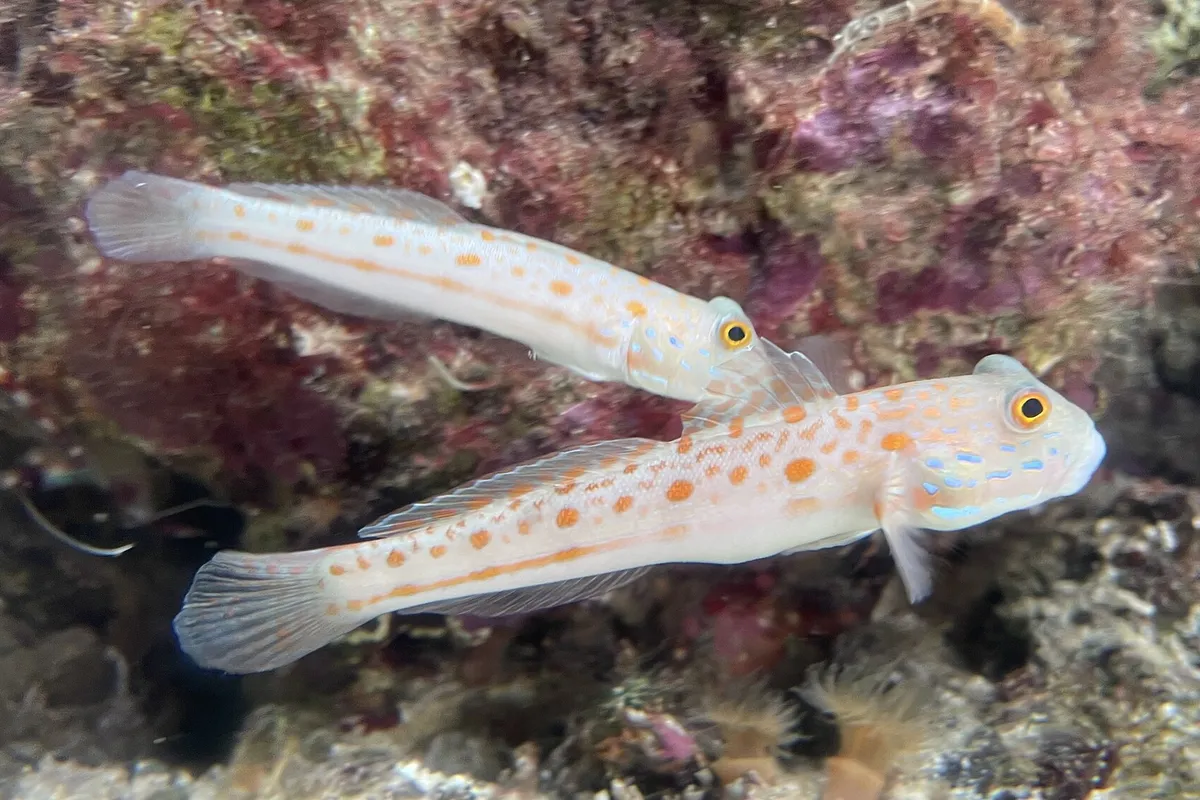
Valenciennea puellaris is a 12–15 cm orange-spotted sleeper goby that sifts sand all day, keeps the bed clean and needs a mature tank with plenty…
Read more →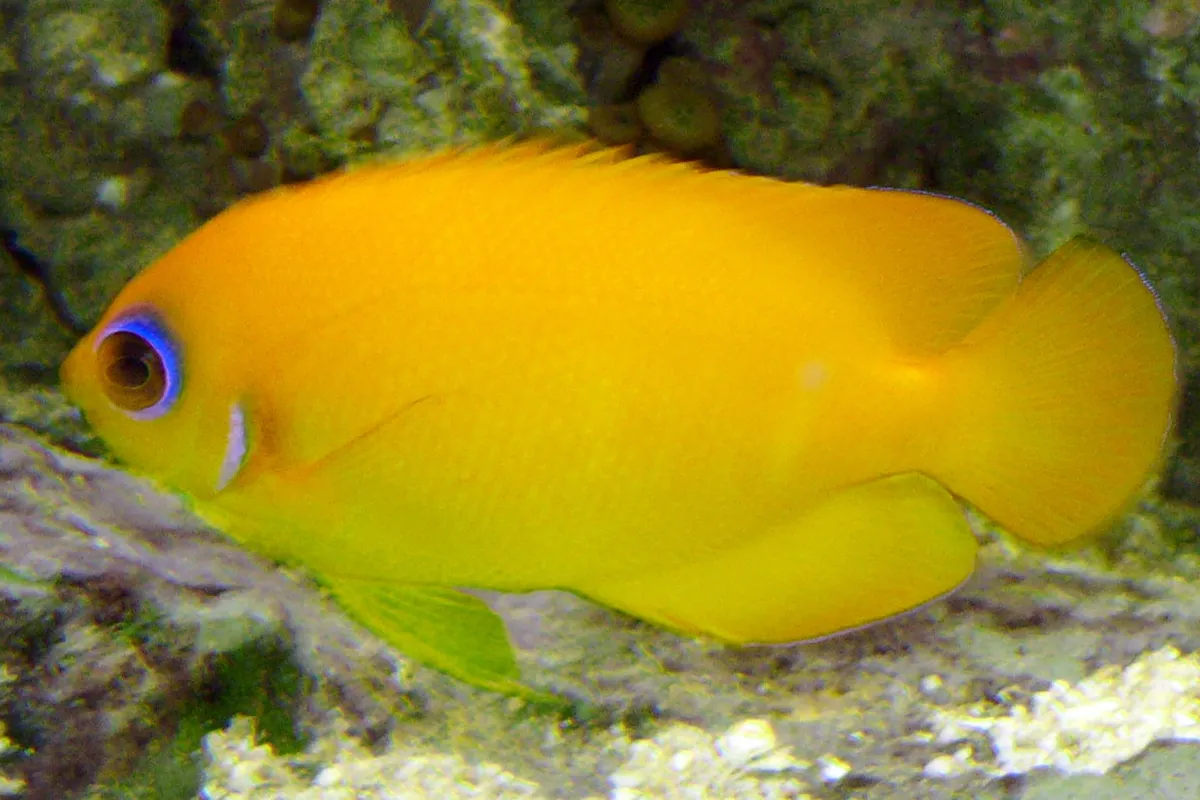
Centropyge flavissima is a 10–14 cm bright yellow dwarf angelfish with blue eye rings that needs mature rockwork to graze and may nip some corals.
Read more →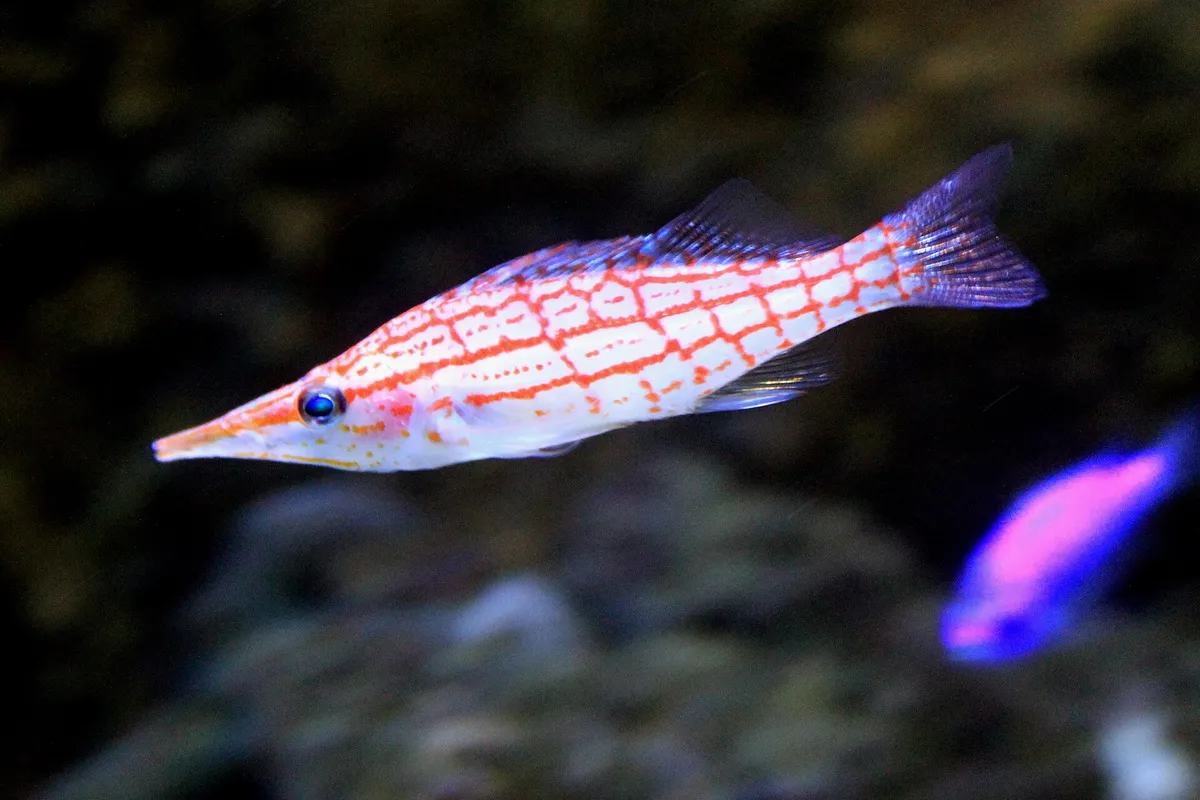
Oxycirrhites typus is a 13 cm red-checked hawkfish with a long snout that perches on corals and is mostly reef safe, except for small shrimp.
Read more →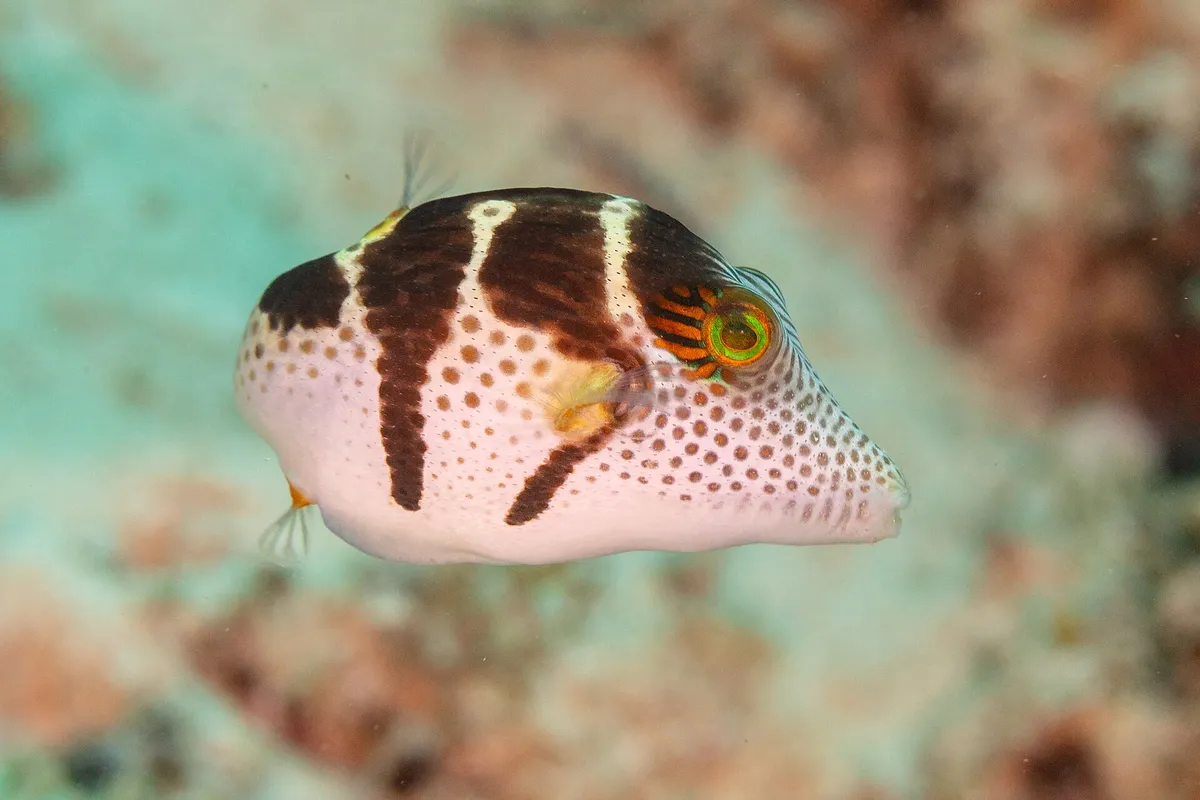
Canthigaster valentini is a 10 cm saddled sharpnose puffer with lots of personality, best in a fish-only tank because it nips corals and invertebra…
Read more →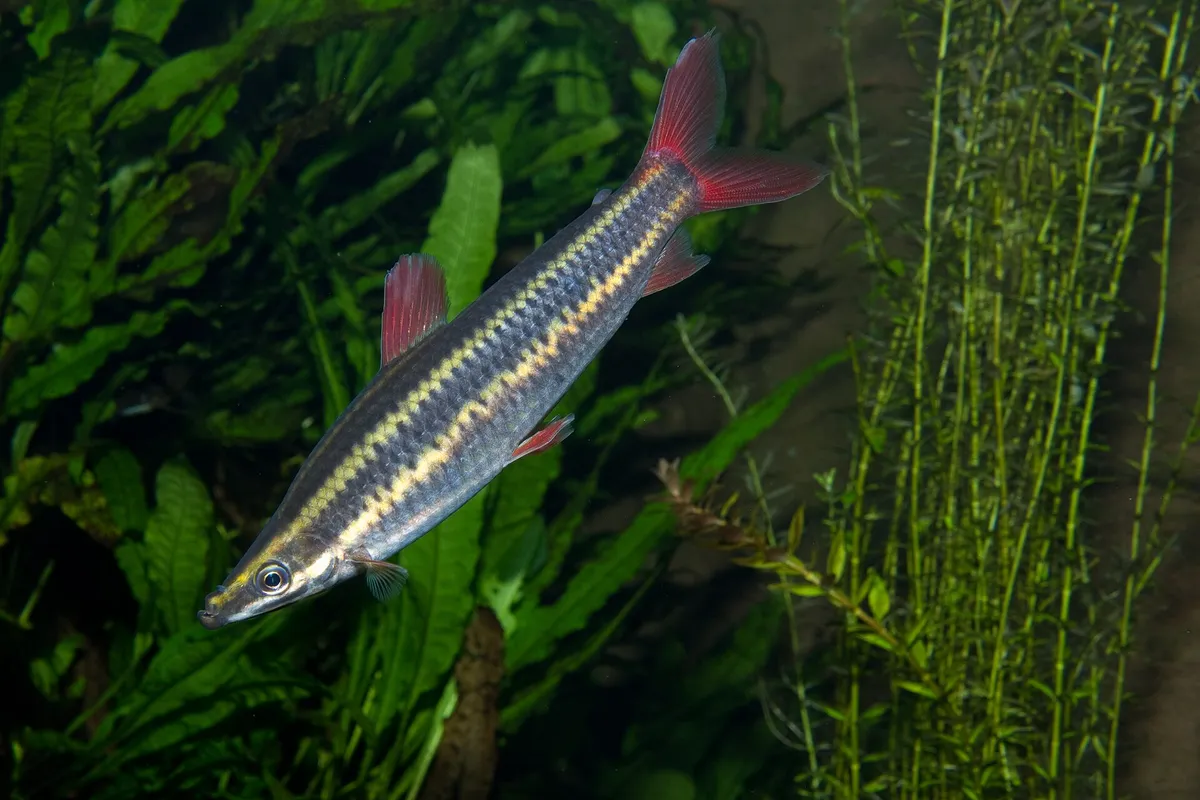
Anostomus anostomus is a 12–16 cm gold-and-black striped grazer from fast Amazon rivers that swims head-down, likes current and can be quarrelsom…
Read more →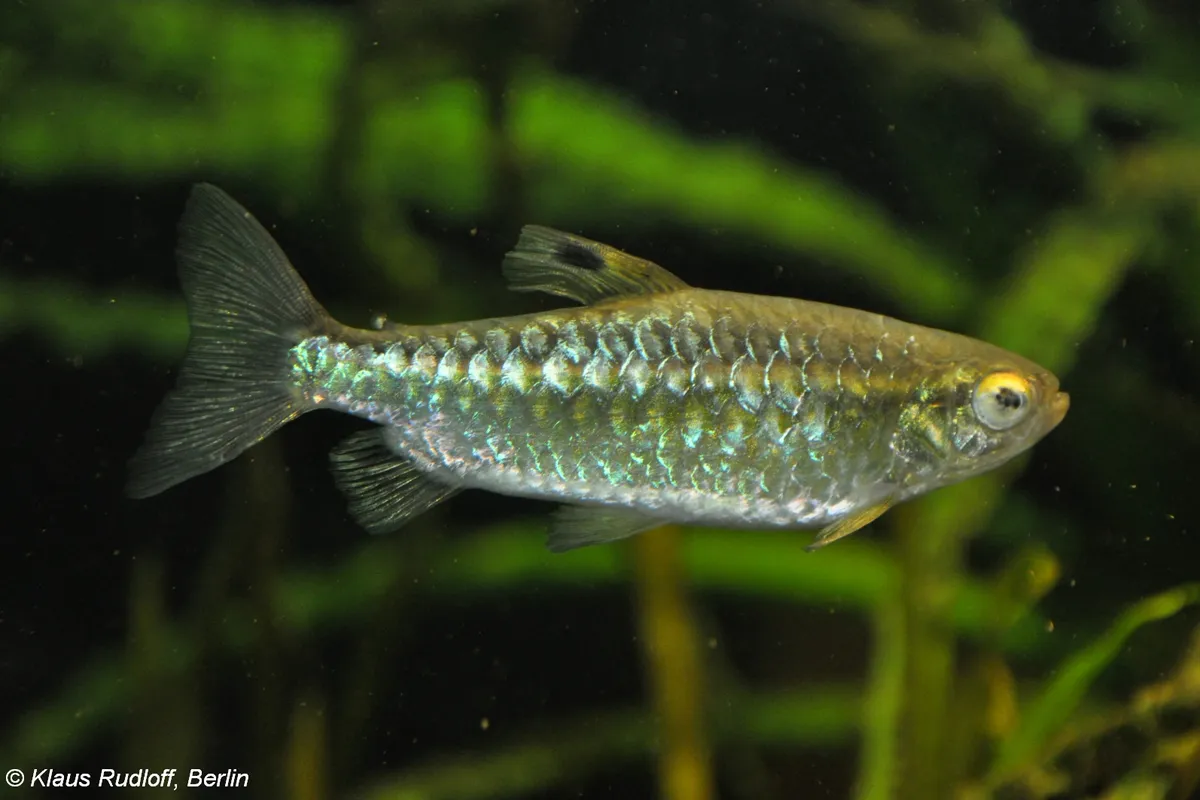
Arnoldichthys spilopterus is a 7–10 cm shimmering schooling tetra from Nigeria with a bright red eye, ideal for a large, peaceful community tank.
Read more →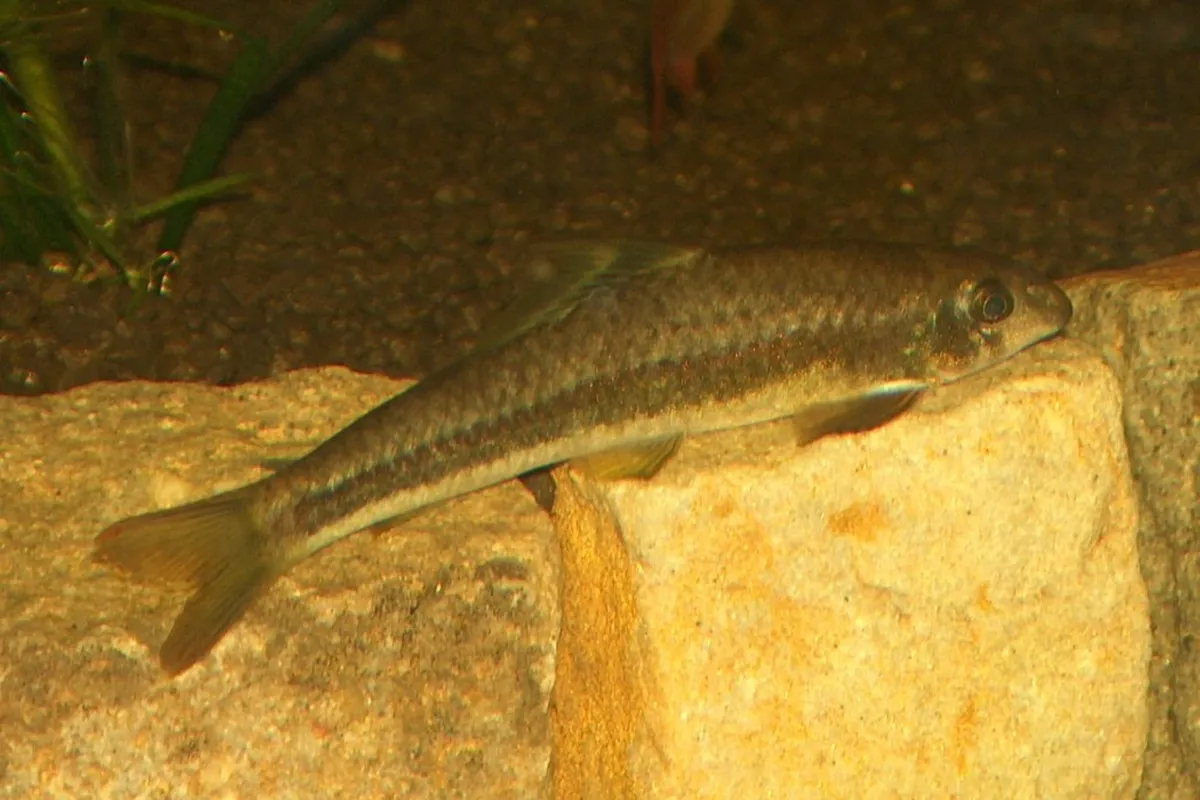
Epalzeorhynchos kalopterus is a 12–15 cm striped algae eater from Southeast Asia that grazes hard, defends its patch and is easily confused with…
Read more →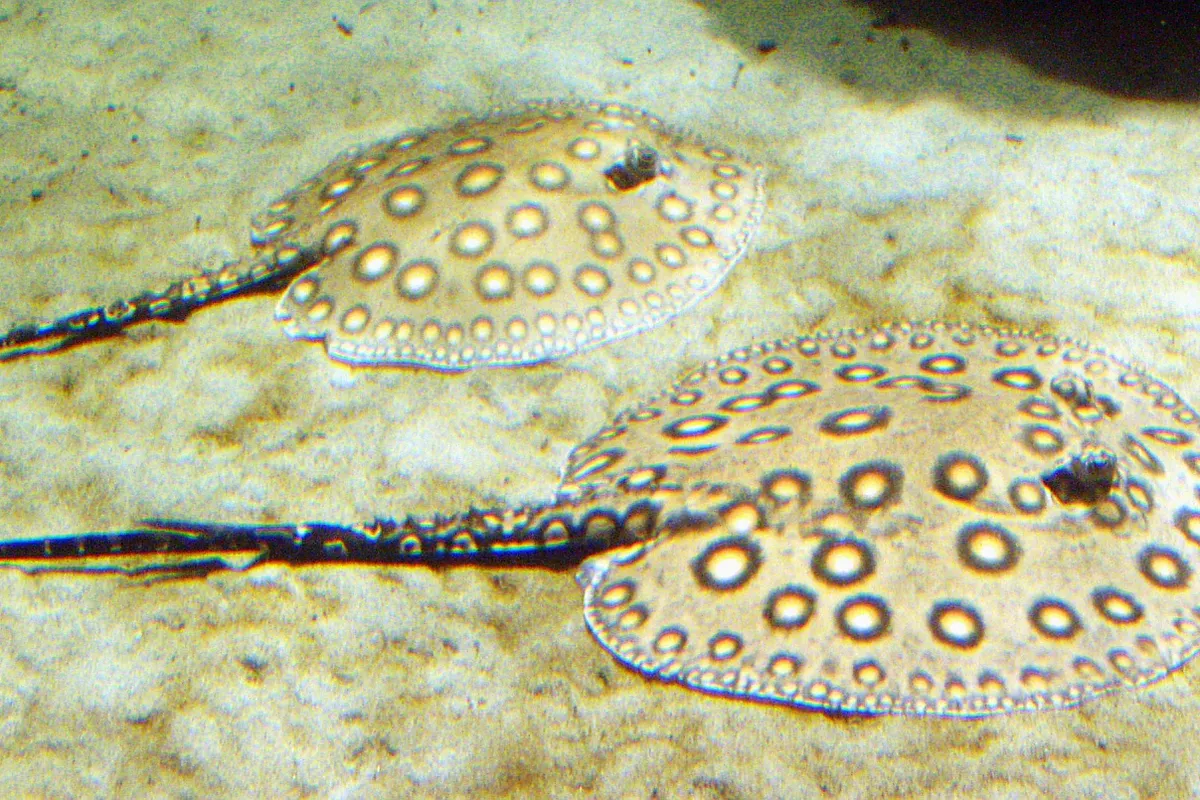
Potamotrygon motoro is a 45 cm-wide freshwater stingray with eye-spot markings that needs a huge floor area, spotless water and a careful keeper.
Read more →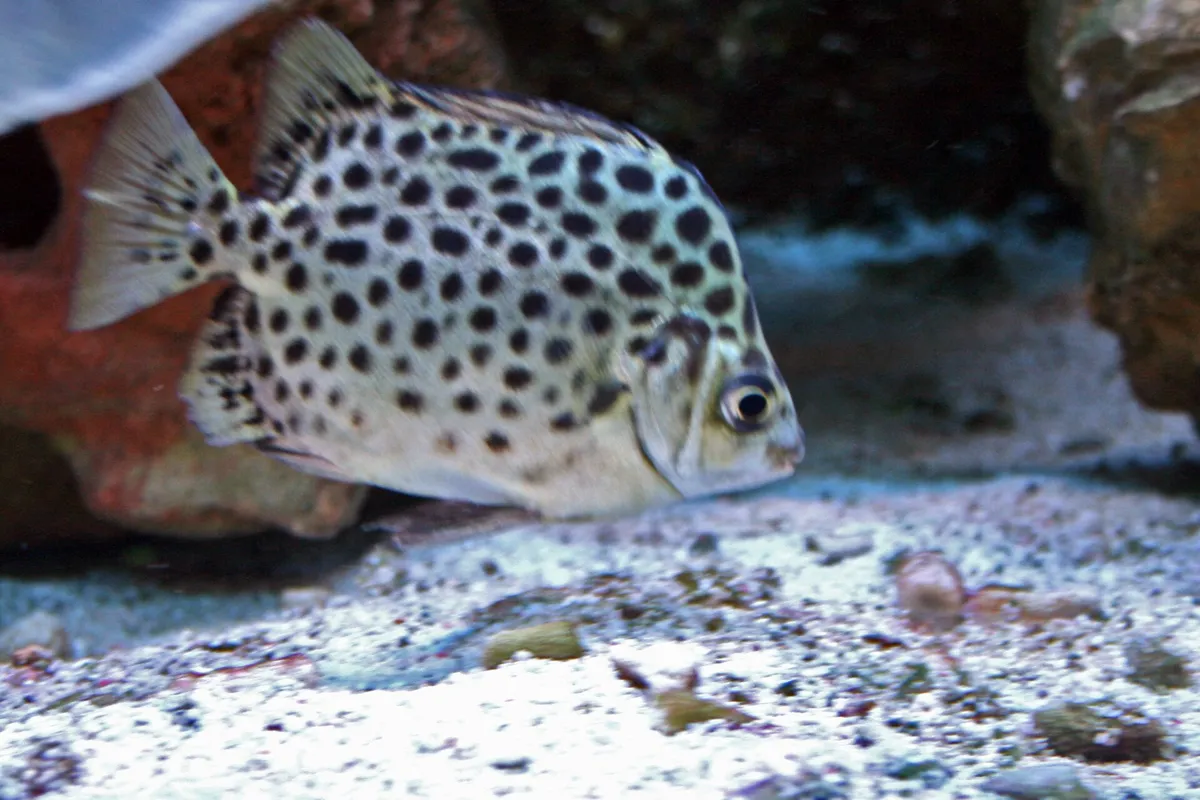
Scatophagus argus is a hardy, hungry, 20–30 cm brackish fish that starts life in rivers and finishes it in near-marine water, so plan for a big t…
Read more →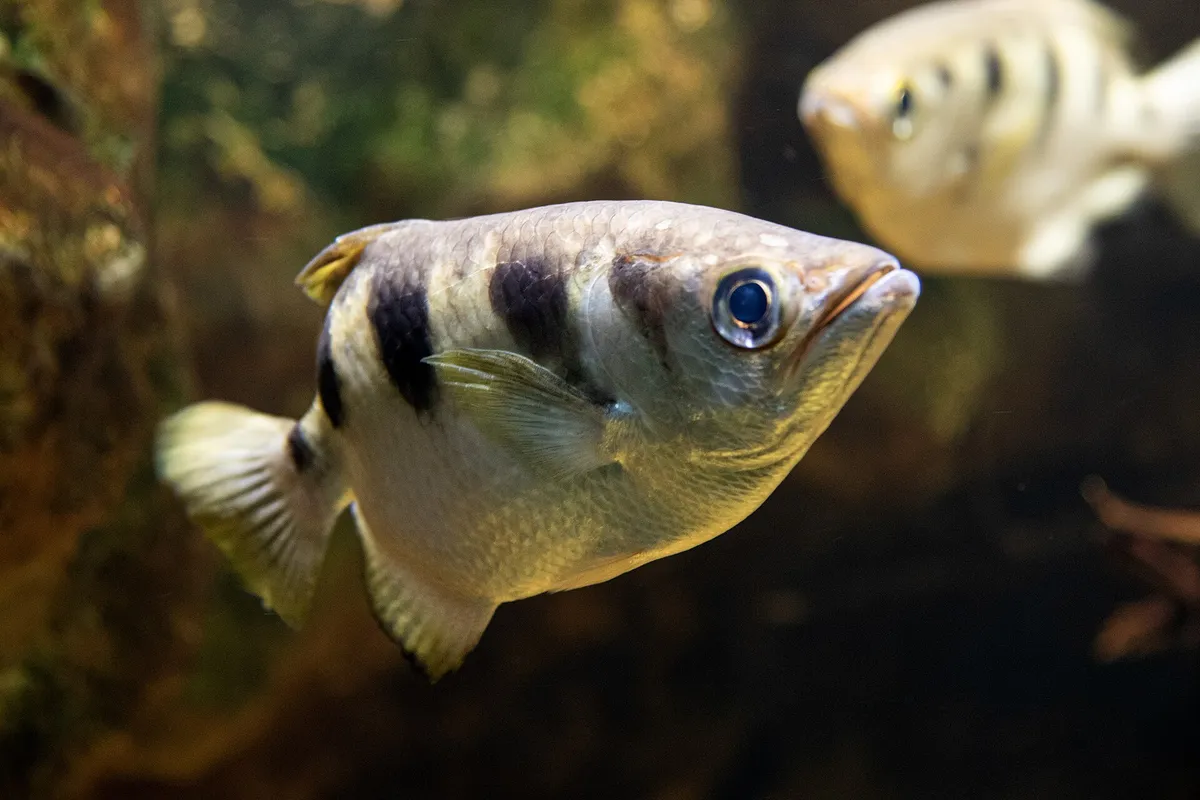
Toxotes jaculatrix is a 20–25 cm brackish-water hunter that knocks insects off branches with a jet of water, and it needs a big, open-topped tank…
Read more →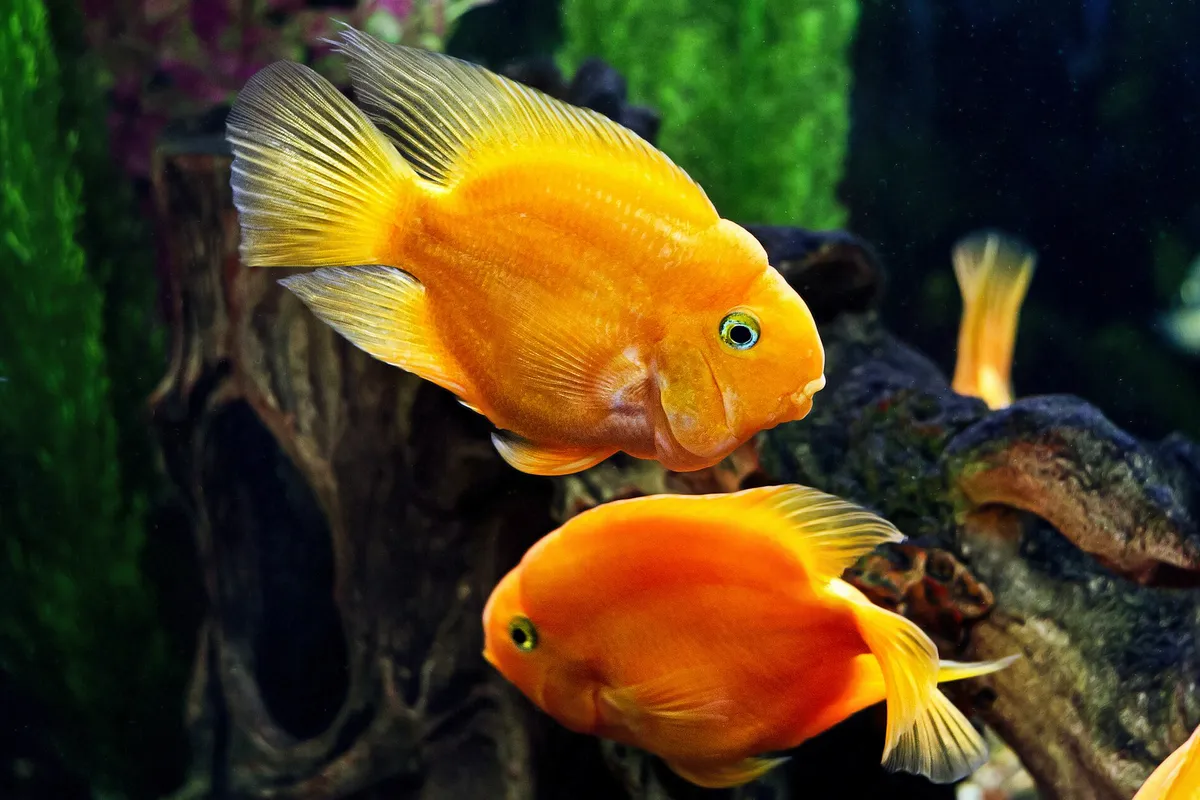
The blood parrot is a man-made hybrid cichlid that grows to 15–20 cm: bright, friendly and long-lived, but its beak-shaped mouth changes how you…
Read more →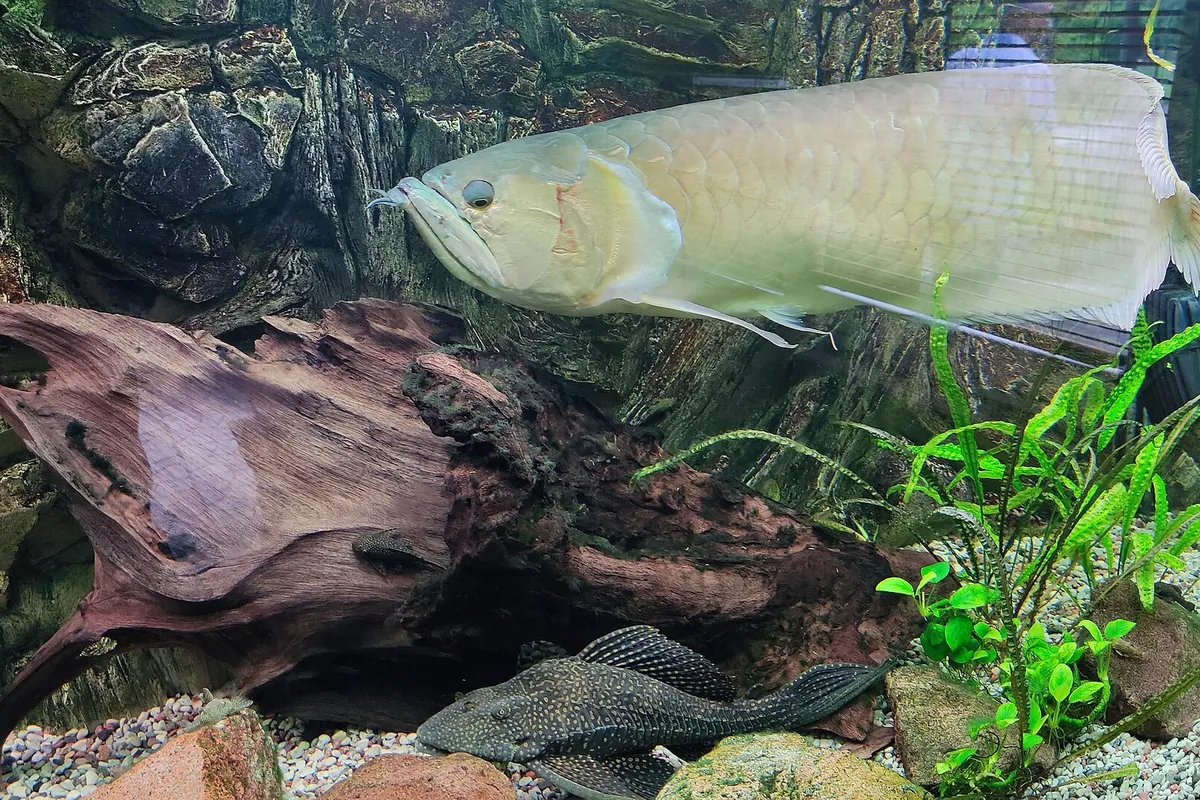
Osteoglossum bicirrhosum is an Amazon surface predator that grows to 90 cm or more: spectacular, intelligent and a famous jumper, but it needs a ta…
Read more →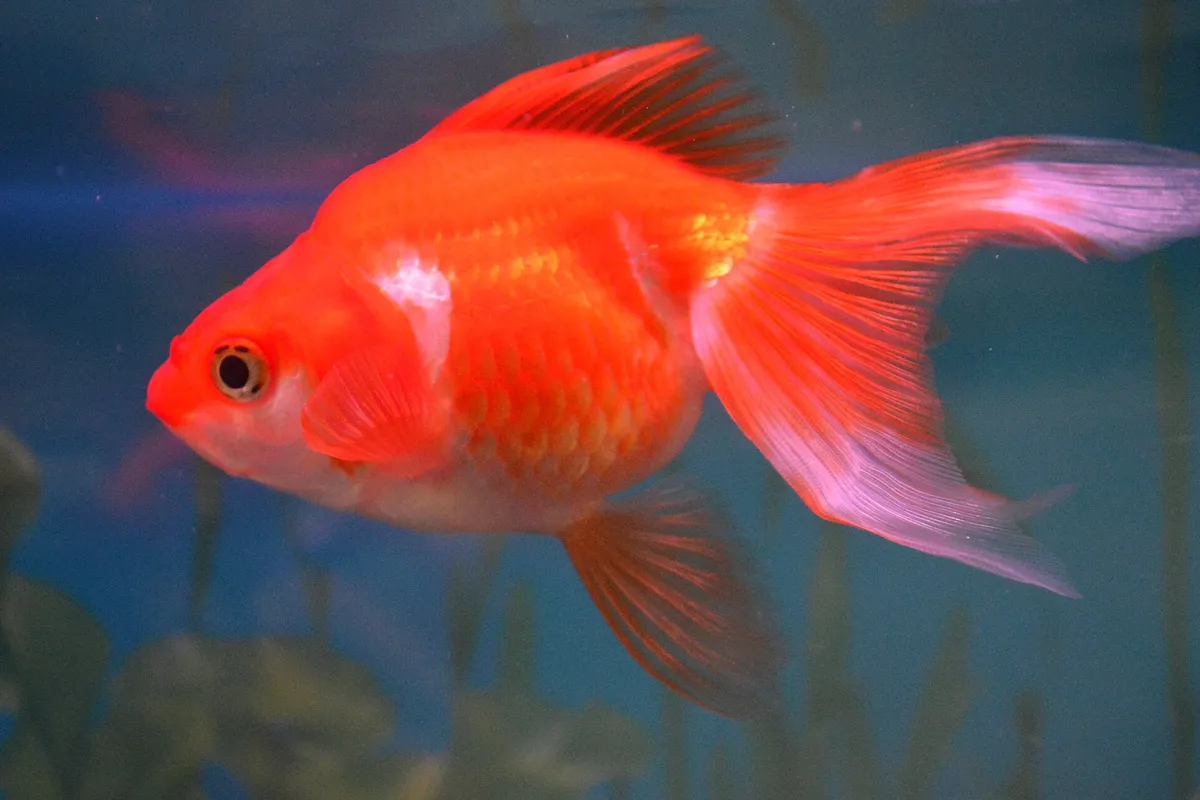
The ryukin is a deep-bodied, hump-backed fancy goldfish that grows to 15–20 cm: hardy, friendly and long-lived, but it needs a big, cool, heavily…
Read more →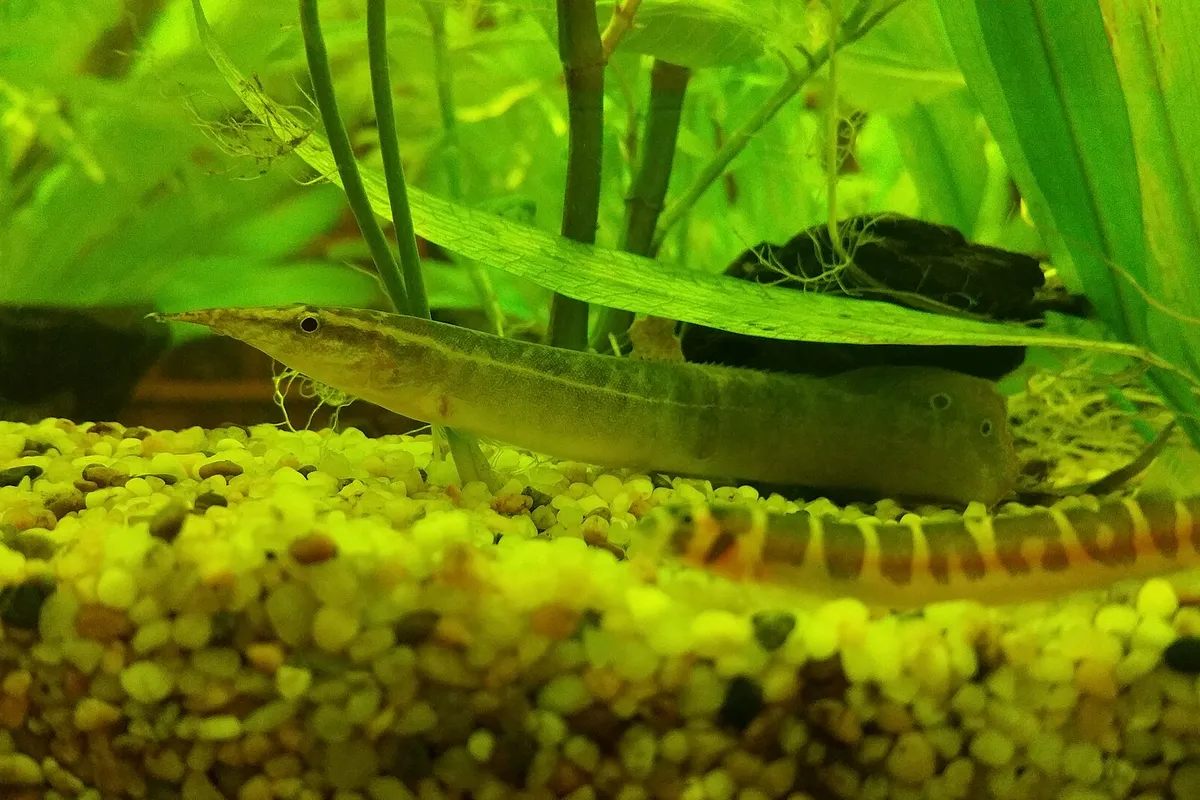
Macrognathus siamensis is a 20–30 cm spiny eel from Thai and Mekong rivers: the most community-friendly spiny eel, as long as it gets soft sand,…
Read more →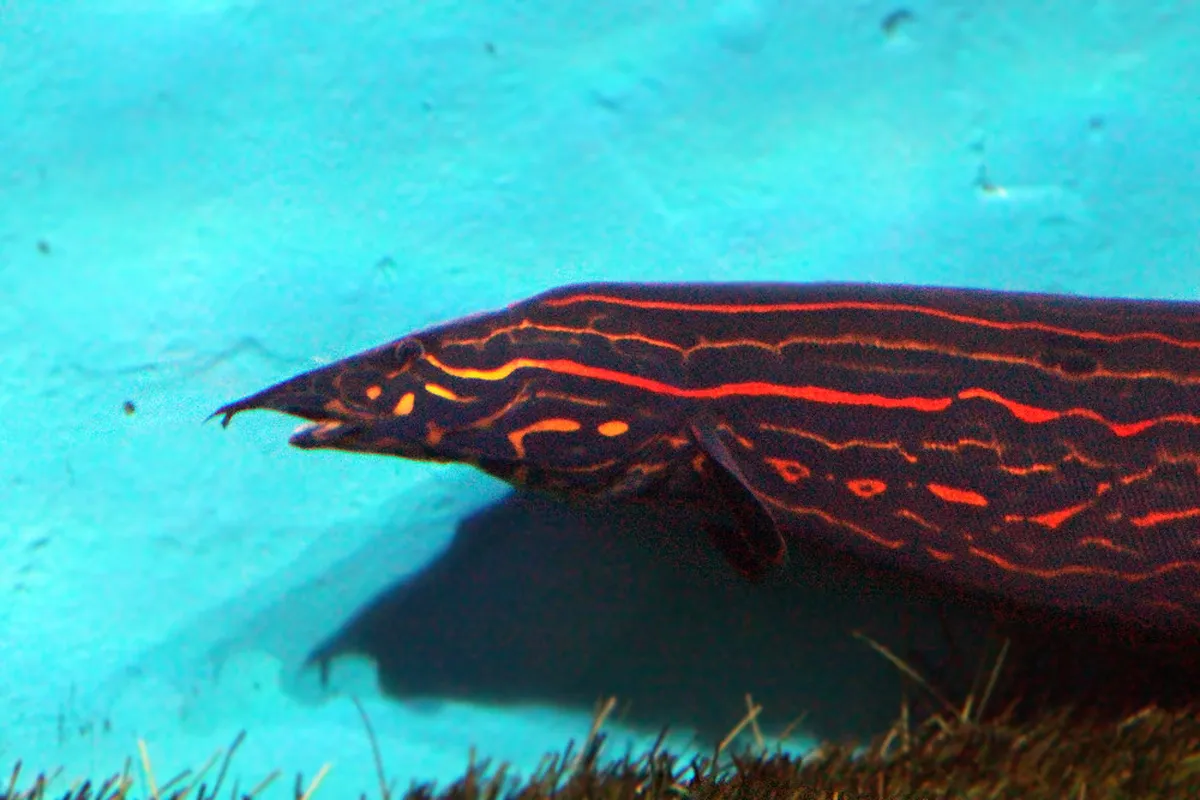
Mastacembelus erythrotaenia is a Southeast Asian spiny eel that grows to 60–90 cm: a gentle, intelligent burrower that needs a huge sand-bottomed…
Read more →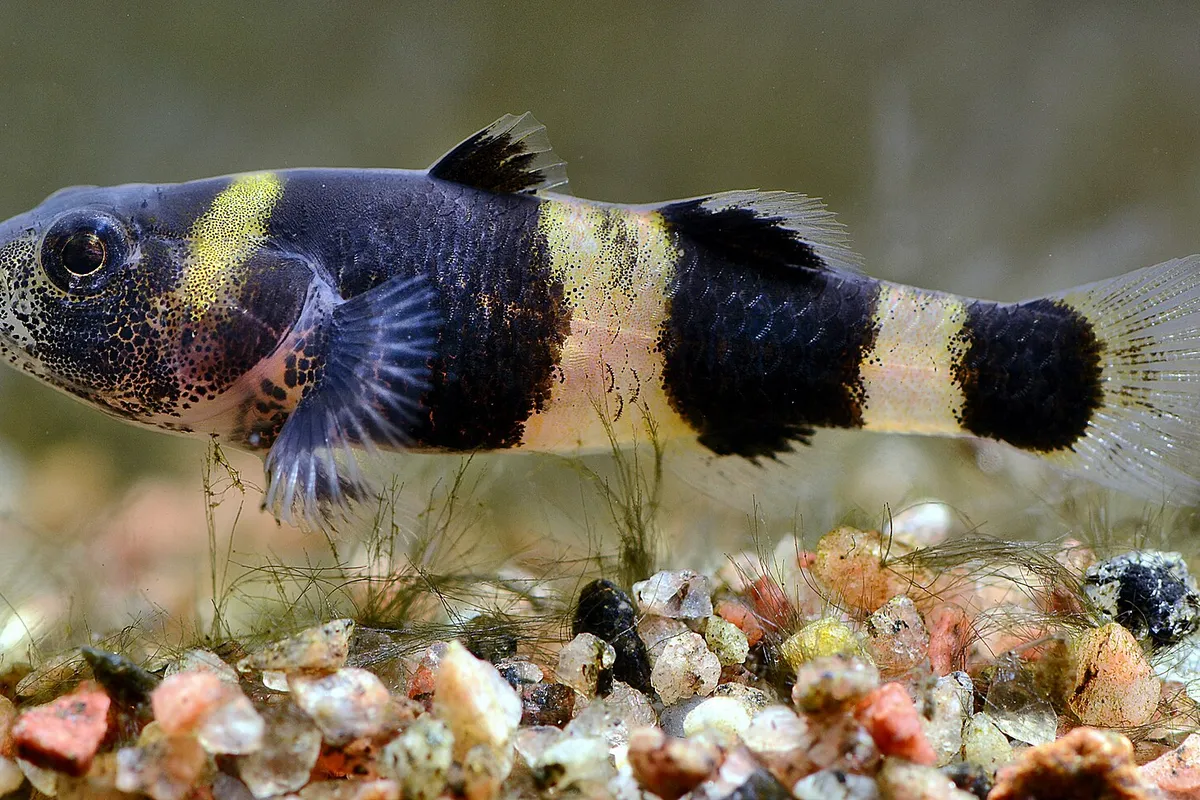
Brachygobius doriae is a 3–4 cm striped goby from the mangroves and estuaries of Borneo: bold, territorial, a picky meat-eater, and happiest in h…
Read more →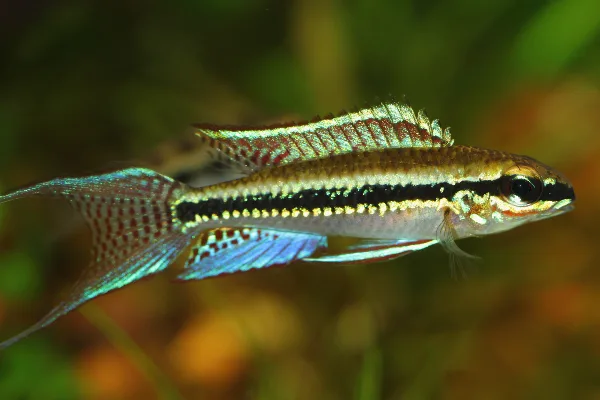
Dicrossus filamentosus is a blackwater specialist from the Rio Negro and Orinoco: a 6–8 cm checkerboard dwarf that demands extremely soft, acidic…
Read more →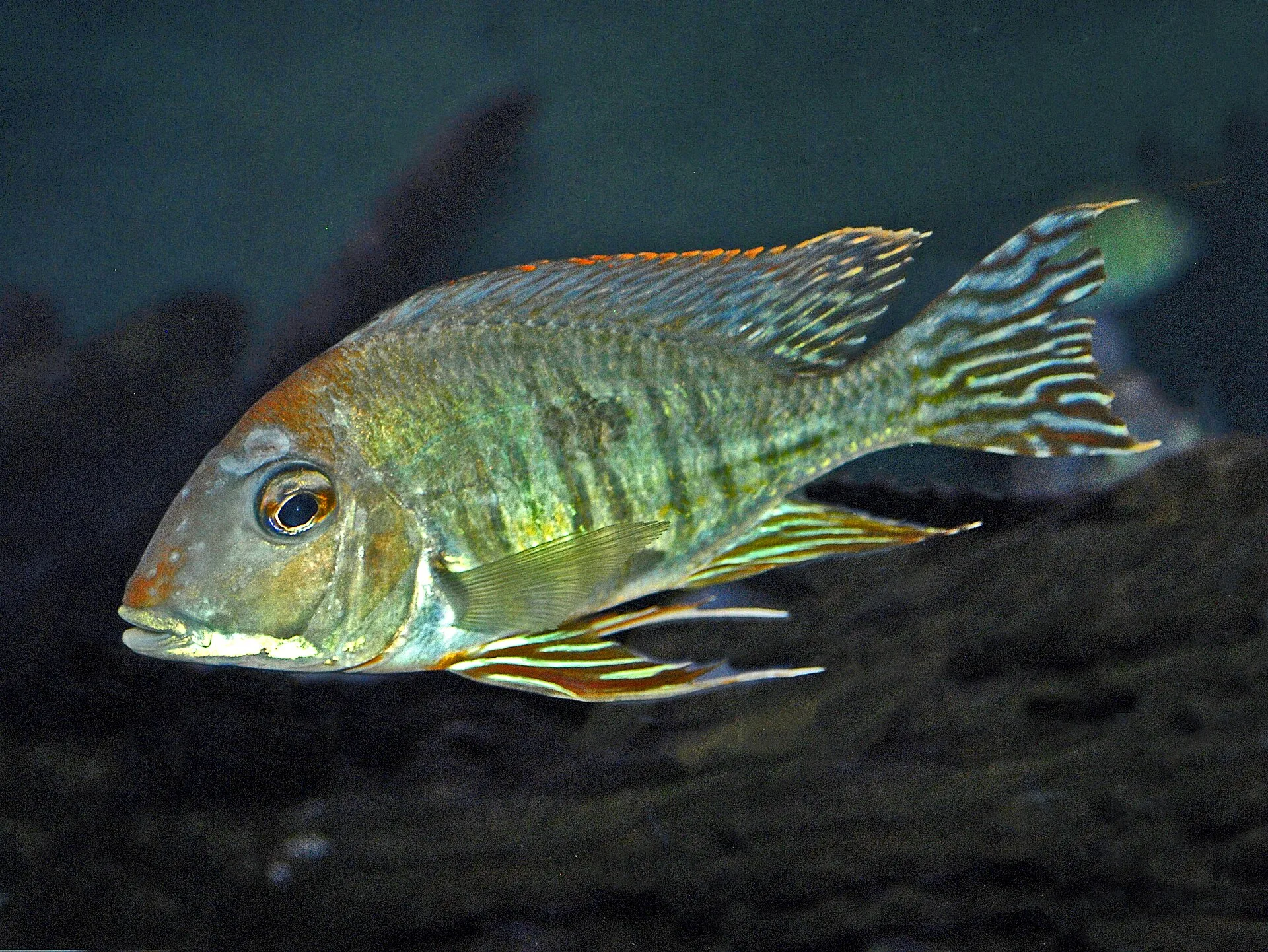
Geophagus altifrons is the high-foreheaded Amazon eartheater: 20–25 cm, warm soft water, a deep sand bed, and a gentler reputation than the pearl…
Read more →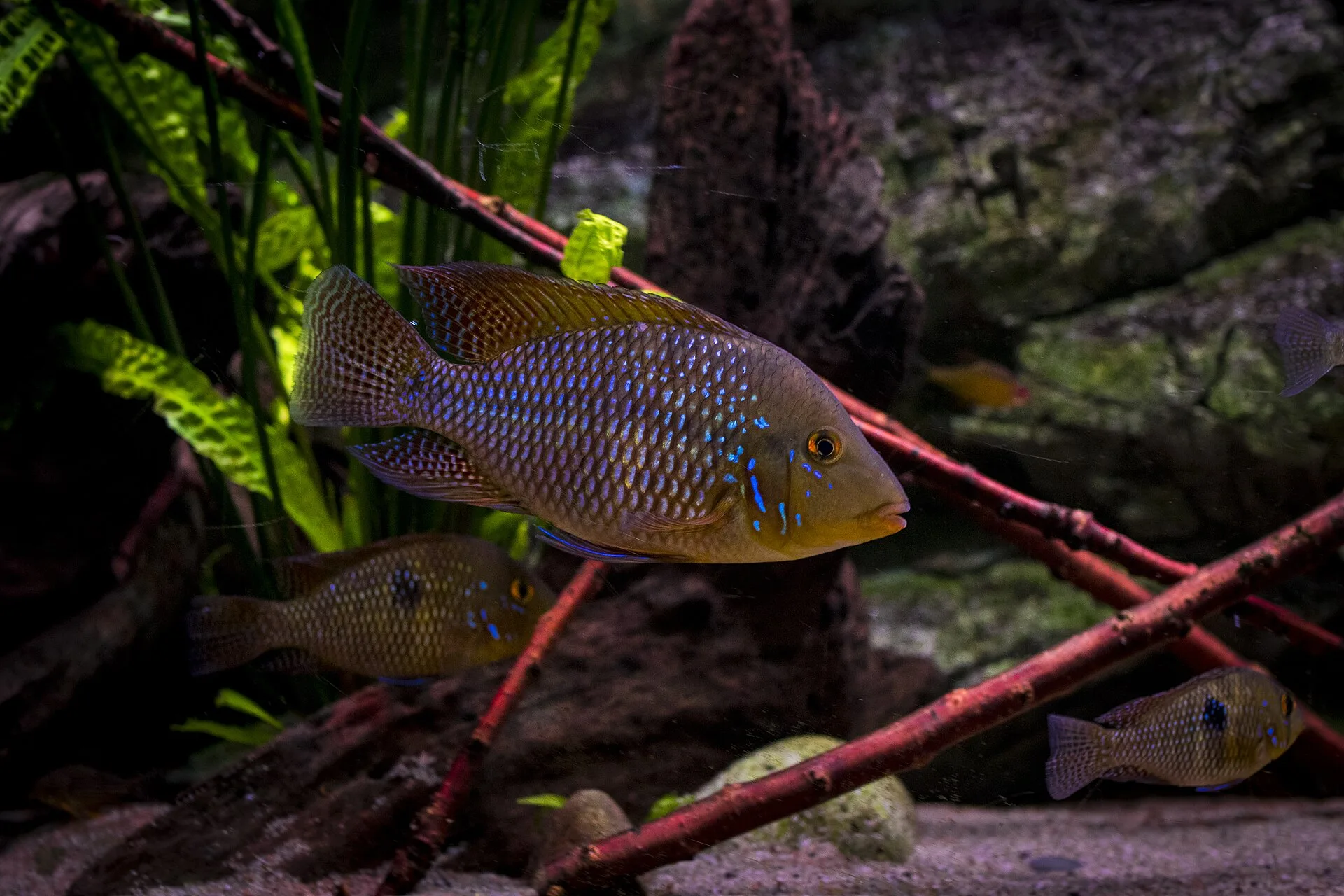
Geophagus brasiliensis is a 20–30 cm coastal Brazilian cichlid: pearl-spangled, sand-sifting, and far more adaptable and territorial than Amazon…
Read more →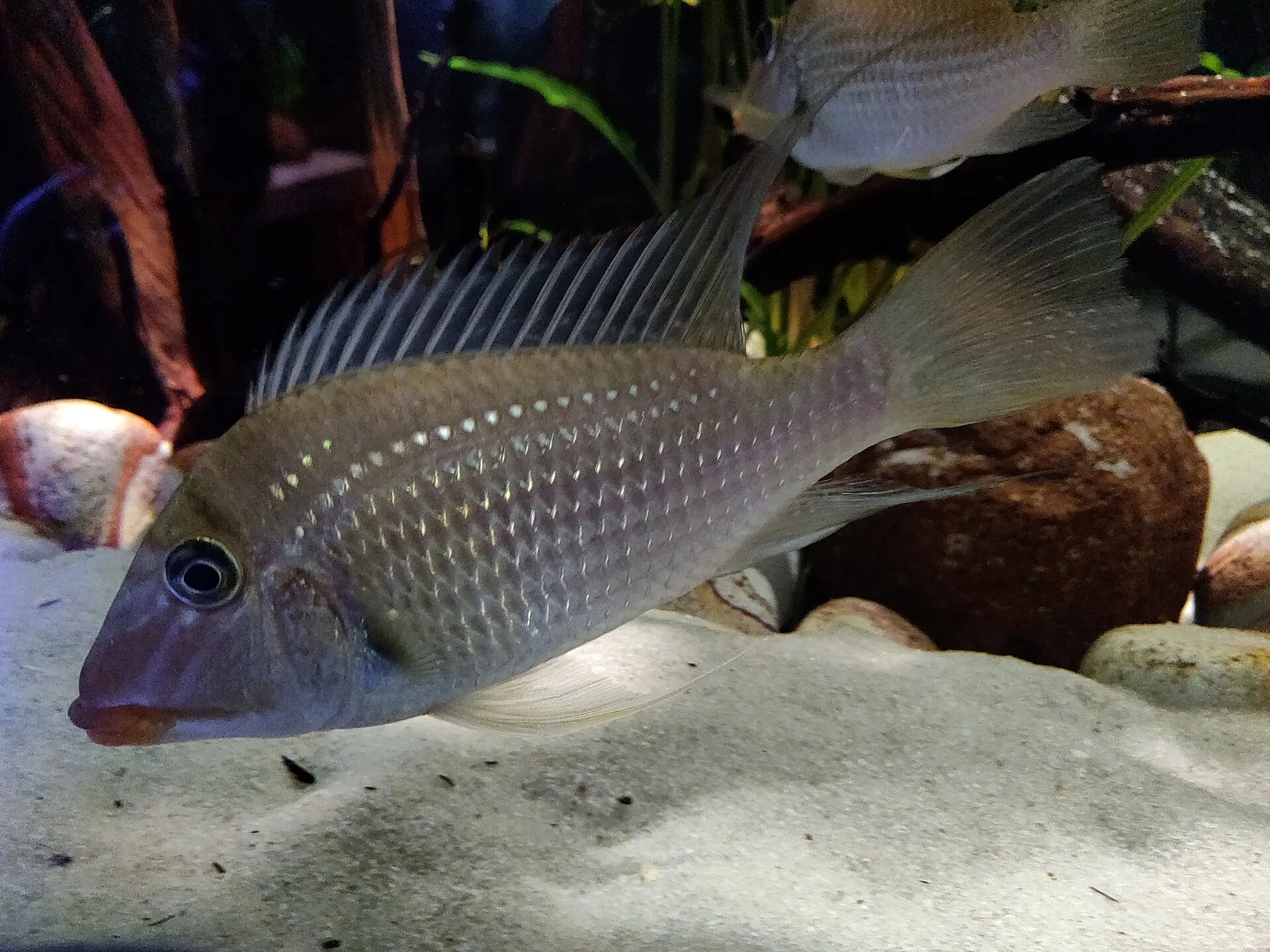
Satanoperca jurupari is a 20–25 cm Amazon sand-sifter that takes mouthfuls of substrate and is a delayed mouthbrooder — give it a deep sand bed…
Read more →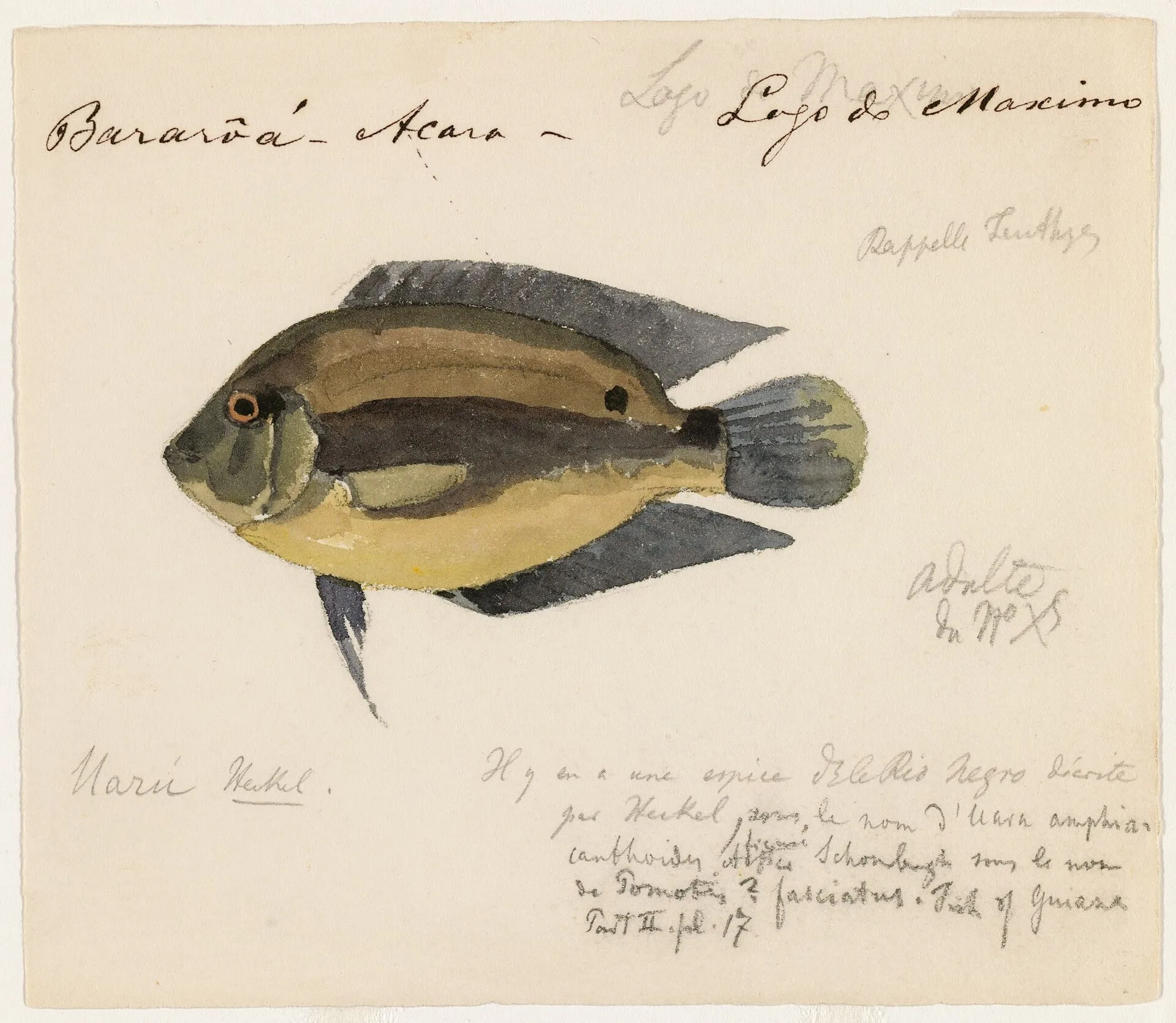
Uaru amphiacanthoides is a 25–30 cm Amazon cichlid that lives like a plant-eating discus cousin: warm, clean, soft water, a huge tank, and vegeta…
Read more →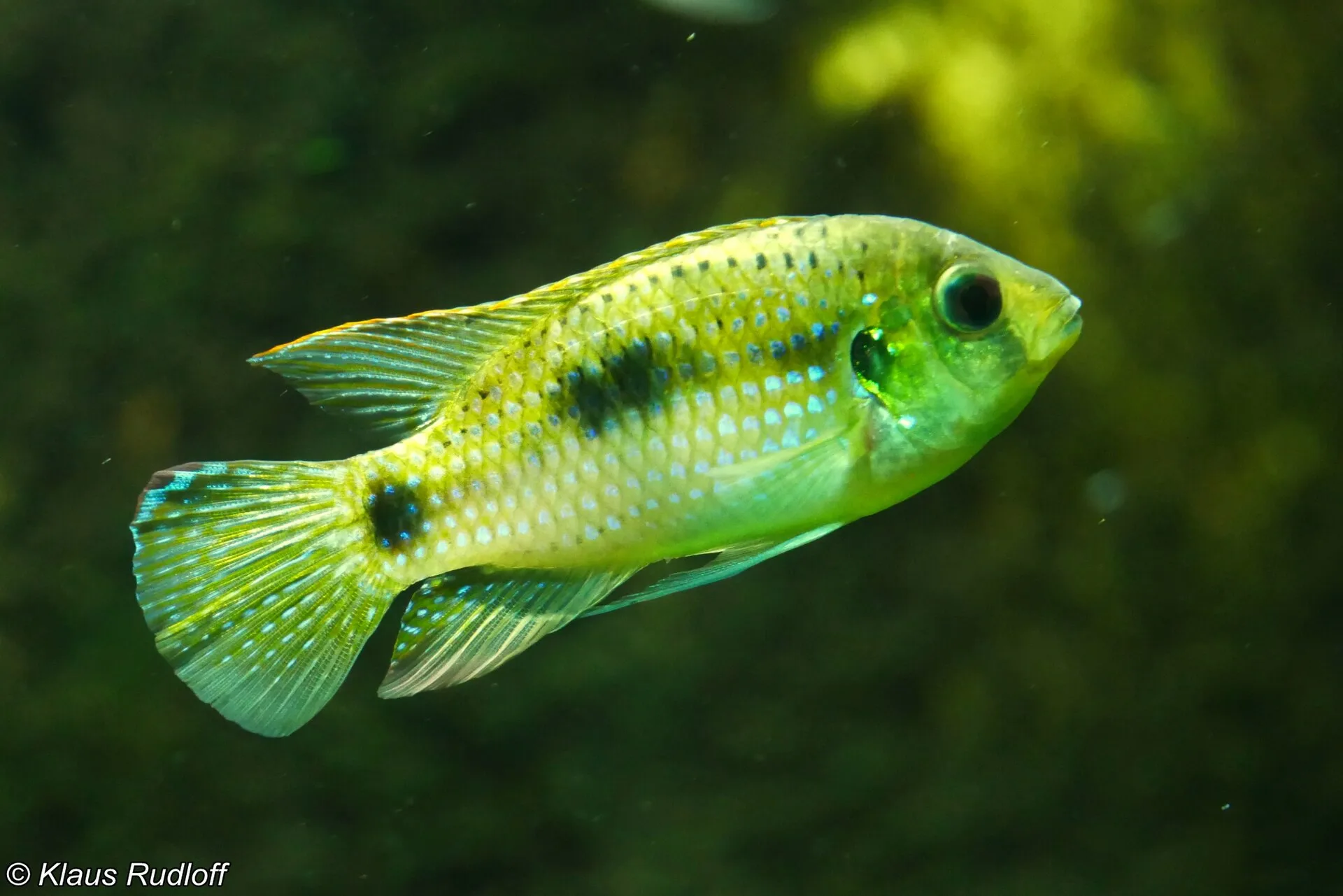
Anomalochromis thomasi is a West African forest-stream dwarf that pair-spawns on leaves and wood in soft, vegetated water — not an Apistogramma,…
Read more →