

Vacation Feeding for Aquarium Fish
Plan safe feeding during short trips without relying automatically on dissolving feeder blocks.
Read more →
Guides
This Feeding & Nutrition hub on Fishy Friends gathers practical fish feeding guidance for keepers who want clear answers before they change water, livestock, or gear.
Use these articles to match species to tank size, plan filtration and feeding, and troubleshoot water chemistry without guessing. Each guide is written for home aquariums and links to related reading when you need more depth on fish feeding.
Start with the basics — stable parameters, quarantine habits, and a feeding schedule that matches the livestock — then browse the profiles and how-tos below. When you are ready to branch out, jump into neighbouring topics so your fish feeding plan stays consistent across the whole tank.
Whether you are stocking a first community tank or refining an established scape, bookmark this page and return as questions come up. Healthy aquariums are built from small, repeatable routines more than one-time upgrades, and fish feeding success follows the same pattern.
Explore next: freshwater fish, saltwater fish, fish health, all guides.
Fishy Friends publishes species care sheets, plant and invertebrate notes, aquascaping ideas, and water-care explainers so fish feeding advice stays easy to find. Read one guide thoroughly, apply it slowly, and use the linked hubs above when you want a second angle on the same problem.
Before you buy livestock or rethink filtration, skim two or three fish feeding articles here and write down target numbers for temperature, hardness, and feeding. That short checklist prevents the most common resets and keeps your aquarium closer to the calm, healthy display you are aiming for.
Come back after water changes or new additions: compare what you see in the tank with the fish feeding checklists below, then follow one recommended next step instead of changing everything at once. Steady improvements compound, and Fishy Friends is built to support that pace.
Plan safe feeding during short trips without relying automatically on dissolving feeder blocks.
Read more →
Learn when pre-soaking pellets may help and why it is not a universal cure for buoyancy or digestive problems.
Read more →
Protect dry, frozen and live foods from moisture, heat, contamination and nutrient loss.
Read more →
Use targeted feeding and calm routines to help timid fish eat without increasing waste.
Read more →
Make sure catfish, loaches and other bottom dwellers receive suitable food before faster tank mates eat everything.
Read more →
Spirulina and carotenoid-rich foods can deepen reds and support herbivores — when water quality and genetics already allow good colour.
Read more →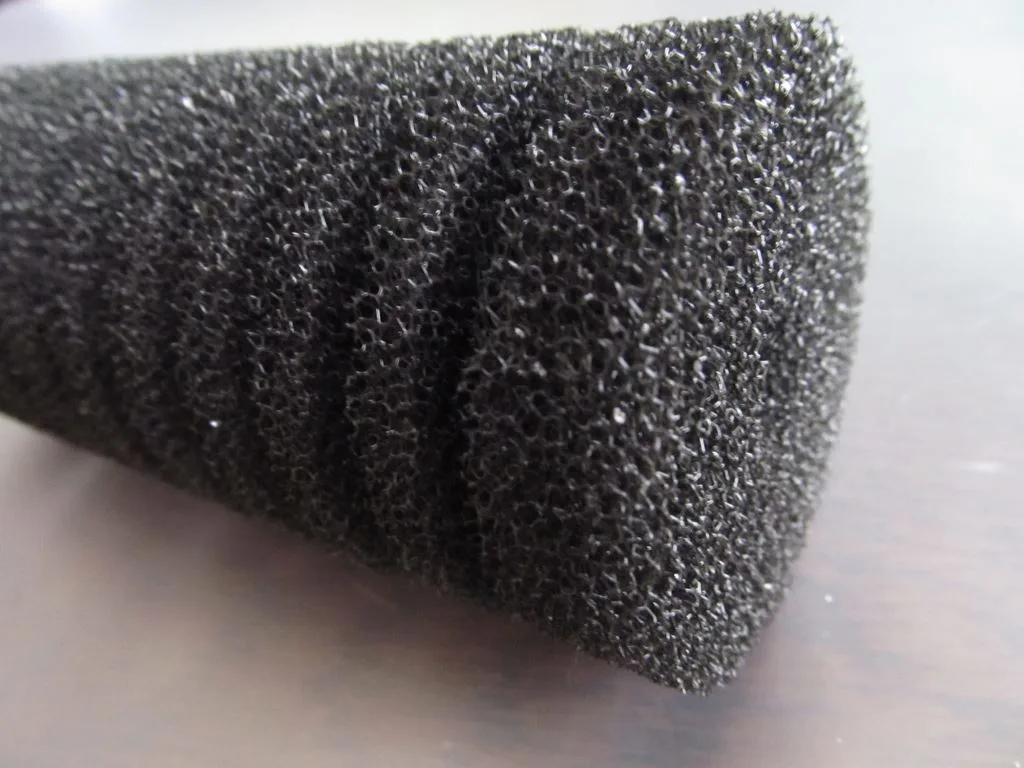
Fish often fast themselves after big changes or treatments. Here’s when to resume feeding — and when food makes recovery worse.
Read more →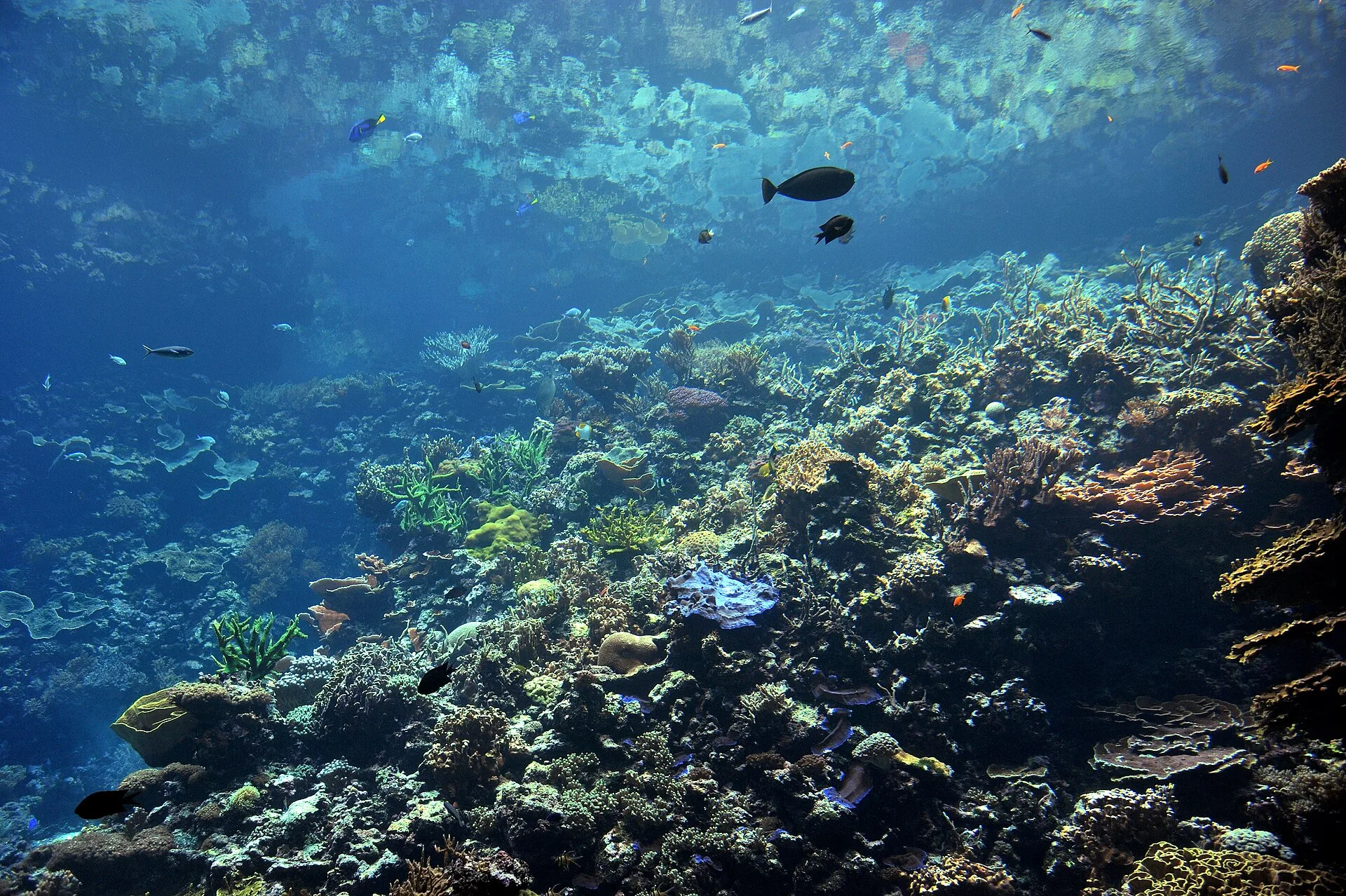
Reef tanks juggle hungry fish against nutrient export. Here’s a practical marine feeding schedule that keeps fish fit without greening the rock.
Read more →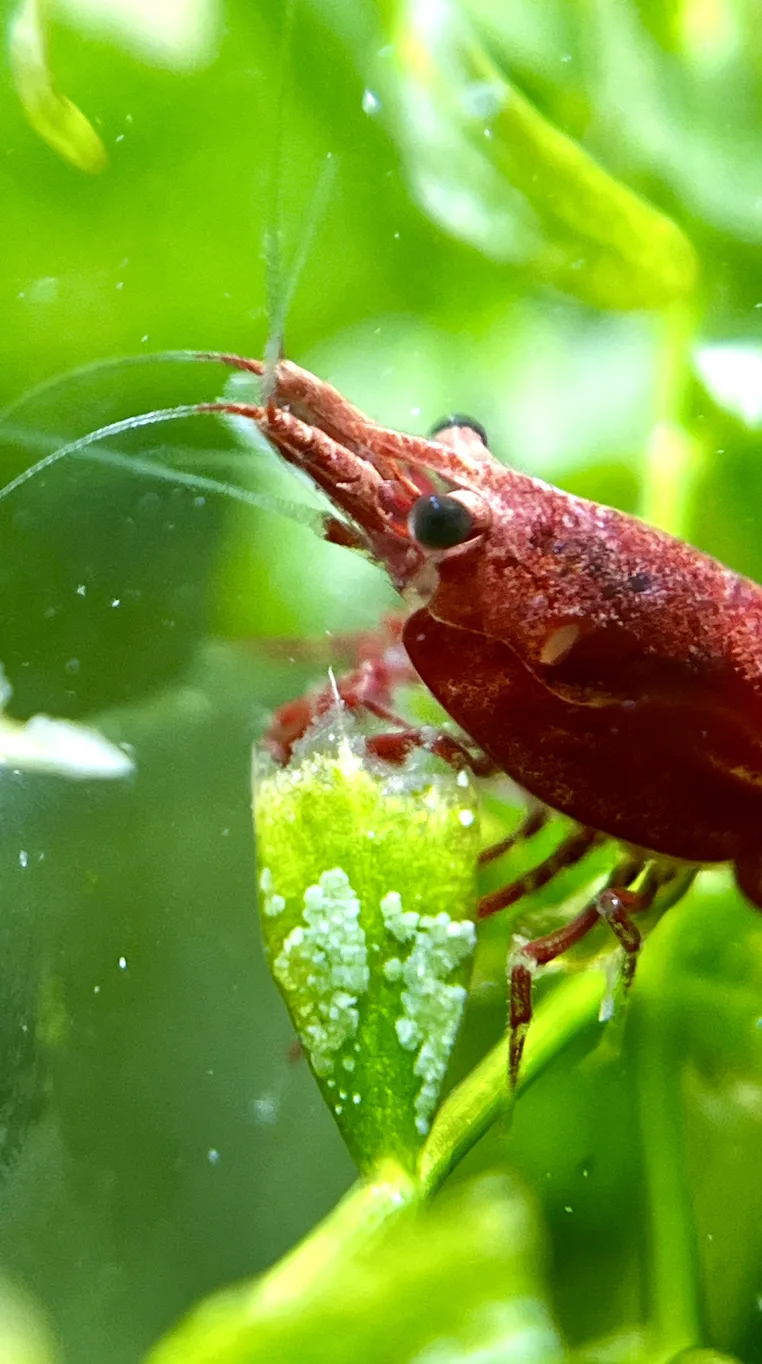
Neocaridina and Caridina graze constantly on biofilm. Pellets are supplements — here’s how to balance natural grazing with prepared foods.
Read more →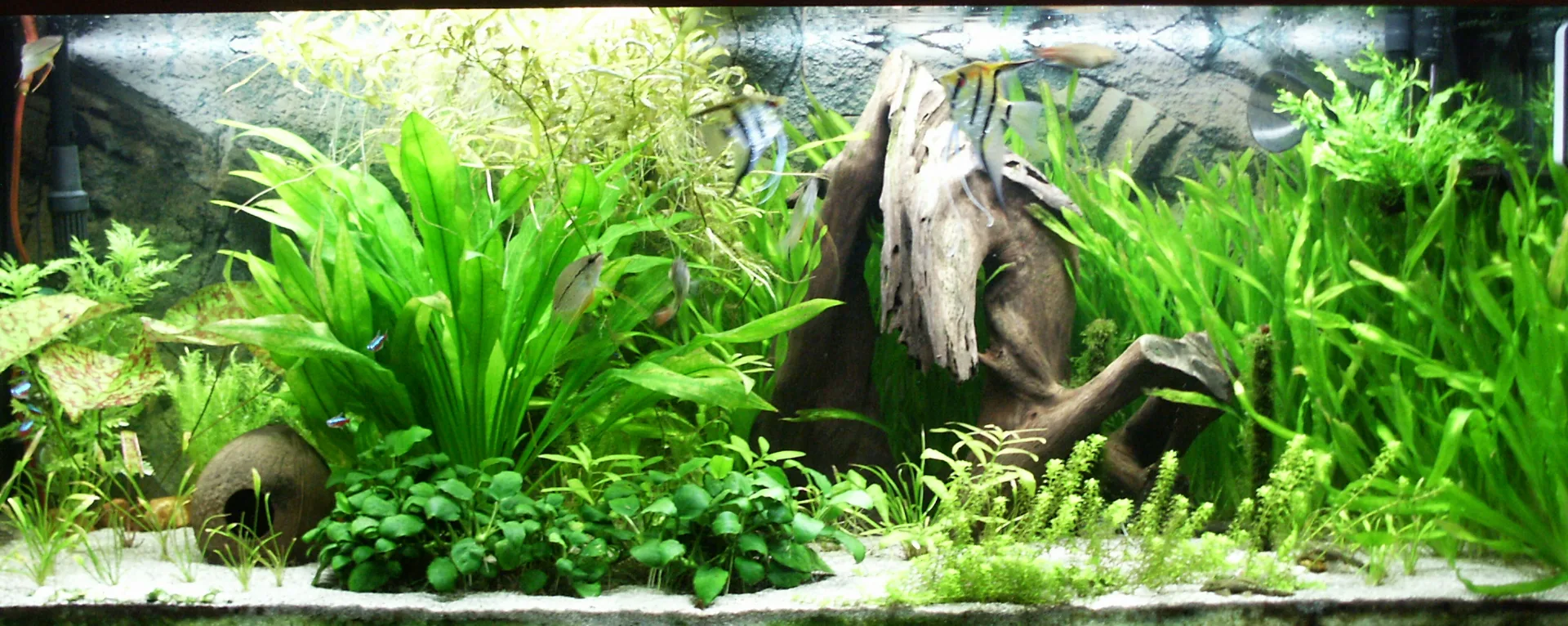
Weekend trips rarely need gadgets. Longer holidays do. Here’s how to set an auto feeder — and when fasting or a sitter is safer.
Read more →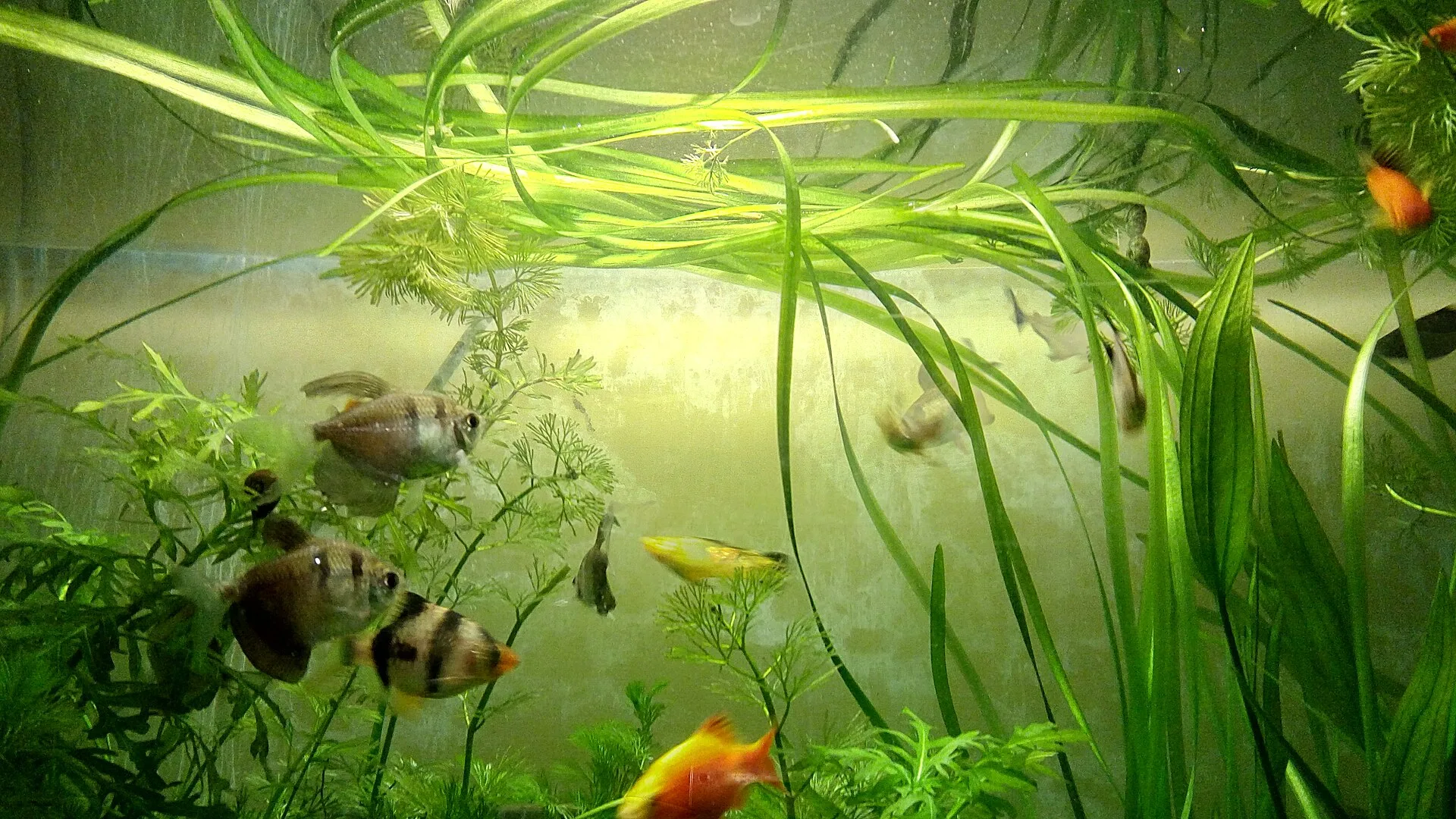
Mouth shape and gut length tell you what a fish should eat. Match protein and plant content to carnivores, herbivores, and omnivores.
Read more →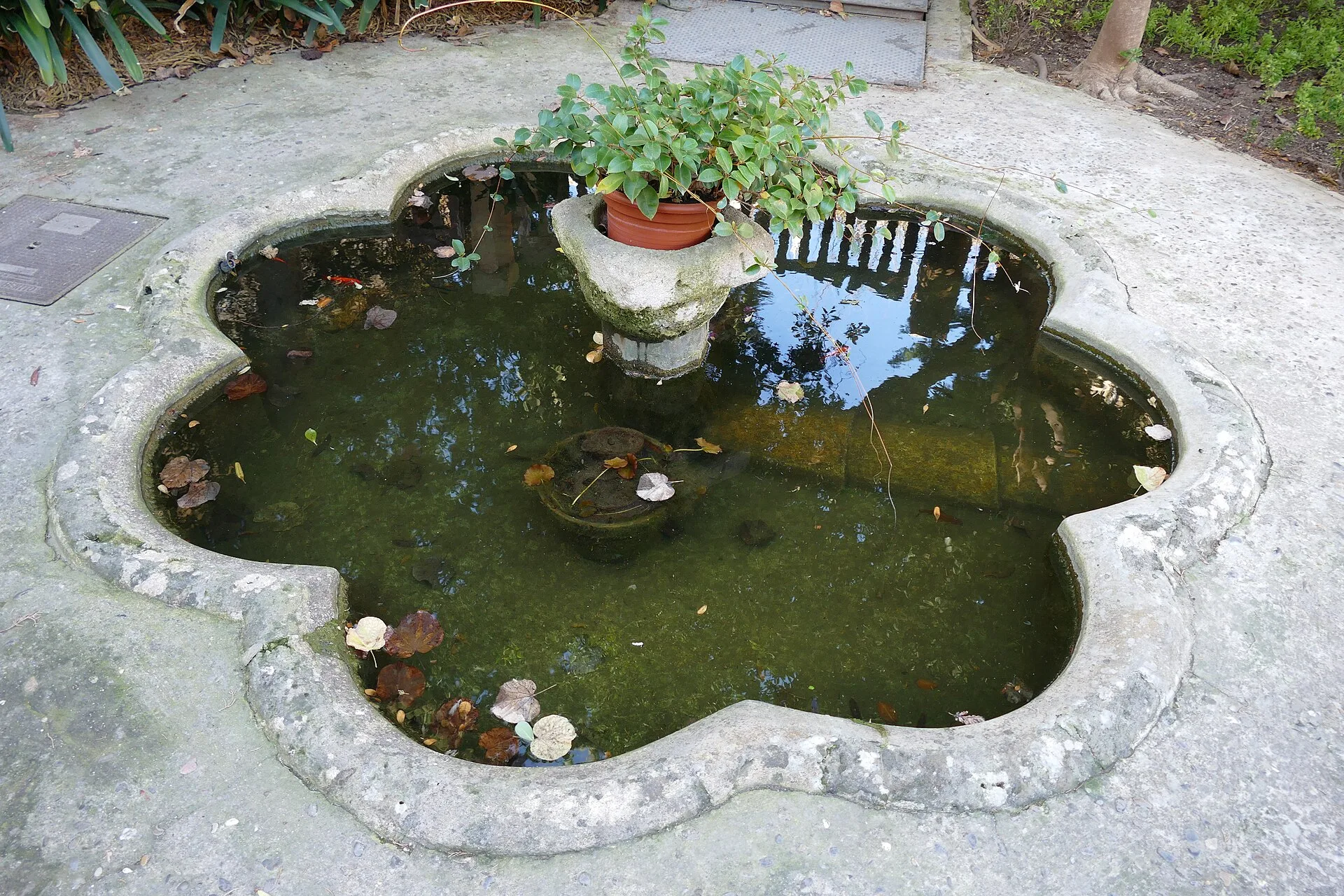
Goldfish are opportunistic omnivores with a long gut. The right pellets, greens, and portion control prevent the classic bloating problems.
Read more →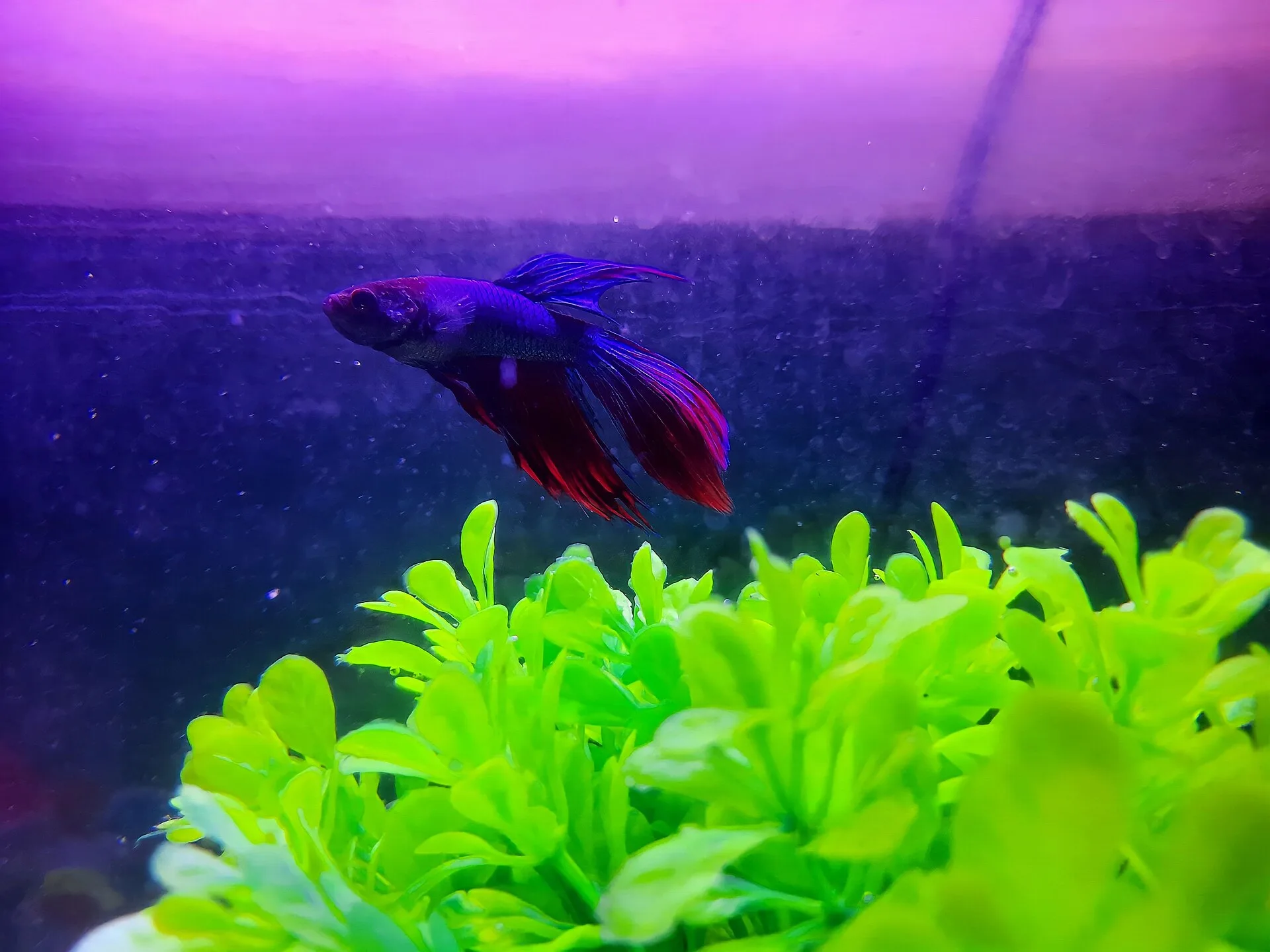
Bettas are carnivorous insect-eaters — not flake vacuum cleaners. Build a high-protein pellet staple with frozen variety and strict portions.
Read more →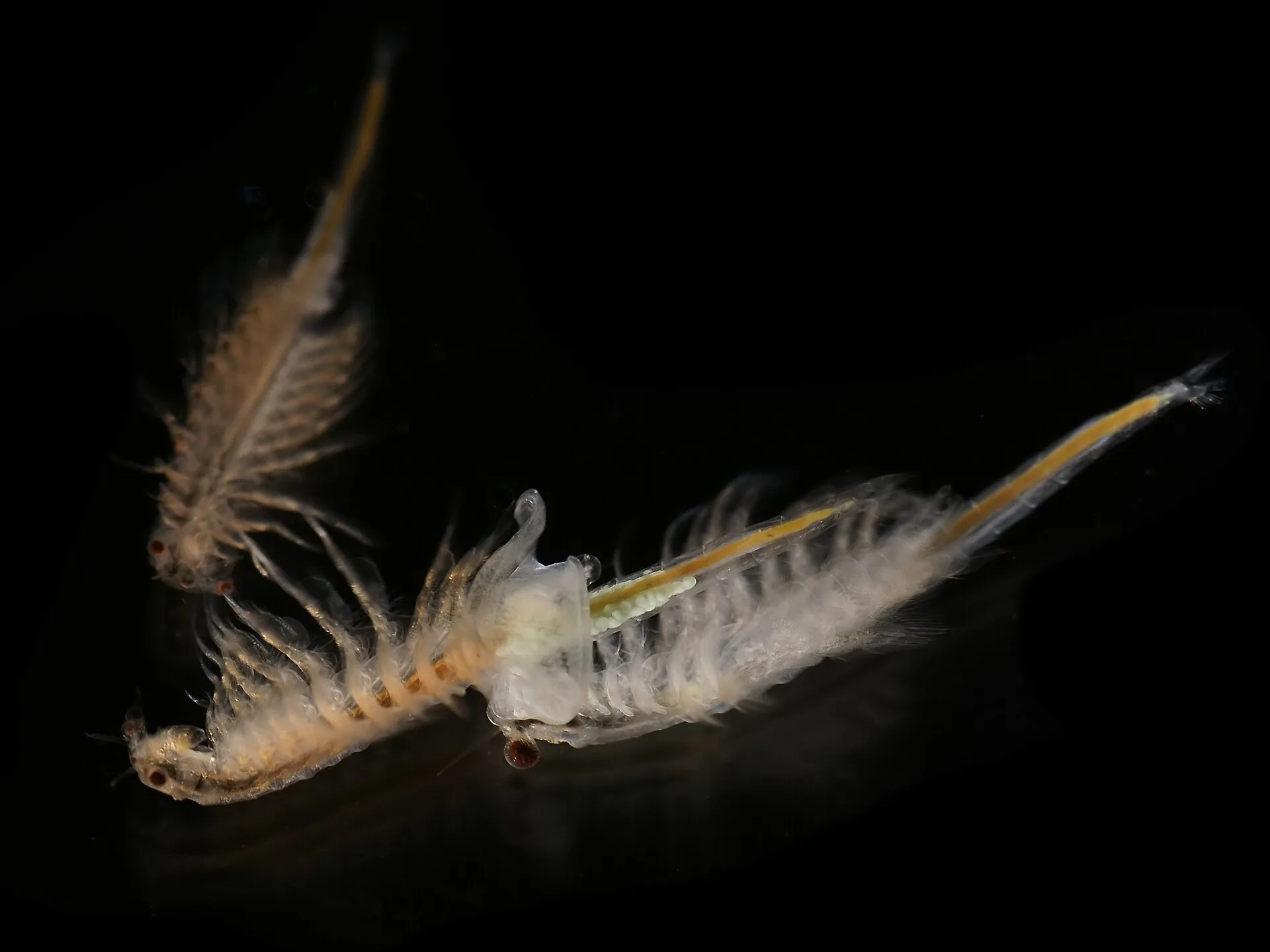
Fry mouths are tiny and metabolism is sky-high. Match food size to mouth size and feed often — here’s the progression that raises survivors.
Read more →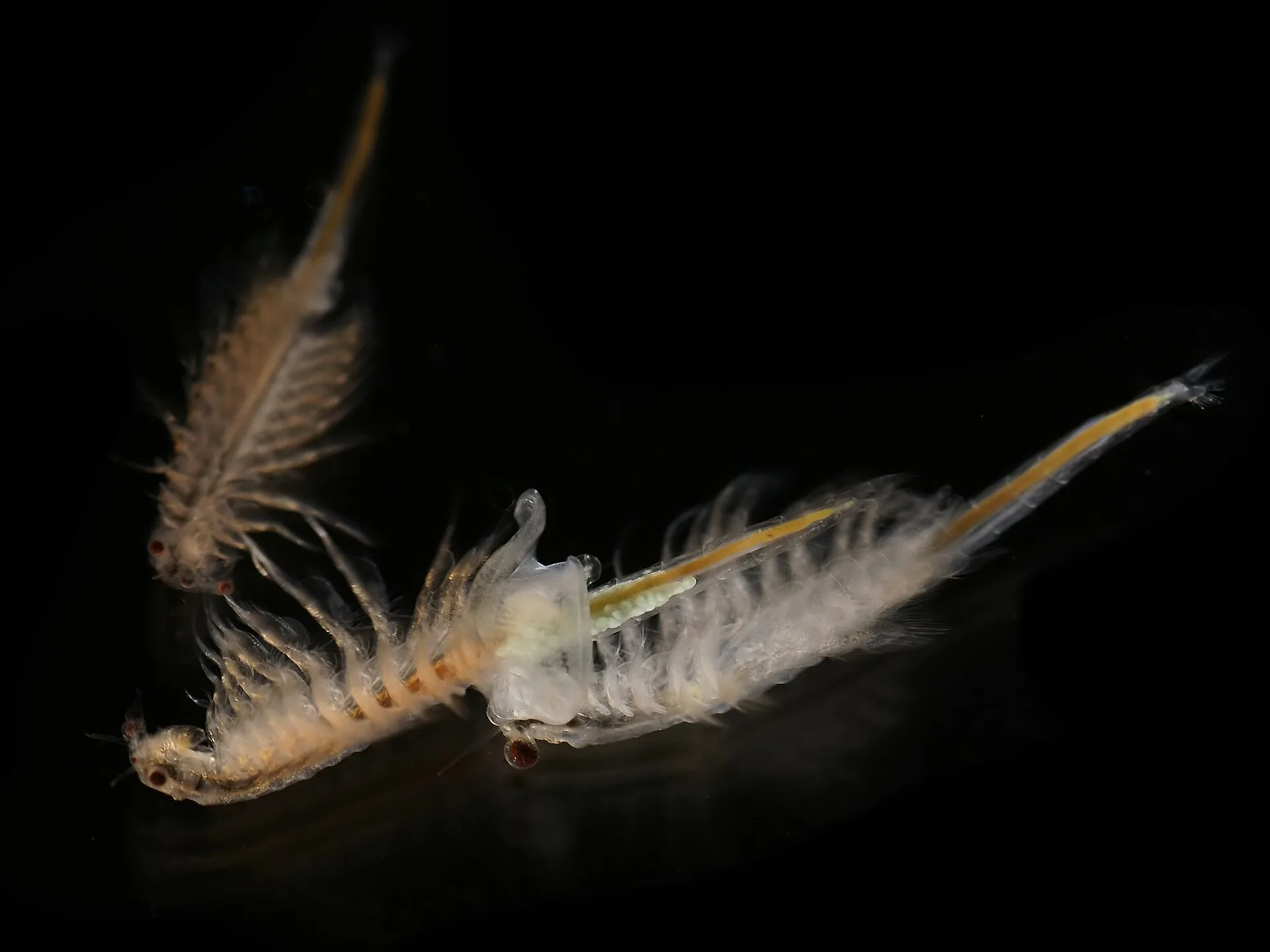
Live foods trigger hunting behaviour and deliver excellent nutrition. Here’s what to feed, how to culture basics, and how to avoid parasites.
Read more →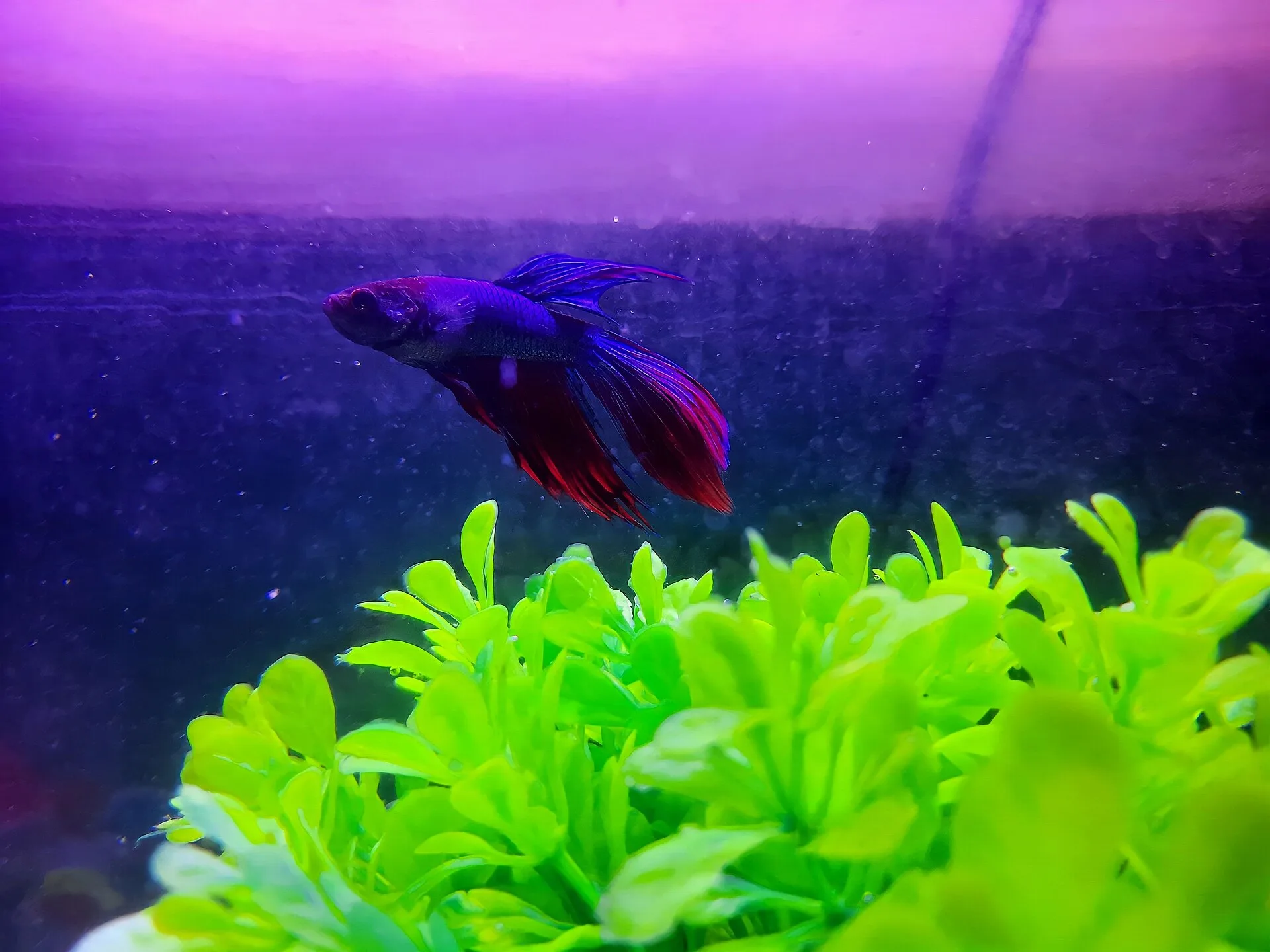
Dry pellets that expand in the gut can bloat greedy feeders. Soaking — and optional garlic coating — makes meals safer and more appealing.
Read more →
Flakes are convenient; pellets often pack more nutrition with less mess. Here’s how to choose — or mix both — for your community tank.
Read more →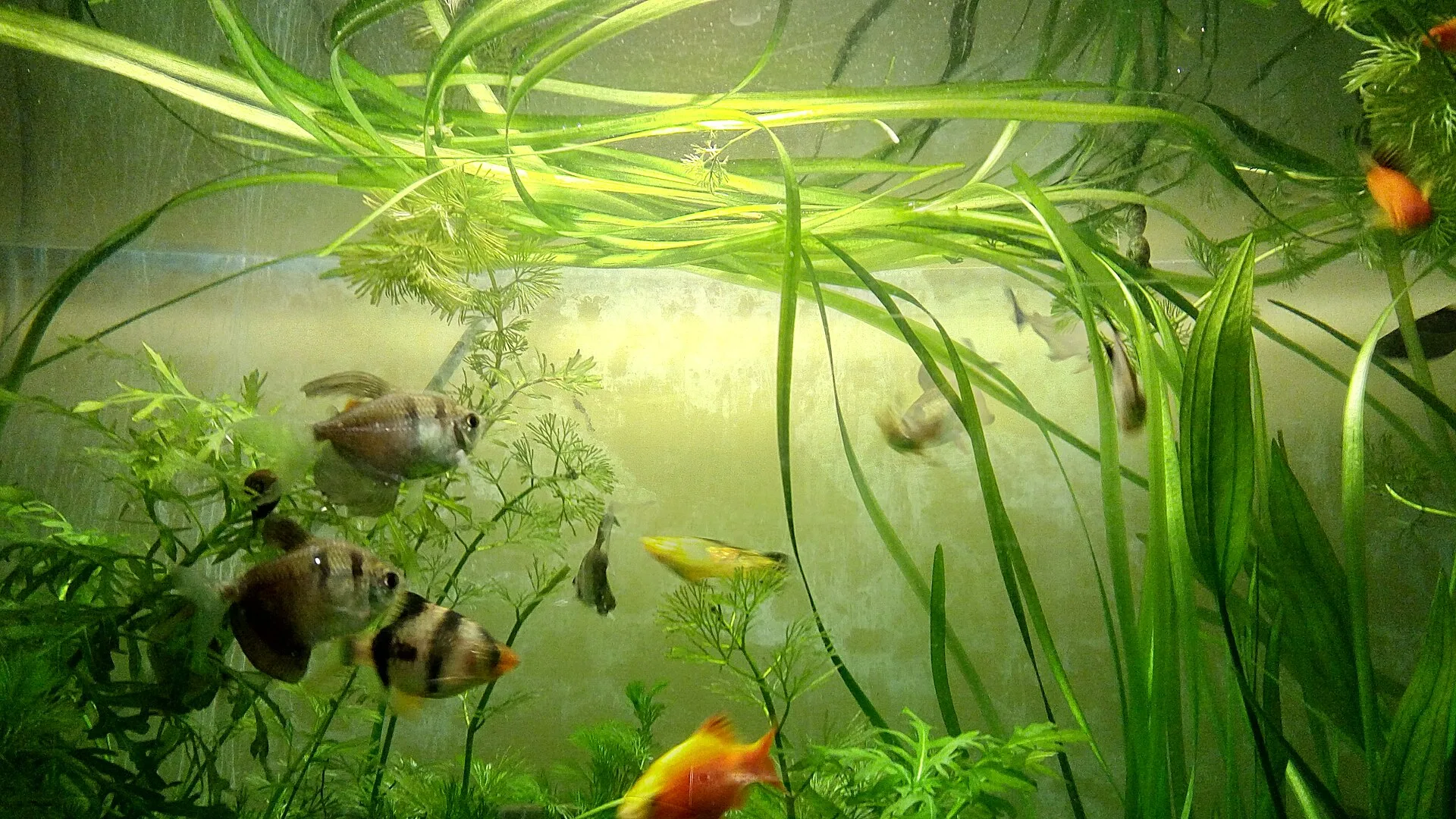
Overfeeding is the quiet killer of beginner tanks. Learn the warning signs, emergency cleanup steps, and portion habits that stick.
Read more →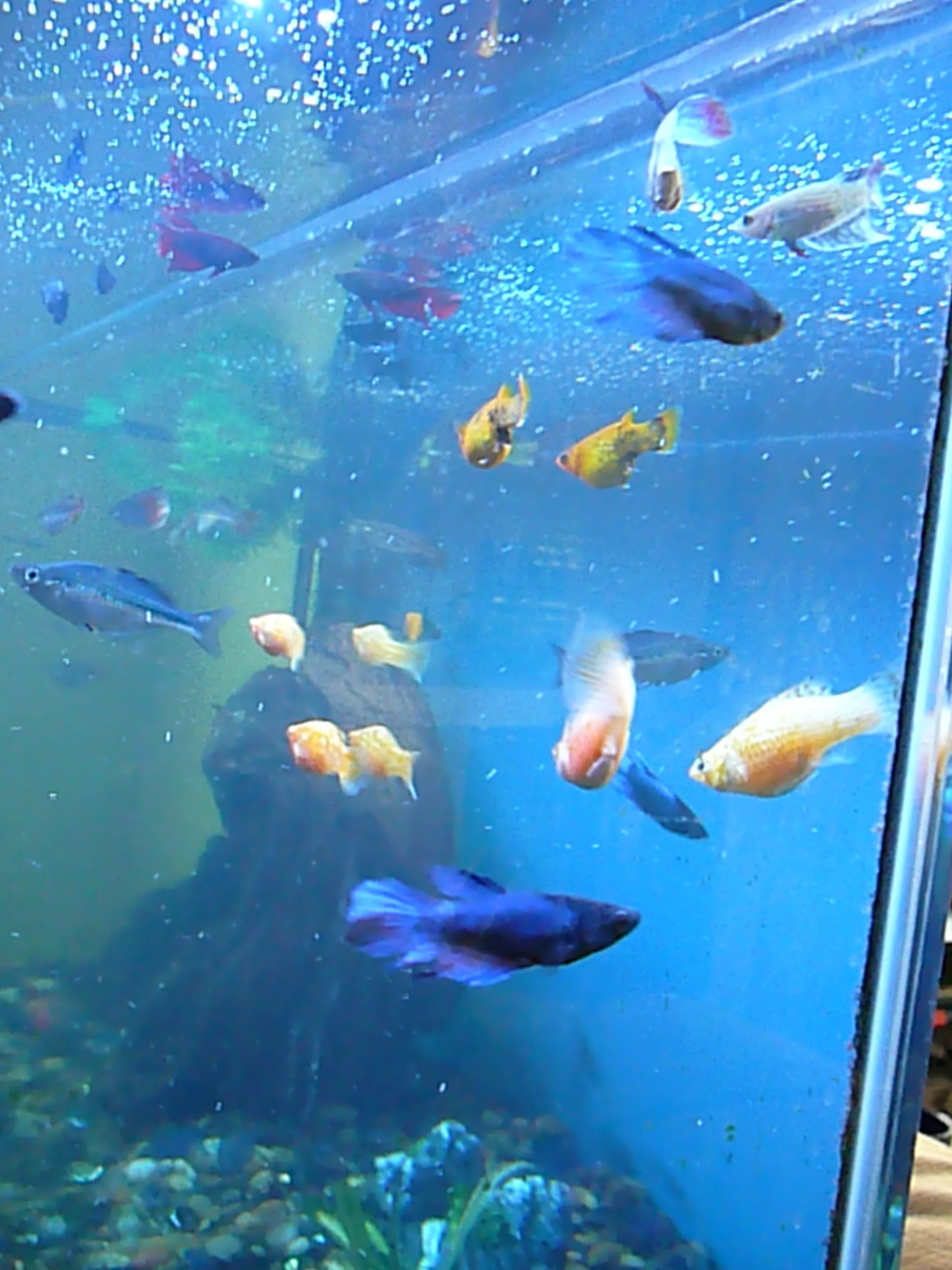
Most adult community fish do best on small meals once or twice a day. Here’s how to set a schedule by species, age, and tank bioload without over…
Read more →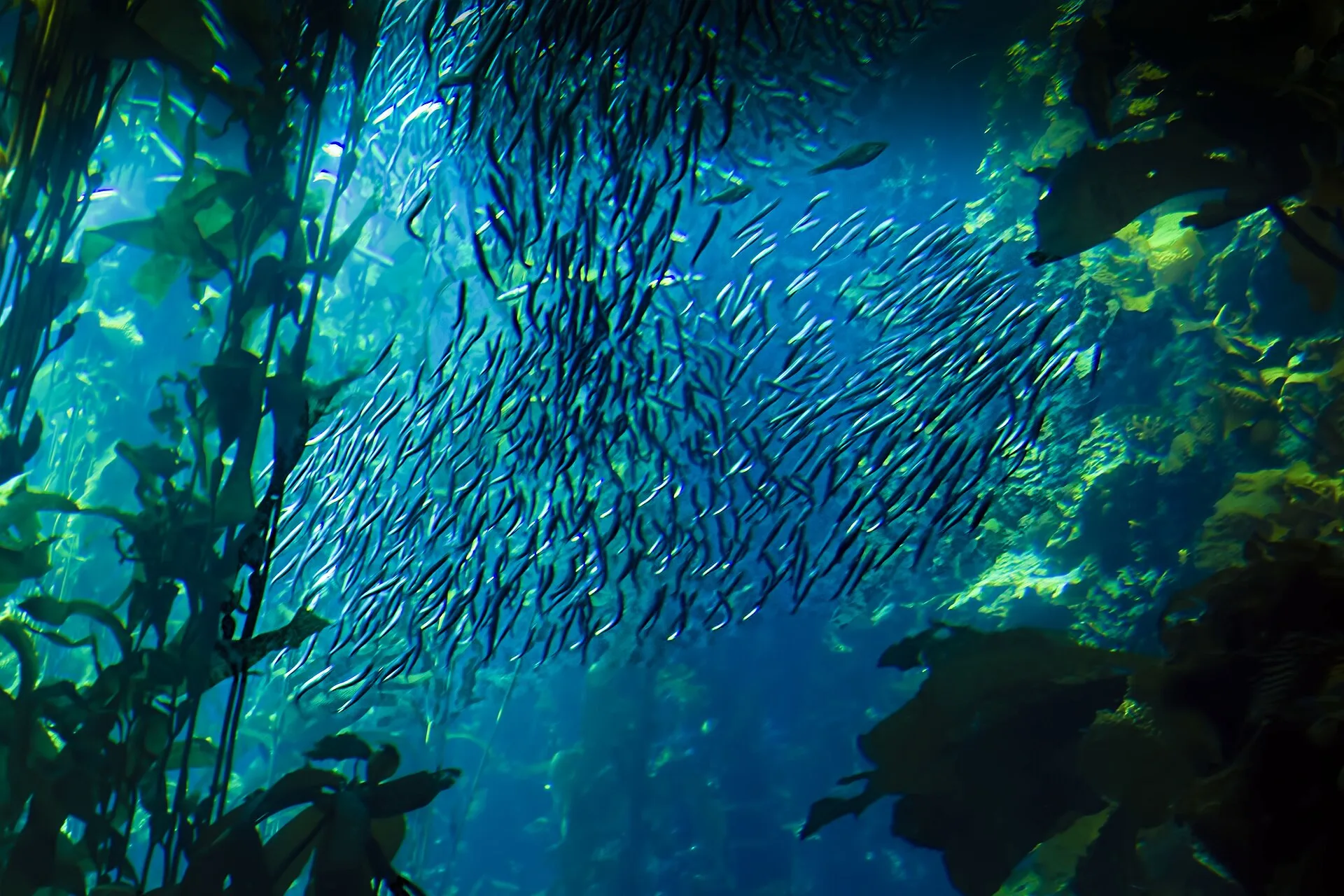
Skipping meals occasionally can aid digestion and water quality — but the right schedule depends on species, age, and tank conditions.
Read more →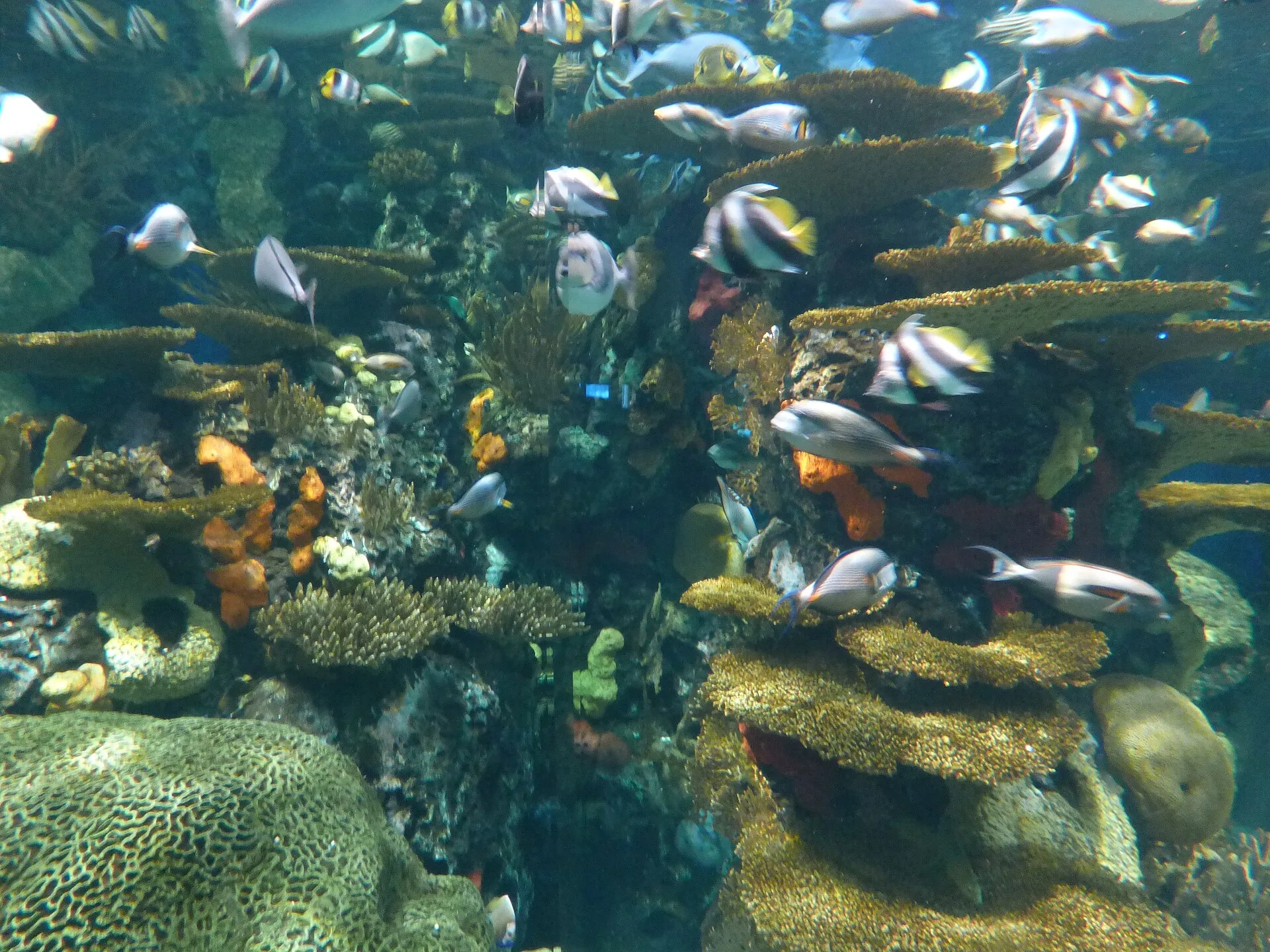
Target feeding delivers meaty foods directly to coral polyps — growth and color improve when done consistently without overloading the system.
Read more →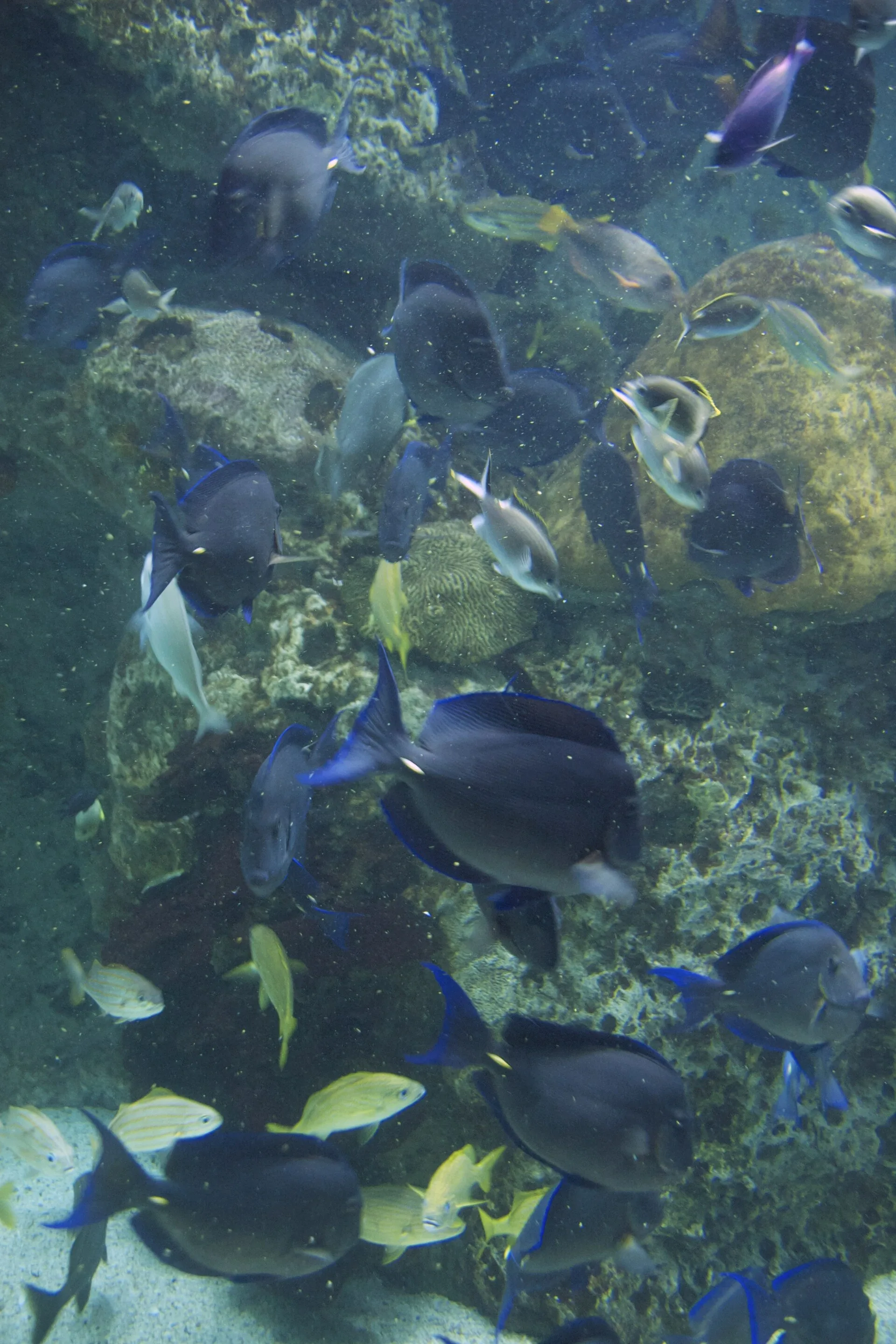
Homemade gel food lets you control ingredients for picky breeders, cichlids, and catfish — cheaper than boutique frozen blends at scale.
Read more →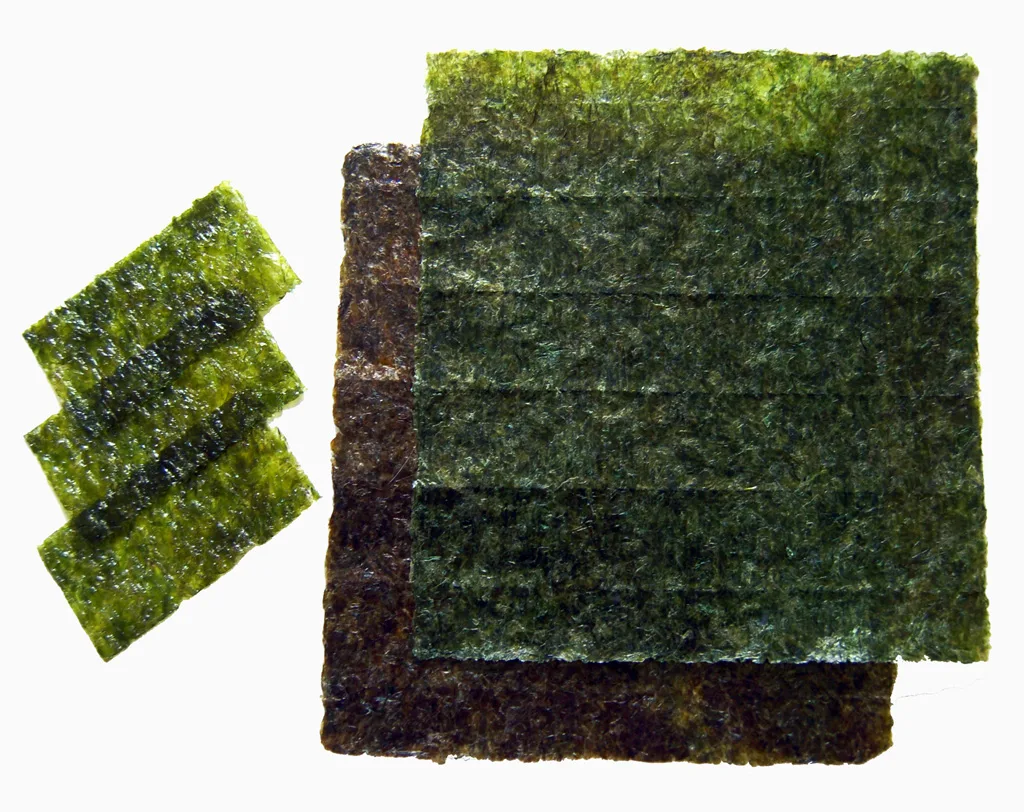
Human-grade nori sheets are cheap marine greens — clip them in the tank and watch tangs, rabbitfish, and plecos graze for hours.
Read more →
Phytoplankton feeds filter-feeding corals and clams — valuable when dosed in moderation to tanks that actually consume it.
Read more →