

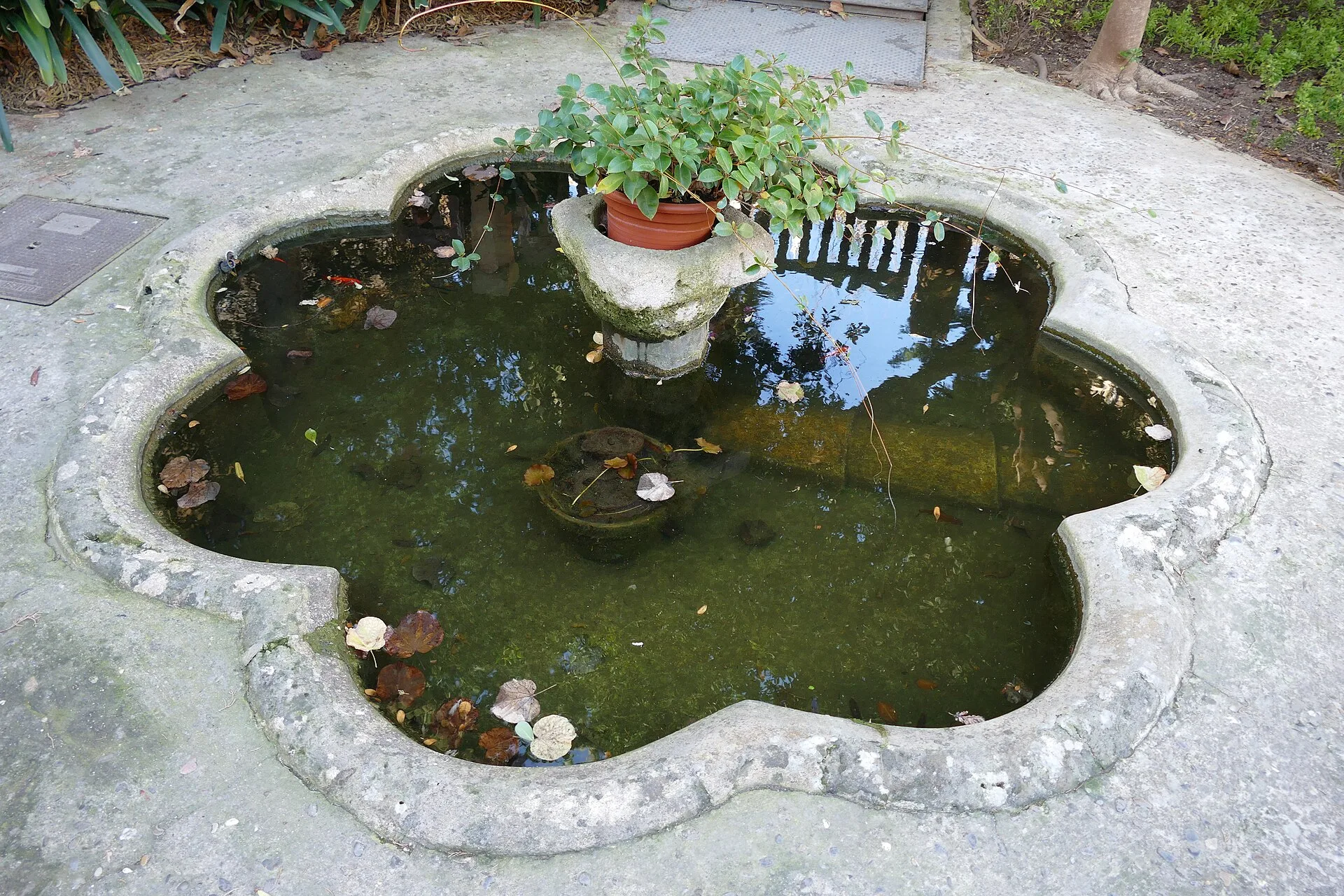
What Do Goldfish Eat? A Practical Diet Guide
So what do goldfish eat? In nature they nibble plant matter, invertebrates, and detritus. In captivity that means goldfish pellets, blanched vegetables, and careful portions — not endless floating flakes.
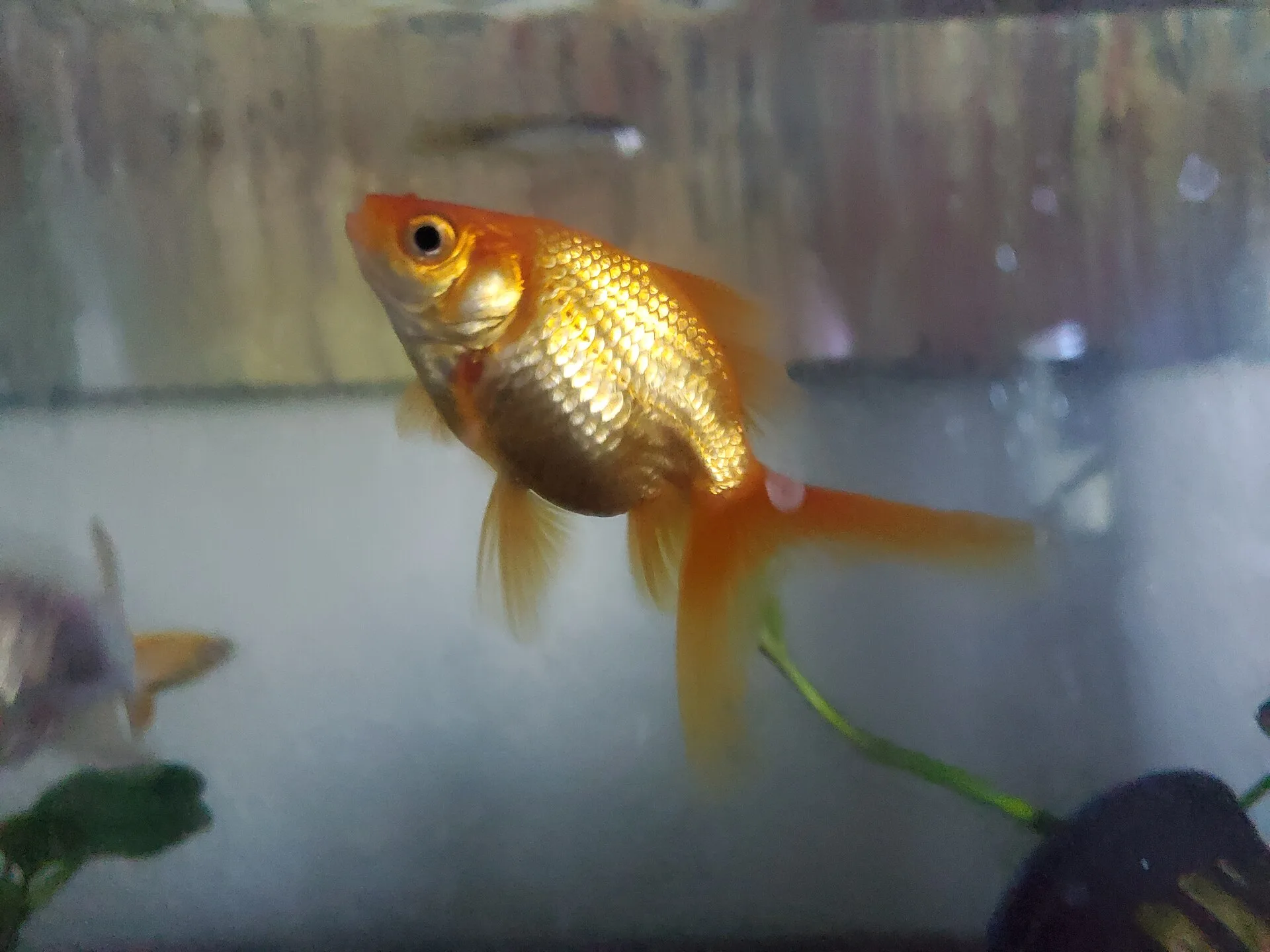 Goldfish need diets with plant matter and controlled protein. Photo: Ry362 / Wikimedia Commons (CC BY-SA 3.0)
Daily Staple
Choose a reputable goldfish pellet (often sinking). Floating flakes make fancy goldfish gulp air and worsen buoyancy issues. Feed 2–3 small meals they finish quickly.
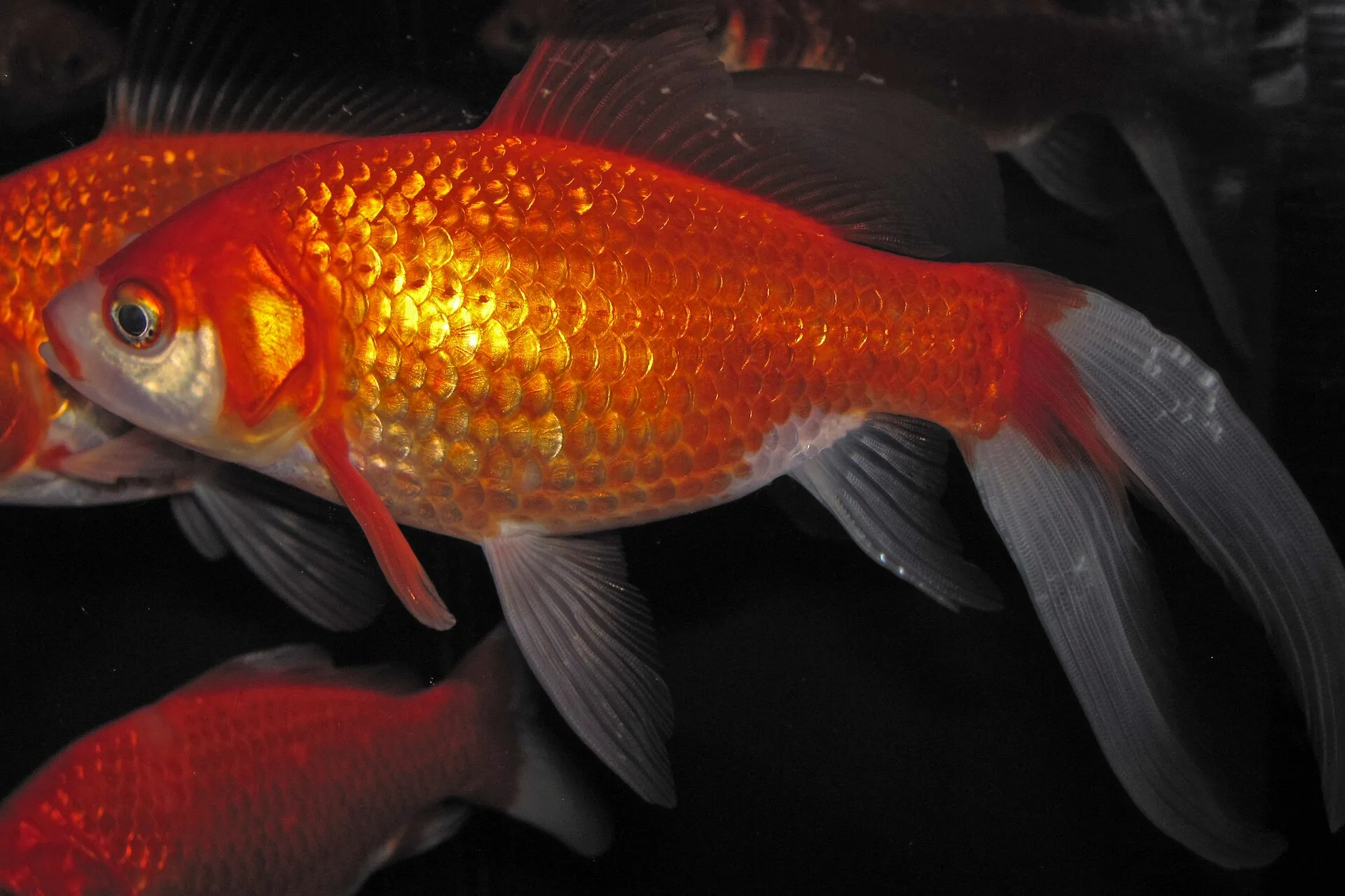 Blanched greens support digestion in fancy and common forms. Photo: James St. John / Wikimedia Commons (CC BY 2.0)
Vegetables and Greens
- Blanched peas (skins removed) as an occasional digestive aid
- Zucchini, spinach, or romaine briefly boiled/blanched
- Algae wafers for browsing
Protein Treats
Bloodworms and brine shrimp are fine as occasional treats. Goldfish are not pure carnivores; all-protein diets invite constipation.
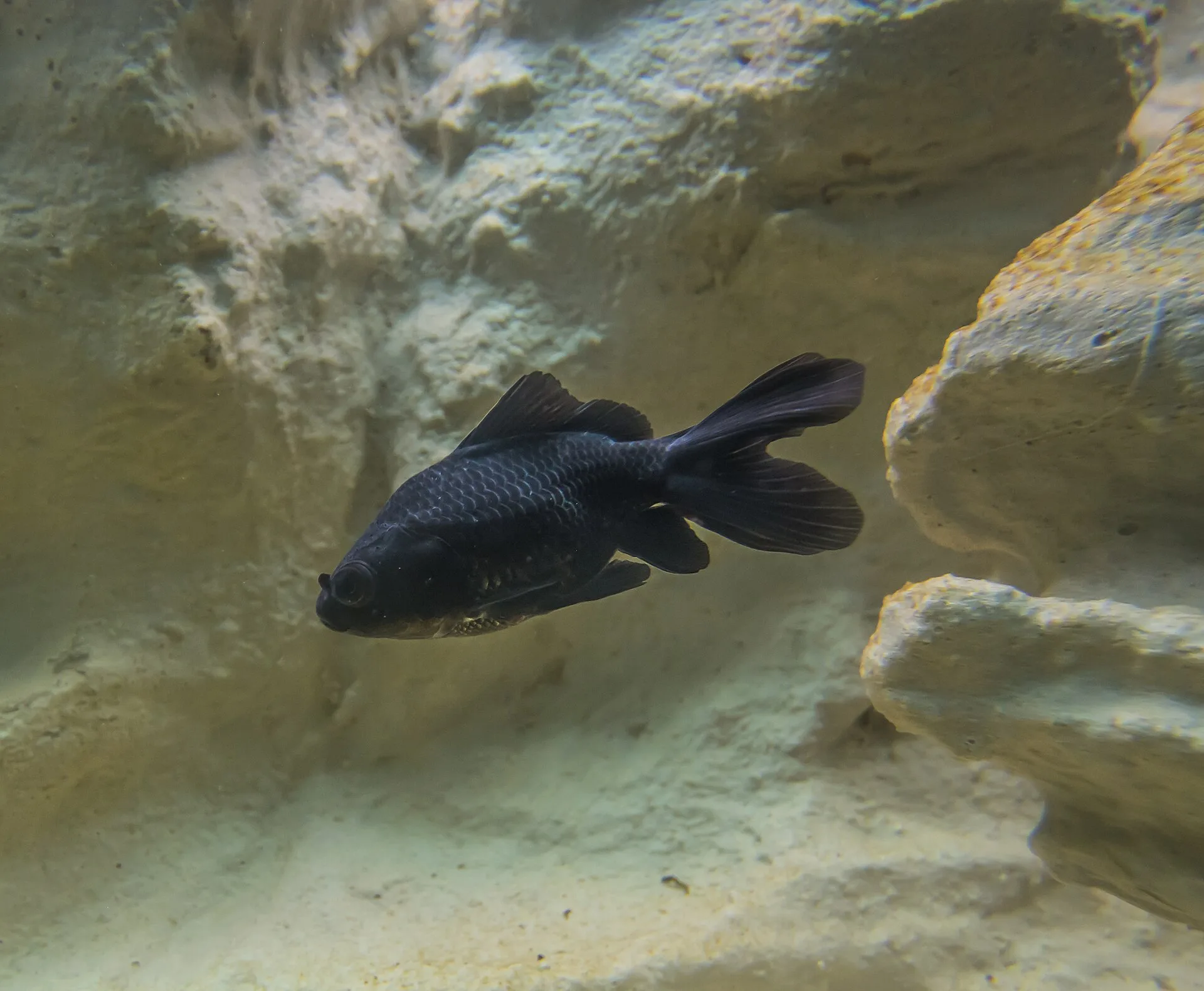 Sinking pellets beat floating flakes that push air into the gut. Photo: IssamBarhoumi / Wikimedia Commons (CC BY-SA 4.0)
Foods to Avoid
- Bread and processed human snacks
- Feeder fish
- Tropical “colour flake” as the only diet long-term
Portion and Fasting Tips
Goldfish act starving at all times. Trust body shape. A weekly light day and prompt removal of uneaten greens keep ponds and tanks cleaner.
Related Reading
Conclusion
Feed goldfish for their long gut: sinking staples, regular greens, modest protein treats, and portions that respect water quality as much as appetite.
In practice, What Do Goldfish Eat decisions get easier when you watch appetite, water clarity, and filtration together rather than chasing one number. Keep notes for a week and adjust slowly — most What Do Goldfish Eat problems improve when ammonia, nitrite, and schedule stay consistent. Browse more Feeding and Nutrition ideas in our Feeding and Nutrition library, or start from the full guides index if you want a broader path. Stable husbandry beats fancy gear: test before you dose, quarantine new arrivals, and match feeding to what the livestock actually eats.


Explore other topics
Dive into more aquarium guides across the site.