

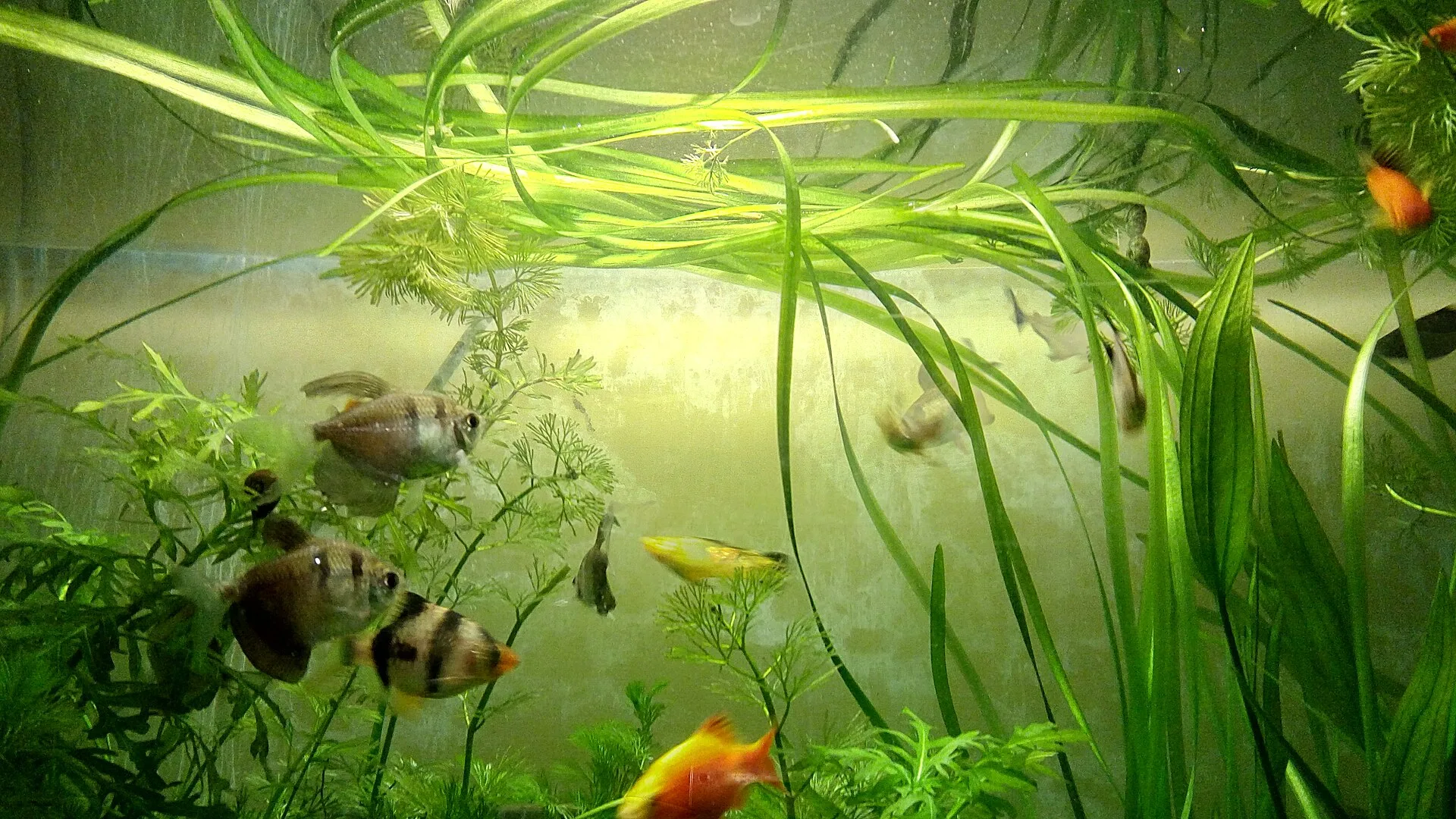
Feeding Carnivore vs Herbivore vs Omnivore Fish
Aquarium fish are not all “omnivores by convenience.” Carnivores, herbivores, and omnivores need different protein-to-plant ratios. Feed the guild, not just the brand on sale.
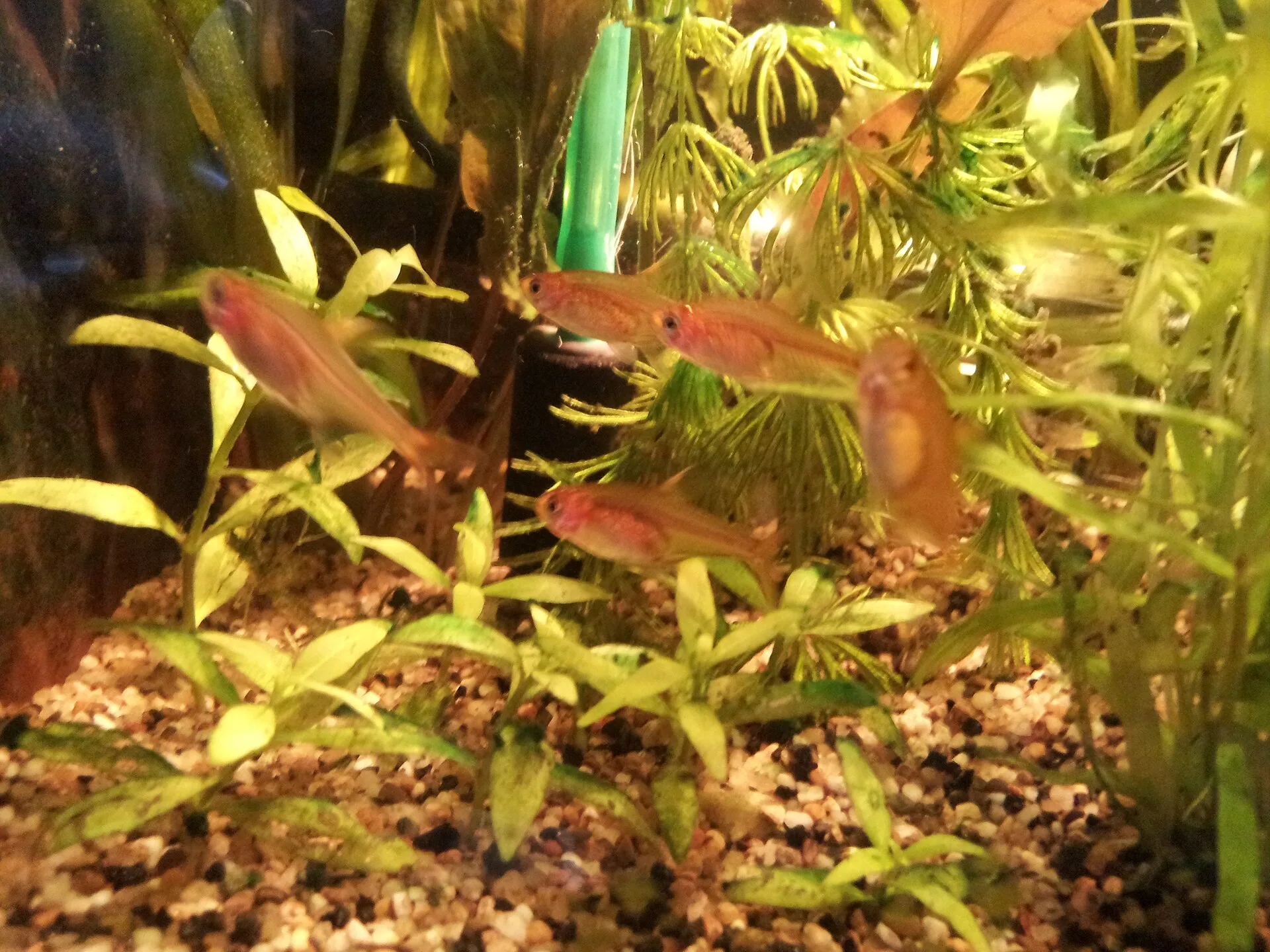 Carnivores thrive on protein-forward pellets and frozen foods. Photo: Pascal Wolterman / Wikimedia Commons (CC BY-SA 3.0)
Carnivores
Examples: bettas, many cichlids, piscivores. Prioritize high protein pellets and frozen/live invertebrates. Limit starchy fillers and lettuce-only “diets.”
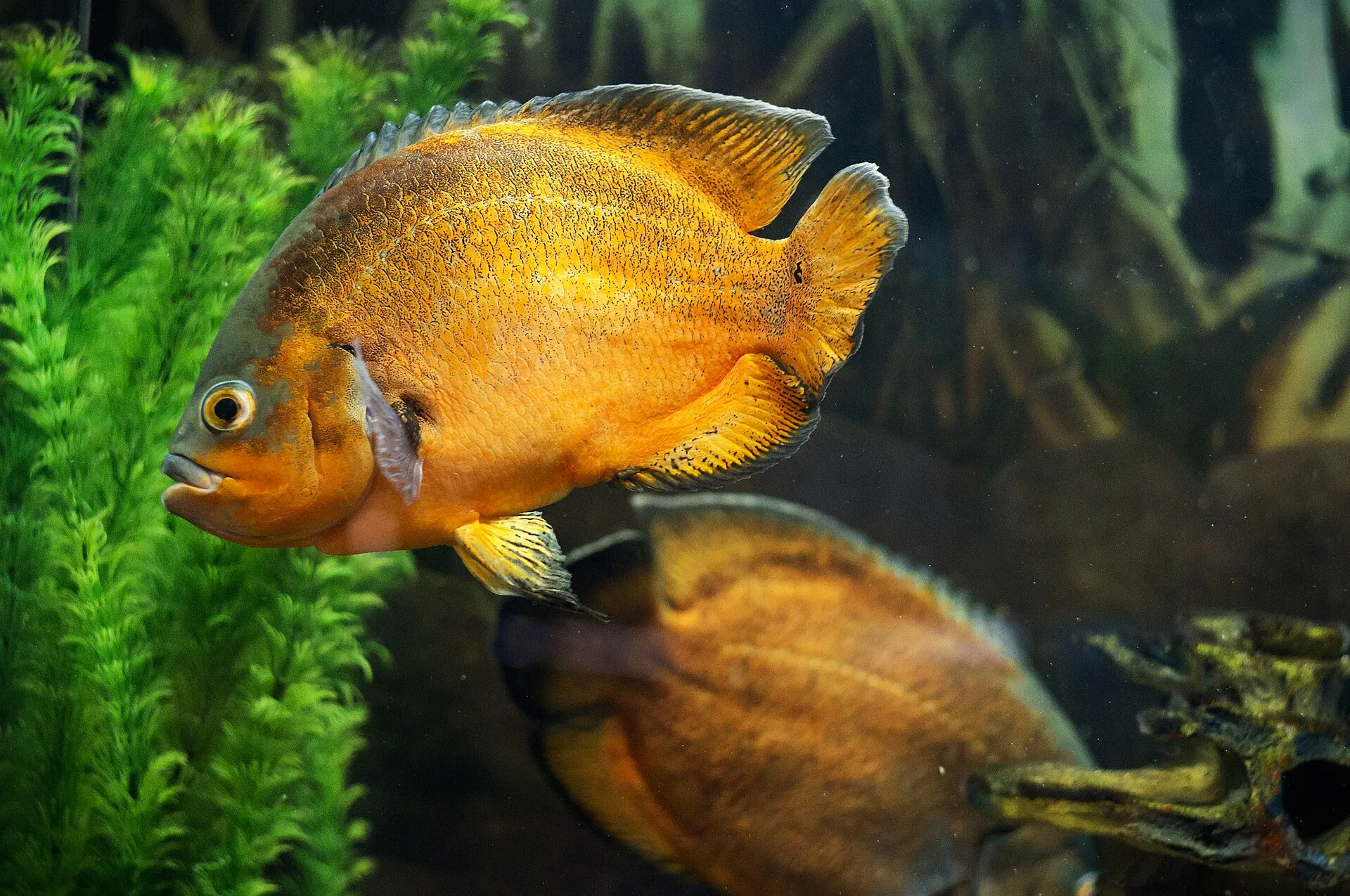 Herbivores need regular plant matter and algae foods. Photo: Retro Lenses / Wikimedia Commons (CC BY 4.0)
Herbivores
Examples: many mbuna, some livebearers with heavy plant lean, dedicated algae grazers. Offer spirulina/algae foods, blanched greens, and formulas labeled for herbivores. Too much protein can mean bloating and aggression flare-ups in some African cichlids.
Omnivores
Examples: tetras, barbs, most community staples, goldfish. Mix plant and protein: quality flakes/pellets plus veggies and occasional frozen treats.

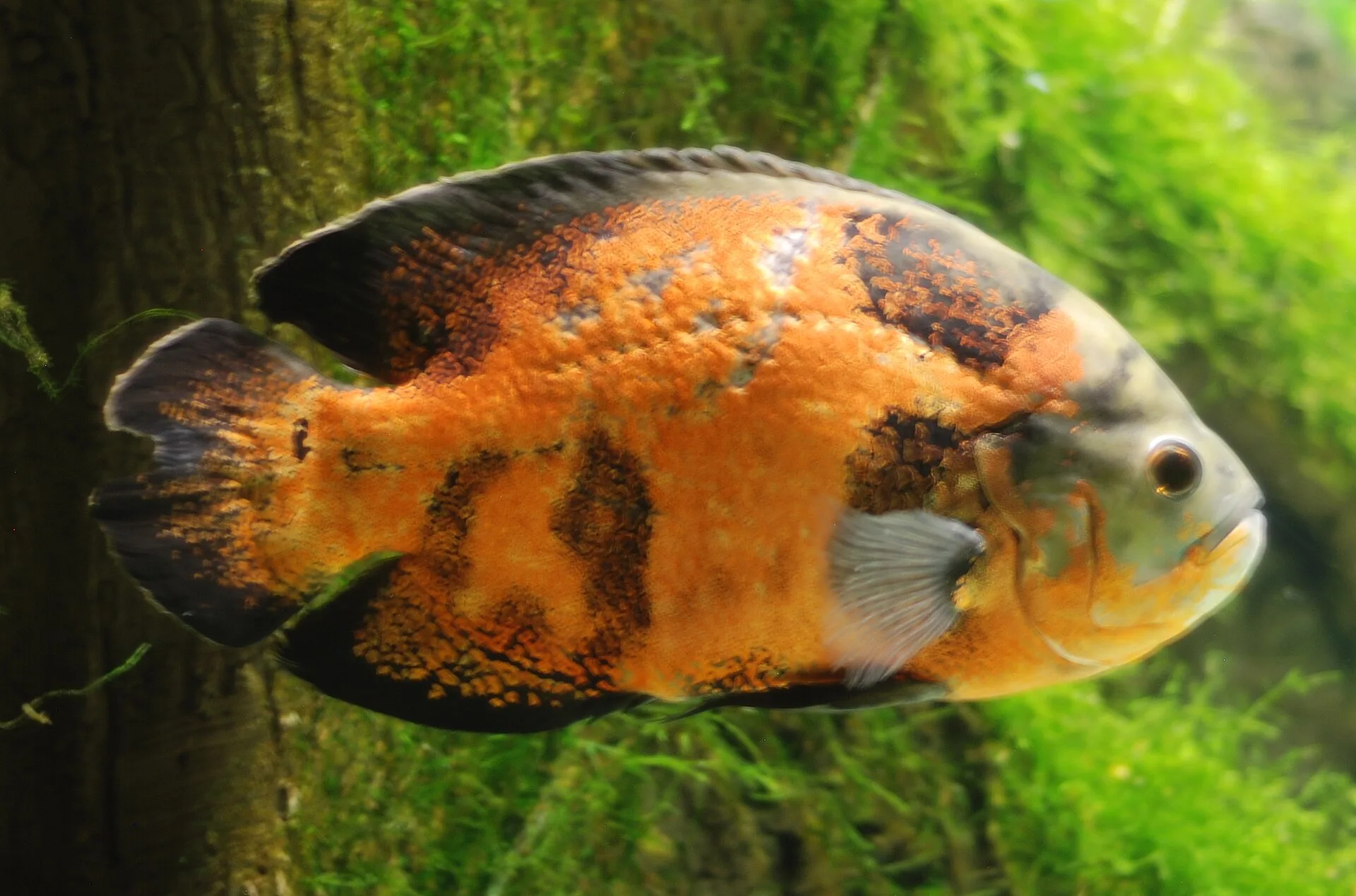 Omnivores do best on mixed menus. Photo: Jarek Tuszyński / Wikimedia Commons (CC BY 4.0)
Mixed Community Strategy
- Feed floating flakes for midwater omnivores
- Add sinking carnivore wafers for predators/bottom hunters
- Clip algae sheets for grazers after lights on
Label Reading Tips
Scan crude protein/fat and the first ingredients. Fish meal and spirulina placement tells you more than marketing words like “colour bites.”
Related Reading
Conclusion
Identify each fish’s feeding guild, then stock the cupboard accordingly. Right-sized nutrition prevents both skinny carnivores and over-protein herbivores.
In practice, Carnivore vs Herbivore vs Omnivore Fish decisions get easier when you watch appetite, water clarity, and filtration together rather than chasing one number. Keep notes for a week and adjust slowly — most Carnivore vs Herbivore vs Omnivore Fish problems improve when ammonia, nitrite, and schedule stay consistent. Browse more Feeding and Nutrition ideas in our Feeding and Nutrition library, or start from the full guides index if you want a broader path. Stable husbandry beats fancy gear: test before you dose, quarantine new arrivals, and match feeding to what the livestock actually eats.


Explore other topics
Dive into more aquarium guides across the site.