

How to Move an Established Aquarium
This guide covers moving aquarium fish tank with practical steps for home aquariums. Moving tanks stresses fish and bacteria — plan the last 24 hours carefully and never dry your bio-media.
For related reading, see Power Outage Survival for Tanks and How to Choose a Good Fish Store.
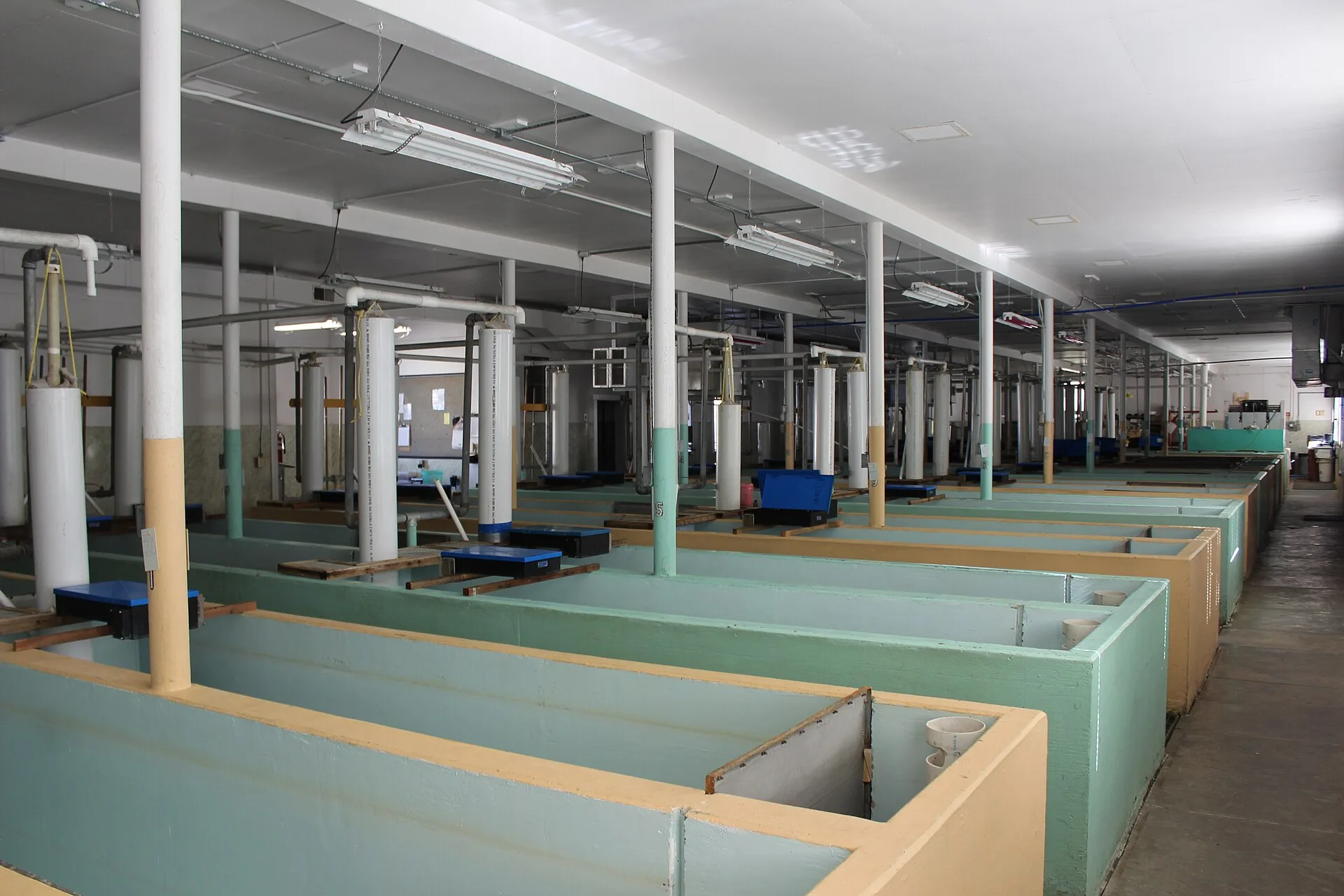
 How to Move an Established Aquarium. Photo: Leadville NFH/USFWS / Wikimedia Commons (Public domain)
Prep Before Move Day
Gather buckets, battery air pumps, fish bags, cooler boxes, and plastic wrap for tank rim. Stop feeding 24 hours ahead to reduce waste in transport bags.
Photograph aquascape if you want to rebuild hardscape quickly.
Saving Filtration
Keep filter media submerged in tank water in sealed buckets — bacteria die within hours if dried. Canister media travels in aquarium water, not tap.

Run sponge filters in buckets with fish if move exceeds four hours.
Fish Transport
Bag with one-third water, two-thirds air or oxygen. Pack bags in insulated coolers stable against tipping. For long moves, battery air stones in buckets with lids loosely fitted.
Never transport with sharp objects loose in containers.
Tank and Stand
Drain to substrate level for short moves keeping some water over gravel if staying intact; fully empty and pad glass for long-distance van moves.
Level stand at new location before filling — uneven stands crack tanks over weeks.
Reassembly
Reinstall seeded media before fish. Temperature-match bags to new tank water. Lights off first day; feed lightly day two.
Test ammonia and nitrite daily first week — stress plus partial cycle loss happens on long moves.



Explore other topics
Dive into more aquarium guides across the site.