

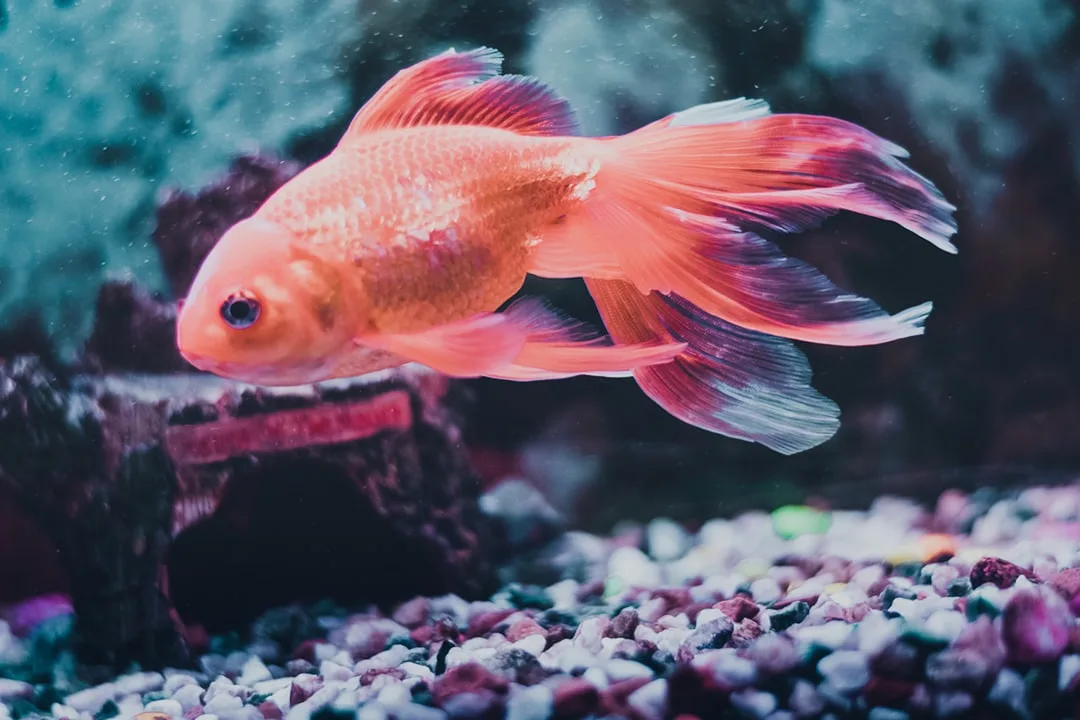
A practical quarantine routine that reduces the risk of introducing parasites or disease to an established aquarium. This guide explains the practical steps, what to monitor and the mistakes most likely to cause trouble. The goal is not to chase perfect numbers or make rapid changes, but to create a stable routine that suits the aquarium, its livestock and the keeper's available time.
Why quarantine new aquarium fish matters
Aquariums are closed systems, so small problems can build gradually before they become obvious. Fish, invertebrates and plants are affected by water quality, temperature, oxygen, feeding and social pressure at the same time. A sensible approach begins with observation and testing. Record anything that changed recently, including new livestock, maintenance, equipment adjustments, unusual feeding or a missed water change.
Practical steps
- Choose a separate, easy-to-clean tank.
- Observe fish before medicating.
- Use dedicated nets and siphons.
- Allow enough time for symptoms to appear.
Work through these steps in order rather than making several major changes at once. When multiple variables are altered together, it becomes difficult to tell what helped and what created a new problem. Sudden shifts in temperature, pH, hardness or flow can be more stressful than a slightly imperfect but stable condition.
Check the aquarium before acting
Test ammonia and nitrite whenever fish appear distressed, because both should normally remain at zero in an established aquarium. Check nitrate, temperature and pH as well, and compare the results with the normal range for the species being kept. Inspect the filter flow, heater operation and water surface. Look for uneaten food, decaying leaves, dead livestock or trapped waste that could be affecting the system.
Avoid common mistakes
Do not compensate for uncertainty by adding several medications, conditioners or chemical adjusters. Products can interact, mask symptoms or create rapid changes. Avoid replacing all filter media, deep-cleaning the entire aquarium and changing most of the water on the same day unless a genuine emergency requires it. Regular partial maintenance is usually safer than an occasional complete reset.
Build a reliable routine
Keep notes on maintenance and test results so trends are easier to spot. For related fundamentals, review the Fishy Friends guide to this important aquarium topic and the guide covering another closely related area of fishkeeping. Consistent feeding, appropriate stocking, dependable filtration and regular partial water changes solve more long-term problems than constant adjustment.
When to seek extra help
Act quickly when fish gasp continuously, lose balance, develop sores, show rapid gill movement or stop eating for an extended period. Separate badly affected fish when this can be done without causing more stress, and photograph symptoms before treatment. Advice is most useful when it includes tank size, stocking, temperature, recent test results, maintenance history and clear images.


Explore other topics
Dive into more aquarium guides across the site.