

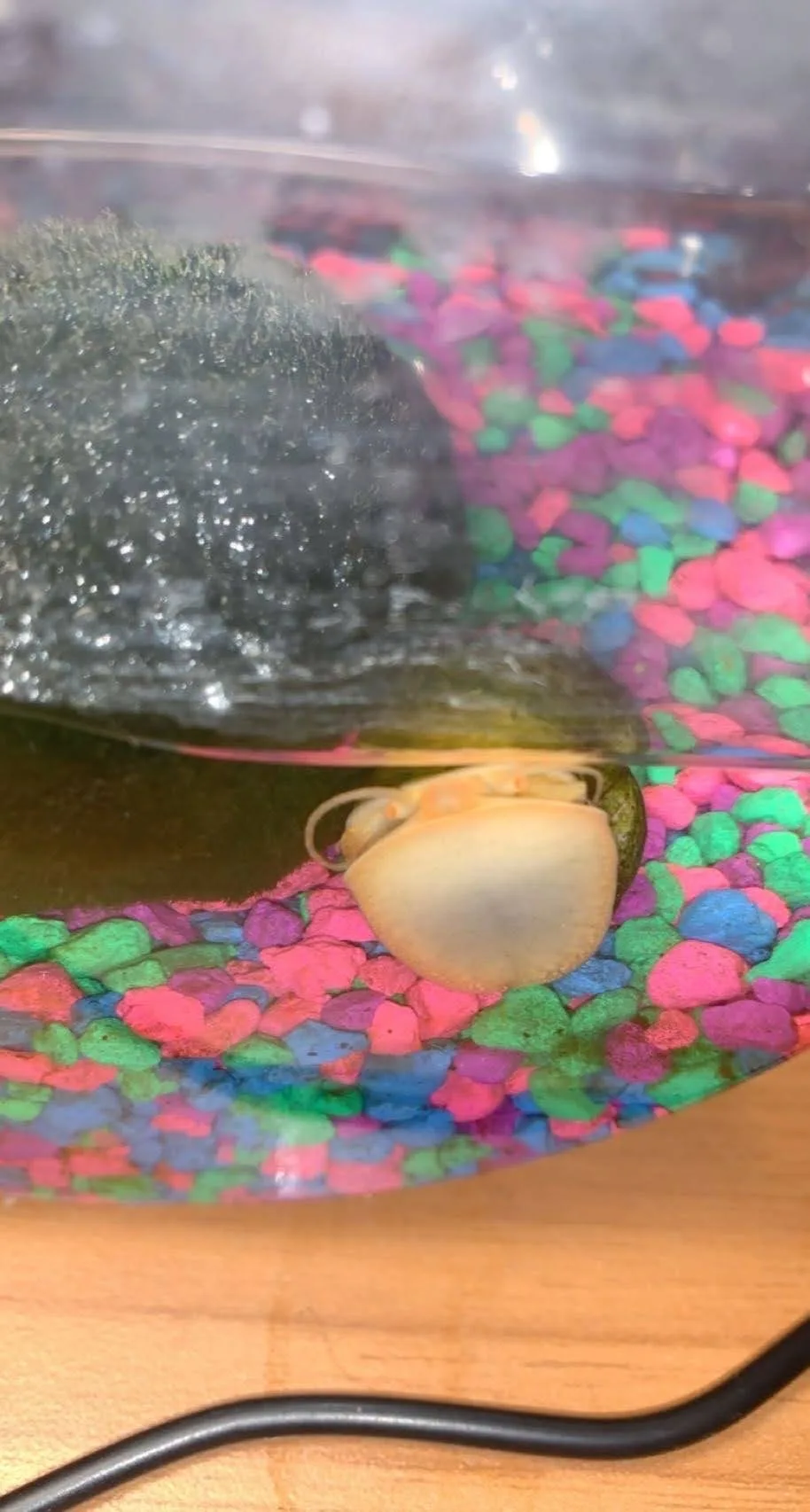
Aquarium GH (General Hardness) Explained
GH (general hardness) measures dissolved calcium and magnesium in your aquarium water. It is different from KH (carbonate hardness), which buffers pH. Understanding GH helps you keep shrimp moulting cleanly, snails shelled properly, and soft-water fish from living in liquid stone.
 GH is measured with a drop test kit alongside other core parameters. Photo: Eric A. Olson / Wikimedia Commons (CC BY-SA 2.5)
GH vs KH (Don’t Mix Them Up)
GH = calcium + magnesium (mineral hardness). KH = carbonates/bicarbonates (alkaline buffer). You can have hard GH with low KH or soft GH with moderate KH depending on your source water and additives. Test both.
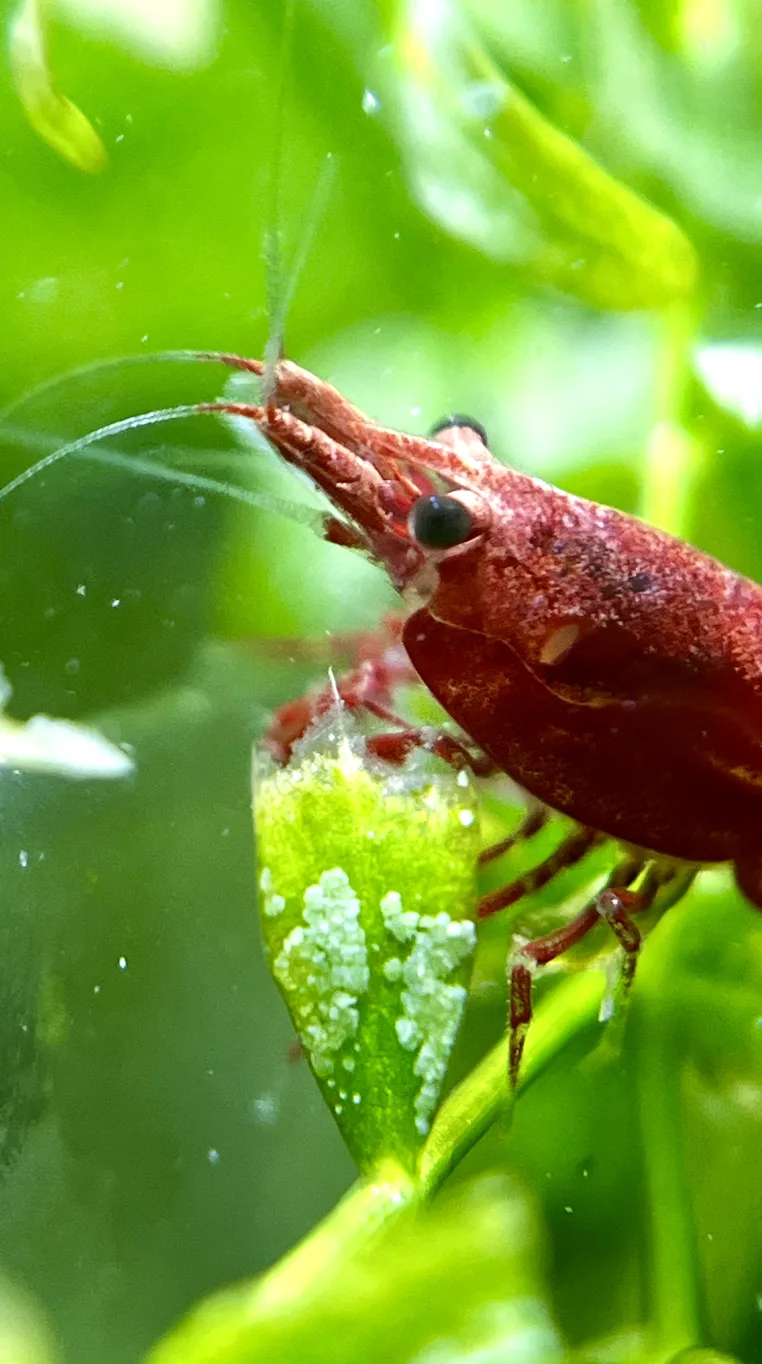 Many shrimp species require stable GH for successful moults. Photo: FishManHari / Wikimedia Commons (CC0)
Why GH Matters
- Fish osmoregulation and long-term organ health
- Shrimp moults — unstable GH causes failed sheds
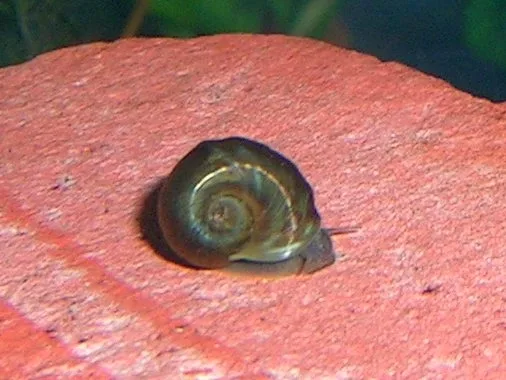
- Snail shell strength
- Some plant nutrient availability interactions
Typical Ranges (Guidelines)
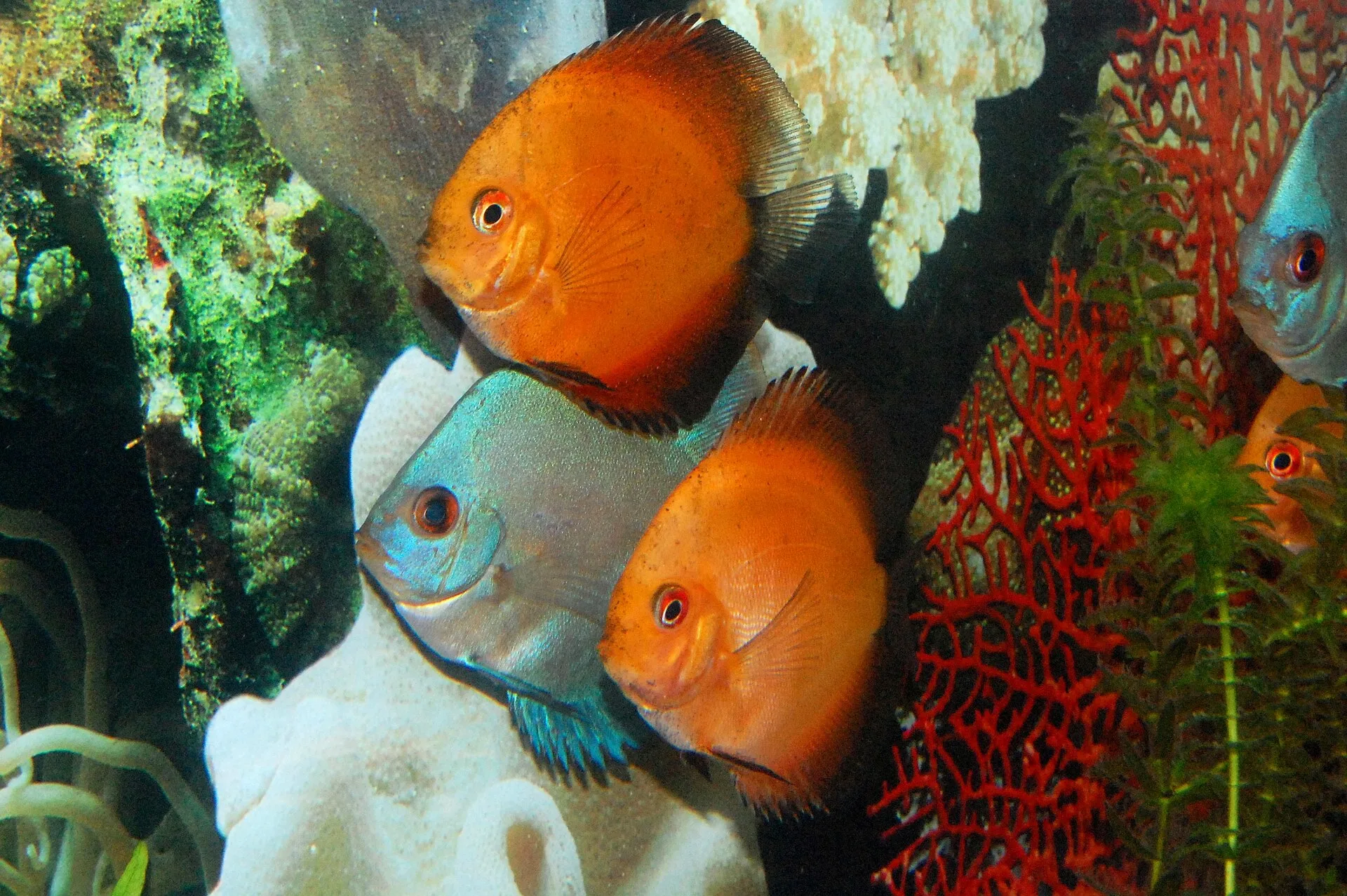
- Soft: roughly 0–6°dGH — many South American tetras/discus styles
- Moderate: roughly 6–12°dGH — broad community range
- Hard: 12°dGH+ — livebearers, some rift lake setups, many snails

Ranges vary by test kit units (°dGH vs ppm). Convert carefully and follow your livestock’s needs.
 Snails pull calcium/magnesium from the water to build shells. Photo: Ingvar-fed / Wikimedia Commons (CC BY-SA 3.0)
How to Raise or Lower GH
Raise GH: remineralise RO/rainwater with a shrimp mineral mix, or add calciumbased products designed for aquaria. Avoid random yard limestone experiments.
Lower GH: dilute with RO or distilled water, then remineralise to a known target. Do not chase perfect numbers with daily wild swings.
Testing Tips
- Test source tap water and tank water
- Retest after large water changes
- When shrimp die after a water change, suspect GH/KH mismatch before mystery disease
Related Reading
Conclusion
GH is the mineral backbone of freshwater chemistry. Know your tap water, match livestock to a stable target, and adjust with measured remineralisation — not guesswork — for healthier fish, shrimp, and snails.


Explore other topics
Dive into more aquarium guides across the site.