
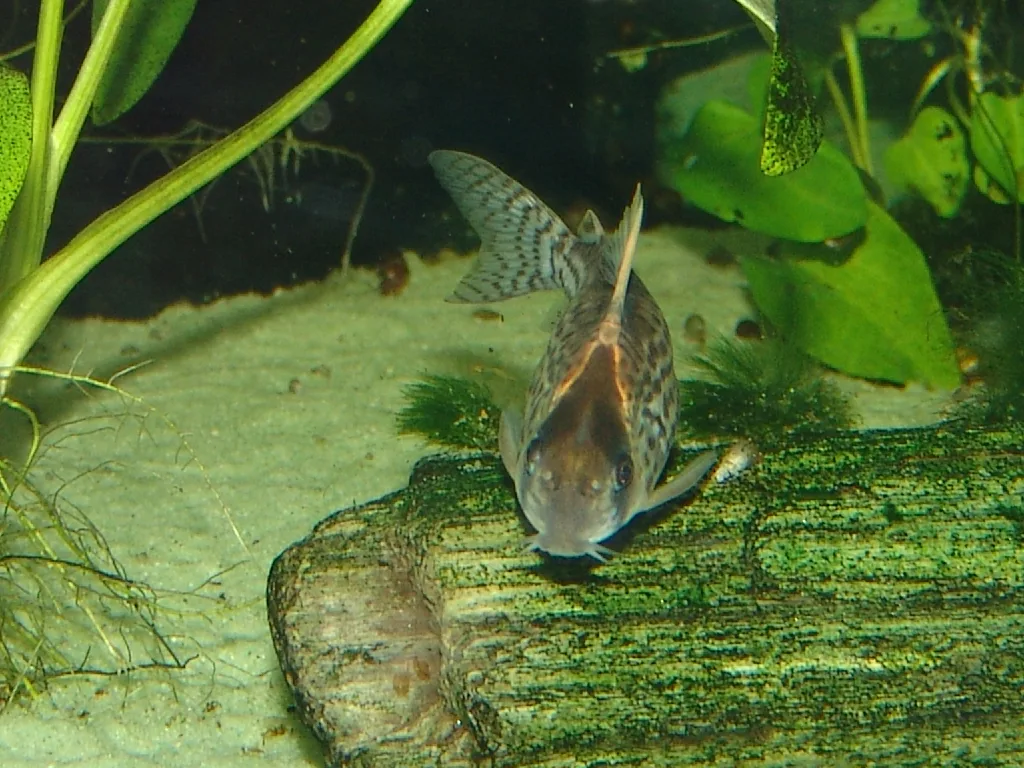
Schwartzi Corydoras (Corydoras schwartzi)
Schwartzi Corydoras is the Purus spotted cat whose dots line up into stripes. It is the busy, available patterned cory — still a sand-working gro…
Read more →
Schwartzi Corydoras is the Purus spotted cat whose dots line up into stripes. It is the busy, available patterned cory — still a sand-working gro…
Read more →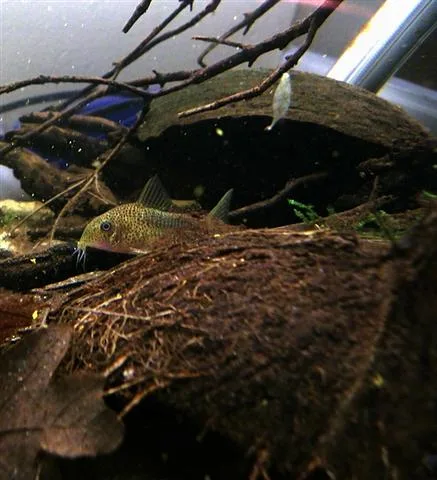
Similis Corydoras is a pale Madeira-basin catfish with a caudal smudge, often mixed up with caudimaculatus. It wants a sand troop and quiet water,…
Read more →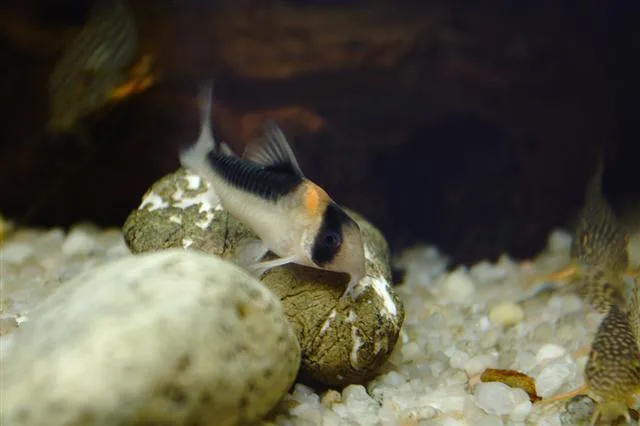
Corydoras duplicareus is the Negro lookalike named for doubling Adolfoi: same gold blaze, a more continuous dark stripe along the back. Buy the sad…
Read more →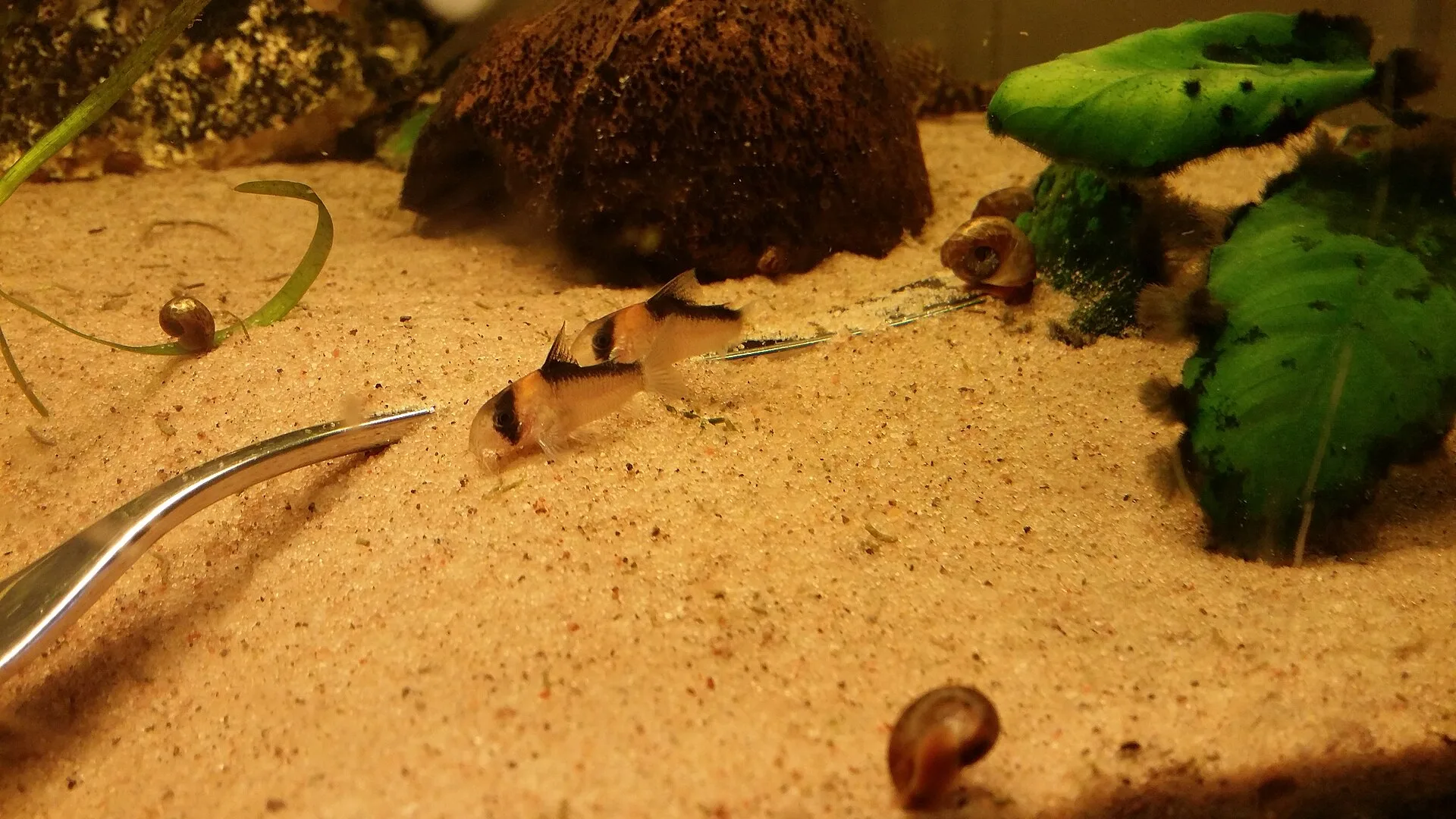
Adolfo's Corydoras is the Rio Negro sand-sifter with an orange nape, a black mask, and a dorsal saddle that does not copy duplicareus. Soft, staine…
Read more →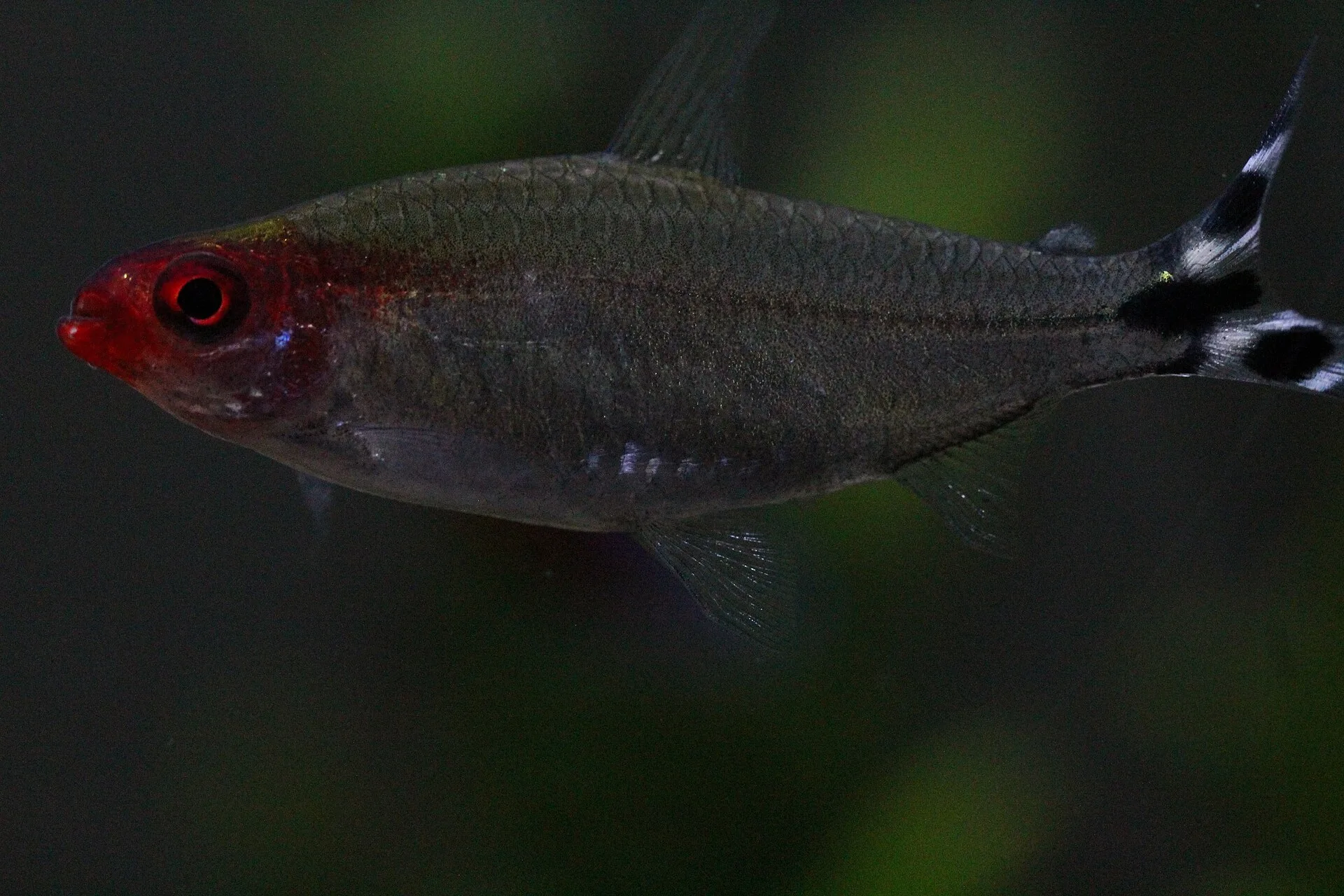
Petitella bleheri’s crimson face is a water-quality instrument — the true rummynose of Negro blackwater, a school of ten-plus, and a nose that…
Read more →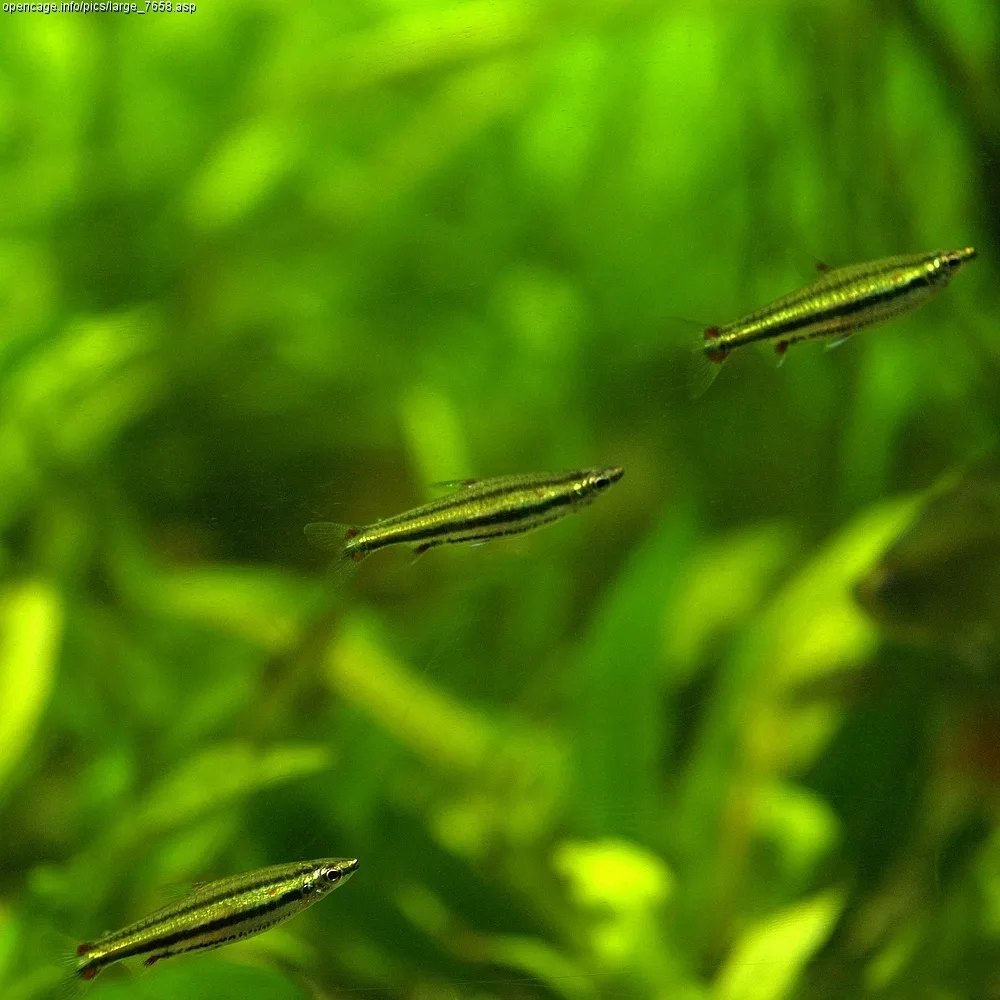
Nannostomus trifasciatus is the photographed pencil: three lines, red in the males, and nipping that stays inside the school if you keep twelve in…
Read more →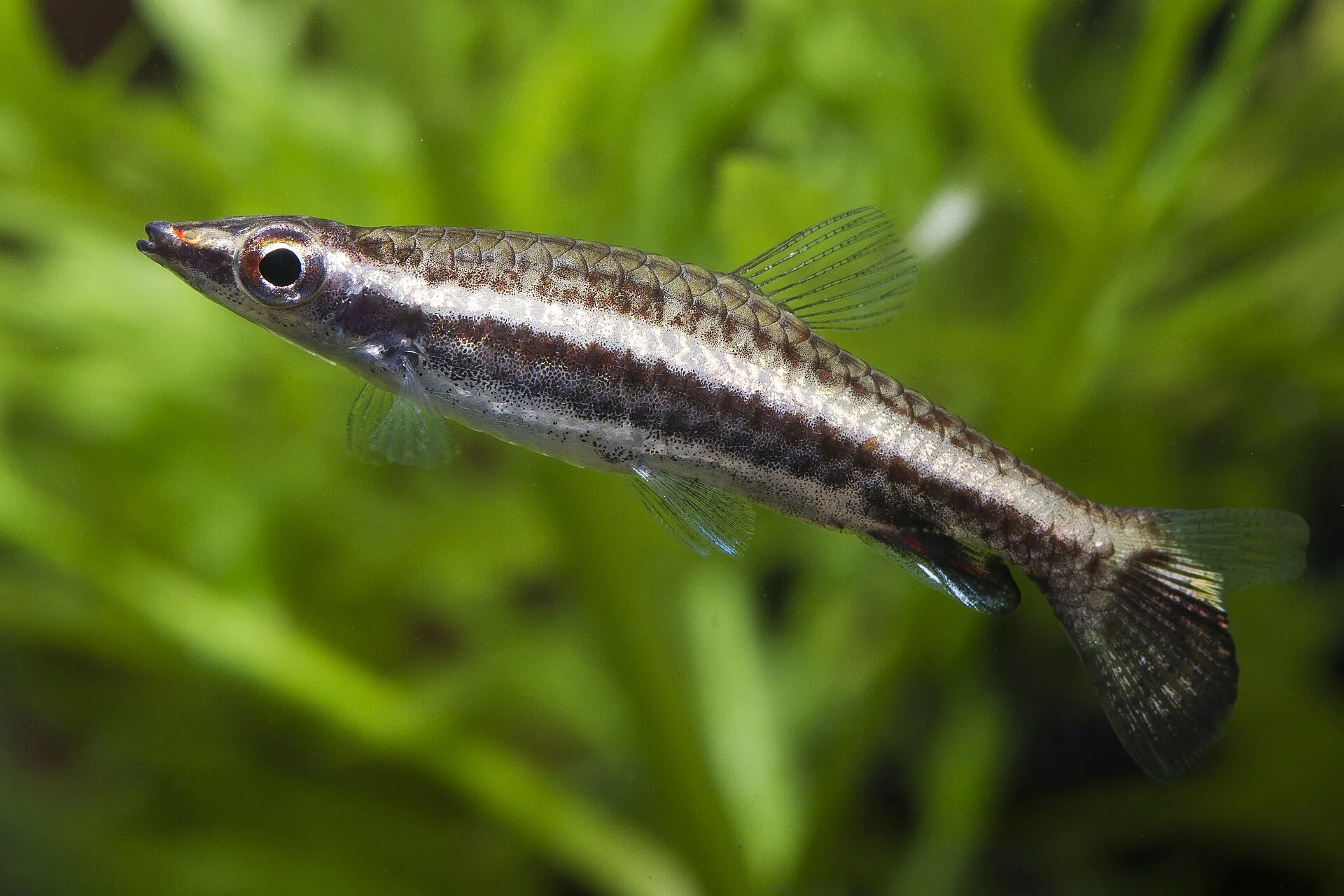
Nannostomus eques hangs at 45 degrees in stained Amazon water — the hockey-stick pencilfish of the top third, shy, particular, and not a tetra th…
Read more →
Nannostomus beckfordi is the pencilfish that forgives: a level-swimming Guiana characin whose midwater fencing looks like a school at eight fish an…
Read more →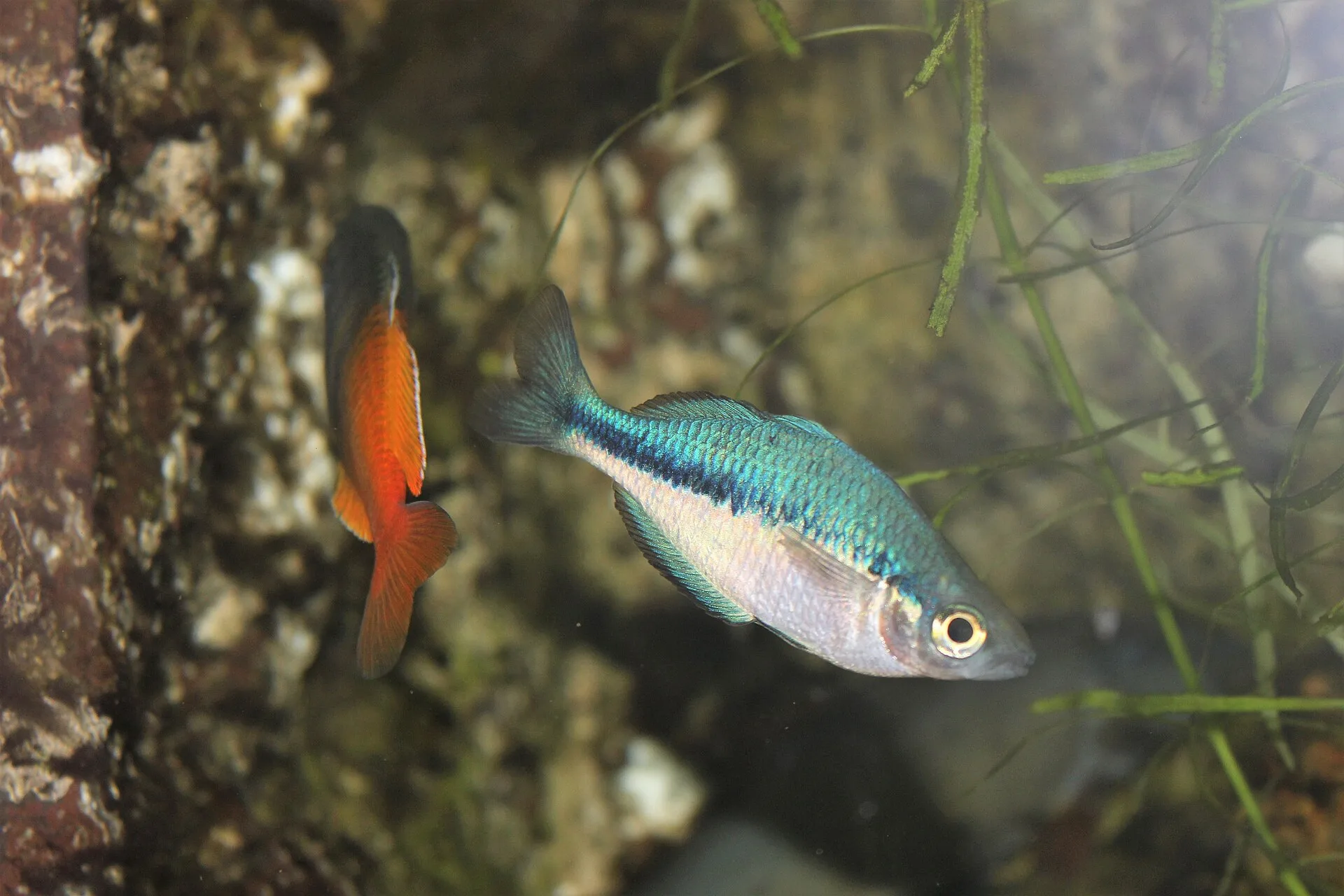
Melanotaenia splendida is the Australian rainbow with a shoulder: a deep-bodied river schooler that needs a metre of swimming room, a real filter,…
Read more →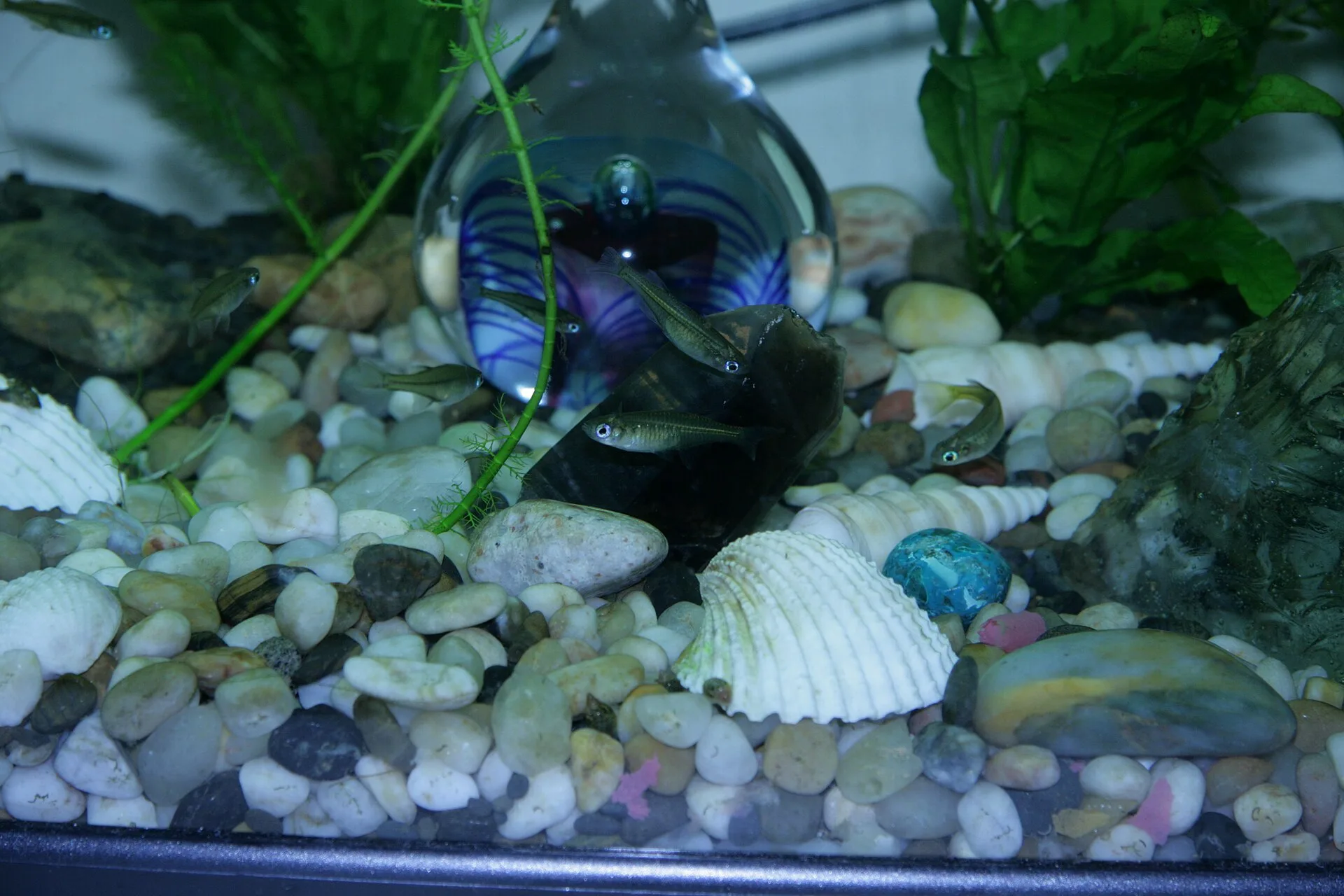
Pseudomugil signifer males grow filamentous fins for a surface dance — a thumbnail Australian blue-eye that only works as a covered school with f…
Read more →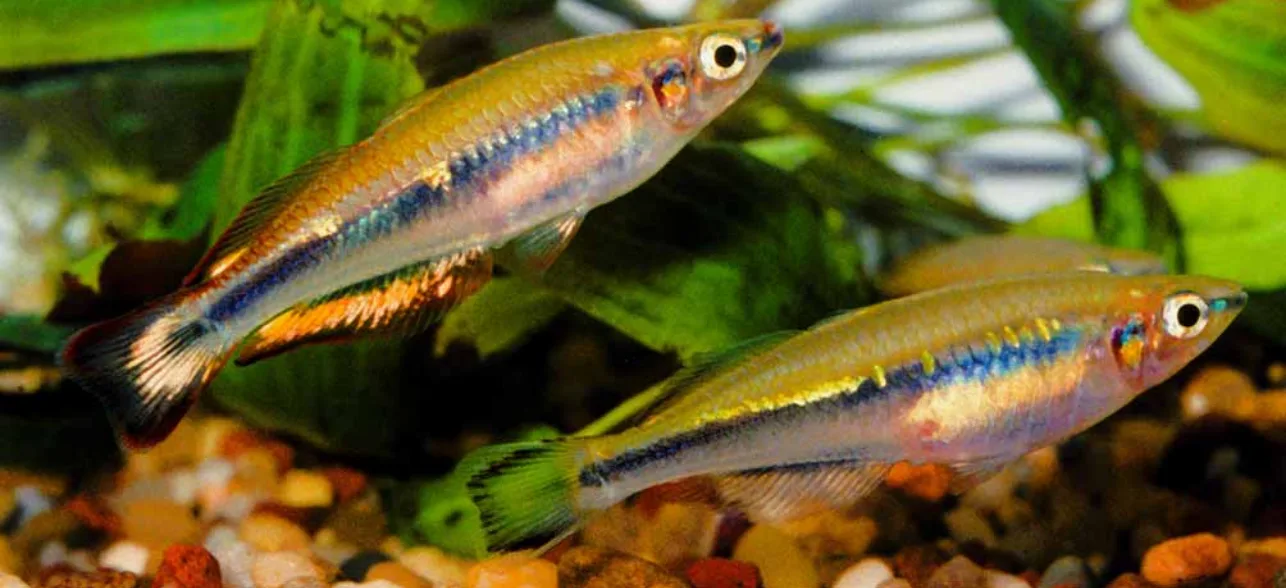
Bedotia madagascariensis is Madagascar’s zona, not a New Guinea Melanotaenia: a surface school with a red-tailed male, a lid with no gaps, and an…
Read more →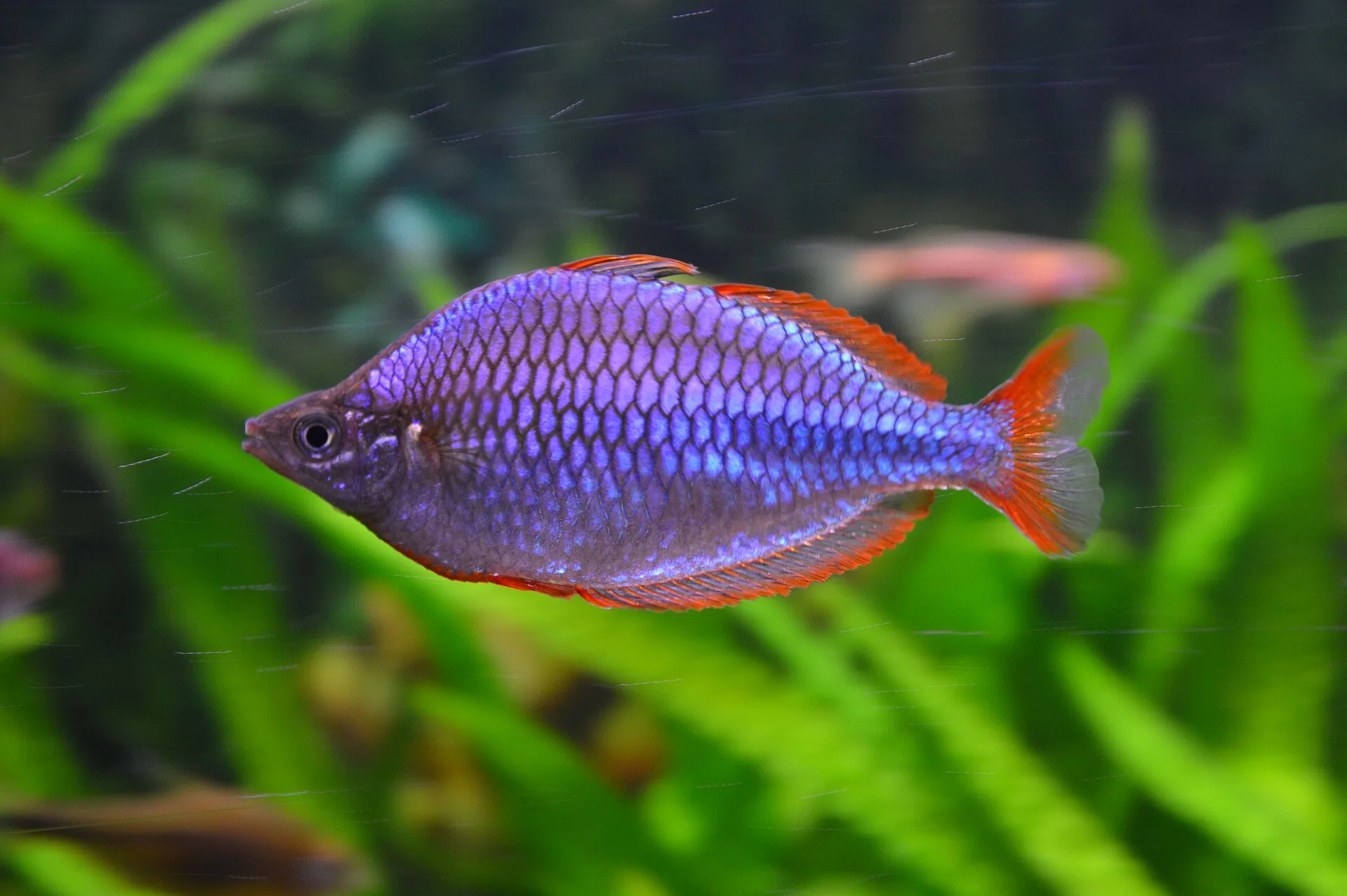
Melanotaenia praecox is the rainbow that actually fits a modest tank — 5–6 cm of blue and red that appear when the school is eight or more and…
Read more →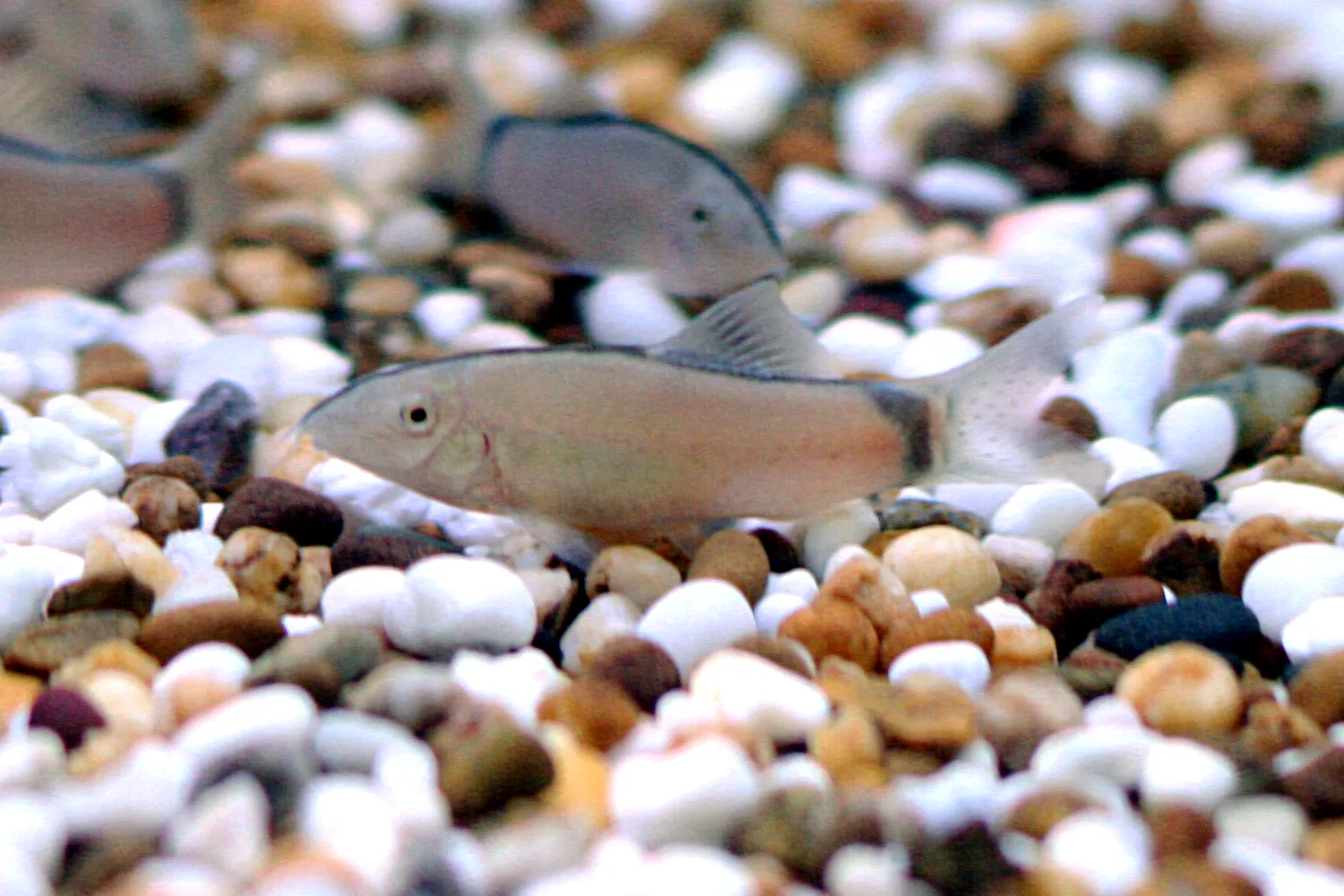
Yasuhikotakia morleti wears a dorsal skunk stripe and a subocular spine: a Mekong loach to keep as five-plus (or one), under a latched lid, and nev…
Read more →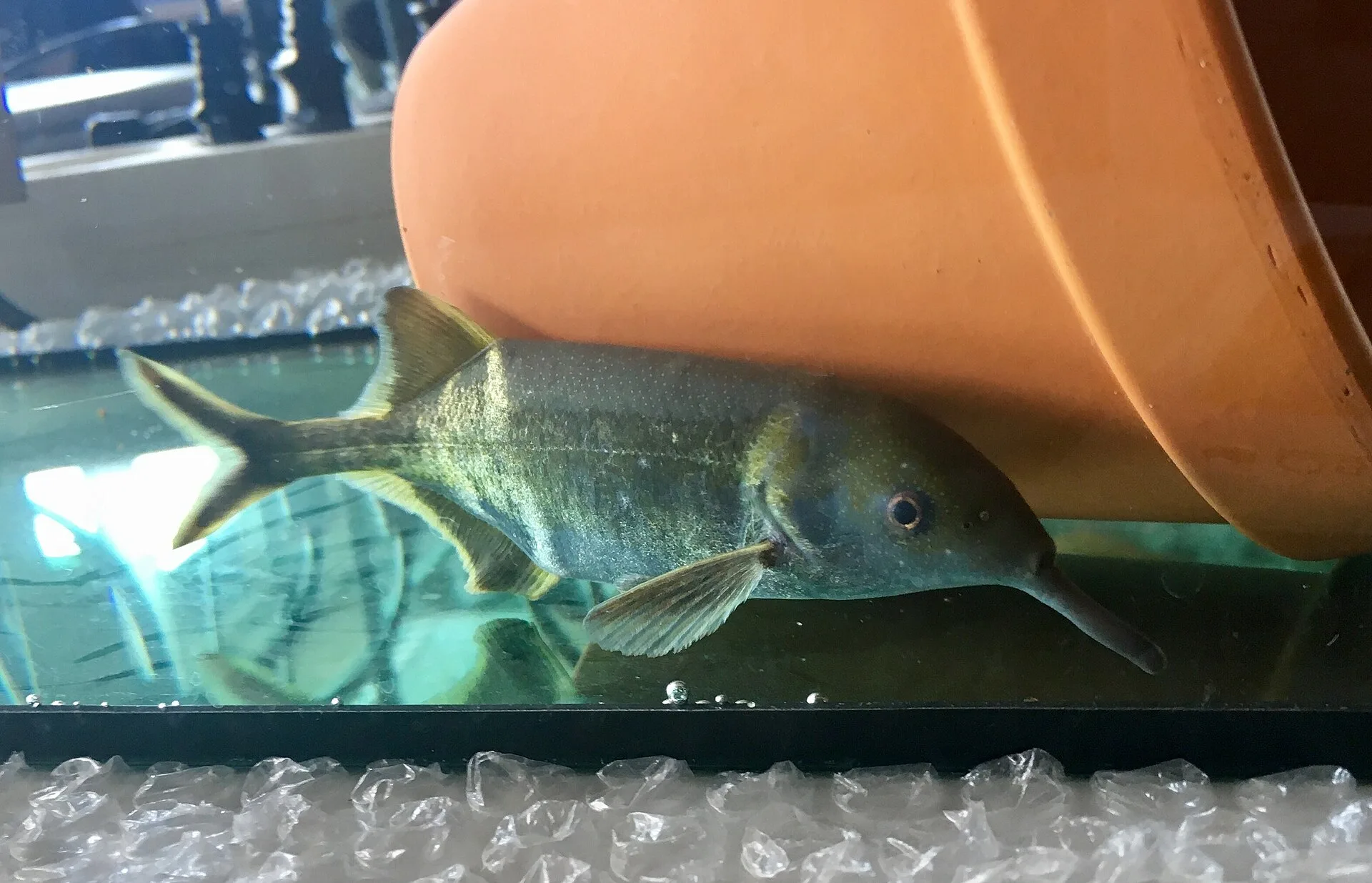
Gnathonemus petersii hunts with a weakly electric chin in the dark: sand, dim cover, meat at dusk, and a tank without stray voltage or a bully on t…
Read more →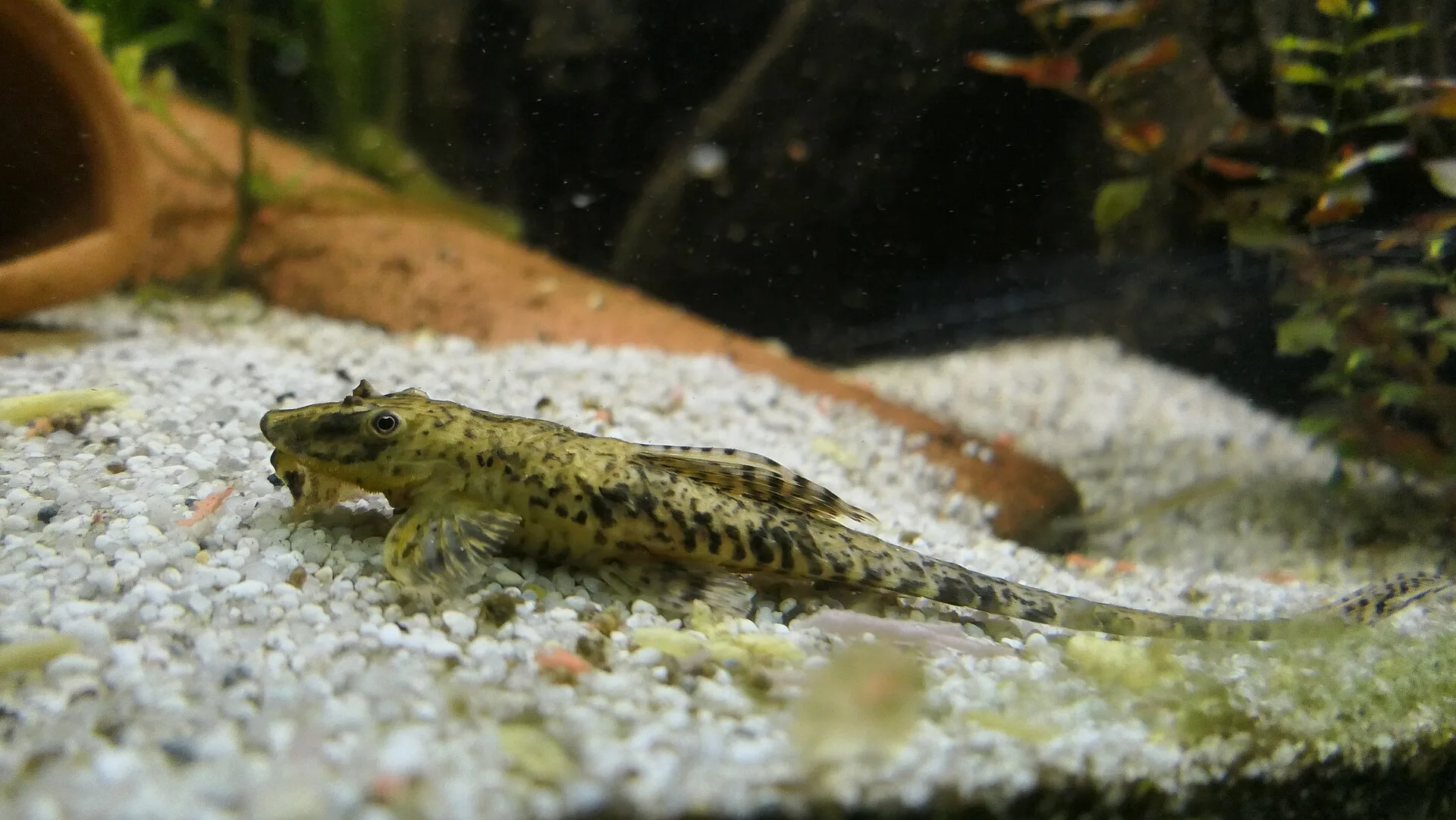
Rineloricaria lanceolata lies on sand like a walking leaf — a quiet South American whiptail that wants litter, a spawning tube, night-time wafers…
Read more →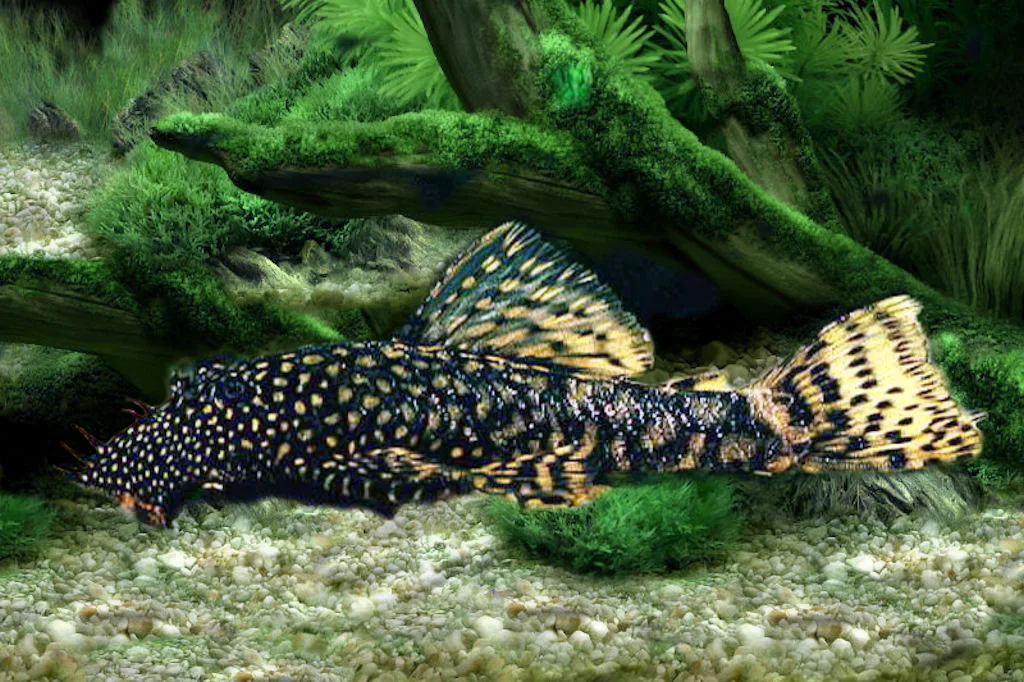
Ancistrus cirrhosus is the pleco that still fits: wood to rasp, vegetables every week, a cave for the bristled male, and fry in the doorway whether…
Read more →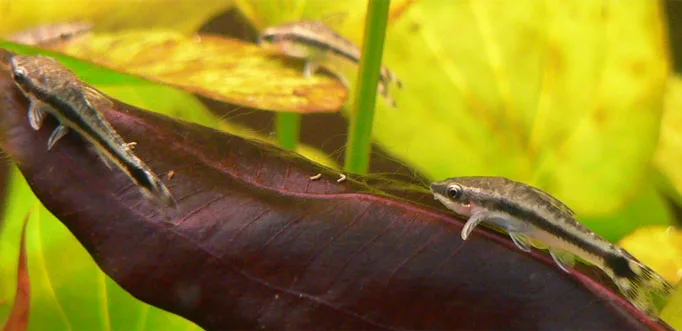
Otocinclus vittatus rasps biofilm, not leftover flake: a 4 cm school of grazing catfish for a tank that is already established, already planted, an…
Read more →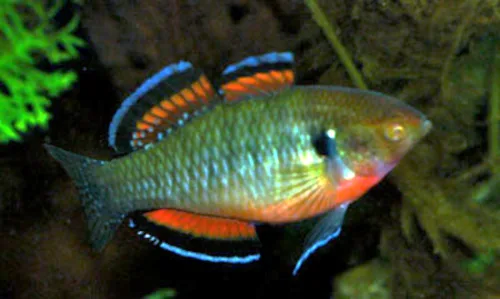
Hypseleotris compressa males look painted when they colour up: an Australian gudgeon of 10–12 cm that sits, lunges, and does not belong in a nano…
Read more →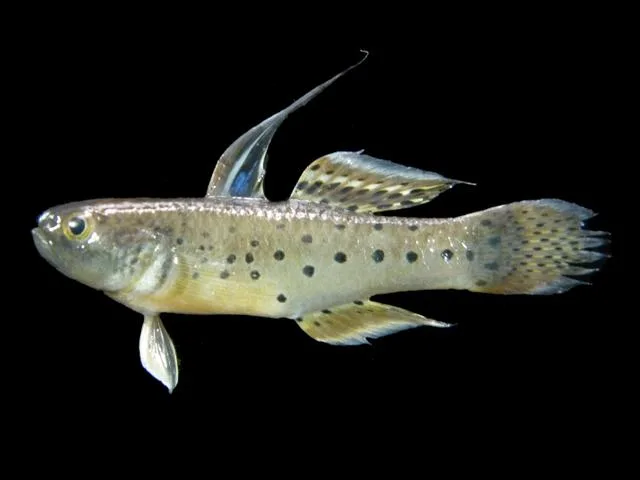
Stigmatogobius sadanundio, the knight goby, is an estuarine sentry — spotted, territorial, meat-eating — that wants hard freshwater or honest b…
Read more →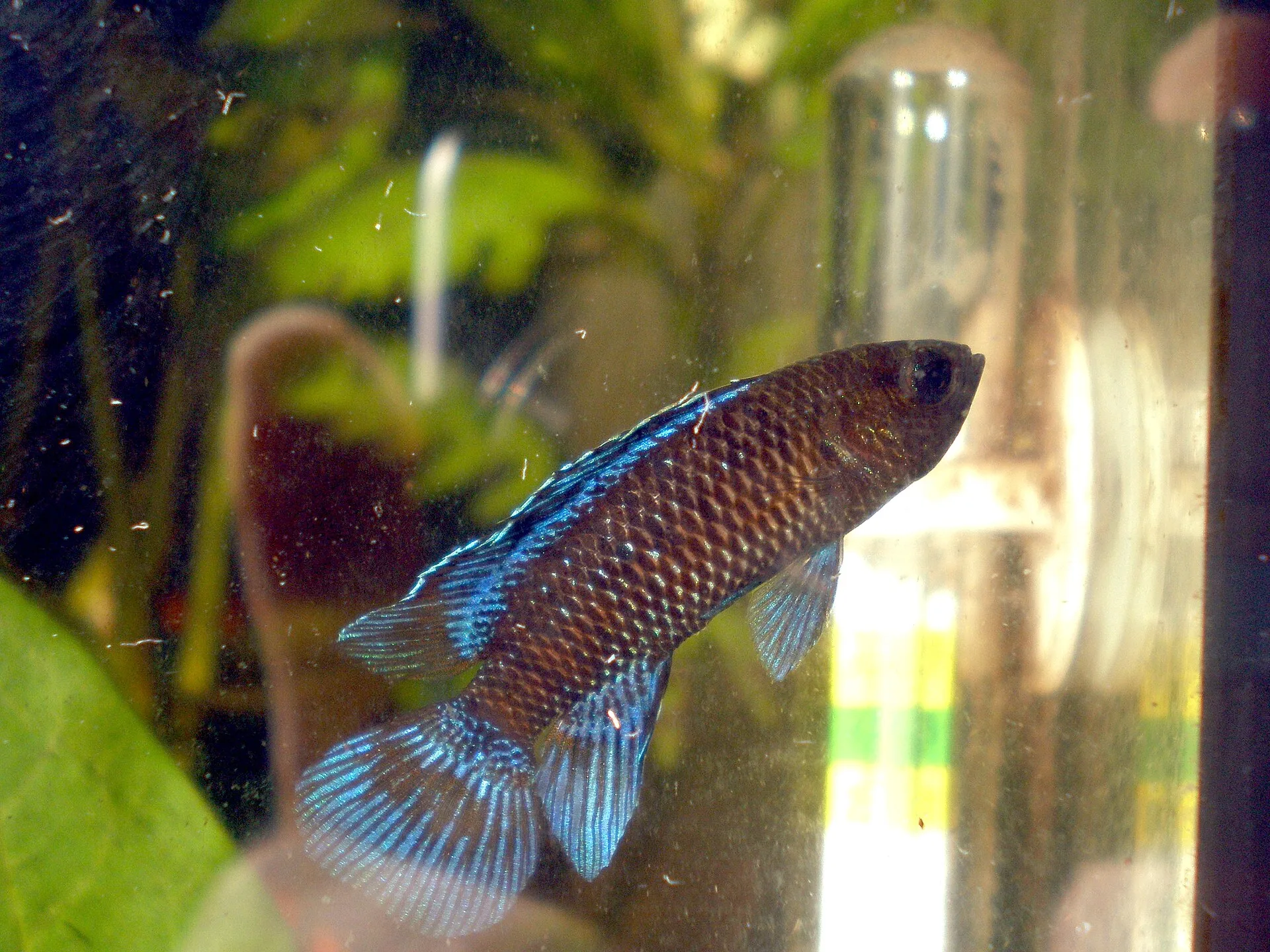
Badis badis is a Ganges micropredator that starves beside fast tetras: a chameleon that turns blue in a weedy cave if you feed it what still wriggl…
Read more →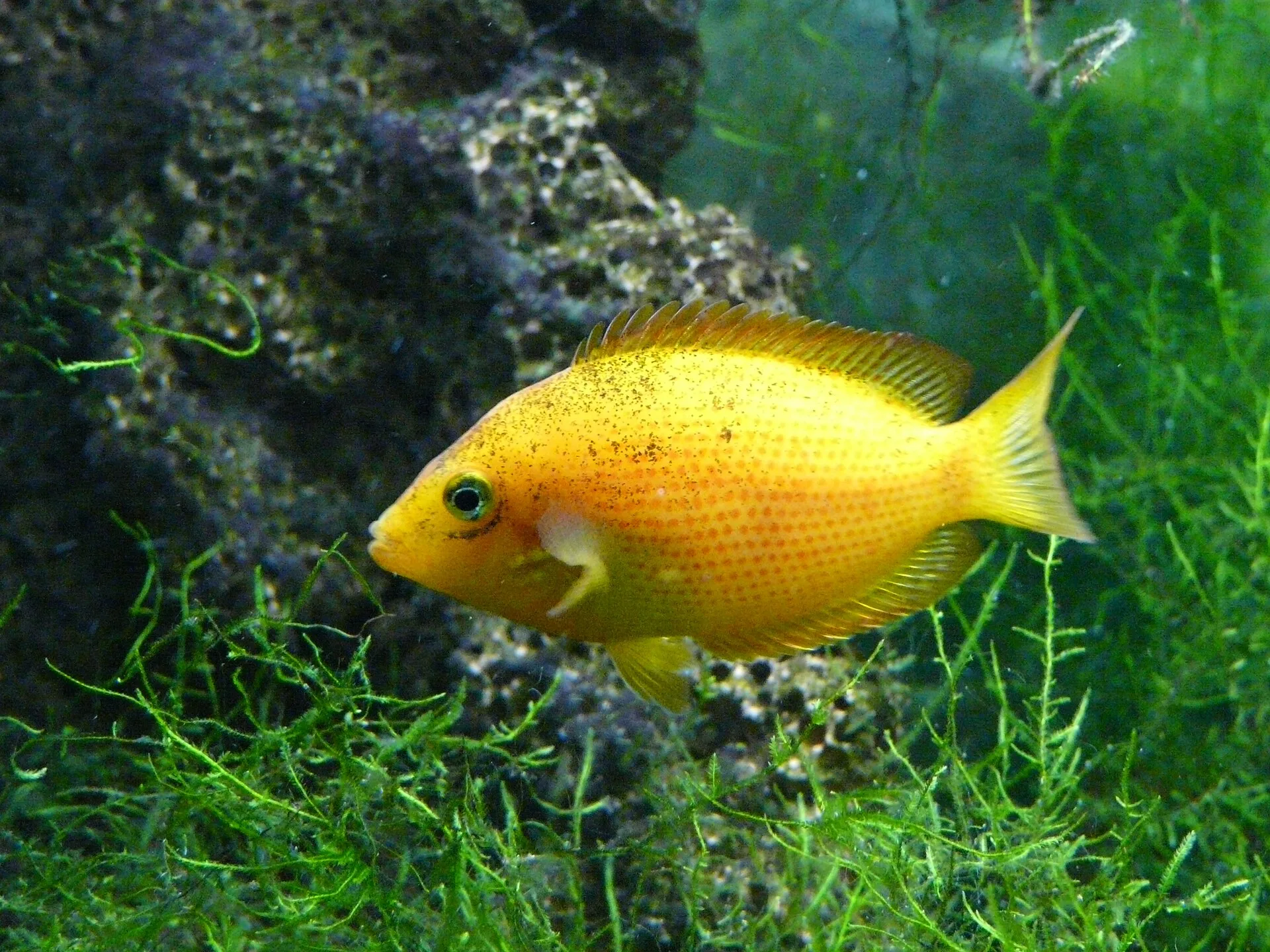
Etroplus maculatus, the orange chromide of India and Sri Lanka, colours like a sunset when the pair and the hardness are right, with optional brack…
Read more →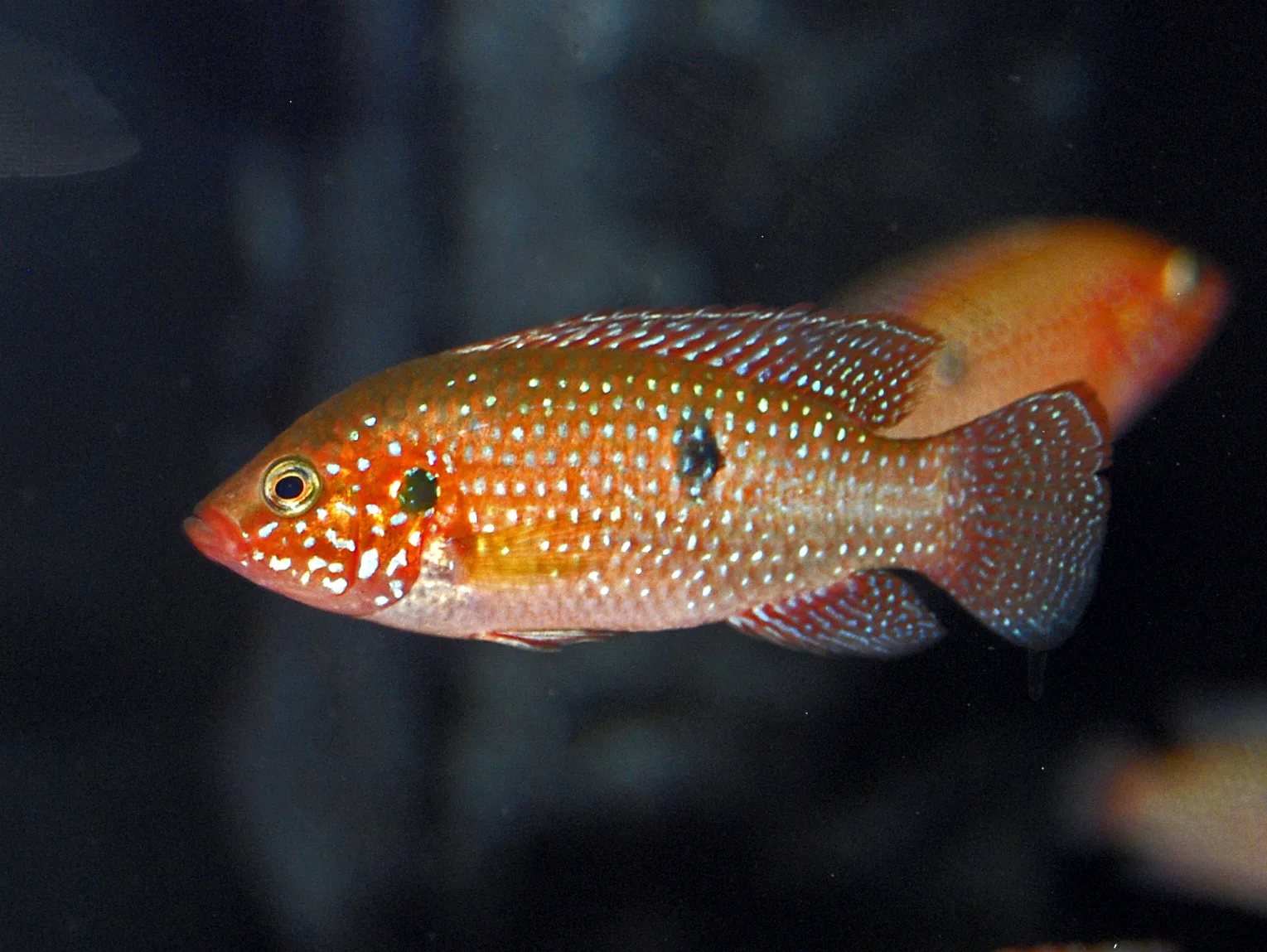
Hemichromis lifalili is a Congo jewel the size of a hand and the confidence of a much larger cichlid — red, turquoise-spangled, and territorial t…
Read more →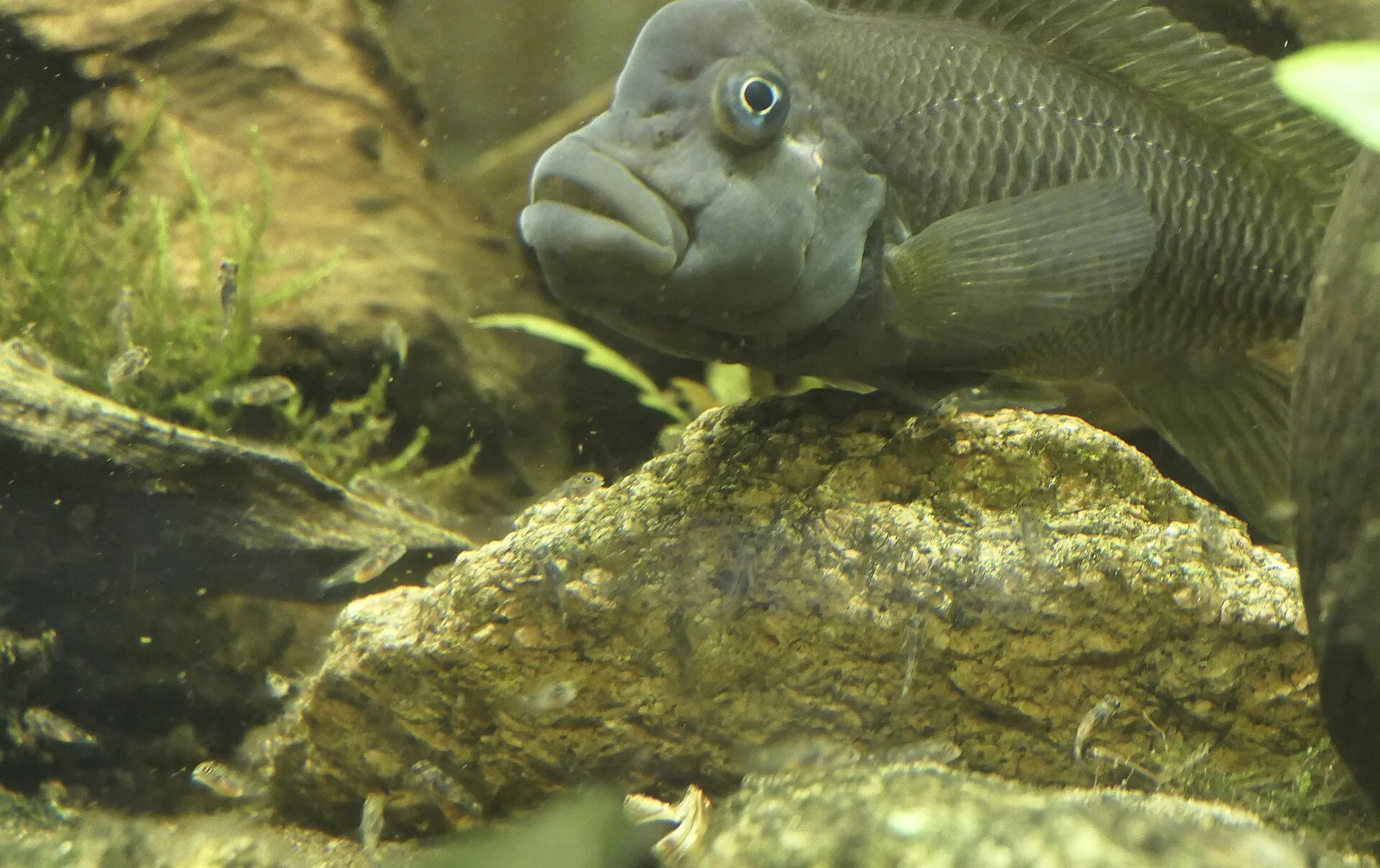
Steatocranus casuarius hops through Congo rapids more than it swims: a reduced swim bladder, a nuchal hump on the male, and an aquarium built of cu…
Read more →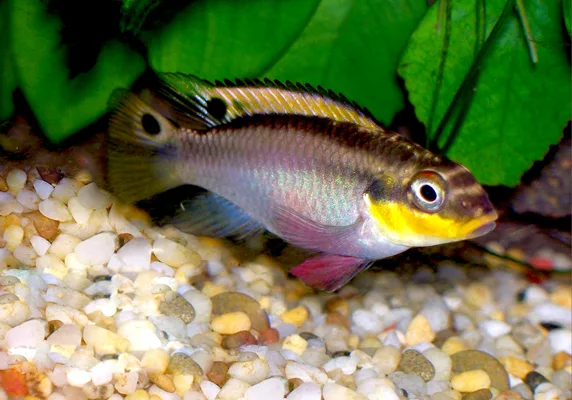
Moliwe, Nigerian red, Wouri — Pelvicachromis taeniatus is a West African cave cichlid whose locality name is the point, not a generic krib in a d…
Read more →