
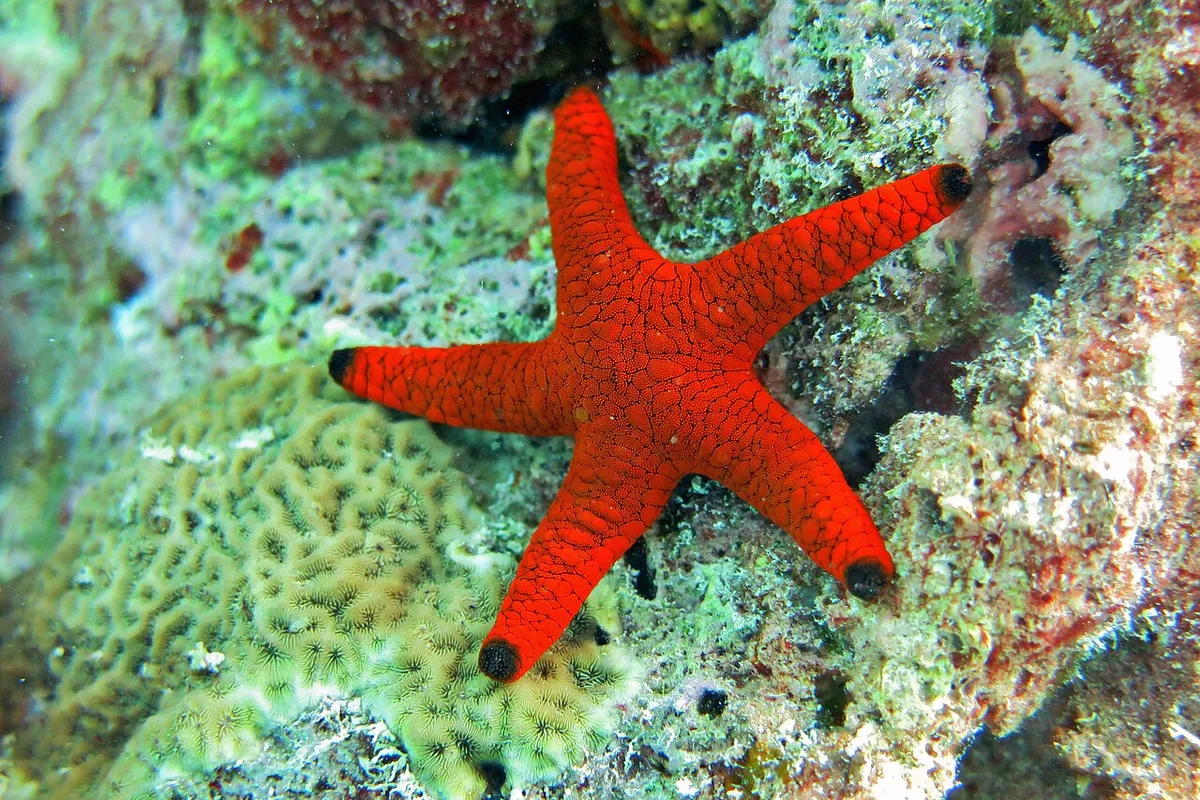
Red Marble Starfish (Fromia indica)
The red marble starfish is a small, reef-safe sea star that grazes biofilm. Here is how to acclimate and keep Fromia indica.
Read more →
Guides
Ce hub sur les Invertébrés de Fishy Friends rassemble des conseils pratiques sur les invertébrés d'aquarium pour les aquariophiles qui souhaitent des réponses claires avant de changer l'eau, le bétail ou le matériel.
Utilisez ces articles pour associer les espèces à la taille du réservoir, planifier la filtration et l'alimentation, et résoudre les problèmes de chimie de l'eau sans deviner. Chaque guide est écrit pour les aquariums domestiques et renvoie à des lectures connexes lorsque vous avez besoin de plus de profondeur sur les invertébrés d'aquarium.
Commencez par les bases — paramètres stables, habitudes de quarantaine et un emploi du temps d'alimentation qui correspond au bétail — puis parcourez les profils et les guides ci-dessous. Lorsque vous êtes prêt à explorer, plongez dans des sujets voisins afin que votre plan d'invertébrés d'aquarium reste cohérent dans tout le réservoir.
Que vous remplissiez un premier aquarium communautaire ou que vous perfectionniez un aménagement établi, ajoutez cette page à vos favoris et revenez-y au fur et à mesure que des questions se posent. Des aquariums sains se construisent à partir de petites routines répétables plutôt que d'améliorations ponctuelles, et le succès des invertébrés d'aquarium suit le même schéma.
Explorez ensuite : aquariums d'eau douce, guides d'alimentation, chimie de l'eau, tous les guides.
Fishy Friends publie des fiches de soins pour les espèces, des notes sur les plantes et les invertébrés, des idées d'aquascaping et des explications sur la gestion de l'eau afin que les conseils sur les invertébrés d'aquarium restent faciles à trouver. Lisez un guide en profondeur, appliquez-le lentement et utilisez les hubs liés ci-dessus lorsque vous souhaitez un second angle sur le même problème.
Avant d'acheter du bétail ou de repenser la filtration, parcourez deux ou trois articles sur les invertébrés d'aquarium ici et notez les chiffres cibles pour la température, la dureté et l'alimentation. Cette courte liste de contrôle prévient les réinitialisations les plus courantes et garde votre aquarium plus proche de l'affichage calme et sain que vous visez.
Revenez après des changements d'eau ou de nouvelles additions : comparez ce que vous voyez dans le réservoir avec les listes de contrôle des invertébrés d'aquarium ci-dessous, puis suivez une étape recommandée au lieu de tout changer d'un coup. Des améliorations constantes s'accumulent, et Fishy Friends est conçu pour soutenir ce rythme.
The red marble starfish is a small, reef-safe sea star that grazes biofilm. Here is how to acclimate and keep Fromia indica.
Read more →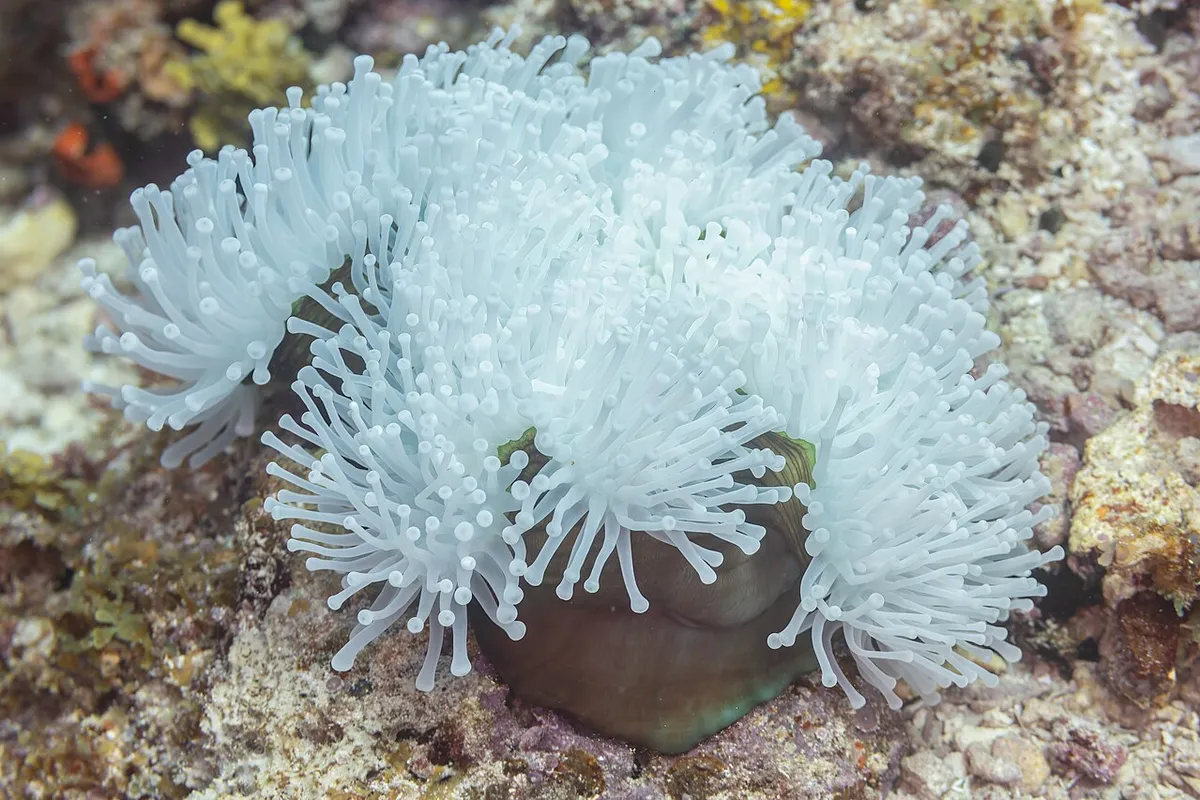
The magnificent sea anemone is a classic clownfish host, but it is one of the hardest anemones to keep. Here is what it really needs.
Read more →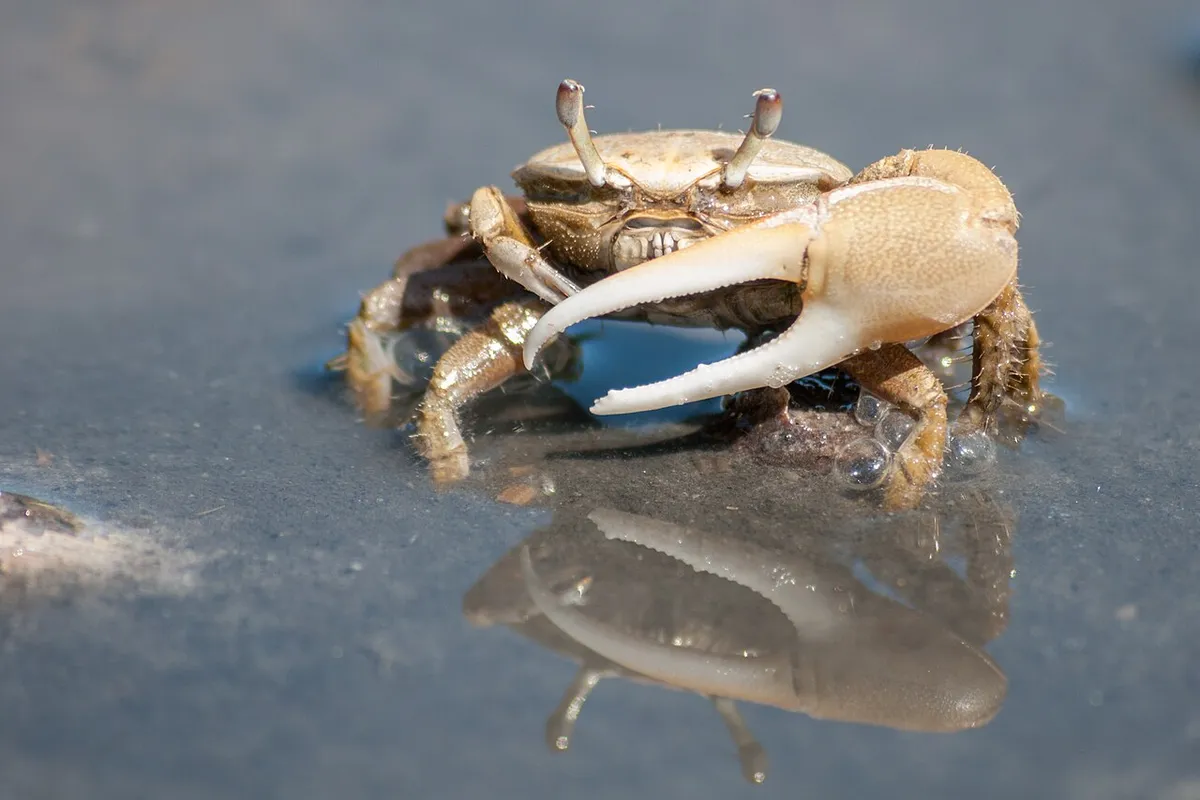
Fiddler crabs are small brackish-water crabs that need land as well as water. Here is how to set up a proper fiddler crab tank.
Read more →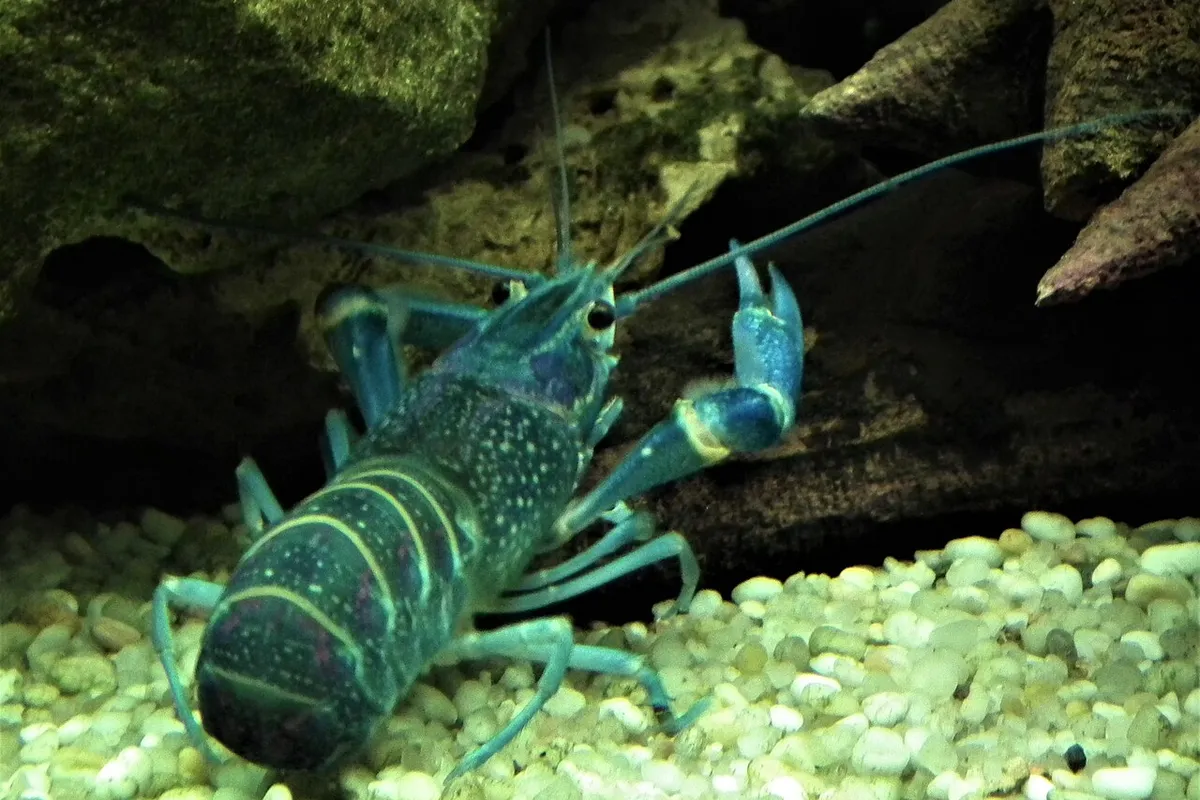
The redclaw crayfish is a large blue-green Australian crayfish with red-edged claws. Here is how to house, feed and breed Cherax quadricarinatus.
Read more →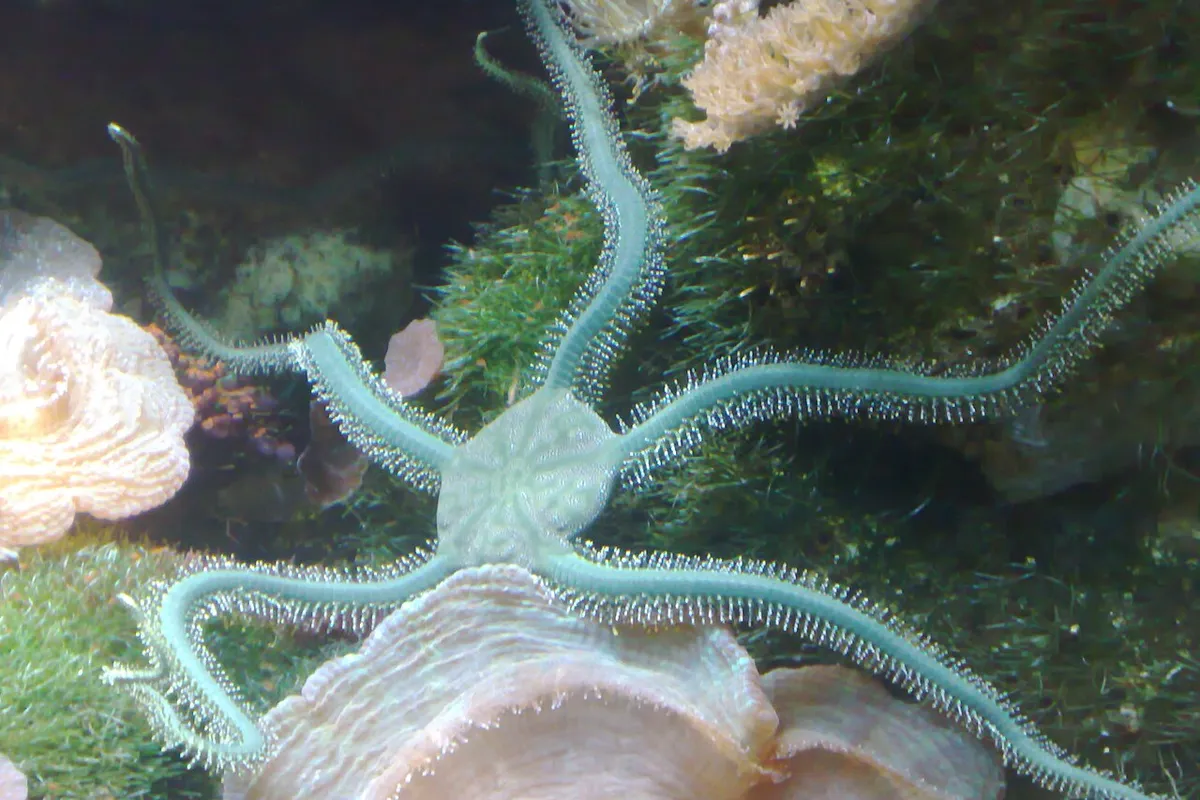
The green brittle star is a large, hardy scavenger that will also catch small fish. Here is how to keep Ophiarachna incrassata safely.
Read more →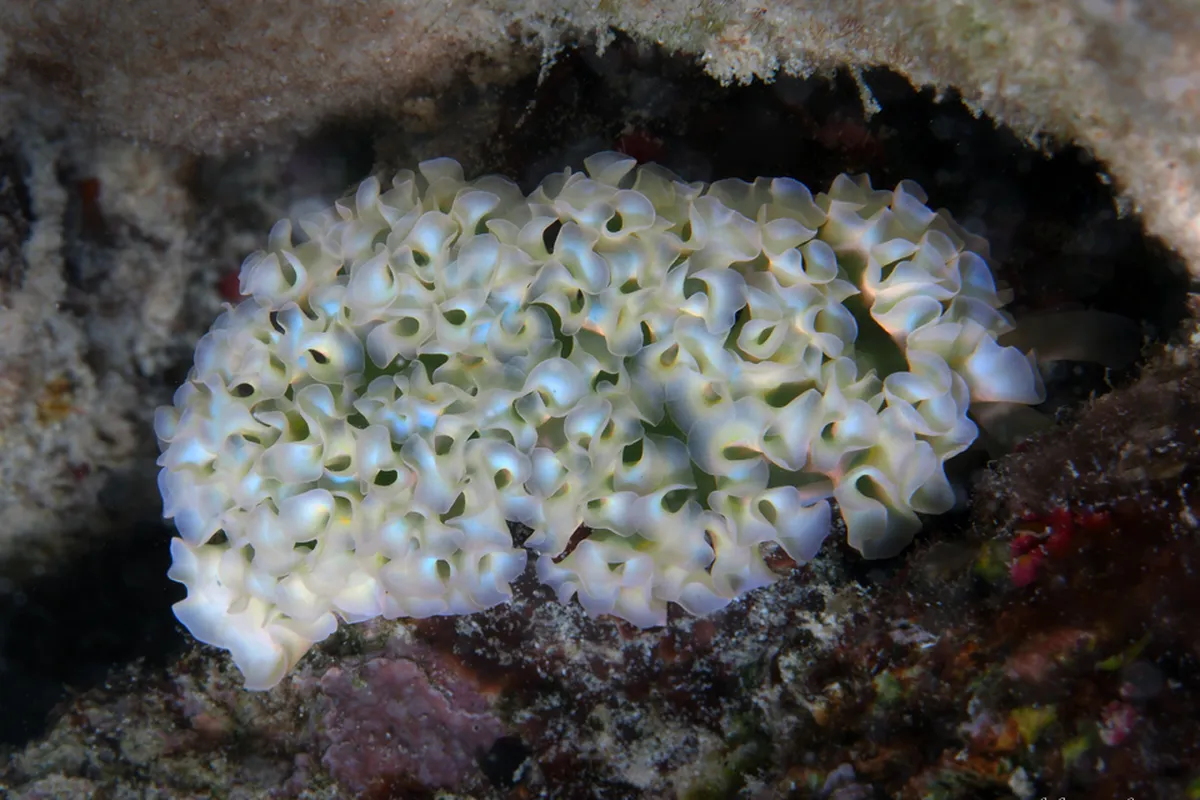
The lettuce sea slug is a ruffled, solar-powered sea slug that eats Bryopsis algae. Here is how to keep Elysia crispata alive and fed.
Read more →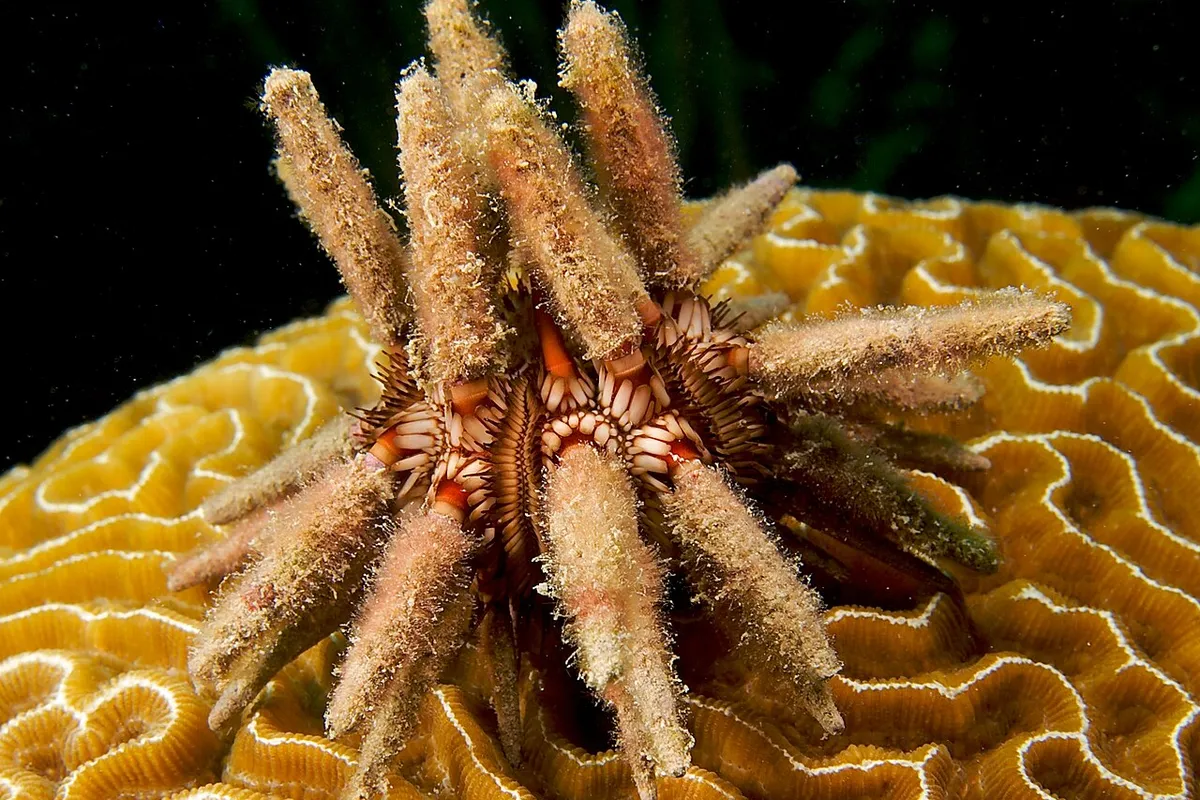
The slate pencil urchin has thick, blunt spines and a big appetite for algae. It is not fully reef safe. Here is how to keep Eucidaris tribuloides.
Read more →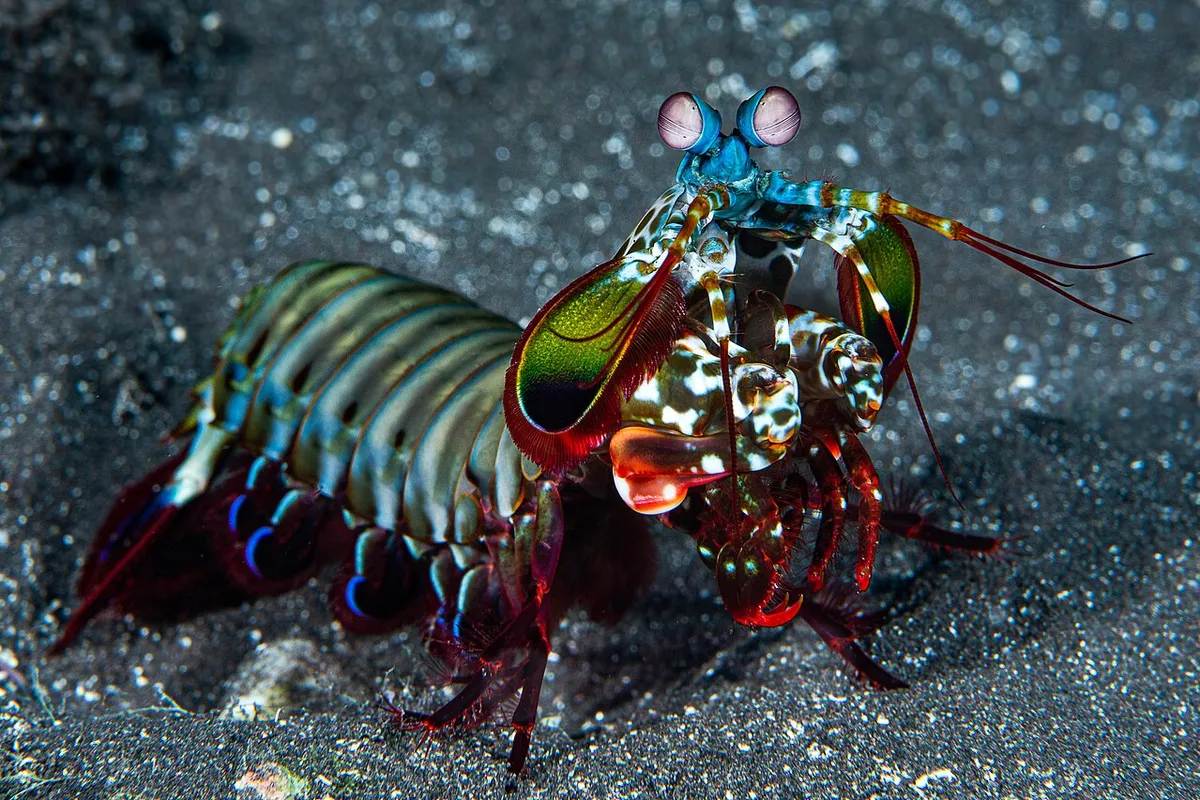
The peacock mantis shrimp is one of the most colourful and powerful animals on the reef. Here is how to keep Odontodactylus scyllarus safely.
Read more →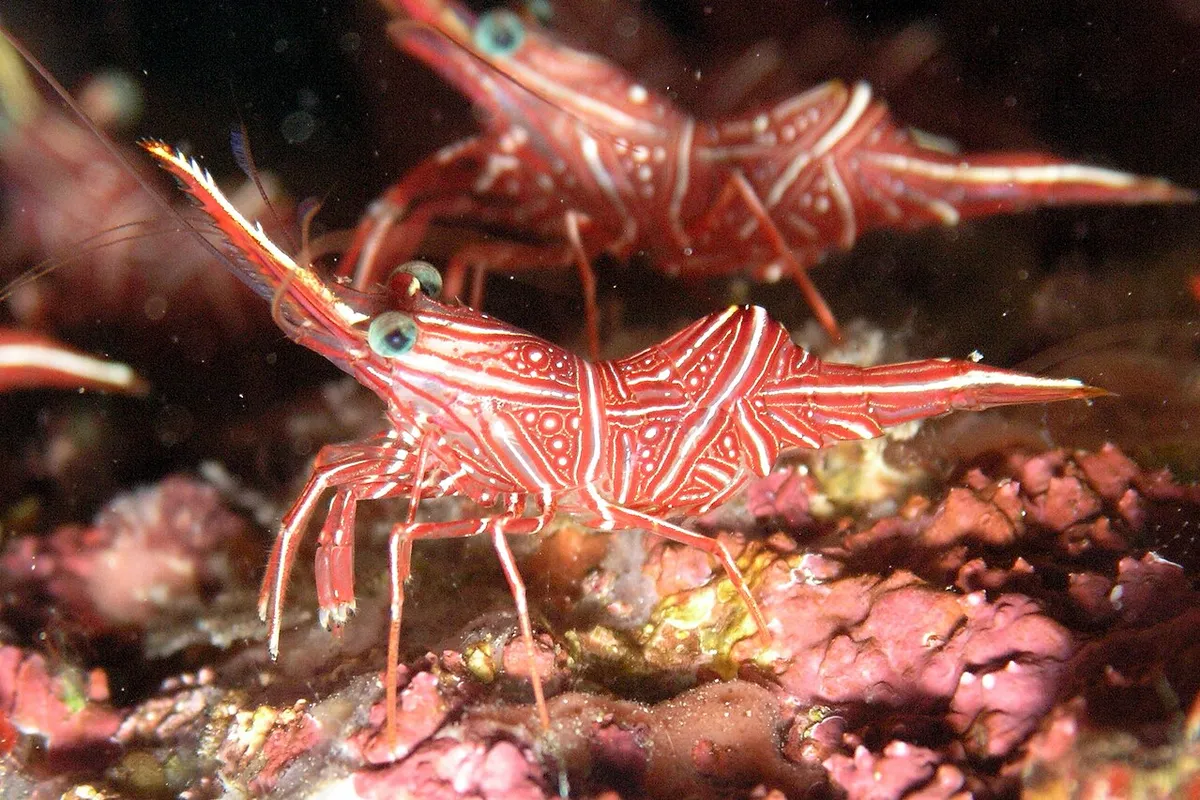
The camel shrimp is a hardy, red-and-white striped shrimp that lives in groups. It is not fully reef safe. Here is how to keep it.
Read more →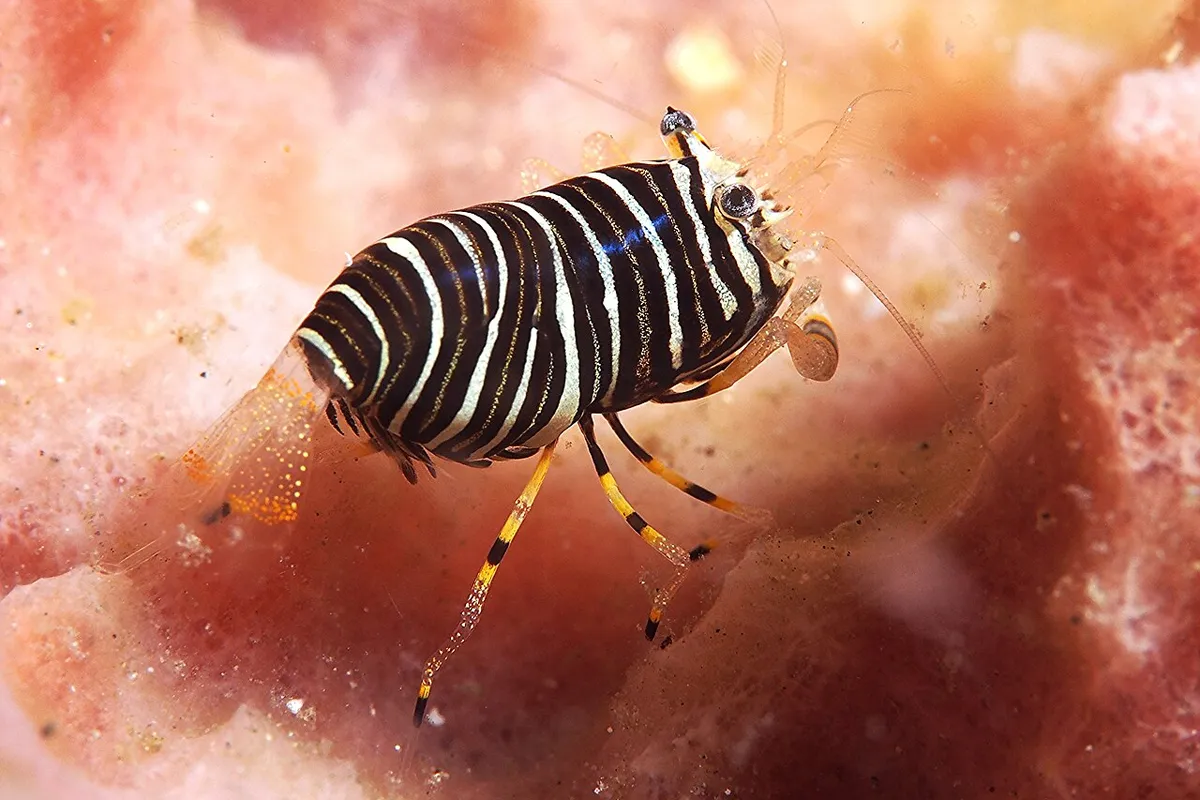
The bumblebee shrimp is a tiny, striped marine shrimp that eats starfish tube feet. Here is how to feed and house Gnathophyllum americanum.
Read more →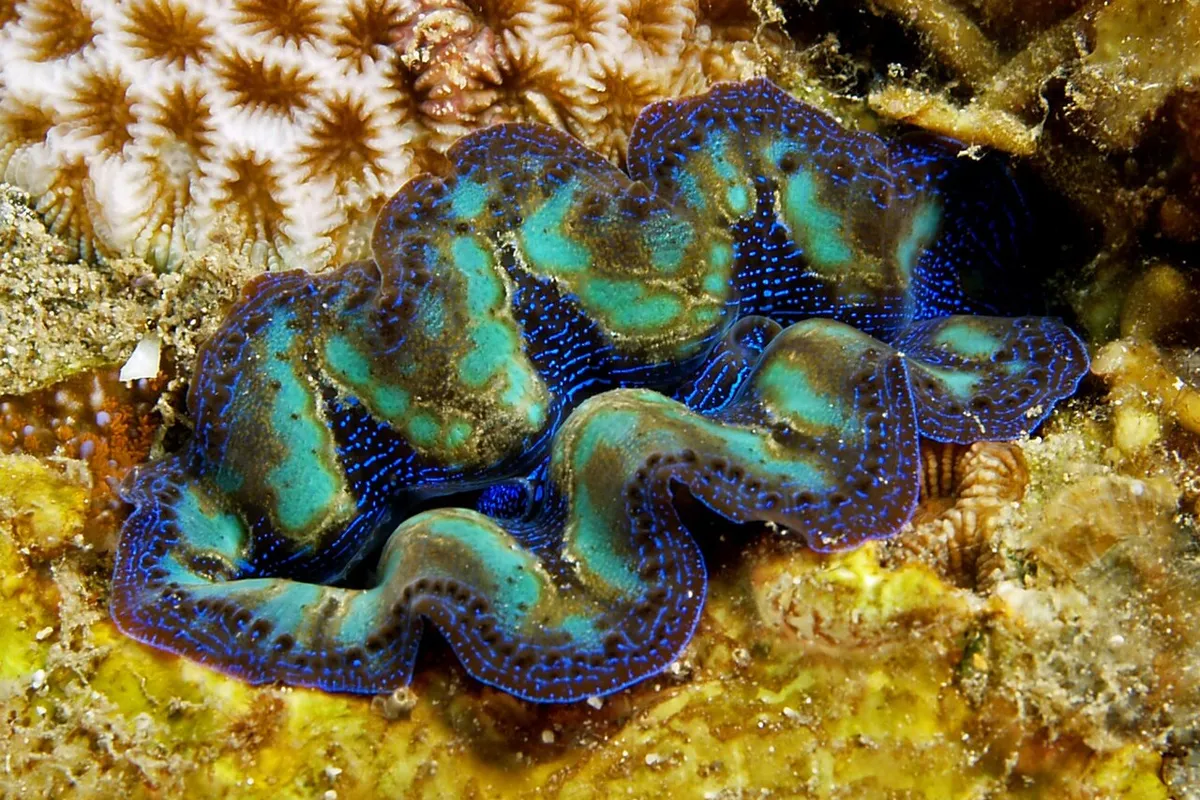
The crocea clam is the smallest giant clam, famous for its brilliant mantle colours. Here is how to light, place and care for Tridacna crocea.
Read more →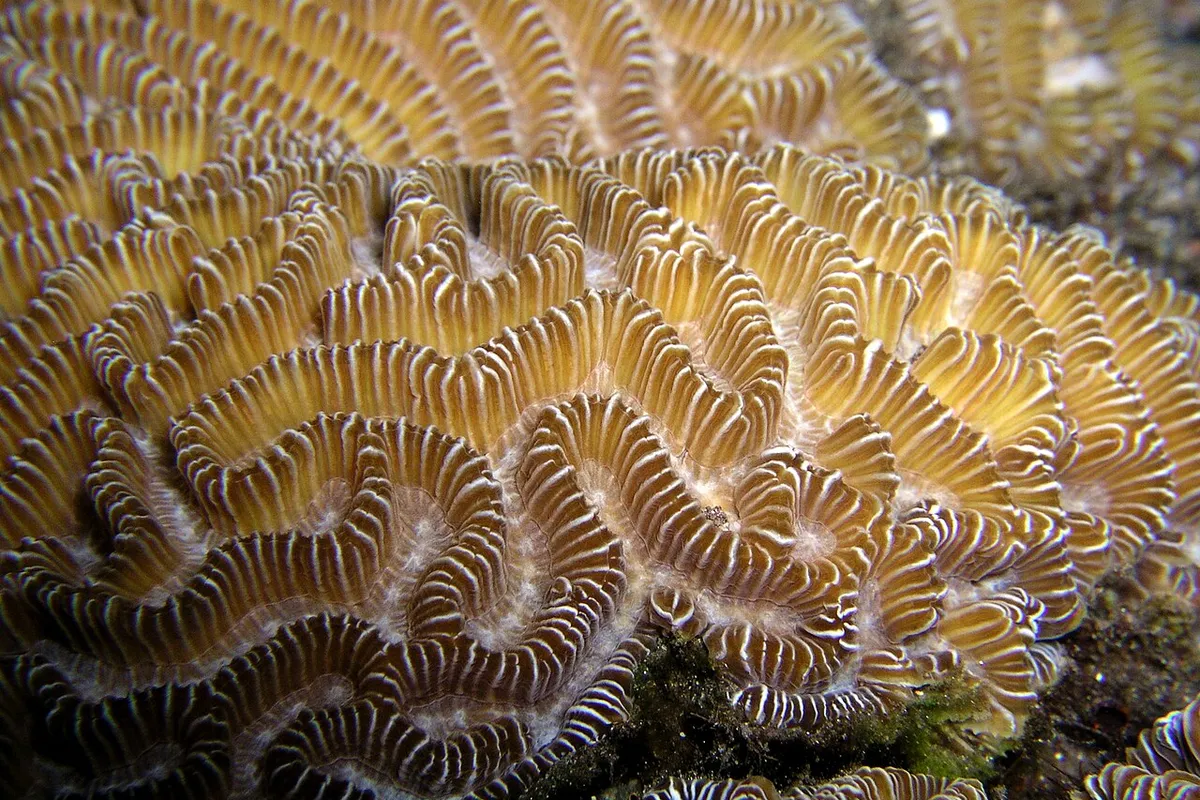
Maze brain corals form rounded colonies with winding, maze-like valleys. Here is how to light, feed and place Platygyra in a reef tank.
Read more →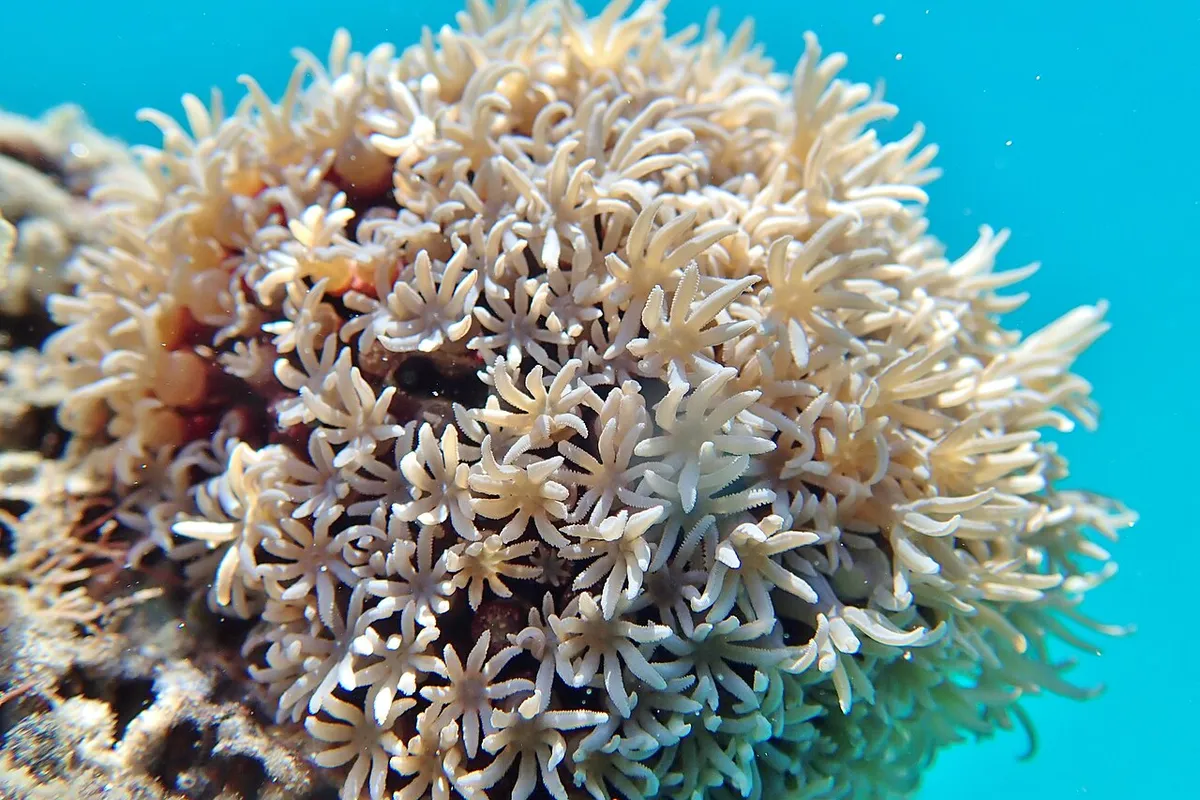
Organ pipe coral is a soft coral with a bright red skeleton of tiny tubes. Here is how to keep live Tubipora musica in a reef tank.
Read more →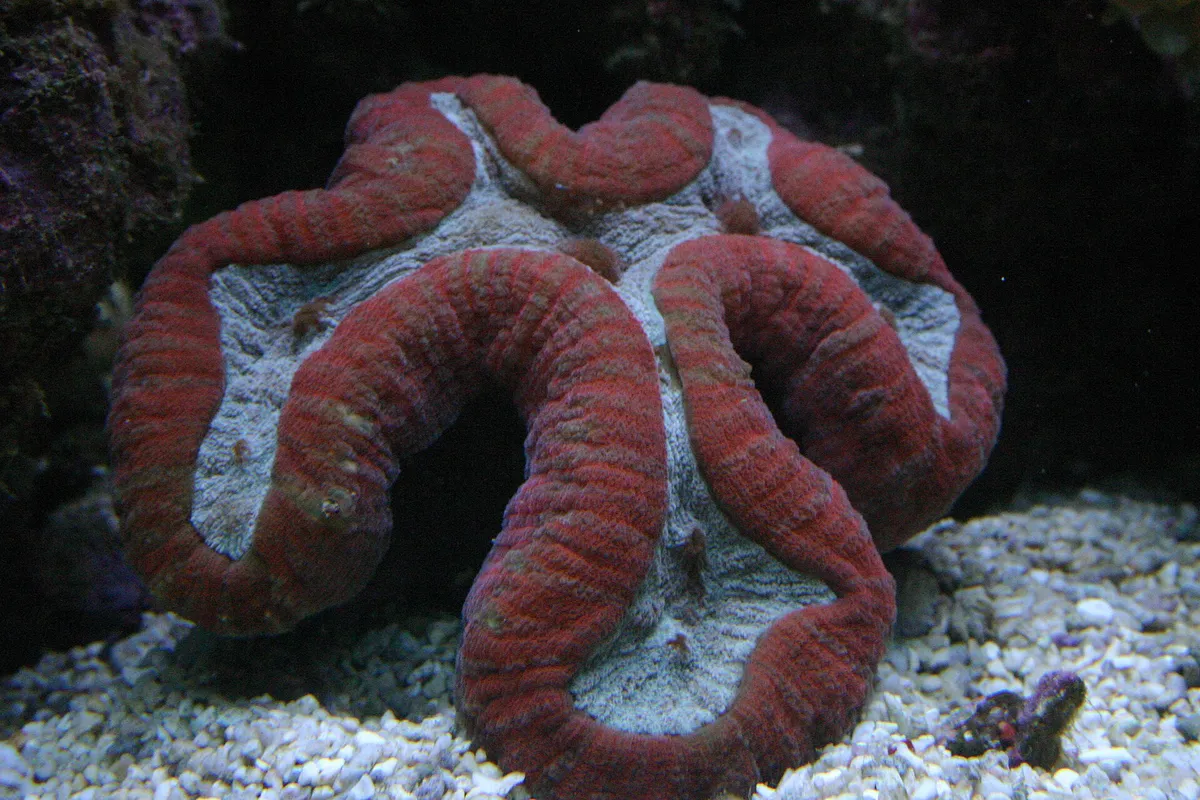
Lobophyllia, or lobo brain coral, is a fleshy, colourful large-polyp stony coral with fat, meandering lobes. It is hardy, peaceful for an LPS coral…
Read more →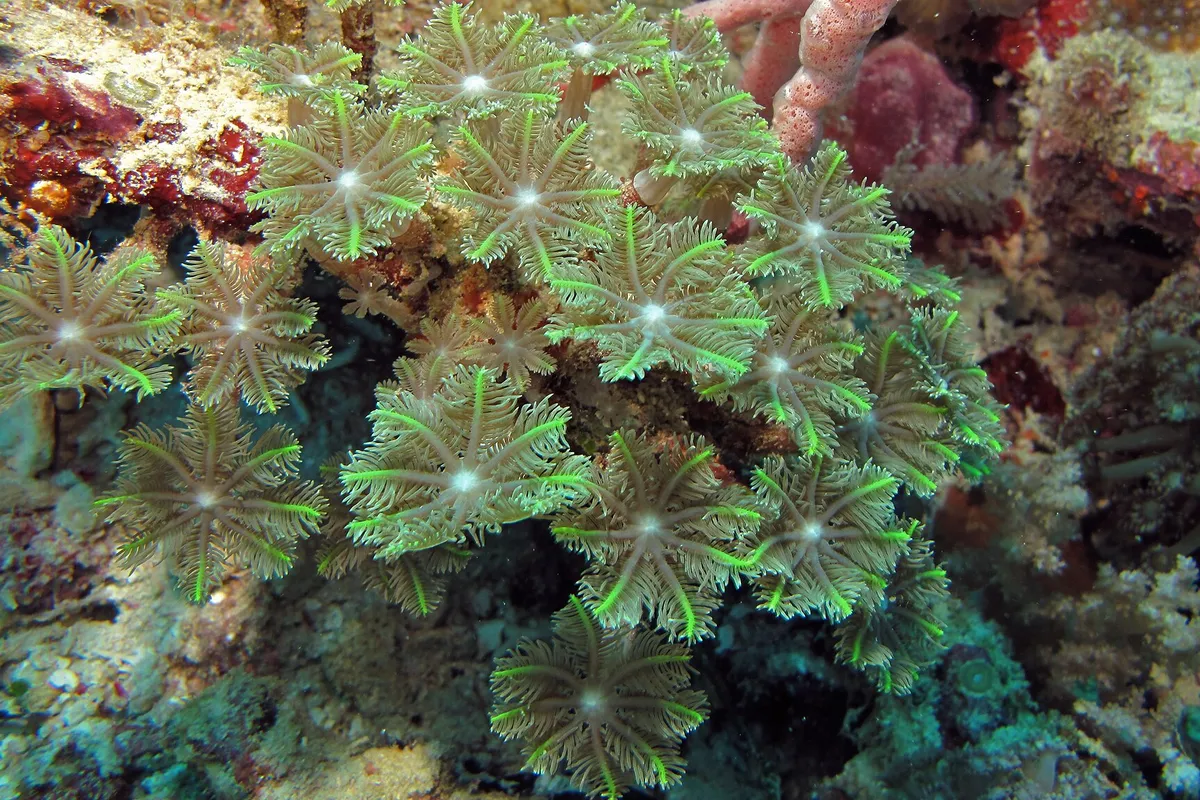
Clove polyps are hardy soft corals with feathery, eight-armed polyps that spread over rock. They are easy, beautiful and fast growing, so give them…
Read more →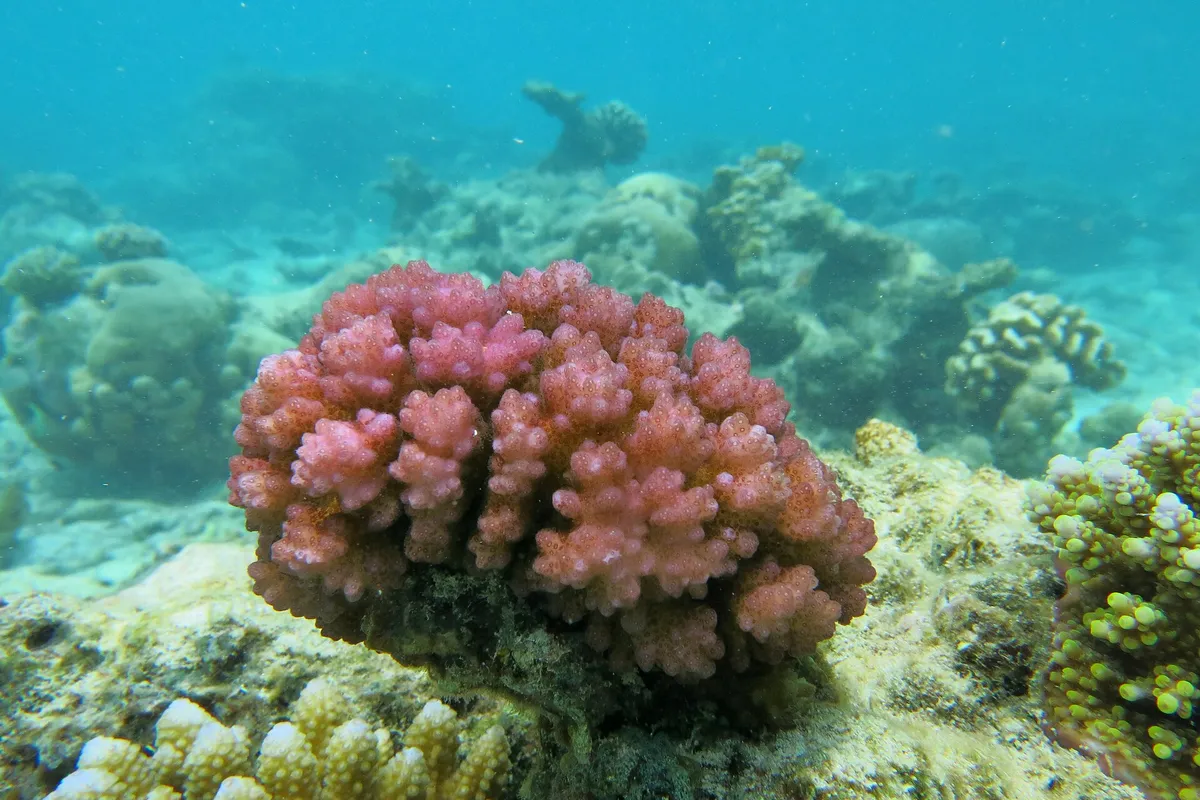
Cauliflower coral is a fast-growing, branching stony coral that is one of the easiest SPS corals to keep. It needs strong light, good flow and stab…
Read more →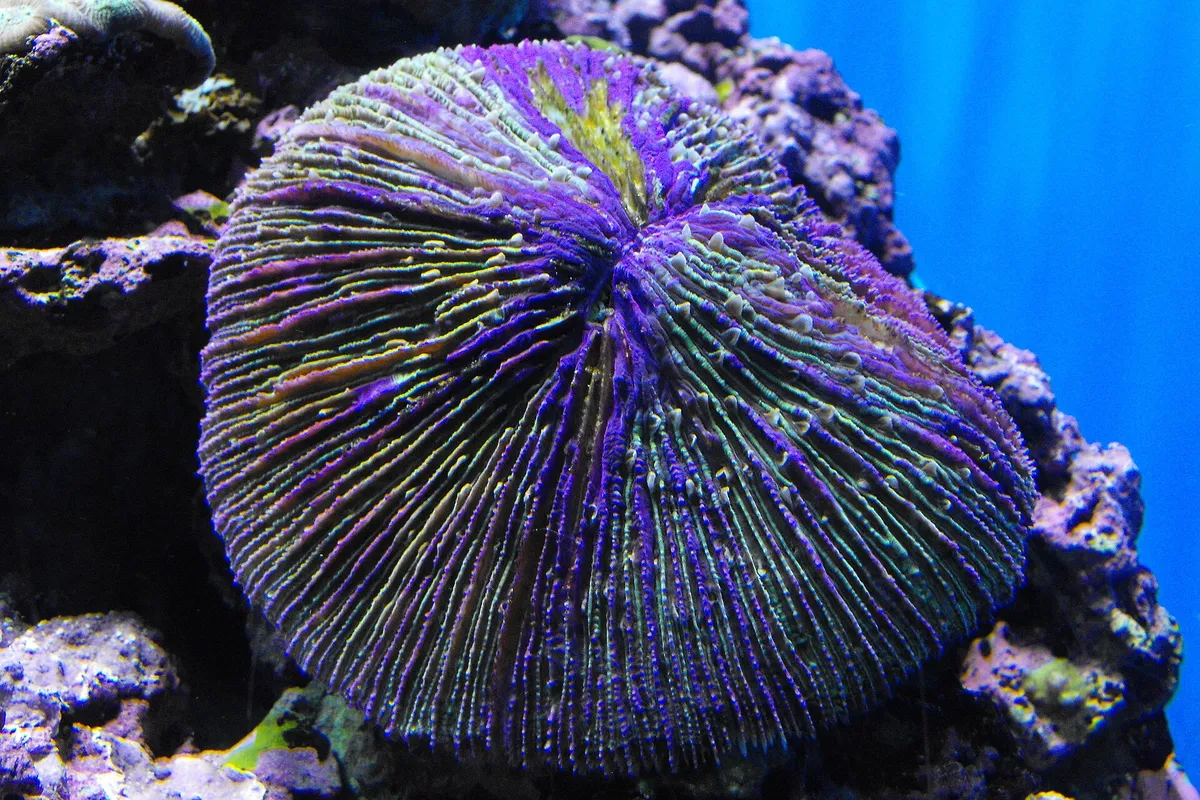
Plate corals are free-living, disc-shaped stony corals that sit on the sand and can even move. They are hardy, colourful and one of the best large-…
Read more →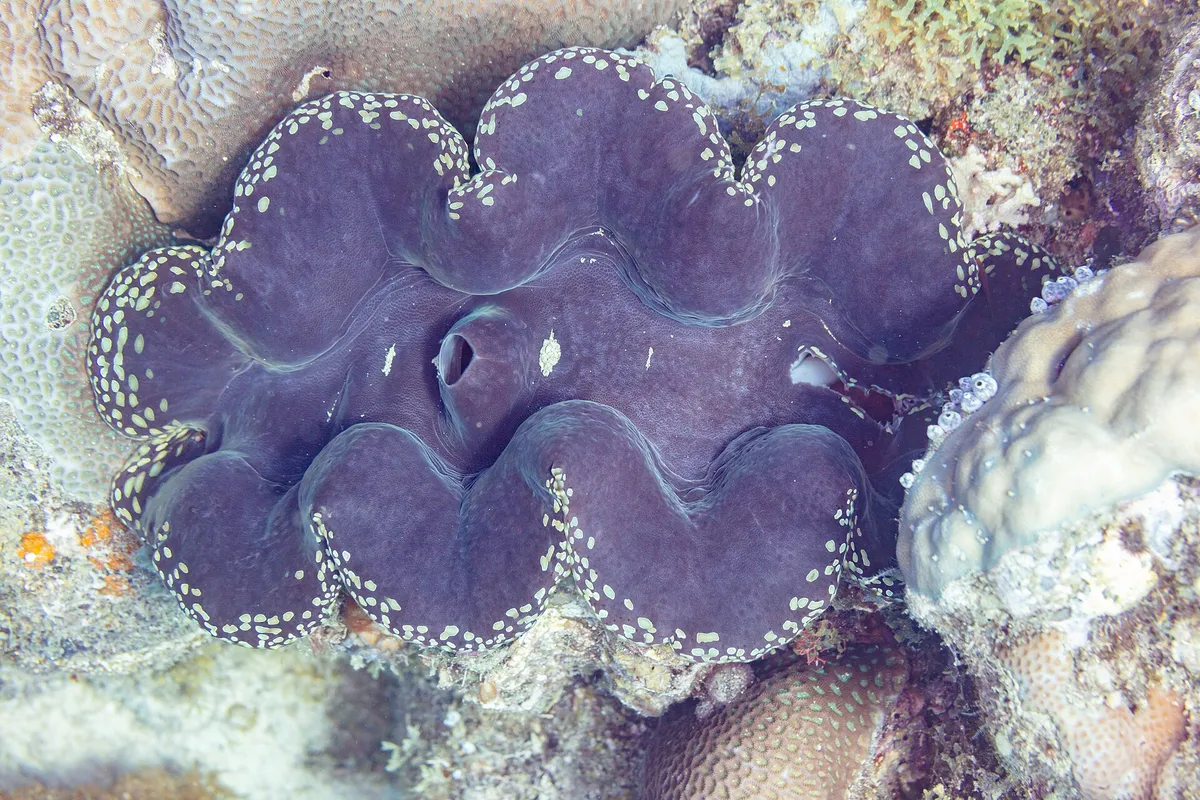
The squamosa clam is a giant clam with a fluted, scaly shell and a colourful mantle. It is one of the easier Tridacna clams, needing strong light a…
Read more →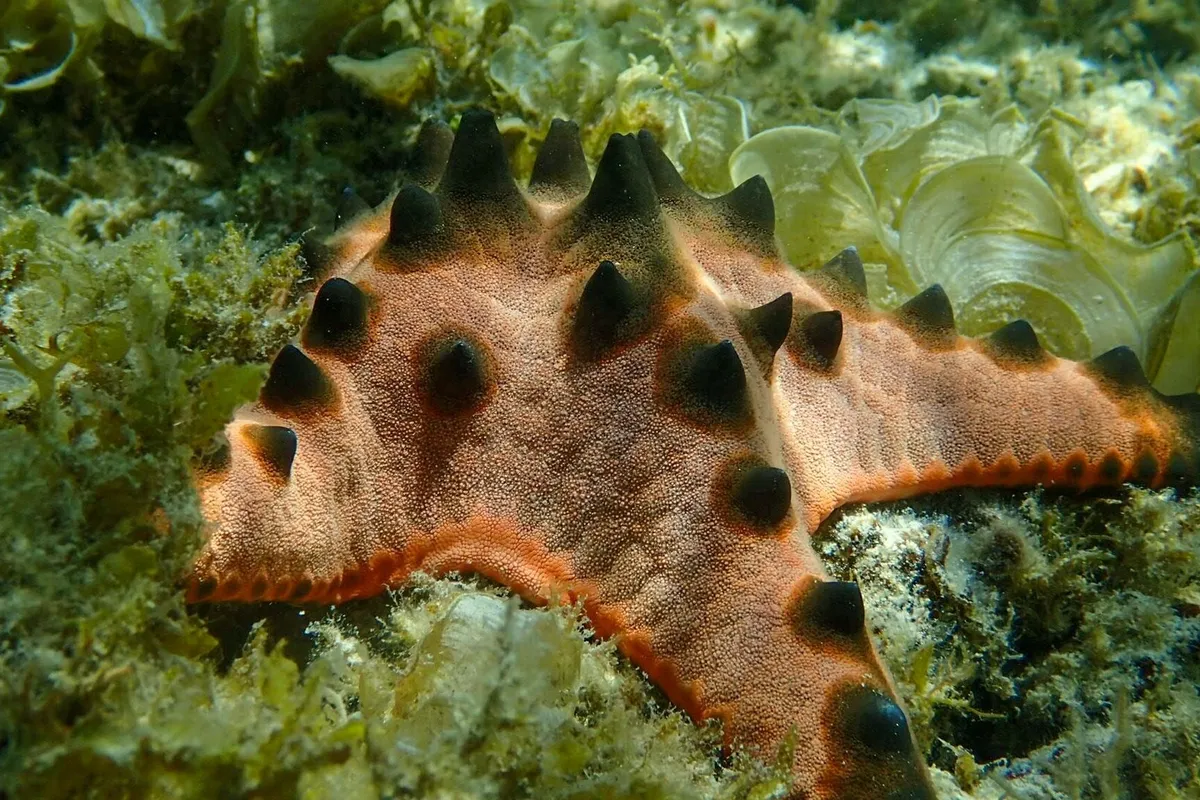
The chocolate chip starfish is a hardy, easy-to-feed sea star with dark knobs on its back. It suits fish-only tanks, but it is not reef safe: it ea…
Read more →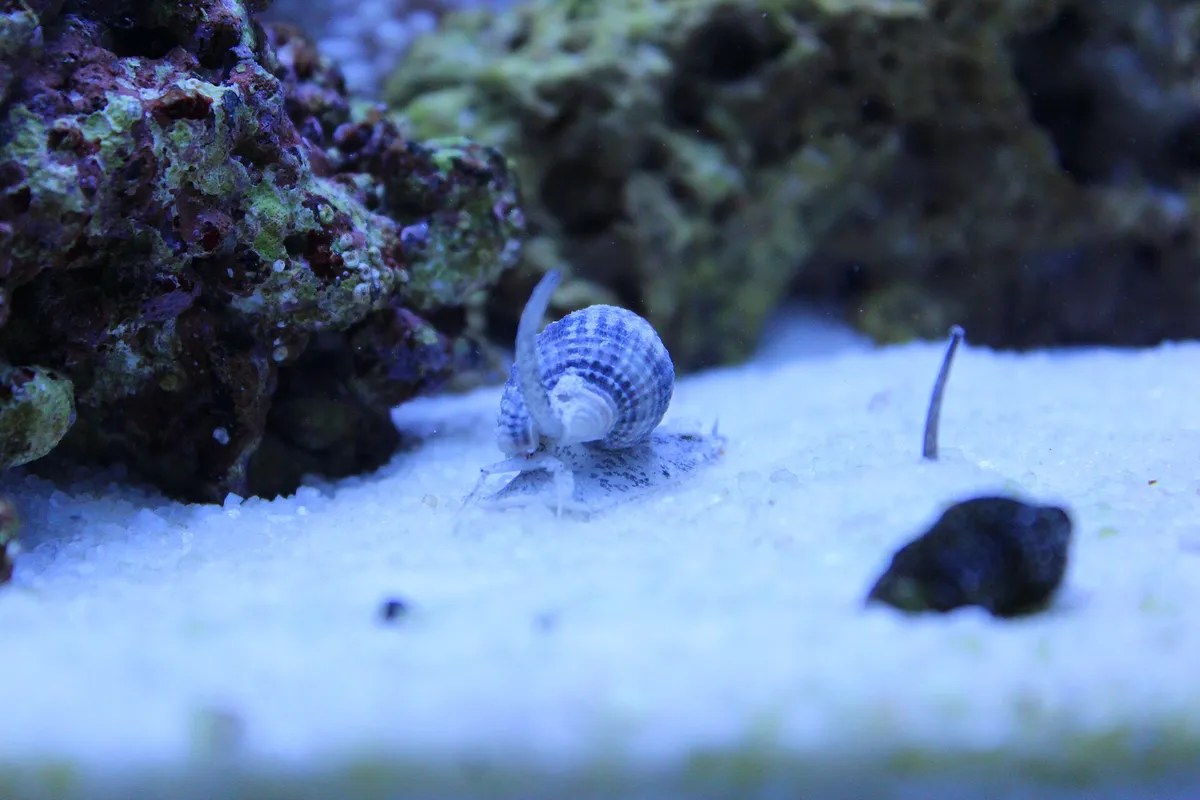
Nassarius snails bury in the sand and burst out the moment food hits the bottom. They are reef-safe scavengers that clean leftover food and keep sa…
Read more →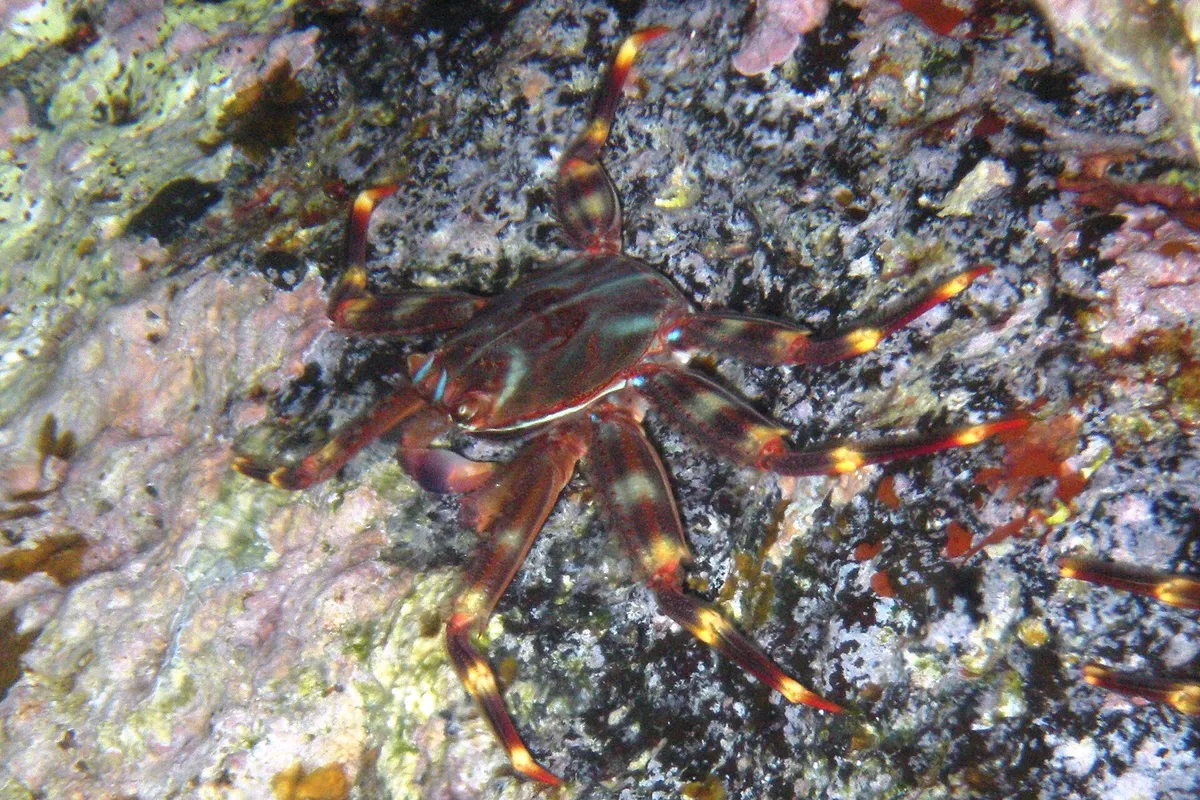
The Sally Lightfoot crab is a flat, fast, algae-eating crab that is great at clearing hair algae. It is mostly reef safe, but large ones can turn o…
Read more →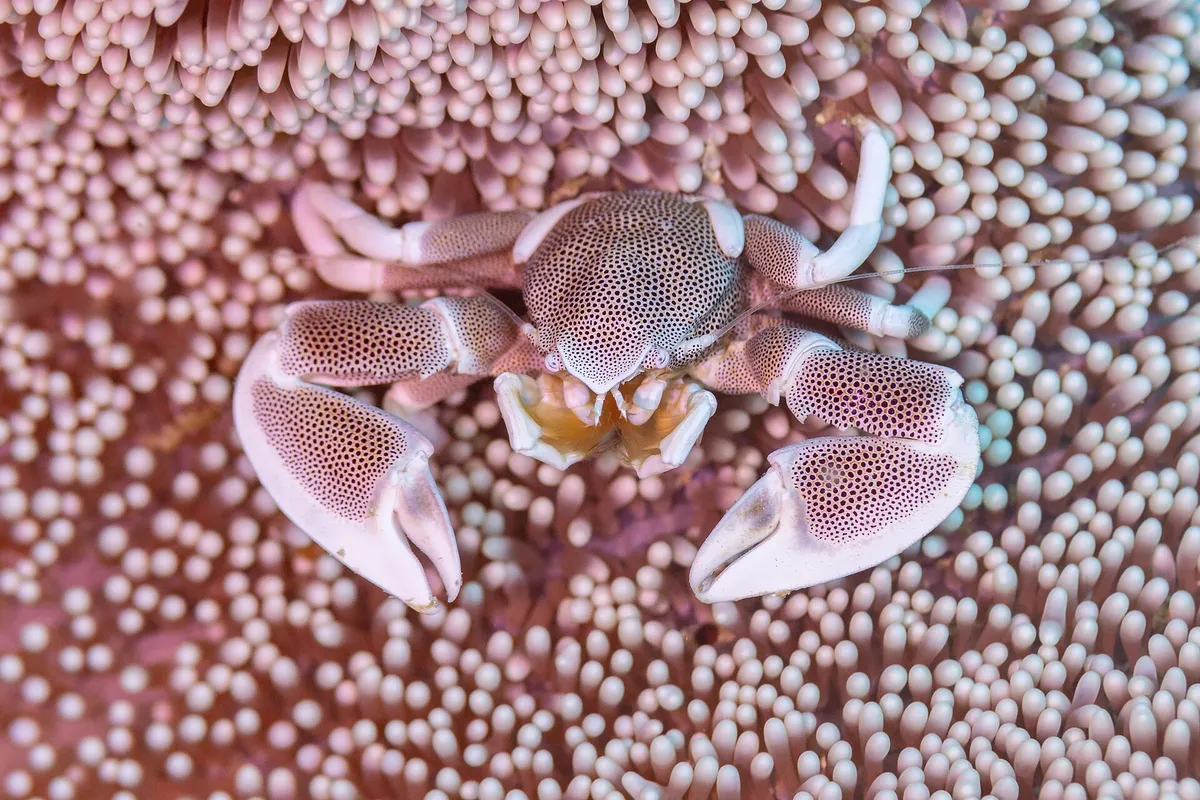
The spotted porcelain crab lives in anemones and feeds by sweeping the water with feathery fans. It is small, peaceful, reef safe and one of the be…
Read more →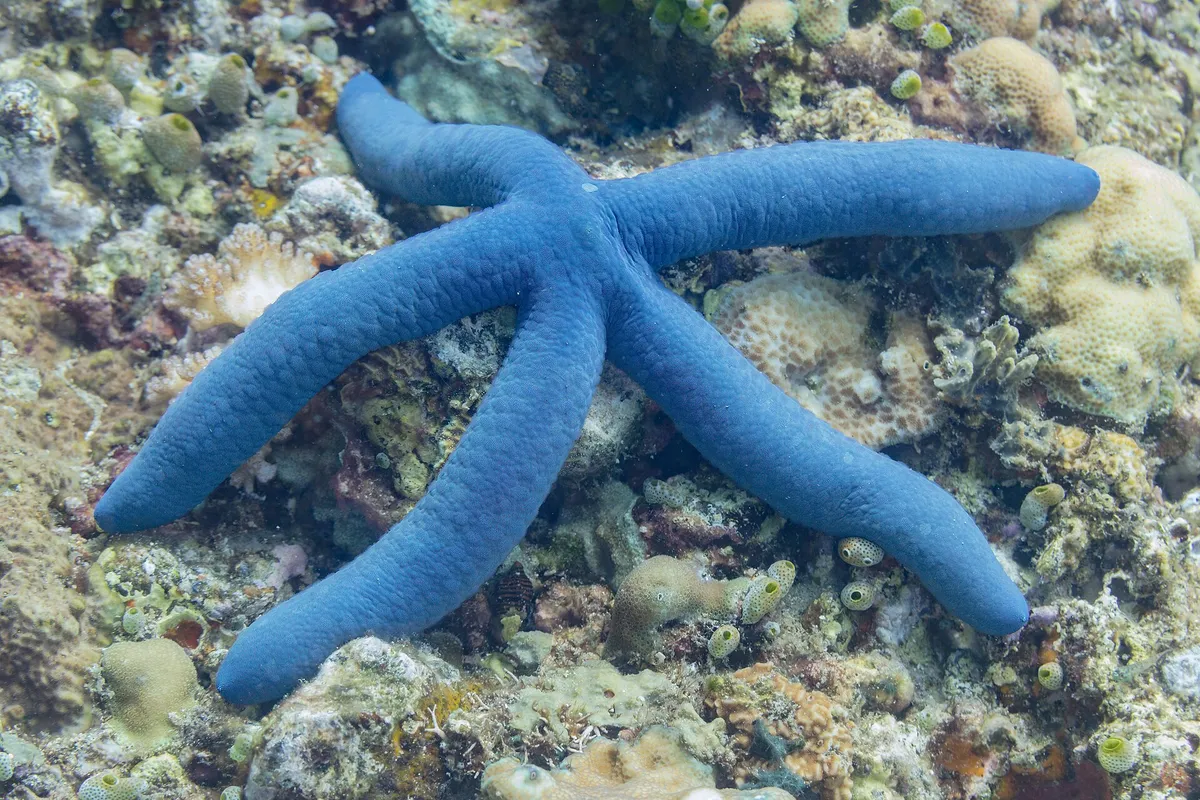
The blue linckia is a stunning, electric-blue starfish that is reef safe but very hard to keep alive. It needs a large, very mature tank and slow,…
Read more →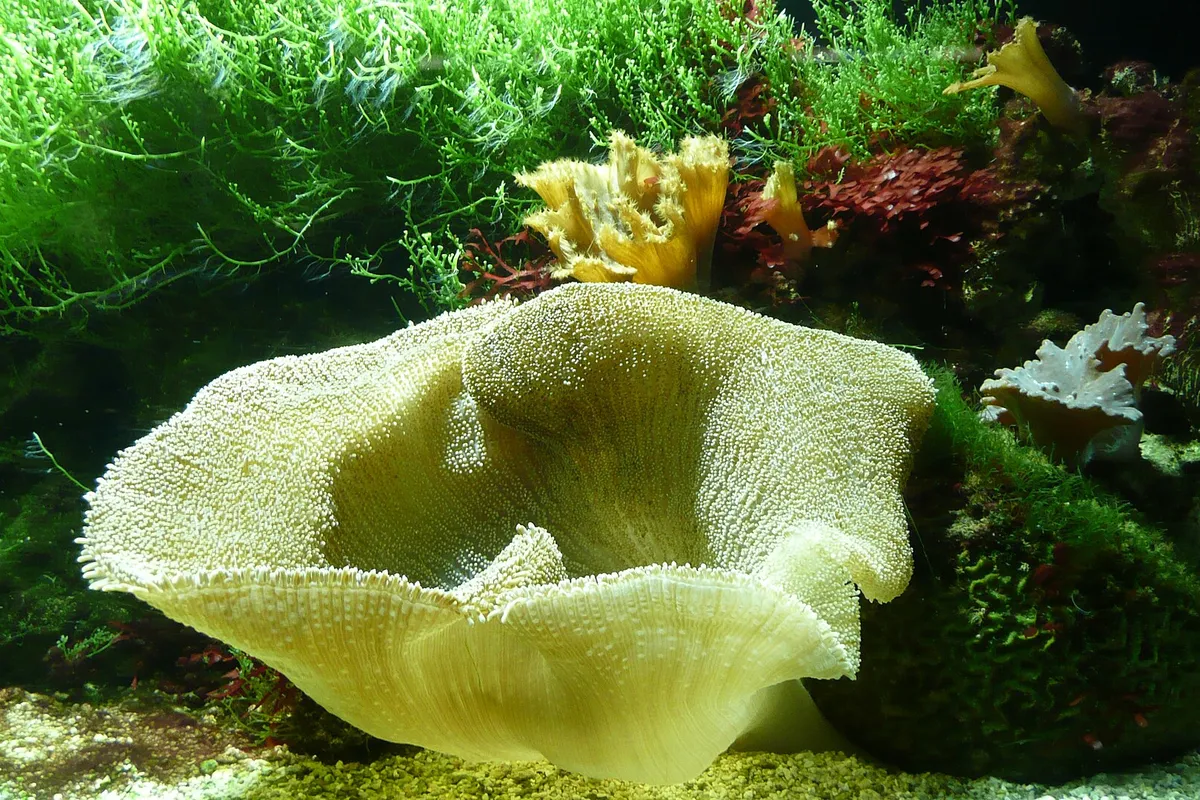
Stichodactyla haddoni is a large, sticky saddle carpet anemone up to 80 cm across that hosts clownfish but eats fish too, so it needs a big, mature…
Read more →