

Introduction to Cory Catfish
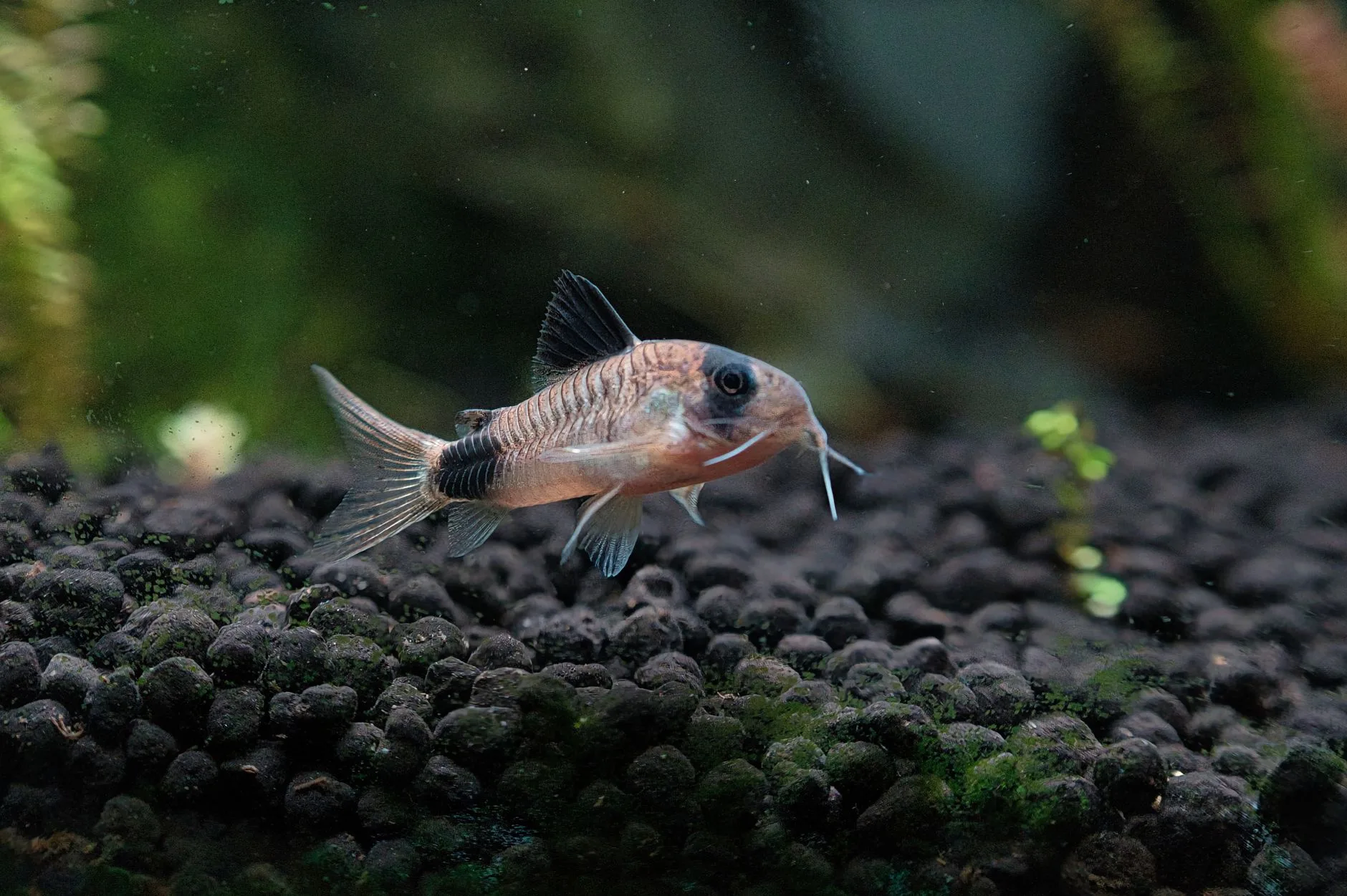
The cory cat care guide is essential for anyone looking to keep these delightful fish in their aquarium. Cory Catfish, belonging to the genus Corydoras, are small, bottom-dwelling fish that are popular among aquarium enthusiasts. Their friendly nature and ease of care make them a great addition to community tanks.
What Are Corydoras Catfish?
Corydoras Catfish, often simply referred to as corys, are known for their unique appearance and social behavior. They have armored bodies and whisker-like barbels that help them forage for food on the tank bottom. These fish are typically peaceful and thrive in groups, making them ideal for community aquariums.
Cory Catfish Appearance and Behavior
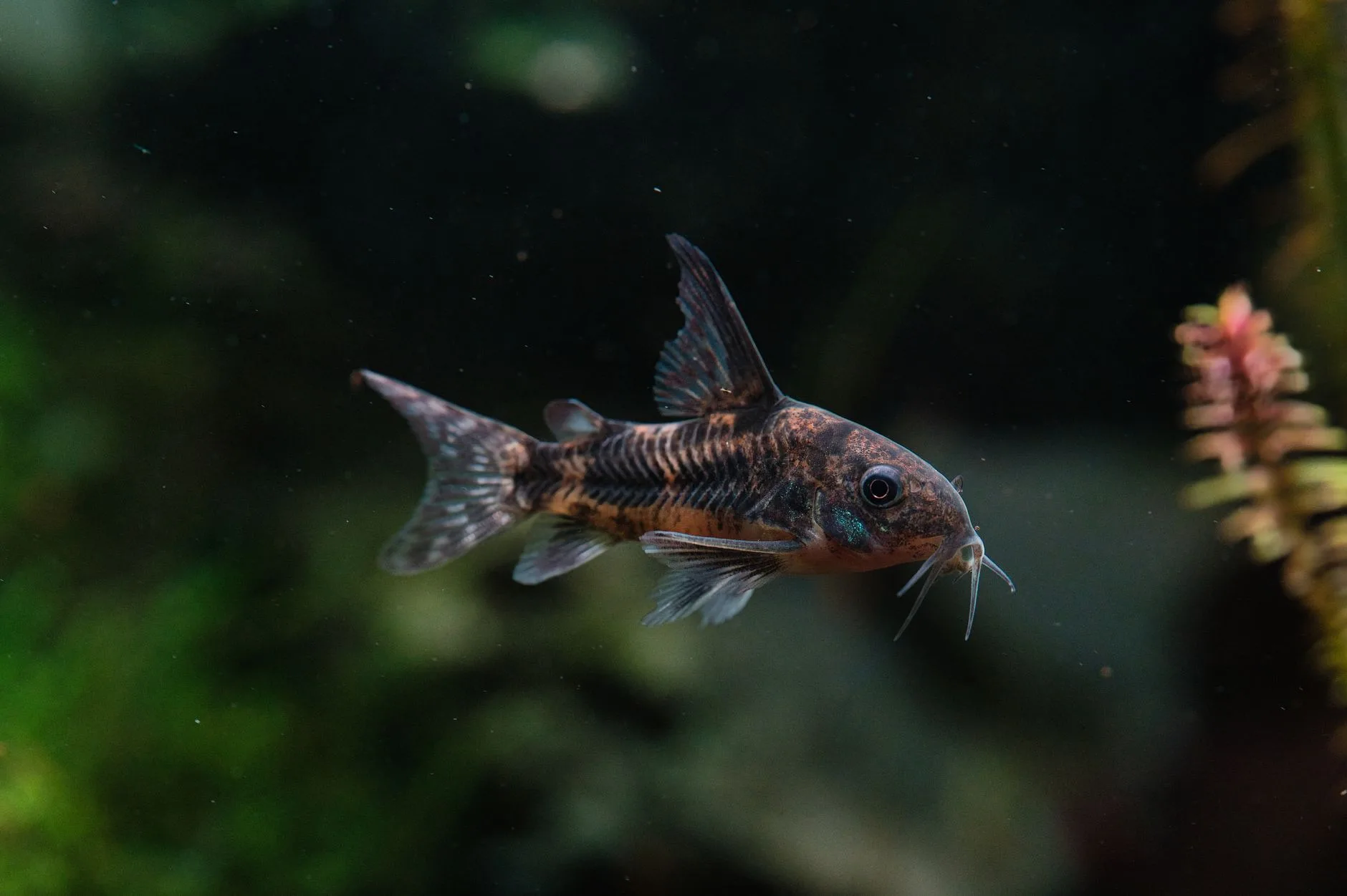
Cory Catfish are characterized by their distinctive patterns and colors, which vary among species. They are social fish that thrive in schools, often seen foraging together on the tank bottom. Their playful nature and interactions with each other can be a joy to observe. Some common species include the Bronze Corydoras, Panda Corydoras, and Albino Corydoras, each with unique traits and colors that can enhance the beauty of your aquarium.
Tank Requirements for Cory Catfish
- Ideal tank size: A minimum of 20 gallons is recommended for a small school of corys.
- Water parameters: Maintain a temperature of 22-28°C and a pH of 6.5-7.5 for optimal health.
- Substrate: A soft, sandy substrate is preferred to protect their delicate barbels from injury.
- Decorations: Include plants and hiding spots to create a comfortable environment for your corys.
What Size Tank Do Cory Catfish Need?
Cory Catfish thrive best in groups, so a larger tank is ideal. A 20-gallon tank is the minimum size recommended for a small school of these fish. This size allows them enough space to swim and explore while maintaining stable water conditions. If you plan to keep a larger group, consider a 30-gallon tank to provide even more room for swimming and social interaction.
Do Cory Catfish Need Sand Substrate?
Yes, corys benefit greatly from a sandy substrate. Their barbels are sensitive, and a soft sand bottom prevents injury while they forage for food. Avoid sharp gravel or rough substrates that could harm them. Additionally, a sandy substrate can help maintain water quality by allowing beneficial bacteria to thrive, which is essential for a healthy aquarium environment.
Diet and Feeding Guidelines
- Types of food: High-quality pellets, flakes, and occasional live or frozen foods are great options for feeding your corys.
- Feeding frequency: Feed small amounts 2-3 times a day to ensure they receive adequate nutrition without overfeeding.
- Common mistakes: Avoid overfeeding and ensure that food reaches the bottom of the tank where corys can access it.
What Should I Feed My Cory Catfish?
Cory Catfish enjoy a varied diet. High-quality sinking pellets are a staple, but you can also offer them flakes, freeze-dried foods, and occasional live or frozen options like brine shrimp or bloodworms. This variety helps keep them healthy and active. It's important to monitor their feeding habits and adjust portions accordingly to prevent waste and maintain water quality.
Can You Breed Cory Catfish in Aquariums?
Yes, breeding Cory Catfish in aquariums is possible with the right setup. Provide a separate breeding tank with clean water and spawning surfaces such as flat stones or plants. Ensure the water conditions are optimal to encourage breeding behavior. Breeding can be stimulated by performing a water change with cooler water, mimicking the rainy season in their natural habitat.

Breeding Cory Catfish
- Breeding setup: A separate breeding tank with clean water and spawning surfaces is essential.
- Care for fry: Use infusoria or finely crushed flakes for feeding fry until they are large enough to eat regular food.
- Challenges: Monitor for aggression among adults and ensure proper water conditions to support the fry's growth.
Best Tank Mates for Cory Catfish
- Compatible species: Tetras, guppies, and other peaceful community fish make excellent tank mates for corys.
- Fish to avoid: Aggressive species that may bully corys should be avoided to maintain a peaceful environment.
- Community considerations: Ensure all tank mates are of similar size and temperament to prevent stress and aggression.
Common Corydoras Catfish Health Problems
Like all fish, Cory Catfish can experience health issues. Common signs of illness include changes in behavior, appetite, or physical appearance. Maintaining good water quality and a balanced diet is crucial for prevention. If you notice any signs of illness, consider quarantining sick fish and consulting a vet for severe issues. Regular water testing can help catch problems early before they affect your fish.
Signs of a Healthy Corydoras Catfish
Healthy corys are active, social, and have a good appetite. Their colors should be vibrant, and they should swim freely without signs of distress. Regular observation helps ensure your corys remain in good health. Look for signs such as clear eyes, smooth skin, and active foraging behavior as indicators of well-being.
FAQs About Cory Catfish Care
How many Cory Catfish should I keep together?
It’s best to keep Cory Catfish in groups of at least 6 to ensure they feel secure and can exhibit their natural social behaviors. A larger group can also help reduce stress and promote a more natural environment.
What do Cory Catfish eat in a home aquarium?
Cory Catfish eat a variety of foods, including high-quality sinking pellets, flakes, and occasional live or frozen foods to maintain a balanced diet. Providing a mix of food types can help mimic their natural foraging behavior and keep them healthy.
What tank conditions do Cory Catfish need?
Corys thrive in a tank with a temperature of 22-28°C, a pH of 6.5-7.5, and a soft sandy substrate to protect their barbels. Regular water changes and monitoring of water parameters are essential for their health.
Cory Cat Care Guide: Essential Tips for Success
In summary, maintaining a healthy environment for your Cory Catfish involves understanding their needs and providing the right care. Regular tank maintenance, proper feeding, and monitoring their health will ensure your corys thrive in your aquarium.
Cory Catfish thrive in a well-maintained tank with stable water parameters, including a temperature range of 22-28°C and a pH of 6.5-7.5. They prefer a sandy substrate and plenty of hiding spots.What tank conditions do Cory Catfish need?
Cory Catfish are omnivores and enjoy a varied diet including high-quality pellets, flakes, and occasional treats like bloodworms or brine shrimp. It's important to provide a balanced diet for optimal health.What do Cory Catfish eat in a home aquarium?
Cory Catfish are social creatures and should be kept in groups of at least 5-6 individuals to feel secure and exhibit natural behaviors. Keeping them in larger groups can enhance their well-being.How many Cory Catfish should I keep together?


Explore other topics
Dive into more aquarium guides across the site.