

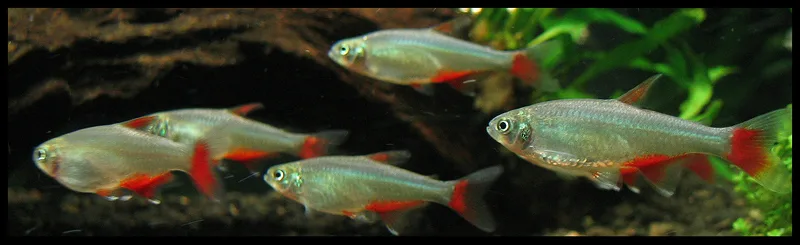
Bloodfin Tetra (Aphyocharax anisitsi)
The Bloodfin Tetra (Aphyocharax anisitsi) is a beloved aquarium species valued for its colour, behaviour, and fit in planted community tanks. This guide covers natural habitat, appearance, tank setup, water conditions, diet, compatibility, sexing, breeding, ease of care, and common health concerns so you can keep bloodfin tetras thriving with the same level of detail as our other fish species profiles.
Keeper notes: Very hardy and somewhat cool-tolerant. Keep numbers high so activity stays playful instead of nippy.
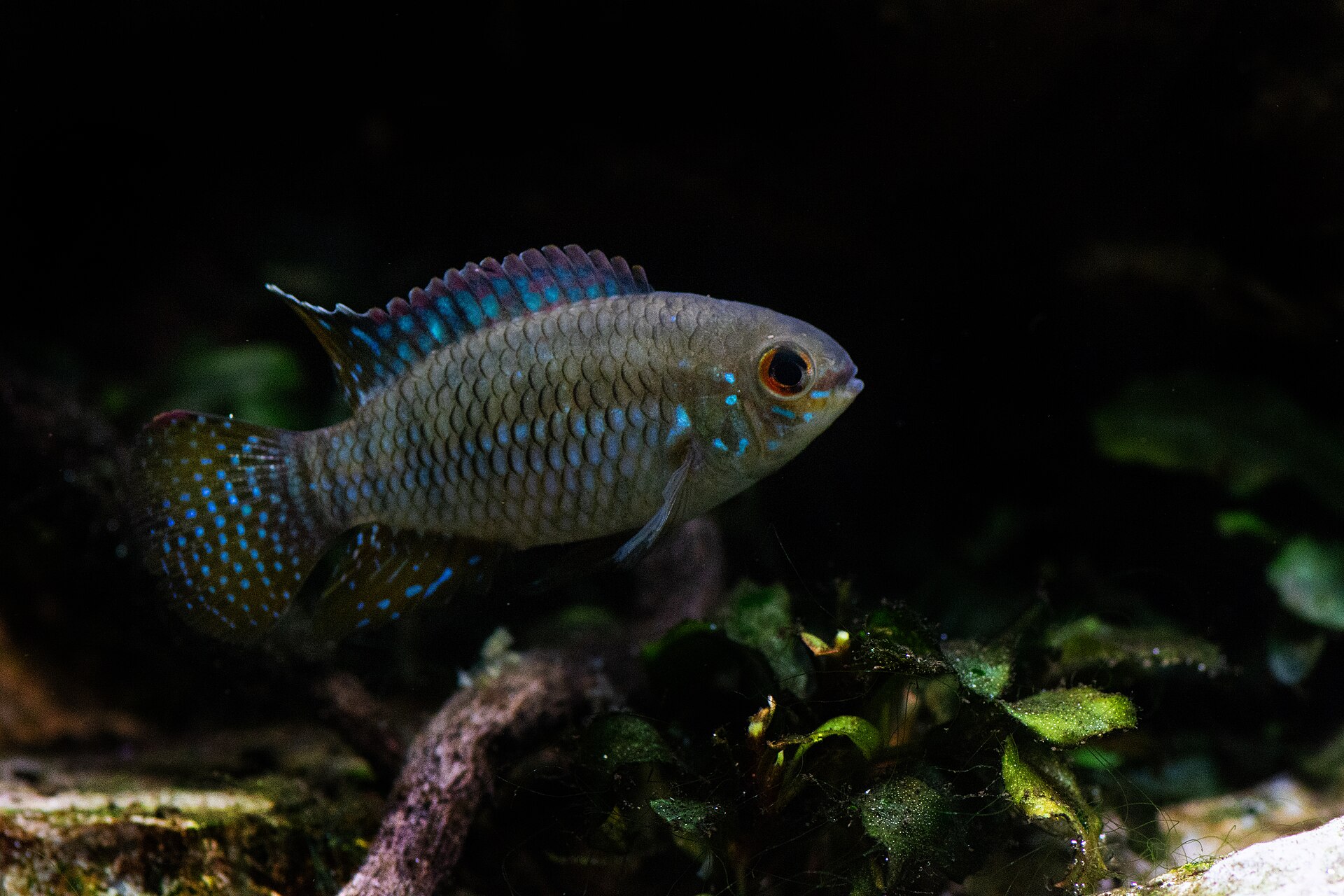
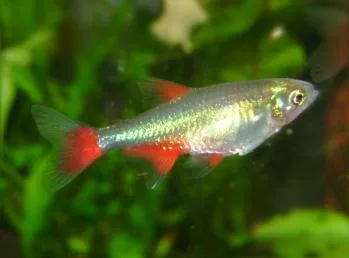 Bloodfin Tetra (Aphyocharax anisitsi). Photo: Hemigrammus at German Wikipedia / Wikimedia Commons (CC BY-SA 3.0)
Natural Habitat and Origin
Bloodfin Tetras are native to La Plata basin rivers in Argentina, Paraguay, and southern Brazil. In the wild they associate with vegetated margins, structure, and water conditions that shaped their temperament — recreating that sheltered, stable feel reduces stress and brings out stronger colour.
Understanding the wild backdrop also explains their preferences: consistent parameters, appropriate flow, and aquascaping that offers cover without trapping them in stagnant corners.
Appearance and Size
Adults typically reach about 2–2.25 inches (5–6 cm). Body form and colour vary with age, sex, diet, and water quality — fish kept in clean, warm, well-filtered water with a varied diet usually show the richest tones. Look for clear eyes, intact fins, and species-typical activity as everyday health signs.
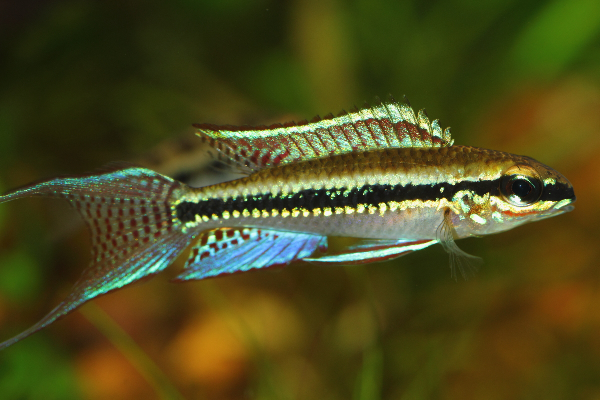
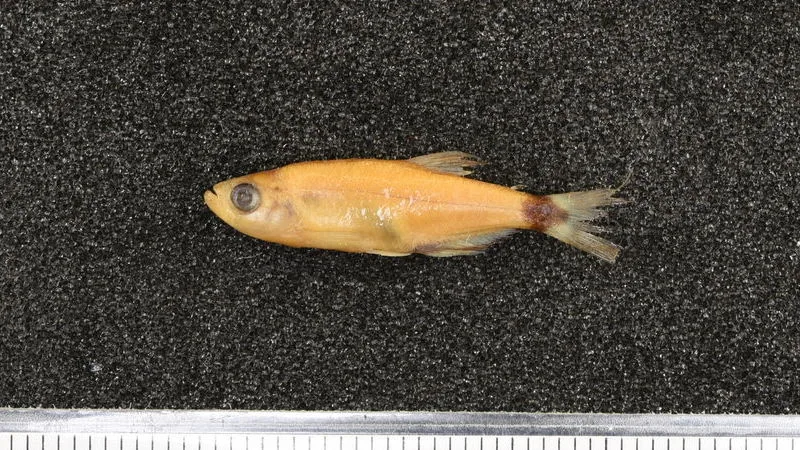 Bloodfin Tetra (Aphyocharax anisitsi). Photo: Karl Heinz Lüling / Wikimedia Commons (CC BY-SA 4.0)
Tank Size and Aquarium Setup
Plan around 20–30 gallon (75–110 L) long for 8+. Prioritise swimming length, cover, and water quality over towering depth alone.
Setup tips:
- Use live plants, driftwood, rock, or leaf litter to create shaded retreats.
- Leave open lanes for schooling or cruising behaviour.
- Keep filtration effective but matched to the species’ flow preference.
- Dim harsh lighting with floating plants if the fish look washed-out or shy.
- Quarantine new arrivals when possible before introducing them to a display community.
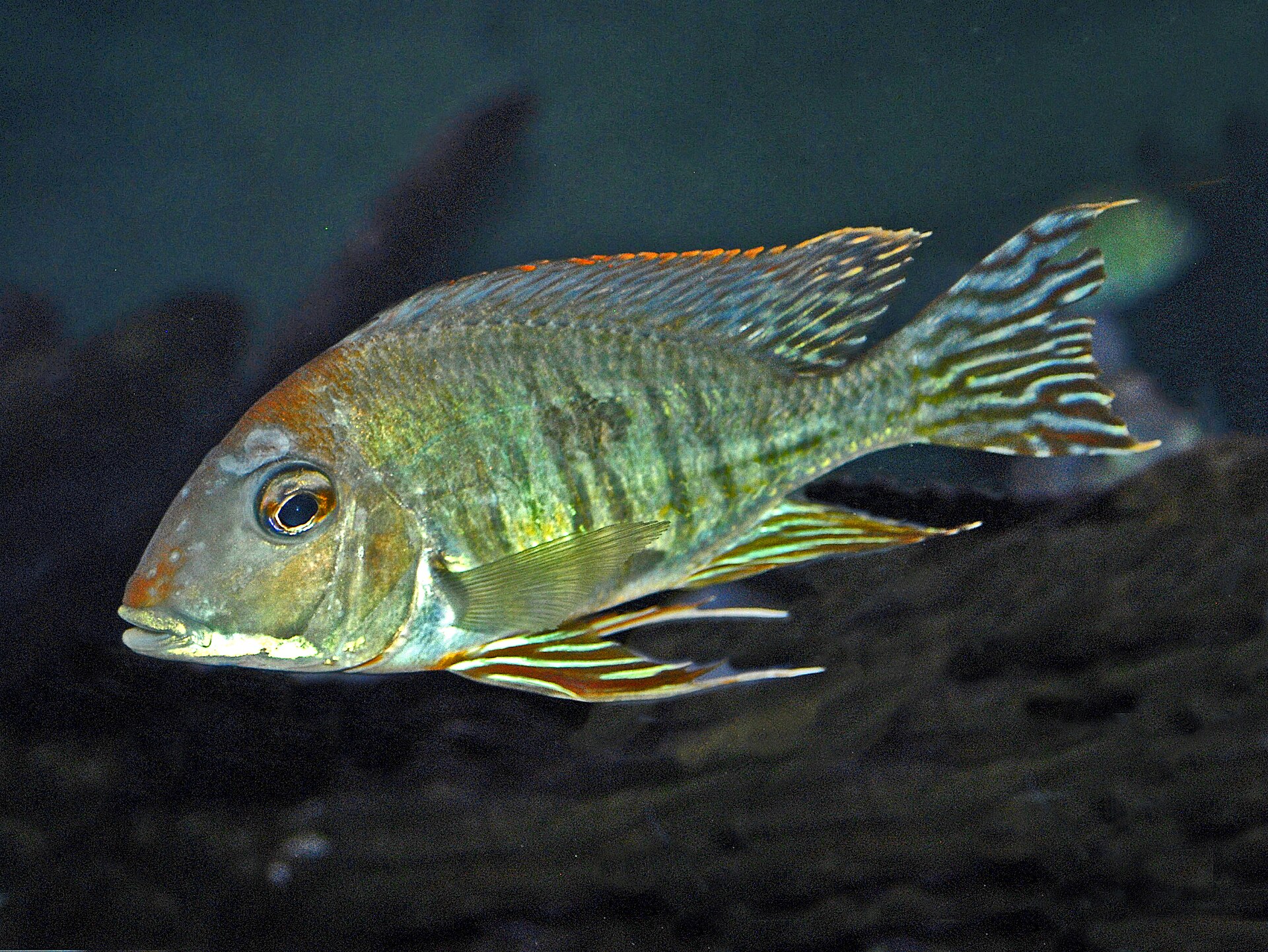
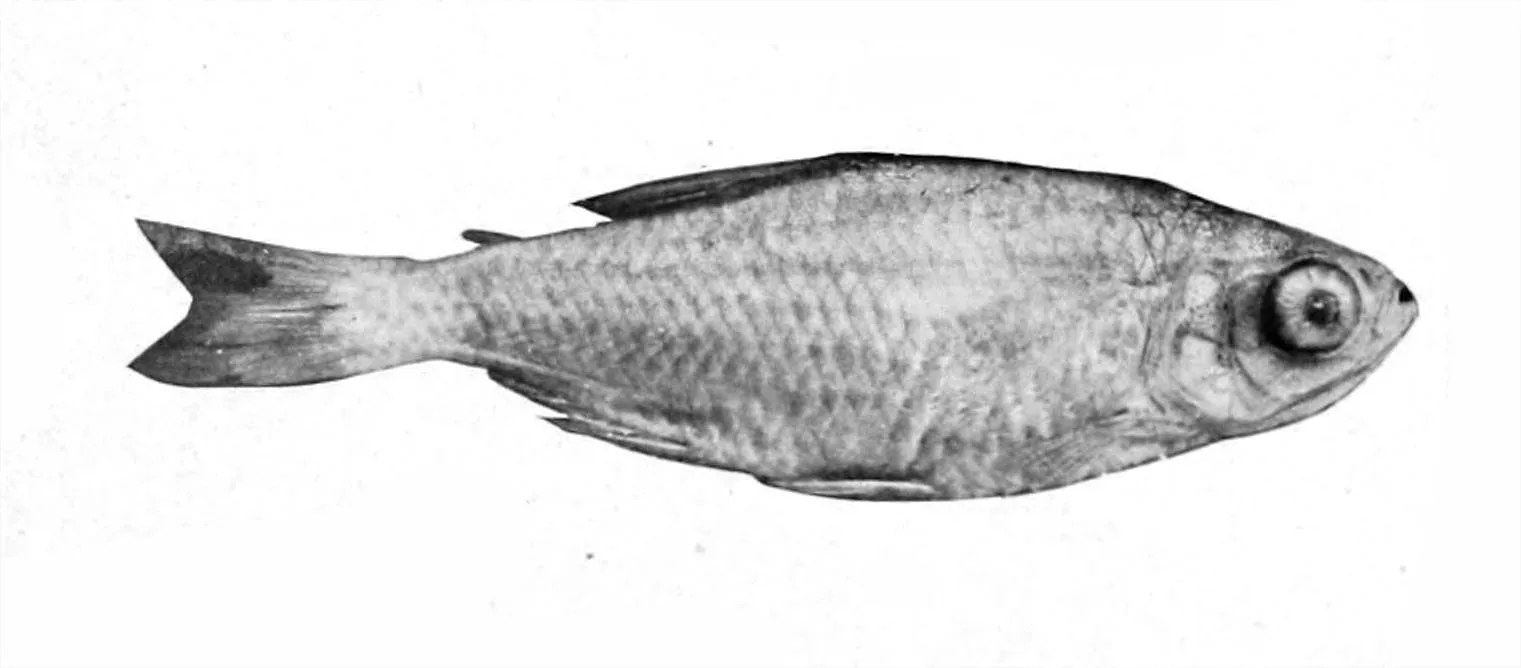 Bloodfin Tetra (Aphyocharax anisitsi). Photo: Carl H. Eigenmann / Wikimedia Commons (Public domain)
Water Conditions
Target these aquarium parameters and, more importantly, keep them stable:

- Temperature: 64–82°F (18–28°C)
- pH: 6.0–8.0
- Hardness: soft to moderately hard suits most of their wild range; avoid sudden swings
- Ammonia / nitrite: always 0 ppm
- Maintenance: weekly partial water changes and routine filter care
Colour loss, clamped fins, or frantic surface behaviour often track back to water-quality stress long before a pathogen is involved. Test regularly and correct the root cause first.
Diet and Feeding
In nature this species is best described as a omnivore / micropredator. In the aquarium offer:
- A quality pellet or flake staple sized to the mouth
- Frozen or live foods such as brine shrimp, daphnia, mysis, or finely chopped meaty foods
- Occasional plant-based or spirulina foods when the species is omnivorous
Feed small portions once or twice daily. A varied diet supports immune strength, breeding condition, and vivid pigmentation.
Temperament and Community Compatibility
Stock as groups of 8 or more. Proper numbers and spacing reduce nervousness, harassment, and nipping.
Good tank mates: peaceful community fish of similar size and temperament — tetras, rasboras, peaceful dwarf cichlids, corydoras, and shrimp in mature planted tanks where appropriate.
Avoid: large predators, chronic fin-nippers, and overcrowded tanks that deny territories.
Sexing
Males are often slimmer and more intensely coloured, especially when displaying. Females typically look rounder when gravid and may show softer tones. Differences become clearer once fish are mature and settled.
Breeding Behavior
Condition adults with live/frozen foods, provide spawning sites suited to the species (fine plants, caves, or open substrate), and protect eggs or fry as needed. Soft, warm, stable water with minimal pollution improves success.
Ease of Care
Overall care level: beginner. Healthy stock, a cycled tank, and consistent maintenance matter more than boutique gadgets.
Common Health Concerns
- Stress from overcrowding or incompatible tank mates
- Ich and fungal issues after big temperature or water swings
- Faded colour from poor diet or chronically high nitrates
- Injury from aggressive neighbours or rough netting
Prevent problems with quarantine, stable chemistry, and calm aquascapes rather than chasing cure-after-cure treatments.
Related Reading
Conclusion
The Bloodfin Tetra is an information-rich community favourite when given the right foundation: appropriate tank size, cover, stable water, a varied diet, and compatible neighbours. Keep those pillars solid and Aphyocharax anisitsi will repay you with colour, natural behaviour, and the same polished species-profile experience as the rest of the Fishy Friends library.


Explore other topics
Dive into more aquarium guides across the site.