

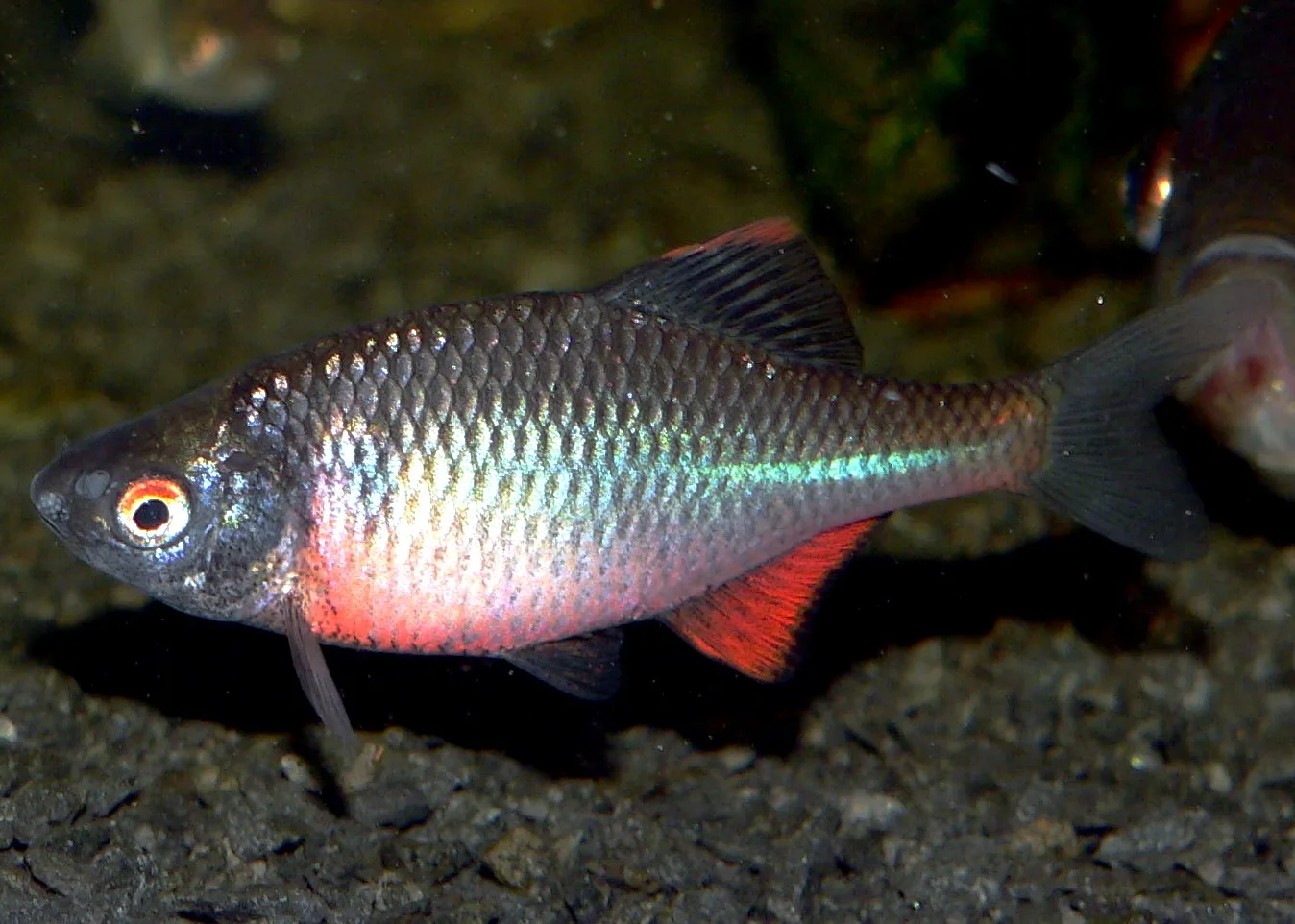
European Bitterling (Rhodeus amarus)
The European Bitterling (Rhodeus amarus) is a popular aquarium fish. This profile covers habitat, appearance, tank setup, water parameters, diet, compatibility, breeding, and health — focused on european bitterling care at home.
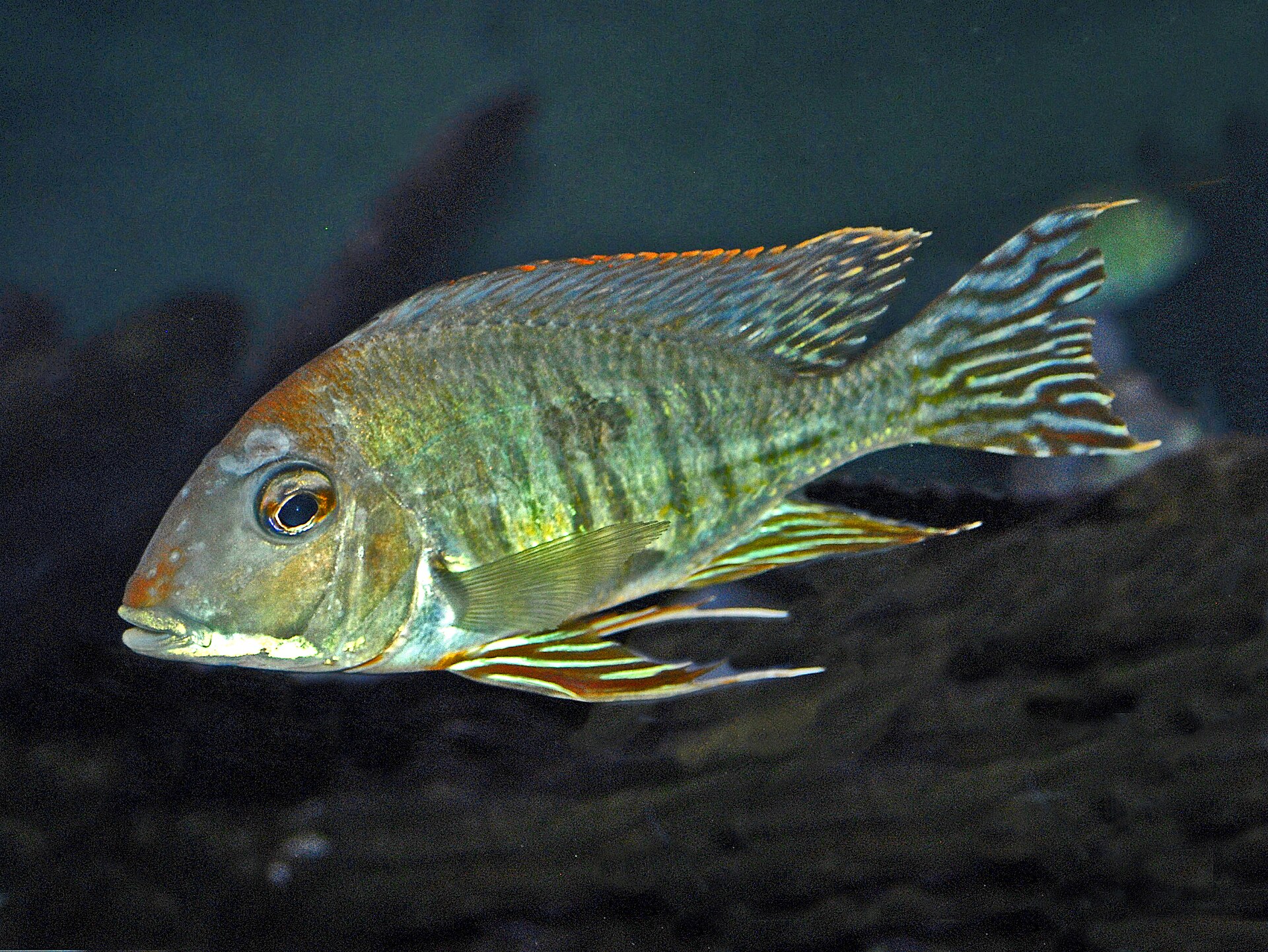
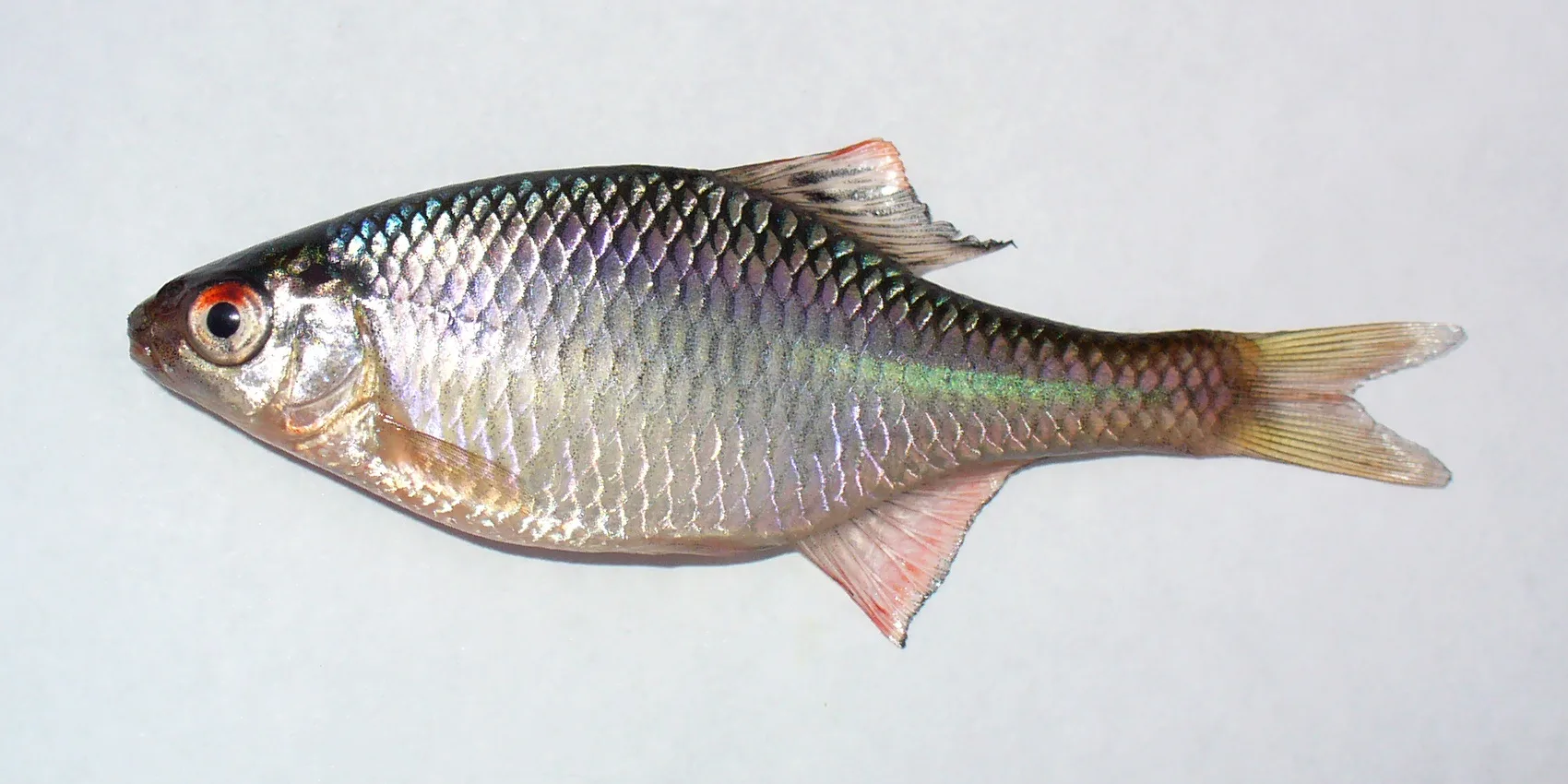 European Bitterling (Rhodeus amarus). Photo: George Chernilevsky / Wikimedia Commons (Public domain)
Natural Habitat and Origin
European Bitterlings come from slow rivers and lakes of Europe. Recreate calm, planted areas with stable water for best color and behavior.
Appearance and Size
Adults reach about 2–3 inches (6–8 cm). Look for clear eyes, intact fins, and active swimming when selecting stock.
Tank Size and Setup
Plan for 20 gallon (75 L)+. Use plants, driftwood, and open swimming lanes. Gentle filtration suits most community species.
Water Conditions

- Temperature: 64–72°F (18–22°C)
- pH: 7.0–8.0
- Ammonia / nitrite: always 0 ppm
Diet and Feeding
Natural diet: omnivore. Offer quality flakes or micro pellets plus frozen or live foods several times weekly.
Compatibility
Keep in groups of 6+ when schooling applies. Avoid aggressive or predatory tank mates that outcompete or harass them.
Breeding
Condition with live foods, provide spawning sites or plants, and protect eggs or fry from adults. Species-specific details vary — observe pairs in a dedicated breeding setup when possible.
Health and Care Level
Overall care: intermediate. Quarantine new fish, maintain weekly water changes, and address water quality before medicating.
Conclusion
With appropriate tank size, stable parameters, and compatible neighbors, Rhodeus amarus makes a rewarding display species for attentive keepers.

Explore other topics
Dive into more aquarium guides across the site.