

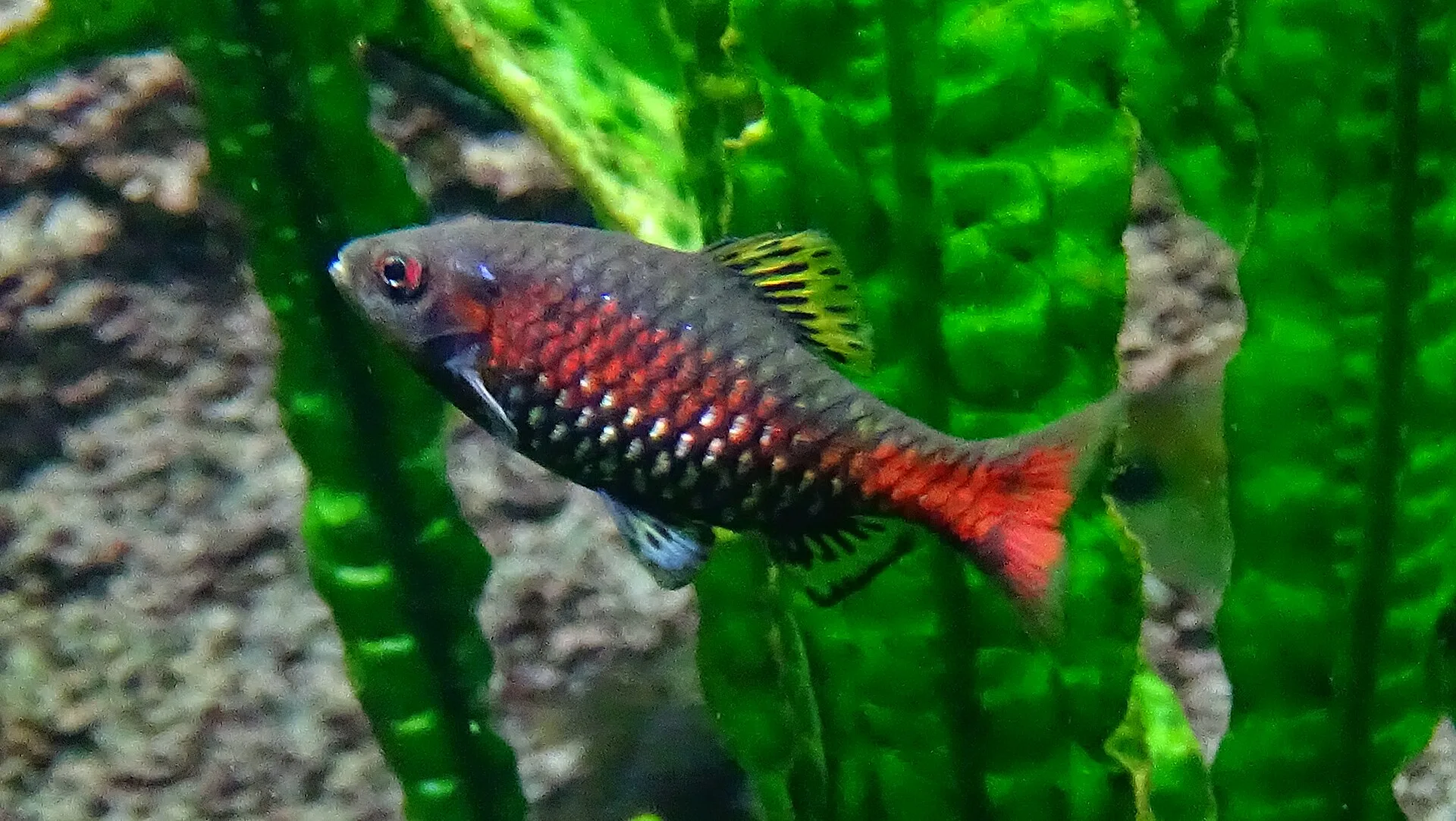
Odessa Barb (Pethia padamya)
The Odessa Barb (Pethia padamya) is a beloved aquarium species valued for its colour, behaviour, and fit in planted community tanks. This guide covers natural habitat, appearance, tank setup, water conditions, diet, compatibility, sexing, breeding, ease of care, and common health concerns so you can keep odessa barbs thriving with the same level of detail as our other fish species profiles.
Keeper notes: Males show a blazing scarlet flank when settled. Keep eight or more to diffuse restless energy that can otherwise look like nipping. They appreciate open swimming lanes paired with robust plants that tolerate occasional browsing.
Natural Habitat and Origin
Odessa Barbs are native to lakes and streams of Myanmar. In the wild they associate with vegetated margins, leaf litter, and relatively calm water where they can forage for tiny invertebrates while staying close to cover. Recreating that soft, sheltered feel in the aquarium reduces stress and brings out stronger colour.
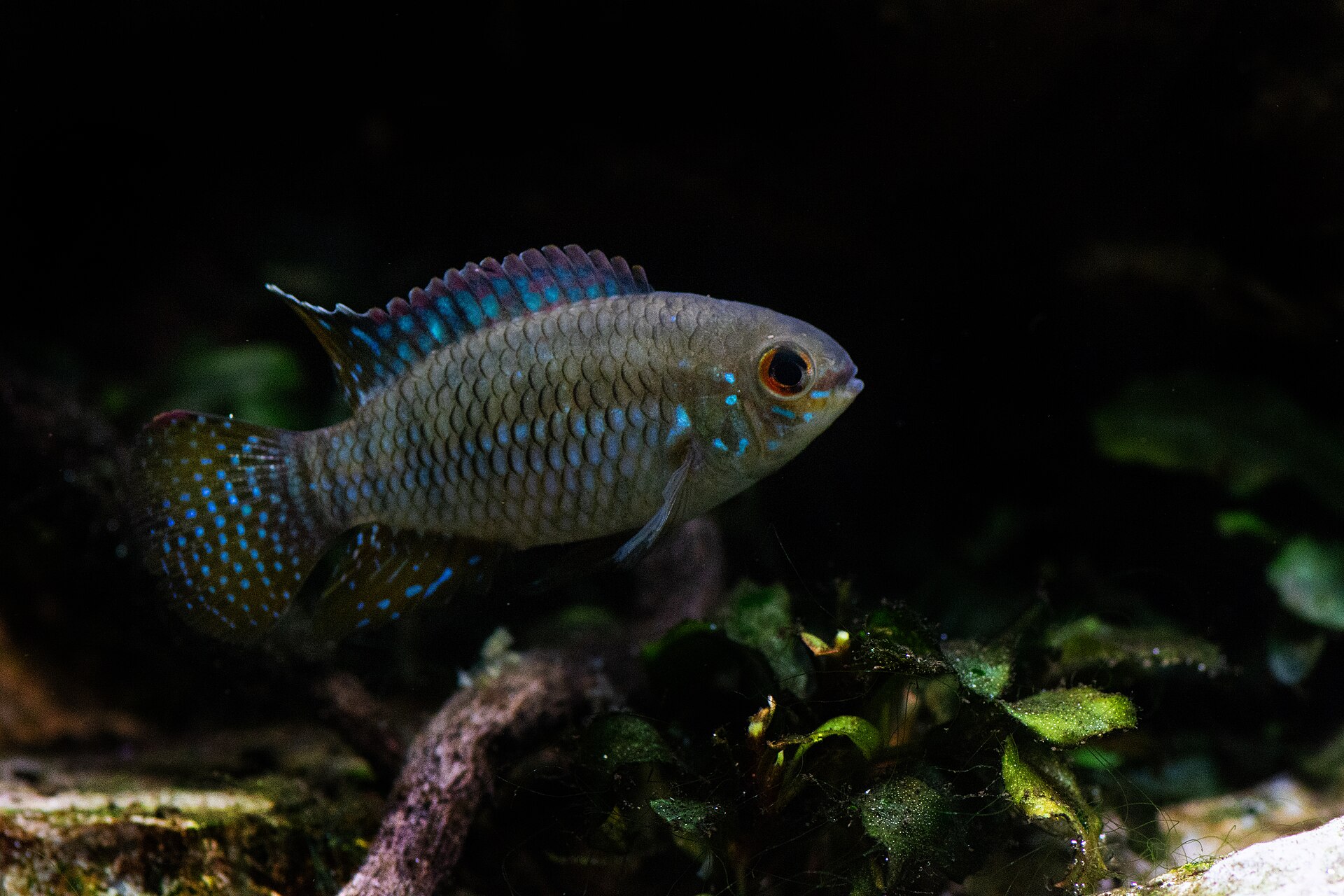
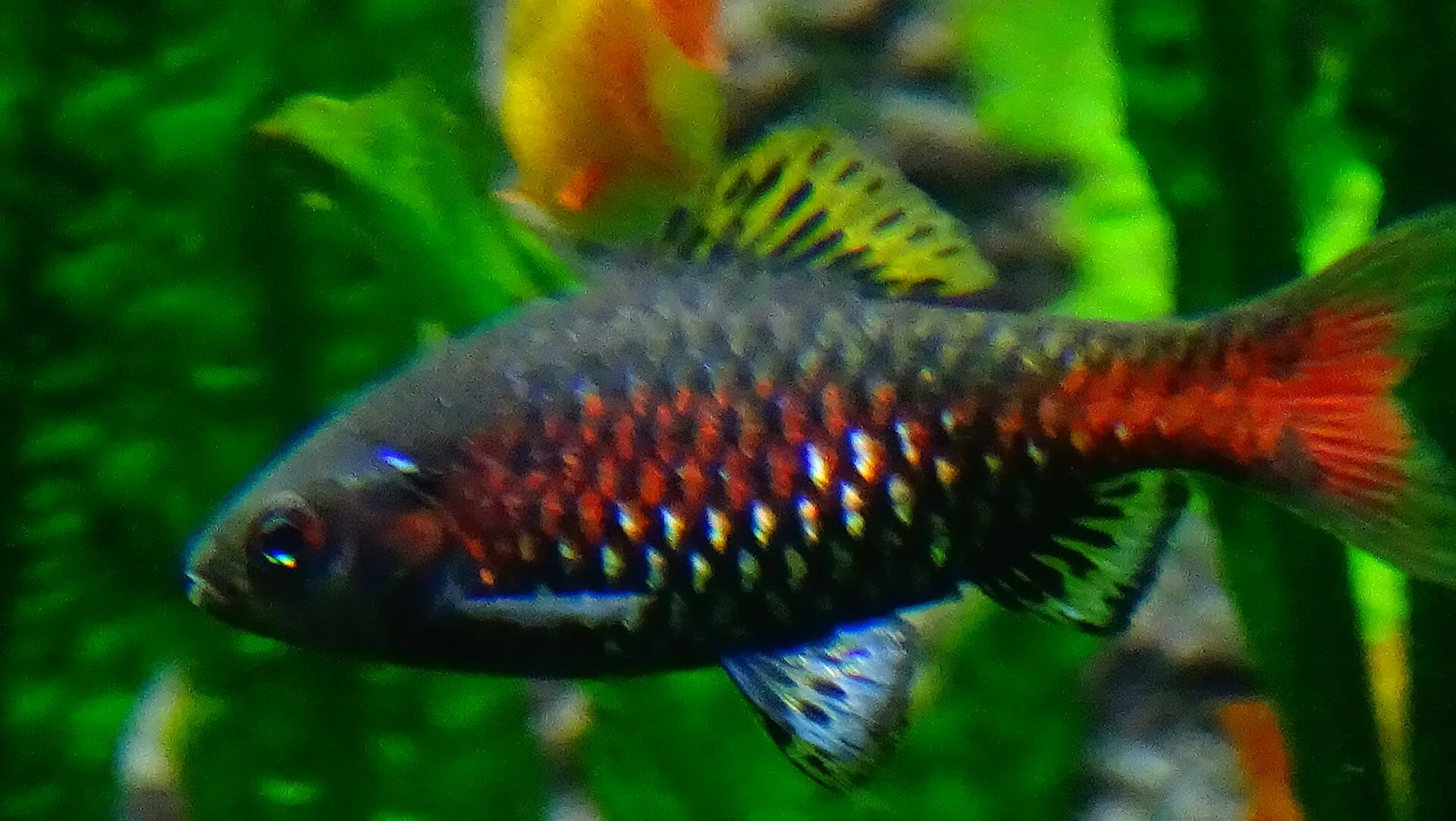 Odessa Barb (Pethia padamya). Photo: Cedricguppy - Loury Cédric / Wikimedia Commons (CC BY-SA 4.0)
Understanding the wild backdrop also explains their preferences: stable parameters, gentle flow, and planting that breaks up sight lines without trapping them in stagnant corners.
Appearance and Size
Adults typically reach about 2–2.5 inches (5–6.5 cm). Body form and colour vary with age, sex, diet, and water quality — fish kept in soft, warm, well-filtered water with a varied diet usually show the richest tones. Look for clear eyes, intact fins, and active mid-water schooling as everyday health signs.
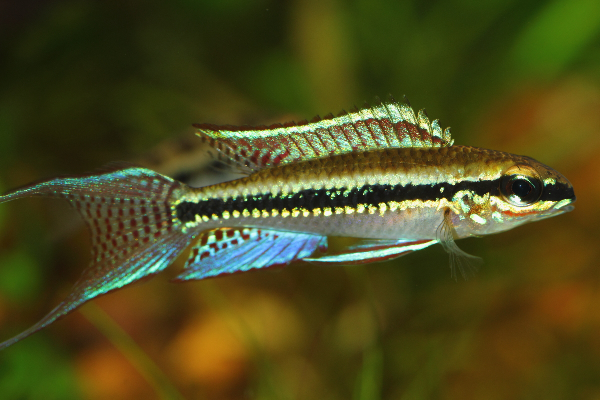
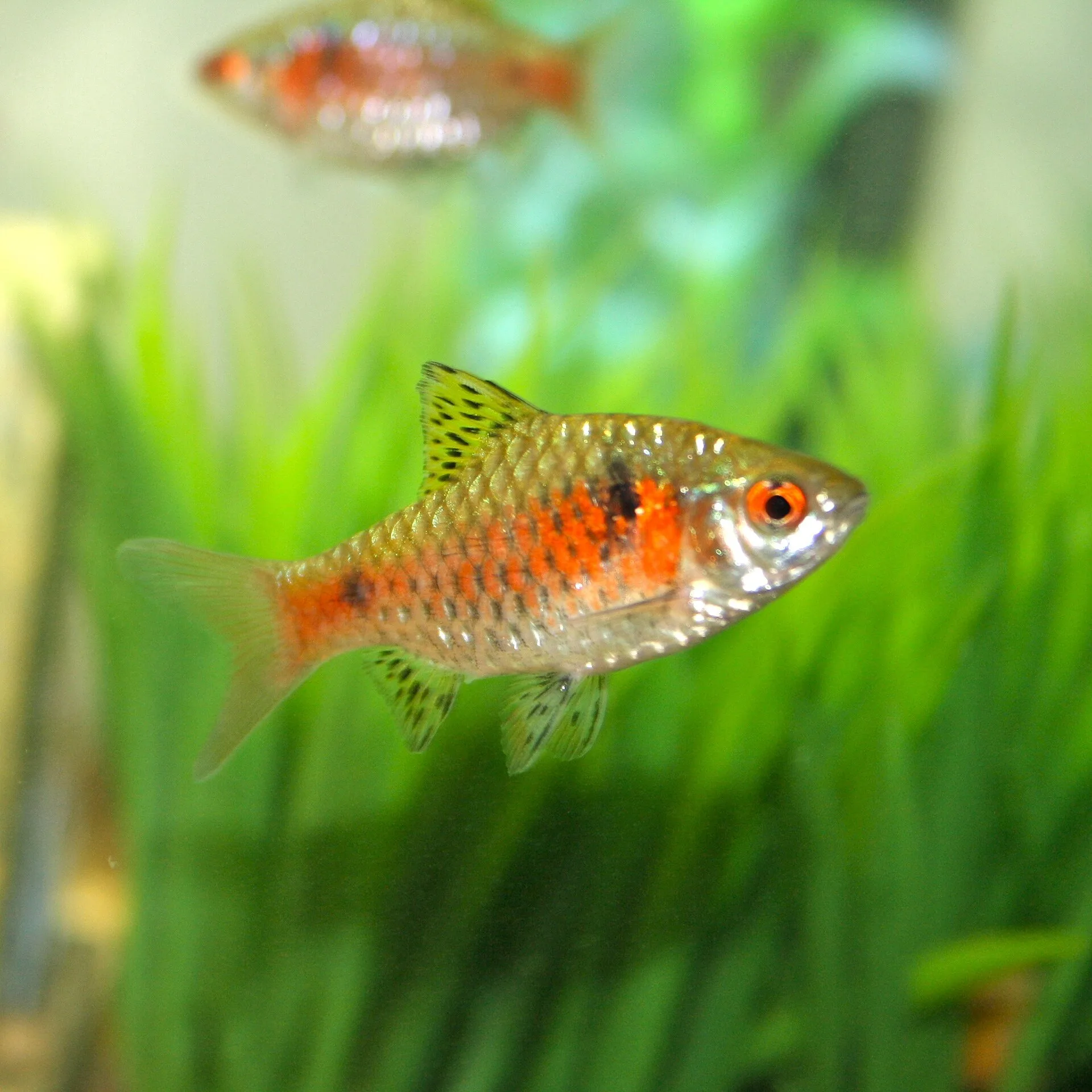 Odessa Barb (Pethia padamya). Photo: Waitingonthetide / Wikimedia Commons (CC BY-SA 3.0)
Tank Size and Aquarium Setup
Plan around 30 gallon (110 L) for an active school. Prioritise swimming length and planted cover over towering water depth alone.
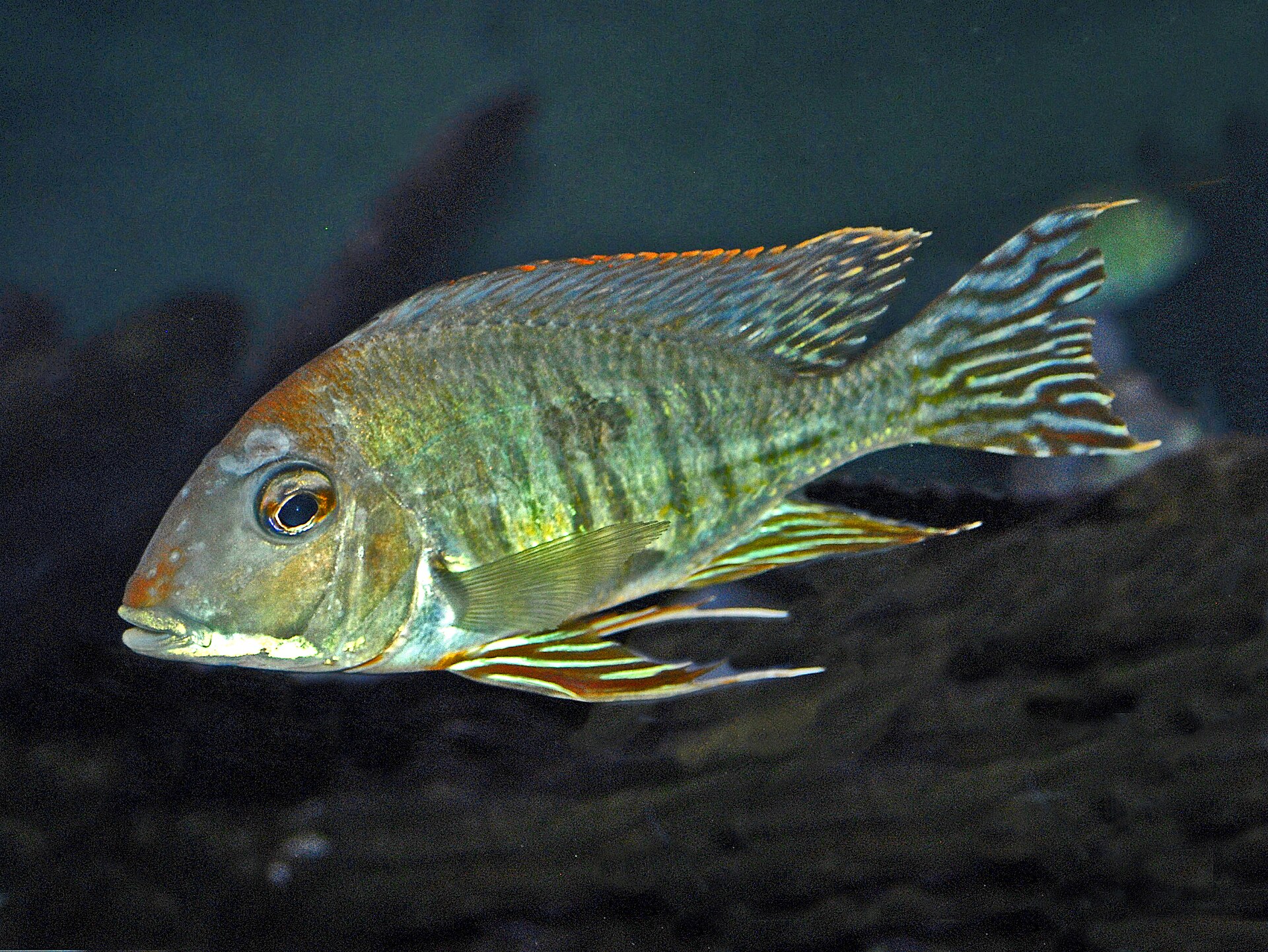
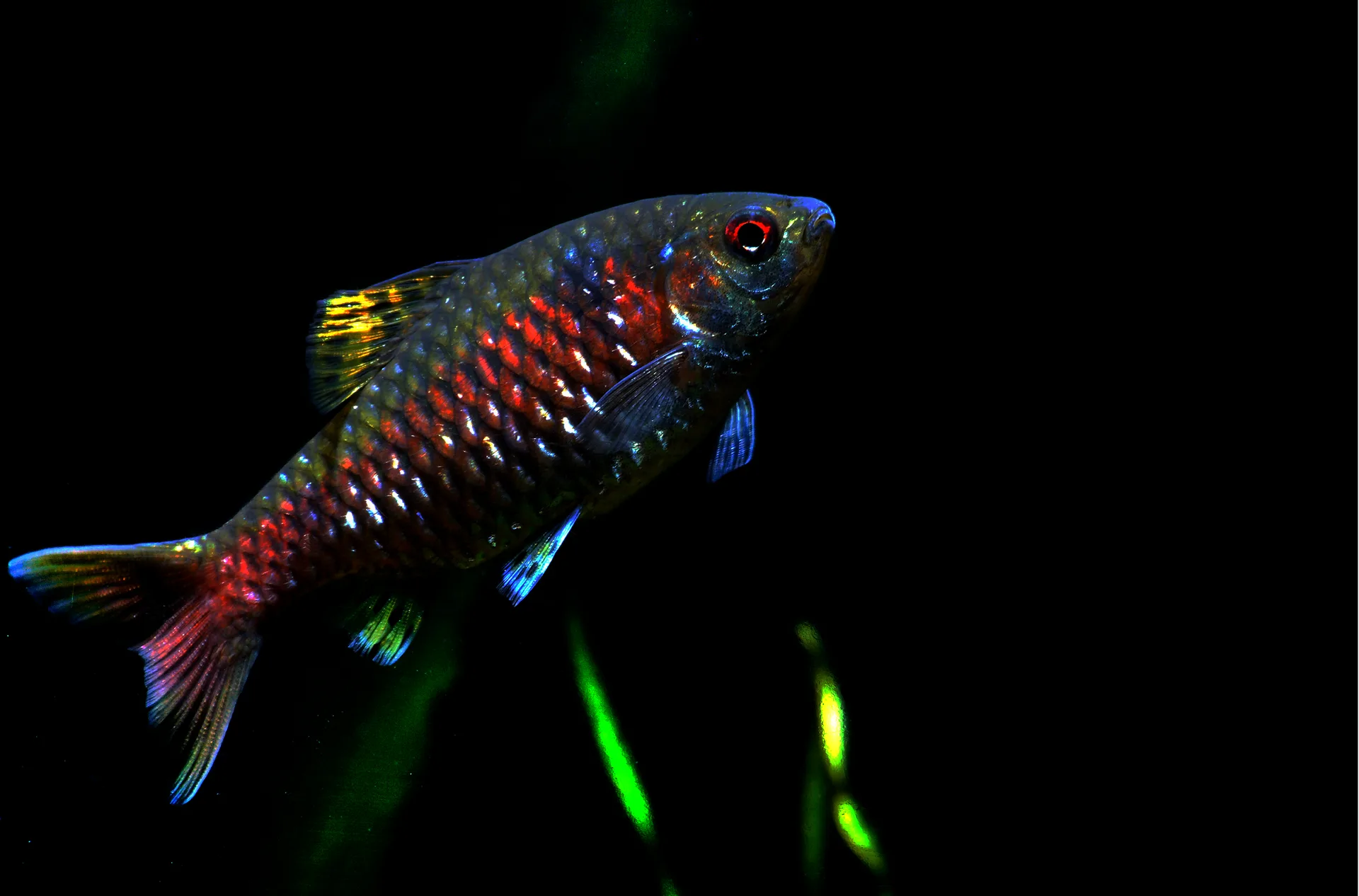 Odessa Barb (Pethia padamya). Photo: Anandarajkumar at English Wikipedia / Wikimedia Commons (CC BY-SA 3.0)
Setup tips:
- Use live plants, driftwood, and leaf litter to create shaded retreats.
- Leave an open mid-water lane for schooling or cruising behaviour.
- Keep filtration effective but not torrential — aim for clean water with calm pockets.
- Dim harsh lighting with floating plants if the fish look washed-out or shy.
- Quarantine new arrivals when possible before introducing them to a display community.
Water Conditions
Target these aquarium parameters and, more importantly, keep them stable:

- Temperature: 72–79°F (22–26°C)
- pH: 6.0–7.5
- Hardness: soft to moderately hard suits most of their wild range; avoid sudden swings
- Ammonia / nitrite: always 0 ppm
- Maintenance: weekly partial water changes and routine filter care
Colour loss, clamped fins, or frantic surface behaviour often track back to water-quality stress long before a pathogen is involved. Test regularly and correct the root cause first.
Diet and Feeding
In nature this species is best described as a omnivore. In the aquarium offer:
- A quality micro pellet or flake staple sized to the mouth
- Frozen or live foods such as baby brine shrimp, daphnia, and finely chopped bloodworms
- Occasional plant-based or spirulina foods for omnivores
Feed small portions once or twice daily. A varied diet supports immune strength, breeding condition, and the vivid pigmentation keepers want from odessa barbs.
Temperament and Community Compatibility
Keep them in groups of 8+ whenever the species is a social schooler or harem-oriented nano fish. Proper numbers reduce nervousness and nipping.
Good tank mates: peaceful tetras, rasboras, small livebearers, corydoras, otocinclus, and shrimp in mature planted tanks.
Avoid: large predatory fish, aggressive cichlids, and dedicated fin-nippers that will stress or outcompete them.
Sexing
Males are often slimmer and more intensely coloured, especially when displaying. Females typically look rounder when gravid and may show softer tones. Exact differences are clearer once fish are mature and settled; juveniles can be hard to sex until colour and body shape develop.
Breeding Behavior
Most aquarists succeed by conditioning a group with live/frozen foods, providing fine-leaved plants or spawning mops, and either removing adults after spawning or protecting eggs/fry. Raising fry usually means infusoria or commercial fry foods first, then baby brine shrimp. Success rates improve dramatically in soft, warm, stable water with minimal current.
Ease of Care
Overall care level: beginner to intermediate. Healthy stock, a cycled tank, and consistent maintenance matter more than boutique gadgets. Give them the space, plant cover, and diet outlined above and they become reliable long-term residents.
Common Health Concerns
- Stress from overcrowding or incompatible tank mates
- Ich and fungal issues after big temperature or water swings
- Faded colour from poor diet or chronically high nitrates
- Injury from aggressive neighbours or rough netting
Prevent problems with quarantine, stable chemistry, and calm aquascapes rather than chasing cure-after-cure treatments.
Related Reading
Conclusion
The Odessa Barb is an information-rich community favourite when given the right foundation: appropriate tank size, planted cover, stable water, a varied diet, and compatible neighbours. Keep those pillars solid and Pethia padamya will repay you with colour, natural behaviour, and the same polished species-profile experience as the rest of the Fishy Friends library.


Explore other topics
Dive into more aquarium guides across the site.