

Breeding Freshwater Fish at Home
This guide covers breeding freshwater fish with practical steps for home aquariums. Breeding starts with healthy stock and species matched to your water — guppies and corydoras teach fundamentals cheaply.
For related reading, see Aquarium Photography Tips, best community fish, drip acclimation and aquarium water chemistry.
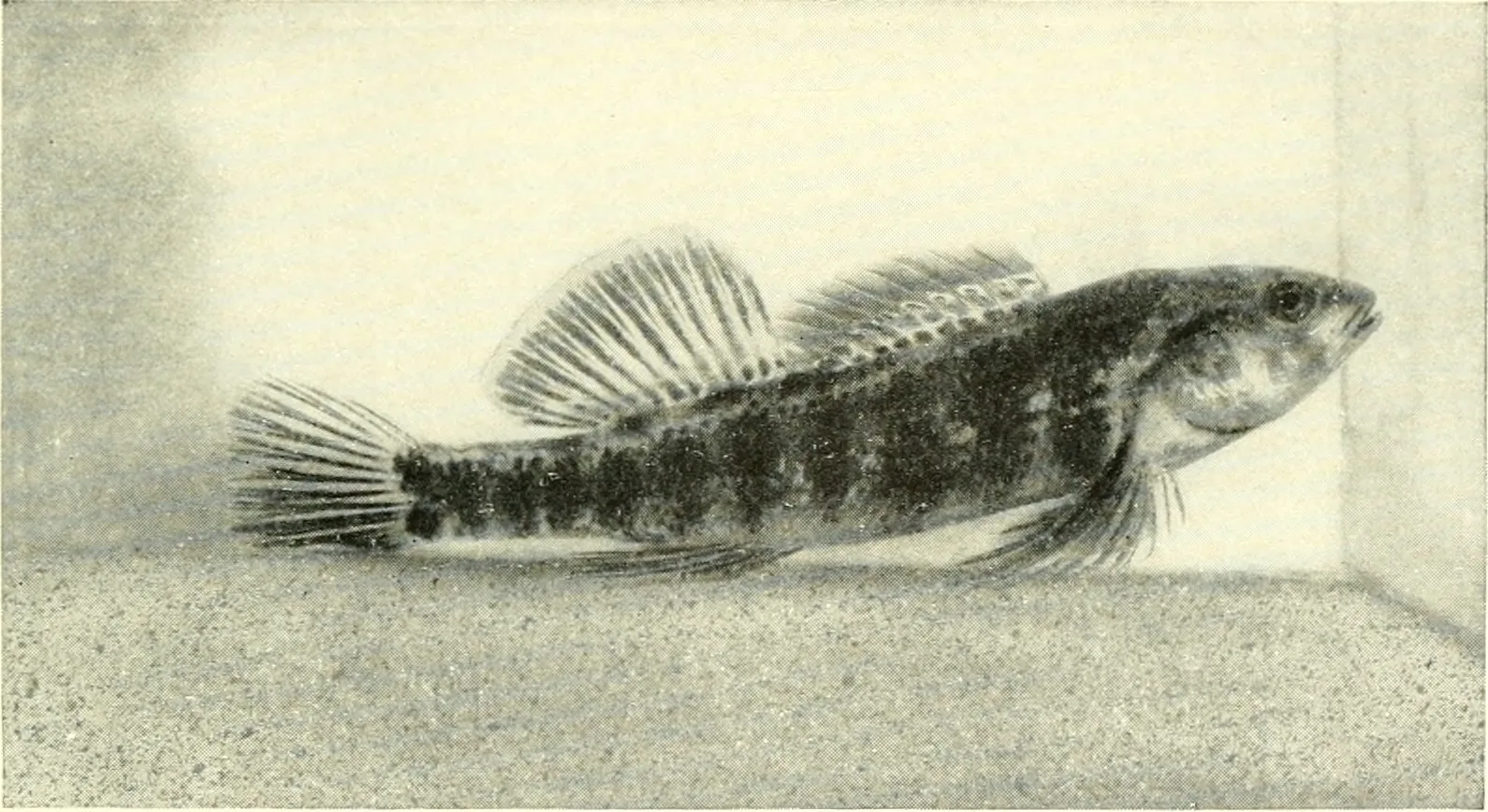 Breeding Freshwater Fish at Home. Photo: Internet Archive Book Images / Wikimedia Commons (Public domain)
Choosing Beginner Species
Livebearers (guppies, platies), convict cichlids, bristlenose plecos, and many corydoras breed readily in community conditions. Egg scatterers like zebra danios need spawning mops.
Match species to your tap water chemistry — soft-water apistogramma fail in hard alkaline tanks.
Conditioning Breeders
Separate sexes optionally, feed live and frozen foods heavily for two weeks, and simulate seasonal triggers (large cool water change, increased flow, or longer photoperiod per species research).

Fat healthy females and colorful males predict better spawn success.
Spawning Setups
Dedicated breeding tank with sponge filter, bare bottom or mesh for egg fall-through, and plants or pots for cave spawners.
Remove parents after egg scatterers spawn or they eat eggs. Livebearers need dense cover for fry survival.
Raising Fry
First foods: infusoria, microworms, vinegar eels, then baby brine shrimp. Daily small meals and daily water changes on grow-out tubs.
Cull only if ethically necessary — focus on water quality over maximum yield.
Record Keeping
Log spawn dates, parent lines, and water parameters. Inbreeding depression appears after generations without fresh genetics.
Local clubs swap fry — diversify bloodlines responsibly.


Explore other topics
Dive into more aquarium guides across the site.