


Species Tank vs Community Tank
This guide covers species tank vs community with practical steps for home aquariums. Community tanks dazzle with variety — species tanks unlock natural behavior hard to see in mixed displays.
For related reading, see Aquarium Photography Tips, aquarium water chemistry, drip acclimation, aquarium filtration and freshwater vs saltwater.
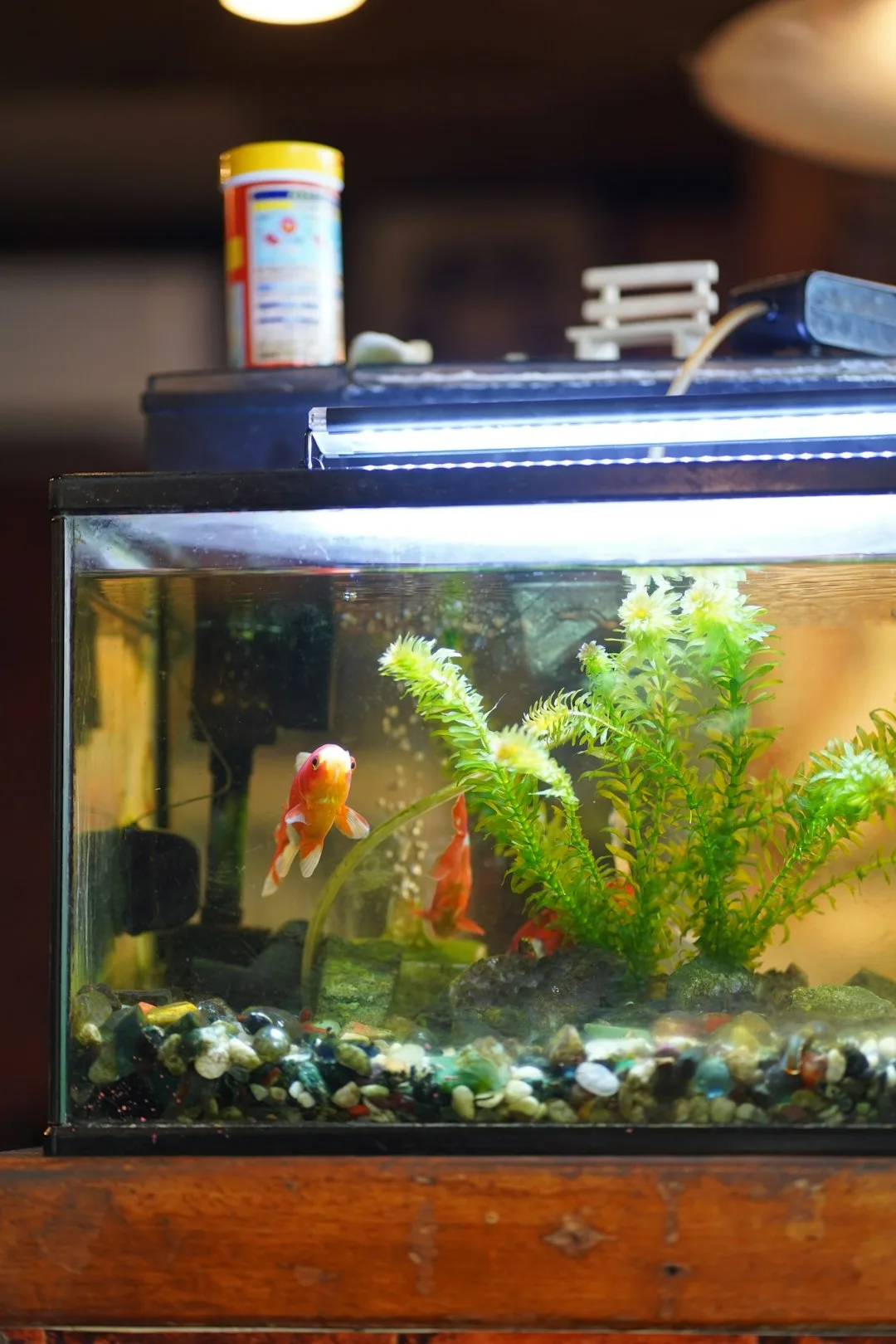
 Species Tank vs Community Tank. Photo: Ken Lund / Wikimedia Commons (CC BY-SA 2.0)
Community Tank Appeal
Mixed peaceful tetras, Corydoras, and a centerpiece fish create movement and color layers beginners love. Research compatibility lists before buying.
Downside: weakest species hide, breeding rarely succeeds, and disease spreads across diverse stock.
Species Tank Strengths
Dedicated cichlid, shrimp, or killifish tanks let you tune water chemistry precisely. Behavior like spawning and parental care shows fully.

Easier to medicate and observe when one species shares similar tolerance.
Space and Bioload
Twenty gallon community holds many small fish; twenty gallon species tank might house one breeding pair plus fry grow-out rotation.
Do not confuse species tank with overcrowded 'monster fish in small tank' — ethics apply either way.
Planning Your Path
Beginners often start community for forgiveness and variety. Specialists graduate to species tanks as interests narrow.
Multiple smaller tanks beat one compromised mixed tank when passions diverge — shrimp plus aggressive cichlids rarely coexist peacefully.
Hybrid Approaches
Geographic biotope tanks (Amazon blackwater, African rift) mix related species authentically — middle ground between random community and single species.
Choose based on maintenance time, water source, and whether breeding or display color matters more.




Explore other topics
Dive into more aquarium guides across the site.