

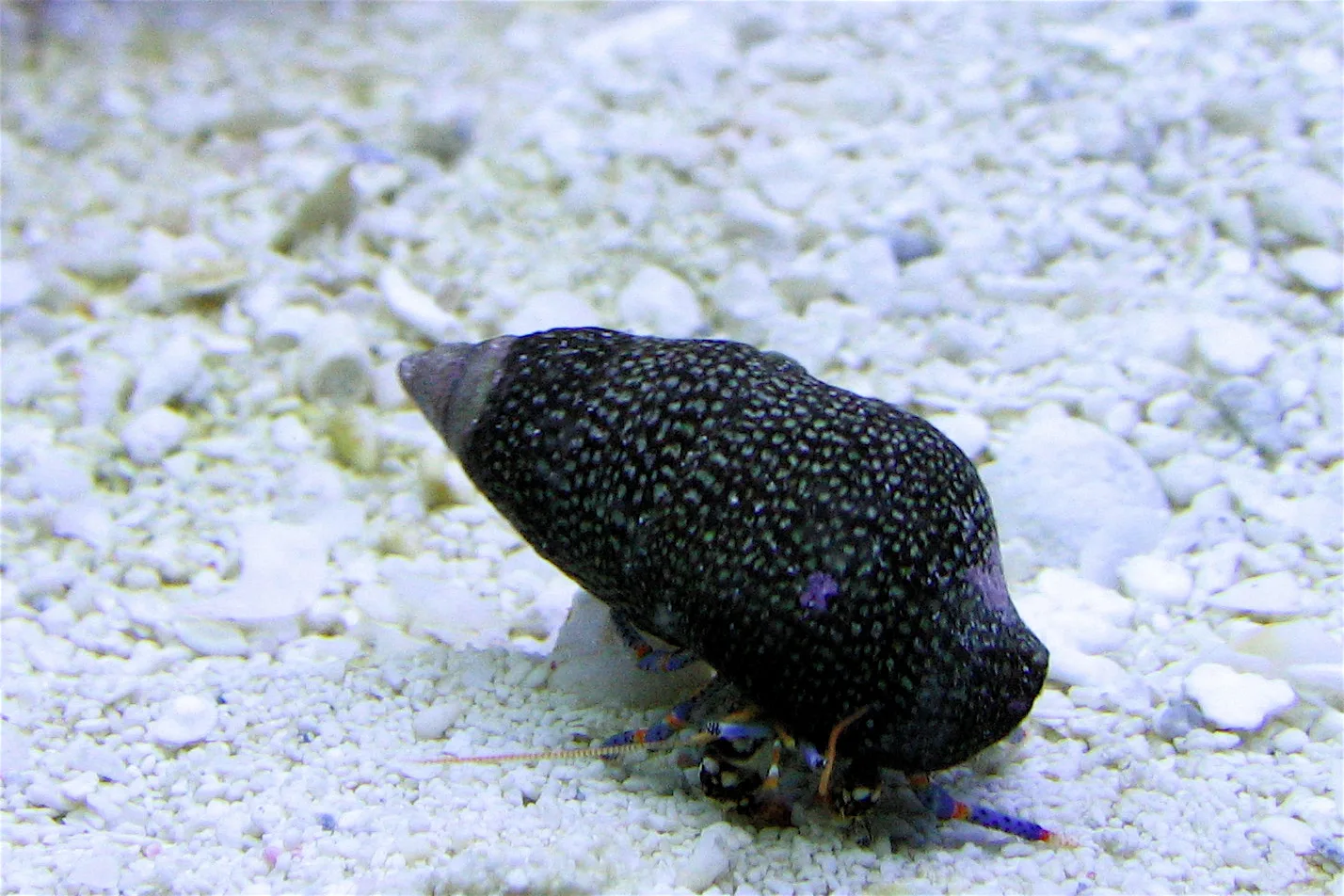
Blue Leg Hermit Crab (Clibanarius tricolor)
The Blue Leg Hermit Crab (Clibanarius tricolor) is a useful saltwater invertebrate for reef and FOWLR cleanup crews. This guide covers habitat, size, diet, stocking, water chemistry, compatibility, and practical husbandry notes.
Keeper notes: Provide empty shells in graduating sizes. Overstocking leads to aggression and snail predation. Supplement algae wafers if the tank is too clean.
Native Habitat
Wild populations are associated with Caribbean and western Atlantic shallow reefs and rubble. In aquariums they need cured rock or sand to forage, stable salinity, and protection from copper treatments.
Physical Description and Size
Adults typically reach 0.5–1 inch (1–2.5 cm) plus shell. Healthy individuals remain active foragers with intact appendages.
Diet
Natural feeding mode: omnivorous scavenger / film algae grazer. Supplement film algae with algae wafers, seaweed, or meaty scraps so starving hermits do not attack snails for shells and food.
Stocking and Compatibility
Tank guidance: any cycled marine tank; stock lightly (roughly 1 per 2–3 gallons). Avoid massive cleanup-crew dumps that strip biofilm overnight. Peaceful reef fish are ideal; large wrasses and triggers may eat small hermits.
Water Conditions
- Temperature: 74–80°F (23–27°C)
- Salinity / SG: 1.023–1.026
- pH: 8.1–8.4
- Ammonia / nitrite: 0 ppm
Ease of Care

Care level: beginner. Provide spare shells, modest stocking, and supplemental food in spotless tanks.
Related Reading
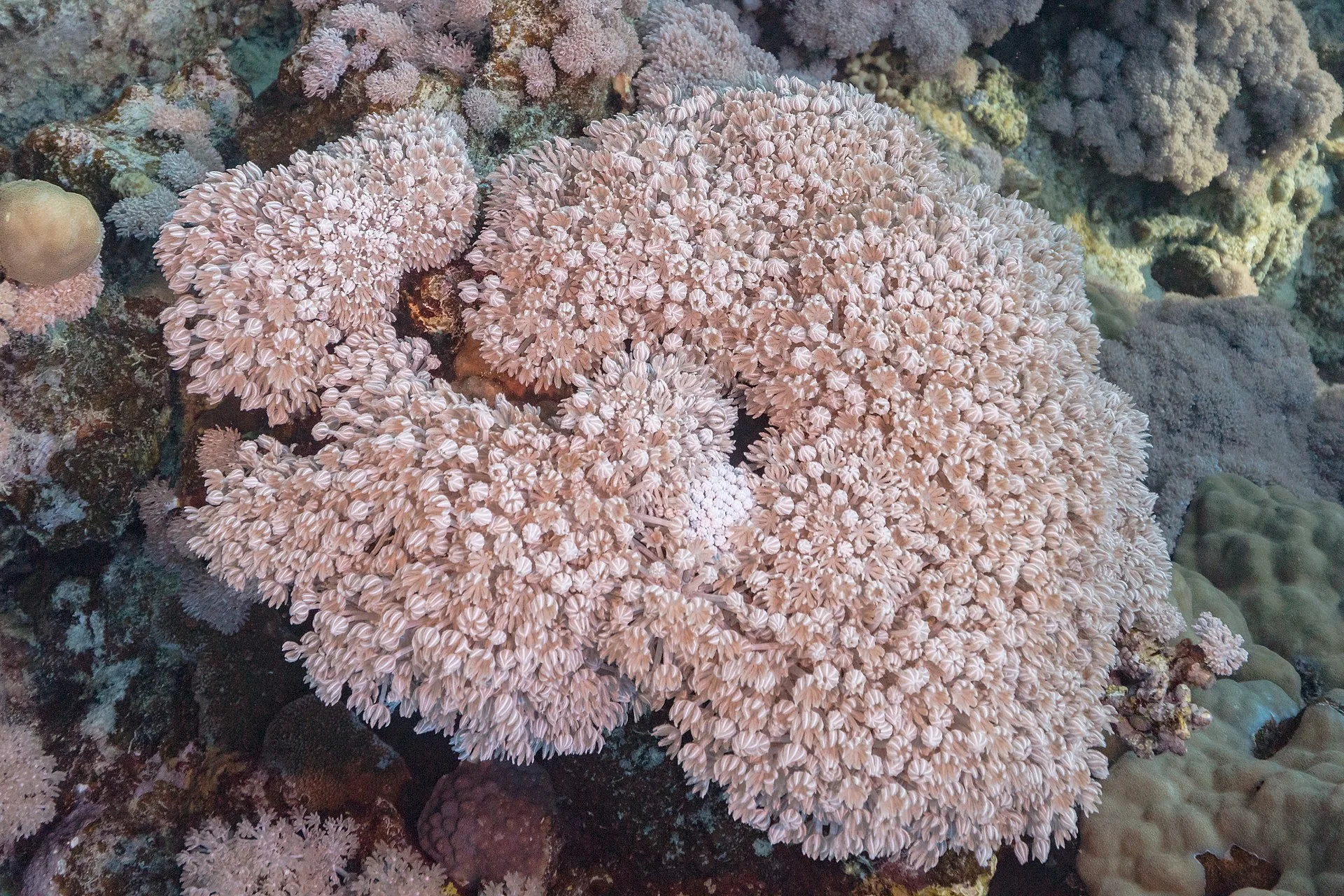
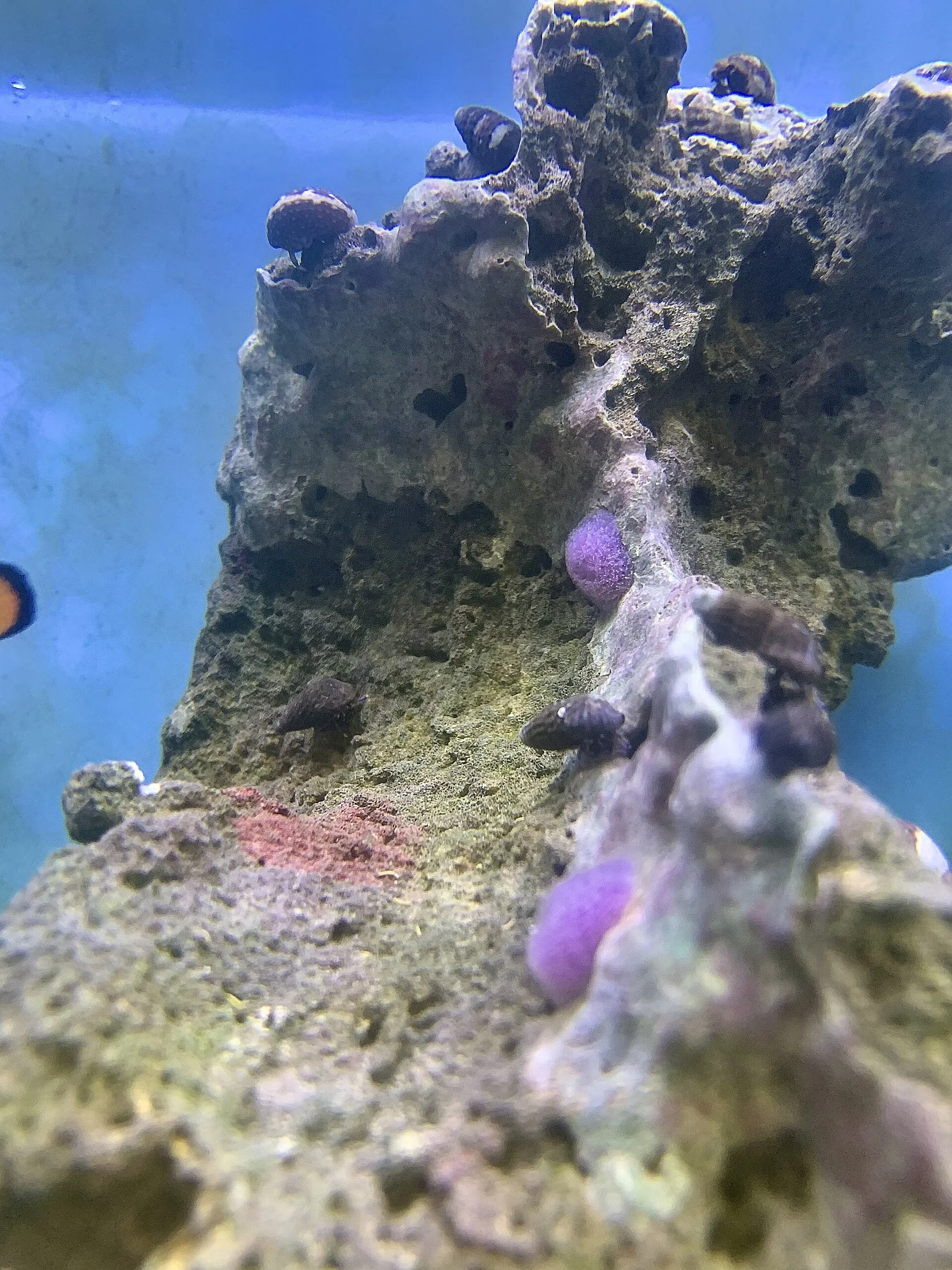 Blue Leg Hermit Crab (Clibanarius tricolor). Photo: Coughdrop12 / Wikimedia Commons (CC BY-SA 4.0)
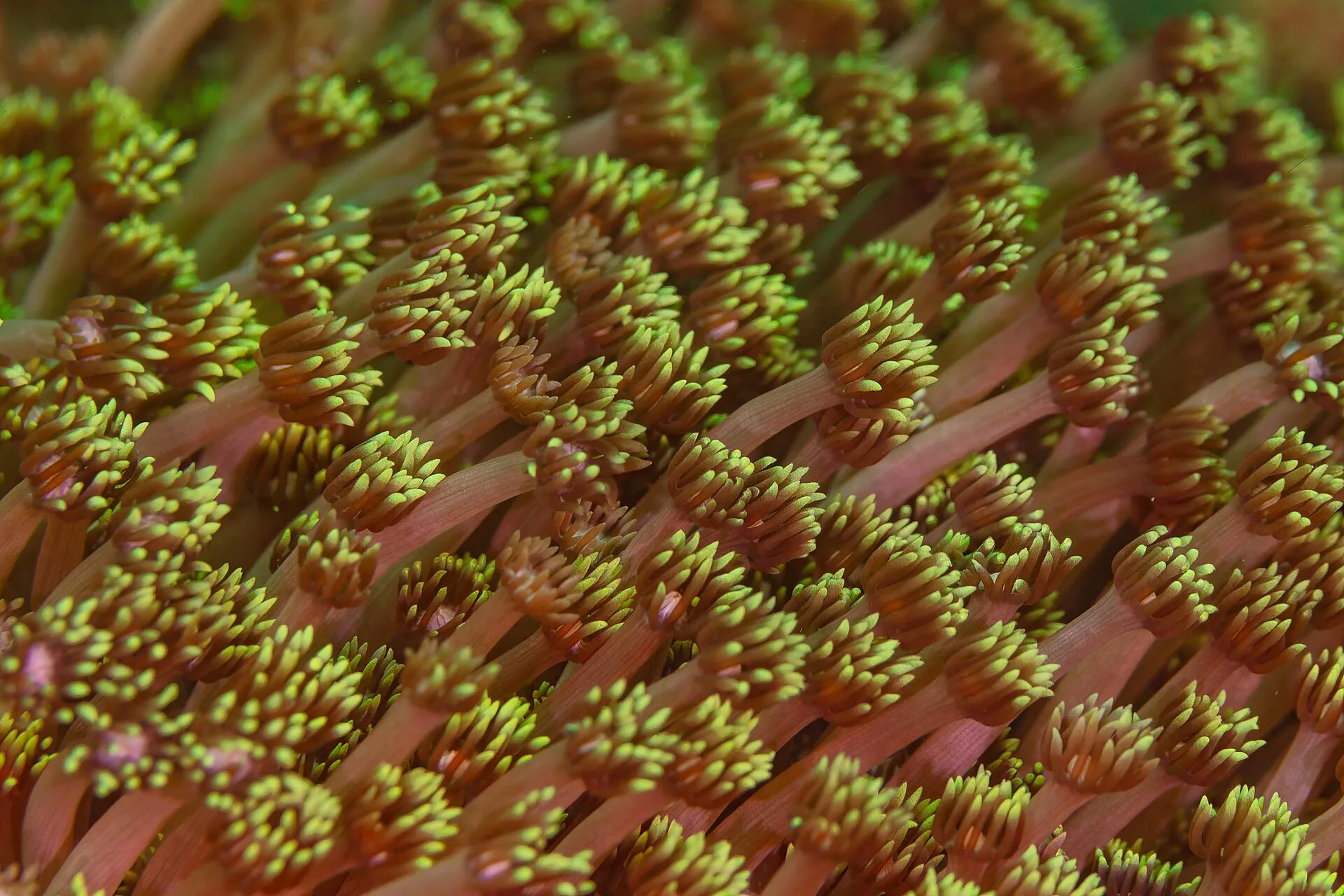
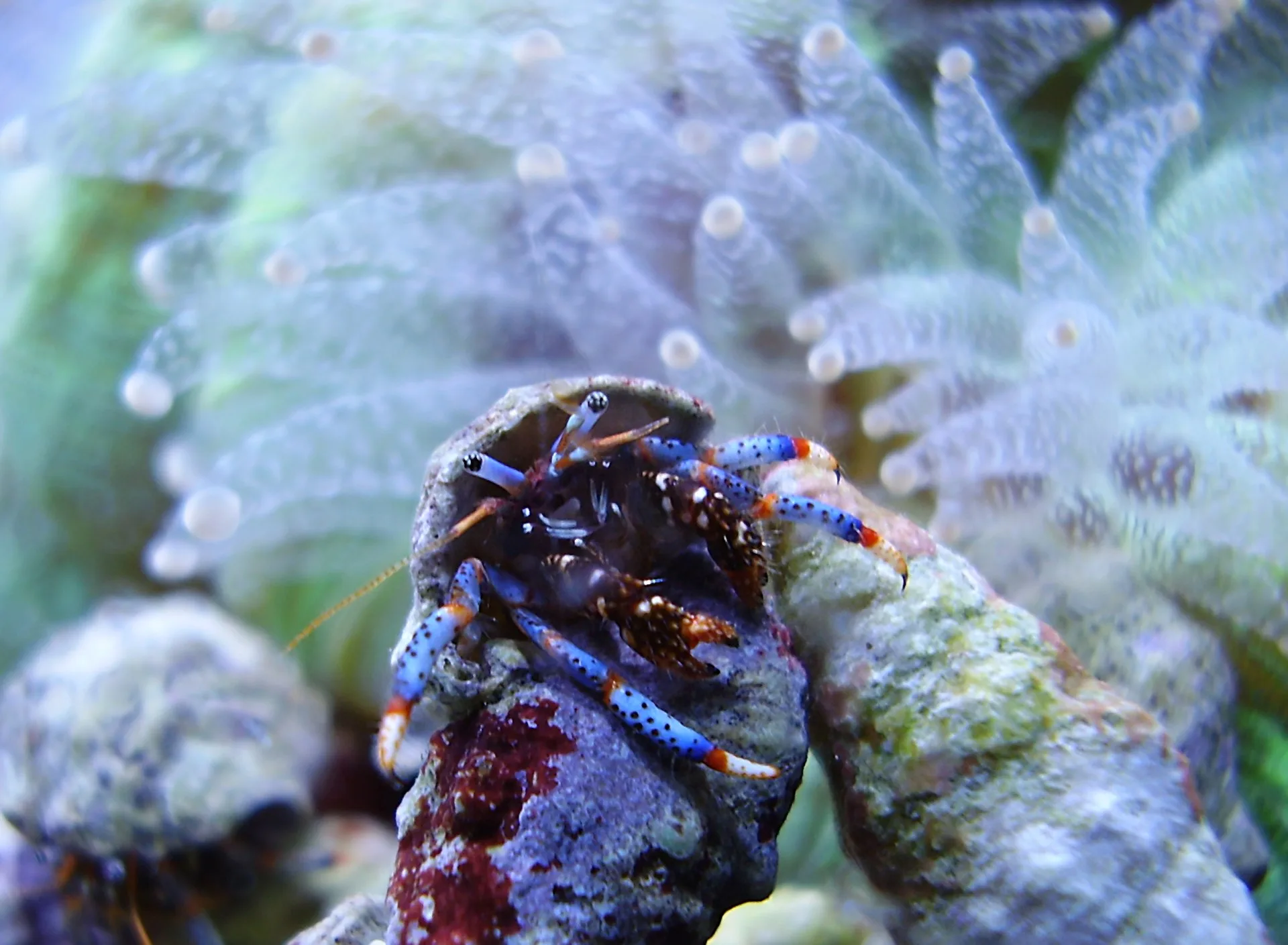 Blue Leg Hermit Crab (Clibanarius tricolor). Photo: RevolverOcelot / Wikimedia Commons (CC BY-SA 3.0)
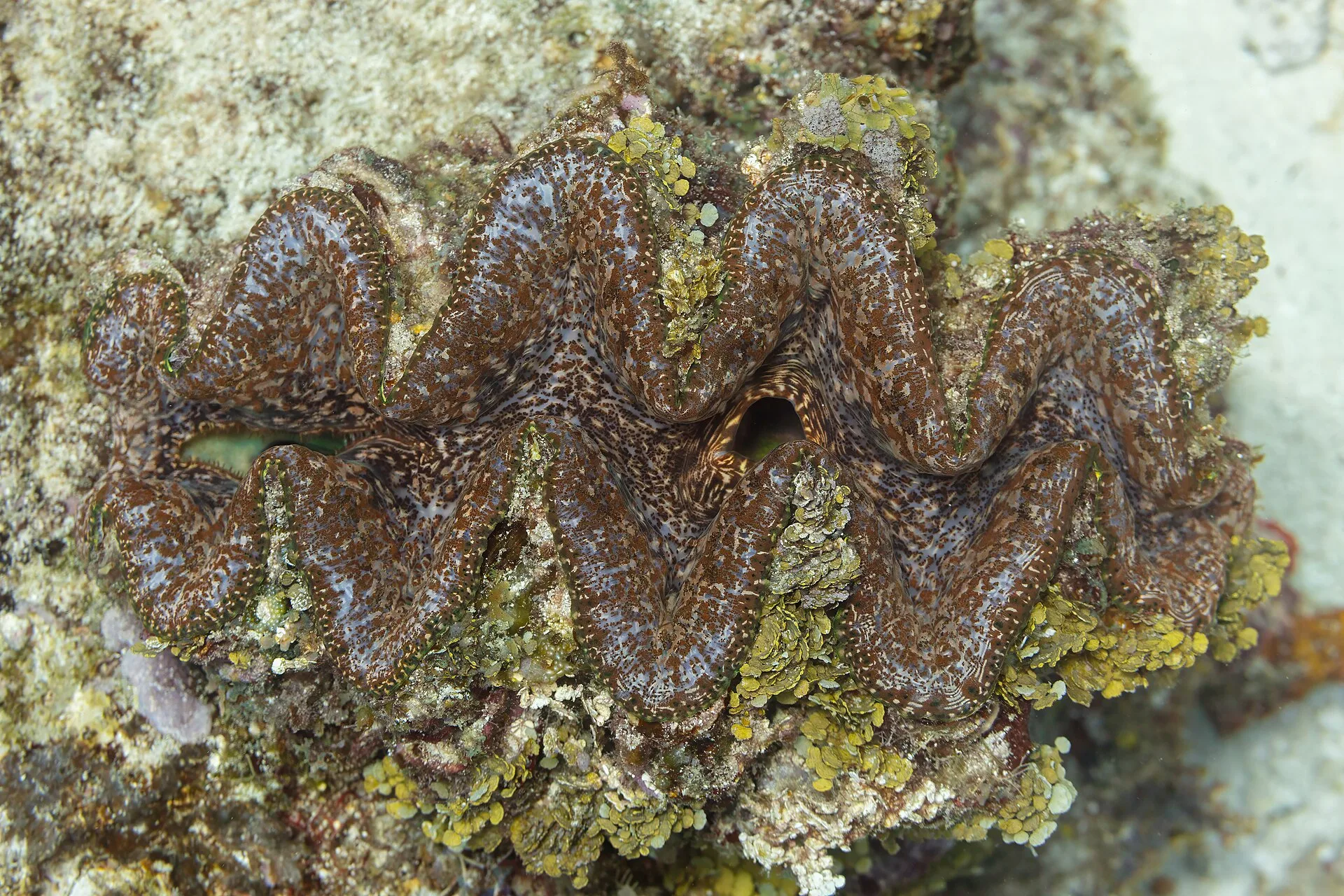
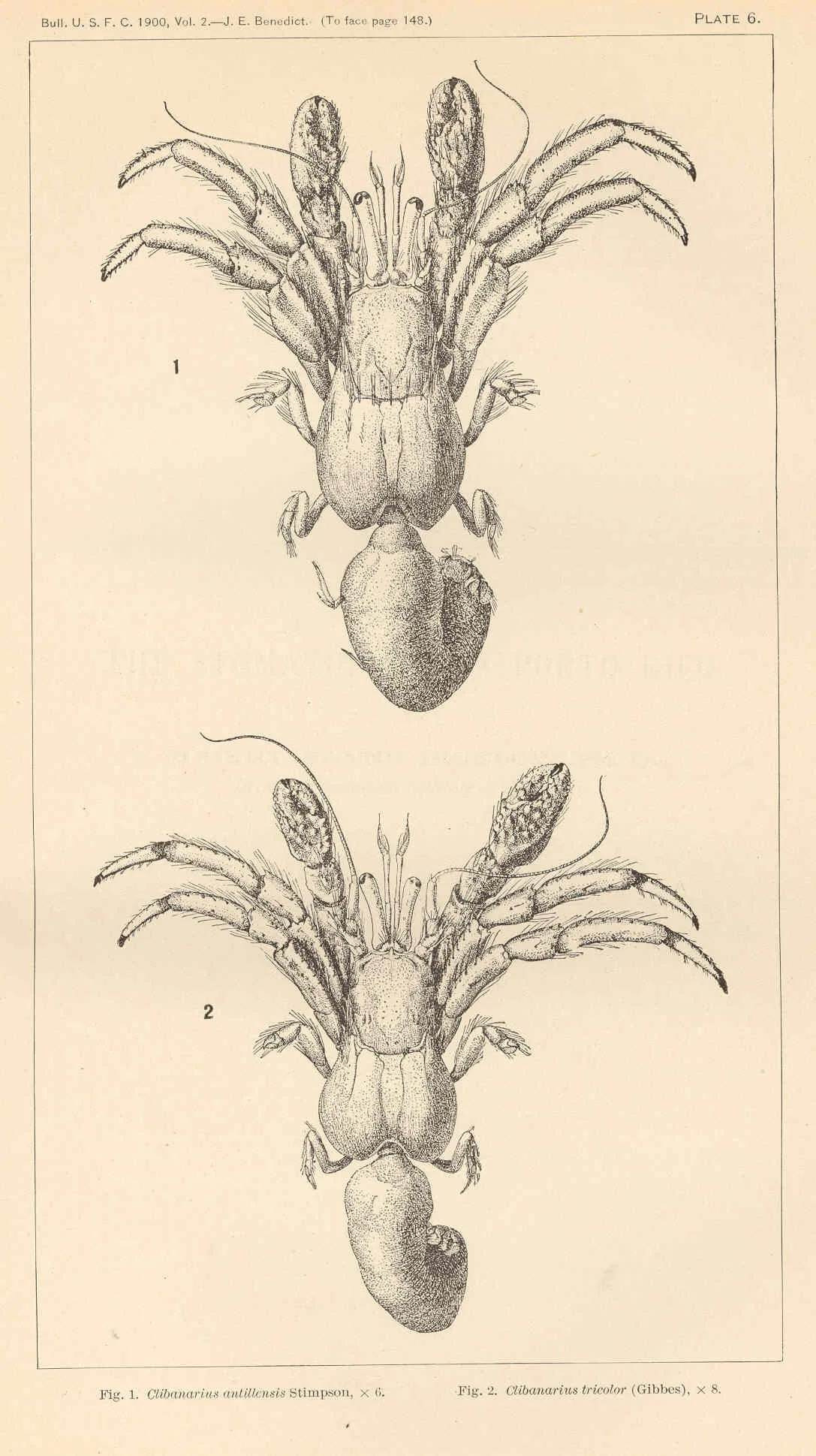 Blue Leg Hermit Crab (Clibanarius tricolor). Photo: James E. Benedict / Wikimedia Commons (Public domain)
Conclusion
Blue Leg Hermit Crab (Clibanarius tricolor) earns a permanent cleanup-crew role when stocked thoughtfully and kept copper-free. Pair this profile with our other invertebrate guides for consistent reef husbandry.



Explore other topics
Dive into more aquarium guides across the site.