
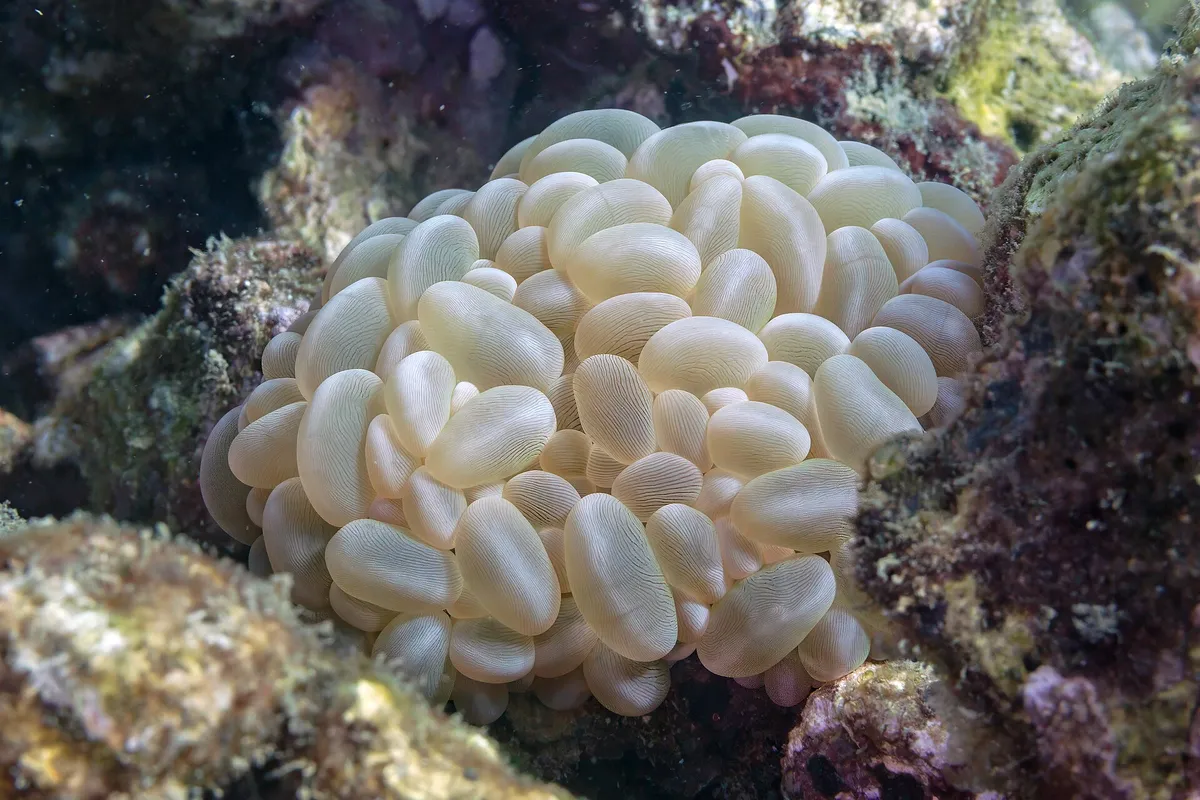
Bubble Coral (Plerogyra sinuosa)
Plerogyra sinuosa is an LPS coral covered in grape-like water-filled bubbles by day that extends long stinging sweepers at night, so give it space…
Read more →
Plerogyra sinuosa is an LPS coral covered in grape-like water-filled bubbles by day that extends long stinging sweepers at night, so give it space…
Read more →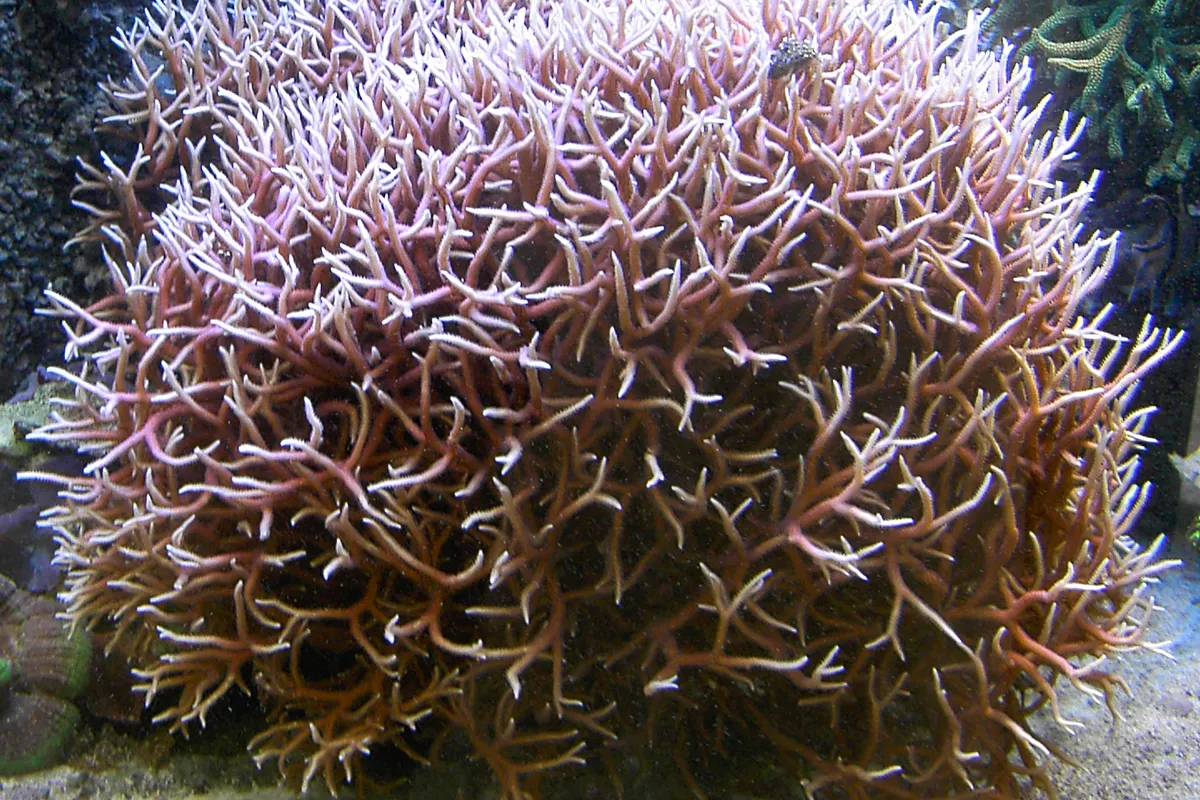
Seriatopora hystrix is a fast-growing, fine-branched SPS coral in pink, green or cream that is one of the easier small-polyp stony corals for stabl…
Read more →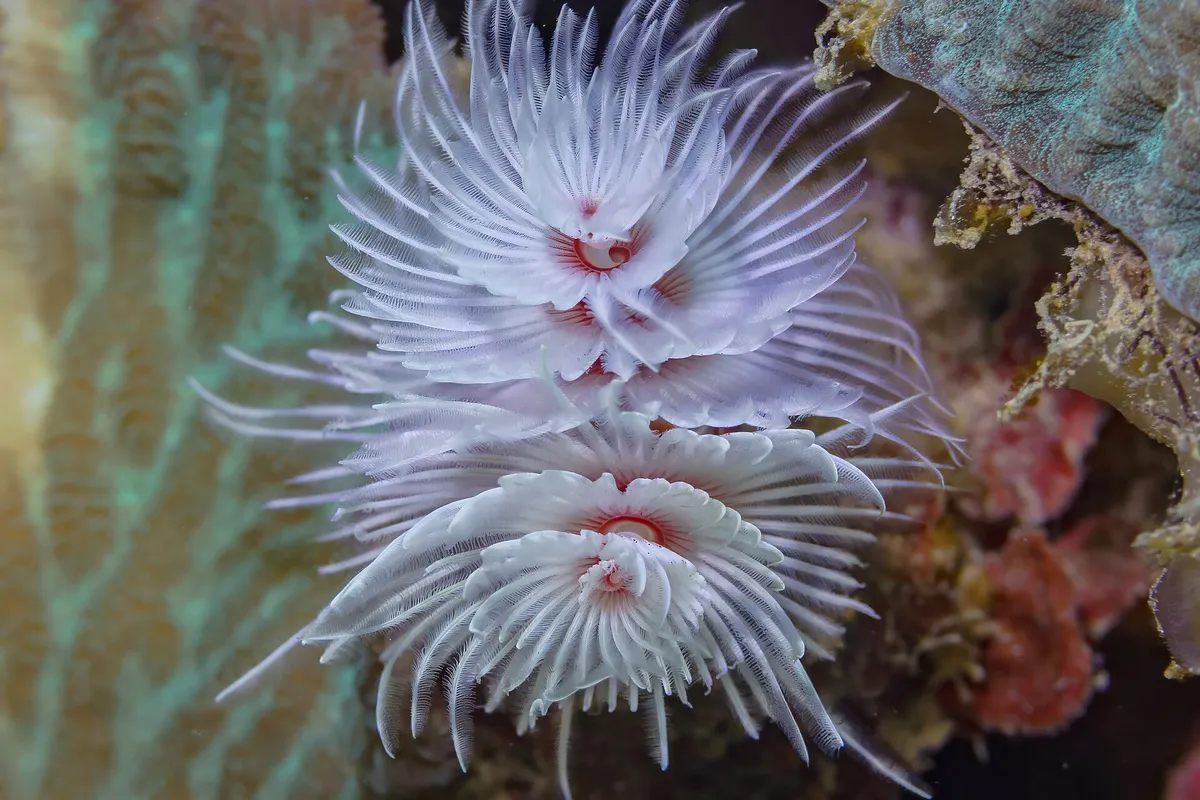
Sabellastarte feather duster worms are 5–10 cm tube worms with a crown of banded feathery radioles that filter food from the water and vanish int…
Read more →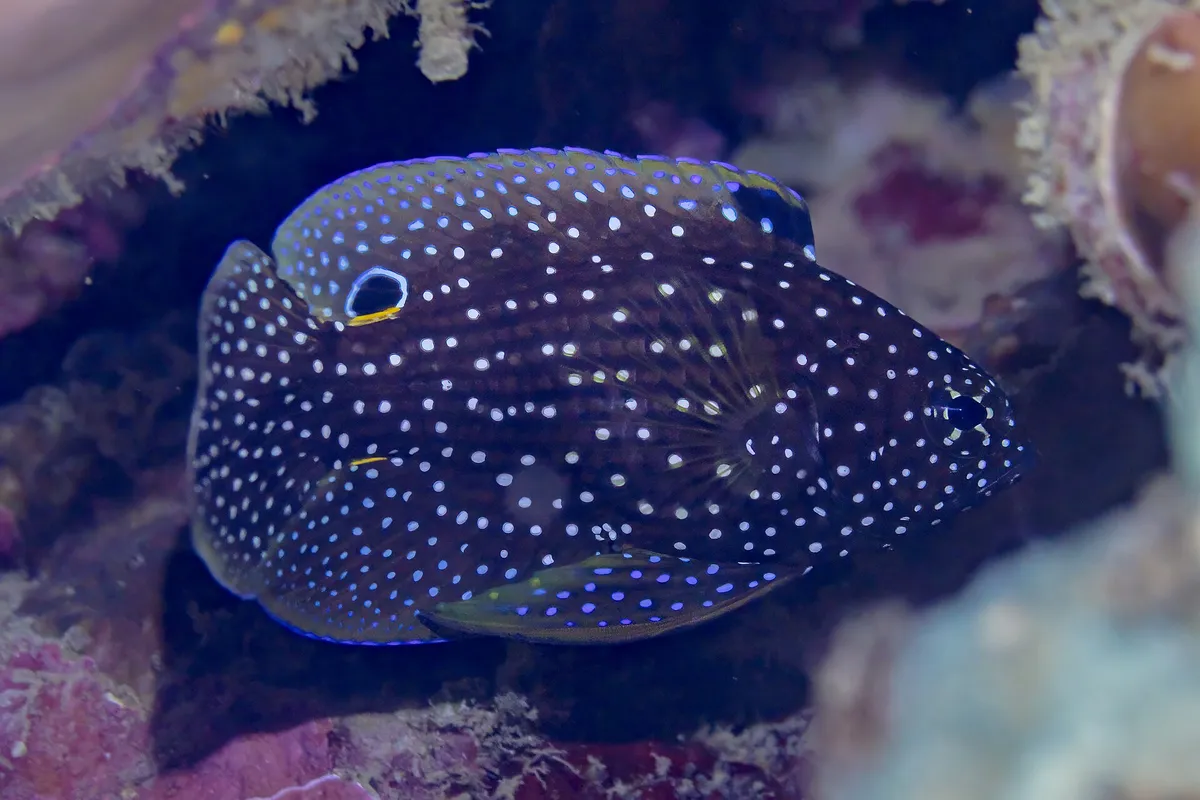
Calloplesiops altivelis is a shy, 15–20 cm white-spotted reef fish with huge fins and a fake eye on its tail that needs caves, calm tank mates an…
Read more →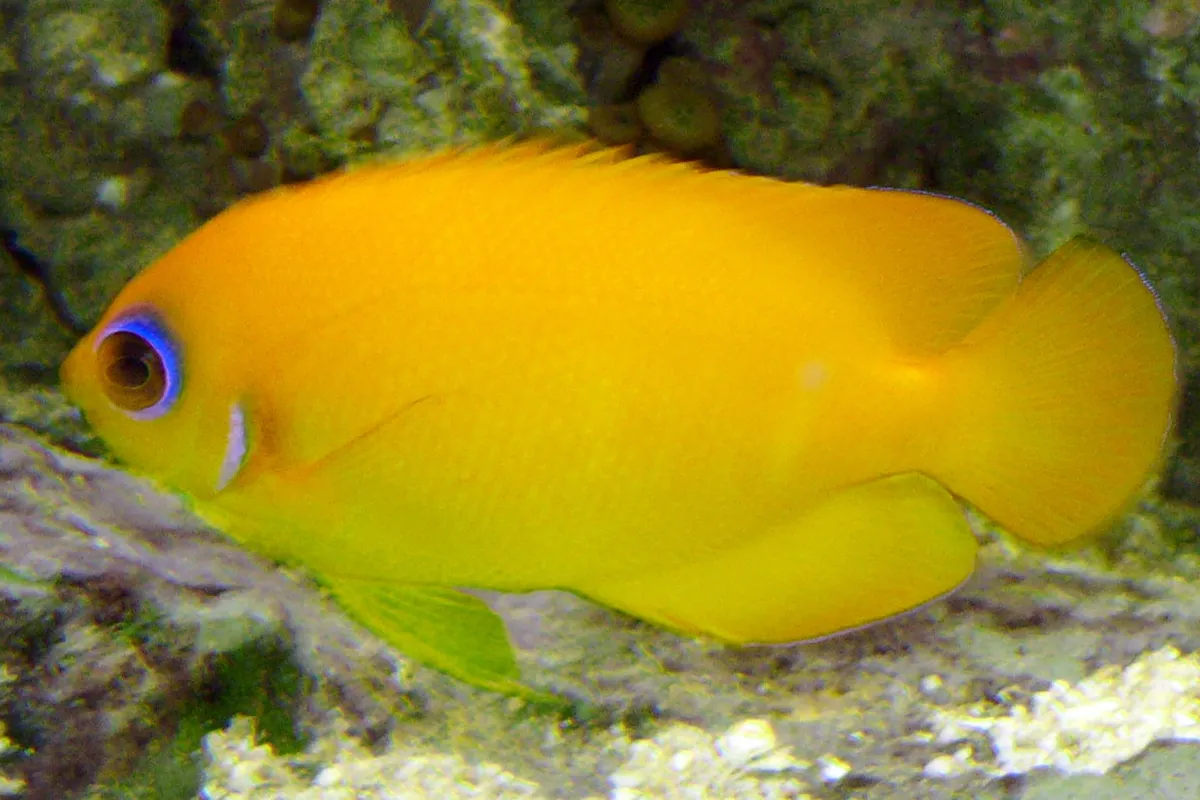
Centropyge flavissima is a 10–14 cm bright yellow dwarf angelfish with blue eye rings that needs mature rockwork to graze and may nip some corals.
Read more →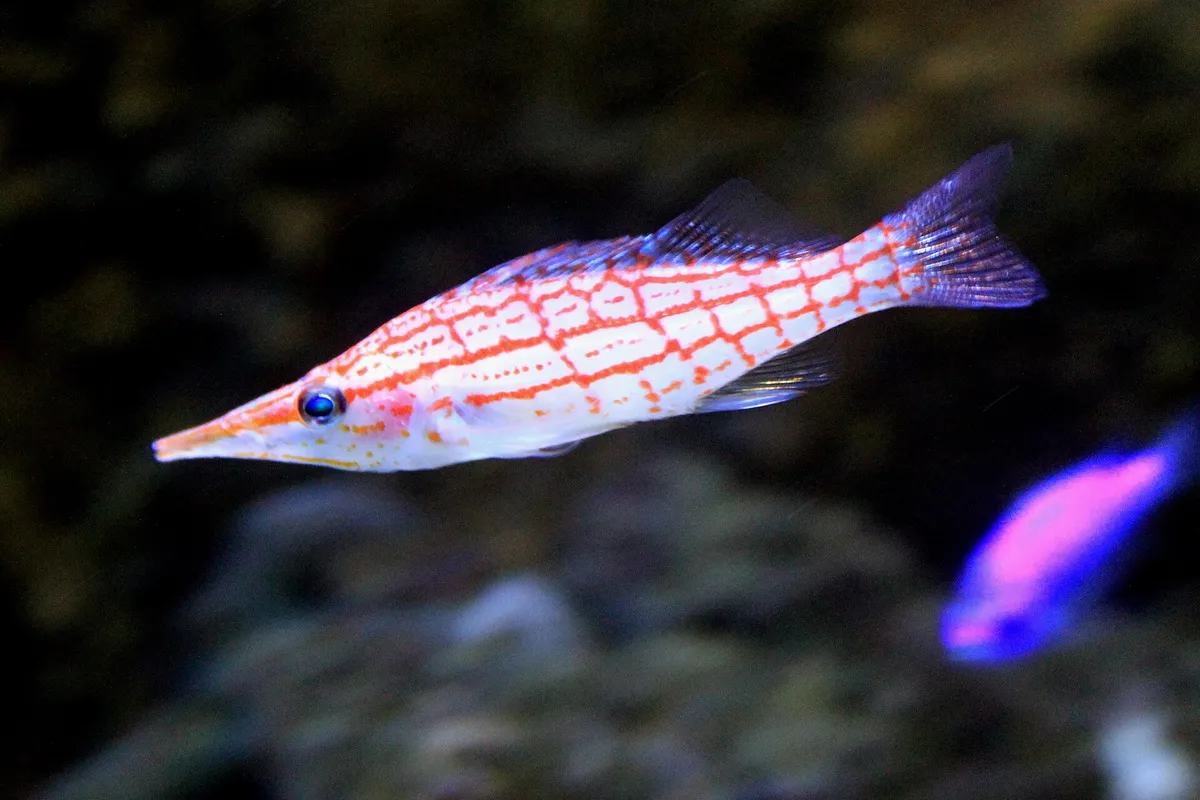
Oxycirrhites typus is a 13 cm red-checked hawkfish with a long snout that perches on corals and is mostly reef safe, except for small shrimp.
Read more →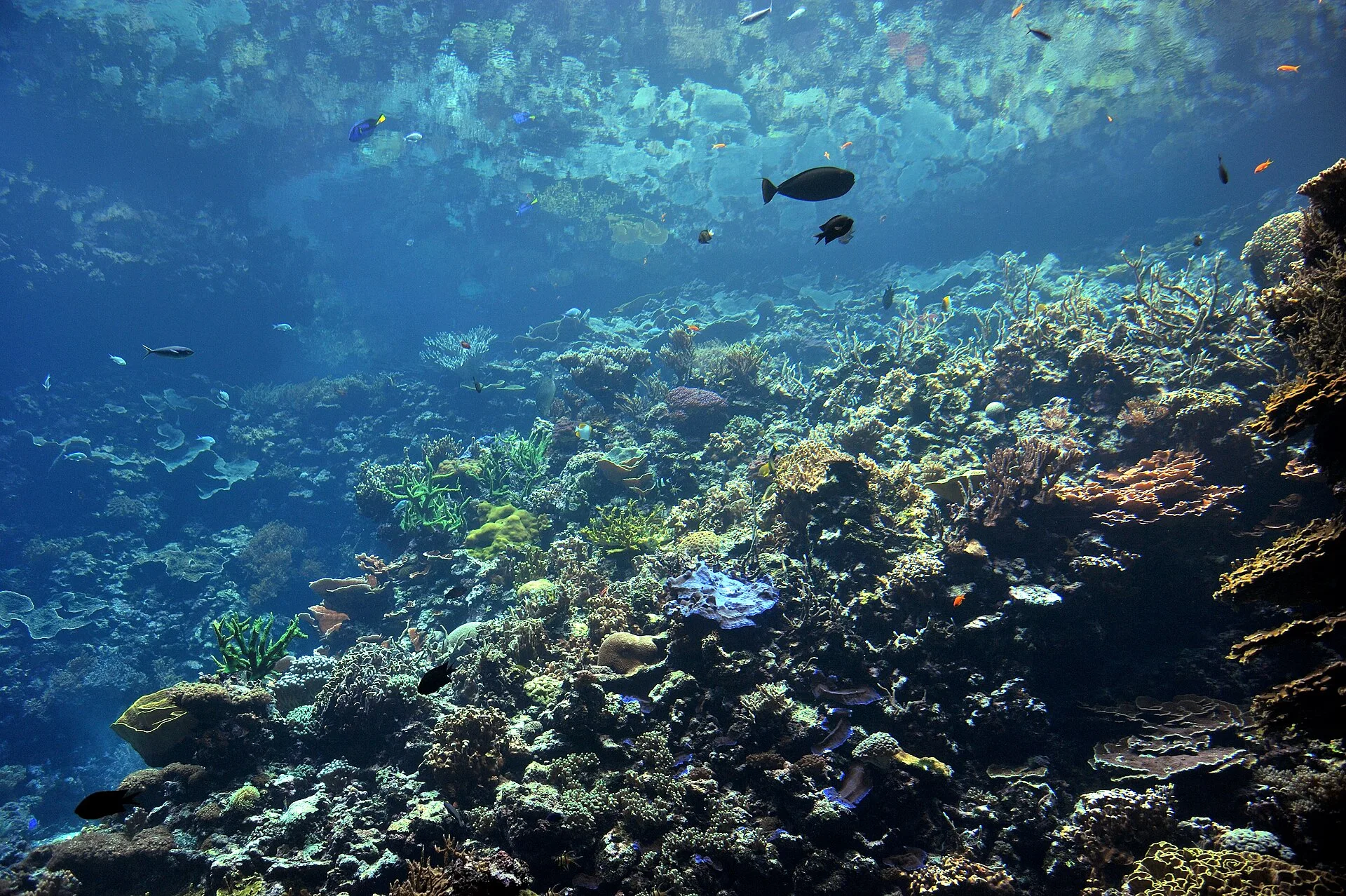
Reef tanks juggle hungry fish against nutrient export. Here’s a practical marine feeding schedule that keeps fish fit without greening the rock.
Read more →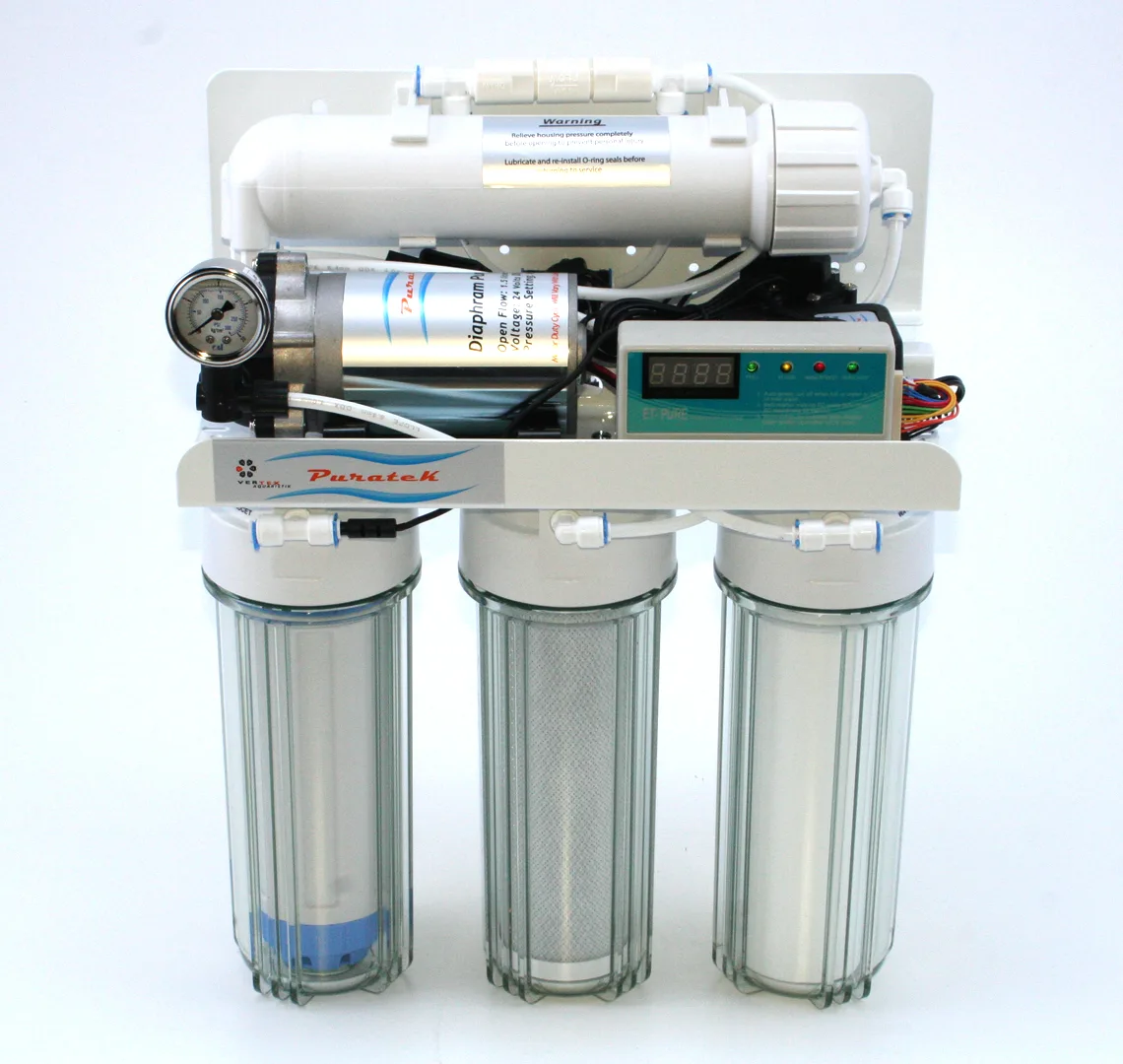
Tap water carries chlorine, metals, and phosphates — RO/DI gives control for shrimp, discus, and reef salt mixing.
Read more →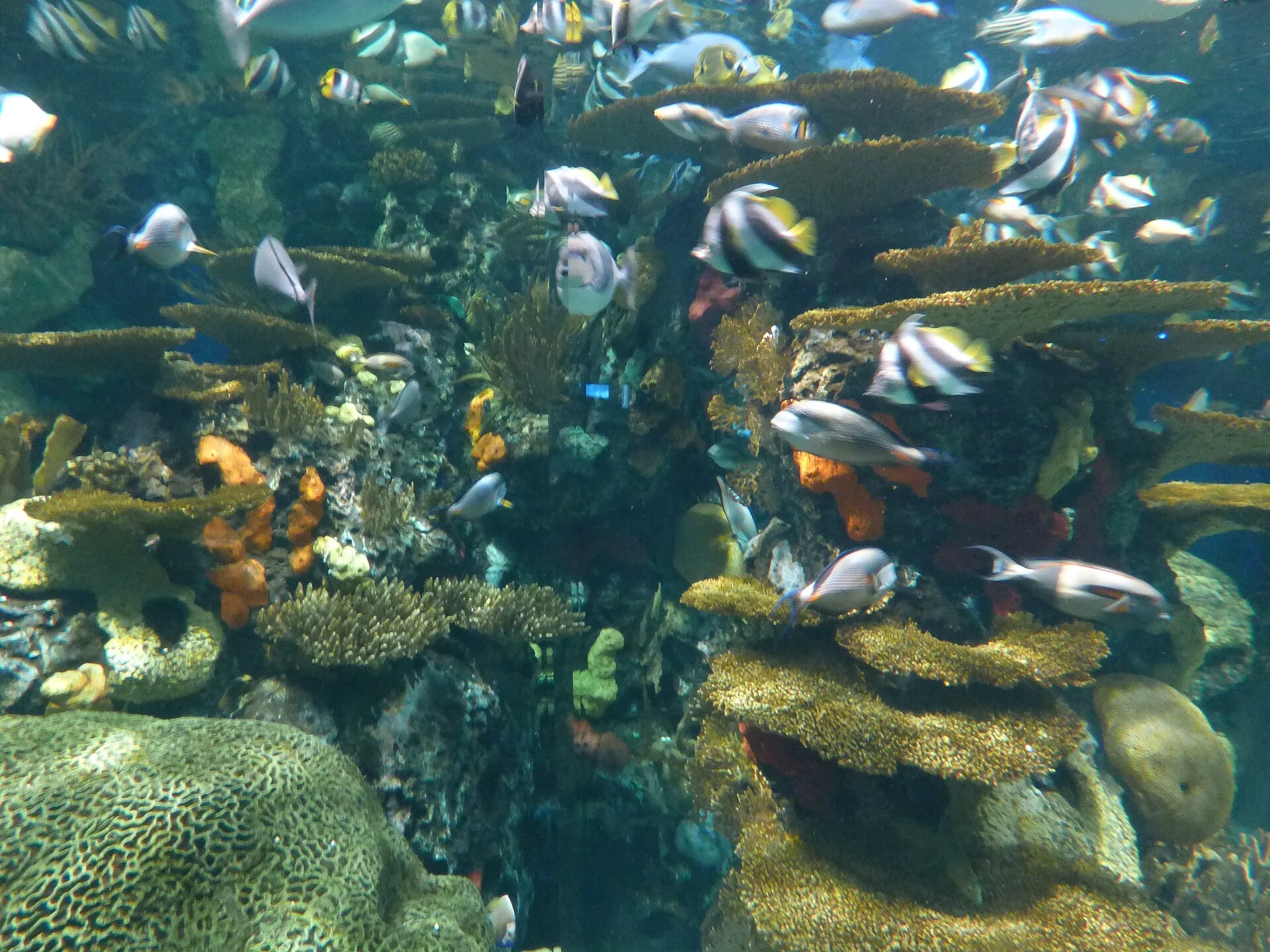
Magnesium keeps calcium and alkalinity in solution — low Mg causes white precipitation on heaters and stalled coral growth.
Read more →
Alkalinity is the backbone of coral skeleton building — unstable dKH causes more reef losses than any single parasite.
Read more →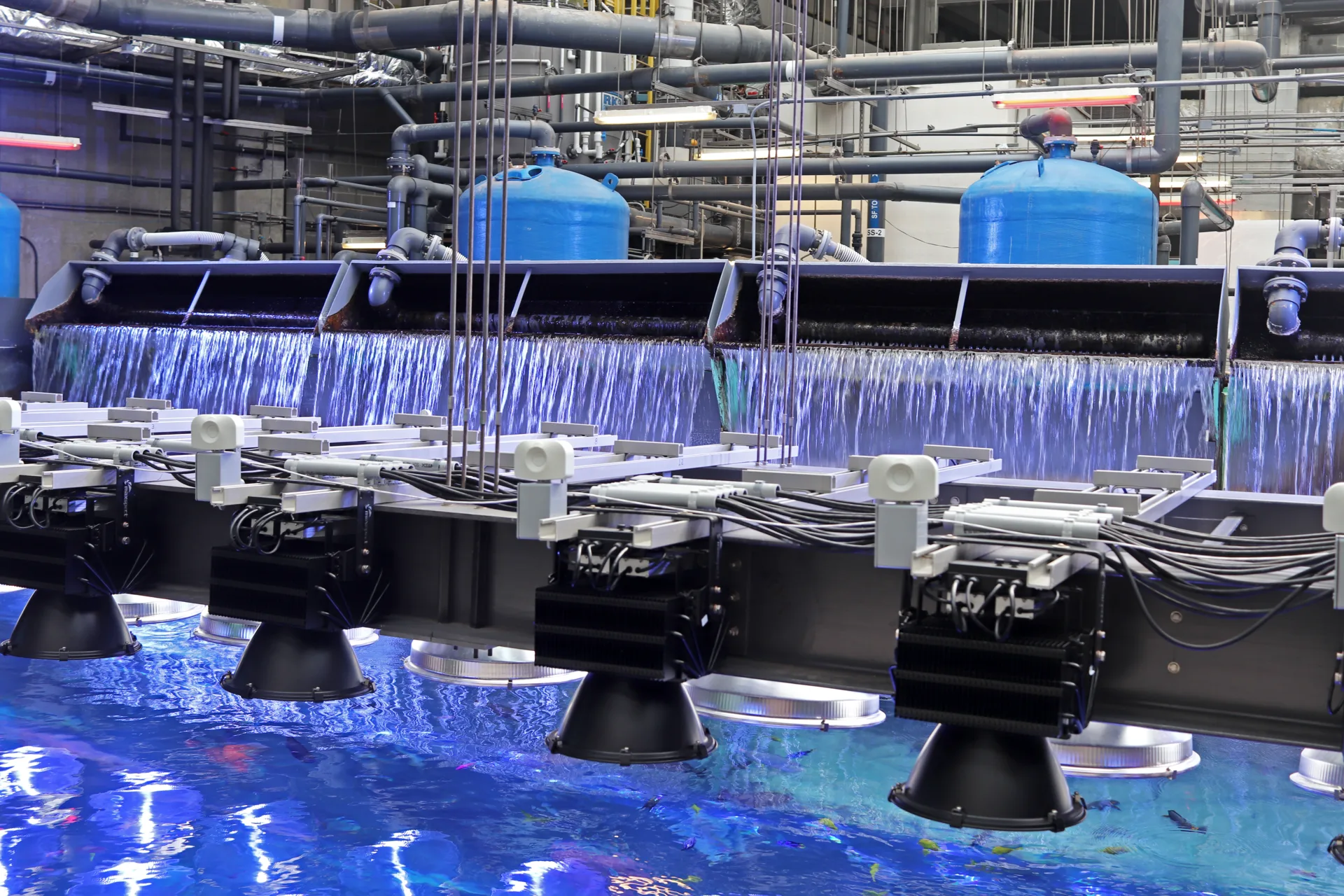
Phosphate fuels algae and slows coral calcification — learn where it enters and how to export it without crashing a balanced reef.
Read more →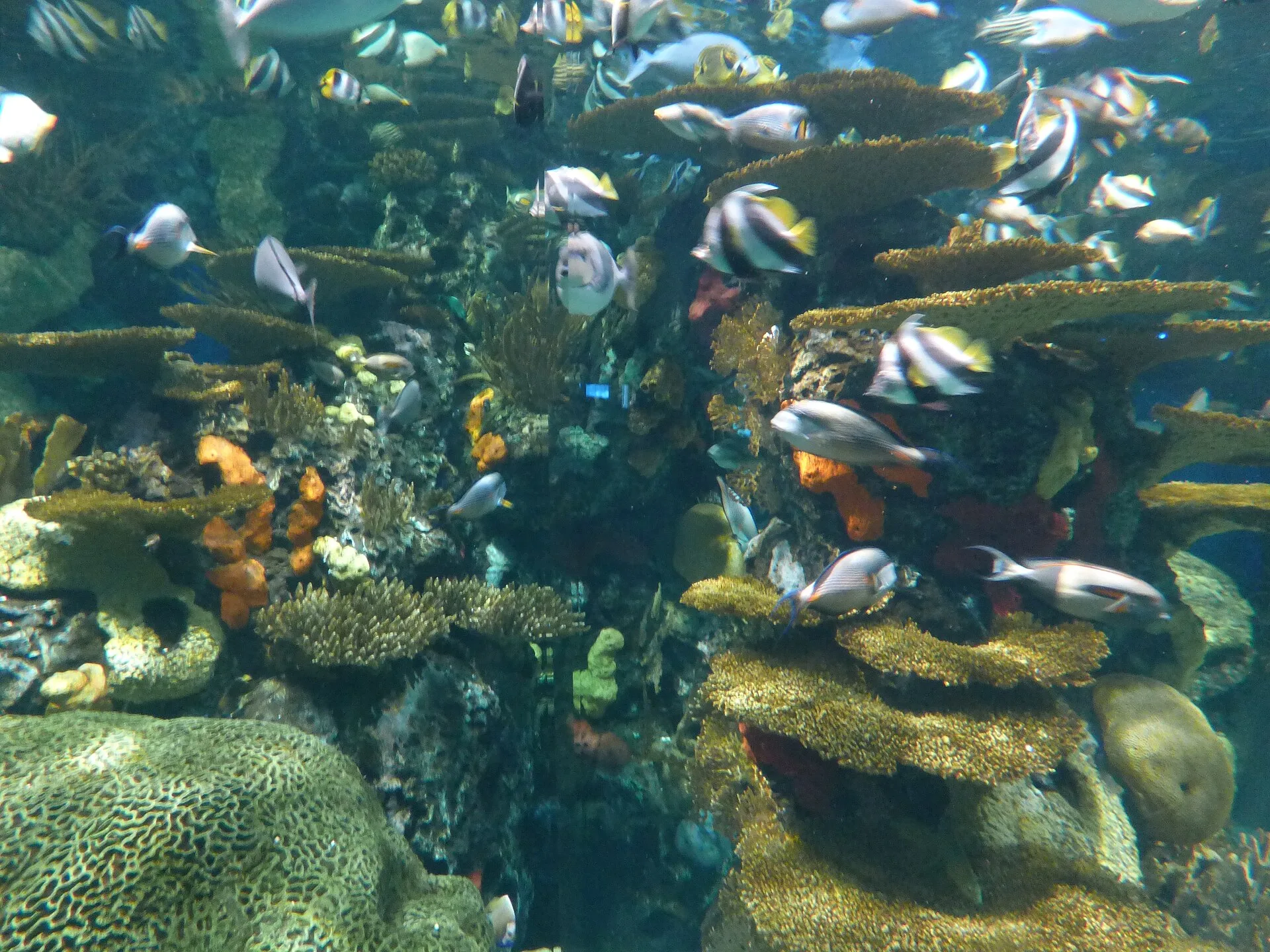
Target feeding delivers meaty foods directly to coral polyps — growth and color improve when done consistently without overloading the system.
Read more →
Phytoplankton feeds filter-feeding corals and clams — valuable when dosed in moderation to tanks that actually consume it.
Read more →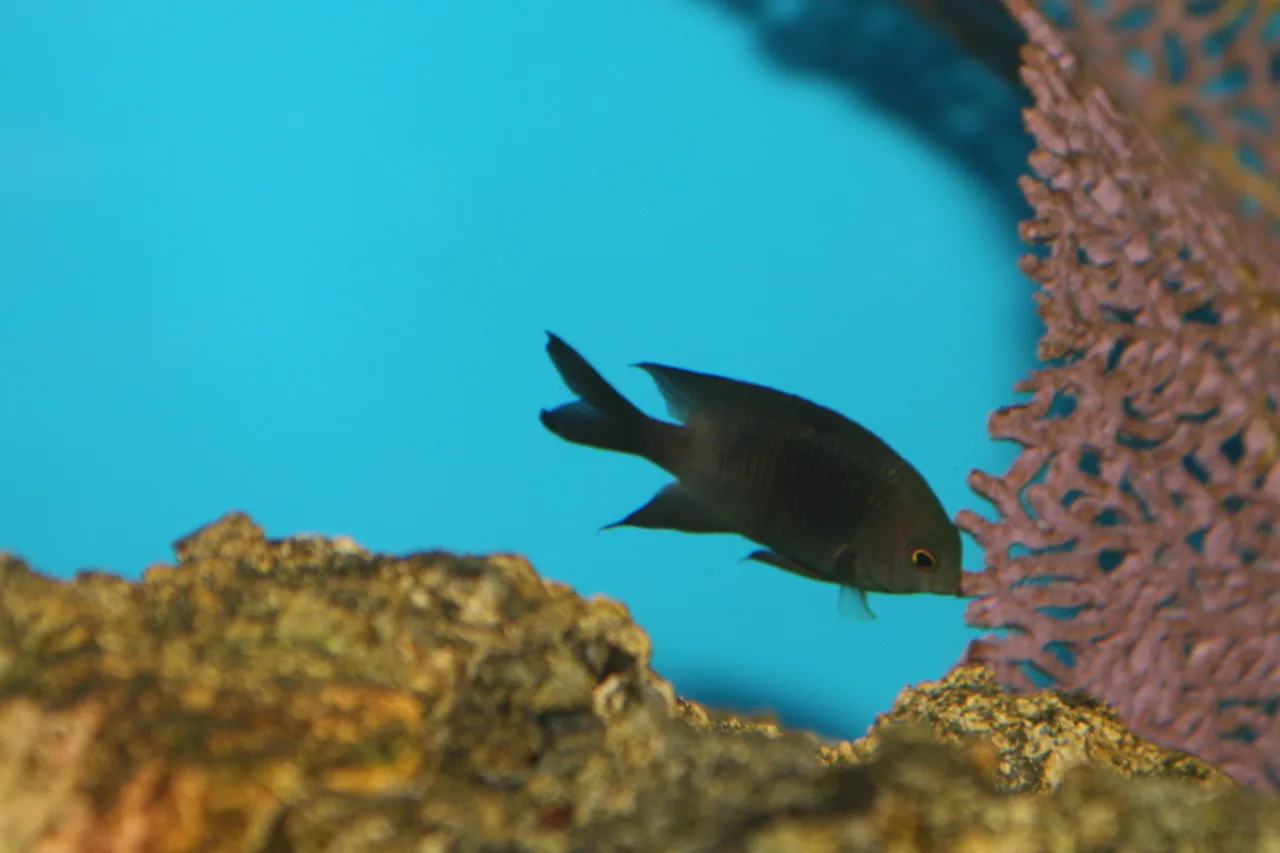
Copepods are living reef plankton — mandarins, wrasses, and corals all benefit when populations persist in live rock and refugiums.
Read more →
Automated dosing keeps reef parameters stable when consumption outpaces manual water changes — but sloppy calibration causes worse swings than no…
Read more →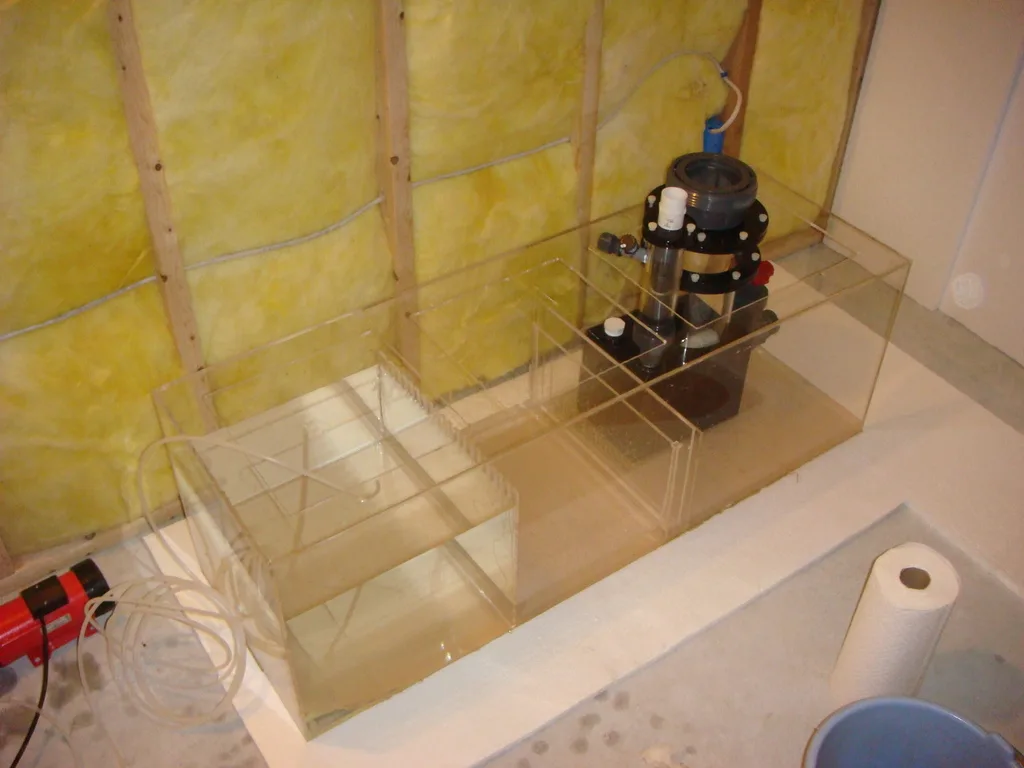
Sumps expand filtration capacity, hide gear, and enable refugiums that export nutrients — the backbone of most serious reef systems.
Read more →
When room temperature or high-intensity lighting pushes tanks past safe limits, a chiller becomes essential insurance — not a luxury gadget.
Read more →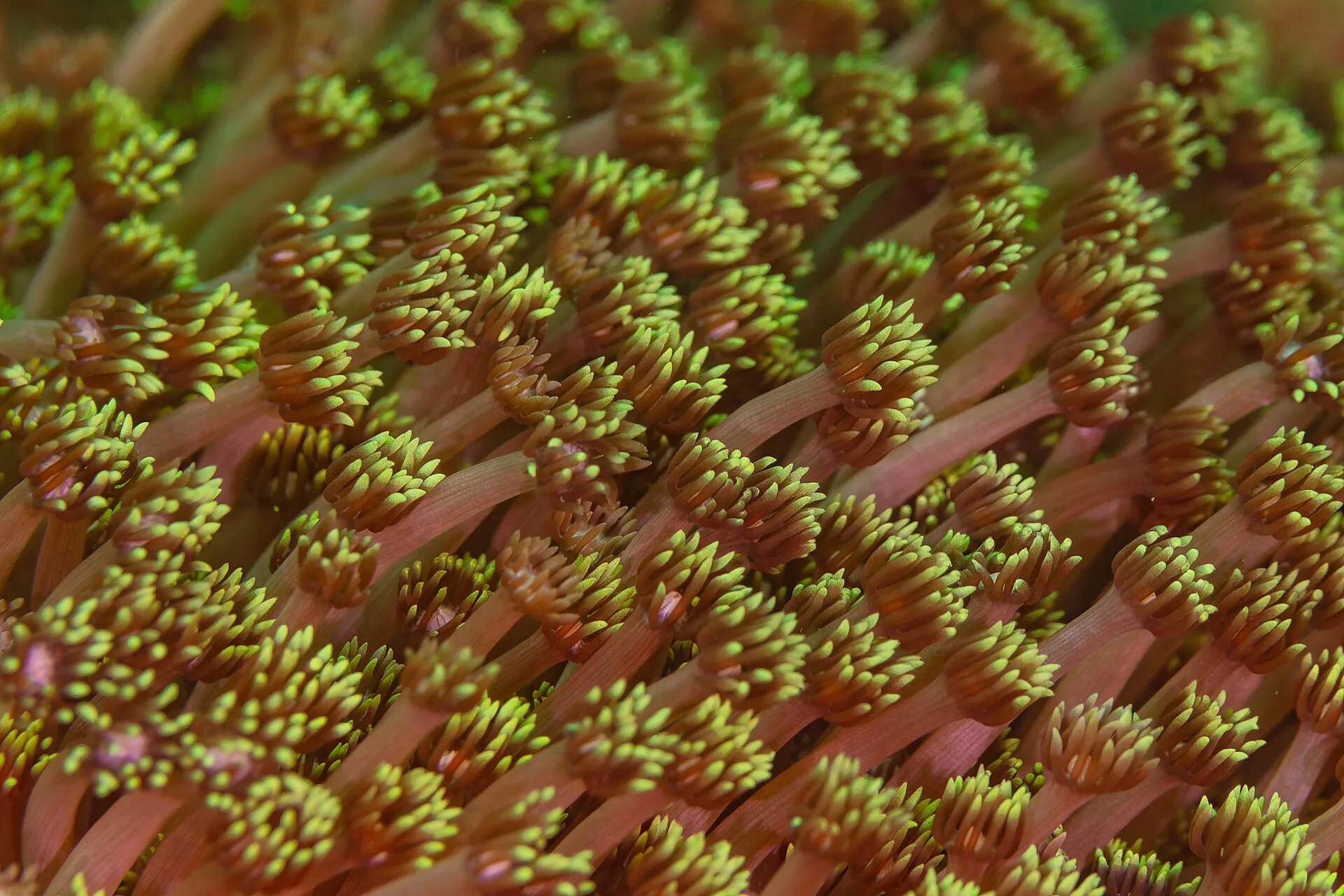
Care notes for keeping Goniopora (Goniopora sp.) successfully in home aquariums.
Read more →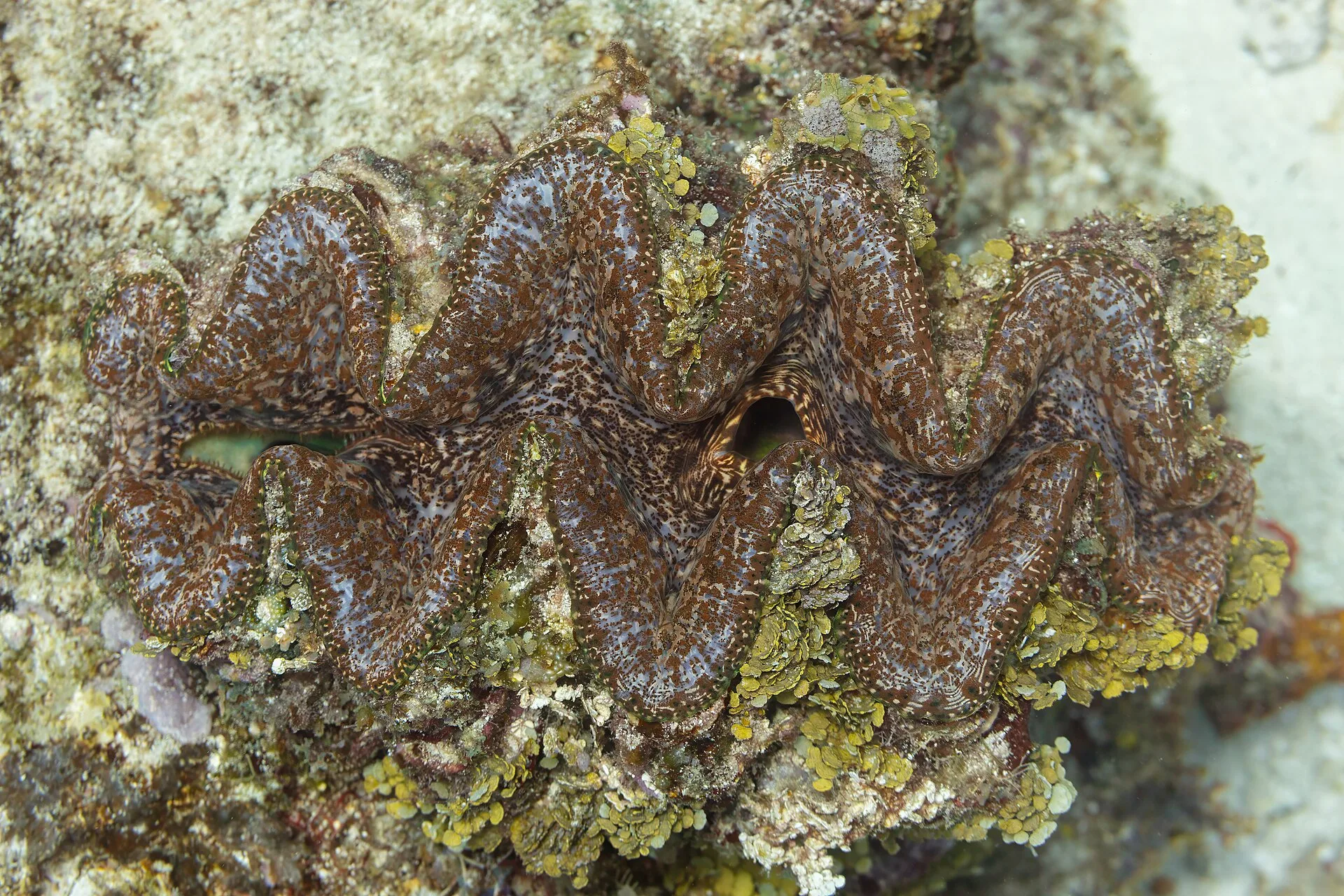
Care notes for keeping Maxima Clam (Tridacna maxima) successfully in home aquariums.
Read more →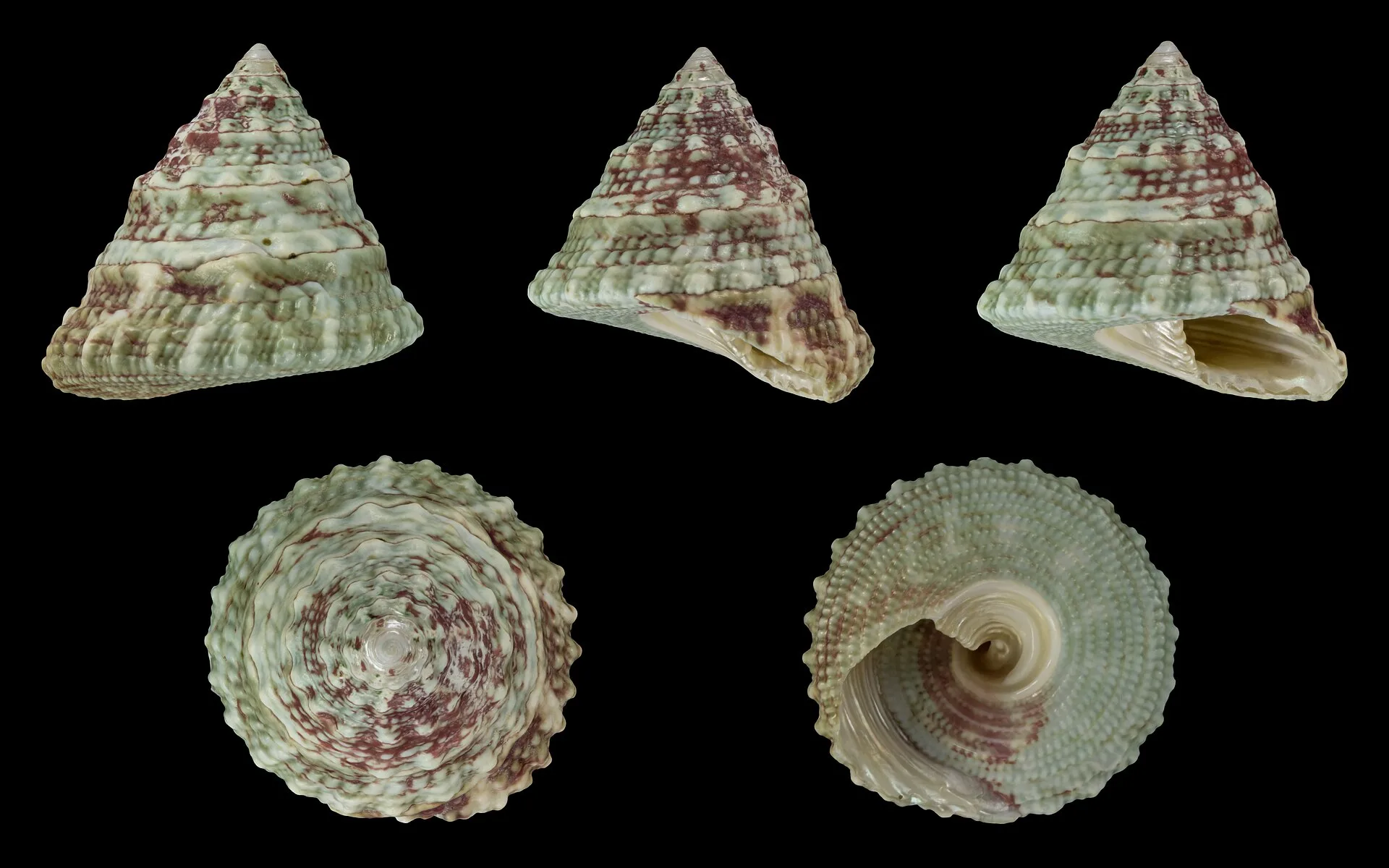
Care notes for keeping Trochus Snail (Trochus sp.) successfully in home aquariums.
Read more →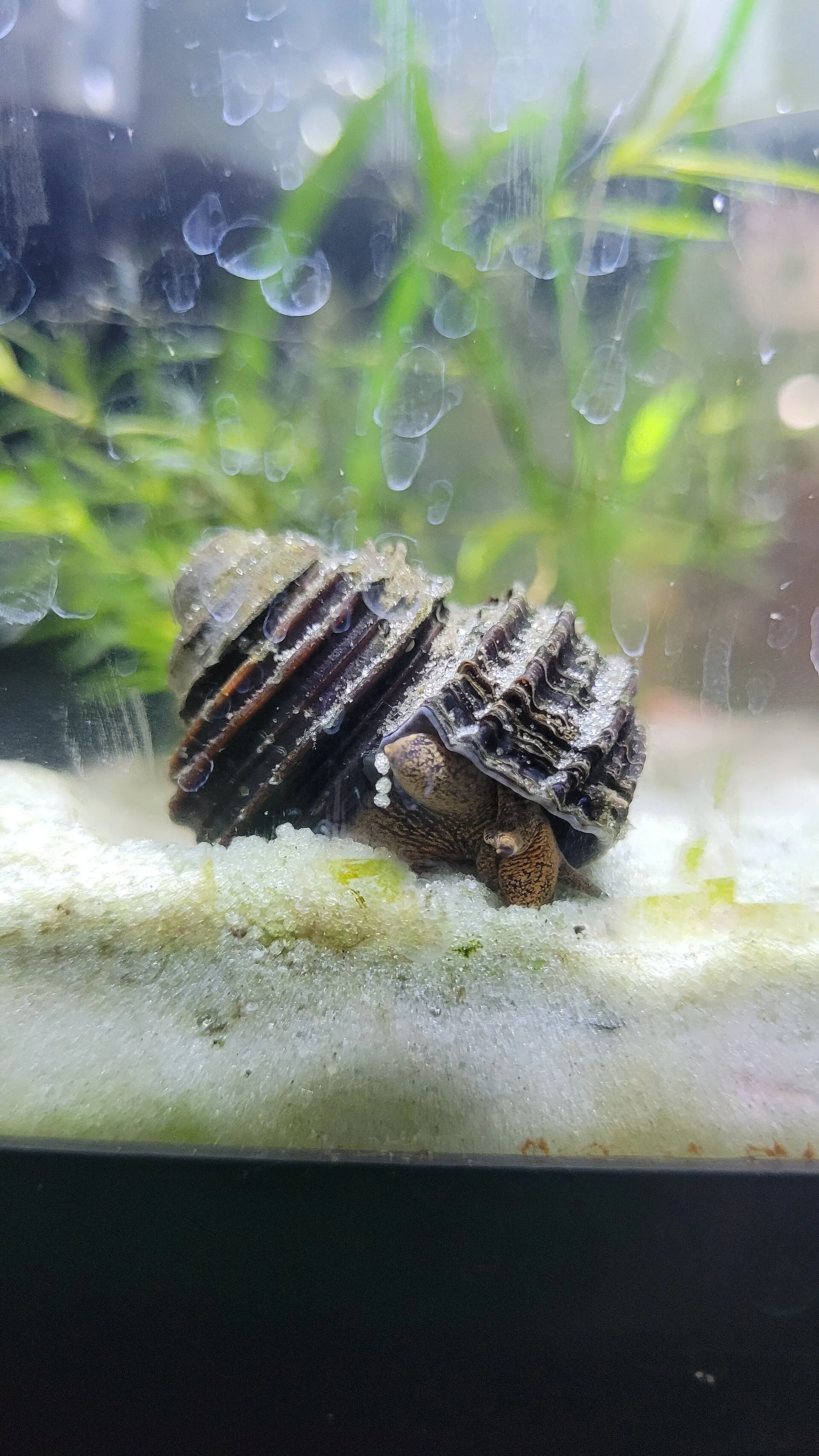
Care notes for keeping Turbo Snail (Turbo sp.) successfully in home aquariums.
Read more →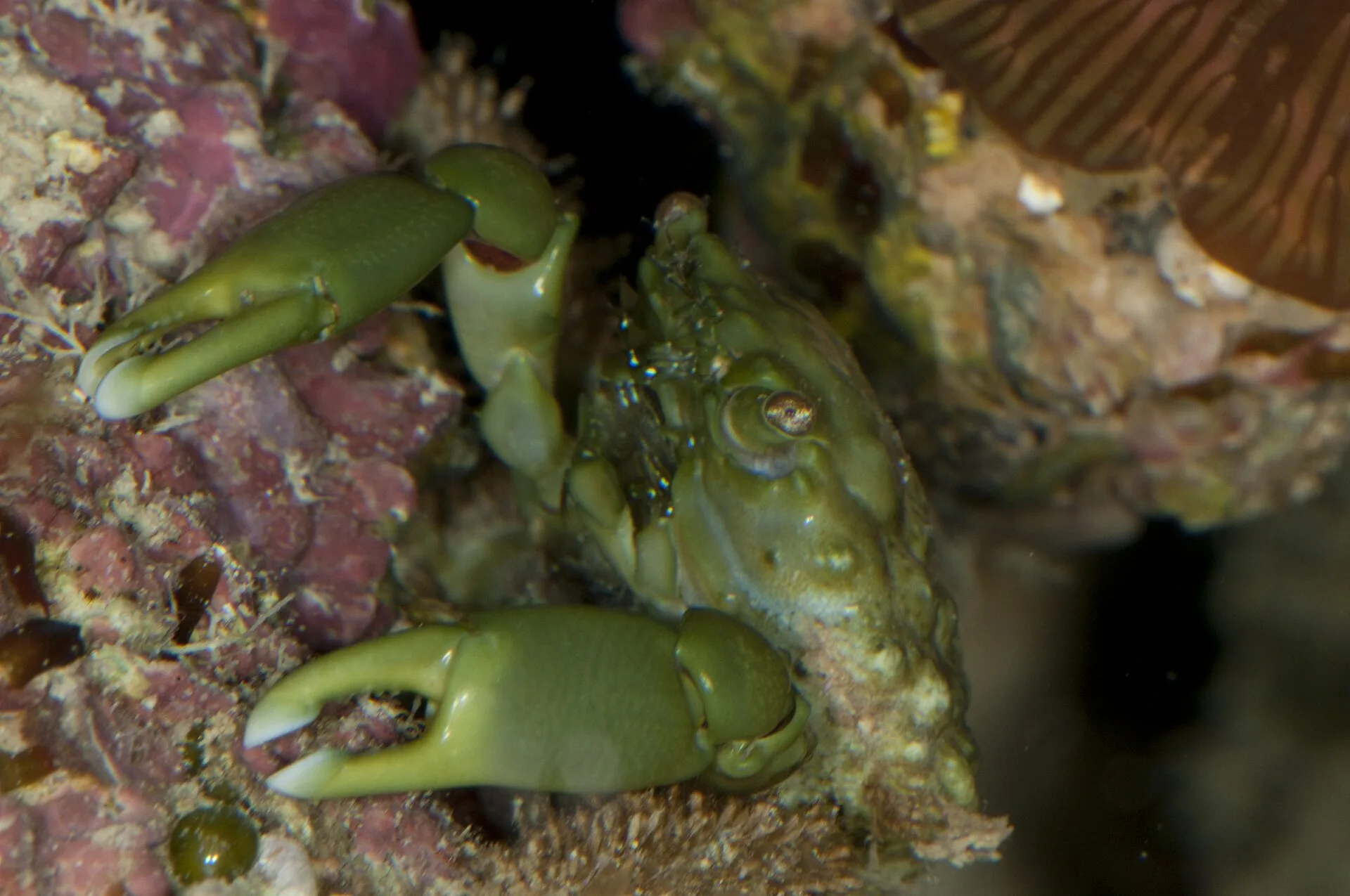
Care notes for keeping Emerald Crab (Mithraculus sculptus) successfully in home aquariums.
Read more →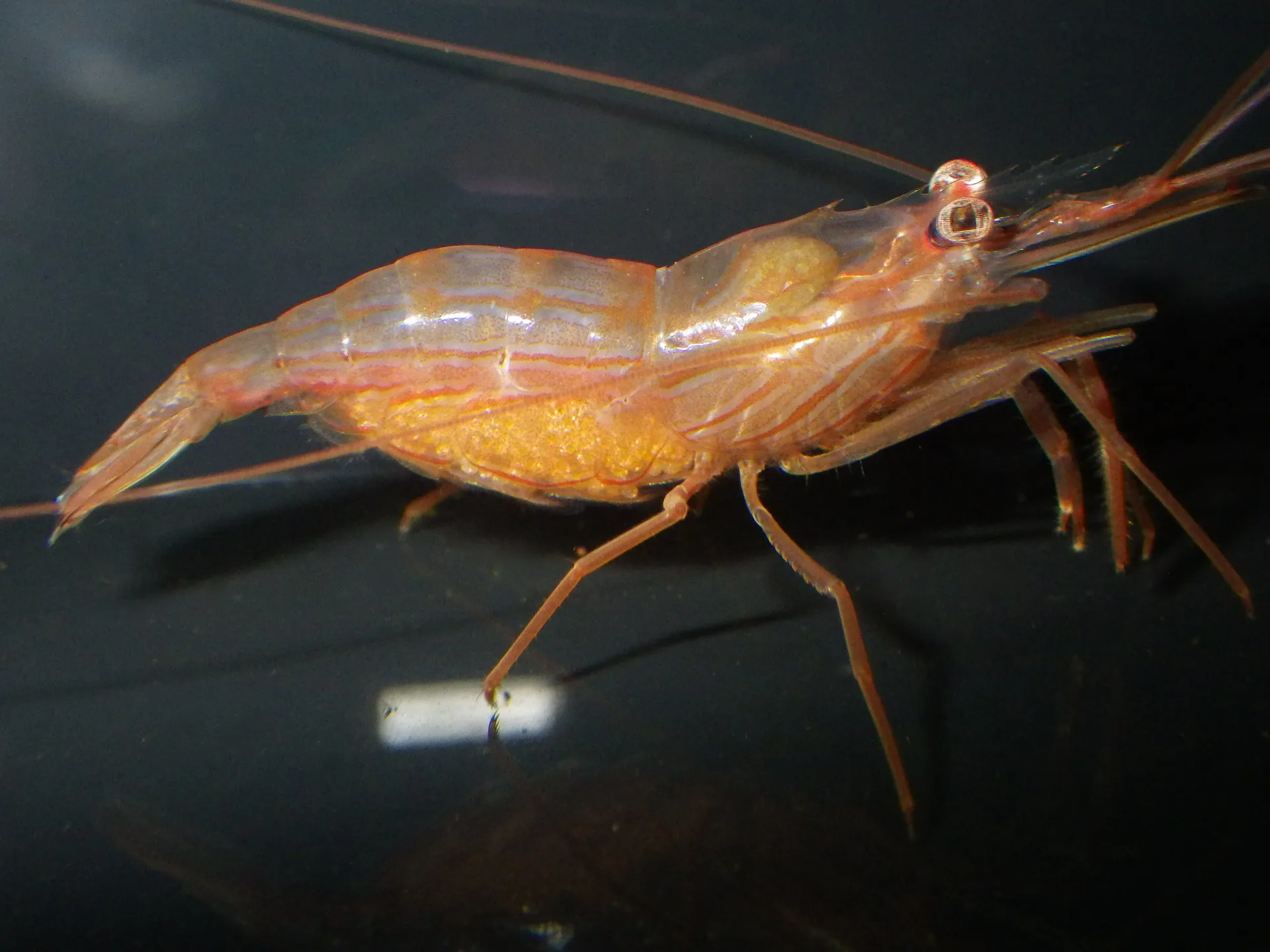
Care notes for keeping Peppermint Shrimp (Lysmata wurdemanni) successfully in home aquariums.
Read more →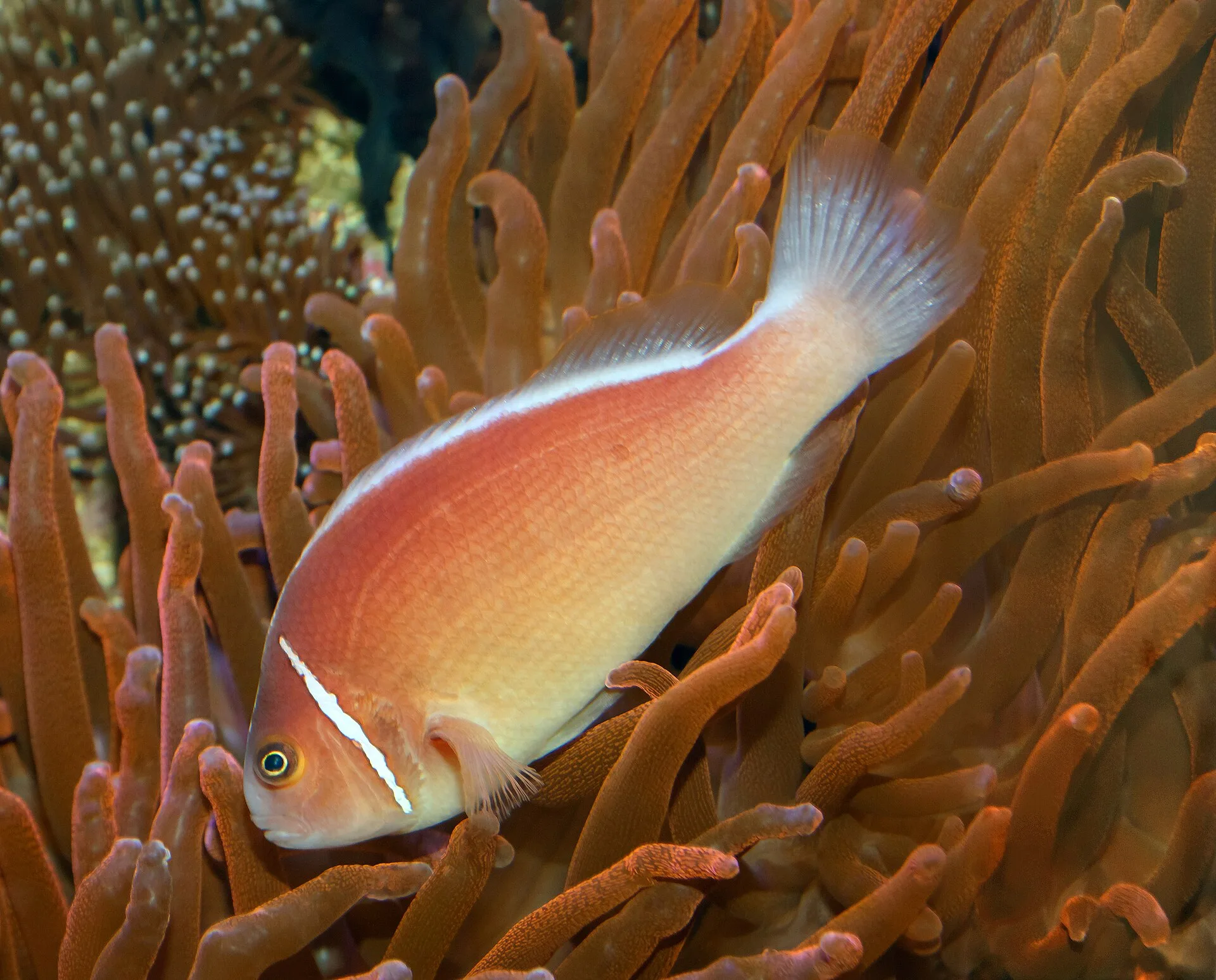
A practical care guide to keeping Pink Skunk Clownfish (Amphiprion perideraion) healthy in the home aquarium.
Read more →