

RO/DI Water for Aquariums
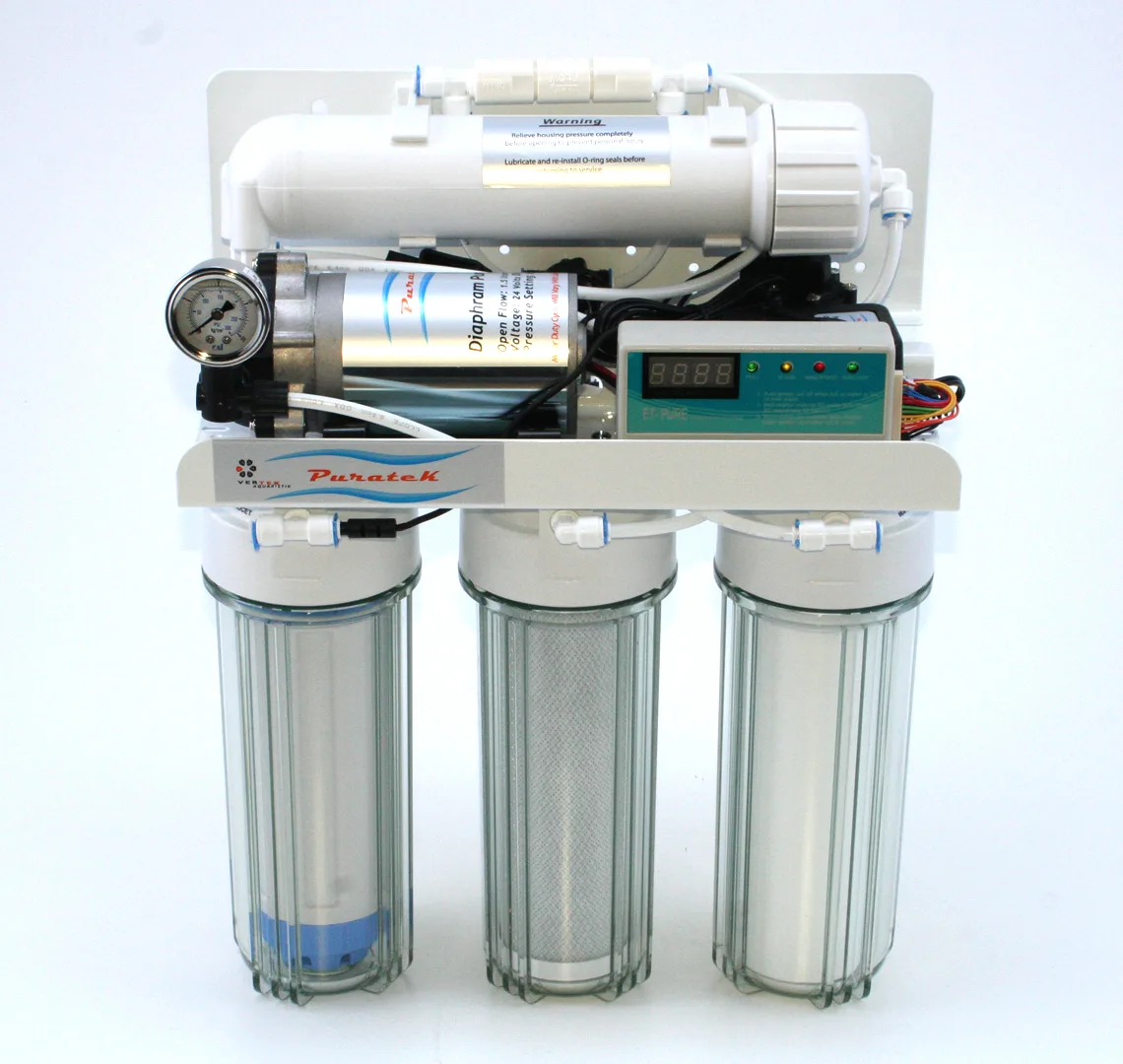
This guide covers RO DI water aquarium with practical steps for home aquariums. Tap water carries chlorine, metals, and phosphates — RO/DI gives control for shrimp, discus, and reef salt mixing.
For related reading, see mastering aquarium pH.
When RO/DI Pays Off
High tap TDS, chloramine, nitrate in city water, or sensitive livestock (Caridina shrimp, wild discus, reef SPS) justify RO/DI investment.
Moderate community tanks on decent tap often do fine with dechlorinator alone — test before buying hardware.
System Basics
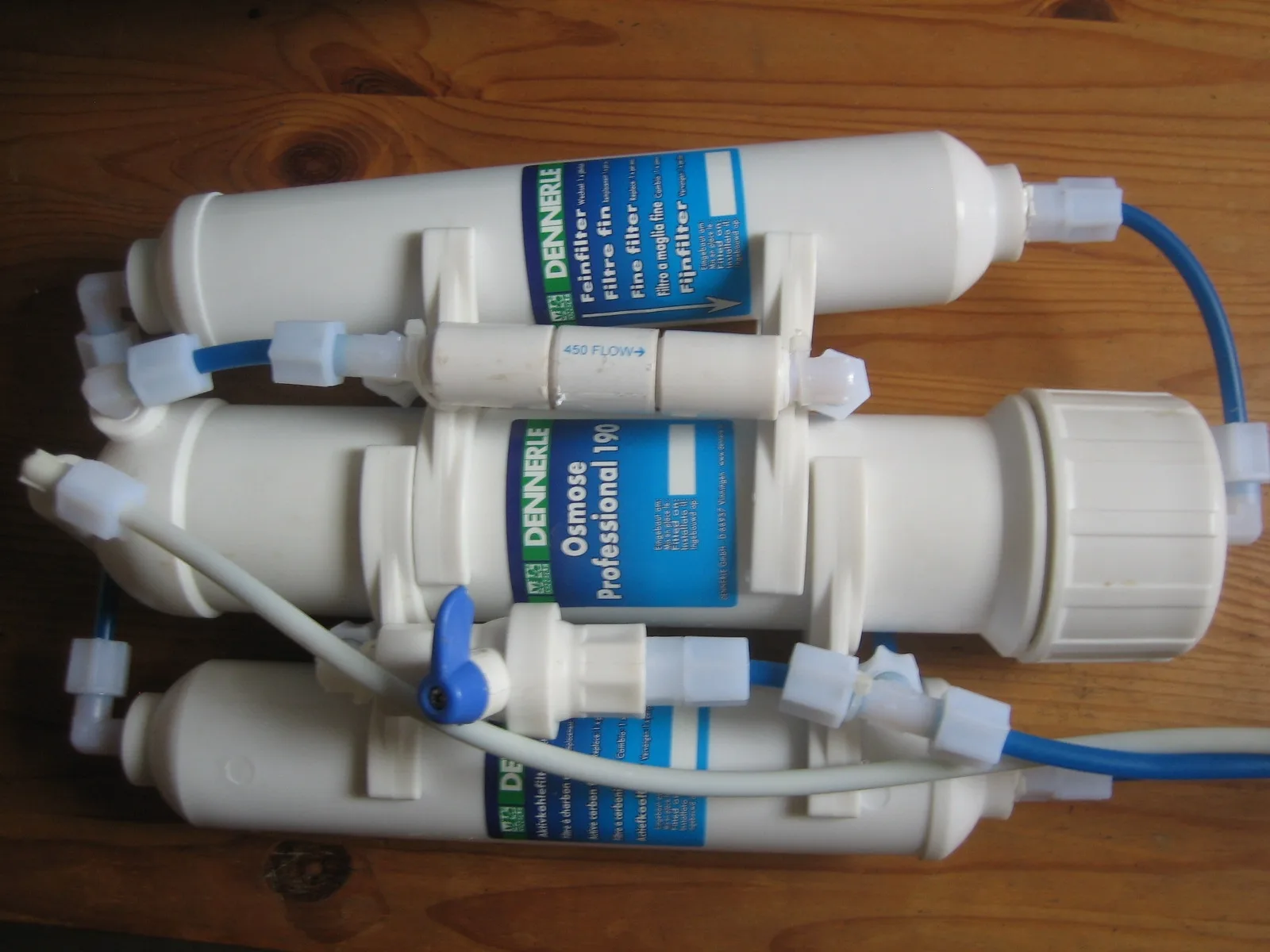
Sediment, carbon, RO membrane, and DI resin stages strip ions. Output TDS should read near zero — replace DI when pen climbs above your threshold (often 1–2 ppm).
Membranes last 2–4 years with proper flush and sediment changes; neglect shortens life fast.

Storage and Stale Water
Store RO in food-grade containers without copper lines. Stagnant RO can drop pH and absorb CO2 — use within days or aerate before remineralizing.
Never store in open buckets where dust and insects contaminate.
Remineralizing for Freshwater
Add gh/kh products or remineralizing salts until target TDS and hardness match species. Shrimp keepers weigh salts for repeatability.
Record recipes — guessing causes molt failures in Caridina.
Reef Mixing
Mix salt with RO/DI at correct salinity before water changes. Pure RO top-off replaces evaporation only.
Verify salt mix TDS and alkalinity on new buckets — brands vary slightly batch to batch.


Explore other topics
Dive into more aquarium guides across the site.