

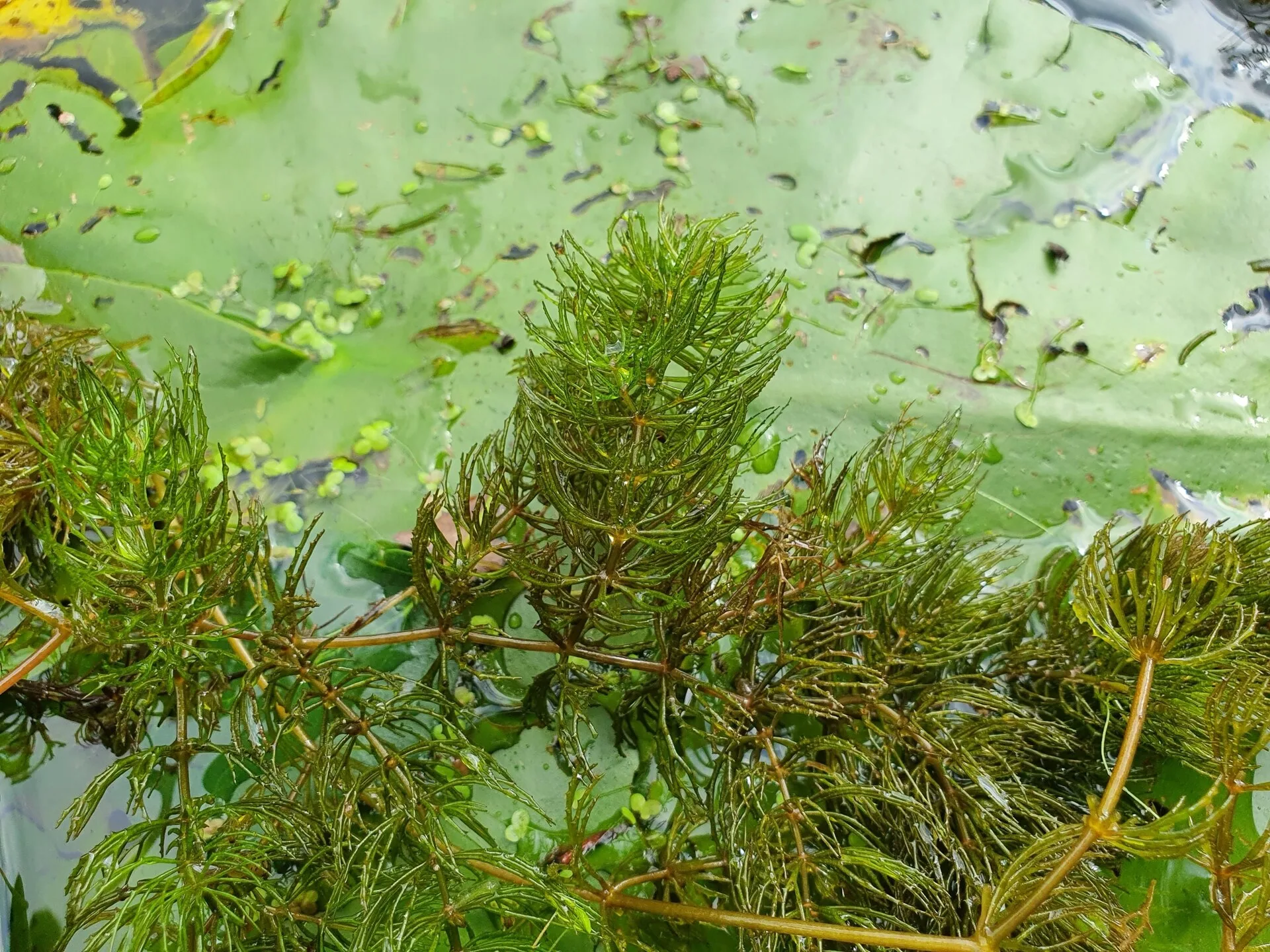
Hornwort (Ceratophyllum demersum)
Hornwort (Ceratophyllum demersum) is a staple freshwater aquarium plant used for cover, nutrient uptake, and aquascape texture. This guide mirrors our other plant profiles with habitat notes, appearance, placement, lighting, nutrients, water parameters, propagation, compatibility, and troubleshooting so you can grow it with confidence.
Keeper notes: Hornwort never roots — weight stems or float them. It sheds needles when stressed by abrupt parameter changes. Fast growth means frequent thinning, which is also how you export nitrates from messy fish tanks.
Natural Habitat and Origin
In nature, related populations inhabit shallow freshwater edges, quiet channels, or flooded margins where light reaches the water column and organic sediment fuels growth. Those soft, nutrient-available conditions explain why the plant responds so well to aquarium soil, liquid fertiliser, and regular trimming.
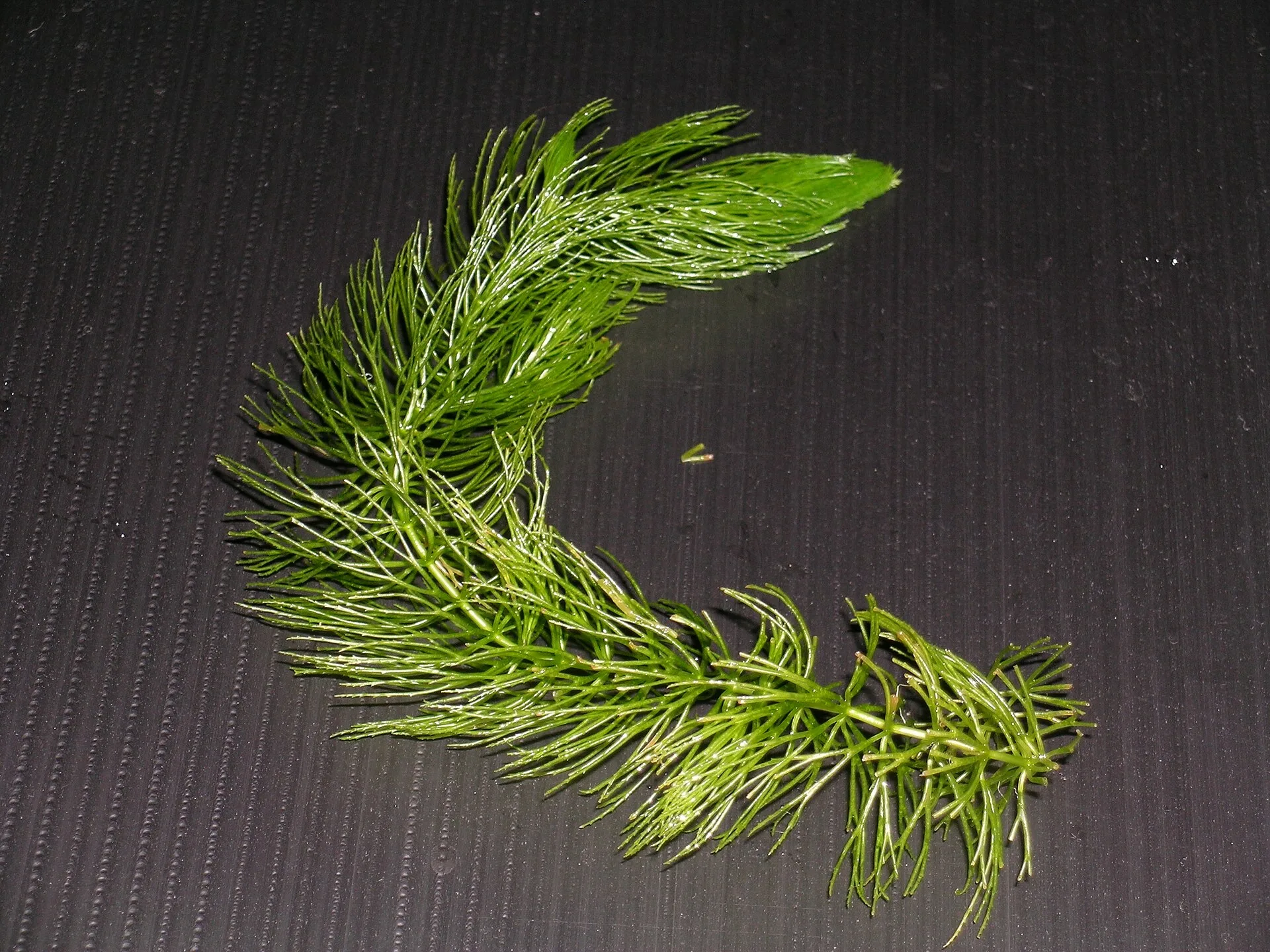 Hornwort (Ceratophyllum demersum). Photo: S.Tanaka / Wikimedia Commons (Public domain)
Appearance and Growth Habit
Expect heights around stems can exceed 2 feet (60 cm); trim freely with a fast growth rate under typical lighting. Use it as a floating mass or loosely weighted midwater plant. Healthy specimens show intact leaves without melt, clear growing tips, and steady new shoots after water changes.
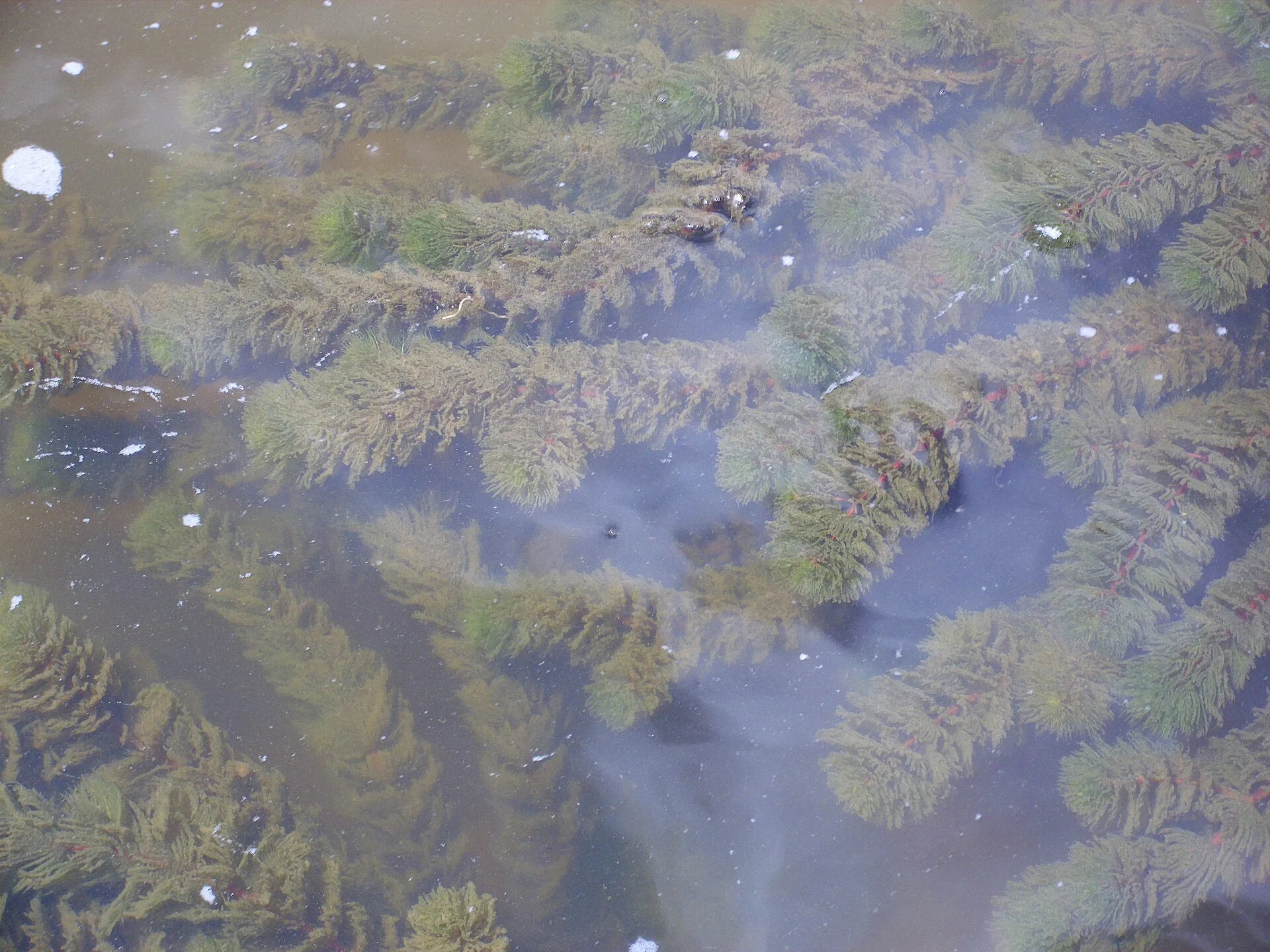 Hornwort (Ceratophyllum demersum). Photo: Javier martin / Wikimedia Commons (Public domain)
Aquarium Placement and Hardscape Use
Plan the aquascape around the plant’s natural role:
- Reserve space according to mature height so it does not shade sensitive neighbours without intent.
- Combine with contrasting leaf shapes (grasses, swords, mosses) for depth.
- Trim from the top or outer runners to keep compact shapes and encourage bushier growth.
- In shrimp tanks, dense growth creates grazing surfaces and fry shelter.
Light, CO2, and Nutrients
- Light: low to high
- CO2: not required
- Fertiliser: root tabs for substrate rooting species; liquid macros/micros for water-column feeders and floaters
- Substrate: nutrient-rich soil accelerates rooted growth; inert gravel can work with supplements
Iron and potassium shortages often show as pale new leaves or slowed tips — address fertiliser before assuming the plant “doesn’t like” your tank.

Water Conditions
- Temperature: 50–86°F (10–30°C)
- pH: 6.0–7.8
- Flow: gentle to moderate; avoid blasting delicate tips with raw powerhead flow
- Maintenance: remove yellowing leaves, thin overcrowded stems, and keep surface films in check for floaters
Propagation
Most growers propagate by cuttings, runners, or division. Replant healthy tops into the substrate, reattach moss portions with thread or glue, or separate floating daughter plants once roots are developed. Discard soft, rotting material rather than spreading it.
Compatibility
Hornwort pairs well with peaceful community fish, shrimp, and snails. Very large plant-eating fish (some goldfish, large silver dollars, or heavy diggers) may uproot or shred it. Use mesh, weights, or denser planting to protect young growth.
Ease of Care
Care level: beginner. Success comes from matching light and nutrients, trimming before stems crowd each other, and resisting the urge to move plants constantly while they settle.
Common Problems
- Melt after emersed-to-submersed transition (normal; wait for new submerged leaves)
- Algae on slow leaves from excess light or excess nutrients without plant mass
- Leggy stems from insufficient light
- Pinholes or pale growth from micronutrient gaps
Related Reading
Healthy growth depends on balanced light, nutrients like iron and potassium, and optional CO2 supplementation for demanding aquascaping layouts.
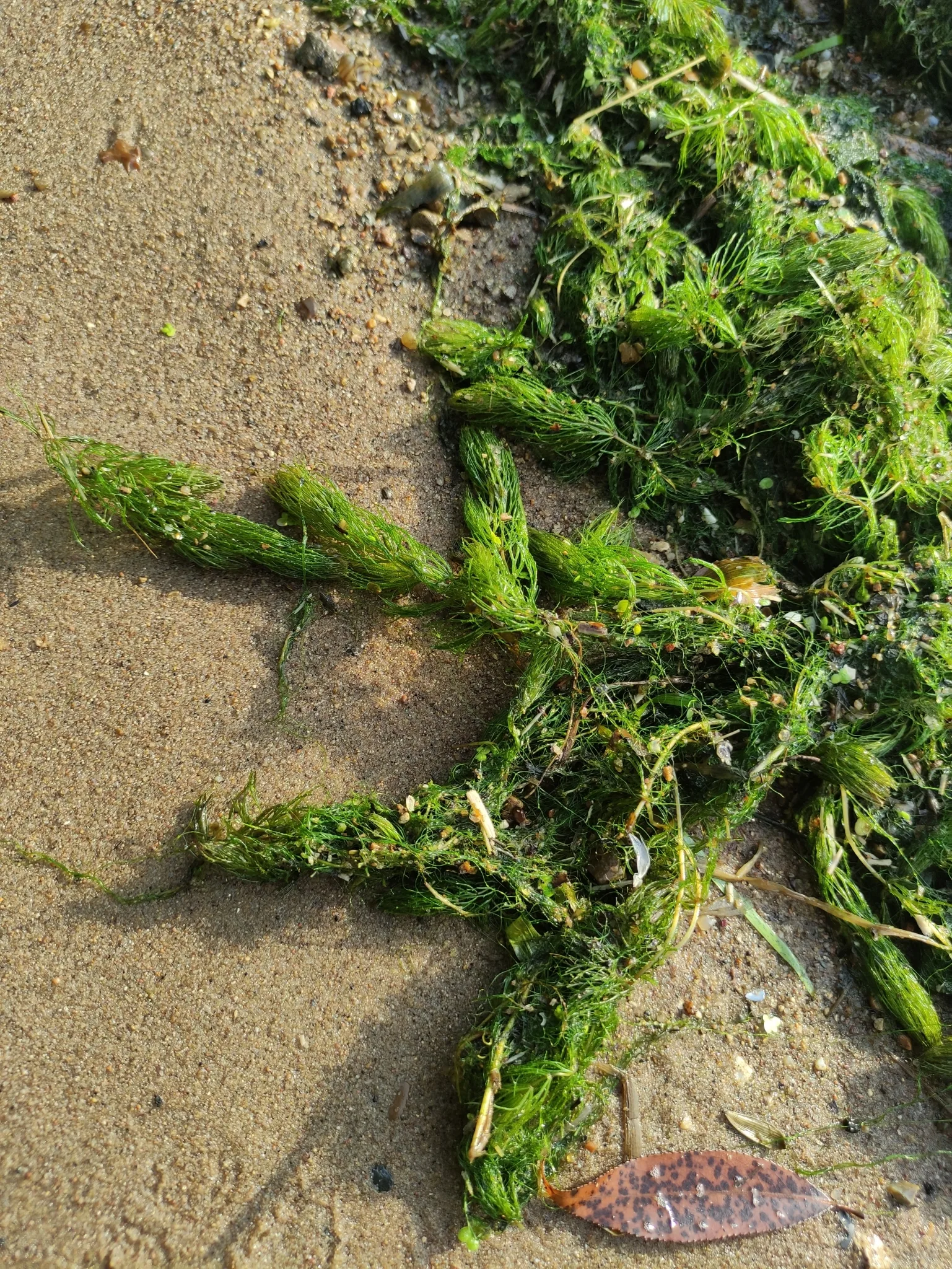 Hornwort (Ceratophyllum demersum). Photo: Марина Давлетшина / Wikimedia Commons (CC BY 4.0)
Conclusion
Hornwort (Ceratophyllum demersum) earns its place in planted aquariums through practical growth and visual texture. Give it suitable placement, steady light and nutrients, and routine trimming, and it will deliver the same dependable performance as the rest of our plant care library.


Explore other topics
Dive into more aquarium guides across the site.