

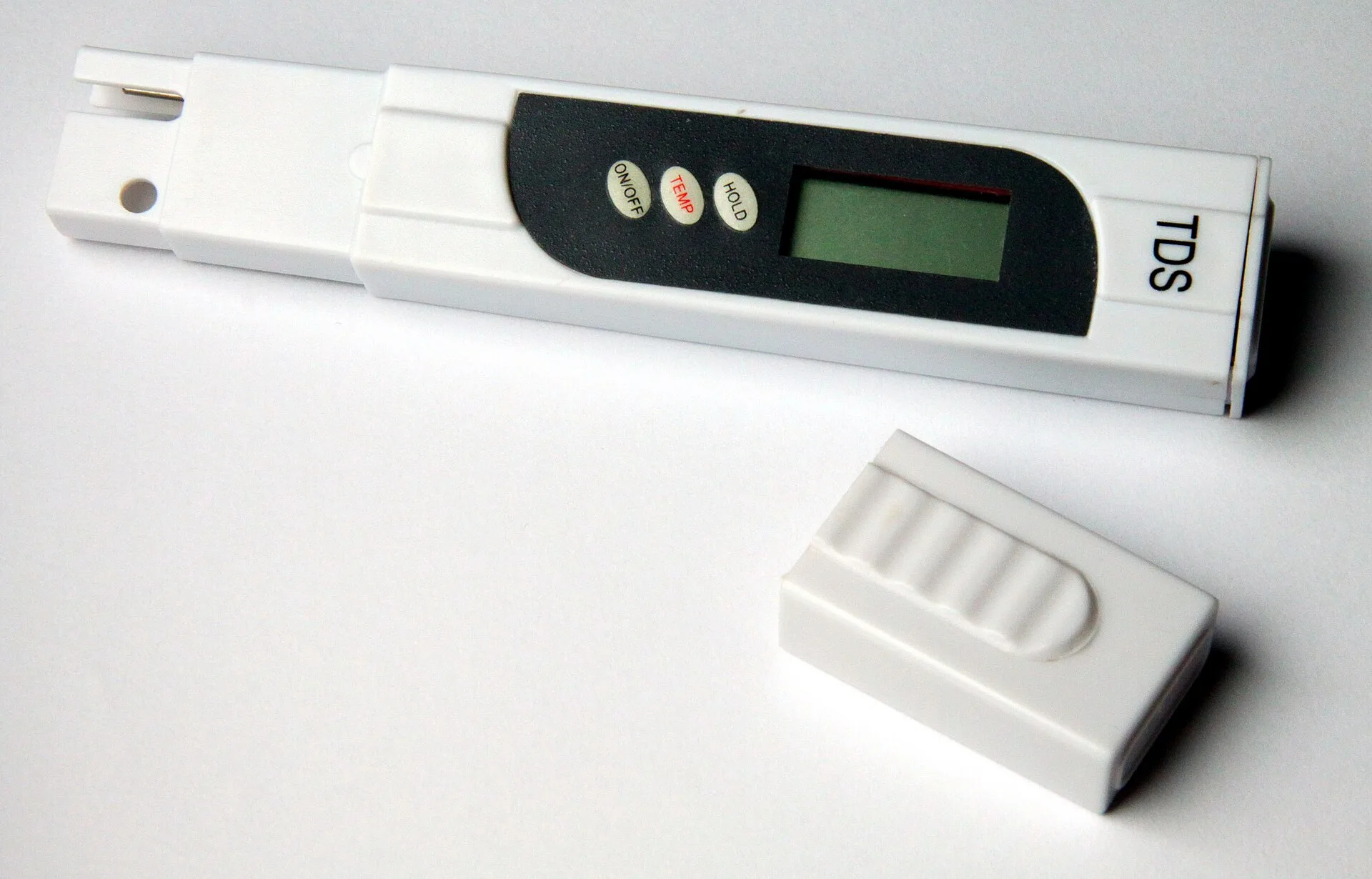
TDS and Conductivity in Freshwater
For related reading, see aquarium water chemistry basics and Controlling Nitrates Long Term.
What TDS Measures
TDS meters estimate dissolved minerals, salts, and organic compounds via conductivity. They do not distinguish calcium from nitrate — they flag overall ion concentration.
Useful for tracking RO remineralization consistency and detecting tap water supply changes.
Species Relevance
Caridina shrimp, discus, and many wild-caught tetras prefer stable low-to-moderate TDS with appropriate GH/KH — not just 'soft' labels.
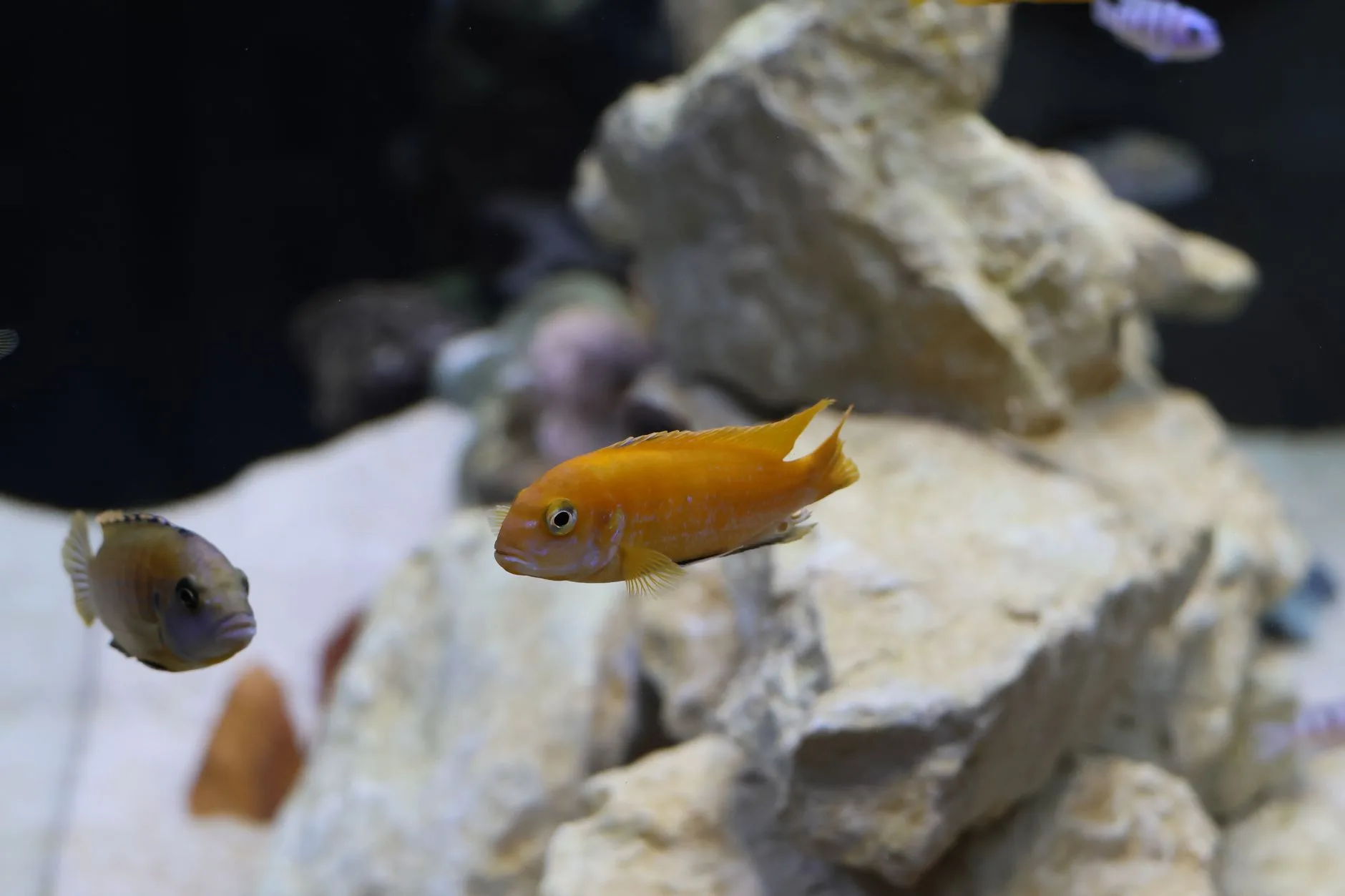
Livebearers and African cichlids tolerate higher conductivity; match replacement water to display readings during changes.

RO and Remineralization
After RO/DI, add remineralizers or gh/kh products until TDS matches target. Guessing by teaspoon causes swings that molt shrimp.
Record baseline TDS of tap, RO, and tank weekly — sudden jumps may mean evaporative concentration or contaminant introduction.
When TDS Rises Unexpectedly
Evaporation leaves minerals behind — top-off with RO freshwater, not tap. Overdosed fertilizers, medications, and buffer powders also raise conductivity.
If fish stress coincides with TDS climb, partial changes with matched lower-TDS water help while investigating the source.
Limits of TDS Pens
They complement — not replace — GH, KH, and nitrate tests. Two tanks at 150 ppm TDS may have opposite hardness profiles.
Calibrate expectations: cheap pens drift; replace batteries and compare against known standards periodically.


Explore other topics
Dive into more aquarium guides across the site.