

Canister Filters Explained
This guide covers canister filter aquarium with practical steps for home aquariums. Canister filters move high volumes quietly through layered media — ideal when you need strong mechanical and biological filtration without cluttering the glass.
For related reading, see cycling your aquarium the right way, drip acclimation for new fish and Air Pumps and Airline Gear.
How Canister Filters Work
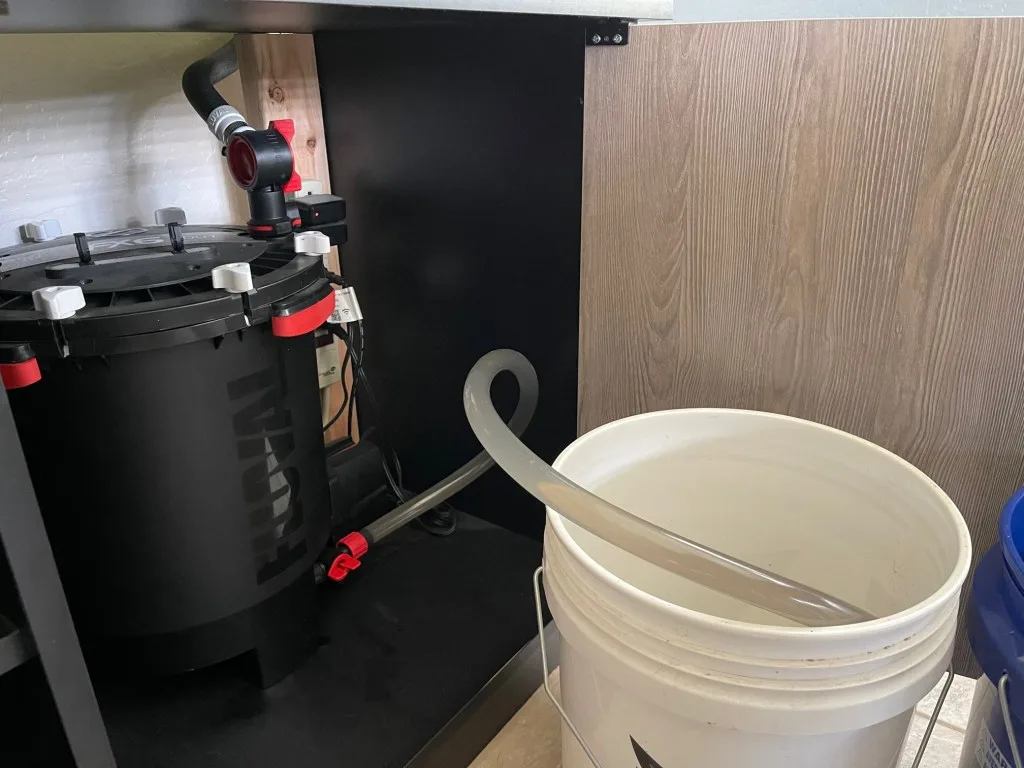
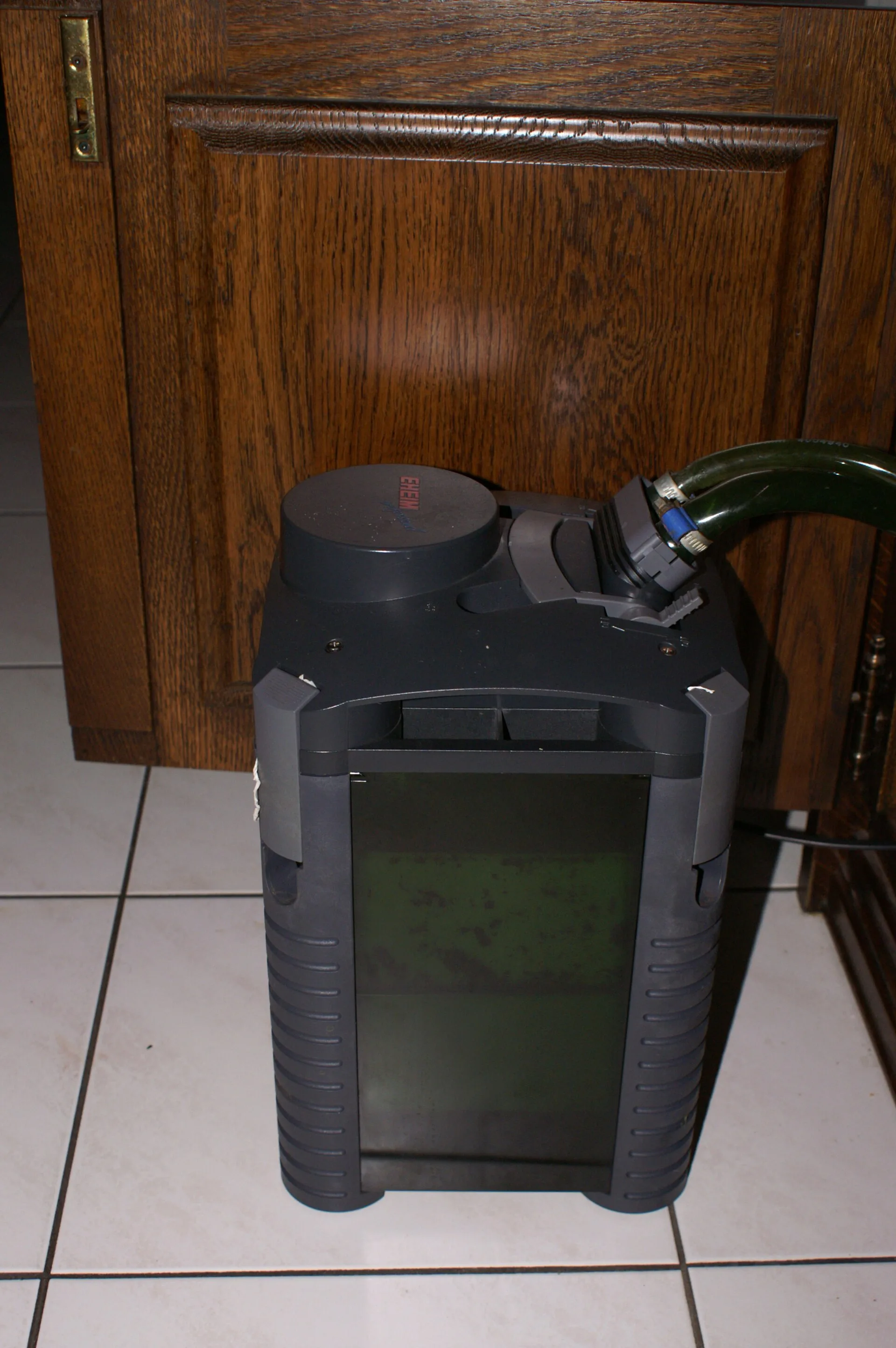
A canister filter sits below or beside the tank and pushes water through intake and return hoses. Water passes mechanical foam, biological ceramic or bio-media, and sometimes chemical resin before returning to the aquarium.
Because the pump is sealed and submerged in the canister body, operation is quieter than most hang-on-back units. Flow can be directed through spray bars, lily pipes, or surface skimmers depending on your aquascape goals.
Sizing and Flow Rate
Manufacturers list turnover rates assuming clean media and short hose runs. In real setups, aim for 4–6× tank volume per hour for community freshwater; heavily stocked or reef tanks may want more headroom.
Undersized canisters clog faster and lose effective flow. When in doubt, step up one model size rather than running a filter at its absolute limit.

Media Stack Order
Run coarse mechanical first (sponges or filter floss), then fine mechanical, then biological media, and chemical last if used. This order protects bio-media from debris that would choke surface area.
Avoid cramming only carbon — long-term biological capacity matters more for stable ammonia and nitrite control. Replace chemical media on a schedule; rinse mechanical sponges in old tank water during water changes.
Maintenance Routine
Monthly, check hoses and quick-disconnect seals for leaks. Every 2–3 months, open the canister, rinse mechanical media in aquarium water, and inspect the impeller for grit or wear.
Never replace all biological media at once. Stagger changes so nitrifying bacteria survive filter servicing — a full media swap can trigger mini-cycles.
When to Choose a Canister
Canisters excel on tanks 40 gallons and up, heavily planted aquascapes, and setups where equipment must stay hidden. They also handle pre-filter sponges on intakes well for shrimp-safe suction.
For nano tanks or quarantine systems, a sponge or HOB filter is often simpler. Match the tool to tank size, livestock, and how much you want to service hardware on the floor or in the cabinet.


Explore other topics
Dive into more aquarium guides across the site.