

How to Set Up a Quarantine Tank for New Fish
A quarantine tank (QT) is a temporary home where new fish rest, recover, and prove they are disease-free before joining your display. It does not need to be beautiful — it needs to be stable, warm, filtered, and easy to observe. This setup guide covers gear, stocking rules, observation timelines, and how QT prevents wiping out months of aquascaping work.
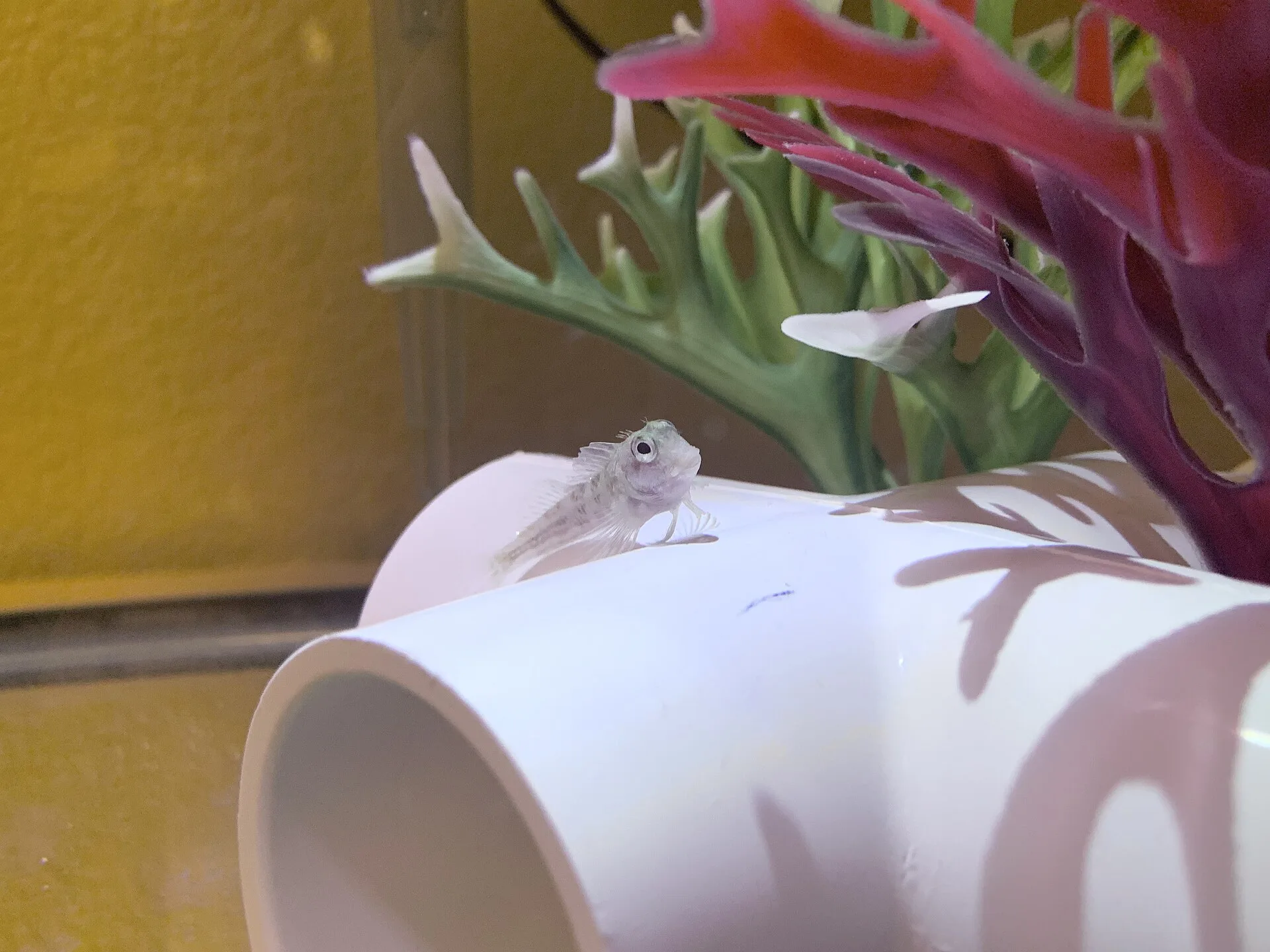 Quarantine lets you watch new fish before they meet the display community. Photo: Coughdrop12 / Wikimedia Commons (CC BY-SA 4.0)
Why Quarantine Matters
Most aquarium disasters start with an unquarantined arrival. Ich, velvet, flukes, and bacterial infections hitchhike on stressed livestock. Isolating fish for 2–4 weeks protects the main tank and gives you a quiet place to treat without nuking shrimp, snails, or planted soil.
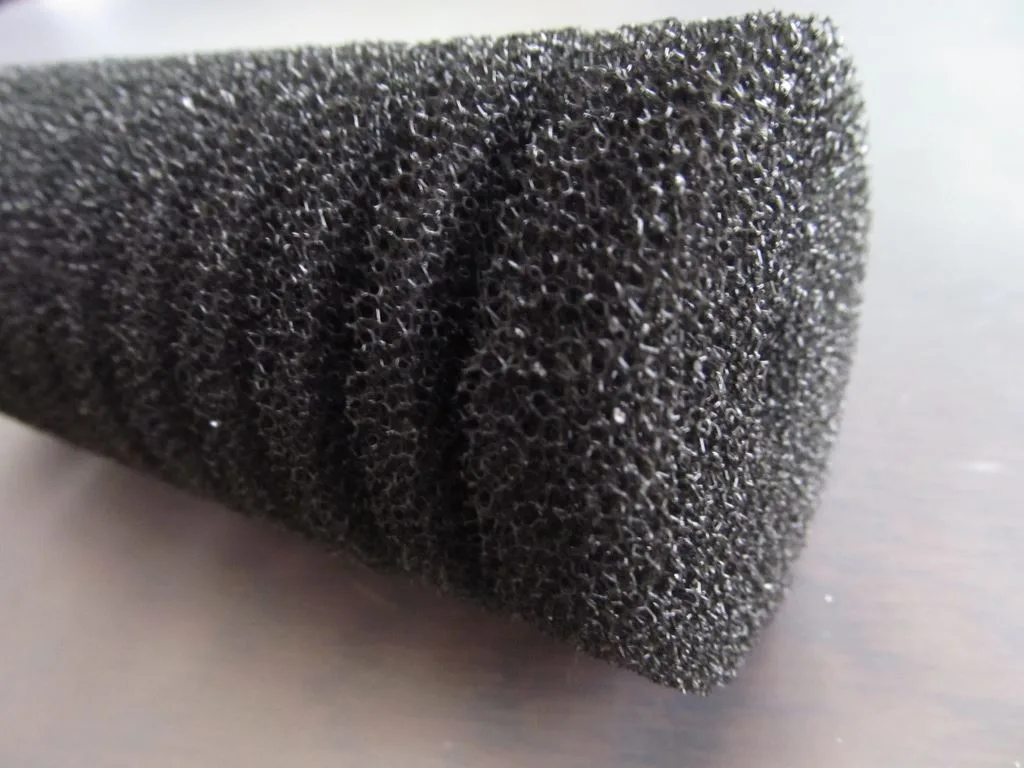 Bare or simple setups make treatments and siphoning easier. Photo: Ofkun / Wikimedia Commons (CC BY-SA 4.0)
Minimum Equipment List
- Tank: 10–20 gallons for most community fish (larger for big cichlids/tang groups)
- Heater with a trustworthy thermometer
- Filter: sponge filter or gentle HOB — seeded media from the display is ideal
- Air pump for sponge filters and extra gas exchange during medication
- Hiding places: PVC caves, soft plants, or breeding boxes — reduce stress, ease capture
- Bare bottom or thin sand: easier siphoning and disease monitoring
Keep a separate net, siphon, and bucket so you never transfer pathogens back to the display.
How to Run a Quarantine Cycle
- Set temperature to match the destination tank.
- Drip-acclimate arrivals, then move fish (not bag water) into QT.
- Observe daily for spots, clamped fins, flashing, laboured breathing, or stringy waste.
- Feed lightly; test ammonia and nitrite often — QT filters are small.
- Treat only if symptoms or a prophylactic plan (for experienced keepers) calls for it.
- After a clean observation window, acclimate again into the display.
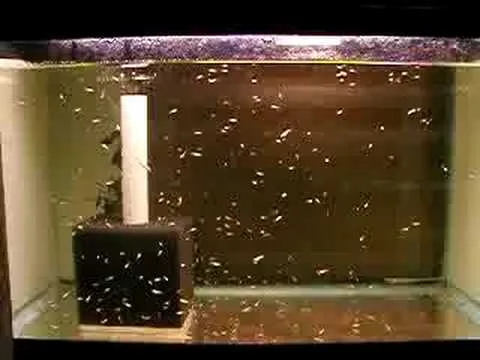 A reliable heater and gentle filter are non-negotiable. Photo: Yo Lopera / Wikimedia Commons (Public domain)
Observation Checklist
- Days 1–3: watch for shipping damage and ammonia sensitivity
- Days 4–14: peak window for ich and many parasites to declare themselves
- Days 14–28: catch slower issues and confirm steady appetite/colour
If anything looks wrong, pause the transfer clock and finish treatment in QT — not in the show tank.
Common QT Mistakes
- No heater (“it’s only temporary”) — chill stresses fish and invites disease
- Uncycled sponge filter with a heavy bioload
- Jumping fish into display after two quiet days
- Using the same tools on both tanks mid-outbreak
Related Reading
Conclusion
A quarantine tank is not overkill — it is responsible stocking. Keep a simple heated, filtered QT ready, observe new fish long enough for problems to appear, and your main aquarium stays the calm showpiece you built instead of an emergency ward.


Explore other topics
Dive into more aquarium guides across the site.