
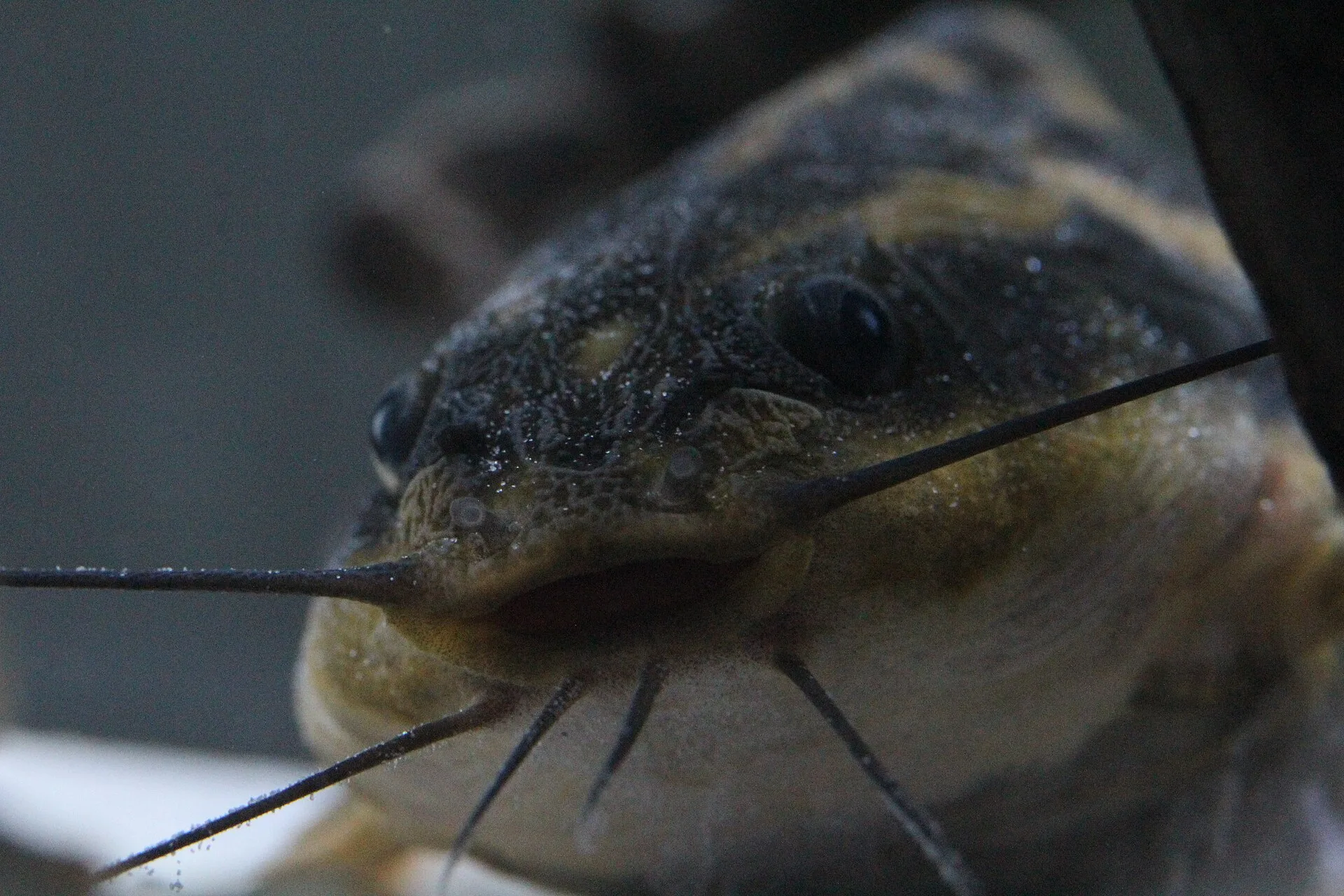
Striped Raphael Catfish (Platydoras armatulus)
Platydoras armatulus, the striped Raphael, is a thorny Amazon talking catfish that can live two decades — an armoured night forager, not a pleco…
Read more →
Guides
Ce hub Eau douce sur Fishy Friends rassemble des conseils pratiques sur les poissons d'eau douce pour les aquariophiles qui souhaitent des réponses claires avant de changer l'eau, le bétail ou le matériel.
Utilisez ces articles pour associer les espèces à la taille du réservoir, planifier la filtration et l'alimentation, et résoudre les problèmes de chimie de l'eau sans deviner. Chaque guide est rédigé pour les aquariums domestiques et renvoie à des lectures connexes lorsque vous avez besoin de plus de profondeur sur les poissons d'eau douce.
Commencez par les bases — paramètres stables, habitudes de quarantaine et un calendrier d'alimentation qui correspond au bétail — puis parcourez les profils et les tutoriels ci-dessous. Lorsque vous êtes prêt à explorer, plongez dans des sujets voisins afin que votre plan pour les poissons d'eau douce reste cohérent dans tout le réservoir.
Que vous remplissiez un premier réservoir communautaire ou que vous perfectionniez un aménagement établi, ajoutez cette page à vos favoris et revenez-y au fur et à mesure que des questions se posent. Des aquariums sains se construisent à partir de petites routines répétables plutôt que de mises à niveau ponctuelles, et le succès avec les poissons d'eau douce suit le même schéma.
Explorez ensuite : tous les guides, plantes d'aquarium, chimie de l'eau, guides d'alimentation.
Fishy Friends publie des fiches de soins pour les espèces, des notes sur les plantes et les invertébrés, des idées d'aquascaping et des explications sur la gestion de l'eau afin que les conseils sur les poissons d'eau douce restent faciles à trouver. Lisez un guide en profondeur, appliquez-le lentement et utilisez les hubs liés ci-dessus lorsque vous souhaitez un second angle sur le même problème.
Avant d'acheter du bétail ou de repenser la filtration, parcourez deux ou trois articles sur les poissons d'eau douce ici et notez les chiffres cibles pour la température, la dureté et l'alimentation. Cette courte liste de contrôle prévient les réinitialisations les plus courantes et garde votre aquarium plus proche de l'affichage calme et sain que vous visez.
Revenez après des changements d'eau ou de nouvelles additions : comparez ce que vous voyez dans le réservoir avec les listes de contrôle des poissons d'eau douce ci-dessous, puis suivez une étape recommandée au lieu de tout changer d'un coup. Des améliorations constantes s'accumulent, et Fishy Friends est conçu pour soutenir ce rythme.
Platydoras armatulus, the striped Raphael, is a thorny Amazon talking catfish that can live two decades — an armoured night forager, not a pleco…
Read more →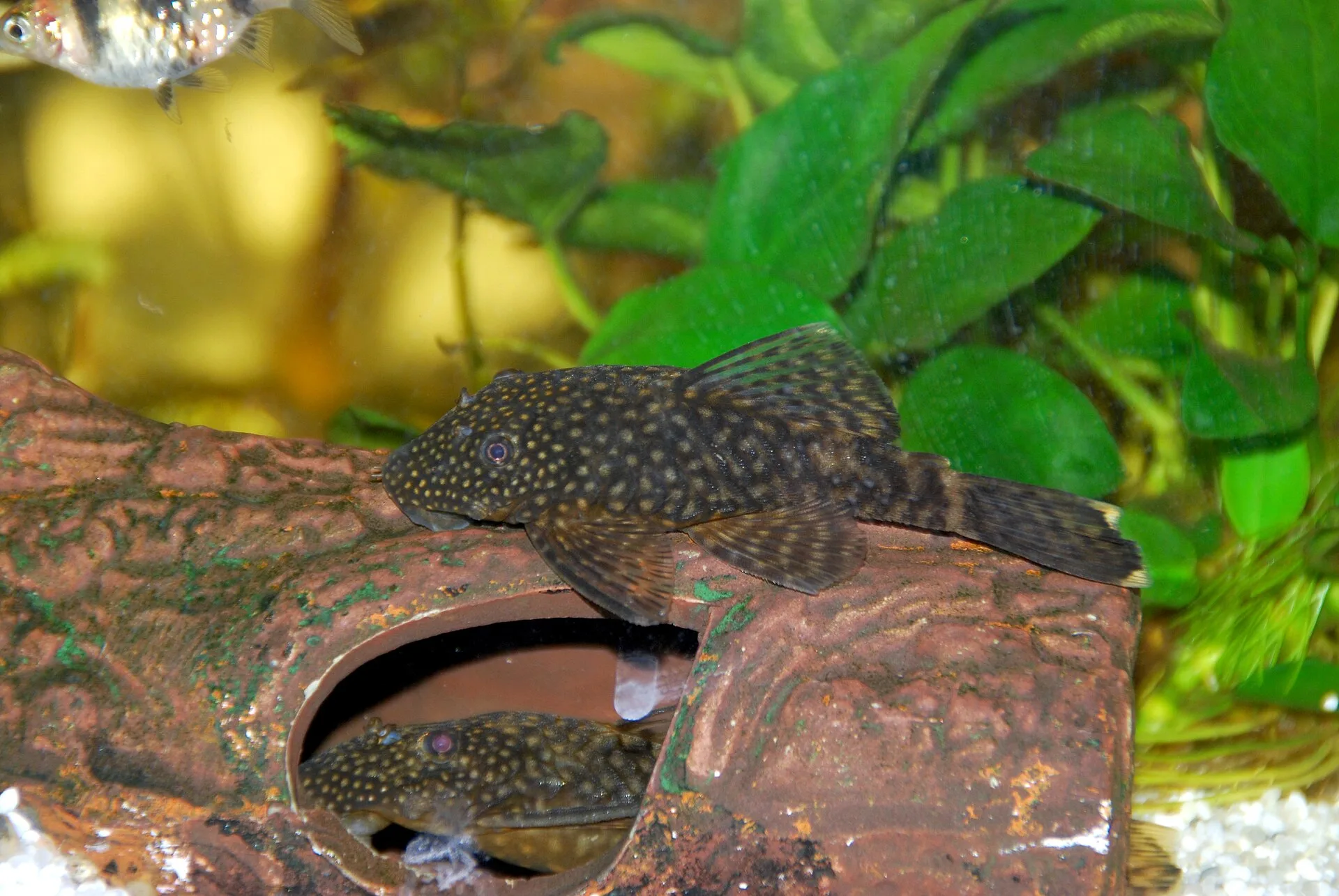
True Ancistrus temminckii is Temminck’s bristlenose from the Guianas — a cave-holding forest-stream fish, not the common pet-trade Ancistrus so…
Read more →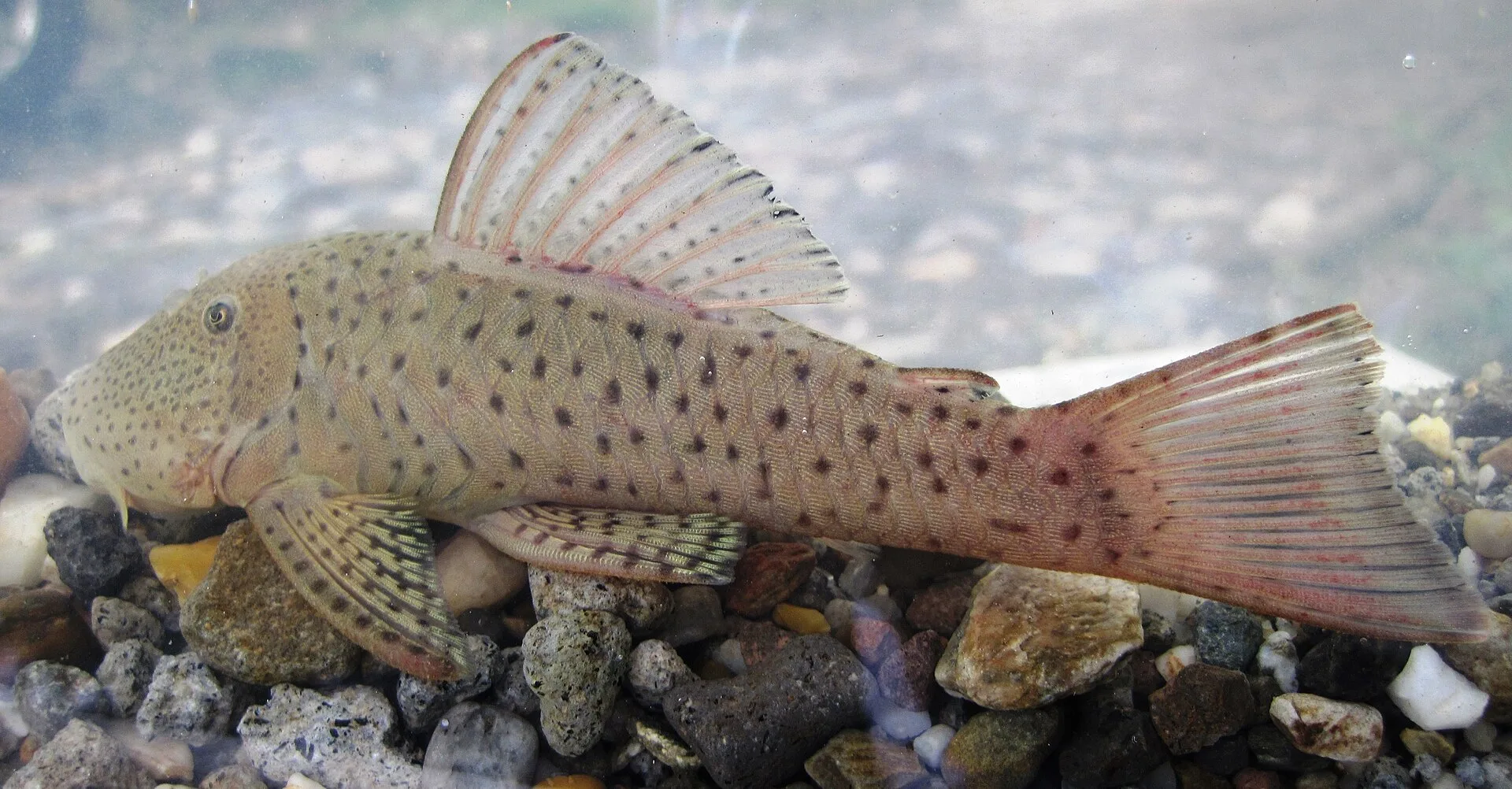
Chaetostoma milesi is an Andean torrent pleco with a fleshy mouth built for cobble, cool current, and oxygen — not a warm, still community algae…
Read more →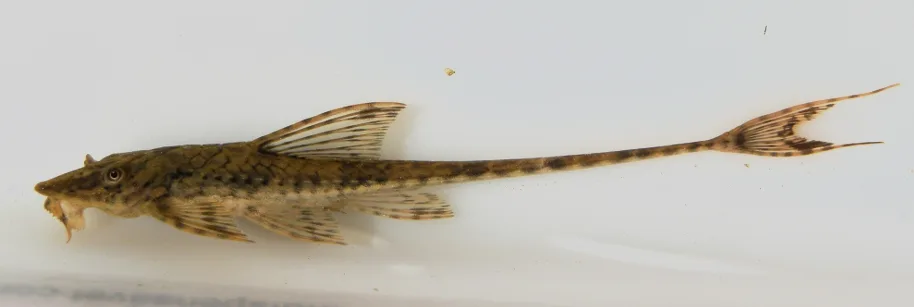
Rineloricaria parva is the small Paraguay whiptail that sits on sand and spawns in tubes. Easier than a twig cat, still a suckermouth with a cave j…
Read more →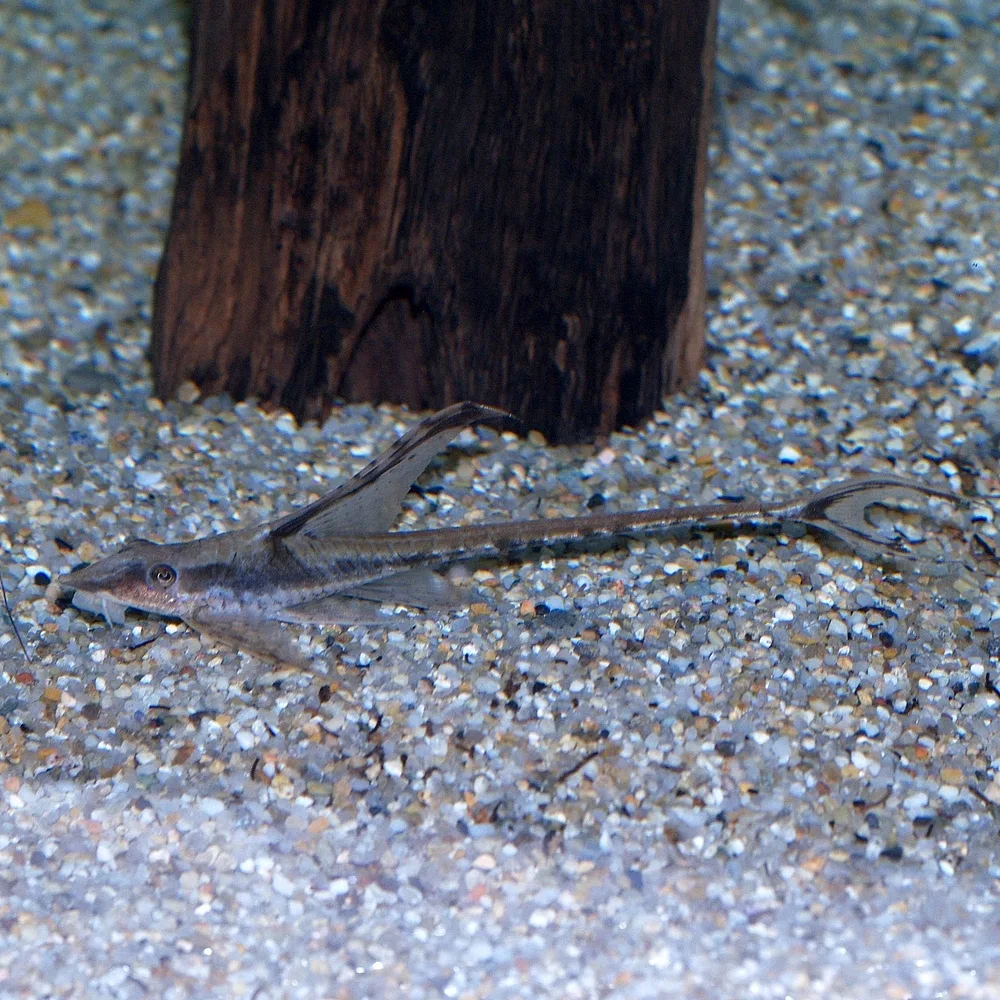
The royal whiptail is a Panama-region loricariid with a filamented tail, a grazing habit, and glass-guarding males. Current, wood, and vegetables �…
Read more →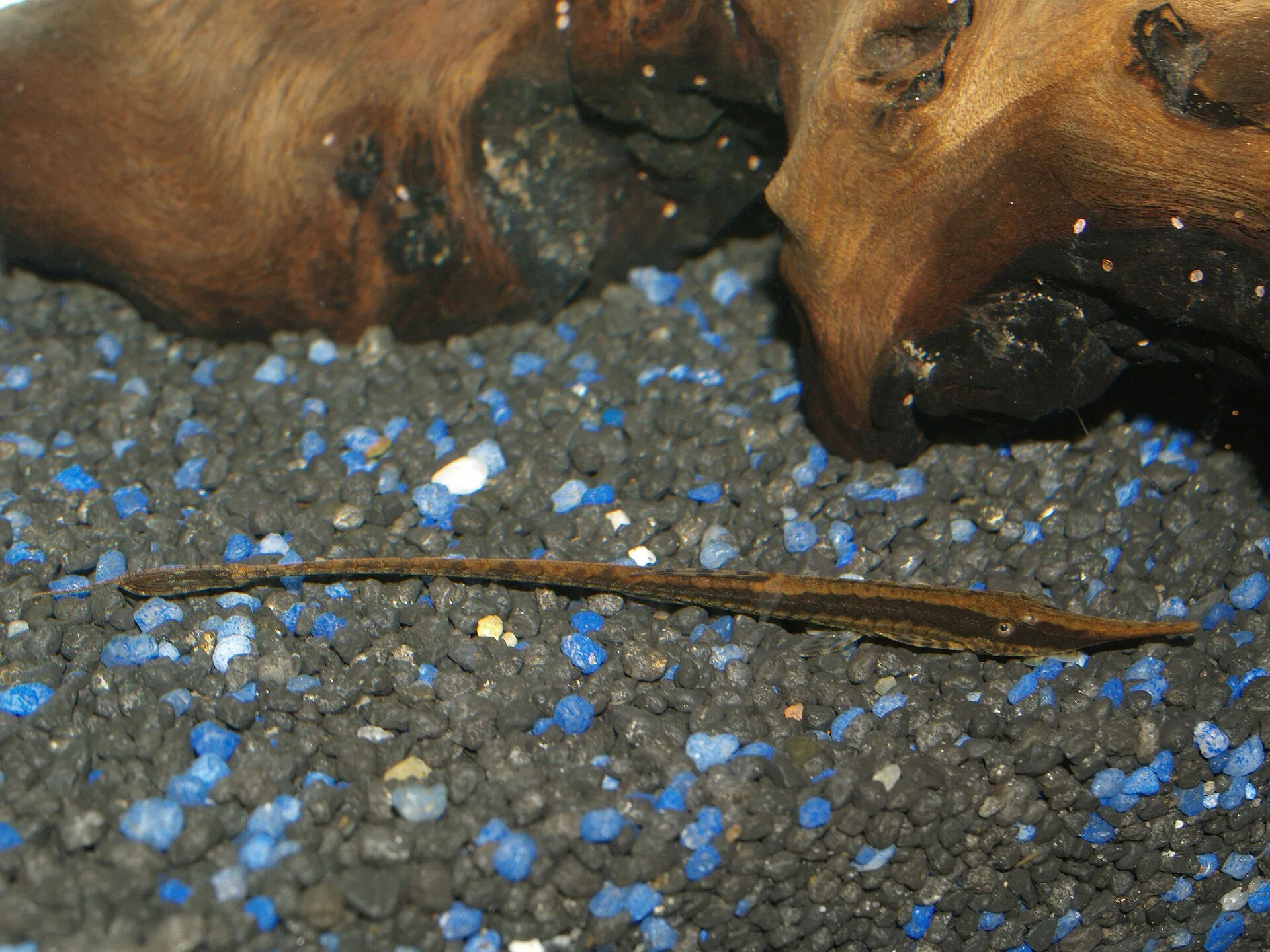
Farlowella vittata is an Orinoco twig cat that rasps biofilm on wood. It is not a cory and will not live on leftover flake. Mature surfaces, vegeta…
Read more →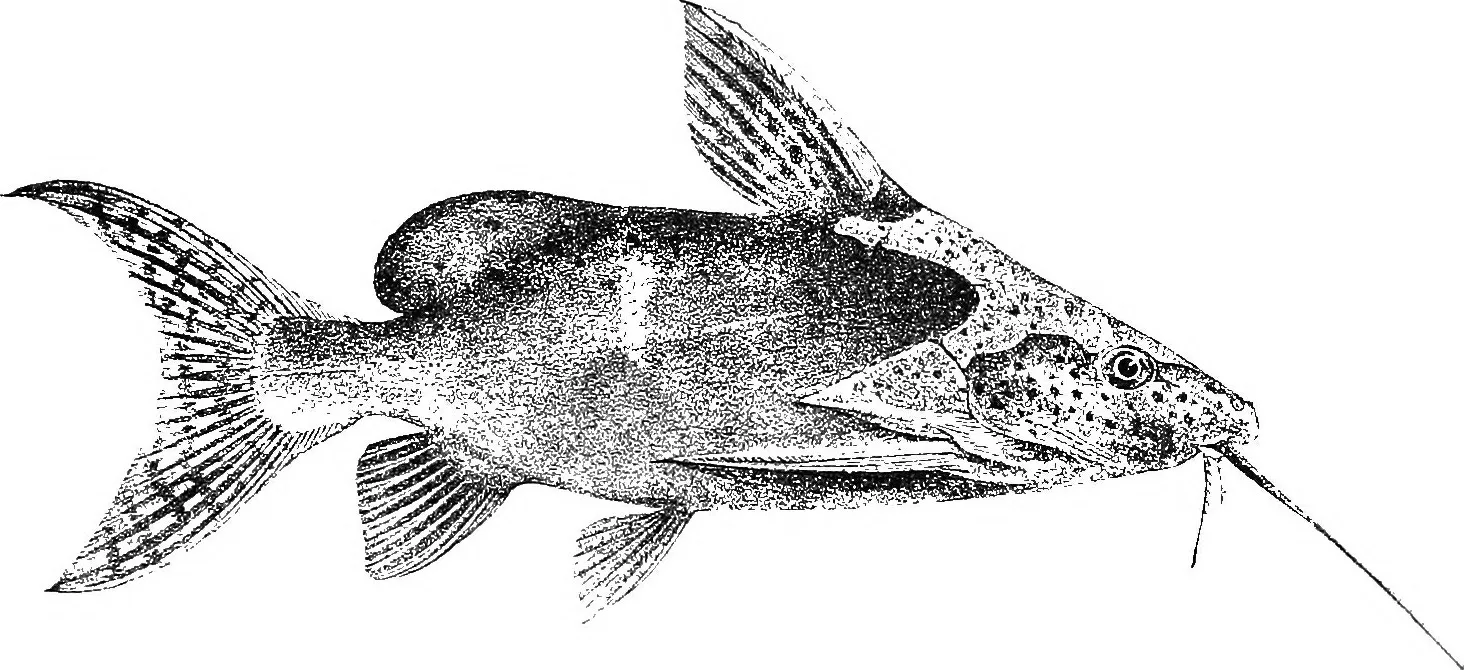
Synodontis nigrita is a West African spotted squeaker that usually sits right-way-up. The true upside-down cat is nigriventris. Nigrita wants a lar…
Read more →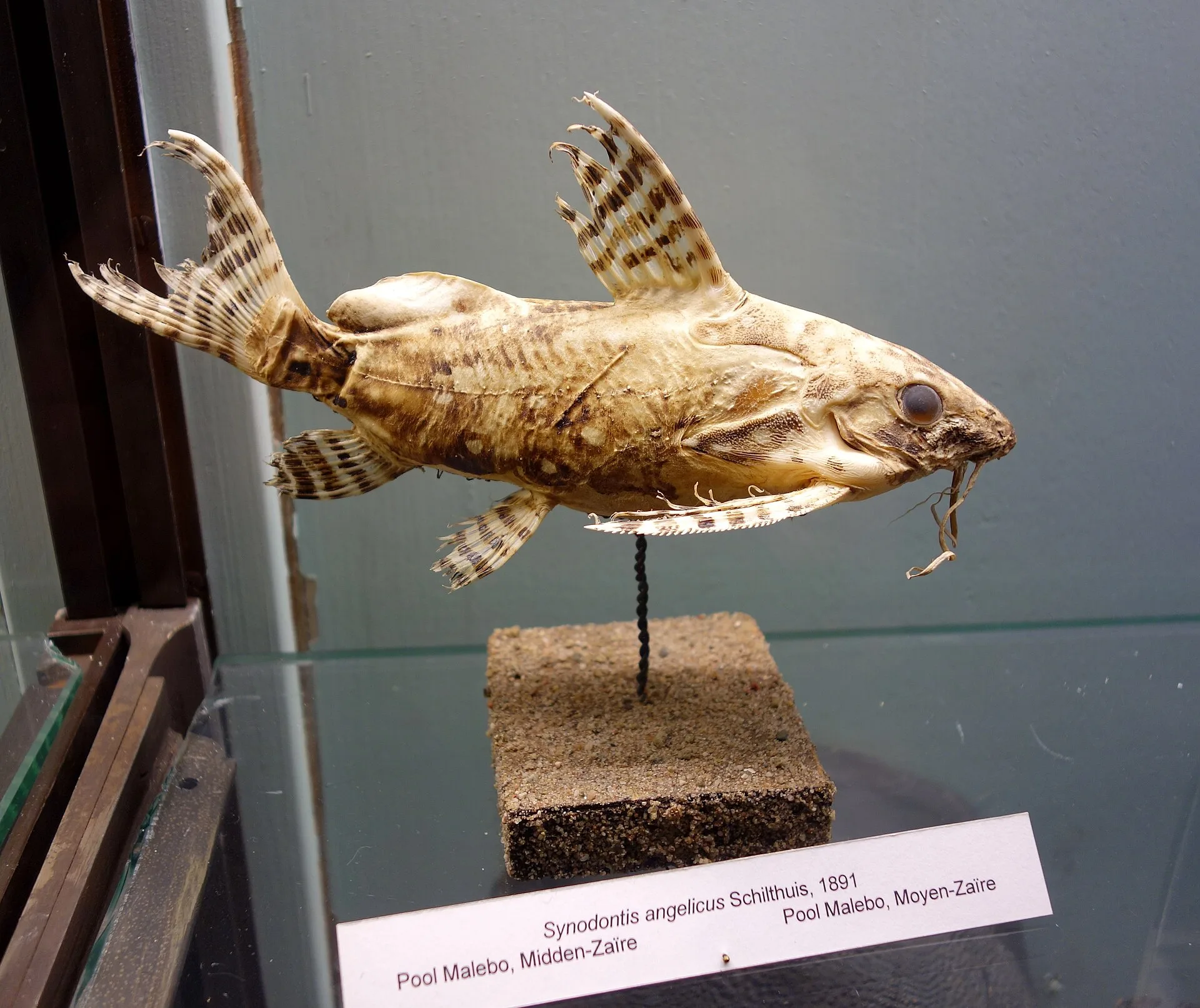
Angelicus Synodontis is the Congo polkadot squeaker whose spots break as it grows into a 25 cm, expensive, territorial adult. House the cave-dwelle…
Read more →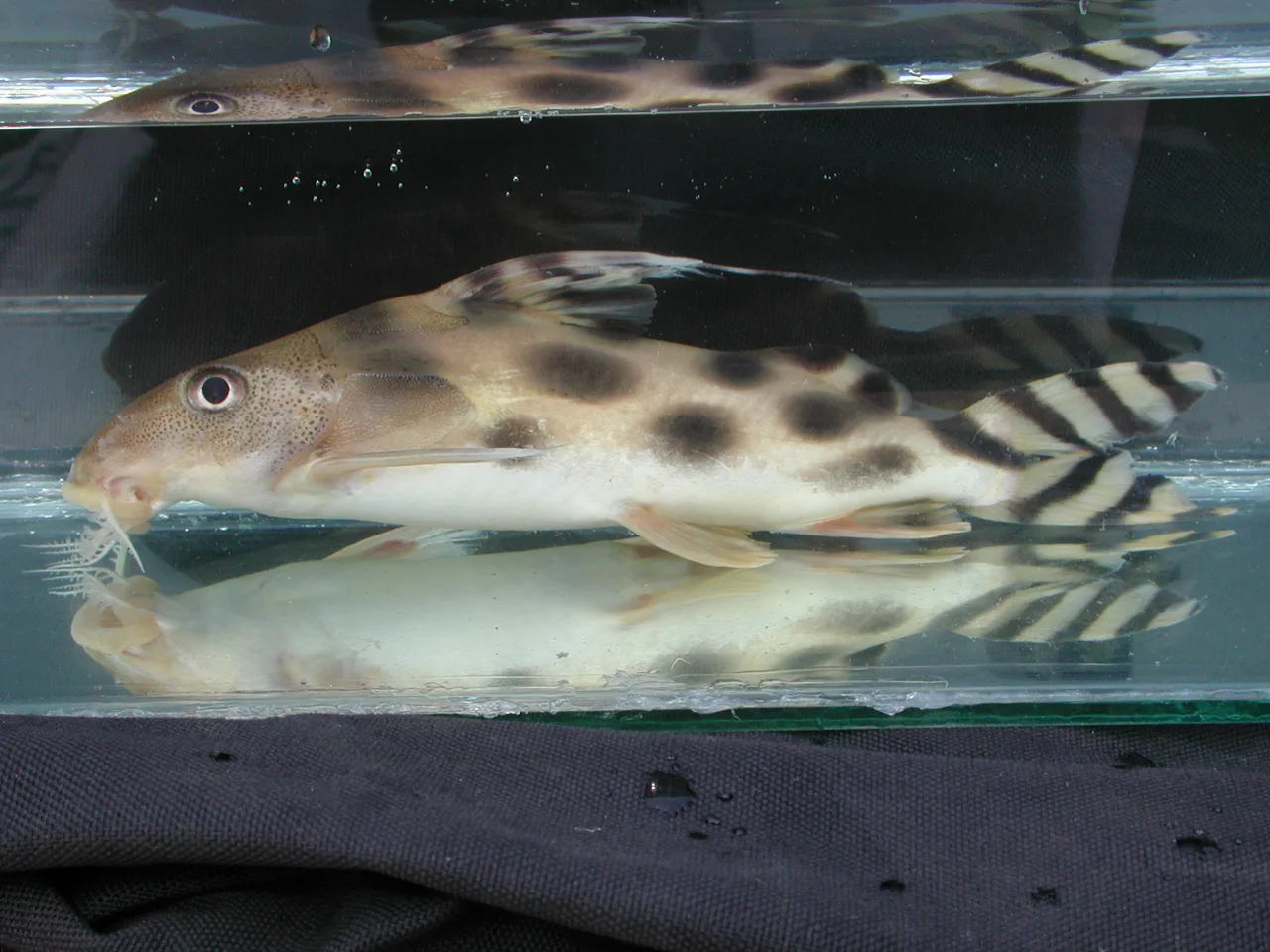
Decorated Synodontis is a Congo squeaker that grows a long dorsal filament and a 20–30 cm body. Nocturnal, cave-owning, and capable of eating sma…
Read more →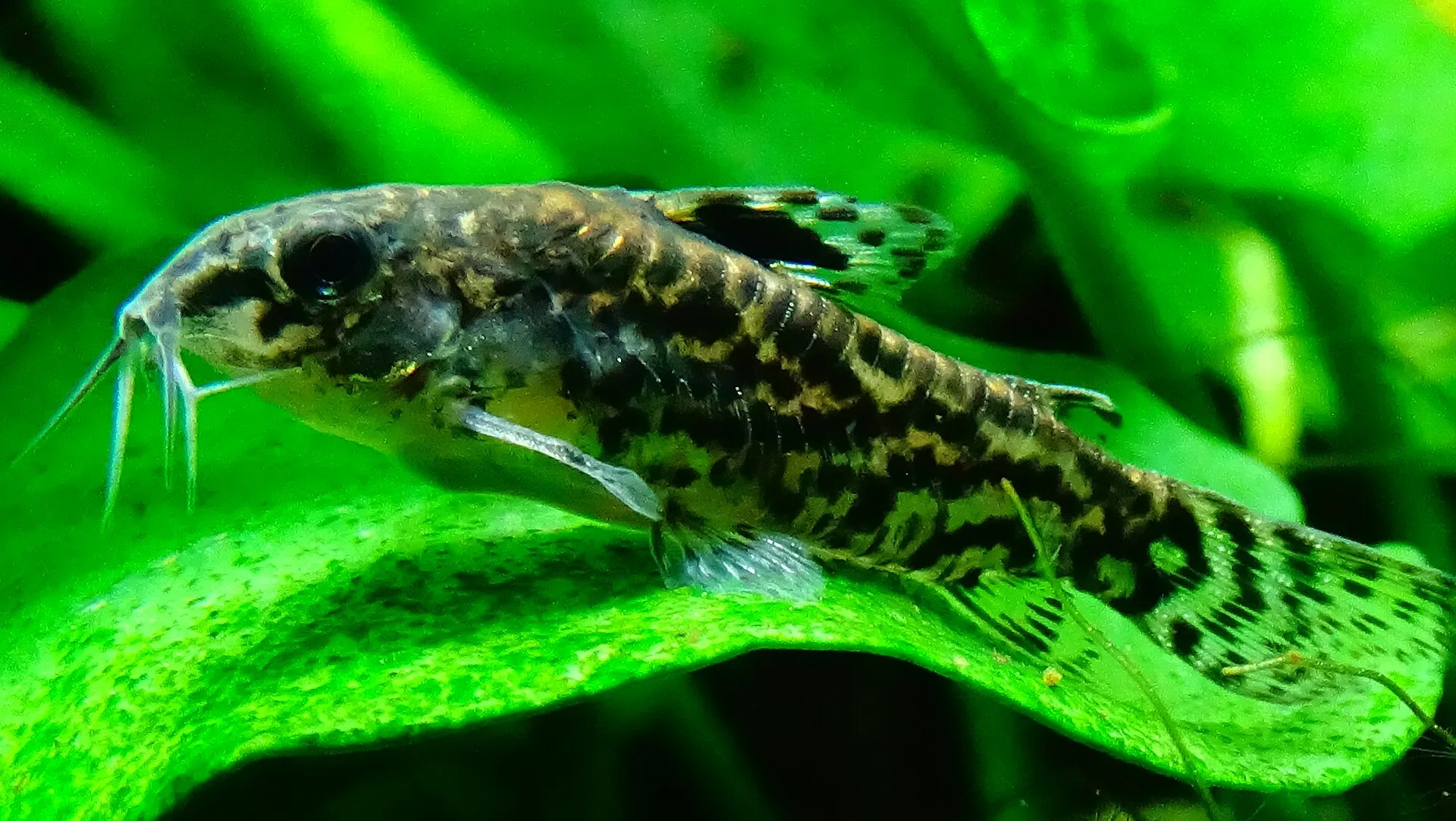
Aspidoras pauciradiatus is the tiny, few-rayed Araguaia catfish shops file as a dwarf cory. Sponge filters, dozens if you can, and fry-scale food �…
Read more →
Aspidoras fuscoguttatus is a slender, brown-dotted Paraná catfish, not a small Corydoras. Cooler water, a nervous little flock, and micro-food —…
Read more →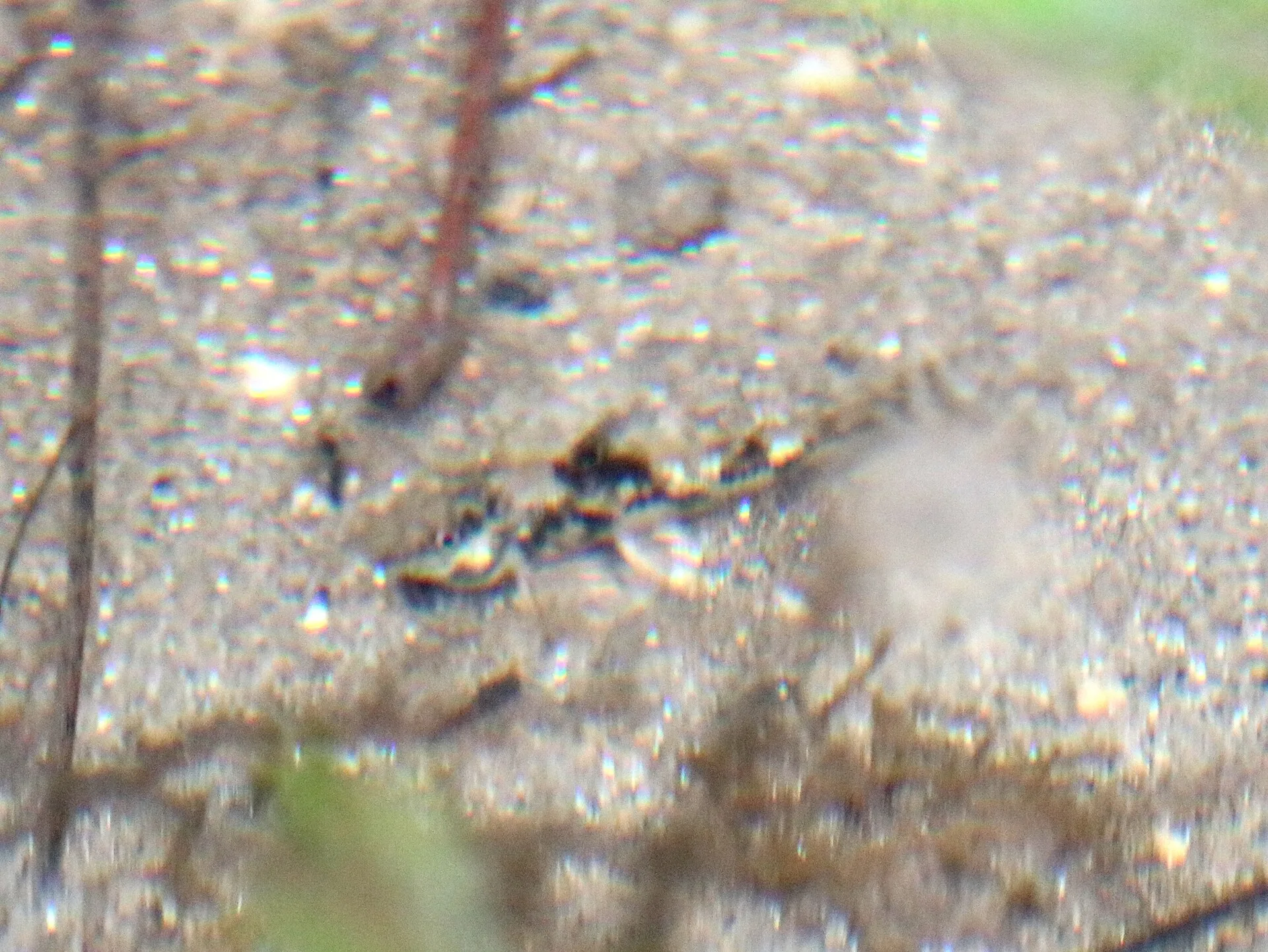
Scleromystax barbatus is a large, bearded, cool-water catfish from Atlantic-forest streams. Males grow cheek odontodes and want oxygen at 18–22°…
Read more →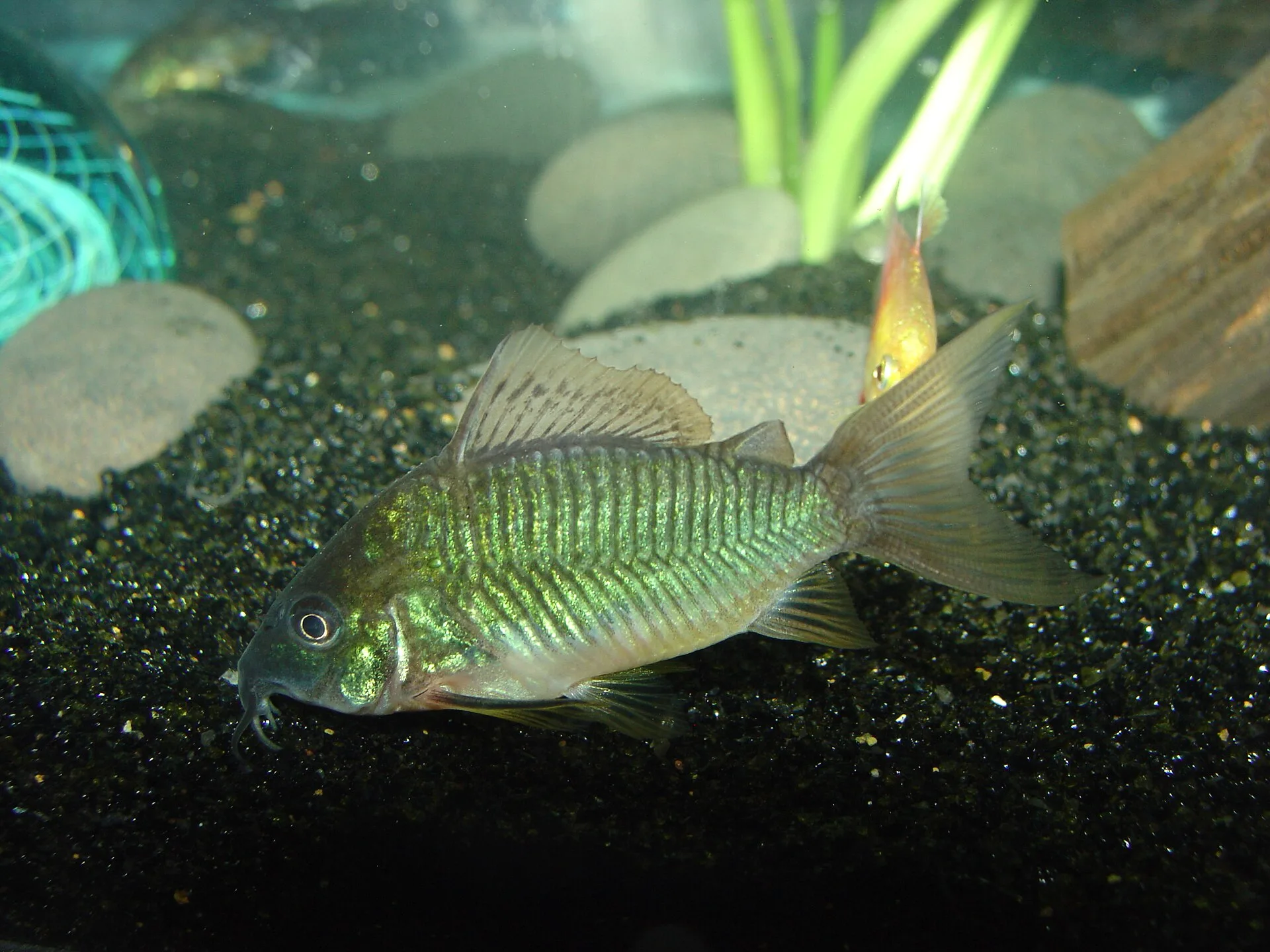
Emerald Brochis is a high-backed, metallic-green Amazon callichthyid that outgrows pandas and eats like a herd. Extra dorsal rays, real bulk, and a…
Read more →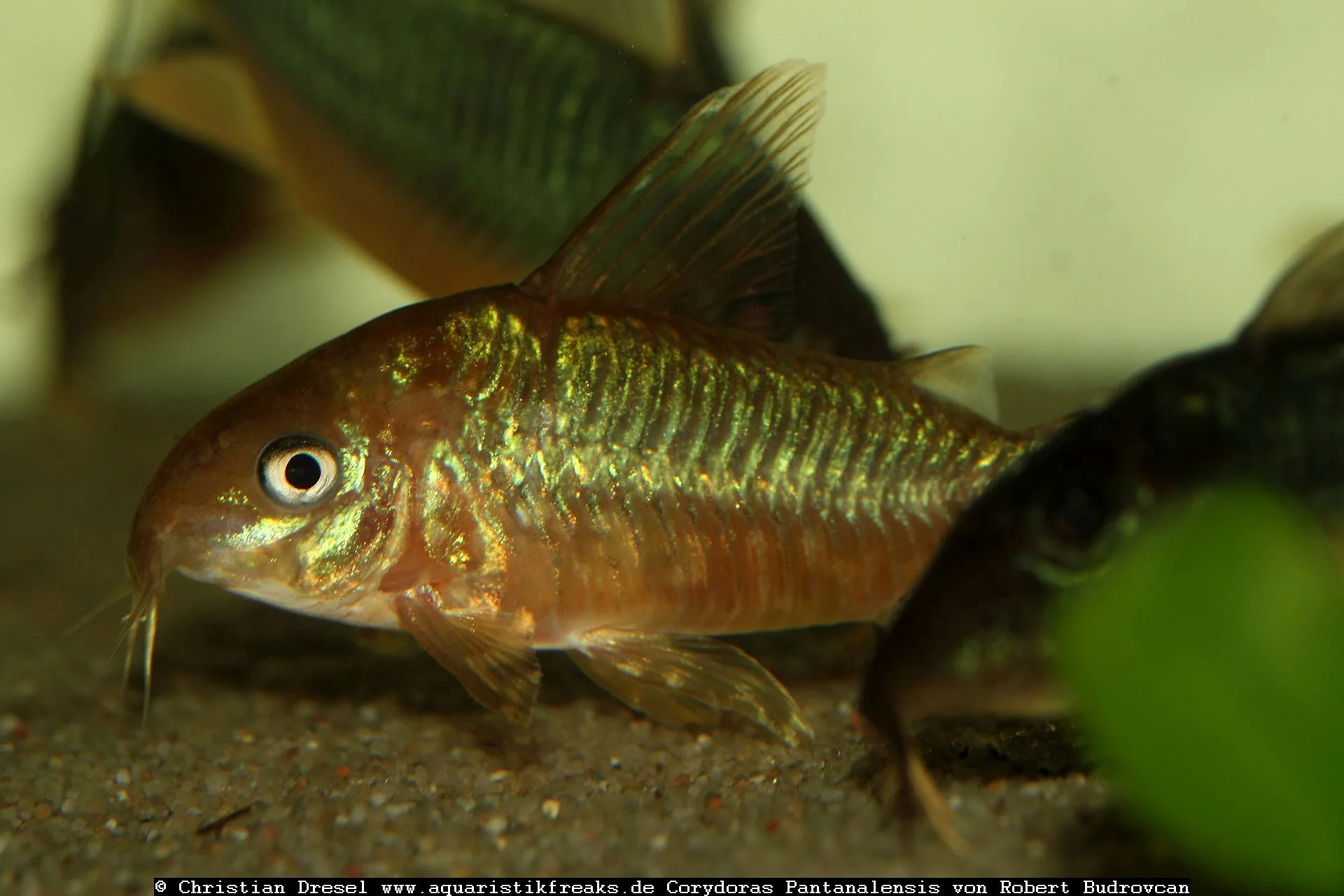
Pantanal Corydoras wears a gold net in clear, planted wetland water — not Amazon tea. Seasonal floods, sand, and a vegetated tank show the specie…
Read more →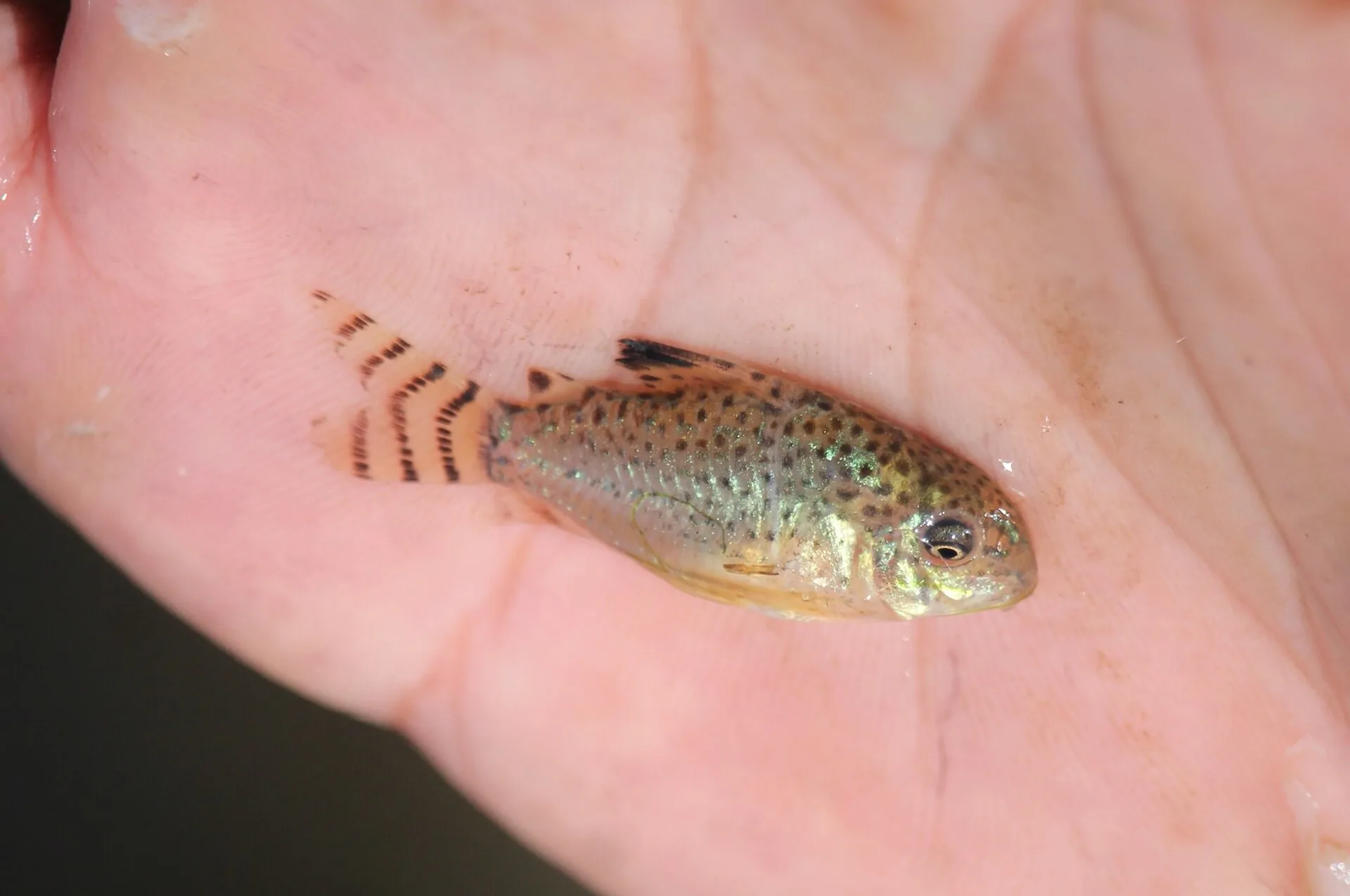
Cruz's Corydoras is C012 from Bolivia's Santa Cruz department: a small golden mosaic from Madeira-basin streams. Short-snouted, uncommon, and not a…
Read more →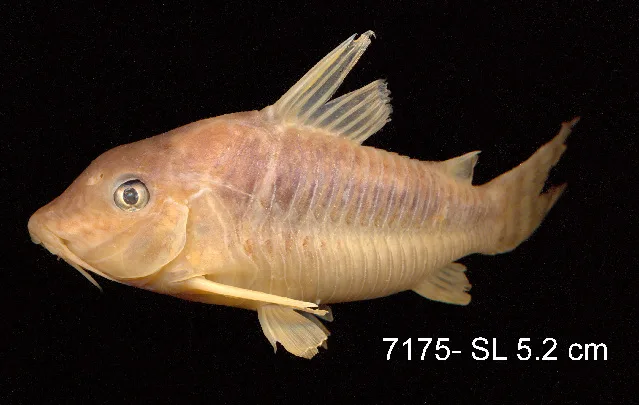
Seuss's Corydoras (C027) is the long-snouted, orange-spined Mamoré fish — not Sterbai with a stretched face. It likes warmth, a group, and sand,…
Read more →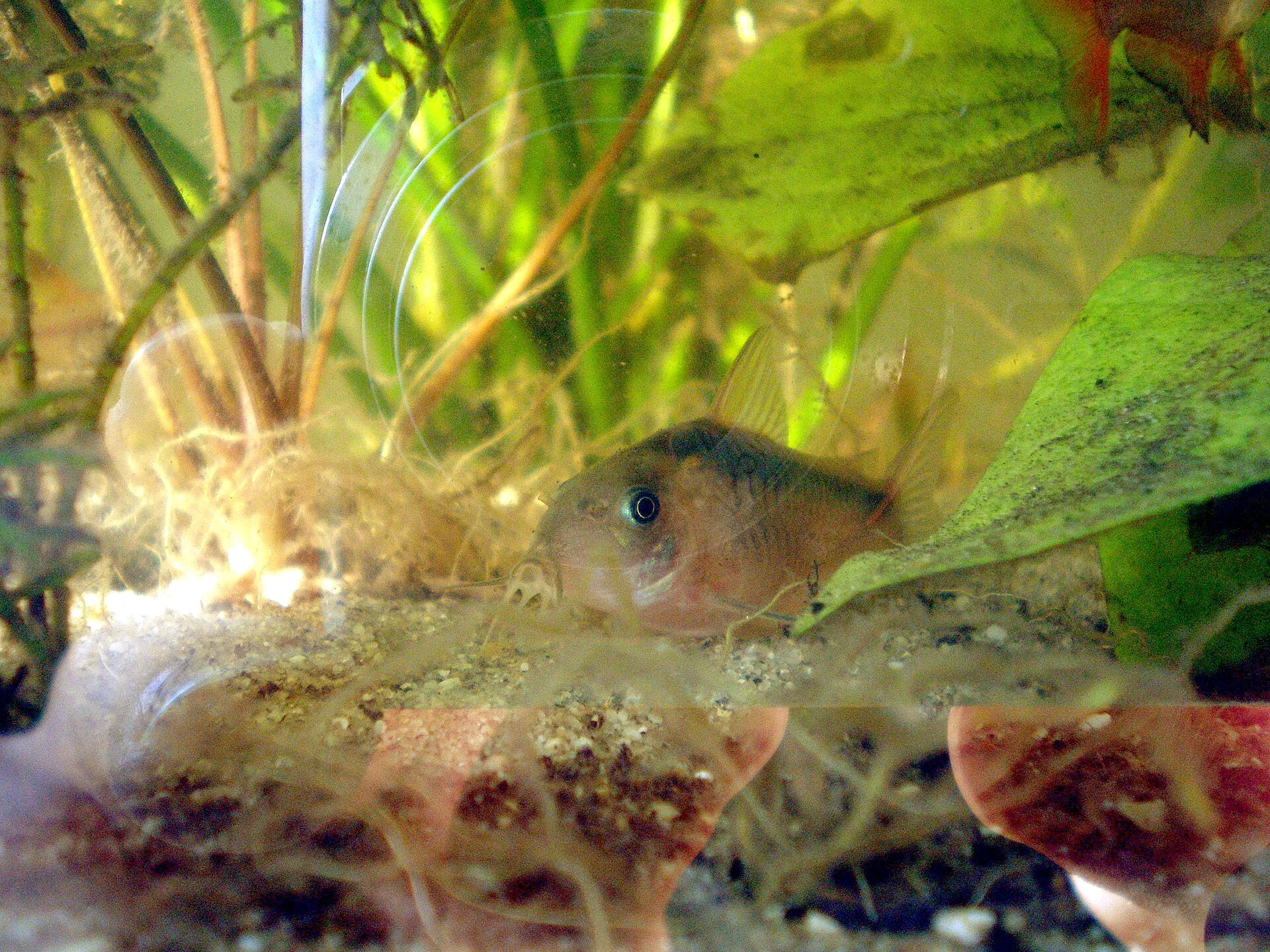
Zygatus is the rusty Peruvian cory with a dark yoke along the back. Side by side with rabauti the cape is the ID. Keep a saddle-matched troop on sa…
Read more →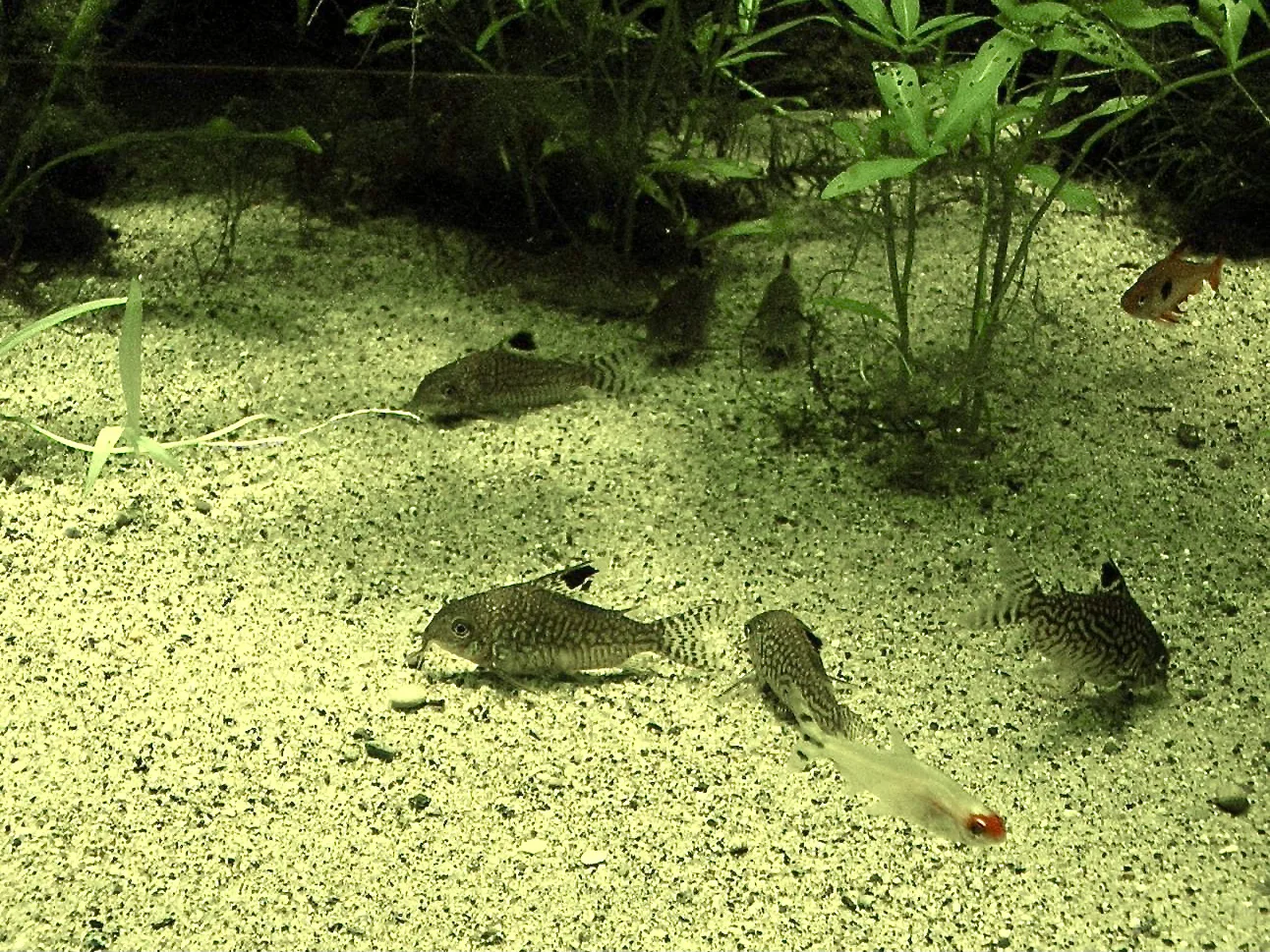
Reticulated Corydoras is the Ucayali network catfish with a dorsal blotch — Peruvian mesh, not a Brazilian stamp and not leopardus. The lace fade…
Read more →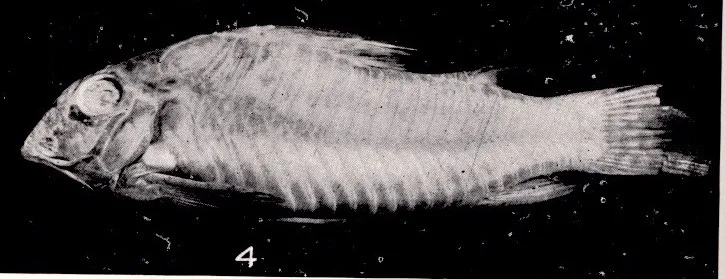
Aurofrenatus is the gold-bridled, long-snouted cory of the Paraguay basin (ellisae is the same fish). The pointed snout probes sand; gravel files i…
Read more →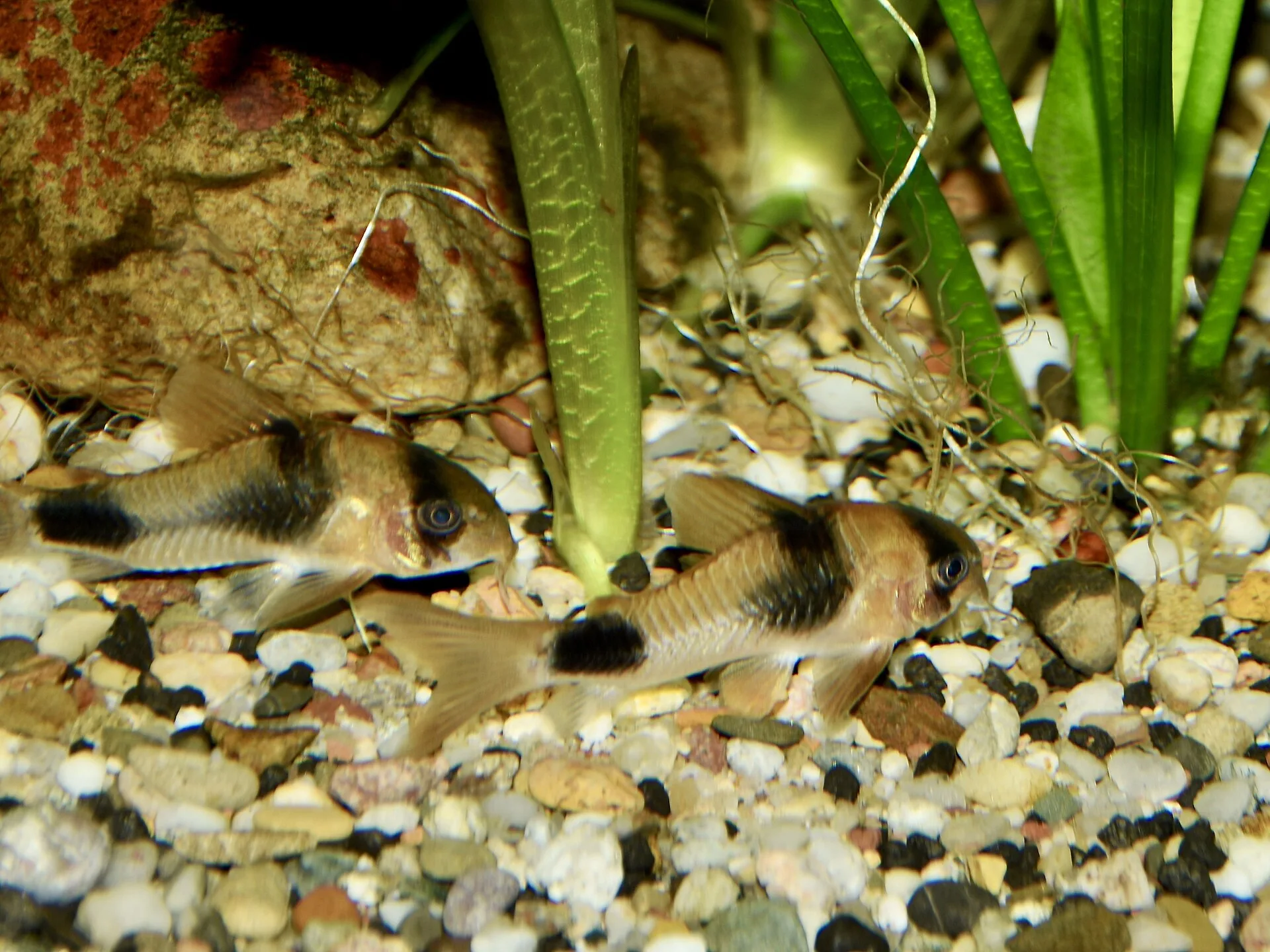
Weitzmani is the Peruvian fox cory: ivory body, dark mask, orange in the fins. It is not Adolfoi's blaze. Buy a group, keep the water soft, and fee…
Read more →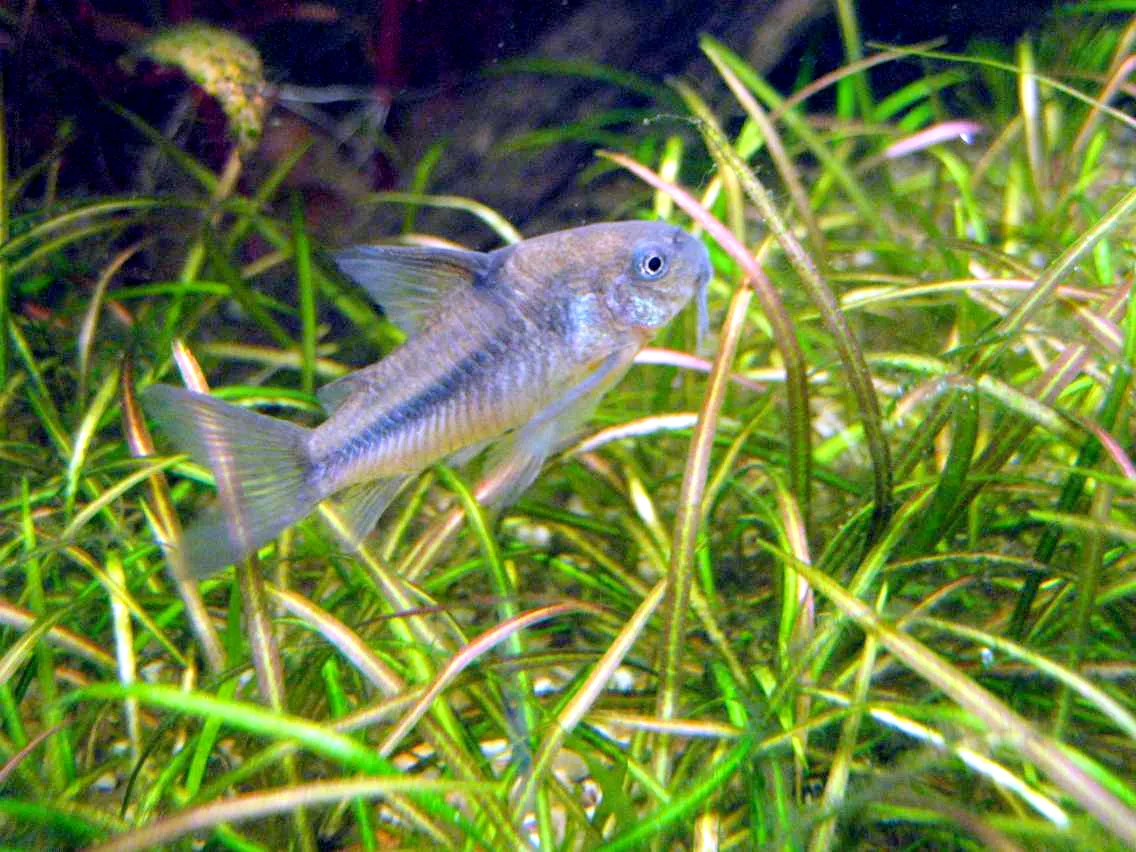
Natterer's Corydoras is a steel-blue coastal Brazilian fish, cooler than Amazon blackwater corys. Keep the sheen with clean, well-oxygenated water…
Read more →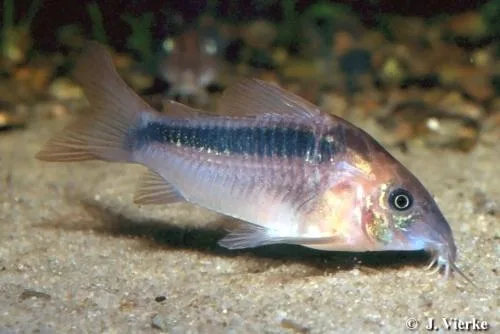
Rabauti Corydoras is the uniform rusty Amazon catfish, not a faded bronze and not zygatus with a dark cape. A copper troop on pale sand is the whol…
Read more →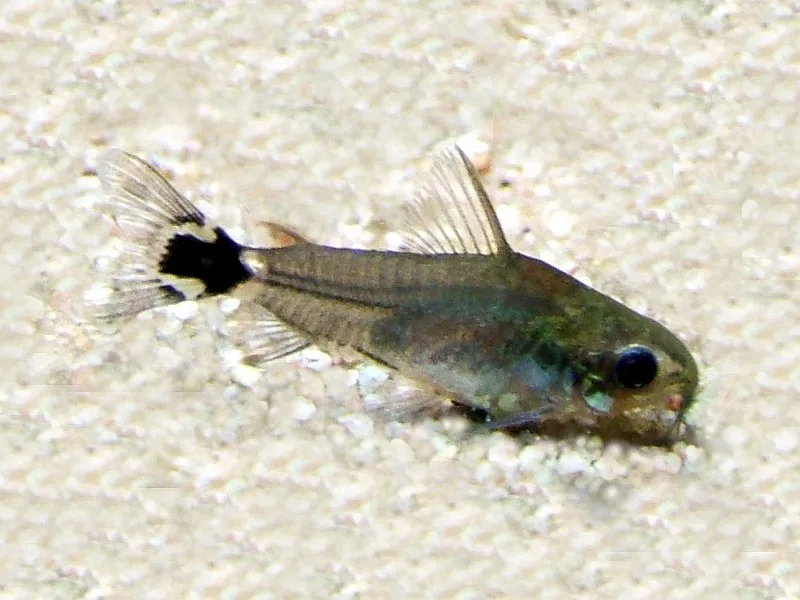
Hastatus is the Paraguay pygmy cory that schools in midwater like a tiny tetra, with a spear-spot on the tail. Huge numbers, micro-food, and plants…
Read more →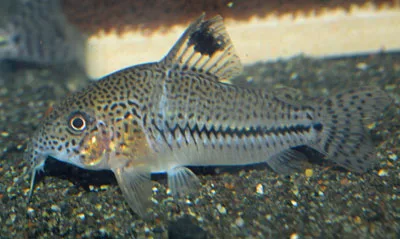
Leopard Corydoras is the larger, long-snouted Amazon cat with coarse blotches — not julii, not trilineatus. Give it a wide sand paddock and a gro…
Read more →