

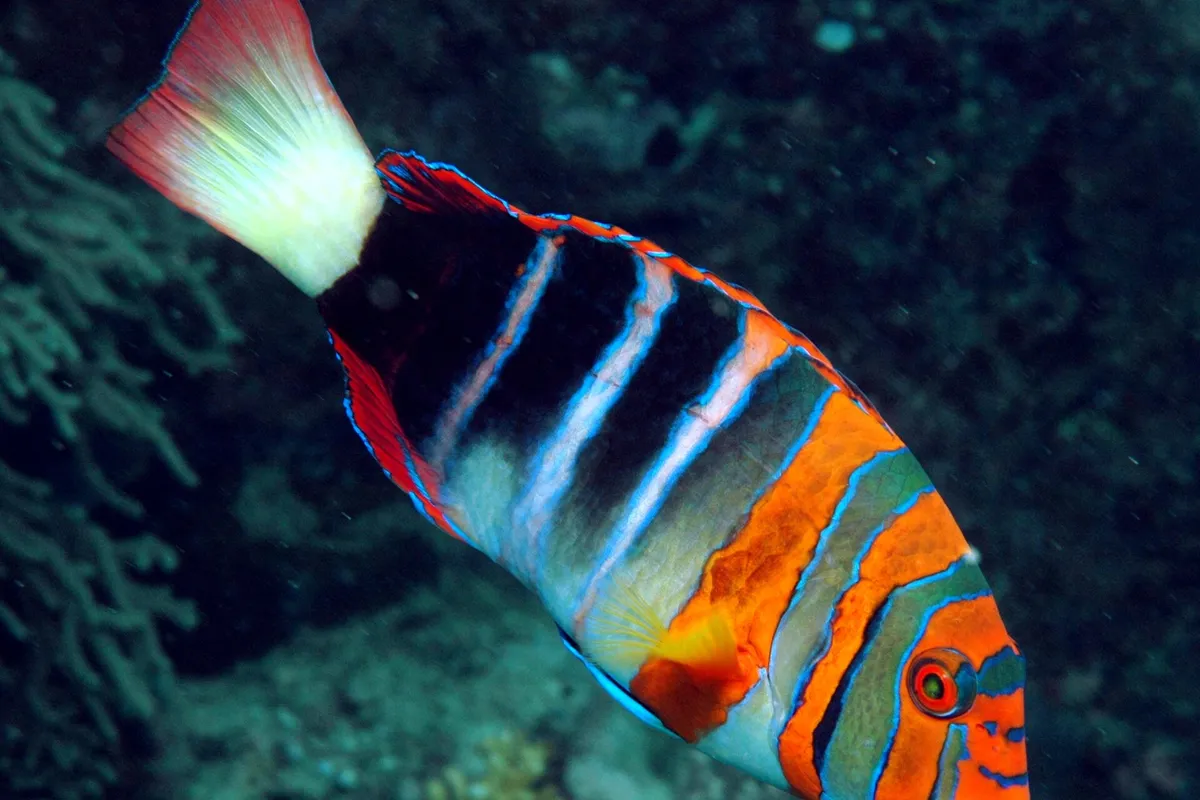
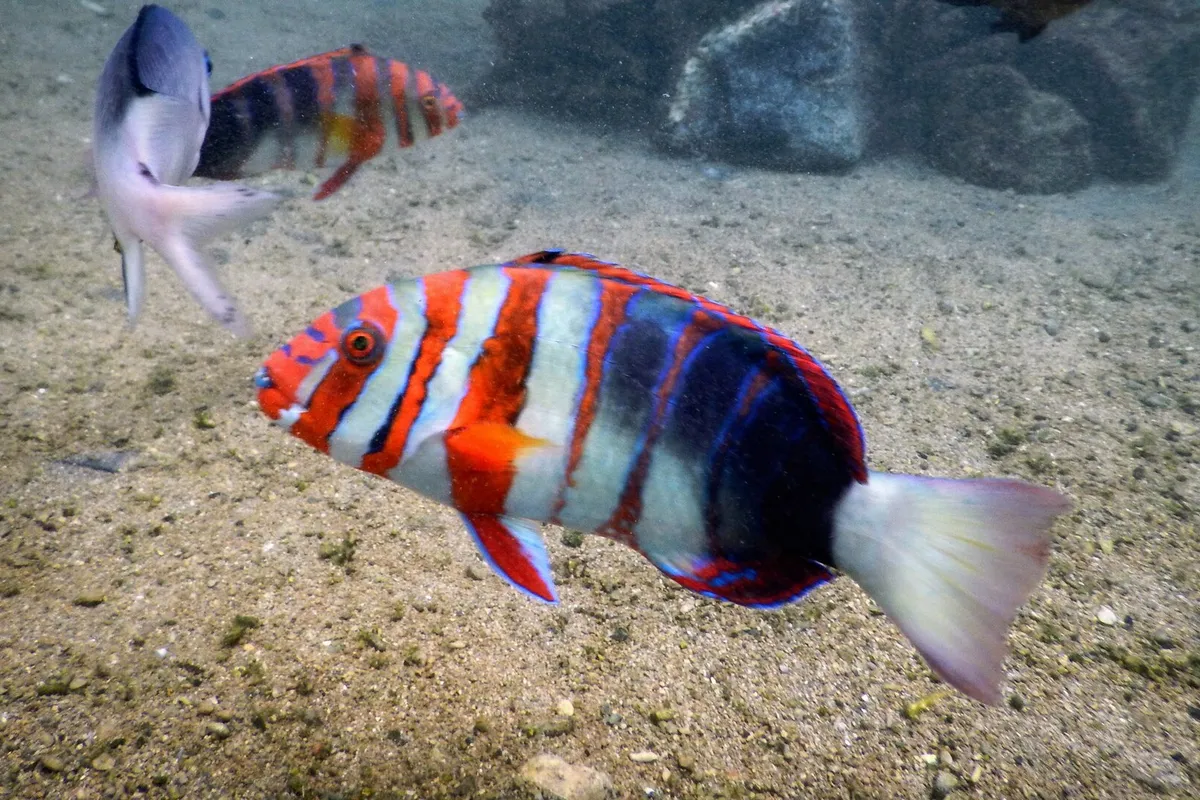
The harlequin tuskfish is one of the most colourful large wrasses. Choerodon fasciatus has bold orange and blue-edged white bands, a white tail and, when it opens its mouth, bright blue teeth. It is a hardy, long-lived fish with a lot of personality.
It is usually safe with corals but not with crustaceans or snails, and it can be aggressive with smaller fish. Plan your tank around it.
Where harlequin tuskfish come from
The species is found in the western Pacific, from southern Japan and Taiwan to New Caledonia and the Great Barrier Reef. Fish from Australia are especially prized for their bright colour. It lives on coral reefs, usually alone, patrolling a large territory.
Appearance and behaviour
Adults reach 25–30 cm. The body has eight or so orange-red bands edged in blue, separated by white bands. The rear of the body darkens with age, and adults often have a dark patch near the tail. The large, tusk-like blue teeth are used to crush shells and move rubble.
Tuskfish are confident and curious. They are territorial with their own kind and similar wrasses, and can chase smaller, timid fish.
Tank setup
A single adult needs at least 450 litres. Provide open swimming space and sturdy rockwork with caves. Unlike many wrasses, tuskfish do not bury in sand, but they will move rubble and small rocks. A tight lid prevents jumping.
Water parameters
Keep the temperature at 24–27°C, specific gravity at 1.020–1.025 and pH at 8.1–8.4. Tuskfish are hardy, but stable water and regular water changes keep their colours bright.

Feeding
They are carnivores that eat crabs, molluscs, sea urchins and worms. Feed frozen mysis, krill, shrimp, clam, mussel and squid, plus quality marine pellets. Shell-on foods help keep the teeth in good shape. Feed once or twice a day.
Reef safety
Harlequin tuskfish usually ignore corals, so they can live in reef tanks. However, they will eat shrimp, crabs, snails, small starfish and urchins, including your clean-up crew. Tubeworms and clams may also be at risk.
Tank mates
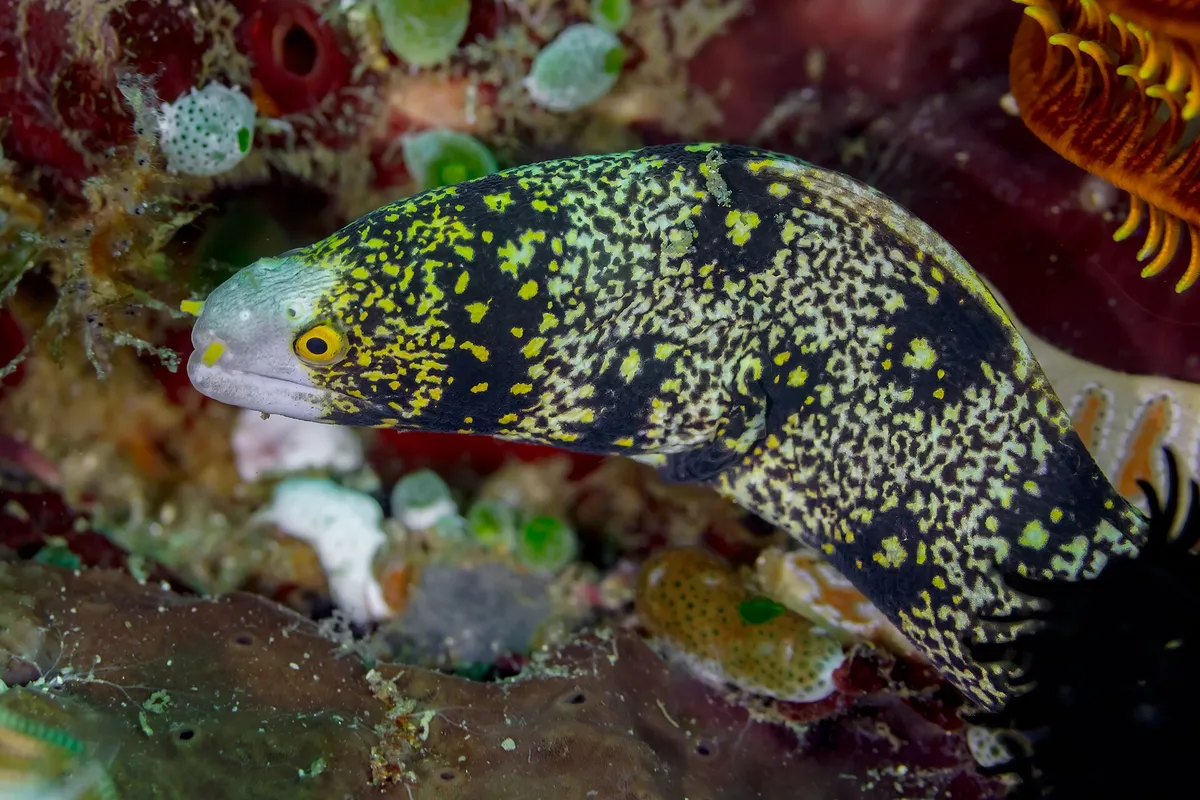
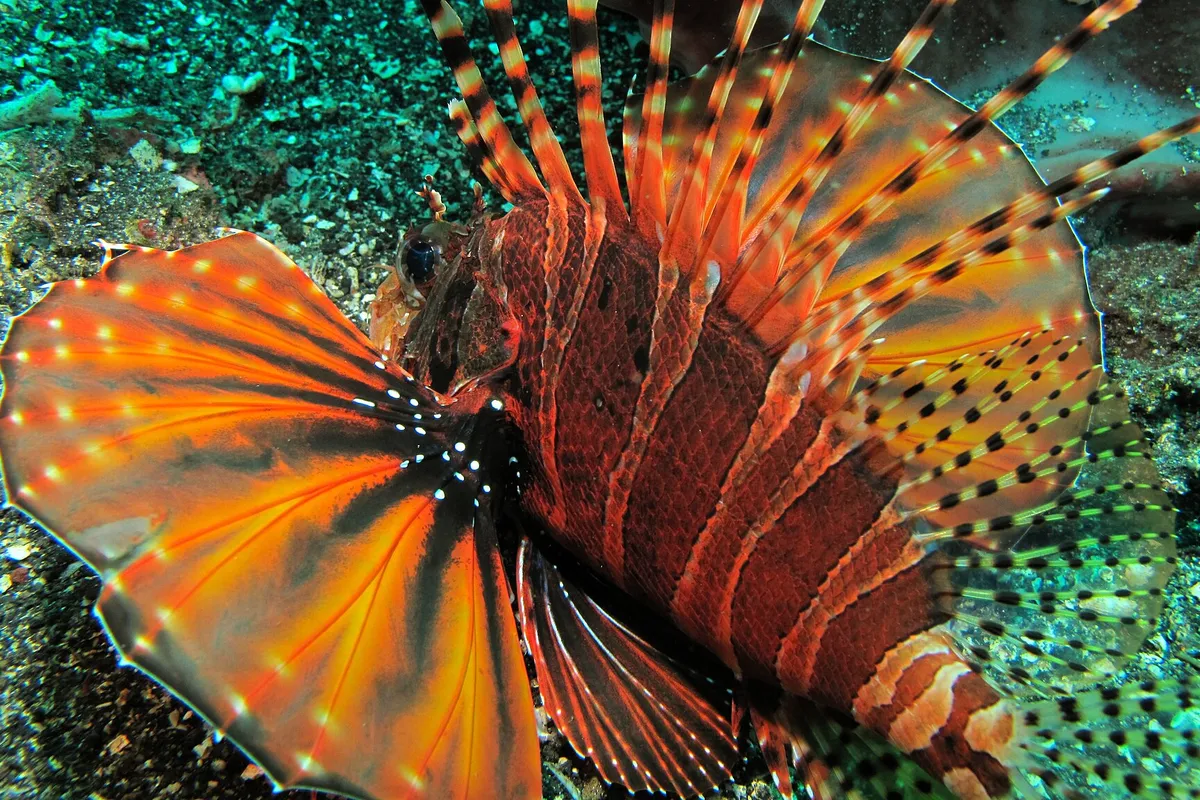
Good companions are robust fish of similar size: tangs, large angelfish, triggerfish, groupers, lionfish and eels such as the snowflake moray. Add the tuskfish last to reduce aggression. Avoid small, peaceful fish and other large wrasses.
Breeding
Like many wrasses, tuskfish start as females, and some become males. They have not been bred in home aquariums.
Common problems and lifespan
Tuskfish are hardy. Aggression towards tank mates and the loss of invertebrates are the most common complaints. Quarantine new fish using our quarantine protocol.
With good care, harlequin tuskfish live 10 years or more.
Explore other topics
Dive into more aquarium guides across the site.