
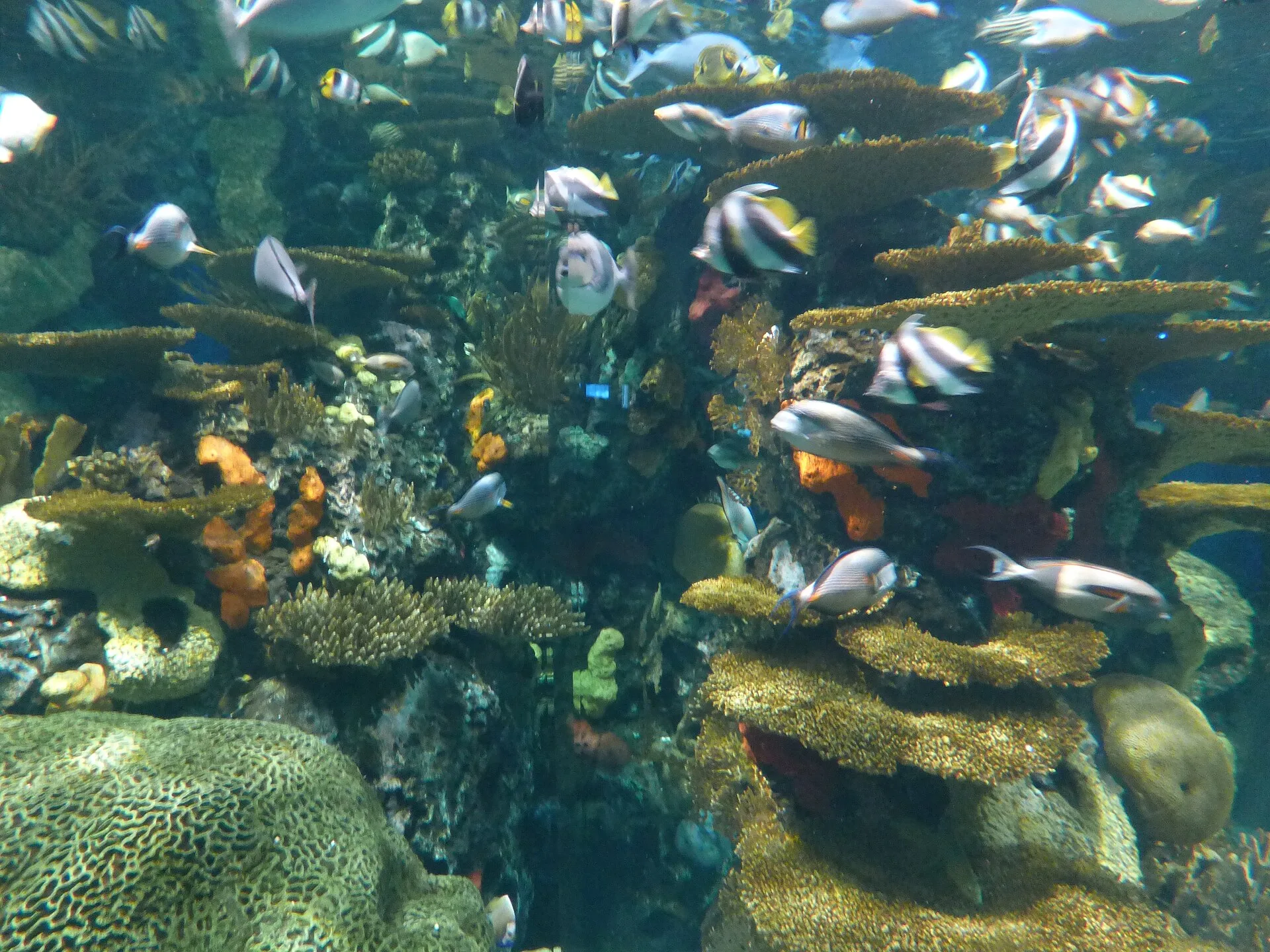
Magnesium in Reef Tanks
Magnesium keeps calcium and alkalinity in solution — low Mg causes white precipitation on heaters and stalled coral growth.
Read more →
This Guides hub on Fishy Friends gathers practical aquarium guides guidance for keepers who want clear answers before they change water, livestock, or gear.
Use these articles to match species to tank size, plan filtration and feeding, and troubleshoot water chemistry without guessing. Each guide is written for home aquariums and links to related reading when you need more depth on aquarium guides.
Start with the basics — stable parameters, quarantine habits, and a feeding schedule that matches the livestock — then browse the profiles and how-tos below. When you are ready to branch out, jump into neighbouring topics so your aquarium guides plan stays consistent across the whole tank.
Whether you are stocking a first community tank or refining an established scape, bookmark this page and return as questions come up. Healthy aquariums are built from small, repeatable routines more than one-time upgrades, and aquarium guides success follows the same pattern.
Explore next: Fishy Friends home, freshwater fish, saltwater fish, live plants.
Fishy Friends publishes species care sheets, plant and invertebrate notes, aquascaping ideas, and water-care explainers so aquarium guides advice stays easy to find. Read one guide thoroughly, apply it slowly, and use the linked hubs above when you want a second angle on the same problem.
Before you buy livestock or rethink filtration, skim two or three aquarium guides articles here and write down target numbers for temperature, hardness, and feeding. That short checklist prevents the most common resets and keeps your aquarium closer to the calm, healthy display you are aiming for.
Come back after water changes or new additions: compare what you see in the tank with the aquarium guides checklists below, then follow one recommended next step instead of changing everything at once. Steady improvements compound, and Fishy Friends is built to support that pace.
Magnesium keeps calcium and alkalinity in solution — low Mg causes white precipitation on heaters and stalled coral growth.
Read more →
Alkalinity is the backbone of coral skeleton building — unstable dKH causes more reef losses than any single parasite.
Read more →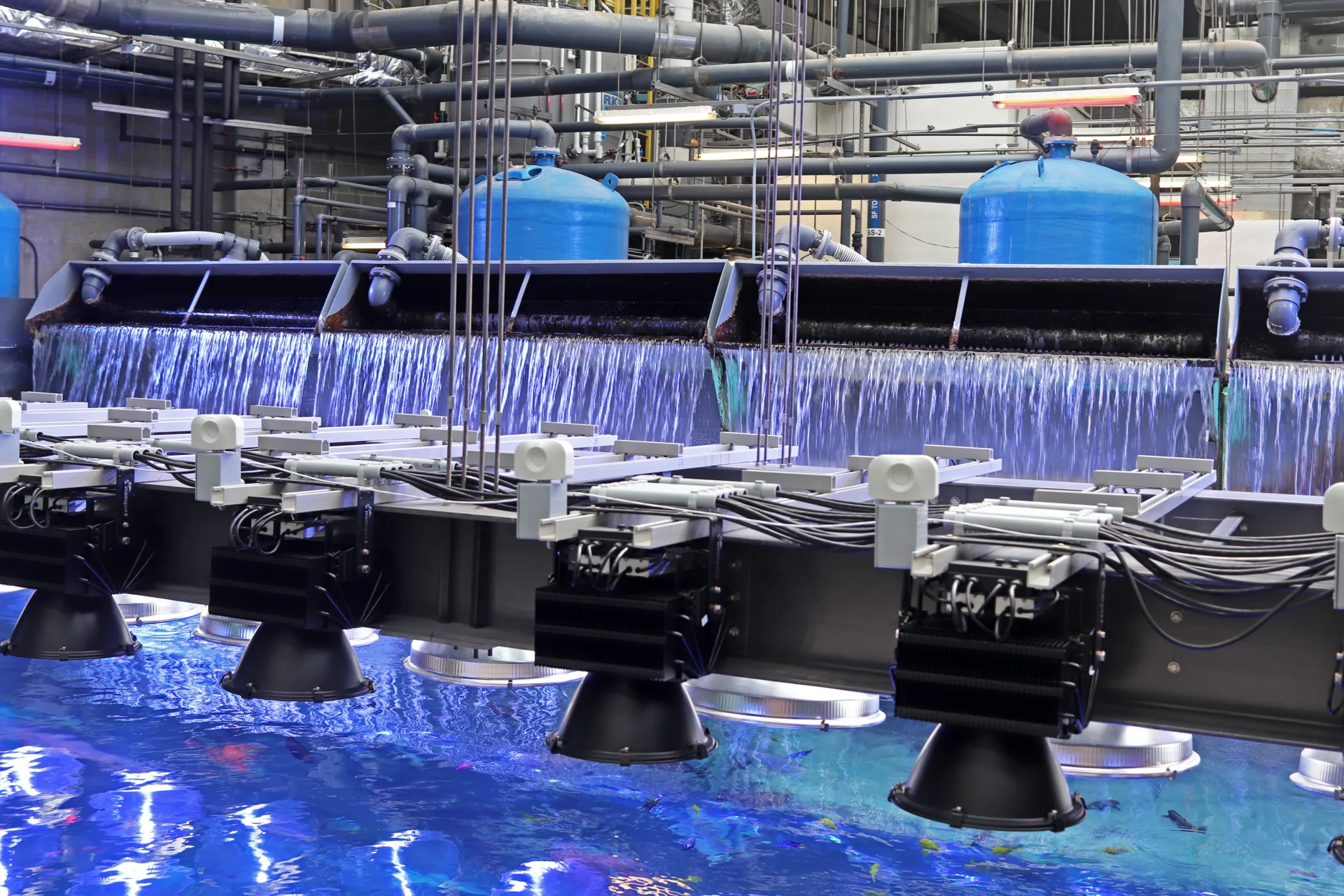
Phosphate fuels algae and slows coral calcification — learn where it enters and how to export it without crashing a balanced reef.
Read more →
Total dissolved solids affect shrimp, discus, and soft-water species — a TDS pen is cheap insurance against invisible parameter drift.
Read more →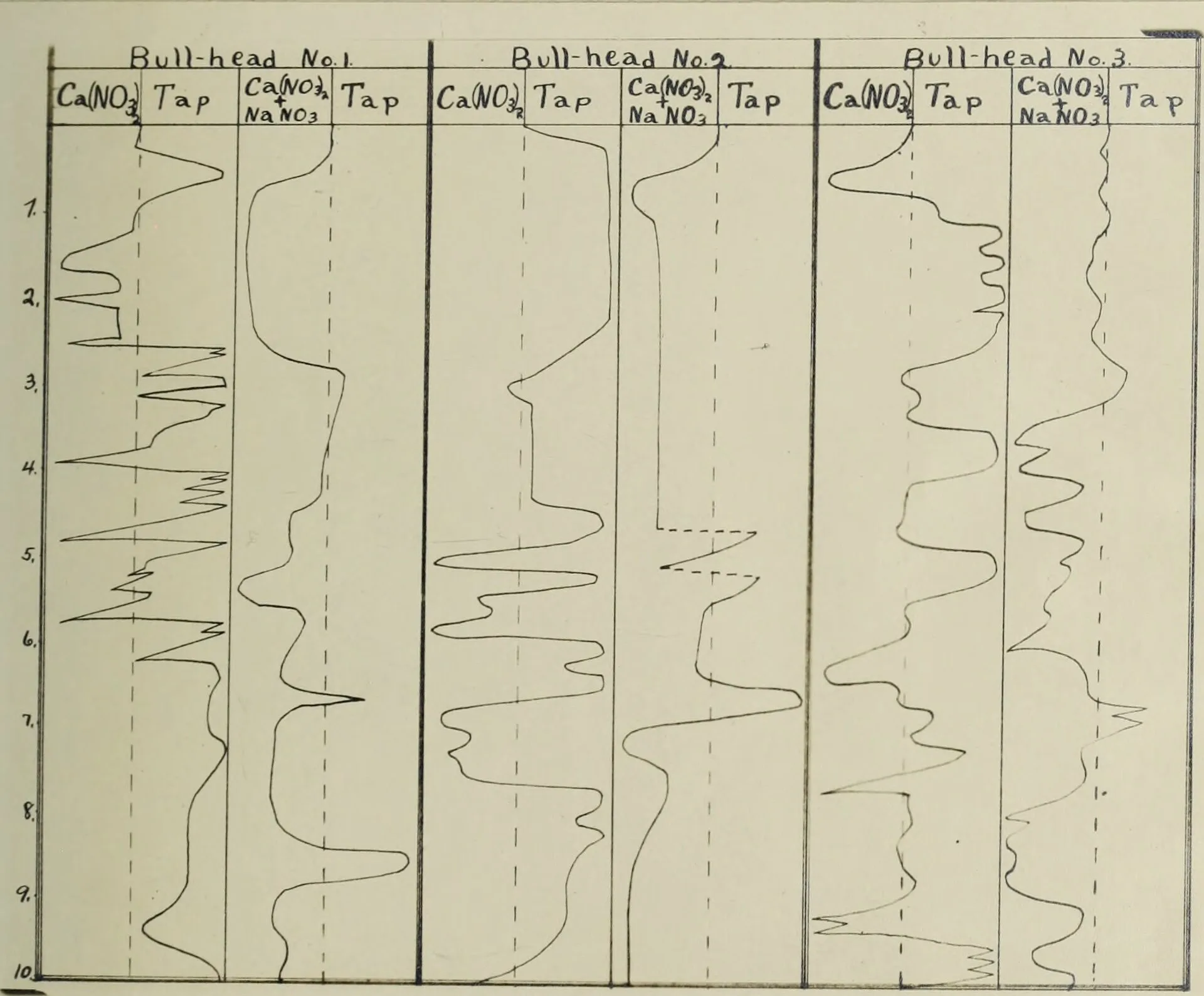
Nitrate is the end of the nitrogen cycle — controlling it long term means managing inputs and exports, not chasing one magic product.
Read more →
Nitrite poisoning turns fish lethargic and gasping — identify the source fast and stop the spike before permanent gill damage.
Read more →
Skipping meals occasionally can aid digestion and water quality — but the right schedule depends on species, age, and tank conditions.
Read more →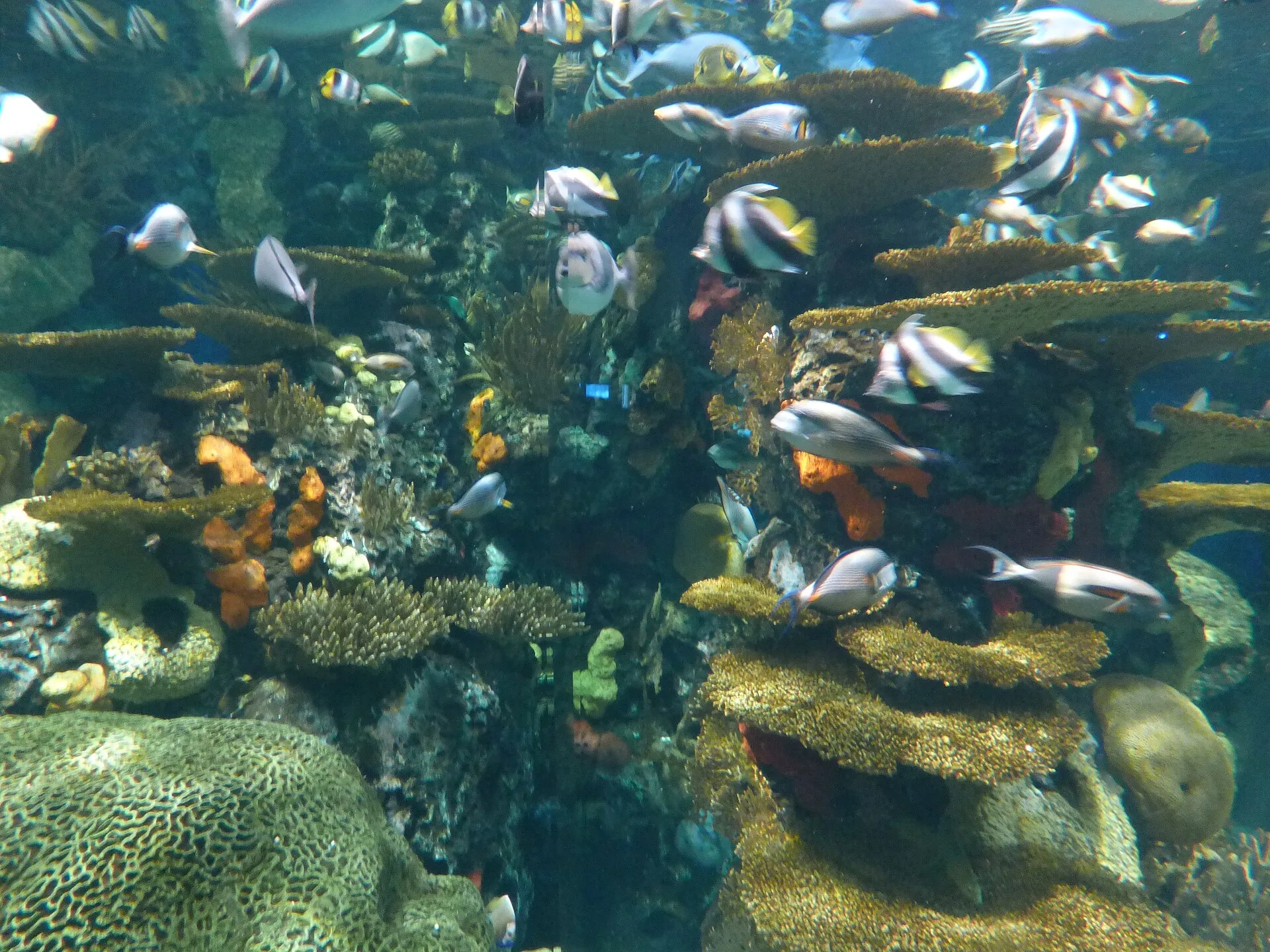
Target feeding delivers meaty foods directly to coral polyps — growth and color improve when done consistently without overloading the system.
Read more →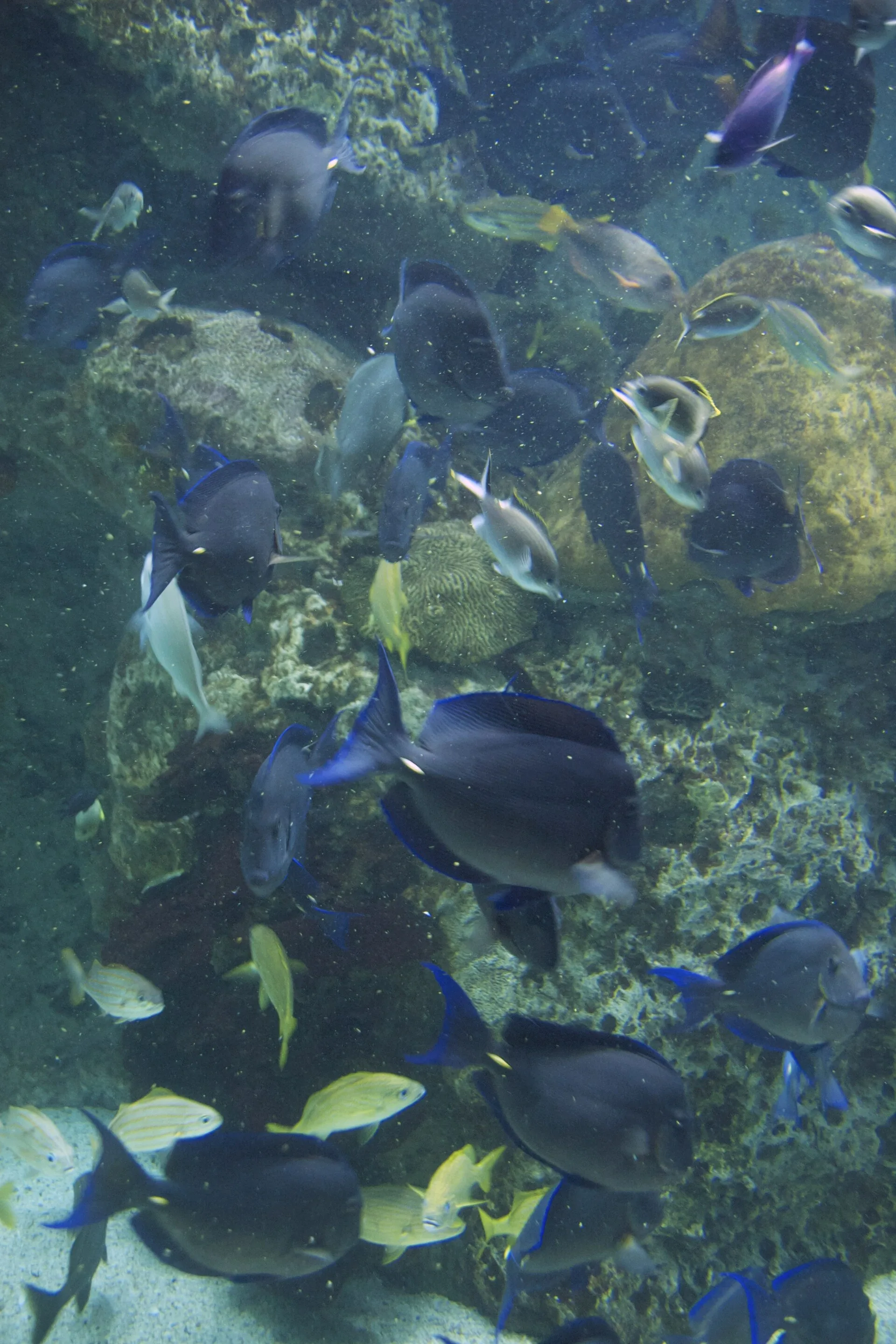
Homemade gel food lets you control ingredients for picky breeders, cichlids, and catfish — cheaper than boutique frozen blends at scale.
Read more →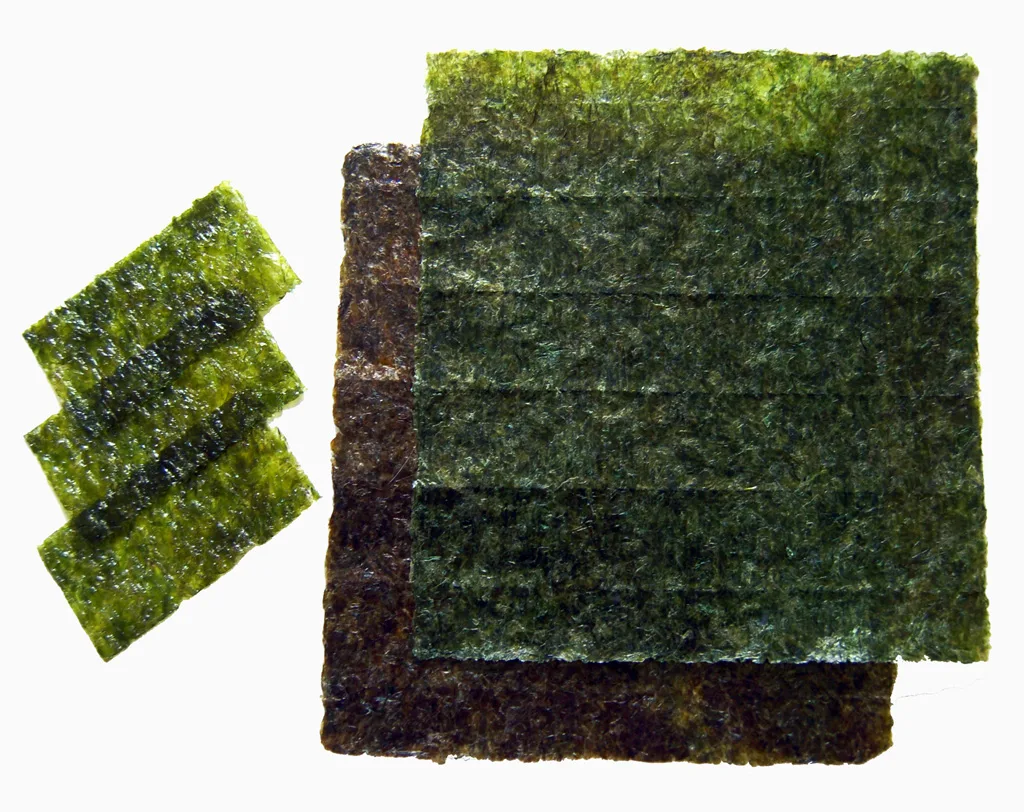
Human-grade nori sheets are cheap marine greens — clip them in the tank and watch tangs, rabbitfish, and plecos graze for hours.
Read more →
Phytoplankton feeds filter-feeding corals and clams — valuable when dosed in moderation to tanks that actually consume it.
Read more →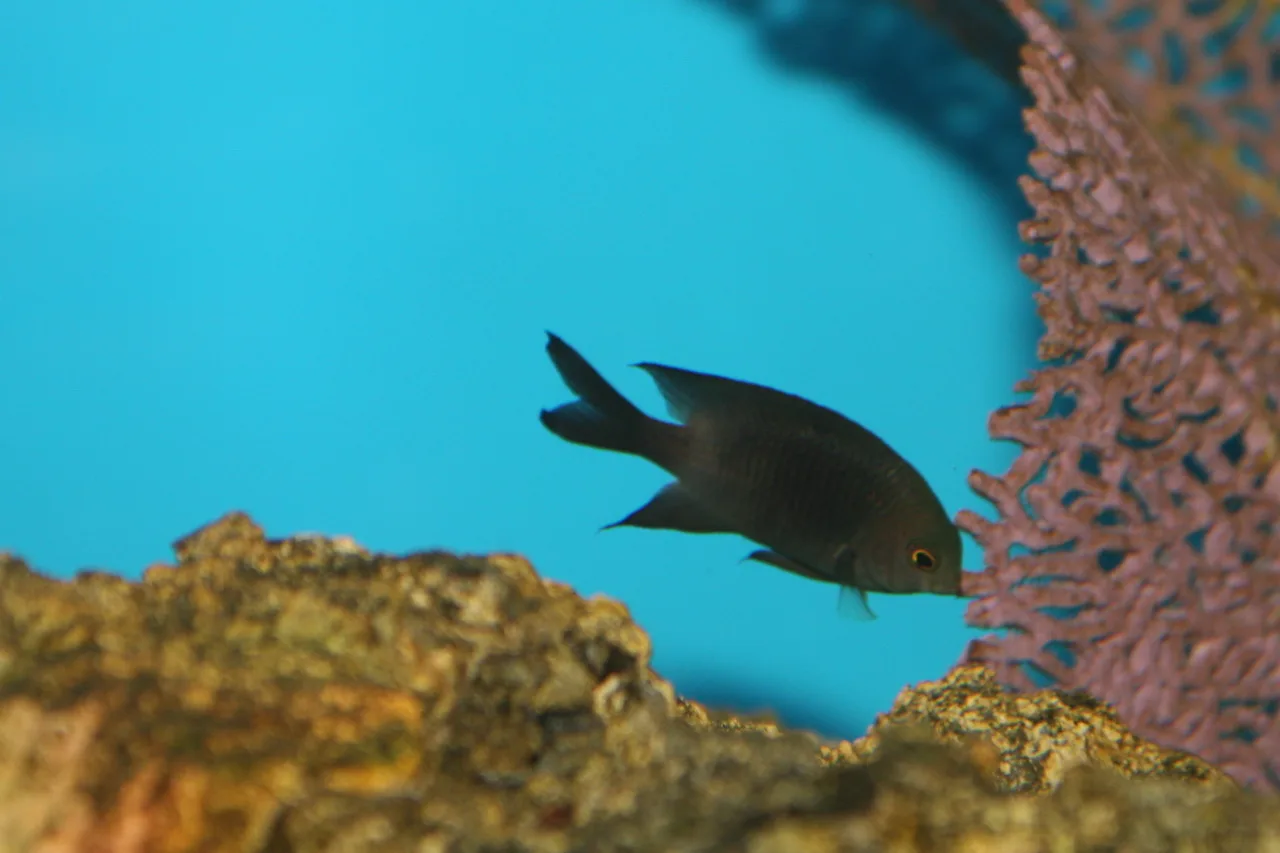
Copepods are living reef plankton — mandarins, wrasses, and corals all benefit when populations persist in live rock and refugiums.
Read more →
Both worms drive fish into a feeding frenzy — but sourcing, hygiene, and disease history differ sharply between cultured blackworms and wild tubi…
Read more →
Vinegar eels survive days in freshwater without drowning fry tanks in acid — perfect for species too small for microworms at hatch.
Read more →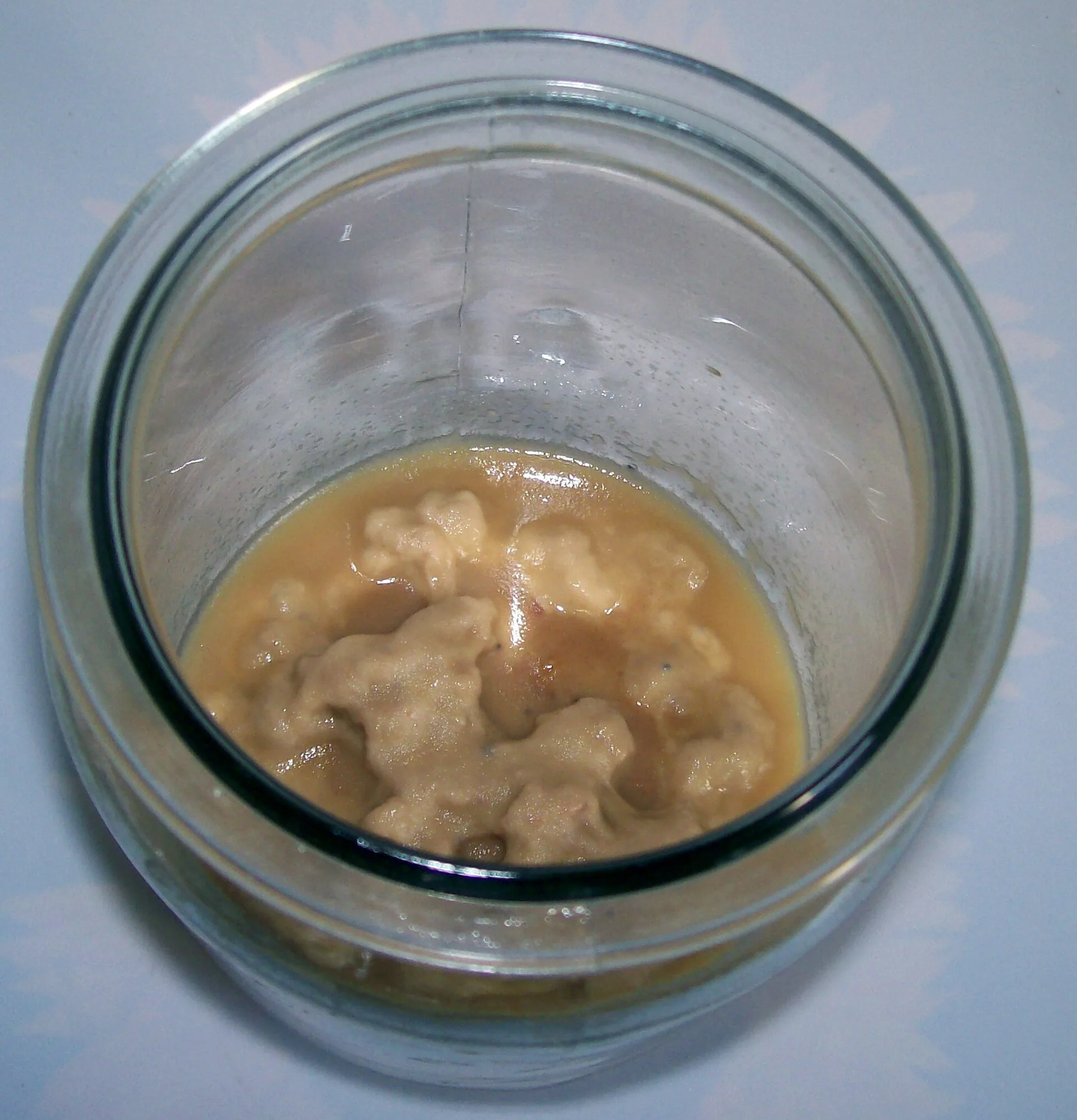
Microworms wriggle indefinitely in water, triggering feeding responses in fry — one of the easiest live foods to maintain on a kitchen counter.
Read more →
Infusoria are the invisible first meal for the tiniest fry — easy to culture at home with lettuce, hay, or commercial starters.
Read more →
Automated dosing keeps reef parameters stable when consumption outpaces manual water changes — but sloppy calibration causes worse swings than no…
Read more →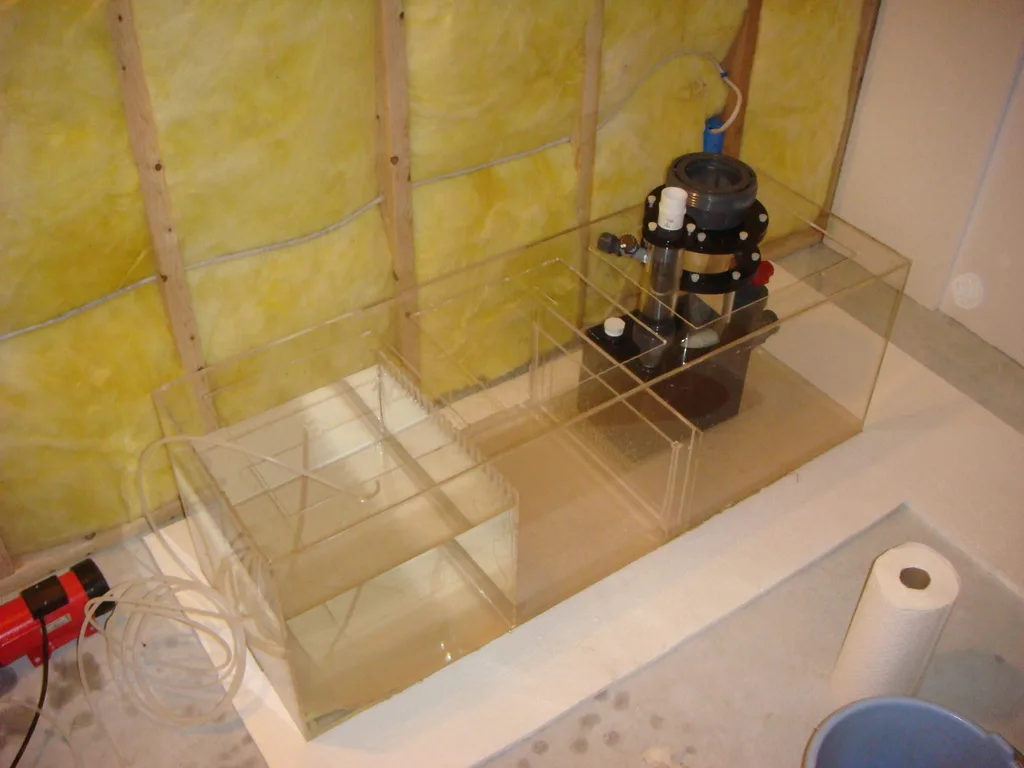
Sumps expand filtration capacity, hide gear, and enable refugiums that export nutrients — the backbone of most serious reef systems.
Read more →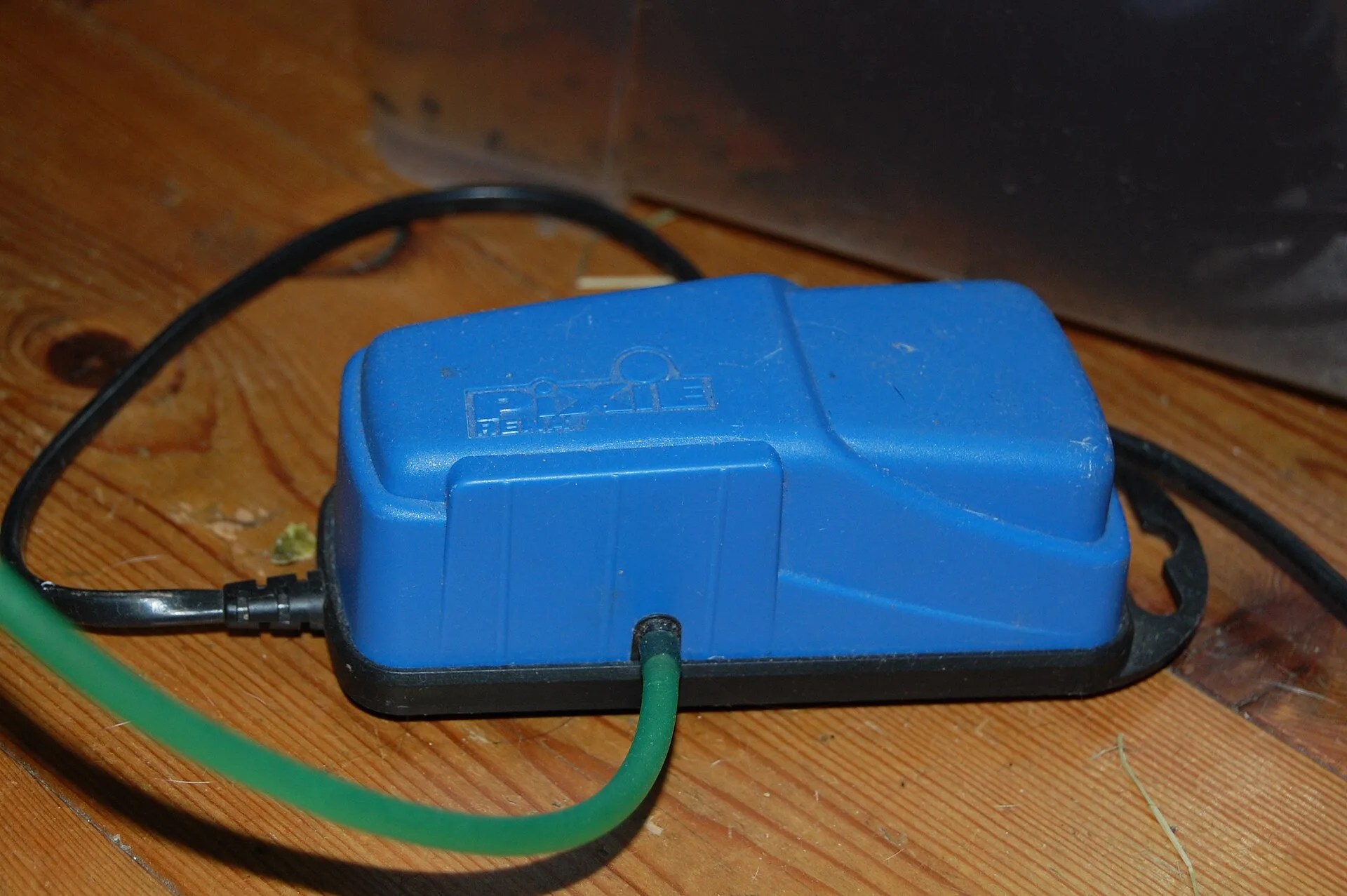
Air pumps drive sponge filters, uplift tubes, and emergency backup aeration — simple gear that prevents silent disasters during outages.
Read more →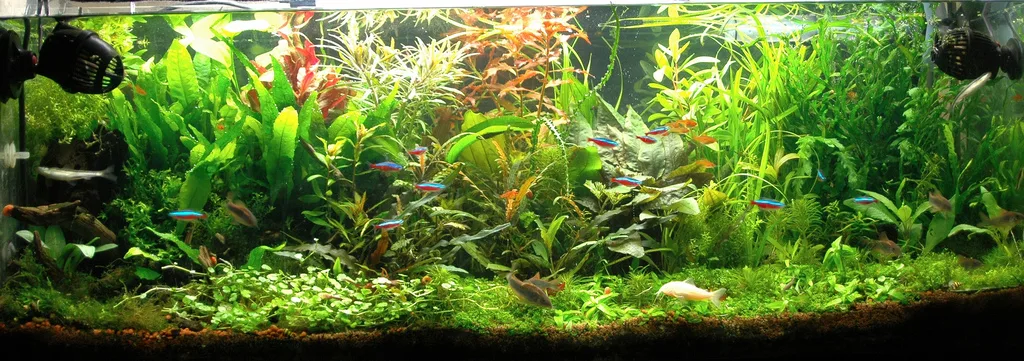
Stable injected CO2 transforms high-light planted tanks — but only when regulators, diffusers, and drop checkers work together safely.
Read more →
When room temperature or high-intensity lighting pushes tanks past safe limits, a chiller becomes essential insurance — not a luxury gadget.
Read more →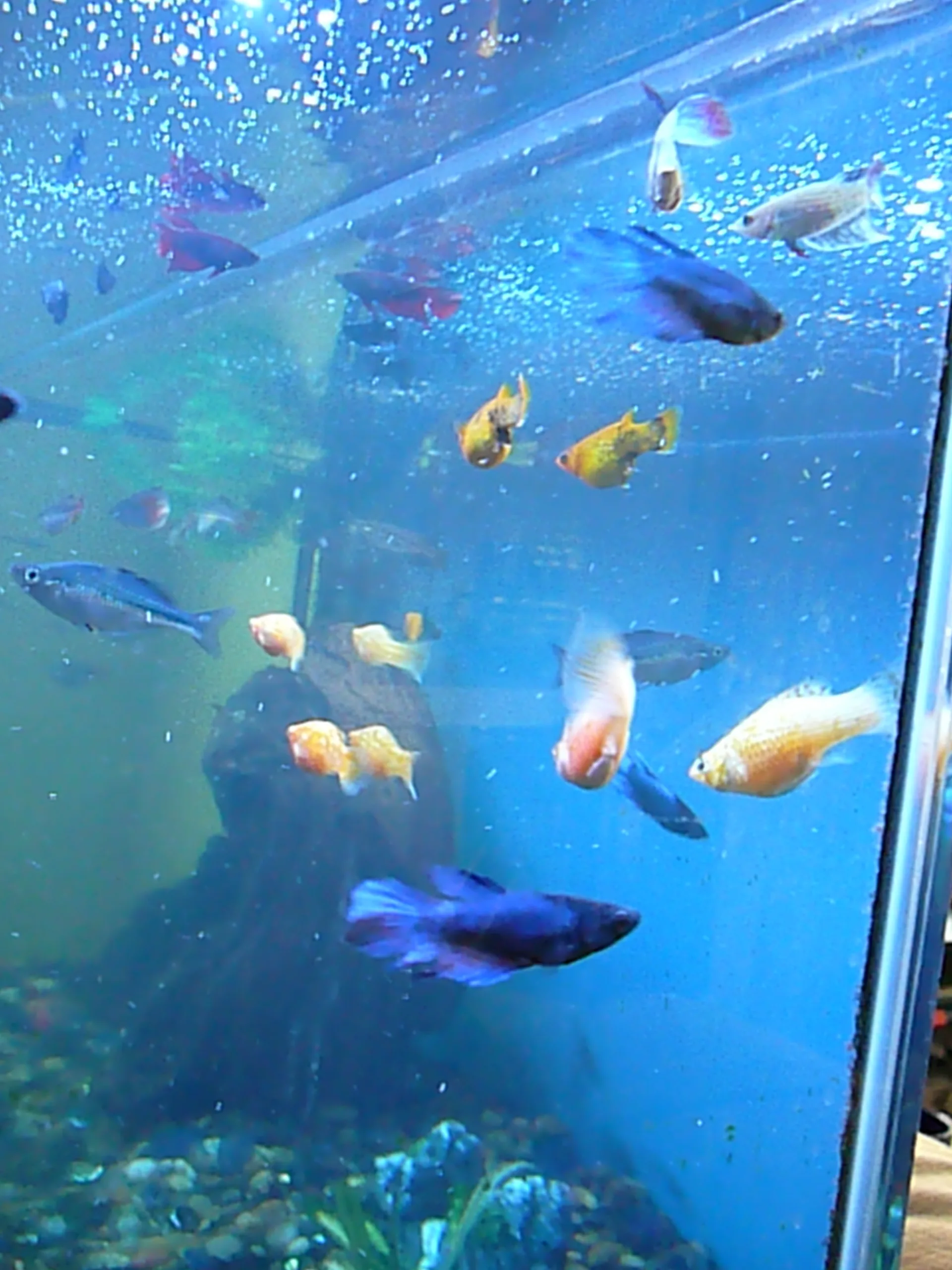
Bettas are hardy — not indestructible. Build a heated, filtered, planted home instead of a bare bowl, and your fish will show real colour and per…
Read more →
Proper flow keeps reef corals fed, distributes heat and oxygen, and prevents detritus pockets — but too much current stresses fish and plants.
Read more →
UV sterilizers clarify water and reduce free-floating pathogens — useful tools when sized for contact time, not magic boxes that replace good hus…
Read more →