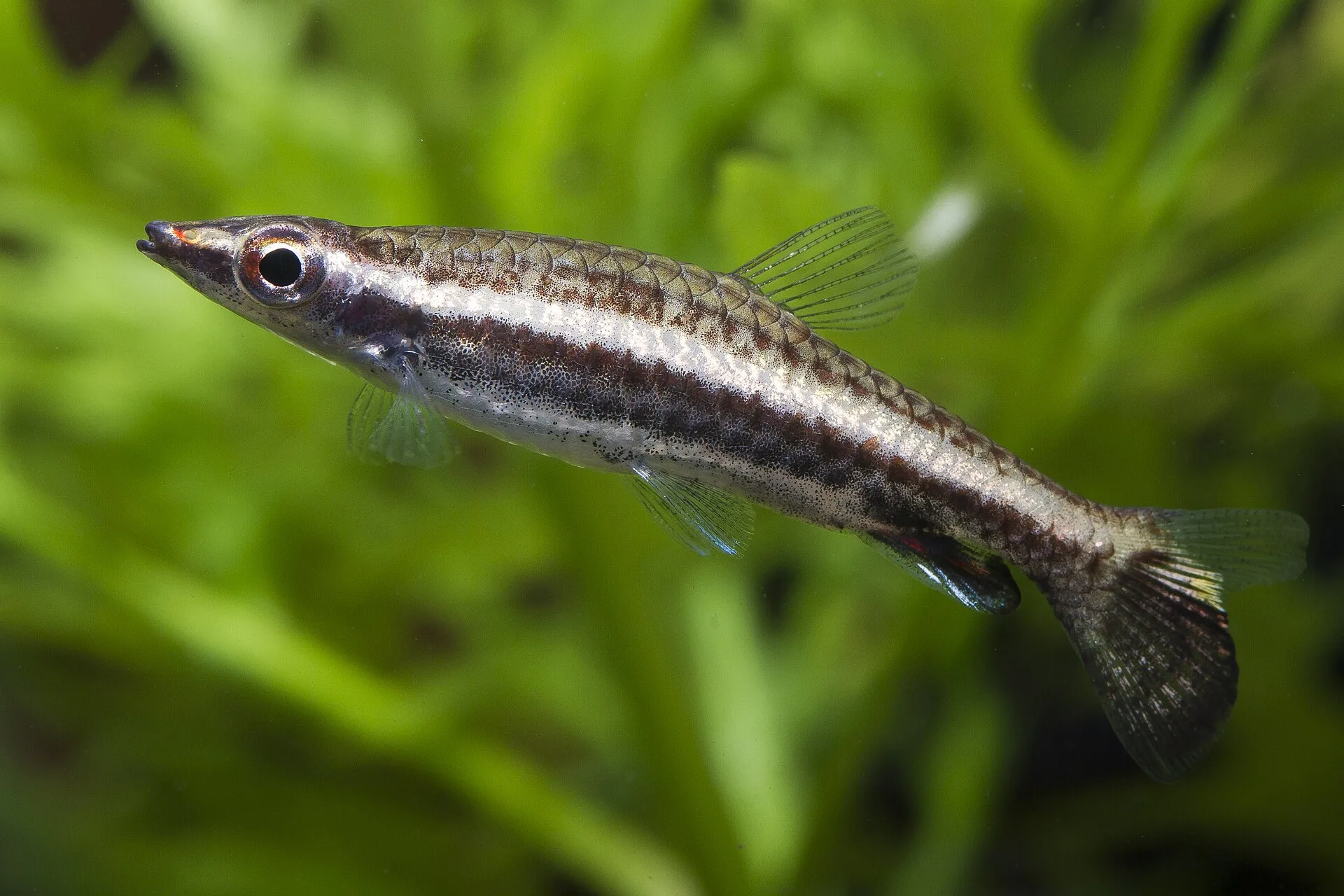
Diptail Pencilfish (Nannostomus eques)
Nannostomus eques hangs at 45 degrees in stained Amazon water — the hockey-stick pencilfish of the top third, shy, particular, and not a tetra th…
Read more →
Ce hub de Guides sur Fishy Friends rassemble des conseils pratiques pour les aquariums destinés aux aquariophiles qui souhaitent des réponses claires avant de changer l'eau, le bétail ou le matériel.
Utilisez ces articles pour associer les espèces à la taille du réservoir, planifier la filtration et l'alimentation, et résoudre les problèmes de chimie de l'eau sans deviner. Chaque guide est écrit pour les aquariums domestiques et renvoie à des lectures connexes lorsque vous avez besoin de plus de profondeur sur les guides d'aquarium.
Commencez par les bases — paramètres stables, habitudes de quarantaine et un calendrier d'alimentation qui correspond au bétail — puis parcourez les profils et les guides ci-dessous. Lorsque vous êtes prêt à explorer, plongez dans des sujets voisins afin que votre plan de guides d'aquarium reste cohérent dans tout le réservoir.
Que vous remplissiez un premier réservoir communautaire ou que vous perfectionniez un aménagement établi, ajoutez cette page à vos favoris et revenez-y au fur et à mesure que des questions se posent. Des aquariums sains sont construits à partir de petites routines répétables plutôt que de mises à niveau uniques, et le succès des guides d'aquarium suit le même schéma.
Explorez ensuite : Accueil de Fishy Friends, poissons d'eau douce, poissons d'eau salée, plantes vivantes.
Fishy Friends publie des fiches de soins des espèces, des notes sur les plantes et les invertébrés, des idées d'aquascaping et des explications sur la gestion de l'eau afin que les conseils des guides d'aquarium restent faciles à trouver. Lisez un guide en profondeur, appliquez-le lentement et utilisez les hubs liés ci-dessus lorsque vous souhaitez un second angle sur le même problème.
Avant d'acheter du bétail ou de repenser la filtration, parcourez deux ou trois articles de guides d'aquarium ici et notez les chiffres cibles pour la température, la dureté et l'alimentation. Cette courte liste de contrôle prévient les réinitialisations les plus courantes et garde votre aquarium plus proche de l'affichage calme et sain que vous visez.
Revenez après des changements d'eau ou de nouvelles additions : comparez ce que vous voyez dans le réservoir avec les listes de contrôle des guides d'aquarium ci-dessous, puis suivez une étape recommandée au lieu de tout changer d'un coup. Des améliorations constantes s'accumulent, et Fishy Friends est conçu pour soutenir ce rythme.
Nannostomus eques hangs at 45 degrees in stained Amazon water — the hockey-stick pencilfish of the top third, shy, particular, and not a tetra th…
Read more →
Nannostomus beckfordi is the pencilfish that forgives: a level-swimming Guiana characin whose midwater fencing looks like a school at eight fish an…
Read more →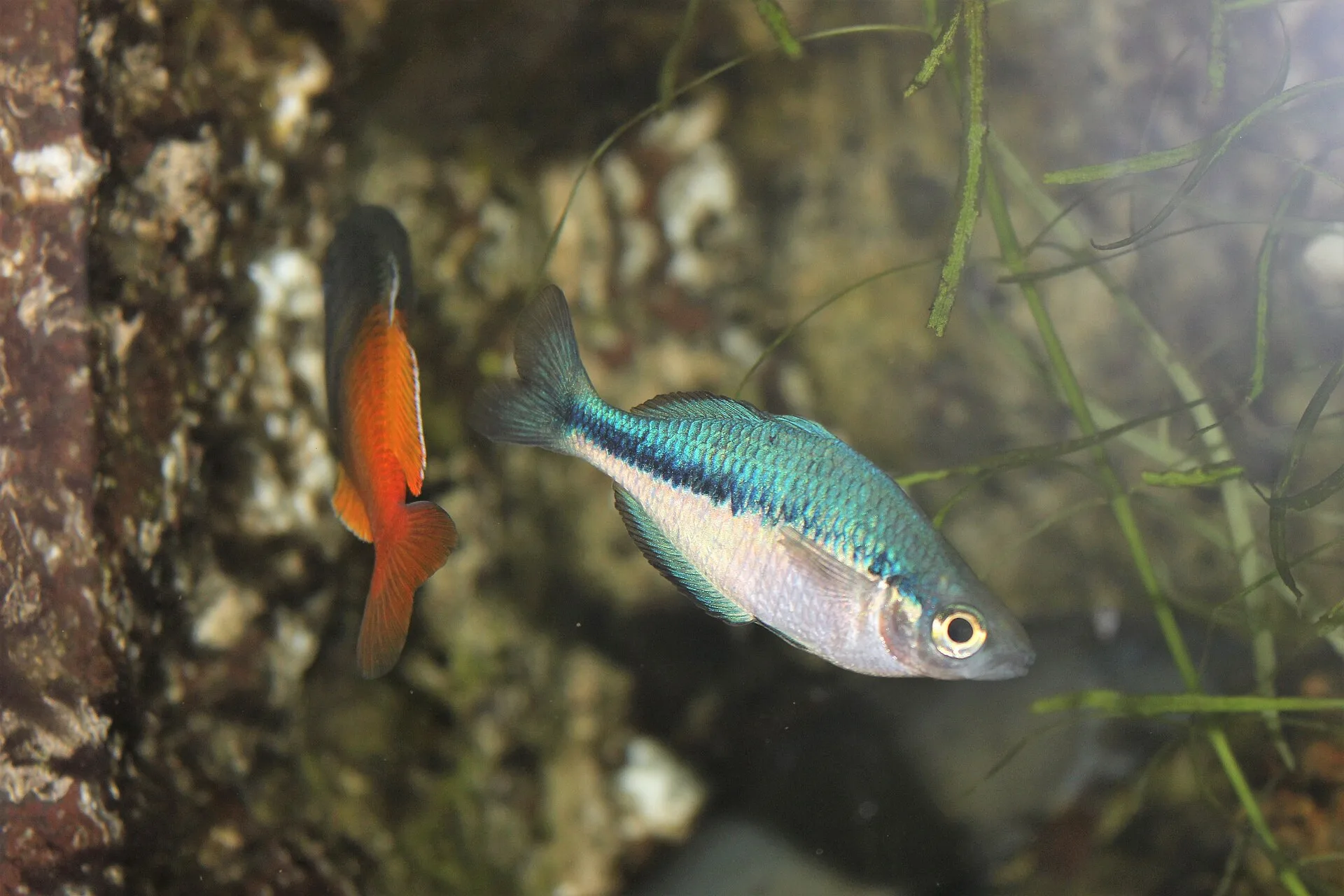
Melanotaenia splendida is the Australian rainbow with a shoulder: a deep-bodied river schooler that needs a metre of swimming room, a real filter,…
Read more →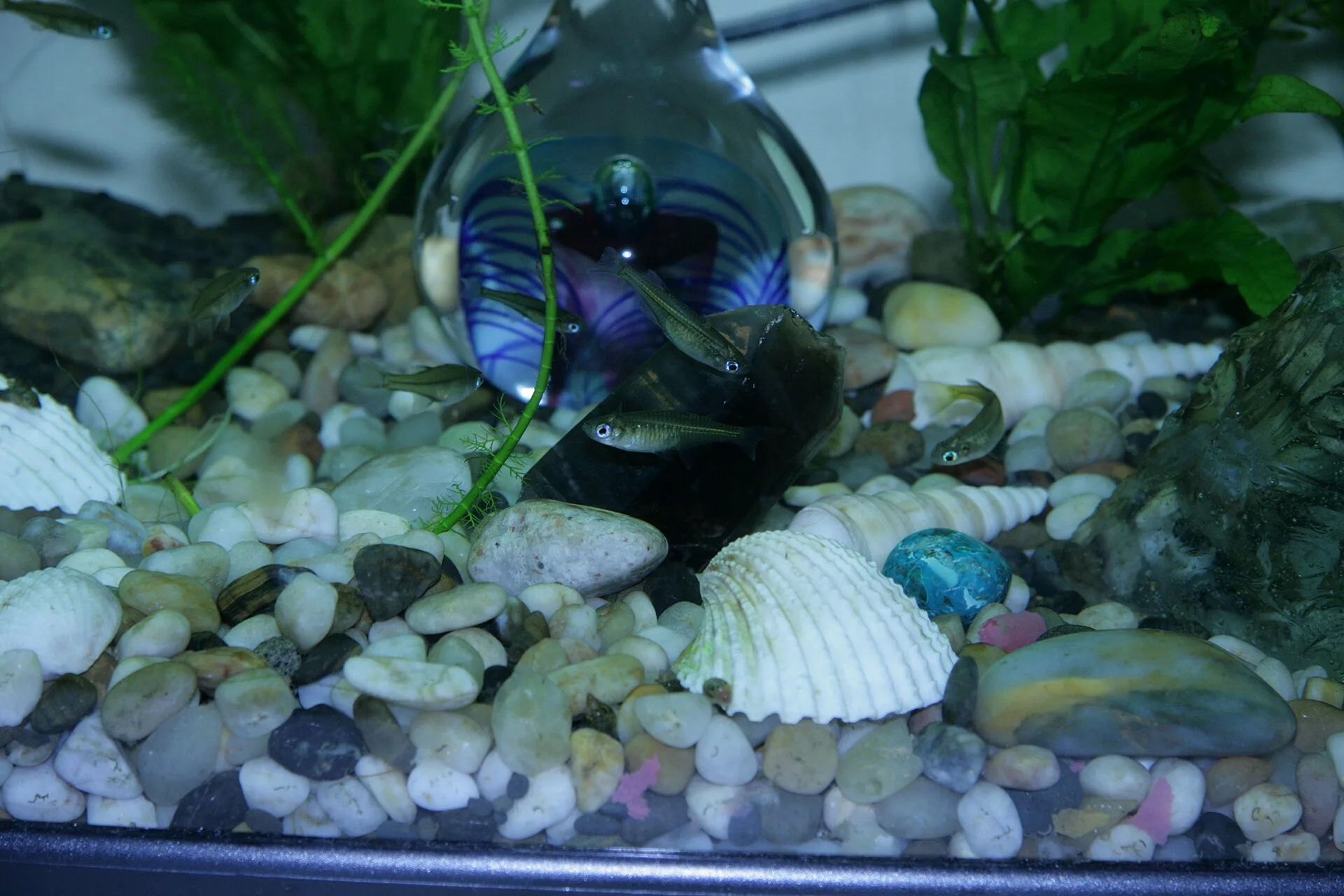
Pseudomugil signifer males grow filamentous fins for a surface dance — a thumbnail Australian blue-eye that only works as a covered school with f…
Read more →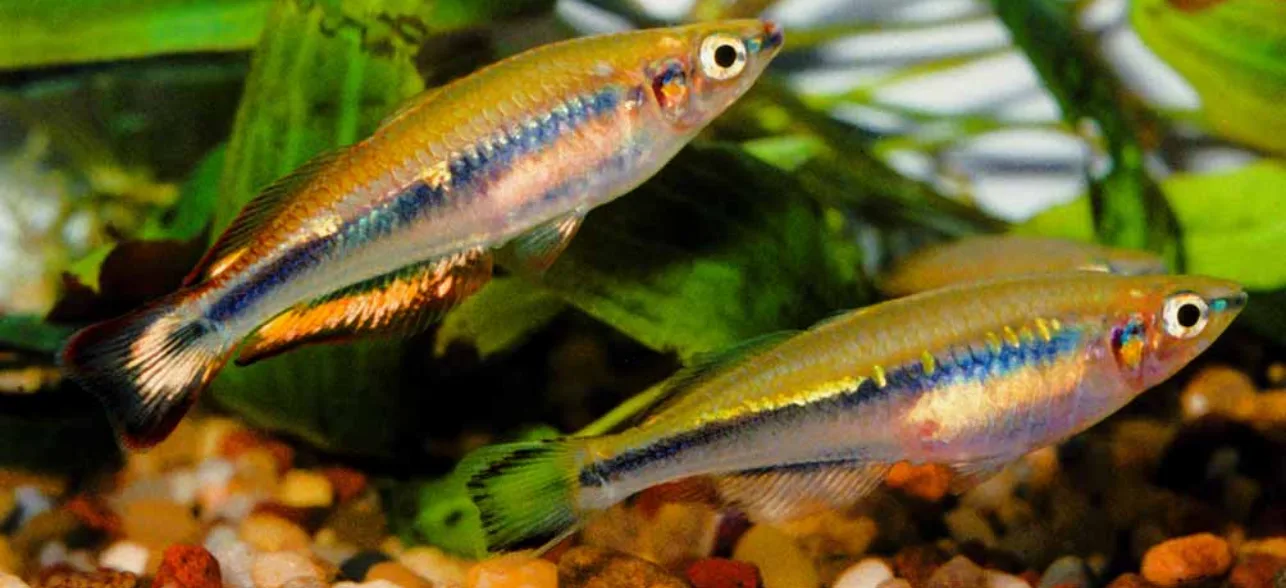
Bedotia madagascariensis is Madagascar’s zona, not a New Guinea Melanotaenia: a surface school with a red-tailed male, a lid with no gaps, and an…
Read more →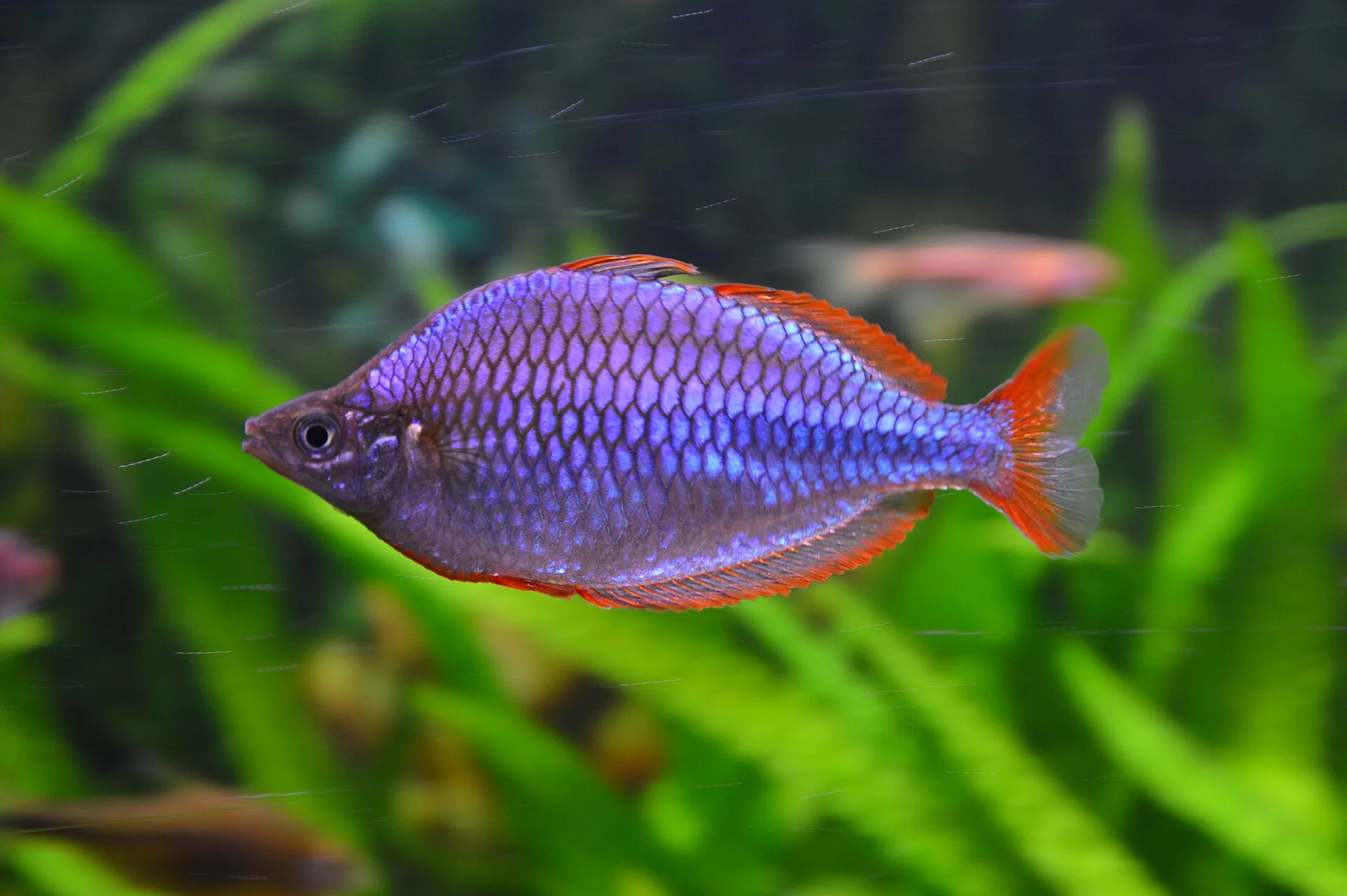
Melanotaenia praecox is the rainbow that actually fits a modest tank — 5–6 cm of blue and red that appear when the school is eight or more and…
Read more →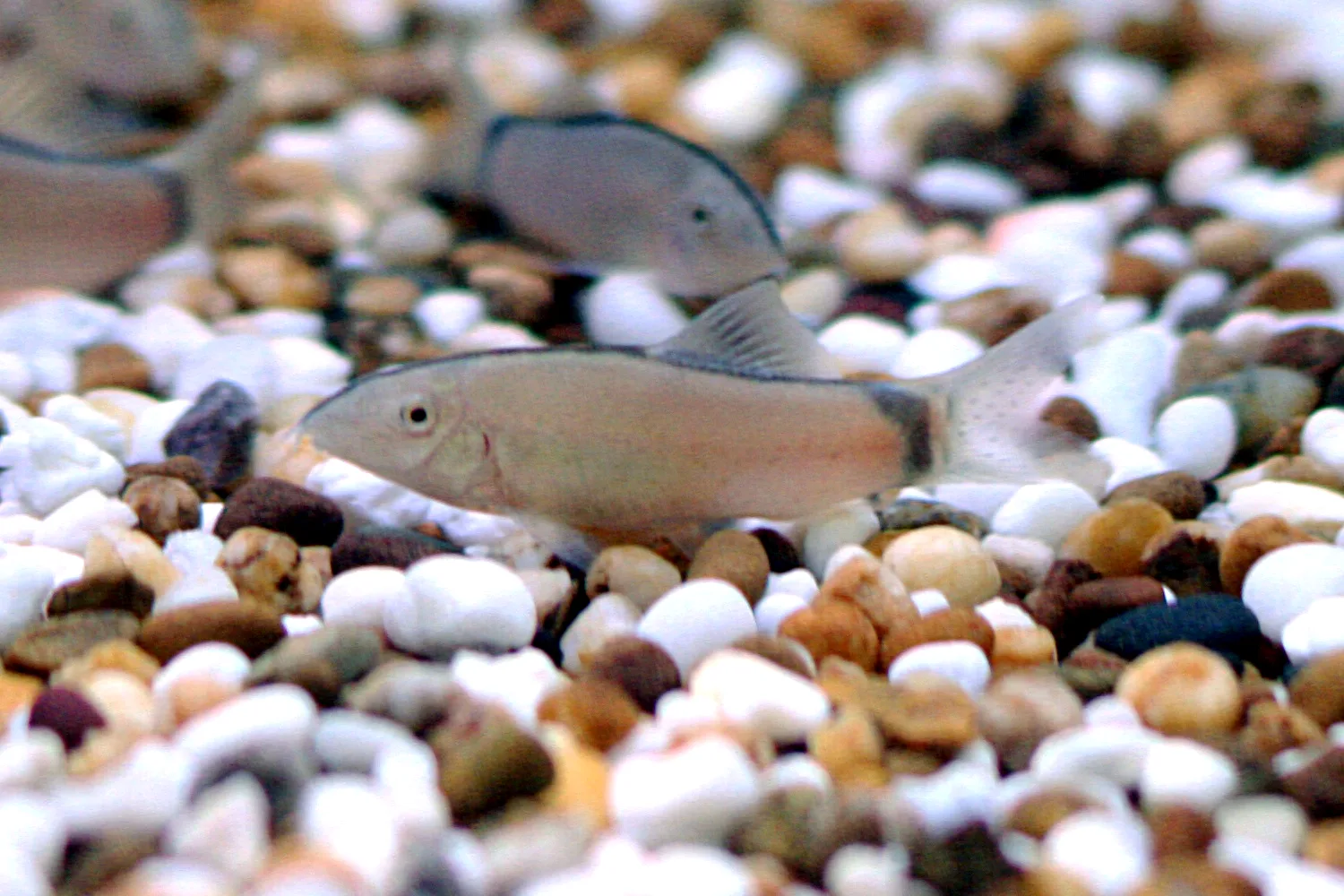
Yasuhikotakia morleti wears a dorsal skunk stripe and a subocular spine: a Mekong loach to keep as five-plus (or one), under a latched lid, and nev…
Read more →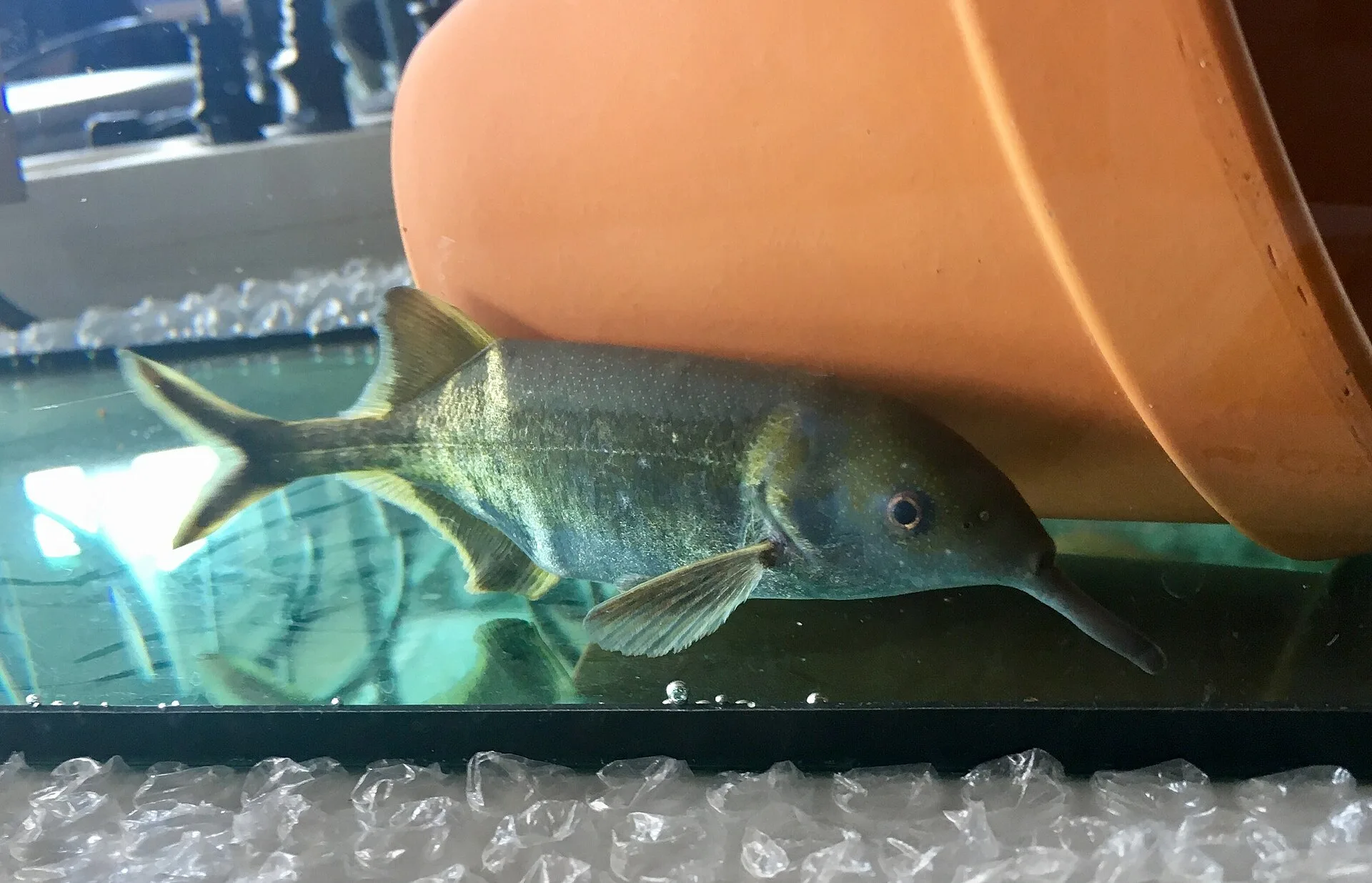
Gnathonemus petersii hunts with a weakly electric chin in the dark: sand, dim cover, meat at dusk, and a tank without stray voltage or a bully on t…
Read more →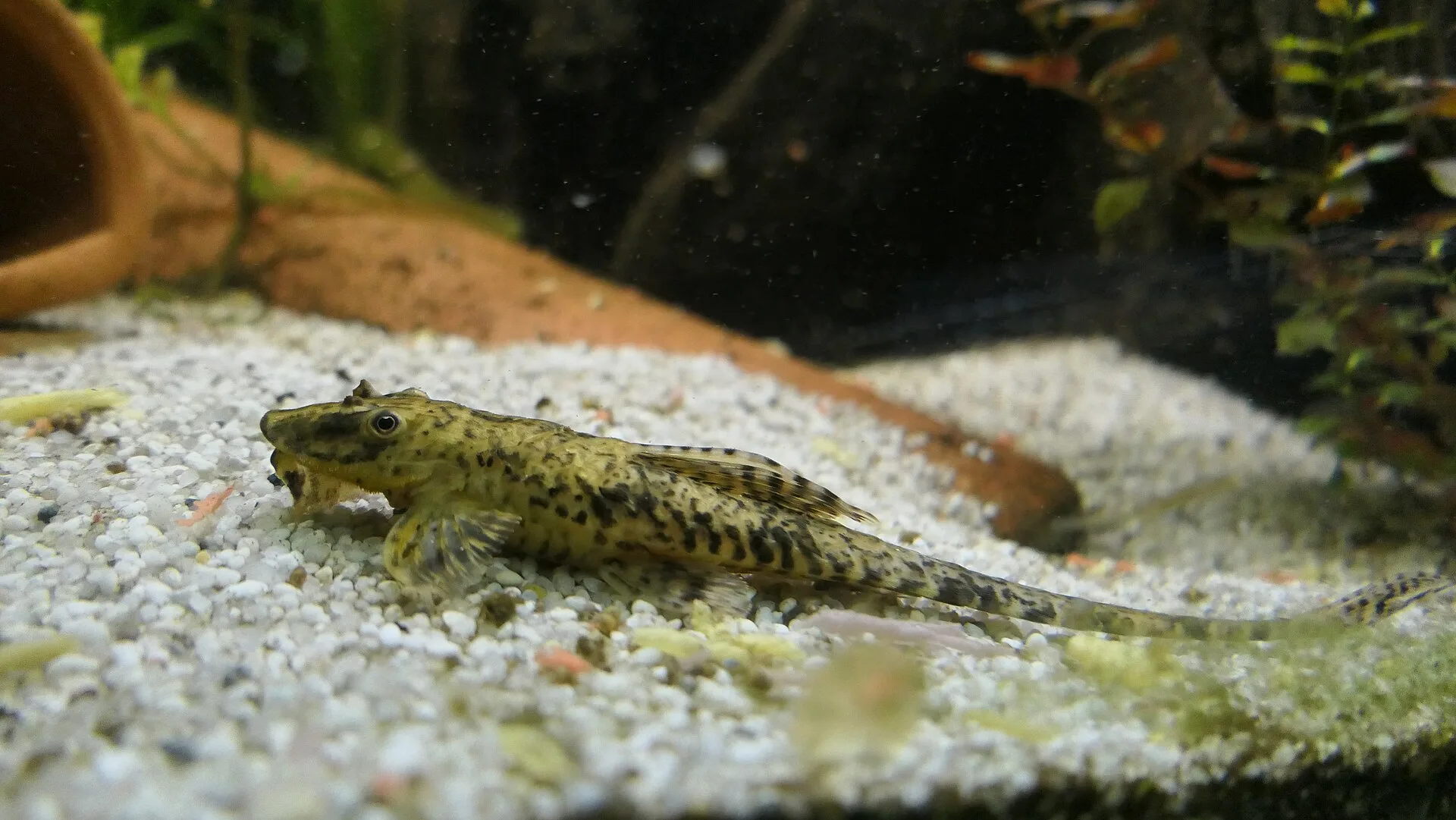
Rineloricaria lanceolata lies on sand like a walking leaf — a quiet South American whiptail that wants litter, a spawning tube, night-time wafers…
Read more →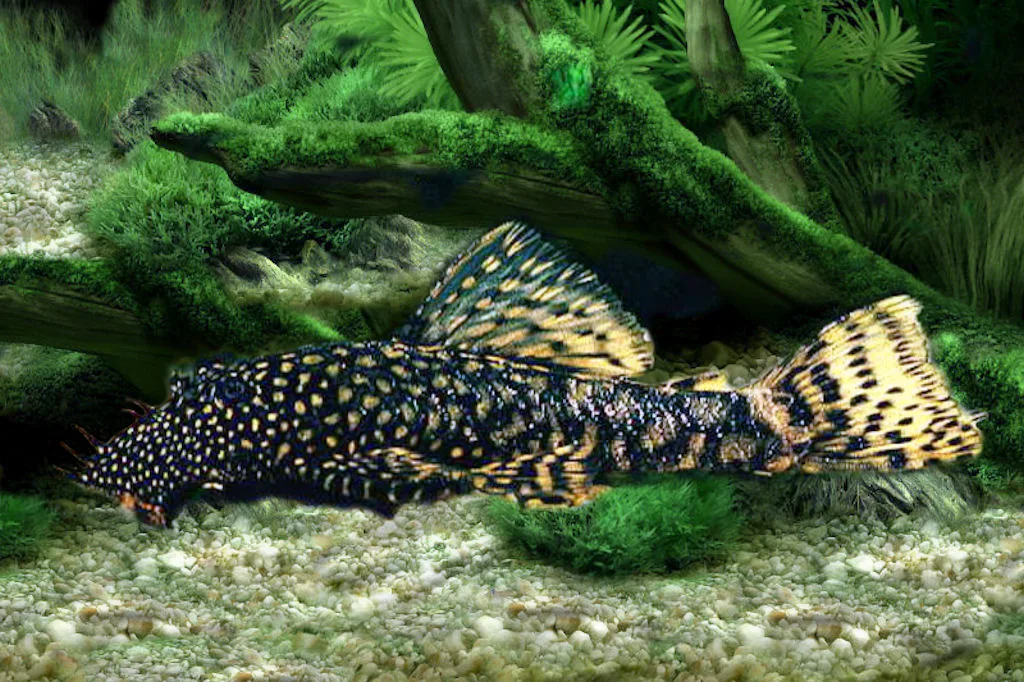
Ancistrus cirrhosus is the pleco that still fits: wood to rasp, vegetables every week, a cave for the bristled male, and fry in the doorway whether…
Read more →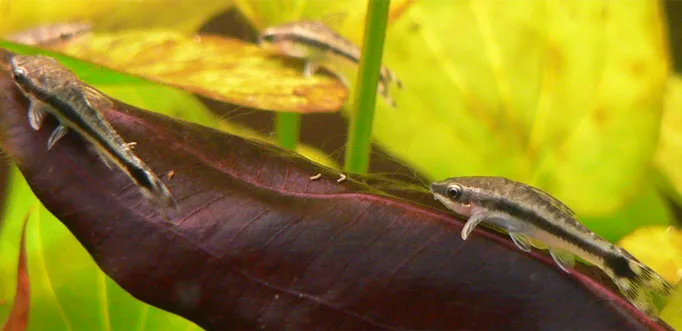
Otocinclus vittatus rasps biofilm, not leftover flake: a 4 cm school of grazing catfish for a tank that is already established, already planted, an…
Read more →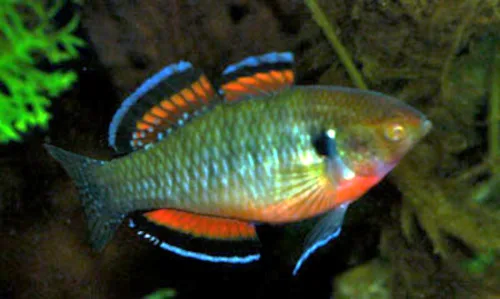
Hypseleotris compressa males look painted when they colour up: an Australian gudgeon of 10–12 cm that sits, lunges, and does not belong in a nano…
Read more →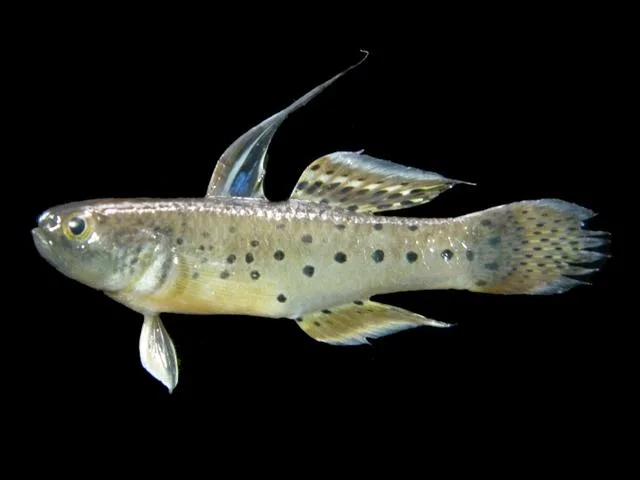
Stigmatogobius sadanundio, the knight goby, is an estuarine sentry — spotted, territorial, meat-eating — that wants hard freshwater or honest b…
Read more →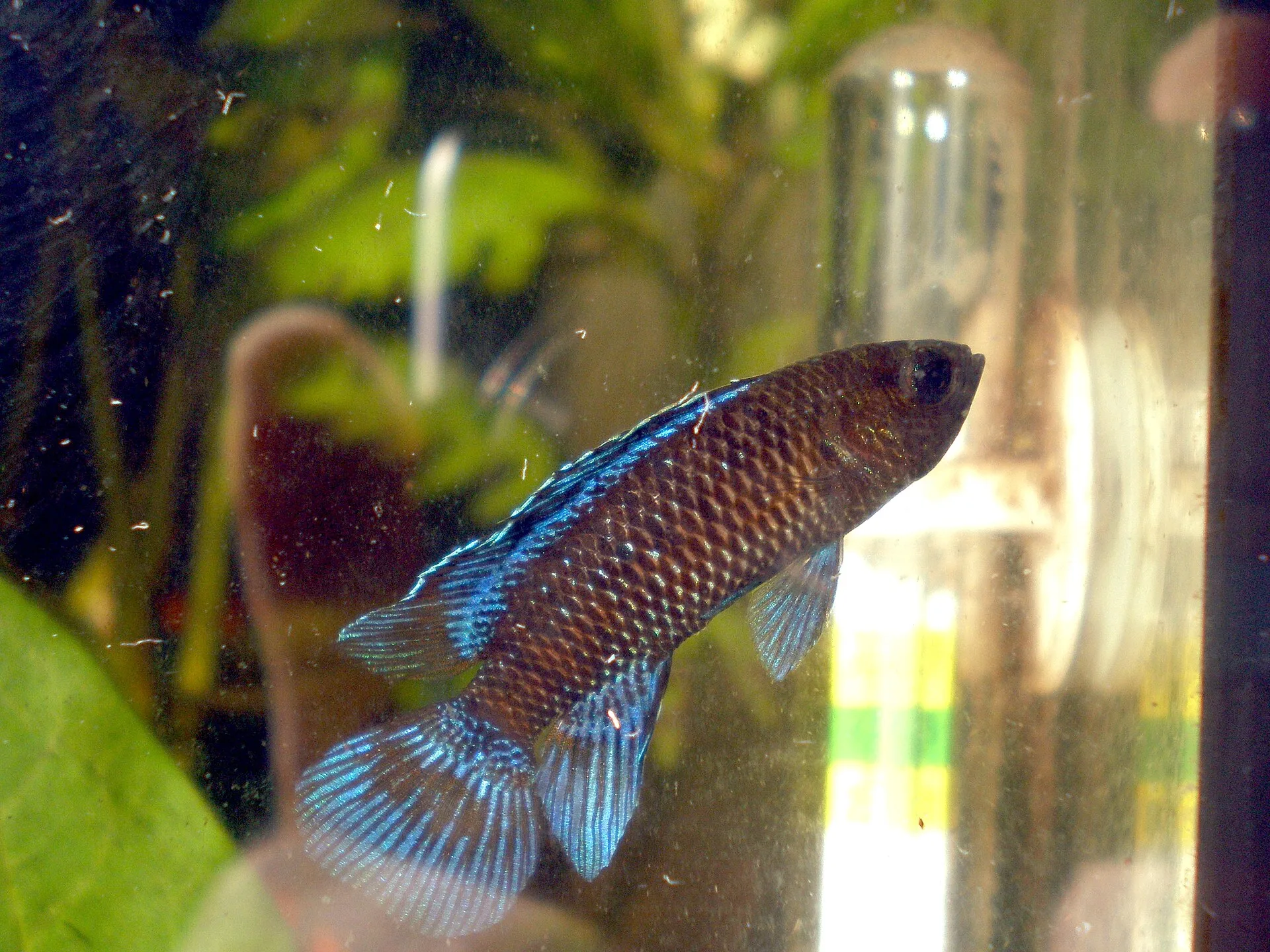
Badis badis is a Ganges micropredator that starves beside fast tetras: a chameleon that turns blue in a weedy cave if you feed it what still wriggl…
Read more →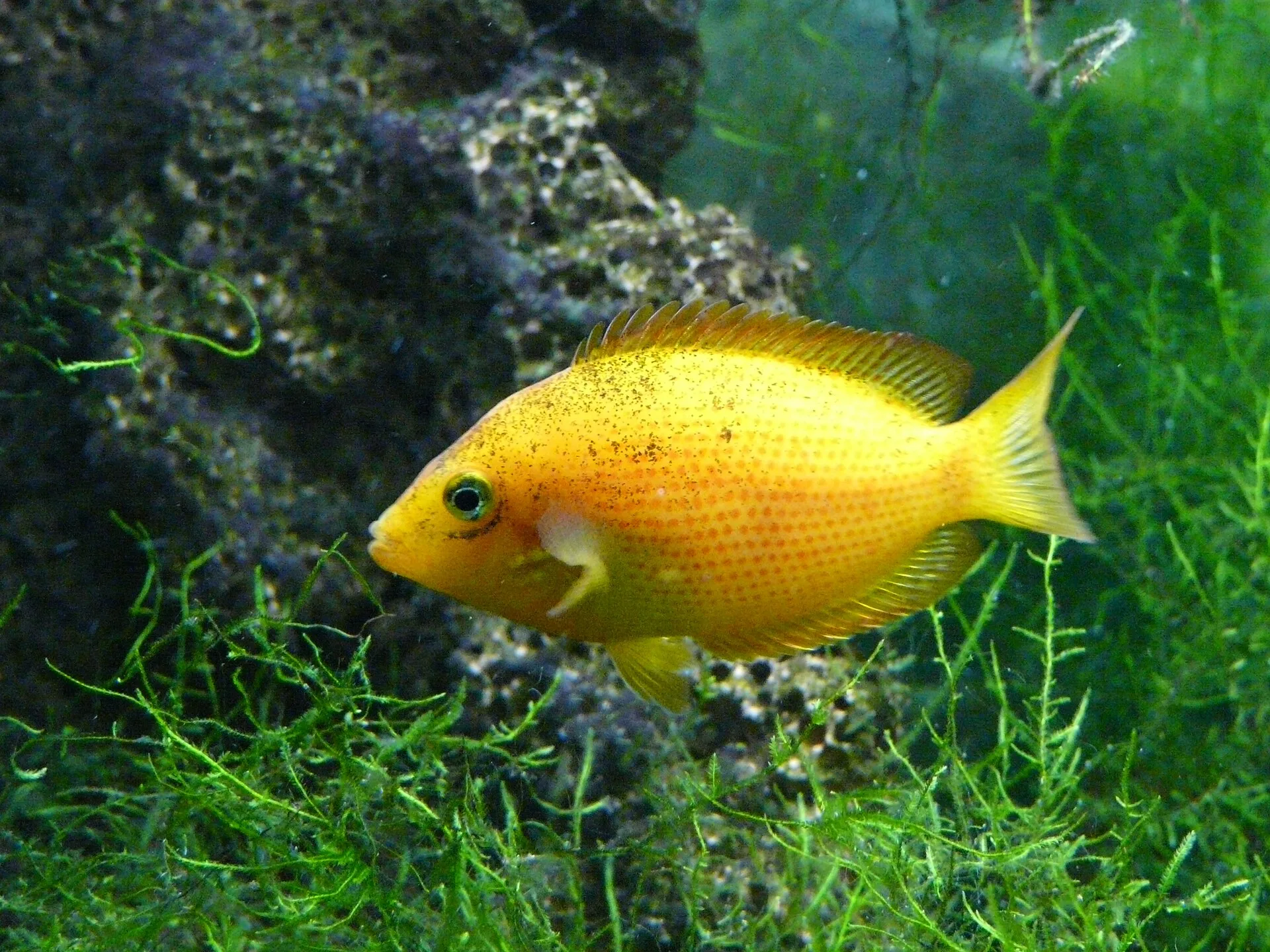
Etroplus maculatus, the orange chromide of India and Sri Lanka, colours like a sunset when the pair and the hardness are right, with optional brack…
Read more →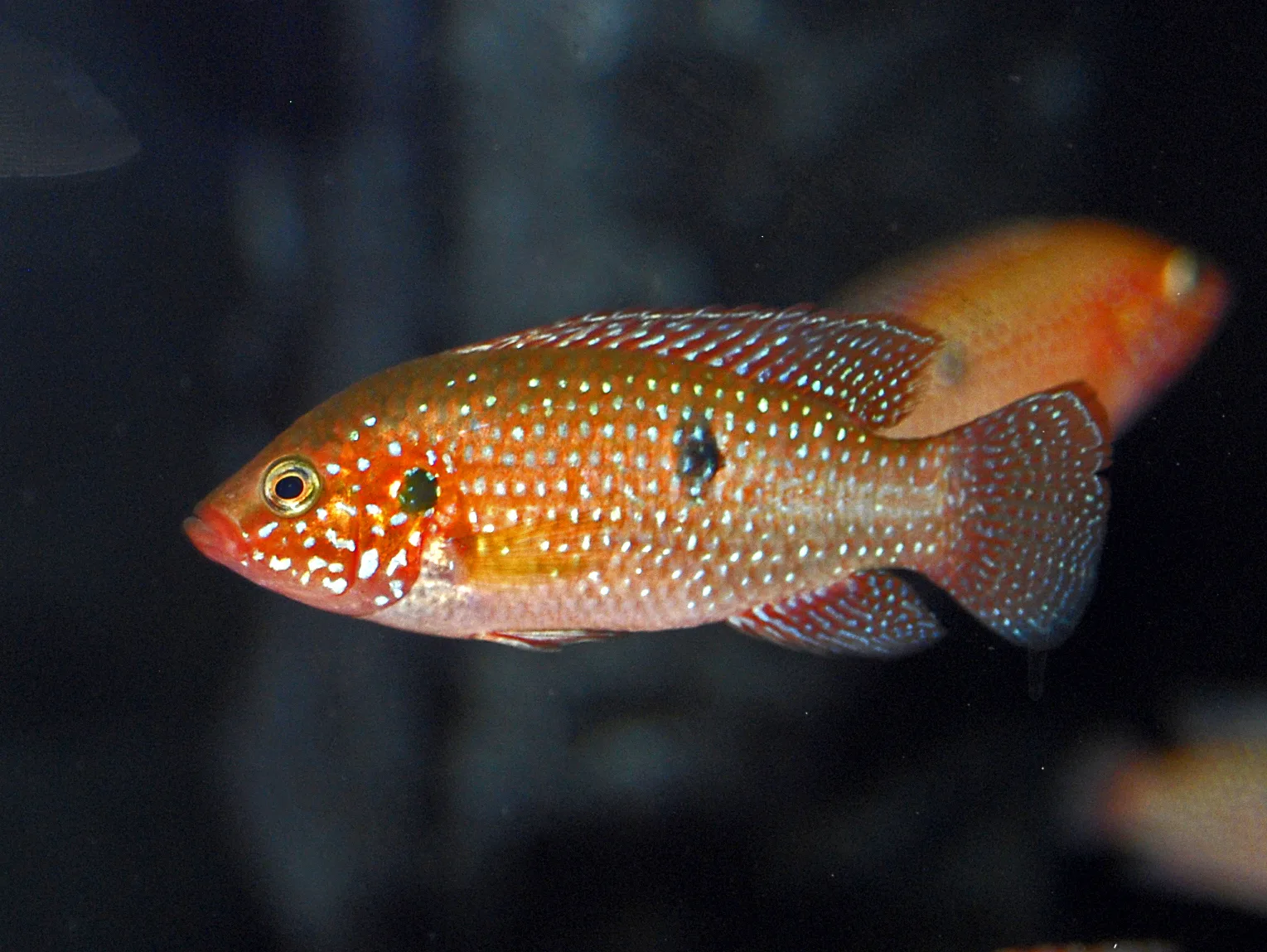
Hemichromis lifalili is a Congo jewel the size of a hand and the confidence of a much larger cichlid — red, turquoise-spangled, and territorial t…
Read more →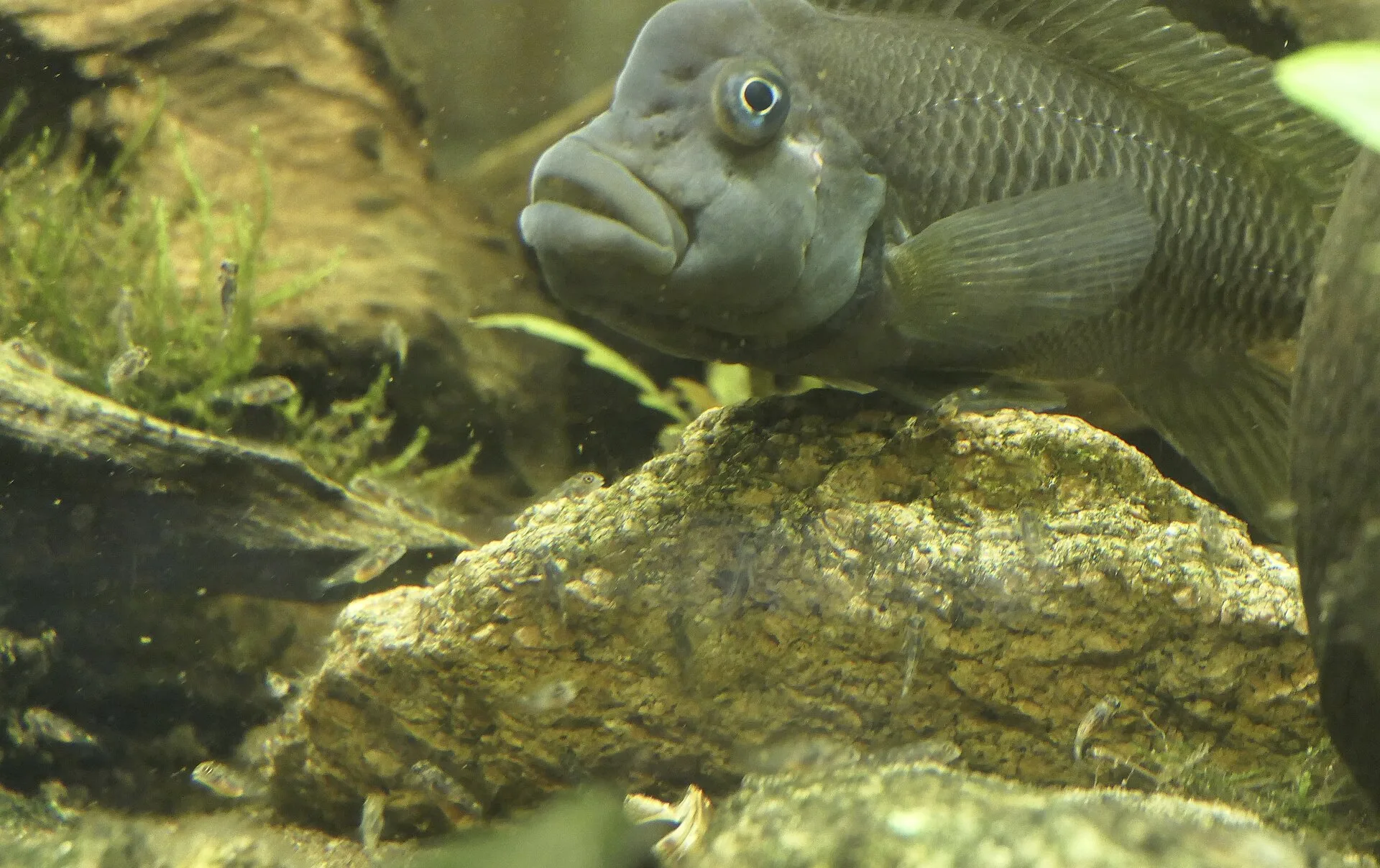
Steatocranus casuarius hops through Congo rapids more than it swims: a reduced swim bladder, a nuchal hump on the male, and an aquarium built of cu…
Read more →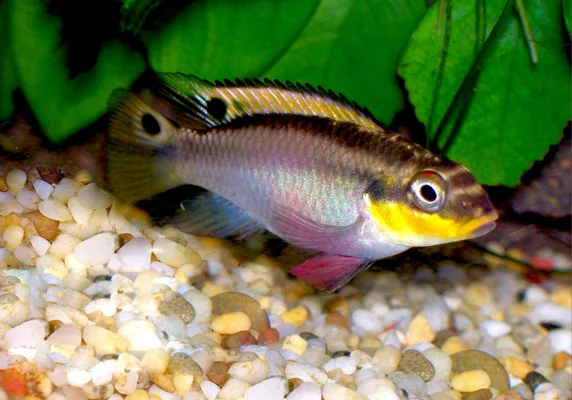
Moliwe, Nigerian red, Wouri — Pelvicachromis taeniatus is a West African cave cichlid whose locality name is the point, not a generic krib in a d…
Read more →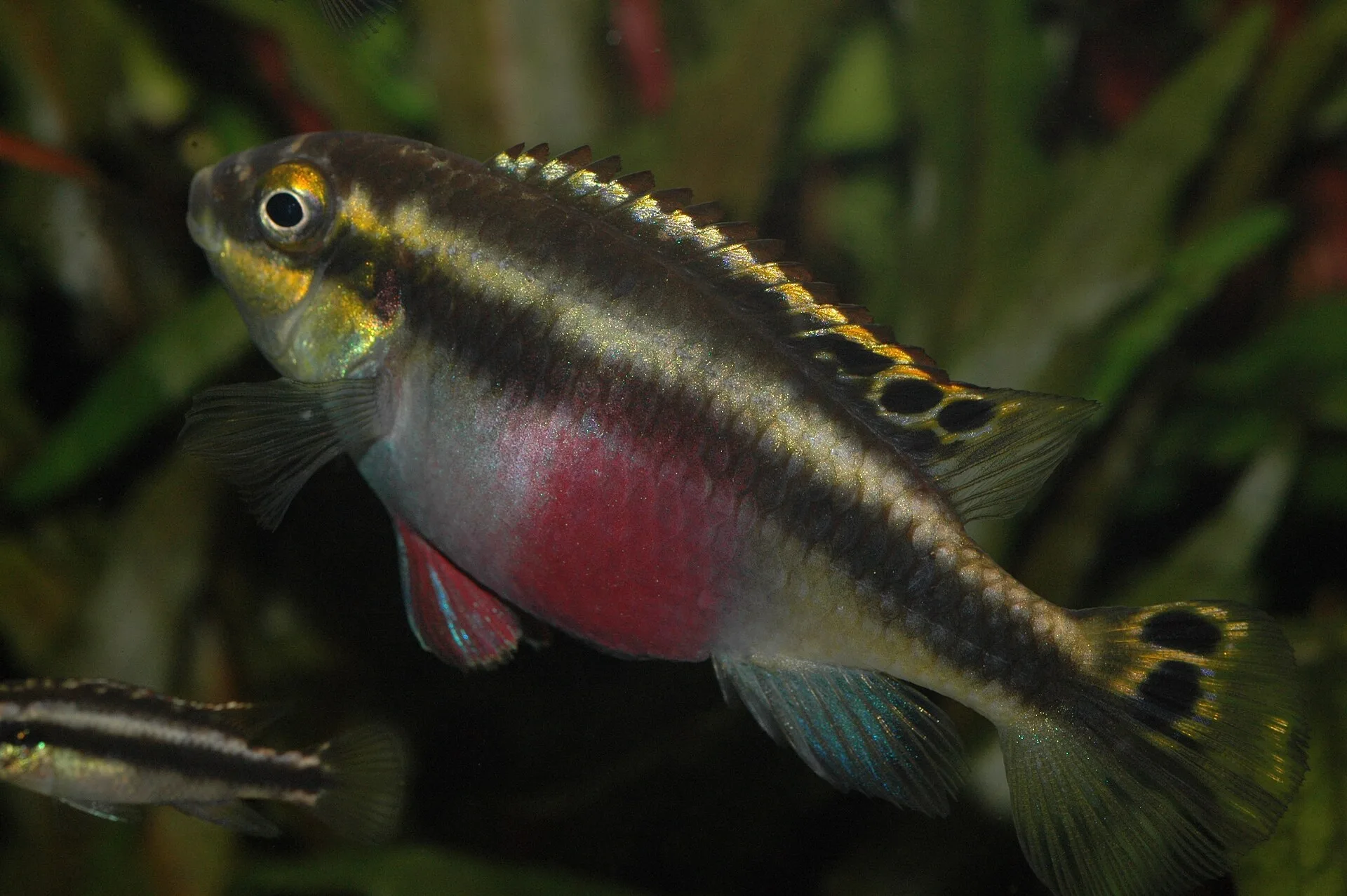
Kribensis is West Africa’s household cave cichlid: a pair that chose each other, a pot they both approve of, and a pink belly that means the rest…
Read more →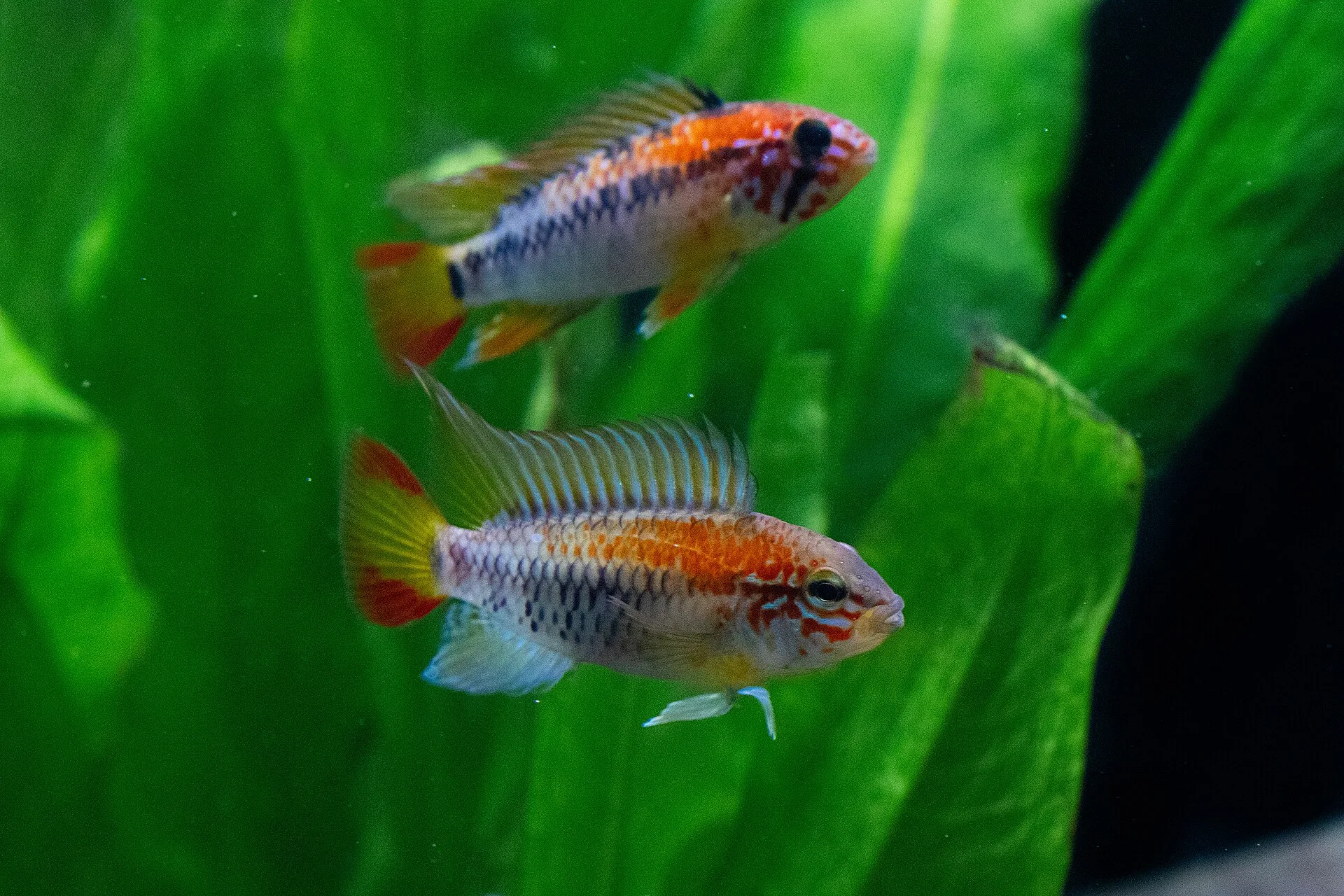
Apistogramma macmasteri arrives looking like cardboard and turns red-orange only in tea-stained creek water, with a clay pot and a tank that belong…
Read more →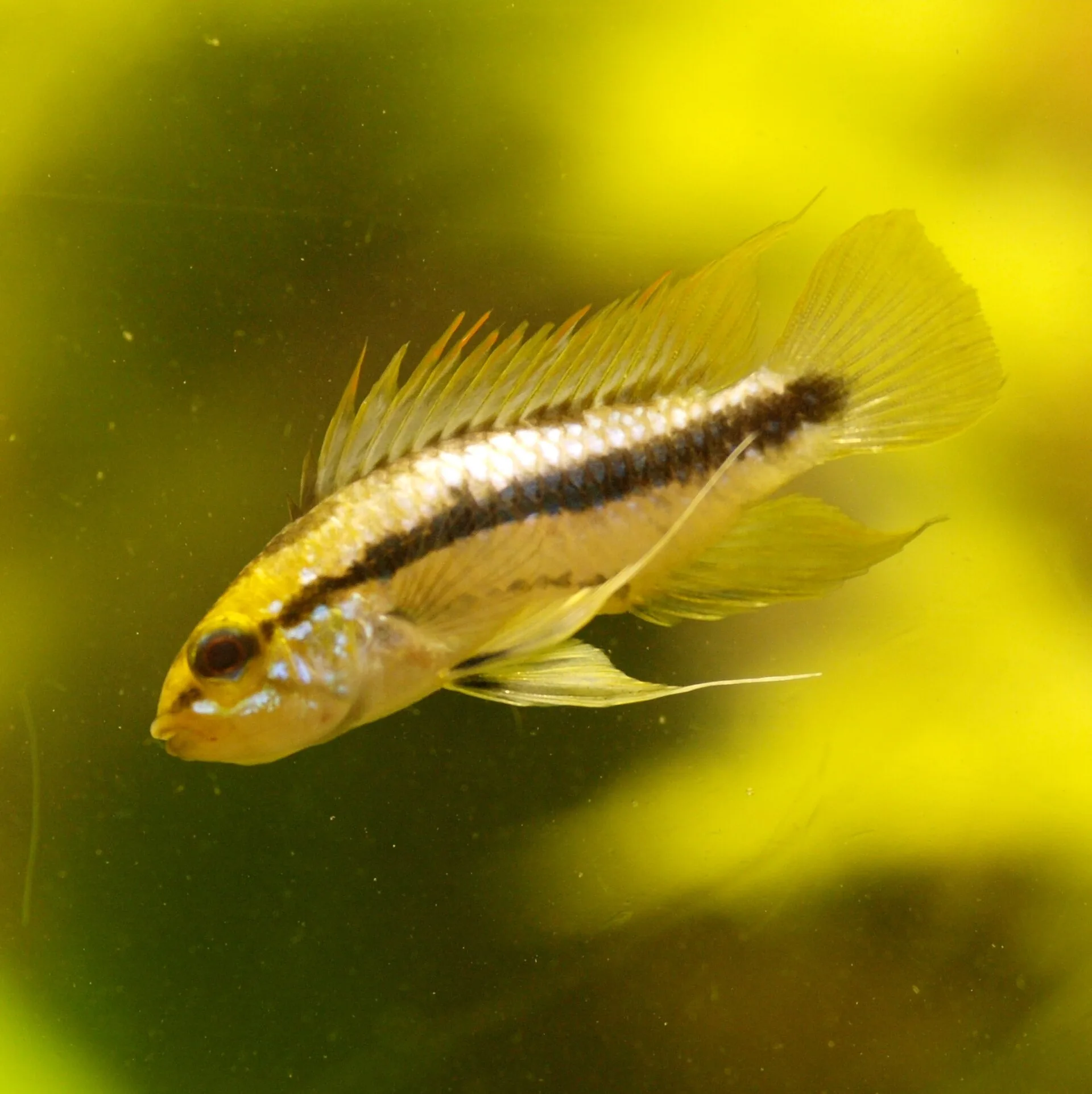
Three dark lines down the flank are both the field mark and a mood meter for Apistogramma trifasciata, a shy Paraguay-basin dwarf cichlid that want…
Read more →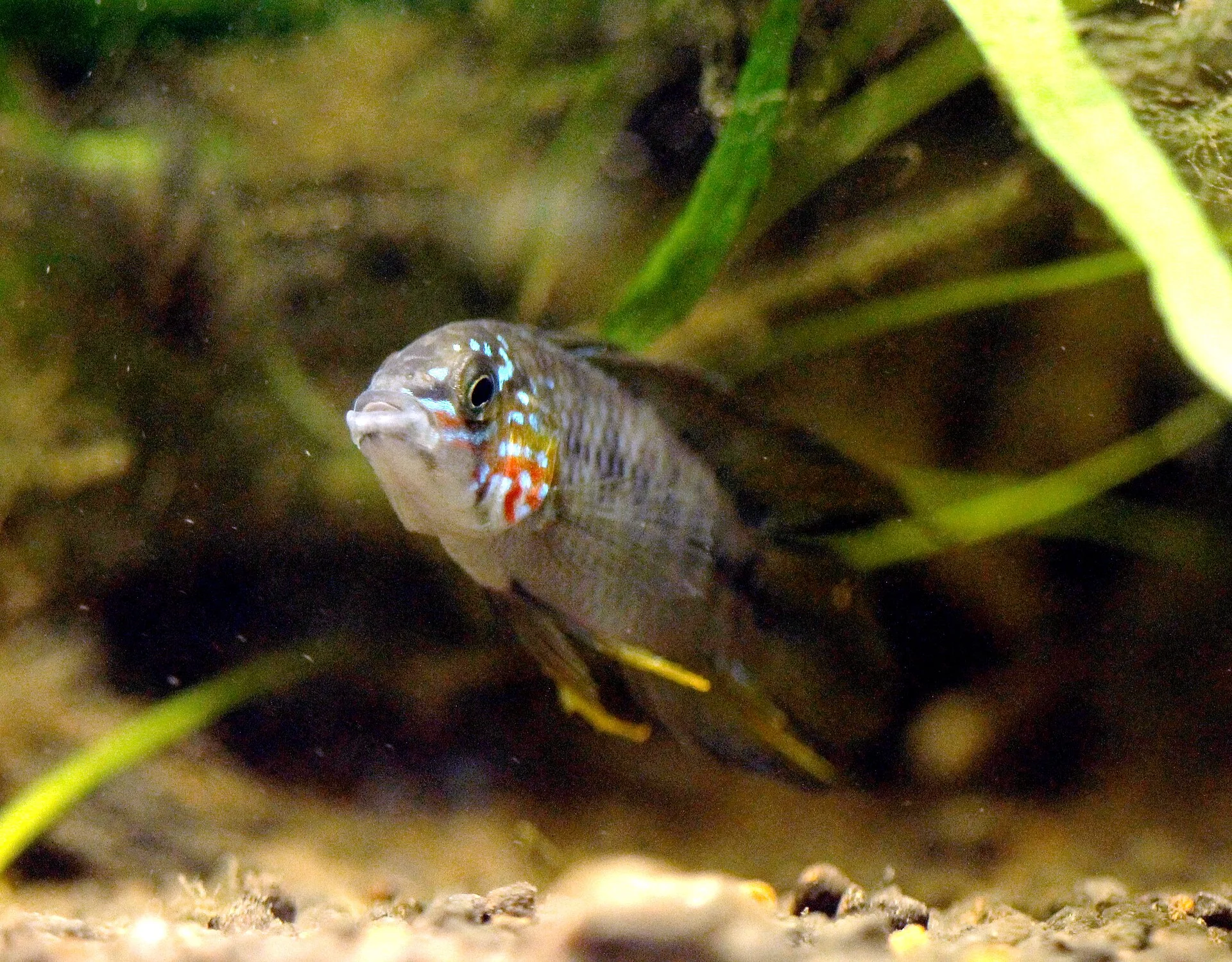
Apistogramma borellii is the yellow dwarf of the Paraná floodplain, more forgiving of hardness than most apistos, and at its best when one male ha…
Read more →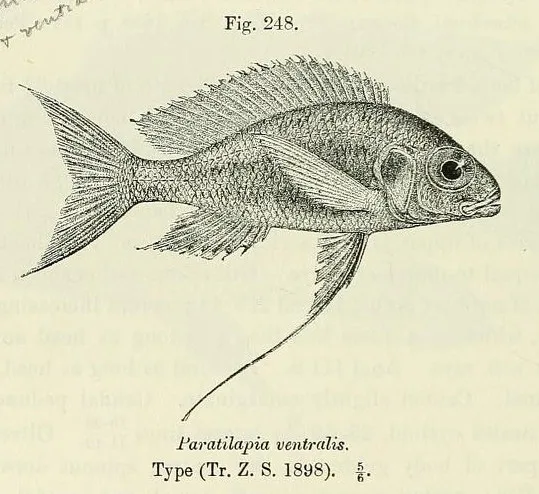
Males of Ophthalmotilapia ventralis trail yellow egg-spots on elongated ventrals and hold leks over Tanganyika sand — a featherfin that needs vol…
Read more →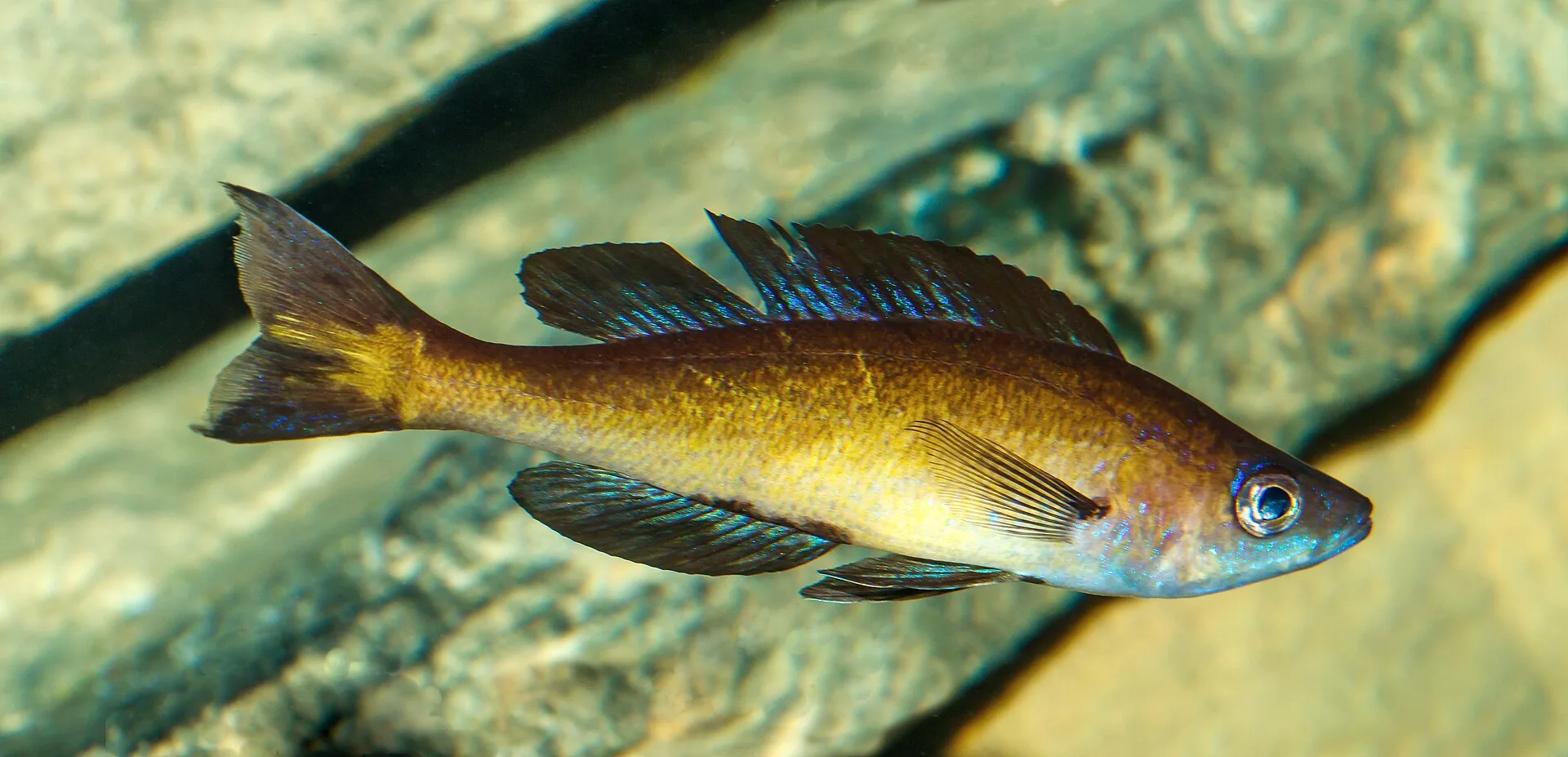
Cyprichromis leptosoma is Tanganyika’s open-water sardine cichlid: a school in empty hard water, hanging at an angle, mouthbrooding in the blue.
Read more →