
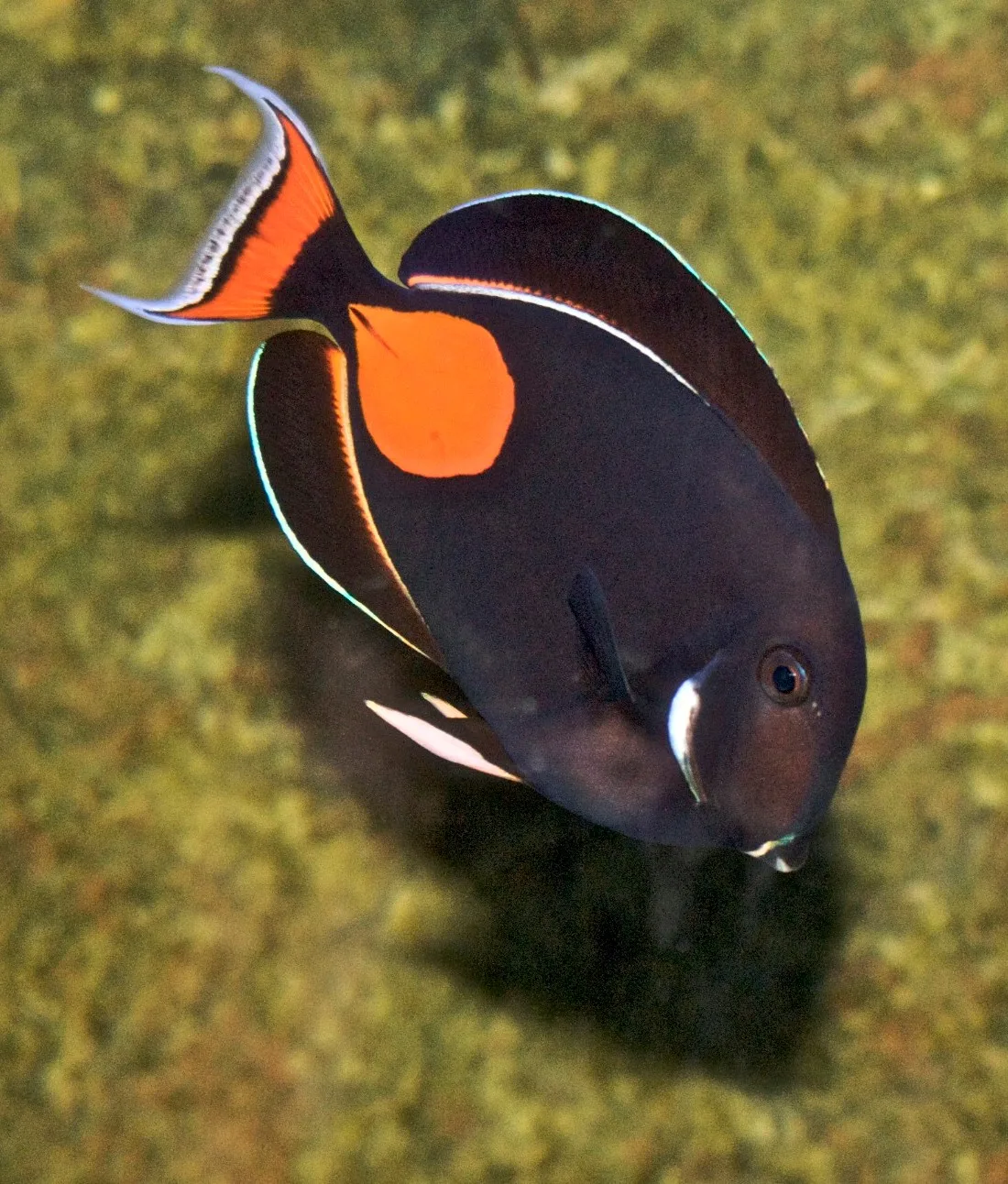
Achilles Tang (Acanthurus achilles)
A high-demand Pacific beauty with orange ‘ Achilles ’ spots — experts-only tang requiring huge swimming space and pristine water.
Read more →
This Guides hub on Fishy Friends gathers practical aquarium guides guidance for keepers who want clear answers before they change water, livestock, or gear.
Use these articles to match species to tank size, plan filtration and feeding, and troubleshoot water chemistry without guessing. Each guide is written for home aquariums and links to related reading when you need more depth on aquarium guides.
Start with the basics — stable parameters, quarantine habits, and a feeding schedule that matches the livestock — then browse the profiles and how-tos below. When you are ready to branch out, jump into neighbouring topics so your aquarium guides plan stays consistent across the whole tank.
Whether you are stocking a first community tank or refining an established scape, bookmark this page and return as questions come up. Healthy aquariums are built from small, repeatable routines more than one-time upgrades, and aquarium guides success follows the same pattern.
Explore next: Fishy Friends home, freshwater fish, saltwater fish, live plants.
Fishy Friends publishes species care sheets, plant and invertebrate notes, aquascaping ideas, and water-care explainers so aquarium guides advice stays easy to find. Read one guide thoroughly, apply it slowly, and use the linked hubs above when you want a second angle on the same problem.
Before you buy livestock or rethink filtration, skim two or three aquarium guides articles here and write down target numbers for temperature, hardness, and feeding. That short checklist prevents the most common resets and keeps your aquarium closer to the calm, healthy display you are aiming for.
Come back after water changes or new additions: compare what you see in the tank with the aquarium guides checklists below, then follow one recommended next step instead of changing everything at once. Steady improvements compound, and Fishy Friends is built to support that pace.
A high-demand Pacific beauty with orange ‘ Achilles ’ spots — experts-only tang requiring huge swimming space and pristine water.
Read more →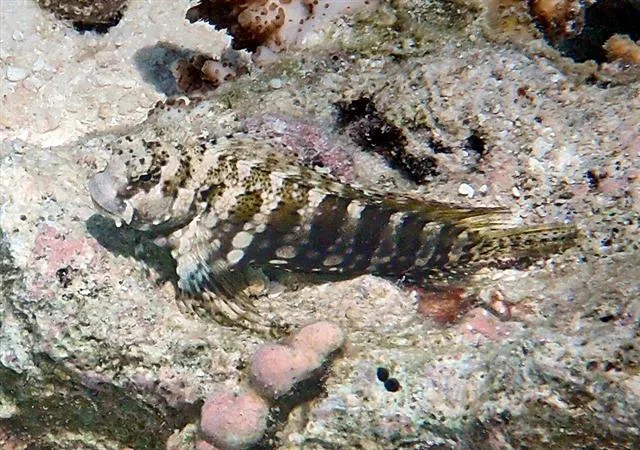
A comical algae-grazing blenny that ‘mows’ rock surfaces — useful in green tanks, hungry in spotless reefs.
Read more →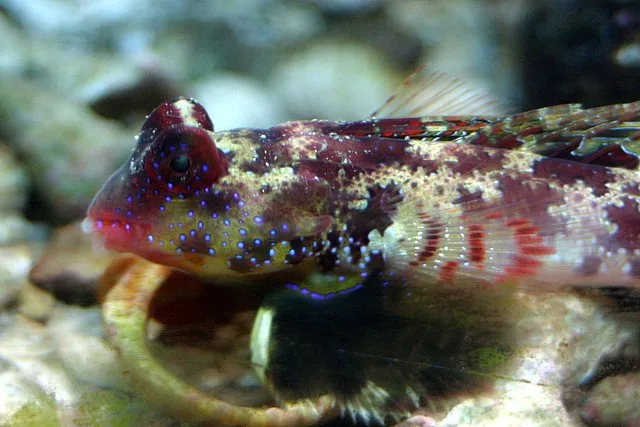
A hopping dragonet that scoots across sand and rock hunting pods — only for mature, food-rich reef systems.
Read more →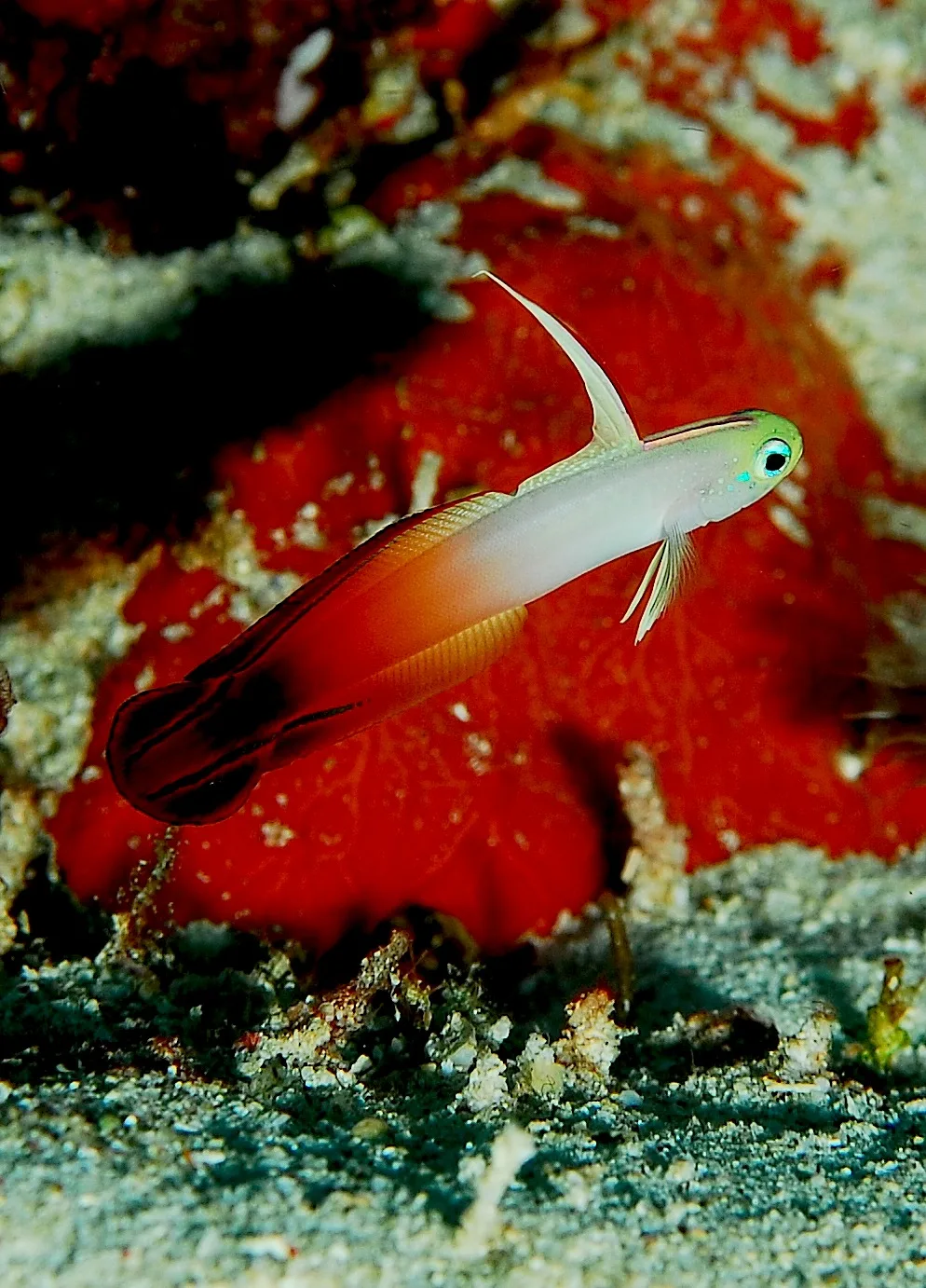
A peaceful dartfish with a flame-orange tail — shy hoverers that need a tight lid, soft sand, and calm reef neighbours.
Read more →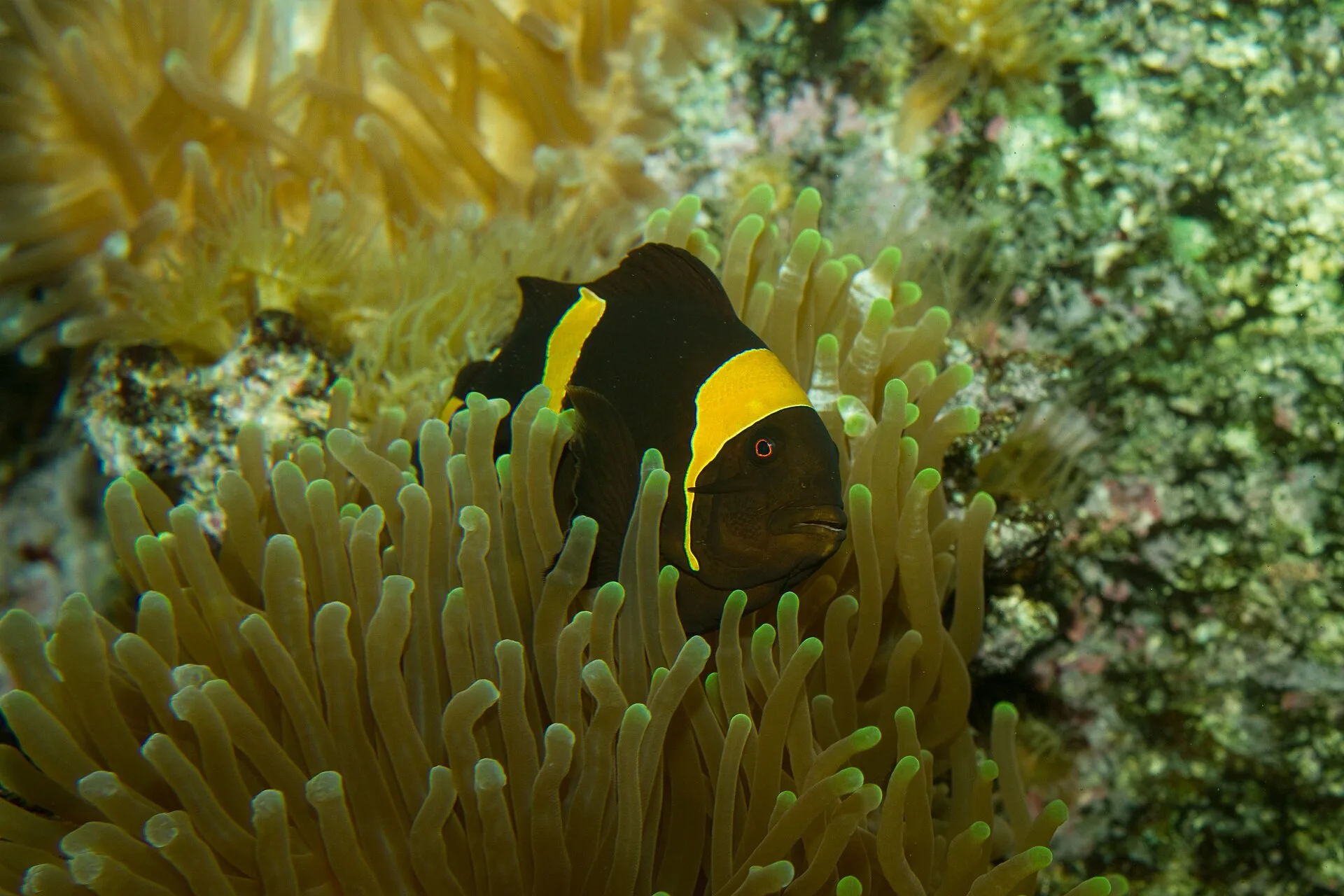
Deep maroon anemonefish with bold white or gold bars — striking showpieces that need space and careful tank-mate selection.
Read more →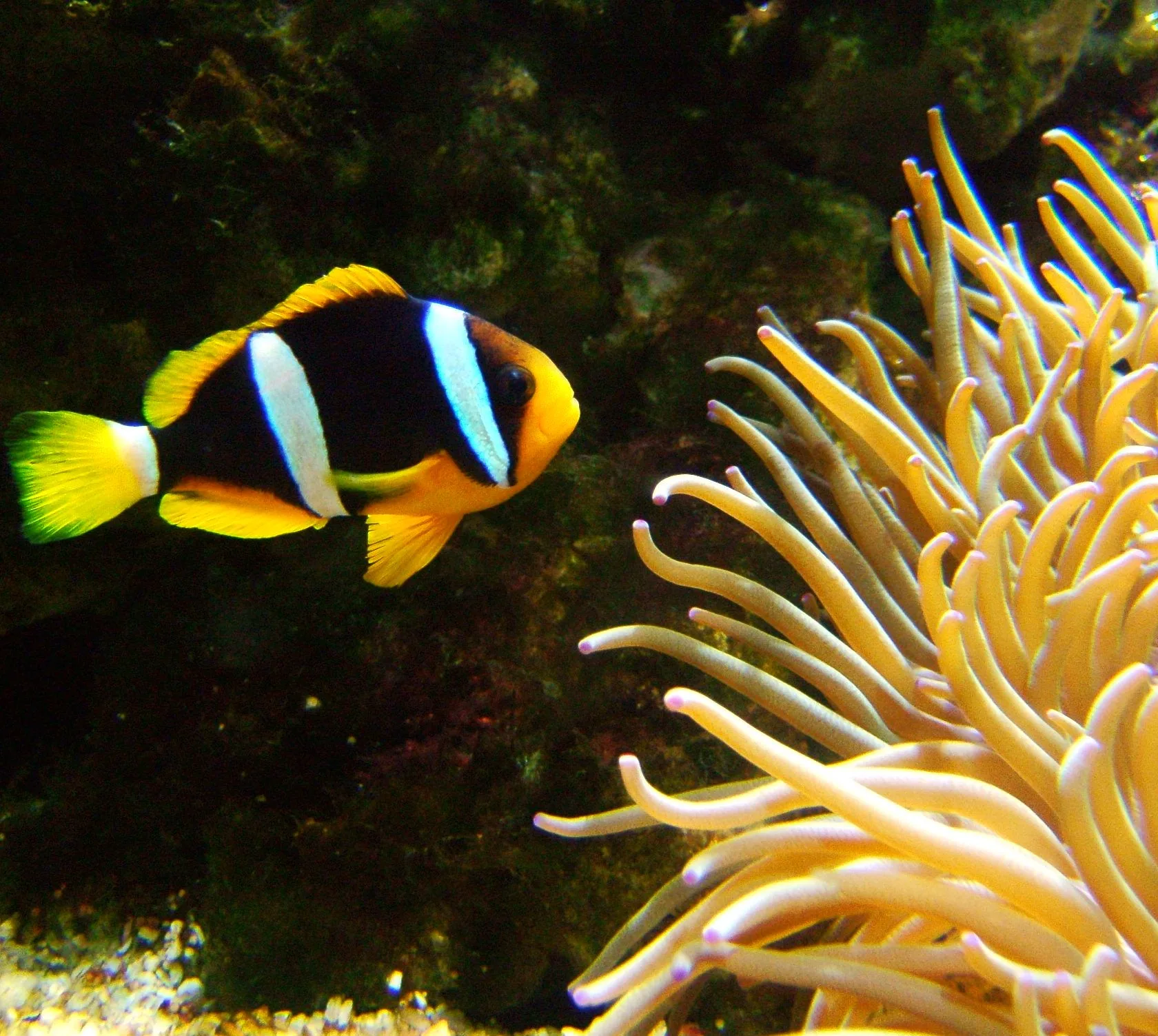
A hardy, boldly barred anemonefish that adapts to many host anemones — a confident reef classic for FOWLR and reef tanks.
Read more →
A slender Malawi mbuna with electric blue bodies and yellow fins — more of an algae browser than many rock-dwelling cousins.
Read more →
A Central American classic that flashes a fiery red throat when displaying — semi-aggressive sifter that suits larger community cichlid tanks.
Read more →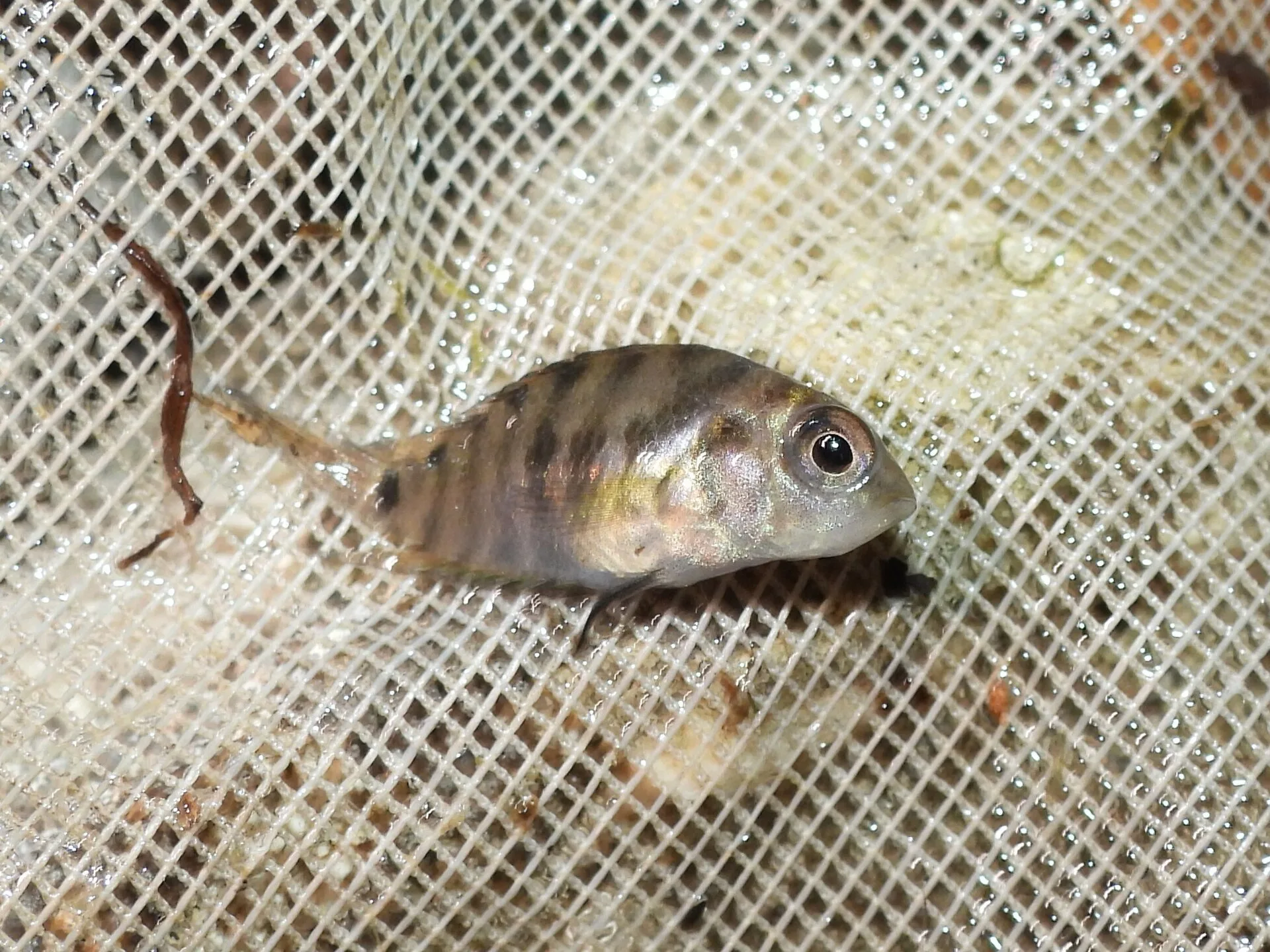
Hardy striped Central American cichlids that breed readily — fantastic for learning biparental care, intense when defending fry.
Read more →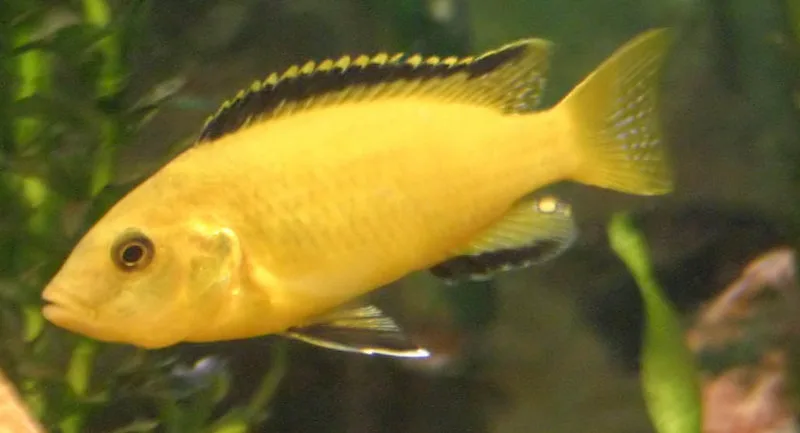
One of Lake Malawi’s most popular mbuna — brilliant yellow bodies, manageable aggression for African cichlids, and nonstop rock-hopping energy.
Read more →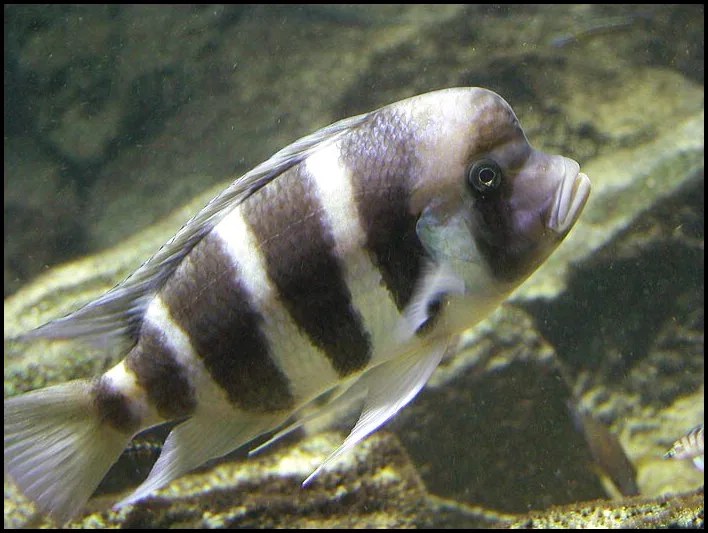
A majestic Tanganyikan cichlid with a nuchal hump and bold bars — calm for a large African cichlid, but needs big water and patient growth.
Read more →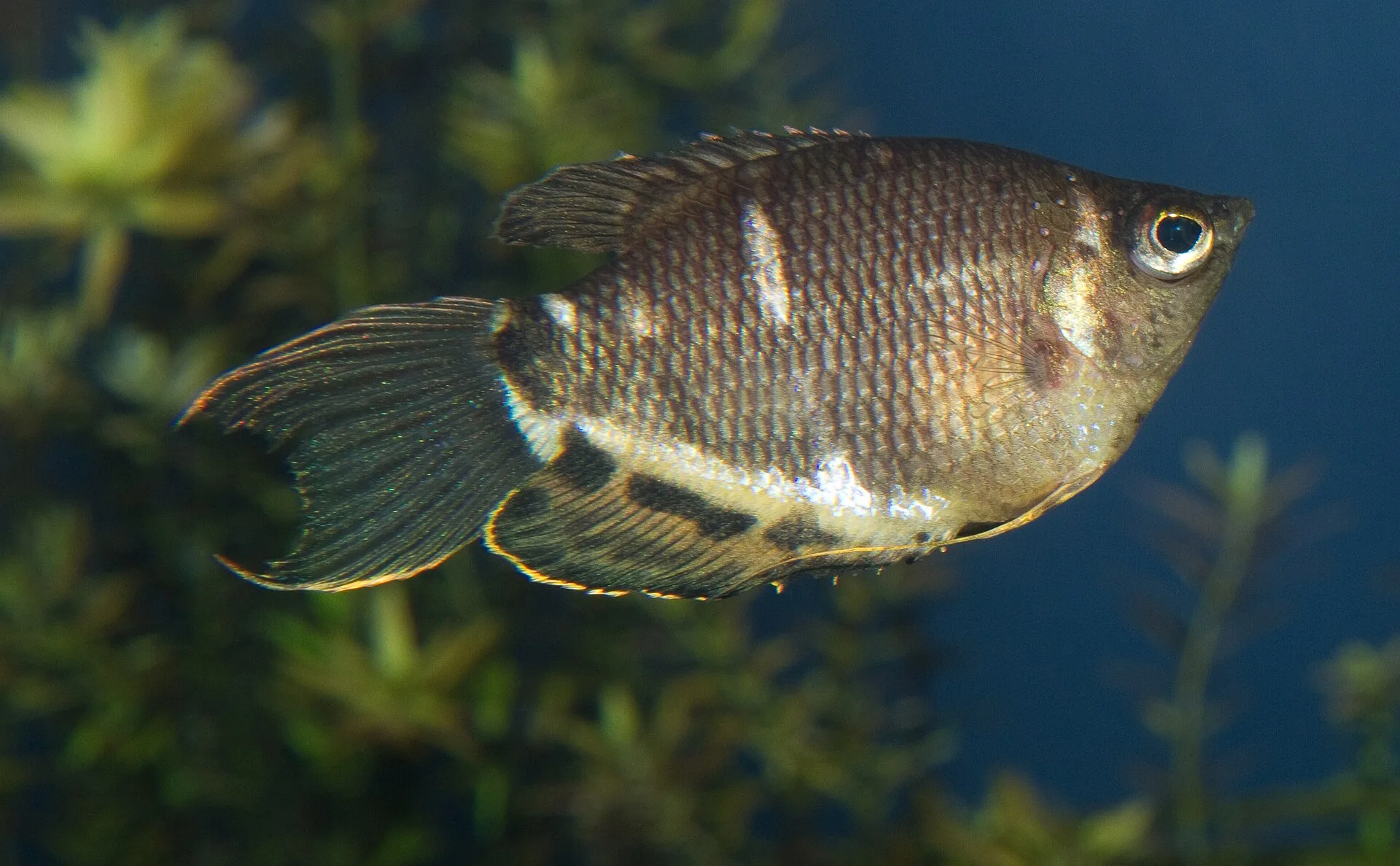
A shy blackwater gourami with chocolate flanks and pale bars — rewarding in soft, warm, heavily planted tanks managed by experienced keepers.
Read more →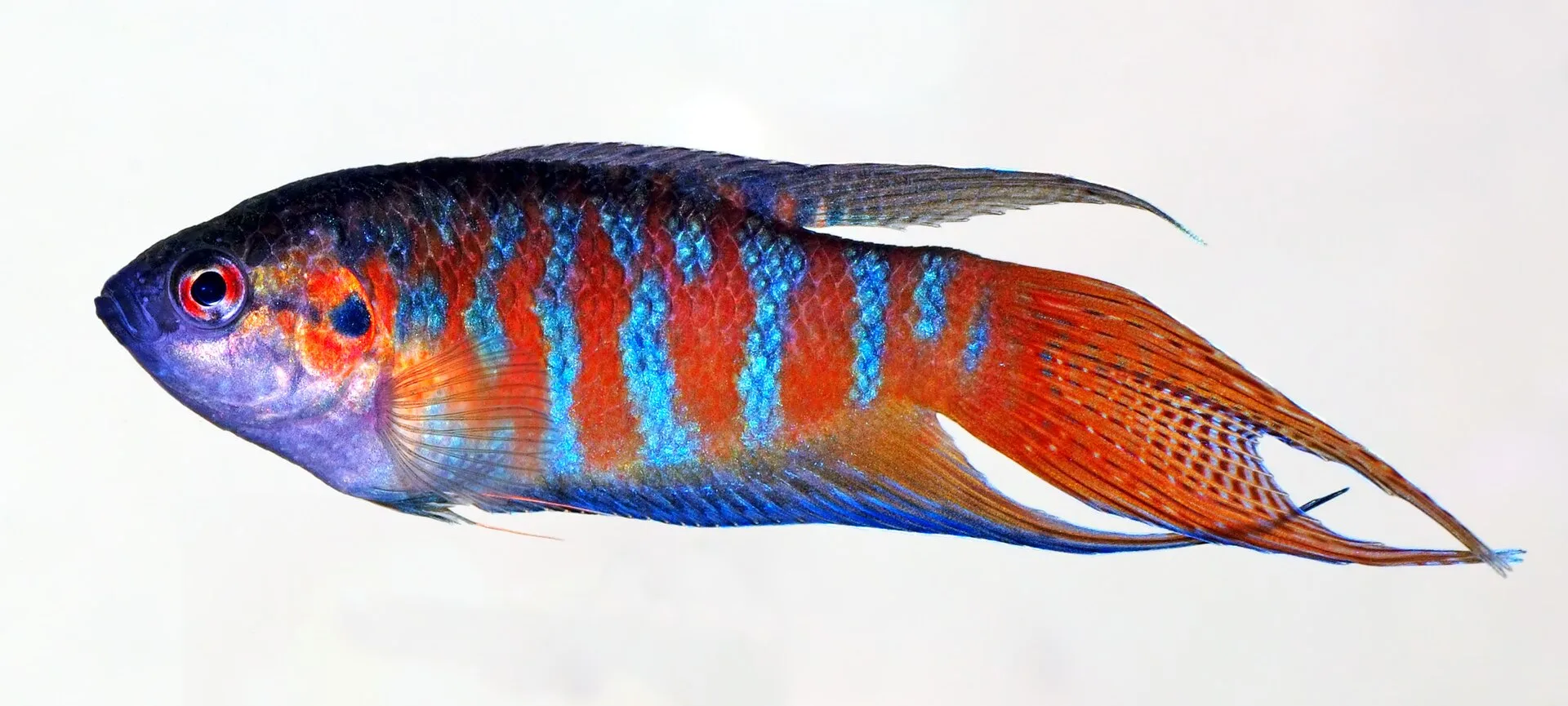
An classic labyrinth fish with jewel-toned bars — hardier and cooler-tolerant than bettas, but males can be territorial with their own kind.
Read more →
A compact, tiger-striped wood-eating pleco — caves, soft driftwood, and biofilm matter more than chasing algae wafers alone.
Read more →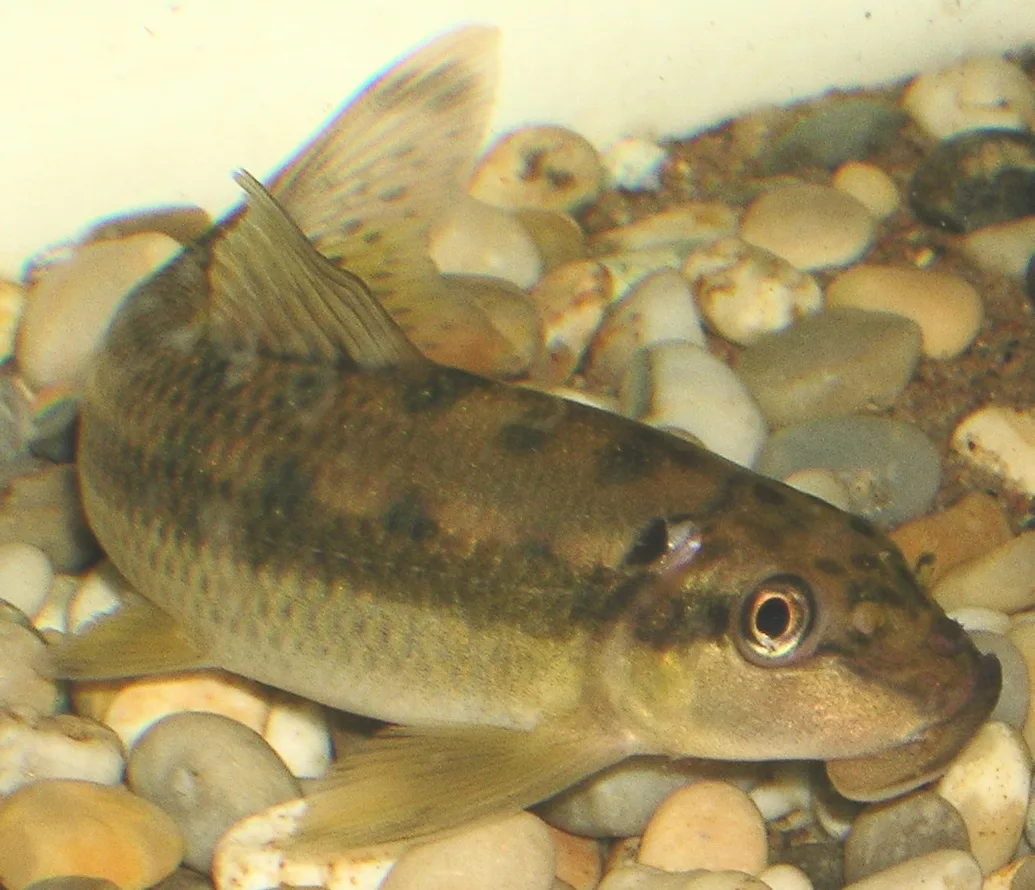
Often sold as a harmless algae eater — adults grow large, territorial, and may graze fish mucus. Know the real husbandry before you buy.
Read more →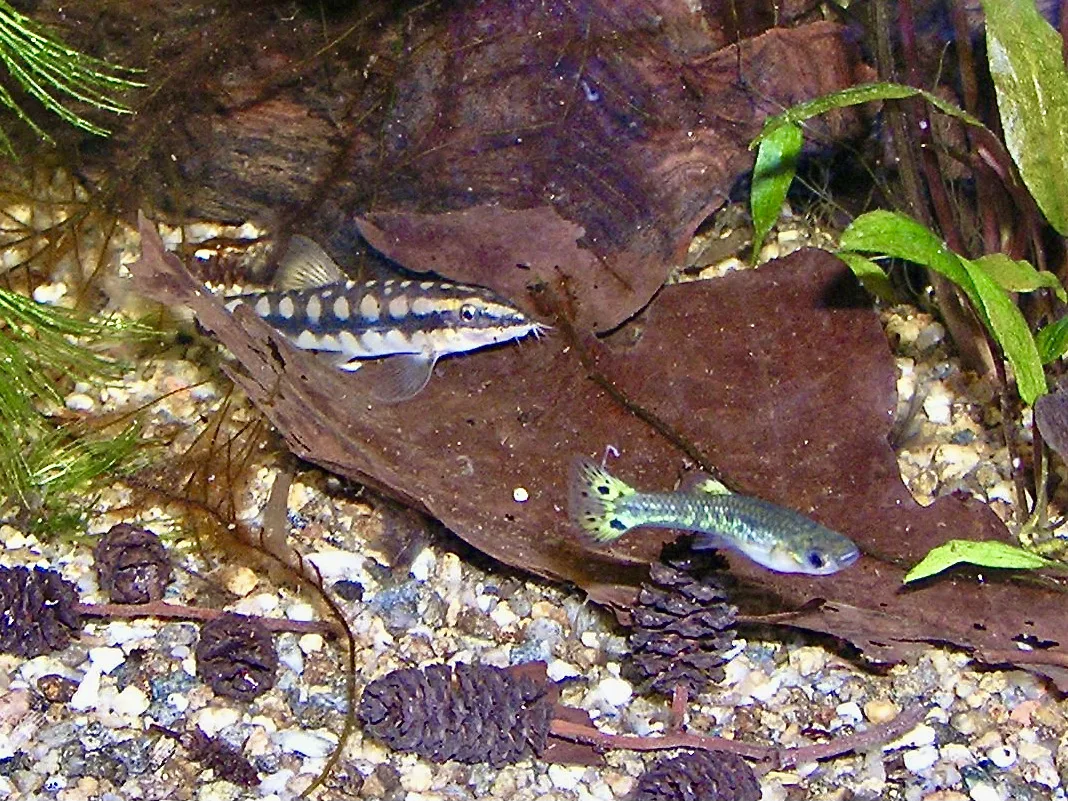
A small, patterned social loach that shoals in midwater — playful, curious, and far more community-friendly than large Botia species.
Read more →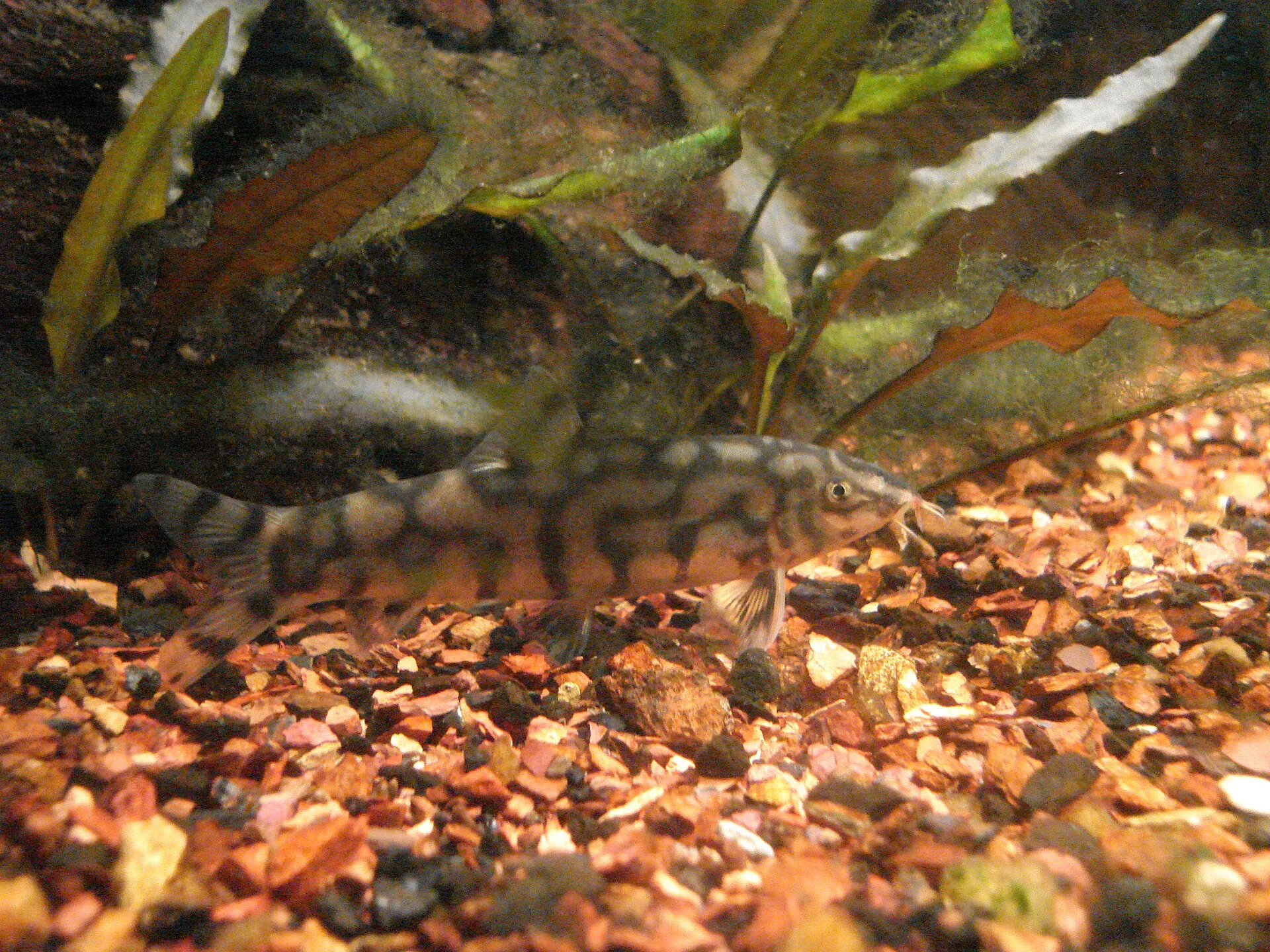
Bold black-and-white patterned loaches with quirky personalities — best kept in groups with caves, soft sand, and a mixed meaty diet.
Read more →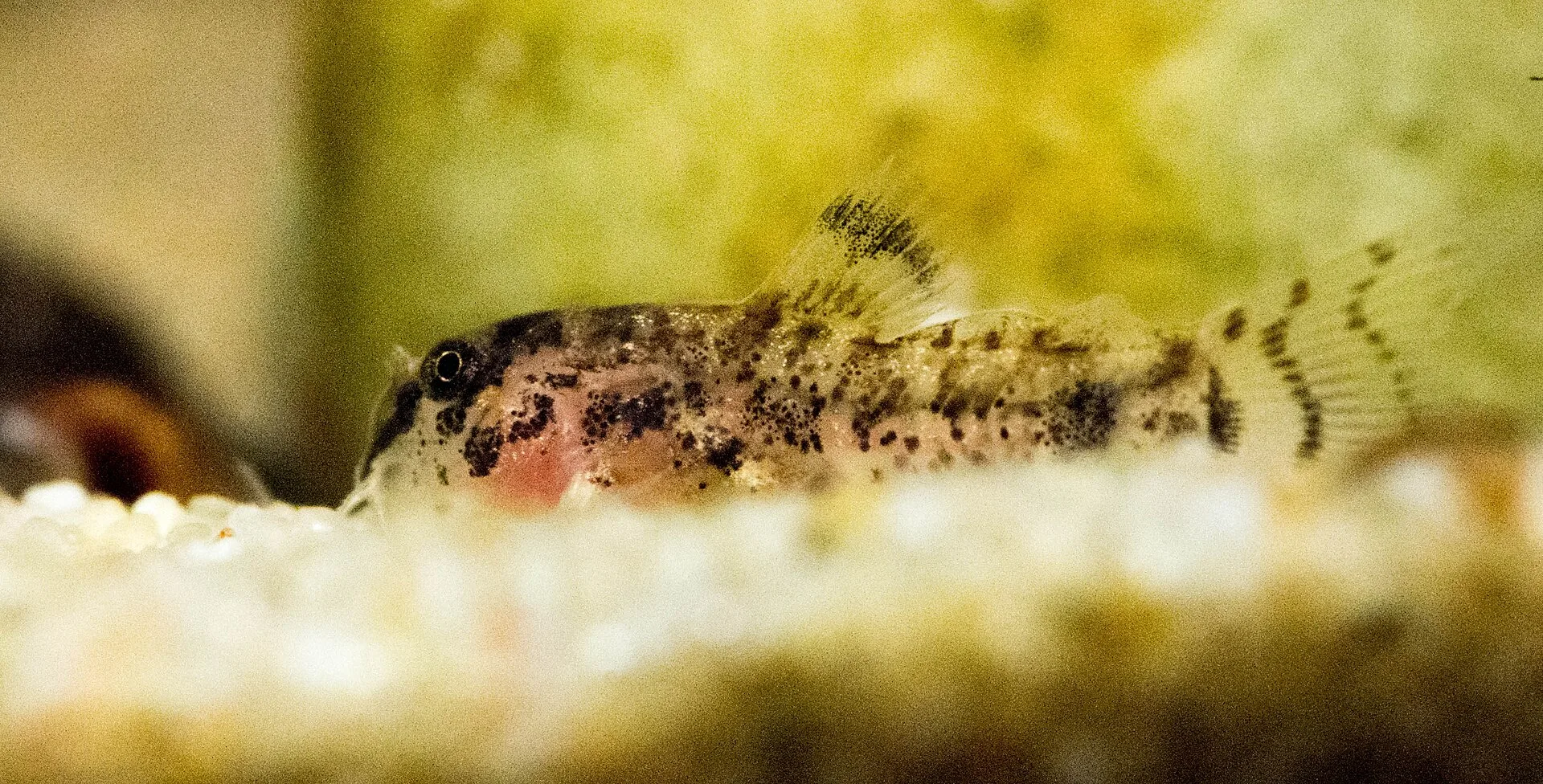
Tiny ‘salt-and-pepper’ corys that school in midwater as often as on the sand — perfect busy cleaners for nano and shrimp community tanks.
Read more →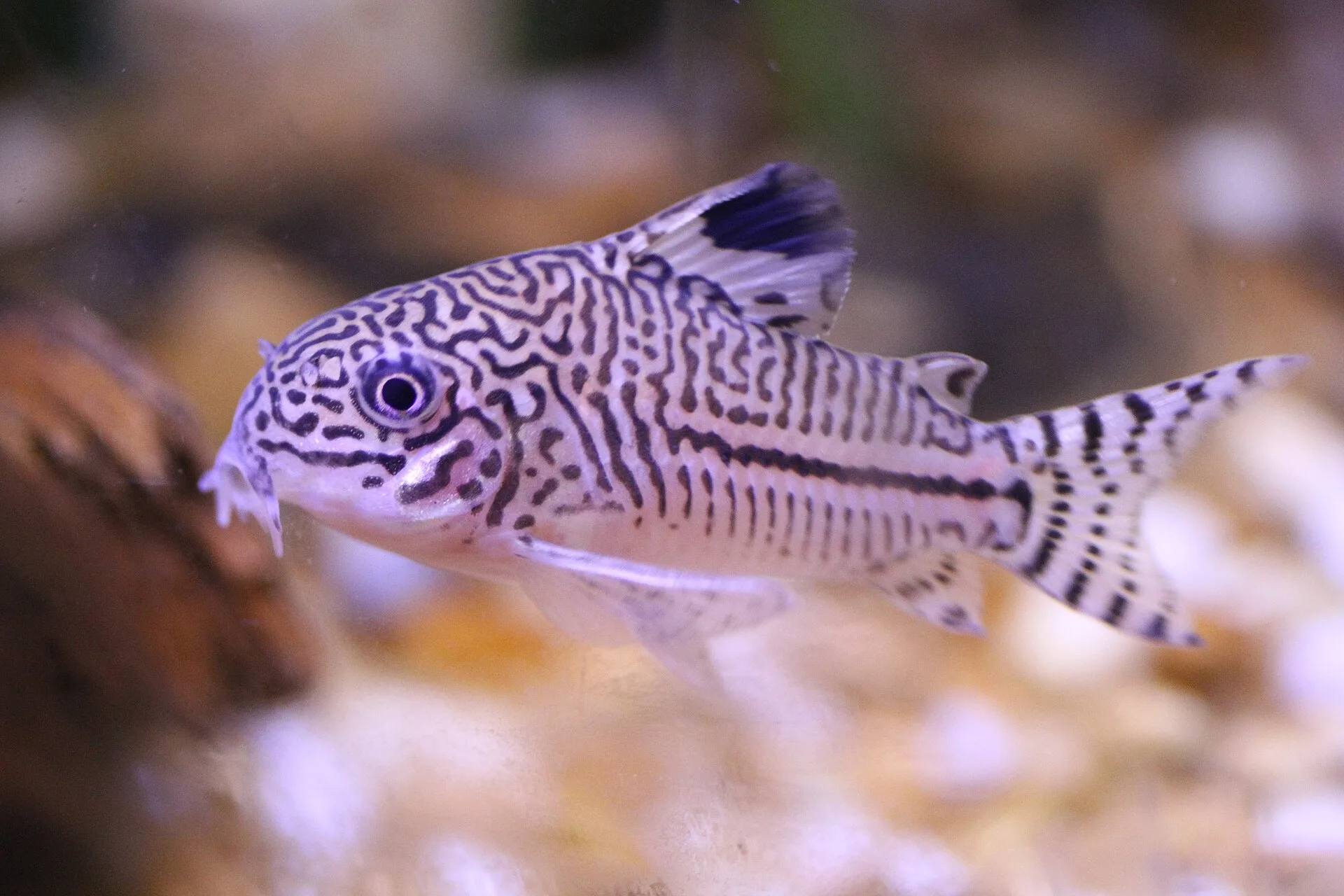
A leopard-spotted Corydoras often sold near julii corys — social sand sifters that need groups, soft substrate, and clean oxygenated water.
Read more →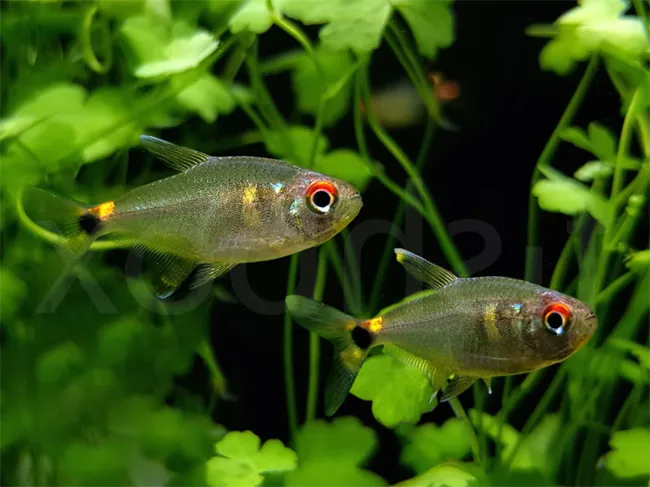
Classic community tetras with glowing shoulder and caudal spots — hardy, peaceful, and perfect for planted mid-size aquariums.
Read more →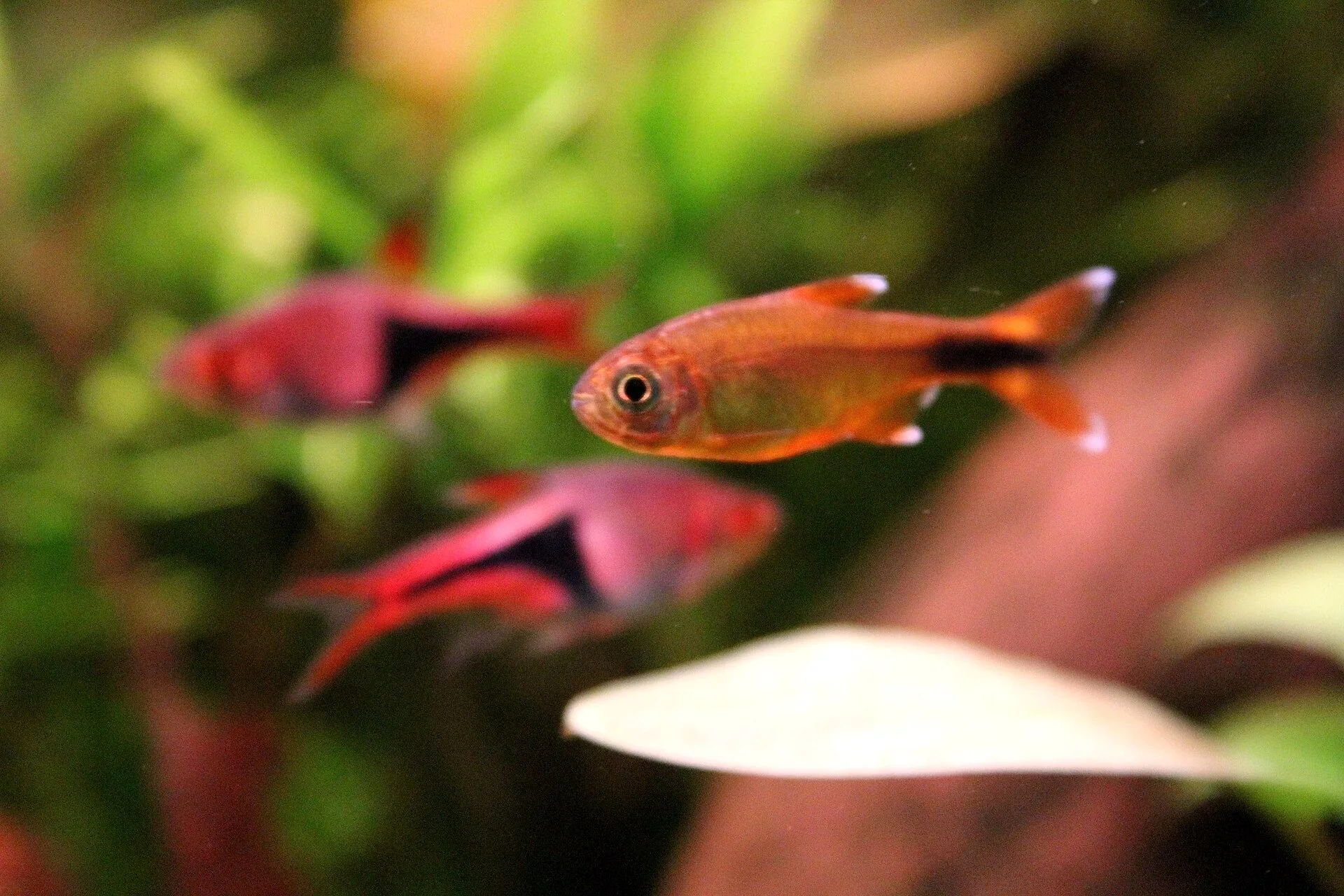
Small copper-bronze tetras with white-tipped fins — lively but peaceful shoalers that suit planted community and nano aquariums.
Read more →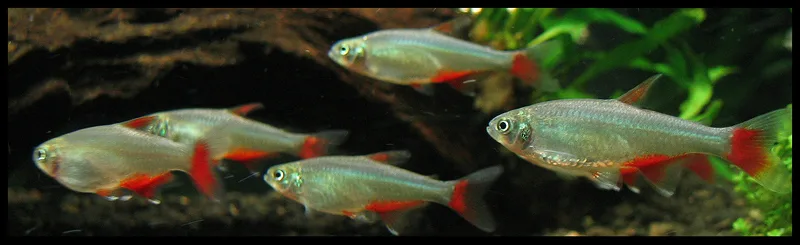
Silver-bodied tetras with bright blood-red fins — hardy, energetic schooling fish that prefer longer tanks and cooler room temps.
Read more →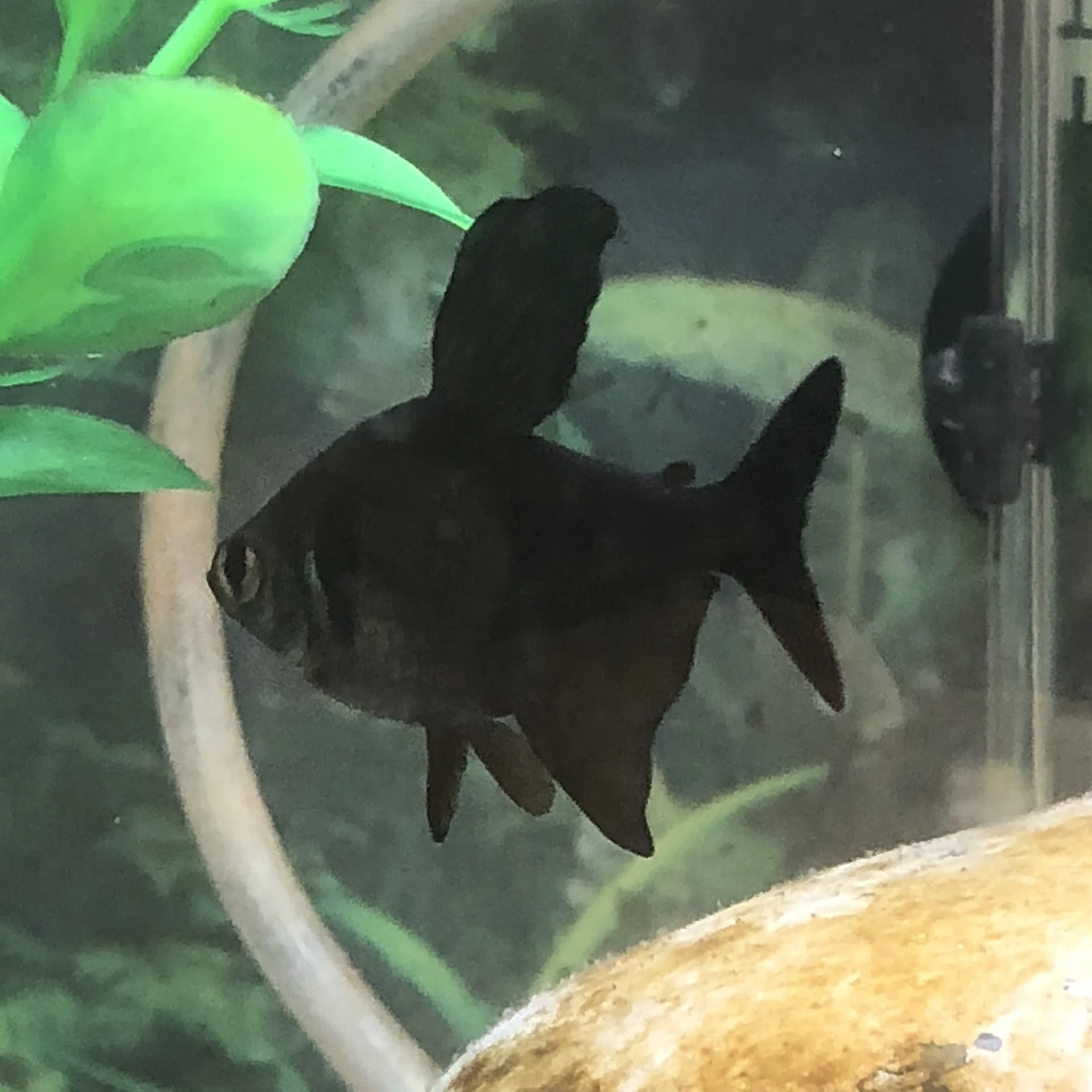
An elegant schooling tetra with smoky flanks and tall black dorsal sails on males — calm mid-water movement for planted aquariums.
Read more →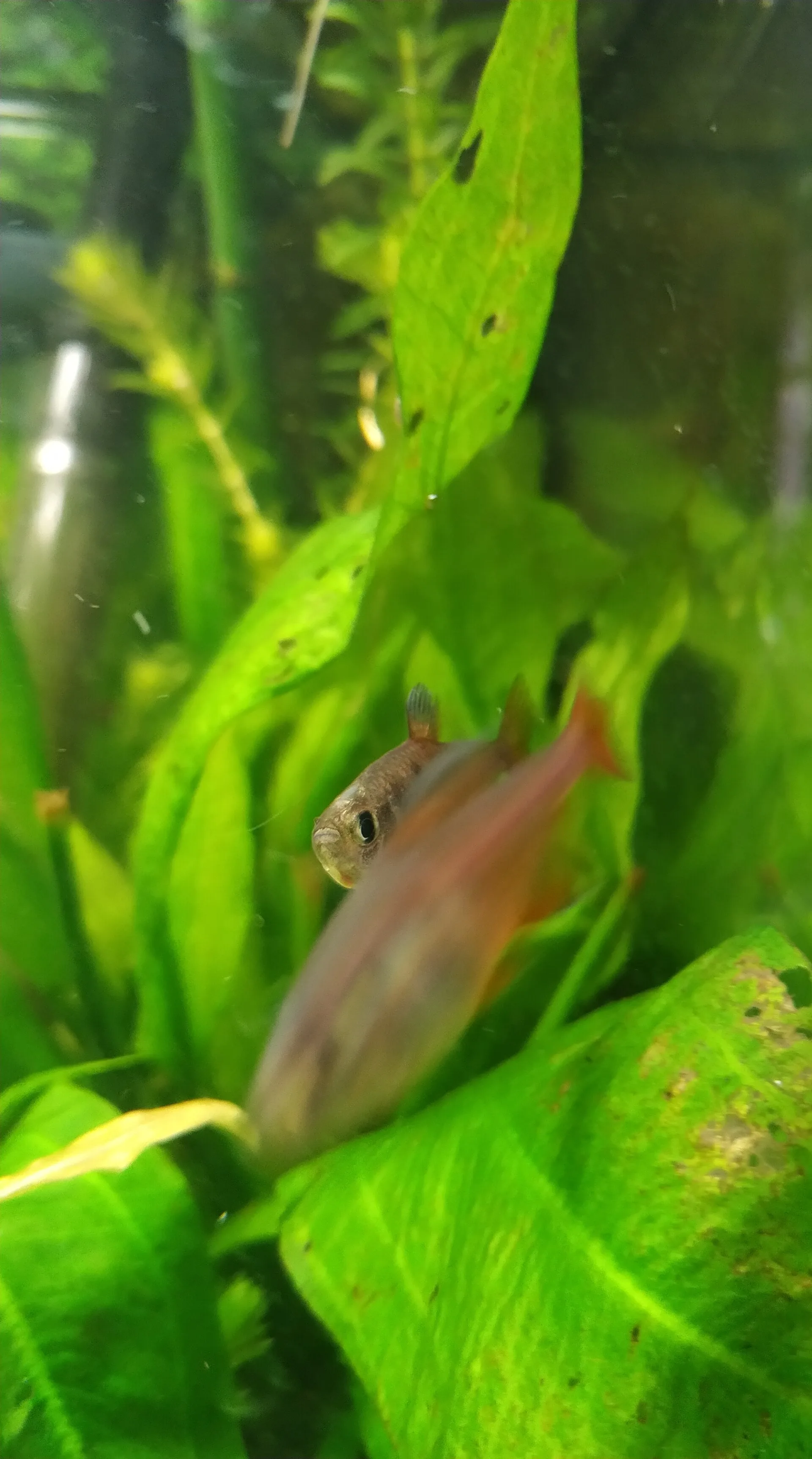
A compact Brazilian tetra with fiery red rear flanks — peaceful, hardy, and ideal for colour in smaller planted community tanks.
Read more →