
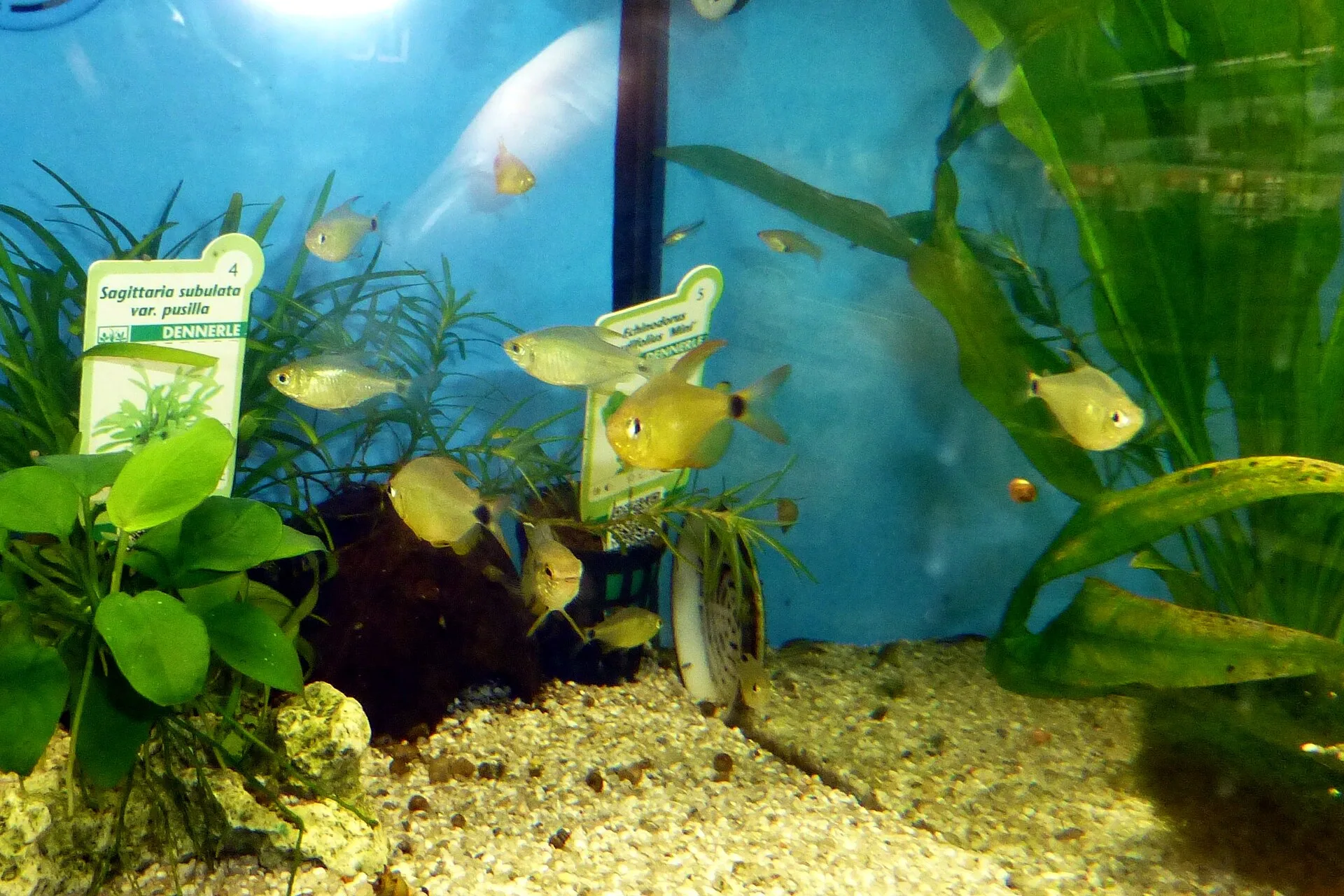
Sun Tetra (Hyphessobrycon heliacus)
A 2002 Tapajós species whose males grow filamentous fins. Soft, slow, species-focused tanks — or shredded gold splinters.
Read more →
Guías
Este centro de Agua Dulce en Amigos Peces reúne orientación práctica sobre peces de agua dulce para cuidadores que desean respuestas claras antes de cambiar el agua, el ganado o el equipo.
Utiliza estos artículos para emparejar especies con el tamaño del tanque, planificar la filtración y la alimentación, y solucionar problemas de química del agua sin adivinar. Cada guía está escrita para acuarios domésticos y enlaza a lecturas relacionadas cuando necesites más profundidad sobre peces de agua dulce.
Comienza con lo básico: parámetros estables, hábitos de cuarentena y un horario de alimentación que coincida con el ganado; luego explora los perfiles y cómo hacerlo a continuación. Cuando estés listo para diversificar, salta a temas vecinos para que tu plan de peces de agua dulce se mantenga consistente en todo el tanque.
Ya sea que estés llenando un primer tanque comunitario o refinando un paisaje establecido, guarda esta página en tus marcadores y regresa a medida que surjan preguntas. Los acuarios saludables se construyen a partir de pequeñas rutinas repetibles más que de mejoras únicas, y el éxito con los peces de agua dulce sigue el mismo patrón.
Explora a continuación: todas las guías, plantas de acuario, química del agua, guías de alimentación.
Amigos Peces publica hojas de cuidado de especies, notas sobre plantas e invertebrados, ideas de paisajismo acuático y explicaciones sobre el cuidado del agua para que los consejos sobre peces de agua dulce sean fáciles de encontrar. Lee una guía a fondo, aplícala lentamente y utiliza los centros enlazados arriba cuando desees un segundo ángulo sobre el mismo problema.
Antes de comprar ganado o repensar la filtración, revisa dos o tres artículos sobre peces de agua dulce aquí y anota los números objetivo para temperatura, dureza y alimentación. Esa breve lista de verificación previene los reinicios más comunes y mantiene tu acuario más cerca de la exhibición tranquila y saludable que estás buscando.
Regresa después de los cambios de agua o nuevas adiciones: compara lo que ves en el tanque con las listas de verificación de peces de agua dulce a continuación, luego sigue un paso recomendado en lugar de cambiar todo de una vez. Las mejoras constantes se acumulan, y Amigos Peces está diseñado para apoyar ese ritmo.
A 2002 Tapajós species whose males grow filamentous fins. Soft, slow, species-focused tanks — or shredded gold splinters.
Read more →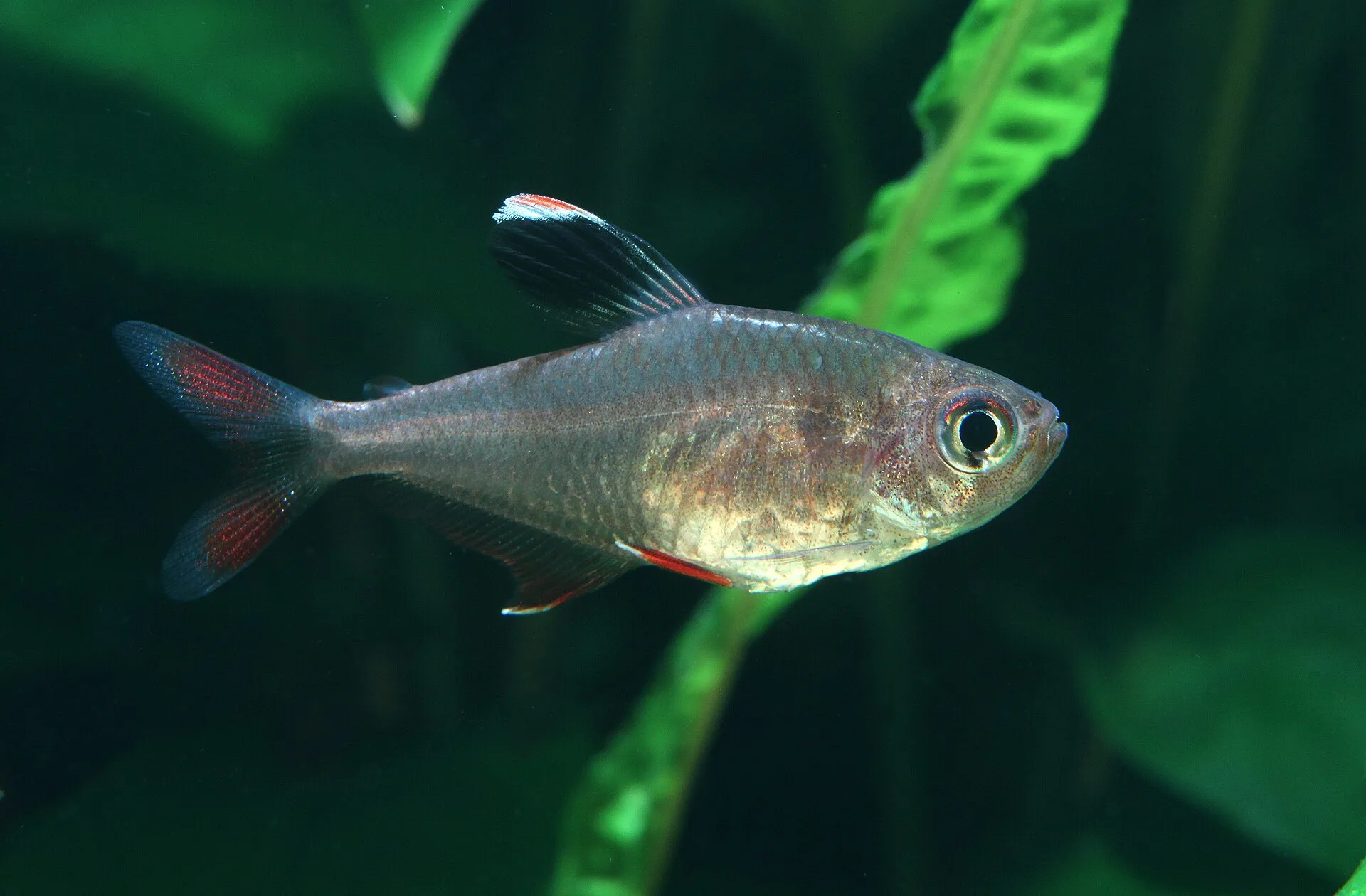
Deep-bodied Amazon tetras with white-tipped fins. Warm, planted schools; males flare, and nippers destroy the reason you bought them.
Read more →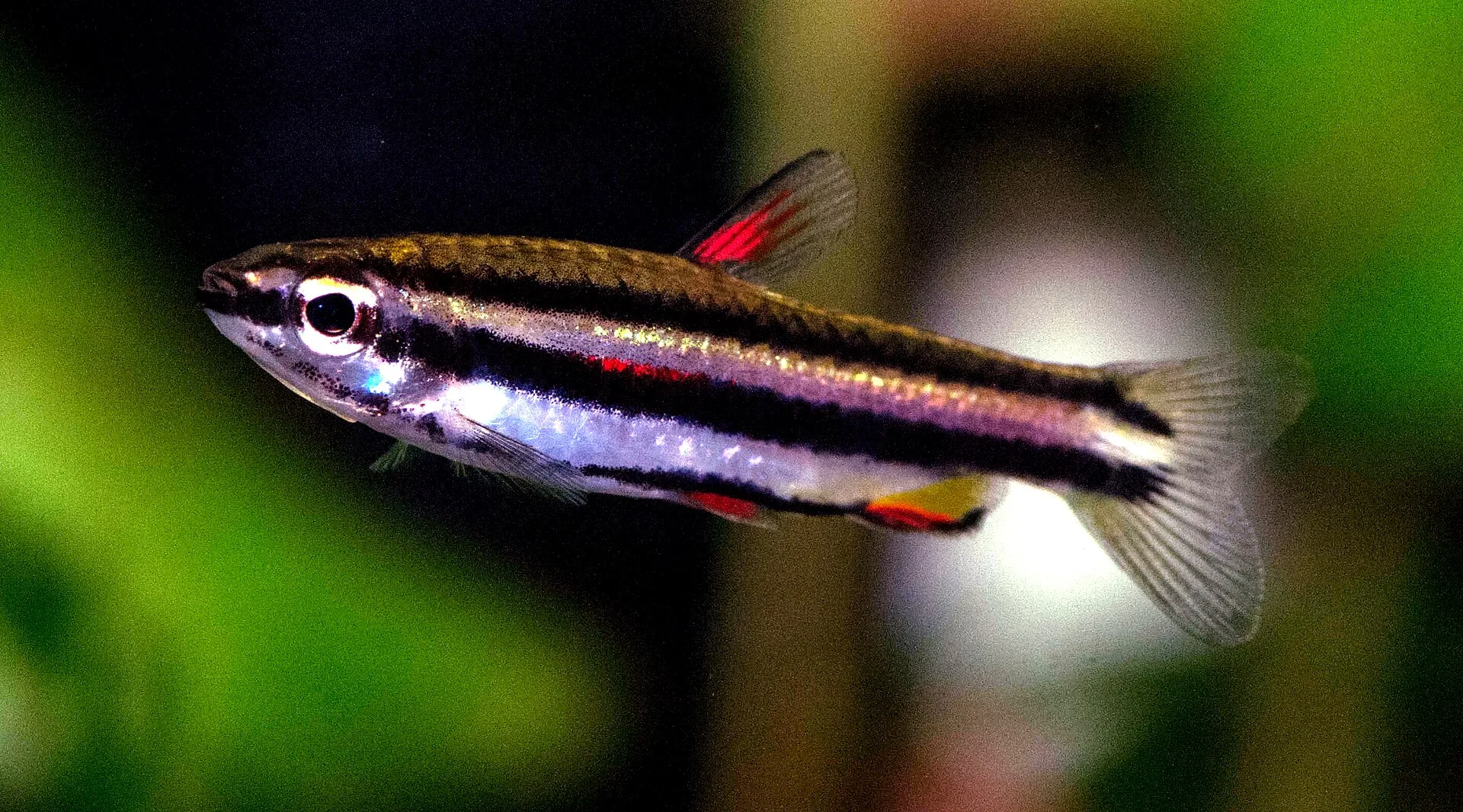
A 3 cm lebiasinid with three stripes, a pinhead mouth, and a need for still, stained water — not a tetra and not a danio.
Read more →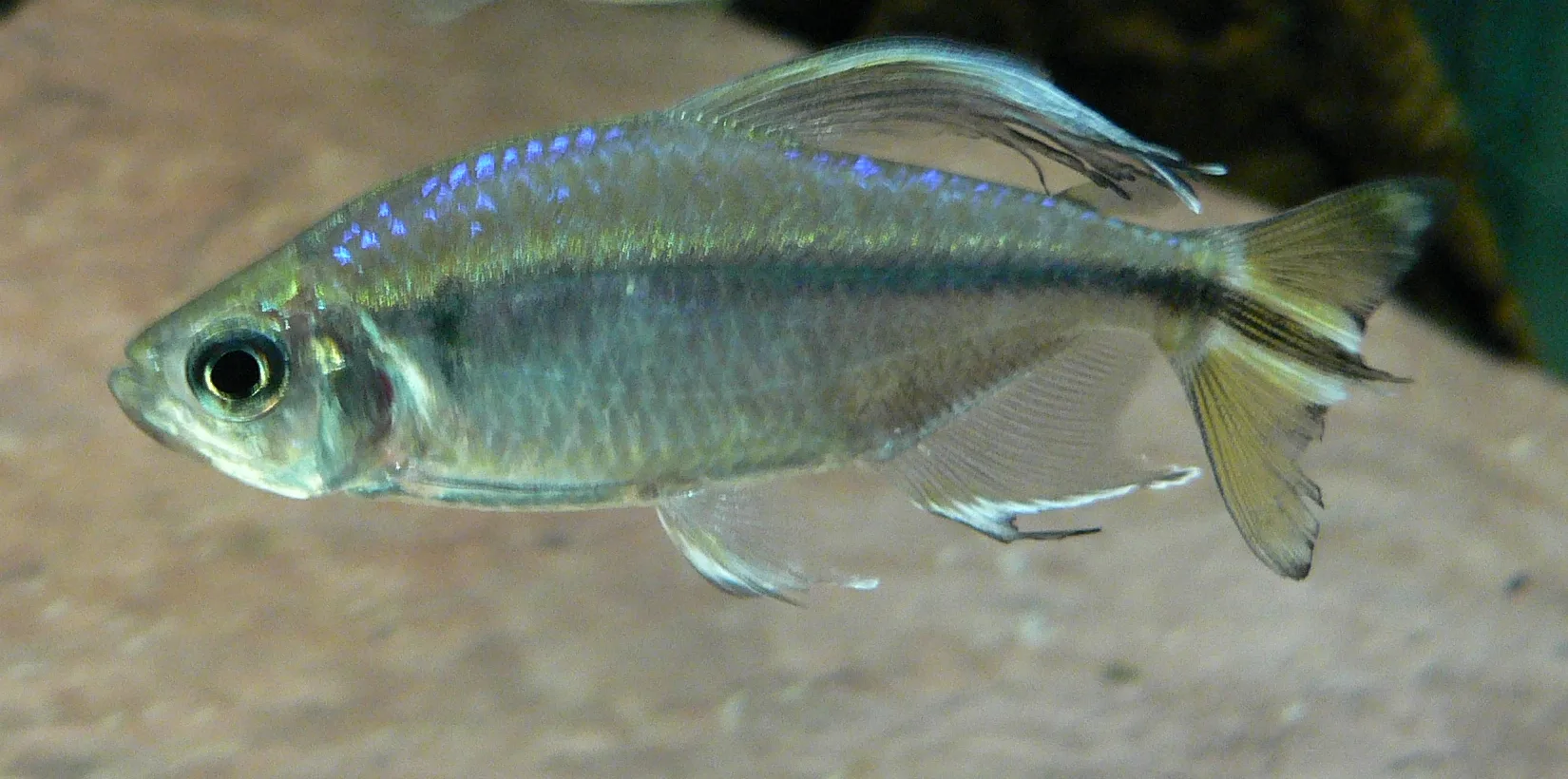
An African alestid from the Congo, not a South American tetra. Gold-yellow tails need length, tannins, and a large shy school.
Read more →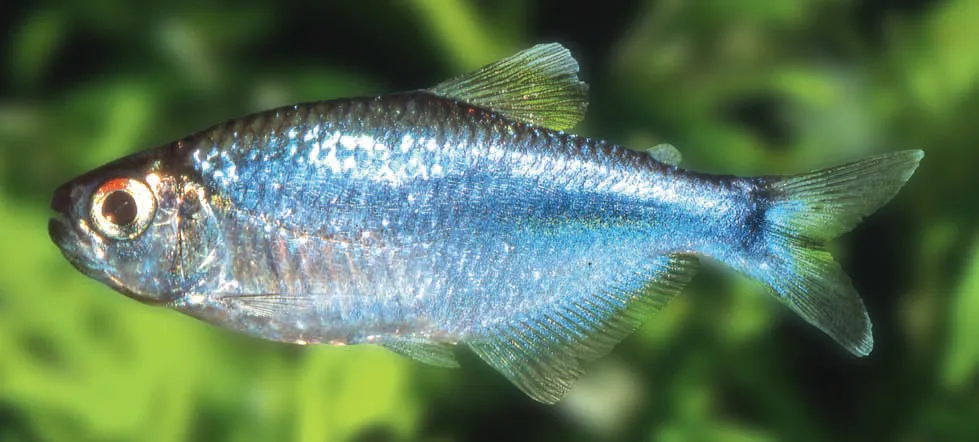
Peru’s steel-blue schooler. Colour is a crowd effect; small groups go grey and start nipping long fins.
Read more →
Chrome river hatchets that need a sealed top and a long surface runway. Larger and hardier than marbles, still dedicated jumpers.
Read more →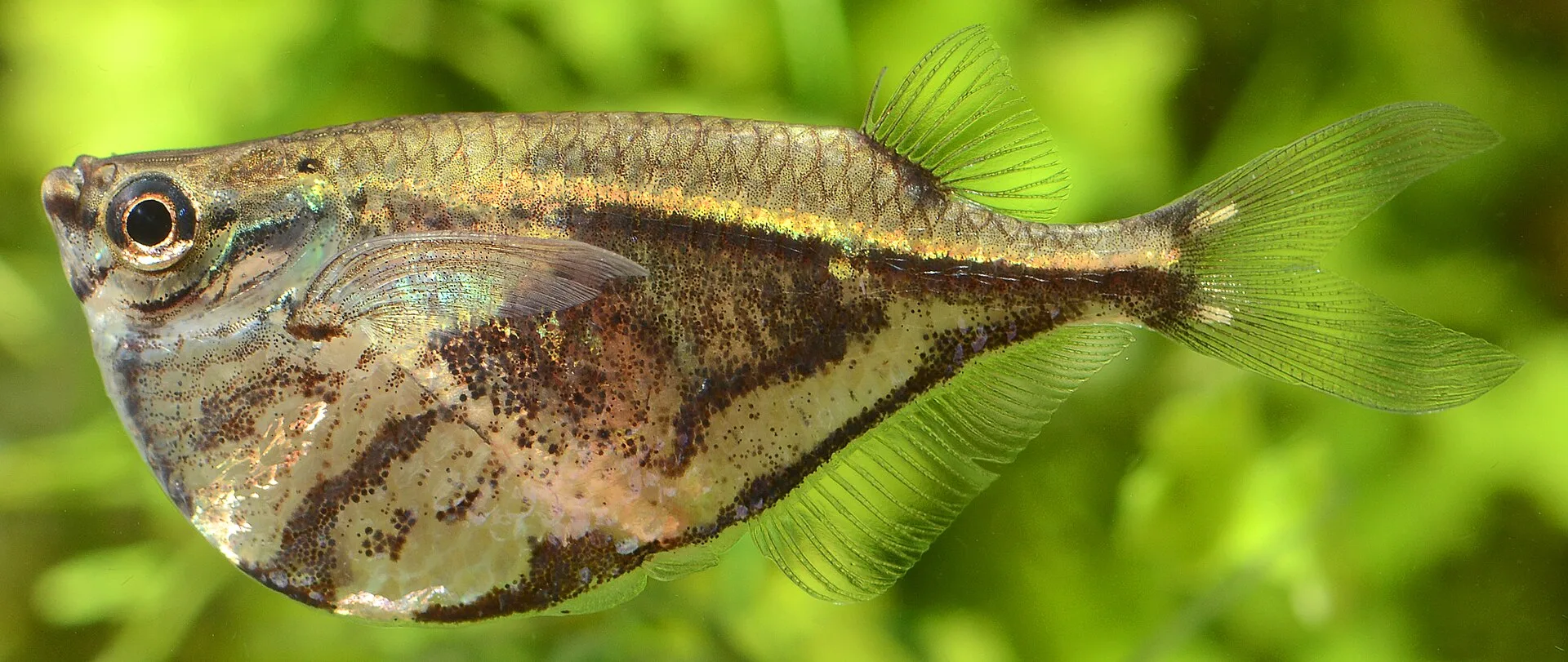
A 4 cm Amazon glider that lives in the surface film. Tight lid, floating food, soft blackwater, and a school — or an empty tank.
Read more →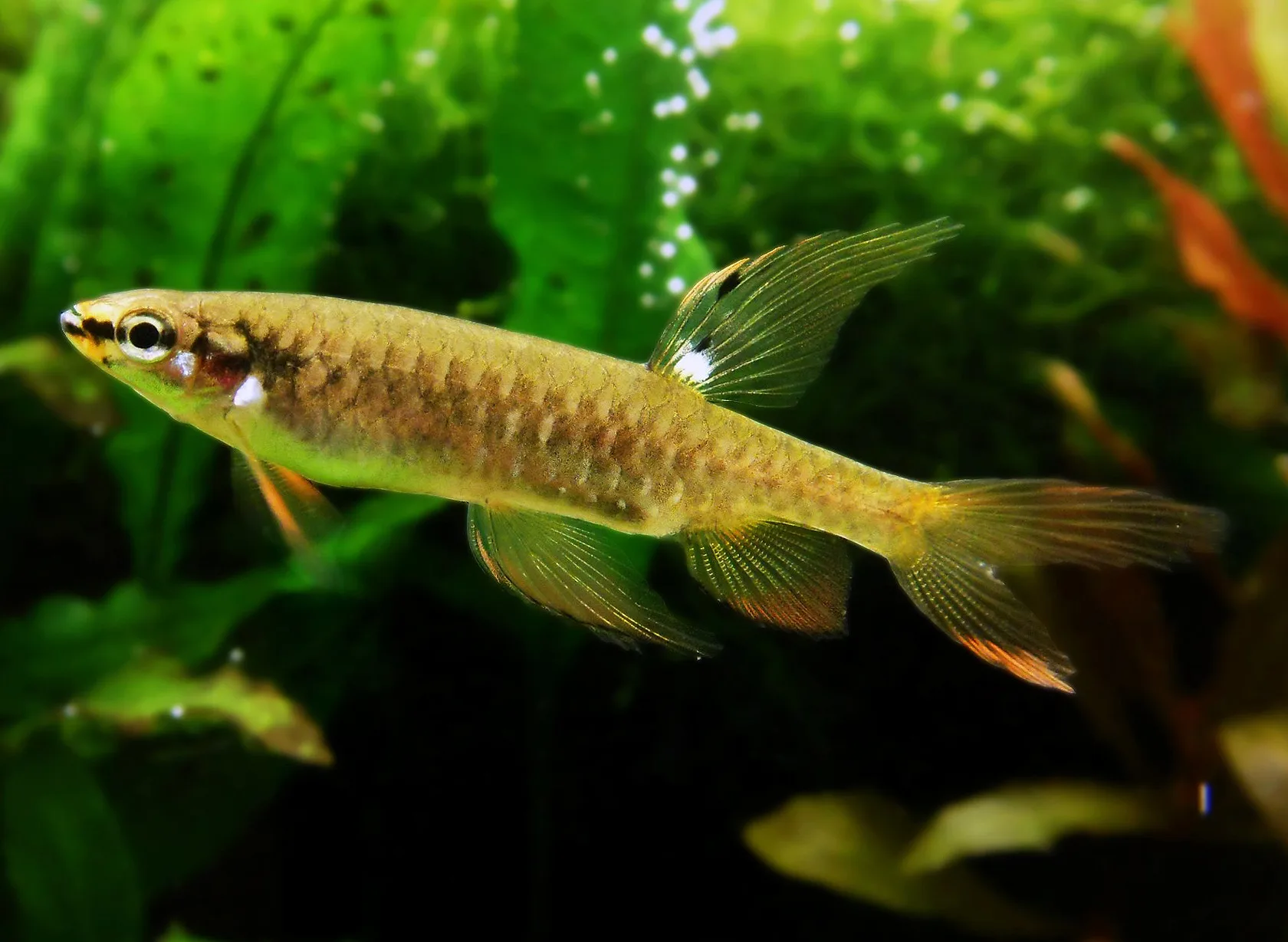
Eggs glued above the waterline, a male who splashes them for hours, and a lid that must leave humid air — not a normal tetra spawn.
Read more →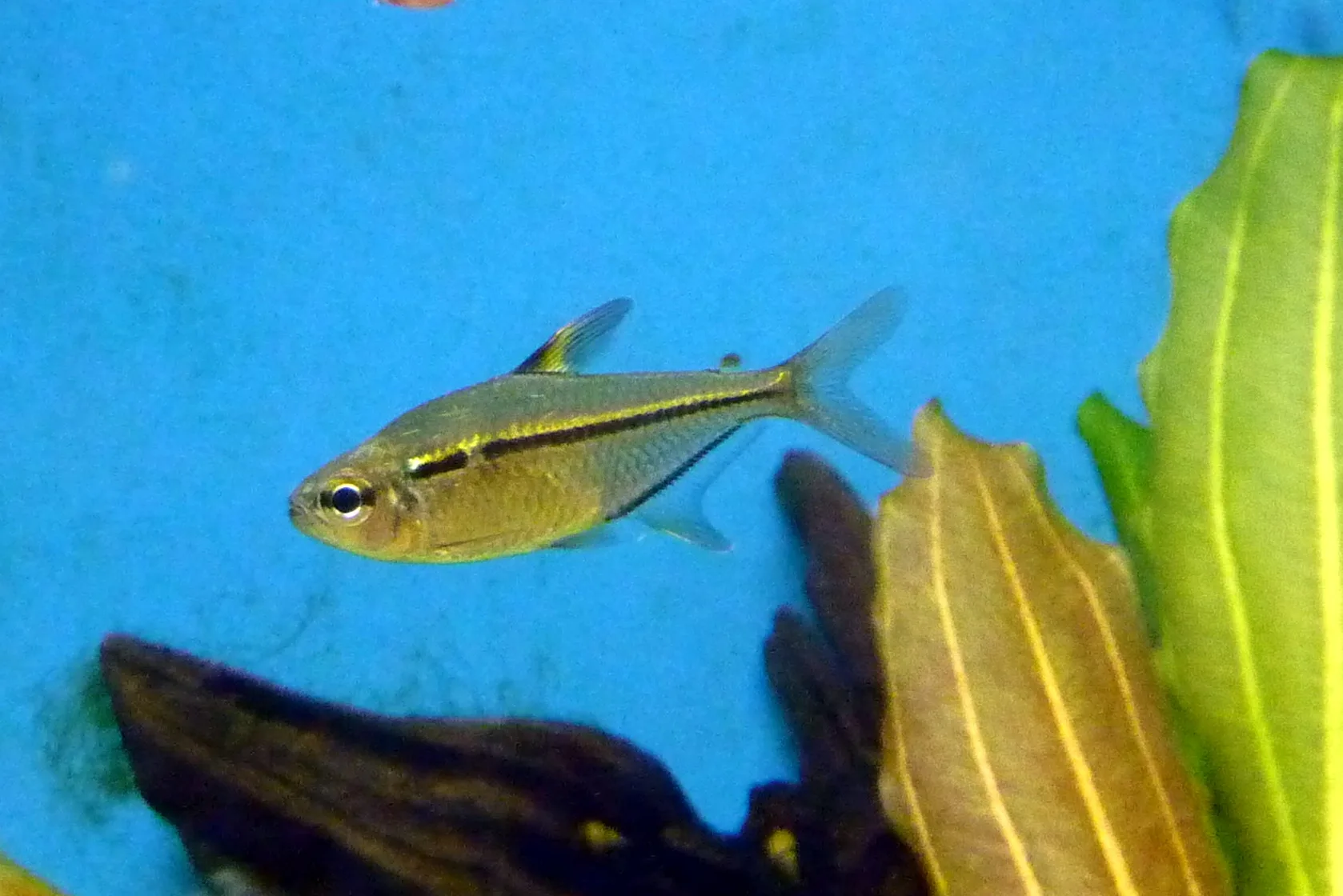
Three-lined Paraguay basin tetras that get sold as pencilfish. Cooler than Amazon characins, calmer than Buenos Aires tetras.
Read more →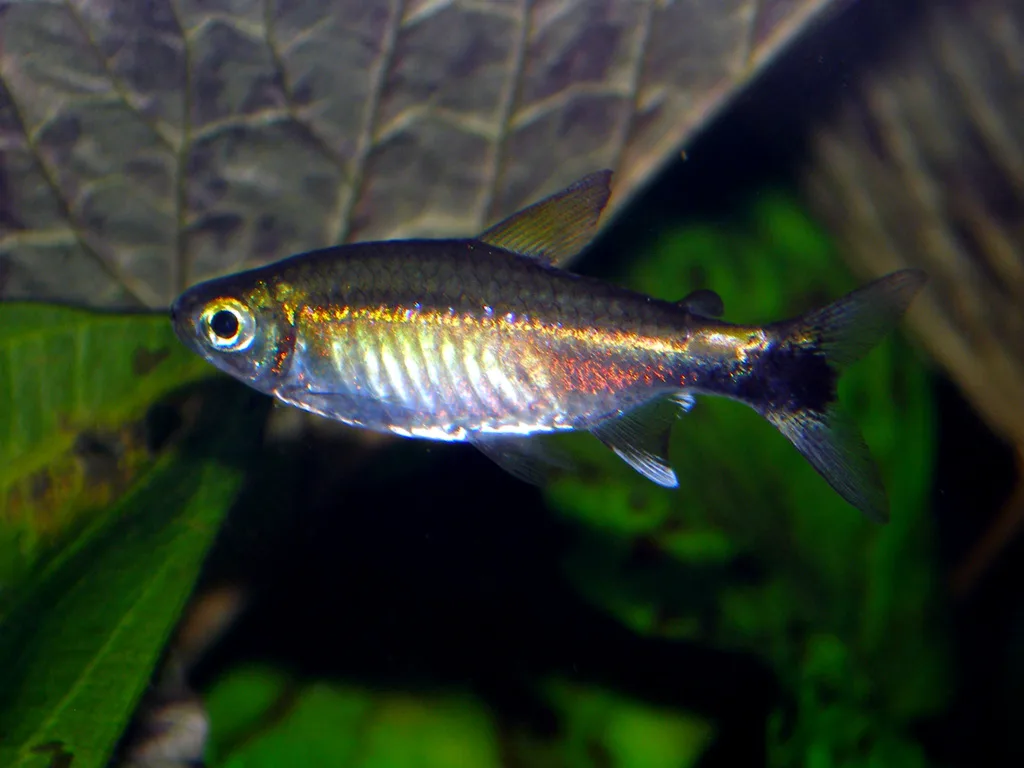
Named for Lago Hyanuary, not a person. Green-gold iridescence and a caudal mark — not a Paracheirodon and not a dyed “green neon.”
Read more →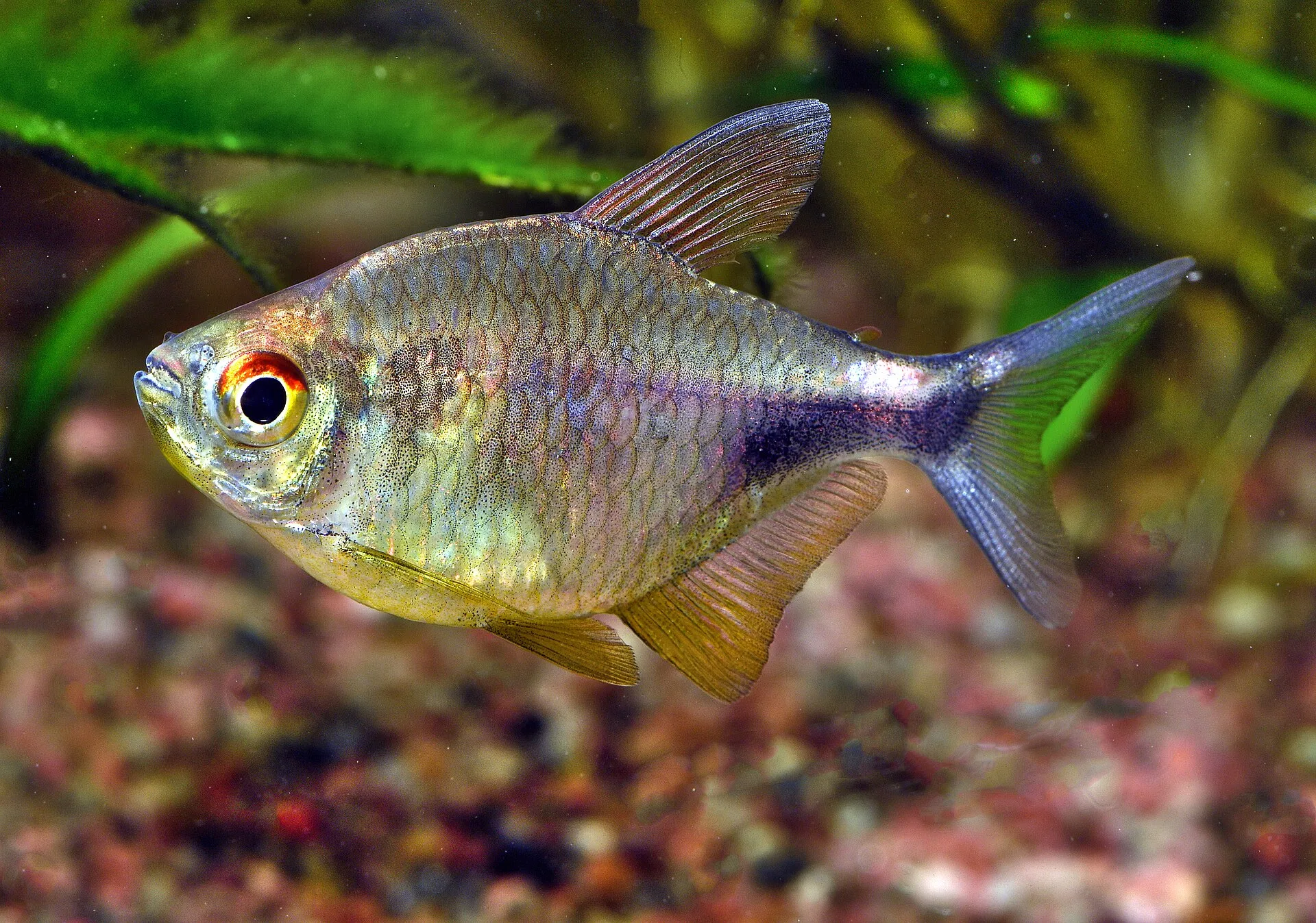
Western Amazon tetras whose black rear wedge only reads as a pattern when the school is large and the water is stained.
Read more →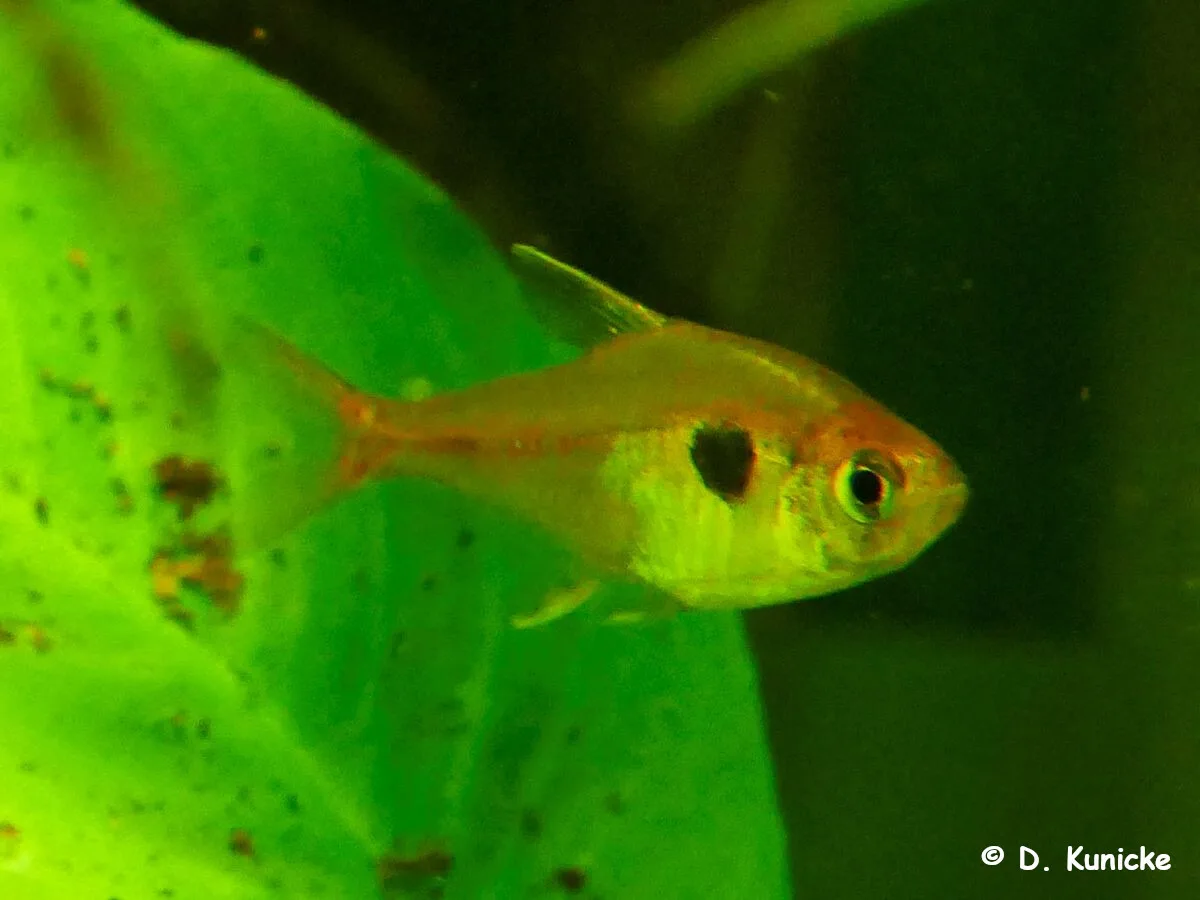
Guiana Shield gold with a shoulder blotch, not a bleached black phantom. Quiet midwater schools in soft, dim, planted water.
Read more →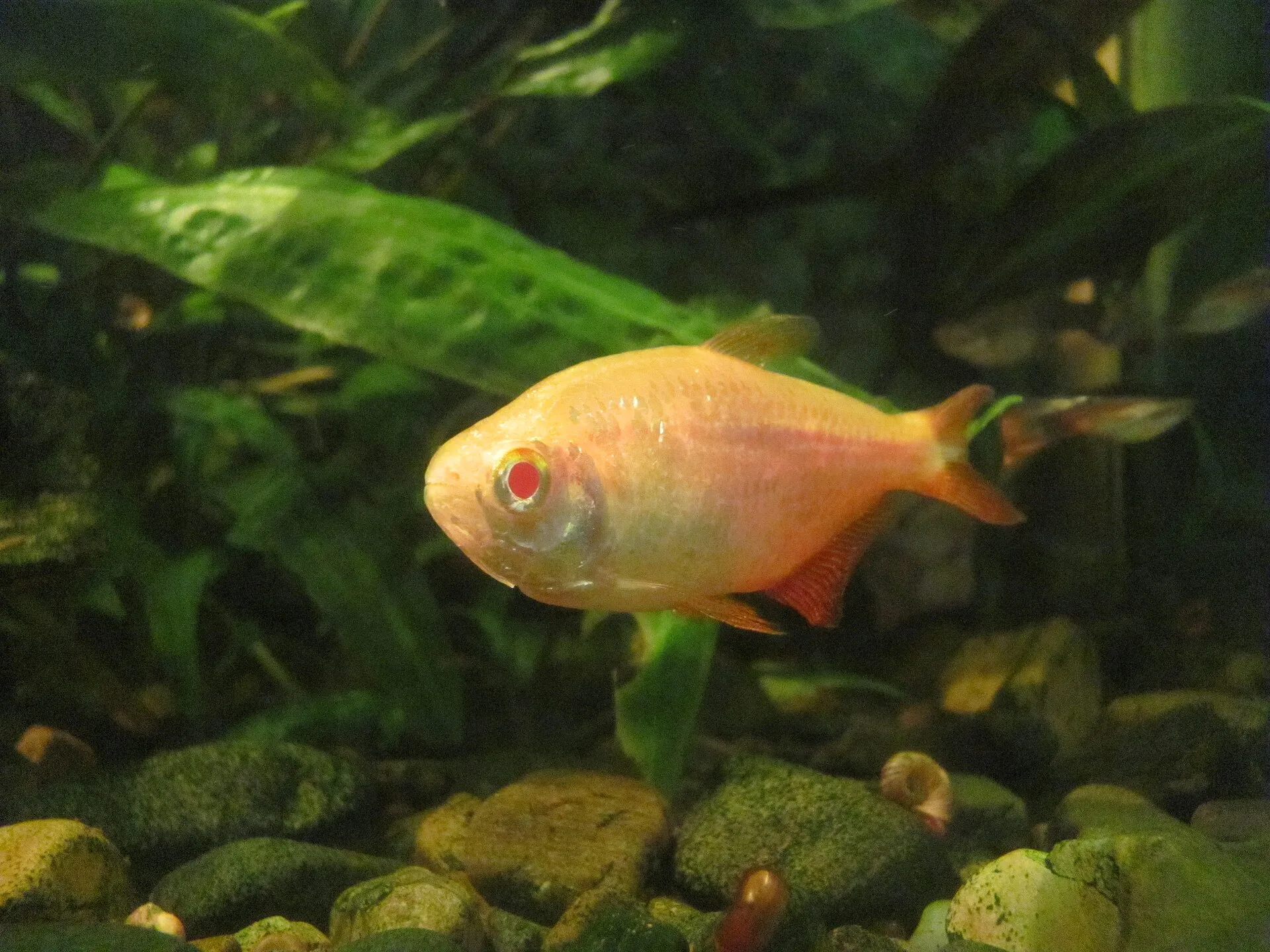
A La Plata schooler that likes cooler water, eats soft plants, and nips when understocked — not an Amazon neon with a different label.
Read more →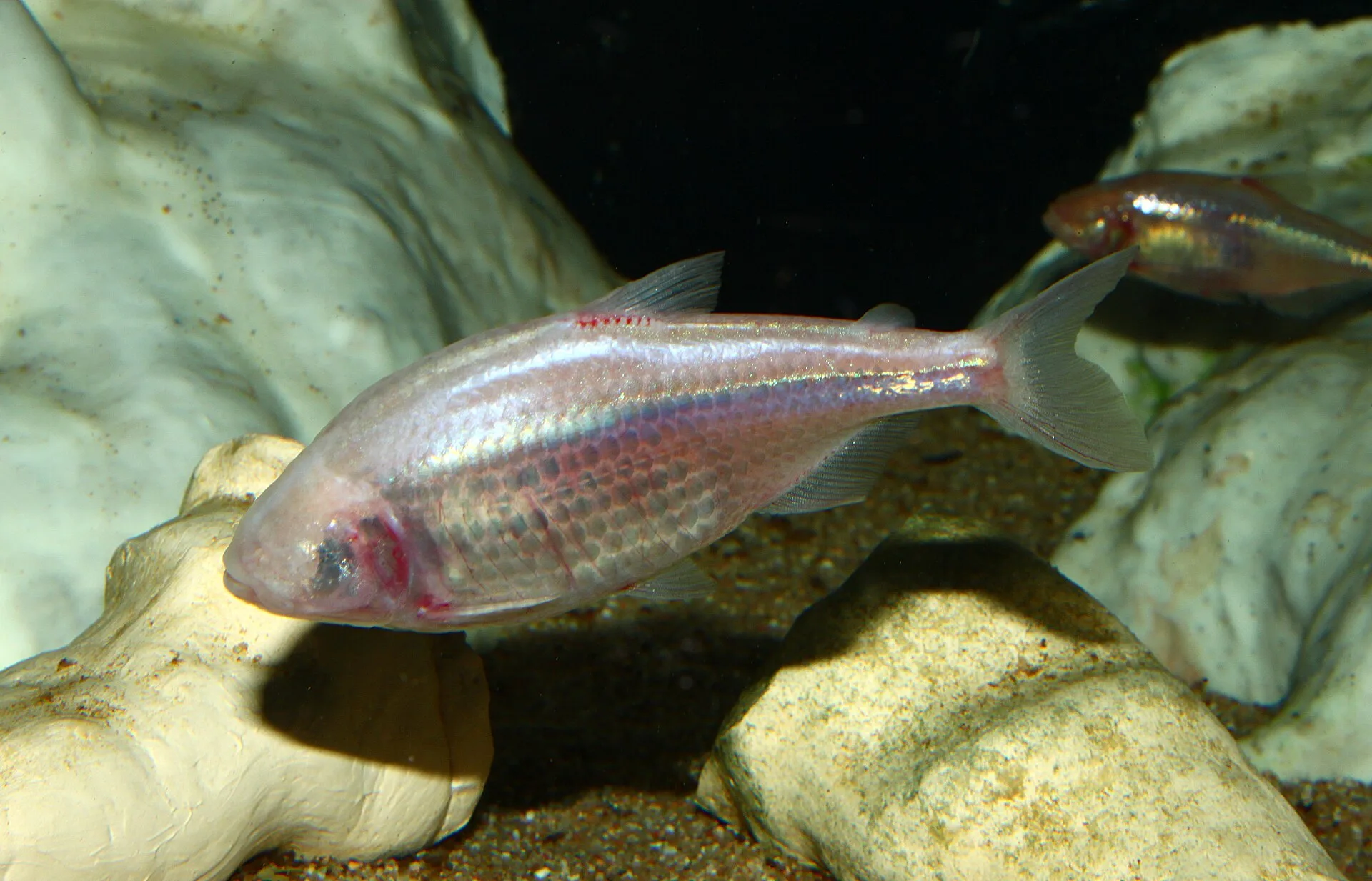
Eyed river fish and blind cave morphs share a Latin name. Mexican tetra care splits on light, schooling, and whether the animal can even see its food.
Read more →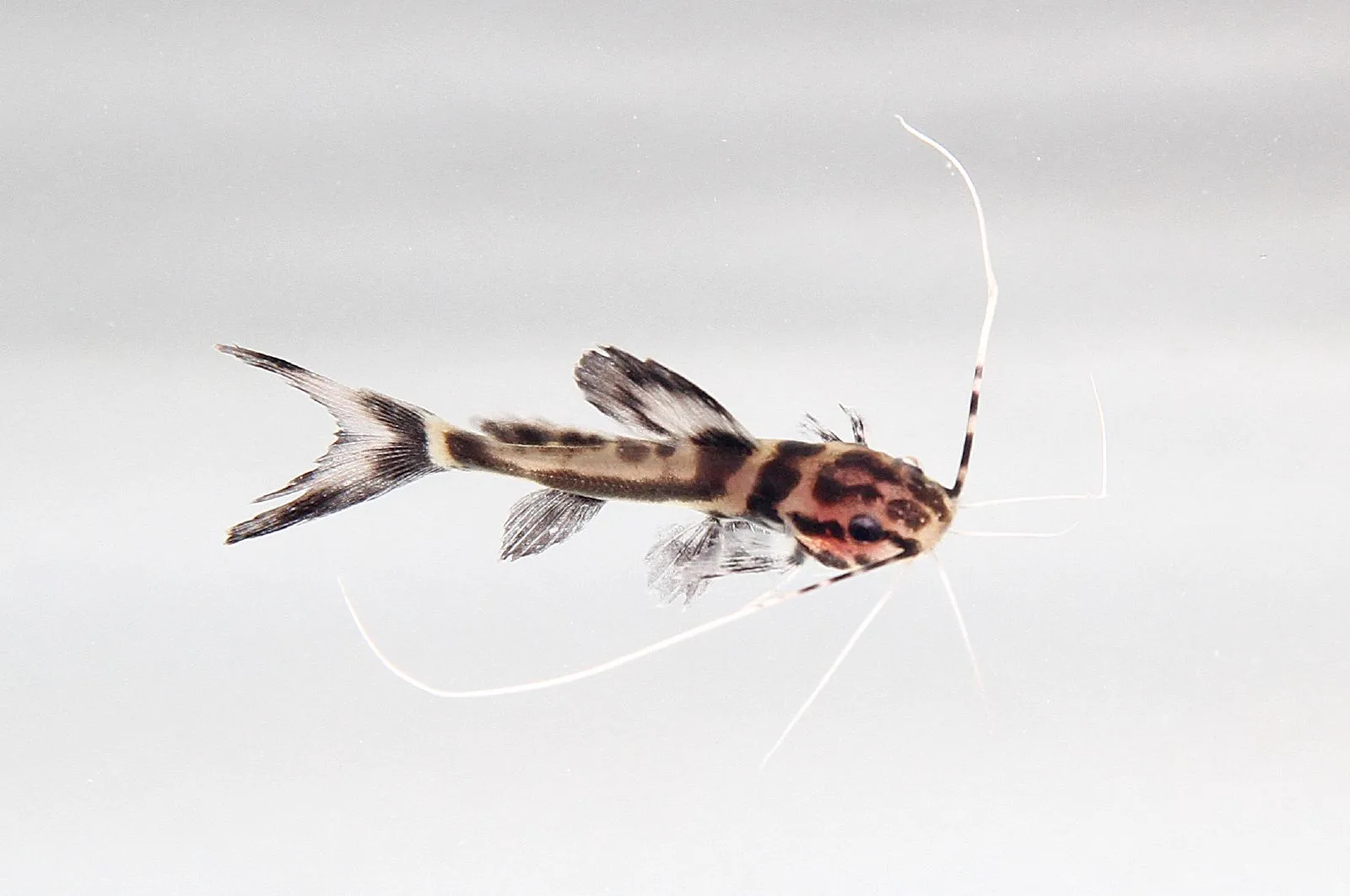
Leiarius marmoratus is a marbled sailfin pimelodid that can pass 60 cm — a huge Amazon predator with a high dorsal, not a barred tiger shovelnose…
Read more →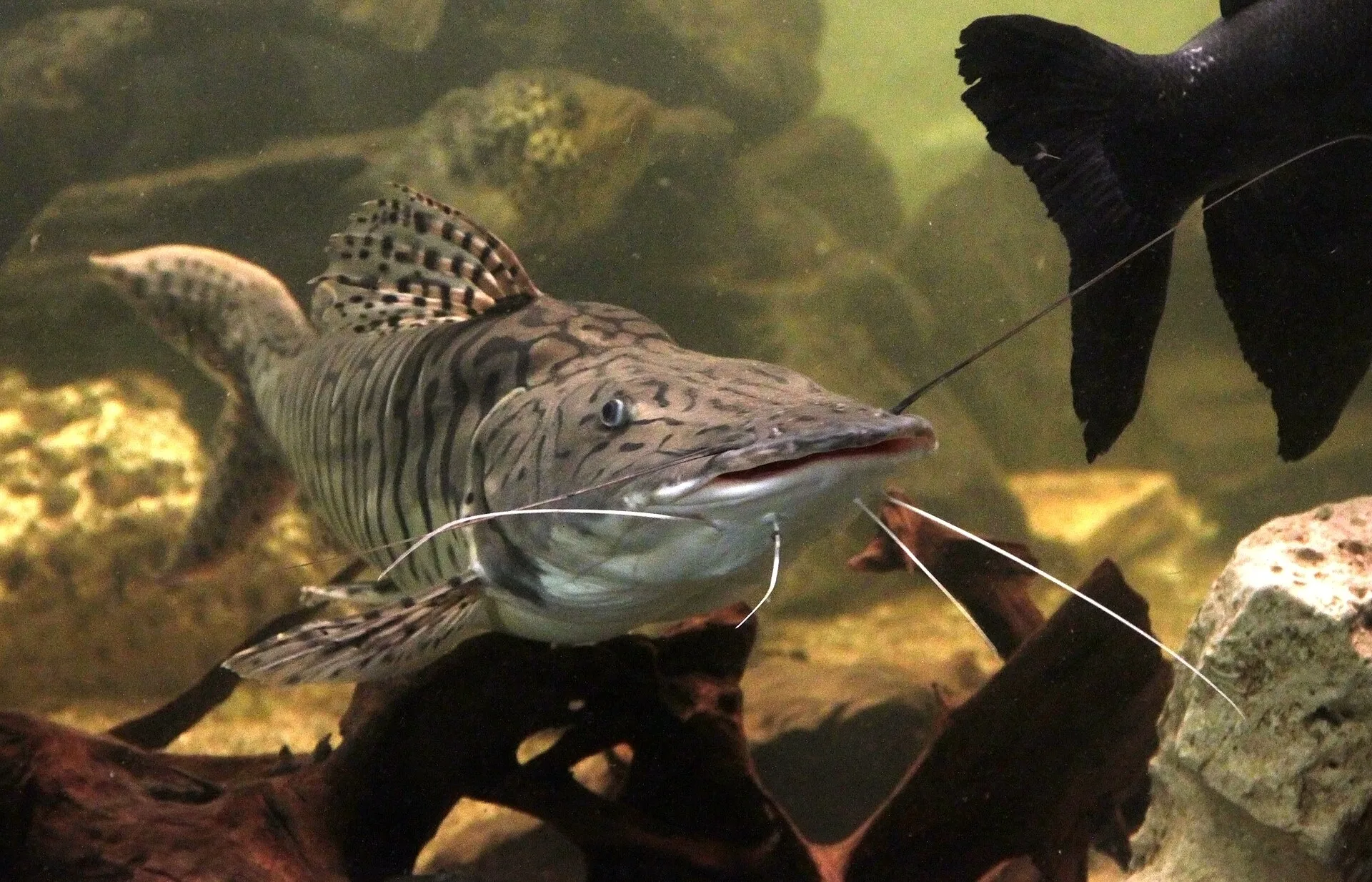
Pseudoplatystoma fasciatum, the barred or tiger shovelnose, is a metre-class Amazon channel predator — a public-aquarium fish, not a living-room…
Read more →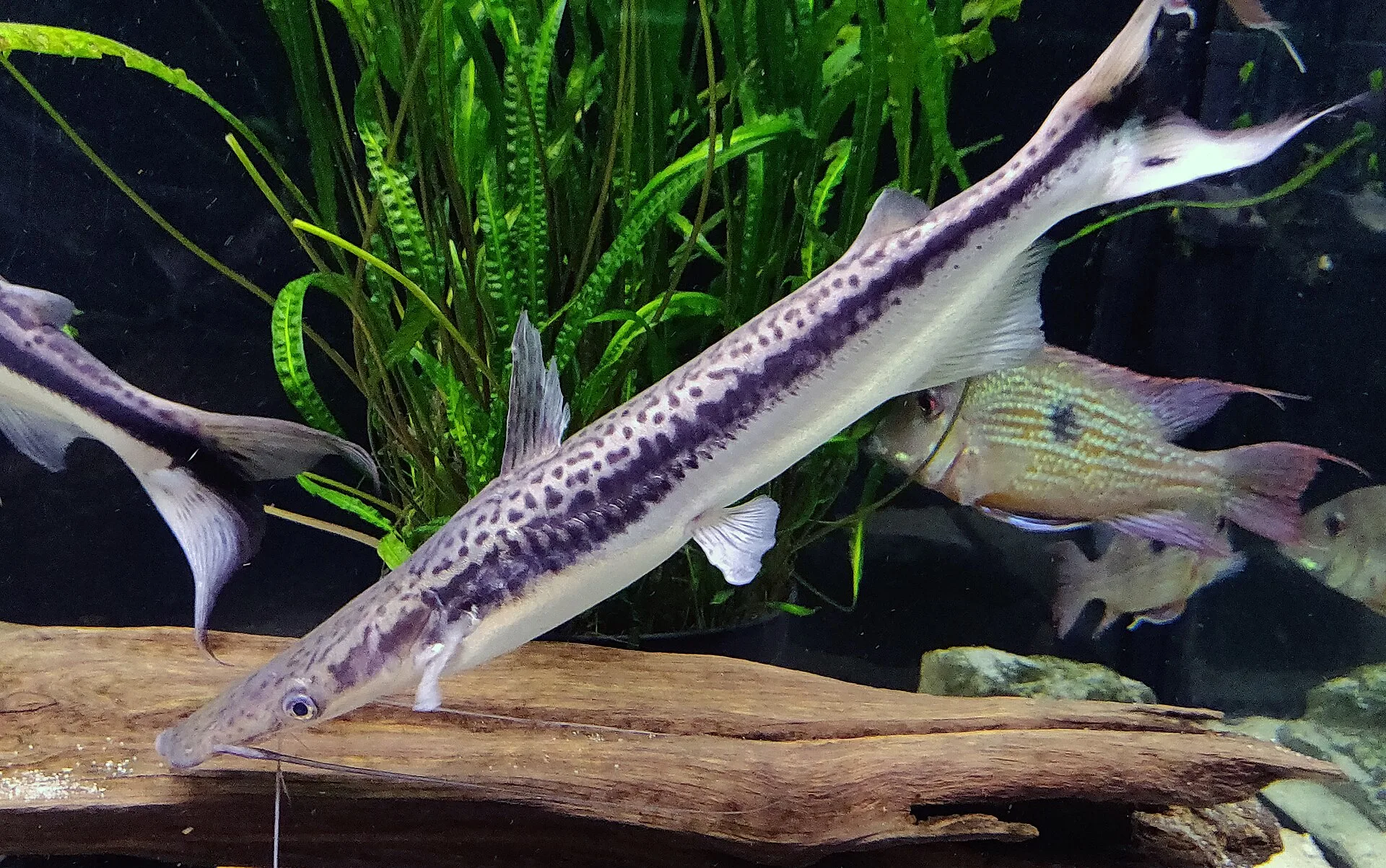
Sorubim lima, the duckbill or shovel-nosed catfish, is a 50-centimetre pimelodid that hunts over sand with a spatula snout — a large river predat…
Read more →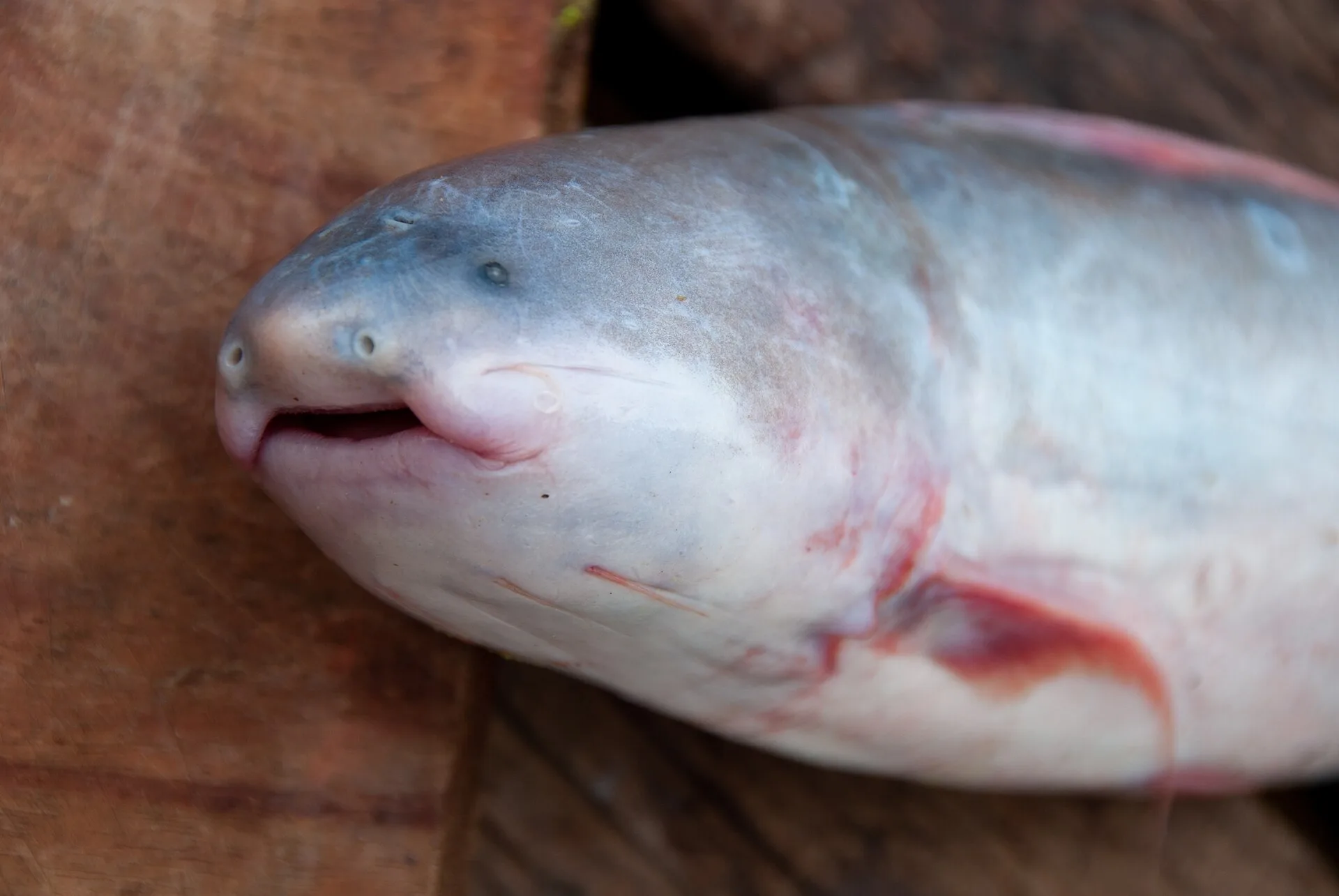
Cetopsis coecutiens, the whale candiru, is a thick-bodied Amazon scavenger-predator that bites chunks from fish — a dangerous river specialist, n…
Read more →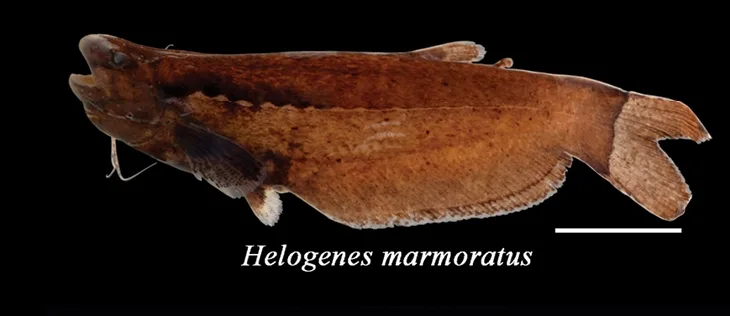
Helogenes marmoratus, the otter catfish, is a small leaf-litter cetopsid that looks like a mottled tadpole — an insectivore of blackwater debris,…
Read more →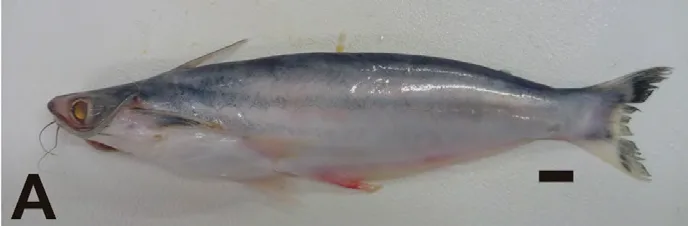
Auchenipterus nuchalis is a midwater, nocturnal driftwood-family catfish of Amazon channels — a schooling insect-hunter, not a log-packing Trache…
Read more →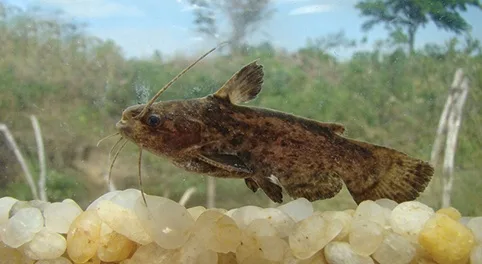
Trachelyopterus galeatus is a nocturnal driftwood catfish of the Auchenipteridae — a hollow-log fish with internal fertilisation, not a pleco and…
Read more →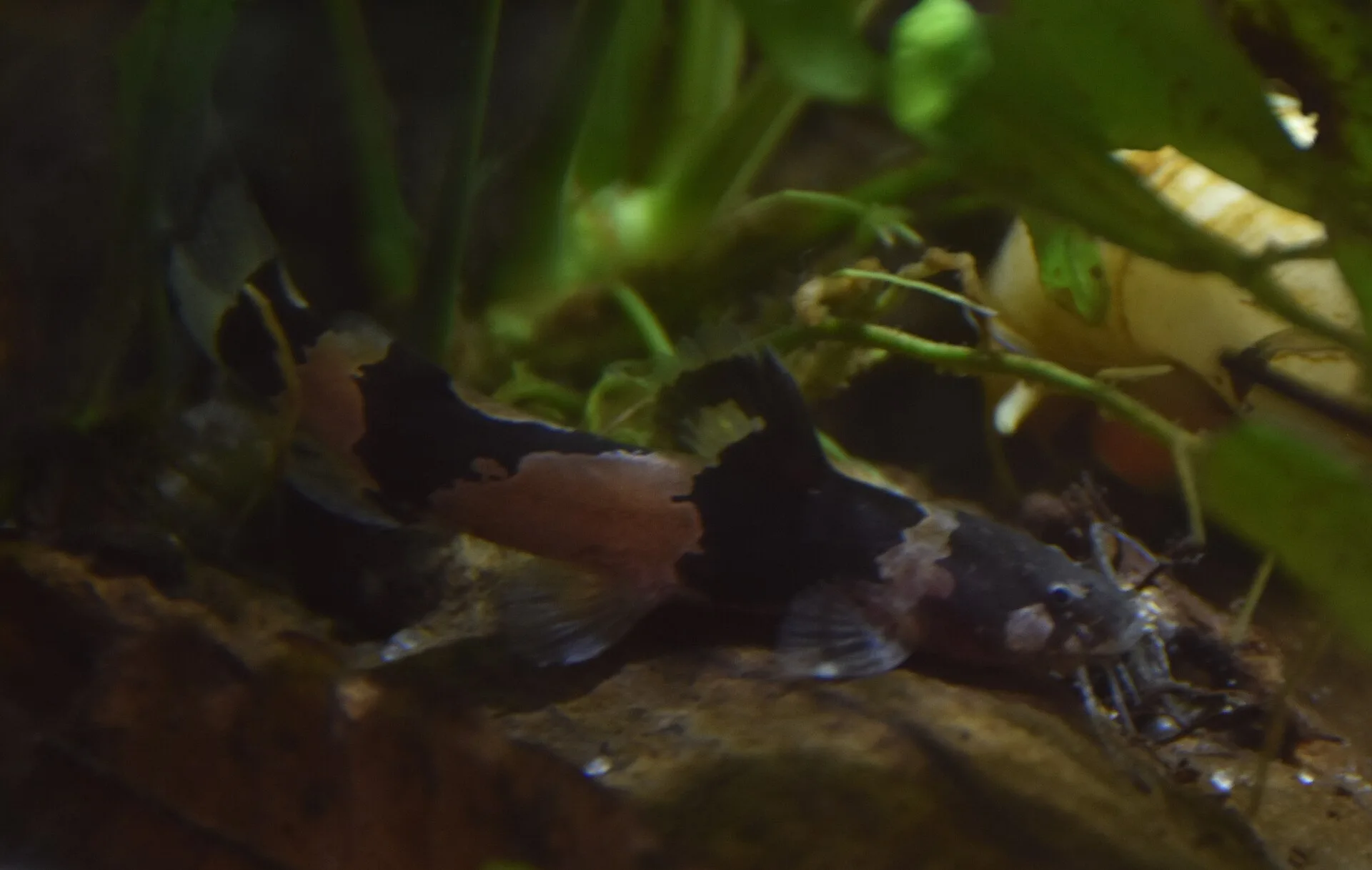
Microglanis iheringi is a small Venezuelan bumblebee catfish — a nocturnal cave ambusher of insects and fry, not a giant shovelnose and not a pla…
Read more →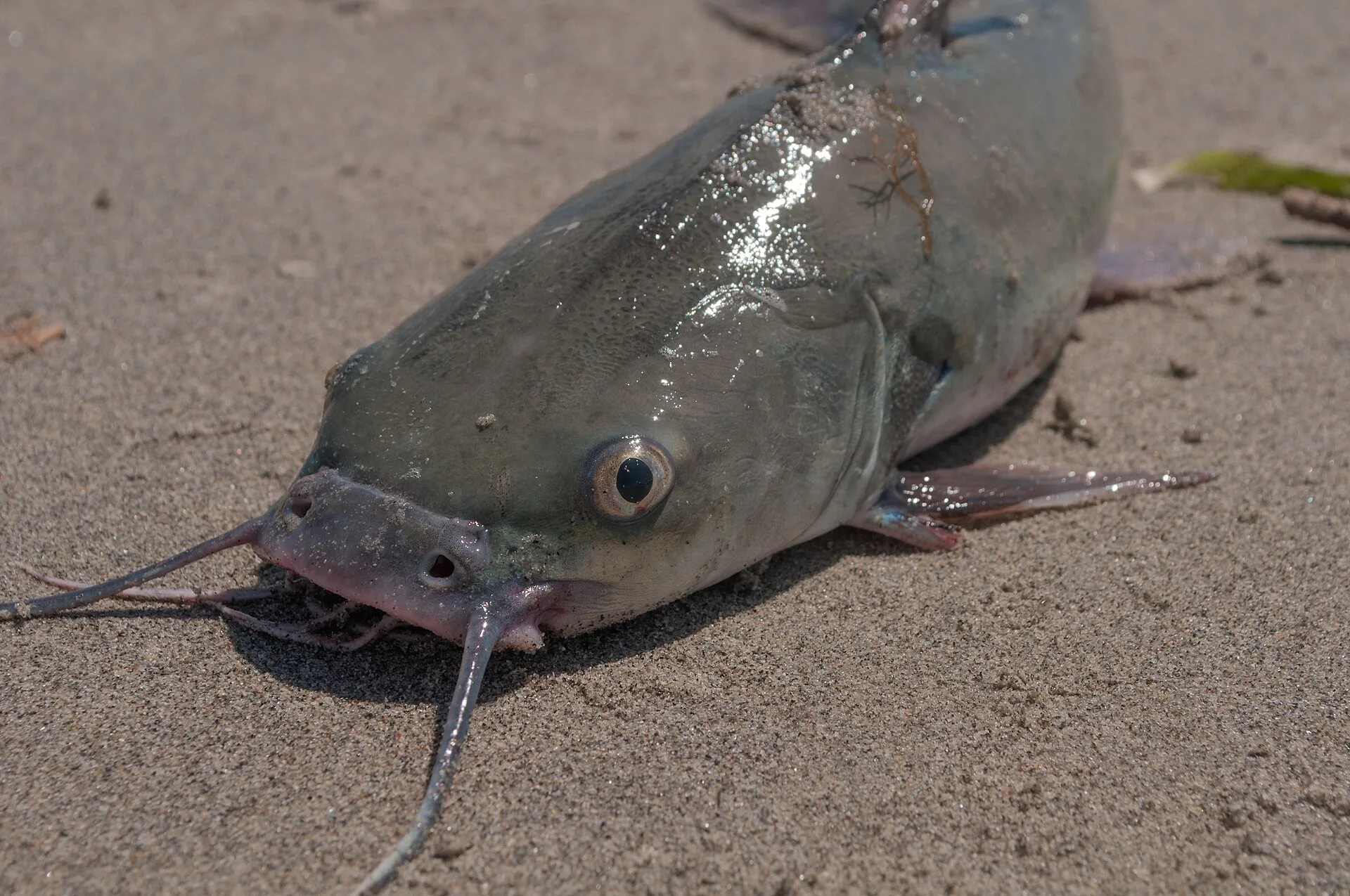
Sciades herzbergii, the pemecou sea catfish, is a large West Atlantic ariid of brackish and coastal marine water — a venomous-spined estuary fish…
Read more →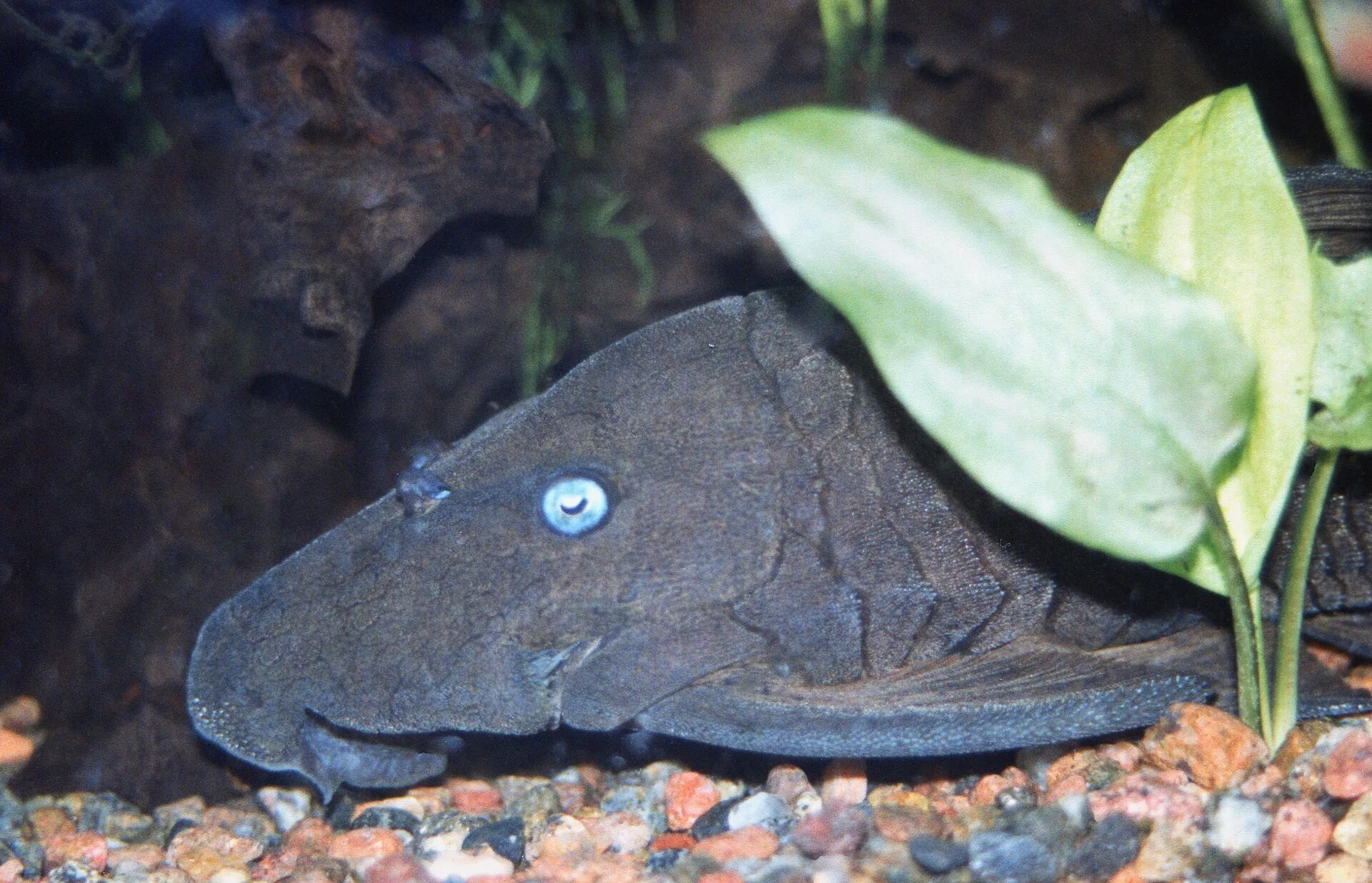
Panaque cochliodon is the Magdalena blue-eyed panaque — an olive xylophage with a startling iris, not a striped royal, and still a large wood-eat…
Read more →