
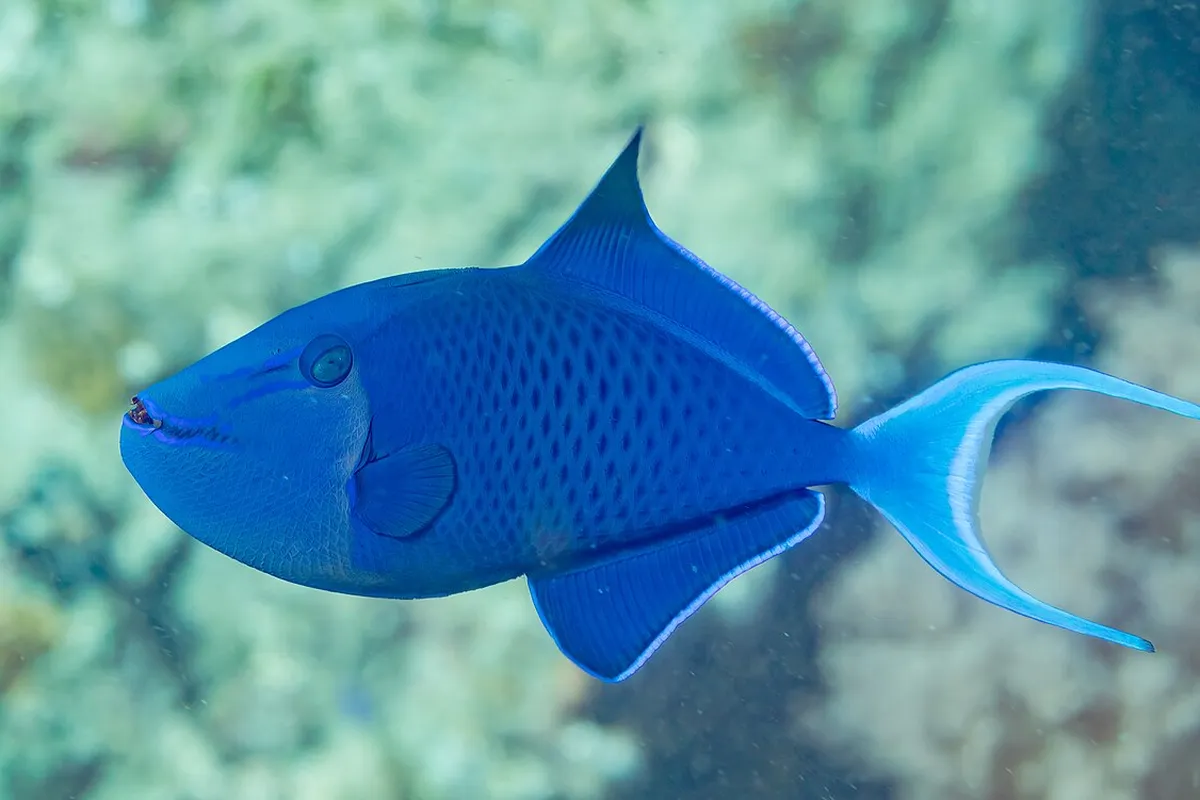
Niger Triggerfish (Odonus niger)
The niger triggerfish is one of the calmest triggers, with a deep blue body, red teeth and a lyre-shaped tail. Here is how to keep Odonus niger.
Read more →
Guías
Este centro de Especies de Peces en Fishy Friends reúne orientación práctica sobre especies de peces para cuidadores que desean respuestas claras antes de cambiar el agua, el ganado o el equipo.
Utiliza estos artículos para emparejar especies con el tamaño del tanque, planificar la filtración y la alimentación, y solucionar problemas de química del agua sin adivinar. Cada guía está escrita para acuarios domésticos y enlaza a lecturas relacionadas cuando necesites más profundidad sobre especies de peces.
Comienza con lo básico: parámetros estables, hábitos de cuarentena y un horario de alimentación que coincida con el ganado; luego explora los perfiles y cómo hacerlo a continuación. Cuando estés listo para diversificar, salta a temas vecinos para que tu plan de especies de peces se mantenga consistente en todo el tanque.
Ya sea que estés llenando un primer tanque comunitario o refinando un paisaje establecido, guarda esta página y regresa a medida que surjan preguntas. Los acuarios saludables se construyen a partir de rutinas pequeñas y repetibles más que de mejoras únicas, y el éxito de las especies de peces sigue el mismo patrón.
Explora a continuación: peces de agua dulce, peces de agua salada, peces de agua fría, todas las guías.
Fishy Friends publica hojas de cuidado de especies, notas sobre plantas e invertebrados, ideas de paisajismo acuático y explicaciones sobre el cuidado del agua para que el consejo sobre especies de peces sea fácil de encontrar. Lee una guía a fondo, aplícala lentamente y utiliza los centros enlazados arriba cuando quieras un segundo enfoque sobre el mismo problema.
Antes de comprar ganado o repensar la filtración, revisa dos o tres artículos sobre especies de peces aquí y anota los números objetivo para temperatura, dureza y alimentación. Esa breve lista de verificación previene los reinicios más comunes y mantiene tu acuario más cerca de la exhibición tranquila y saludable que estás buscando.
Regresa después de los cambios de agua o nuevas adiciones: compara lo que ves en el tanque con las listas de verificación de especies de peces a continuación, luego sigue un paso recomendado en lugar de cambiar todo de una vez. Las mejoras constantes se acumulan, y Fishy Friends está diseñado para apoyar ese ritmo.
Jump into popular groups — tetras, corys, danios, and more.
The niger triggerfish is one of the calmest triggers, with a deep blue body, red teeth and a lyre-shaped tail. Here is how to keep Odonus niger.
Read more →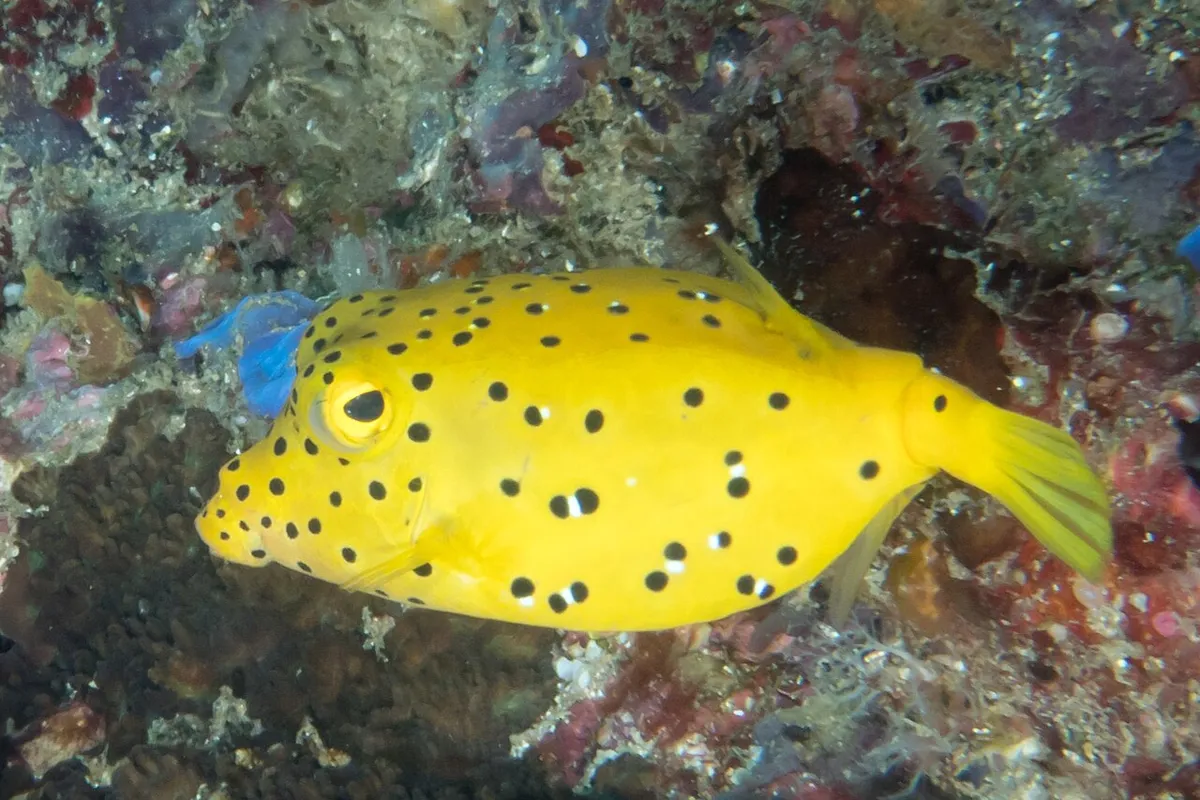
The yellow boxfish is adorable as a juvenile, but it grows large and can release a toxin that kills tank mates. Here is what to know first.
Read more →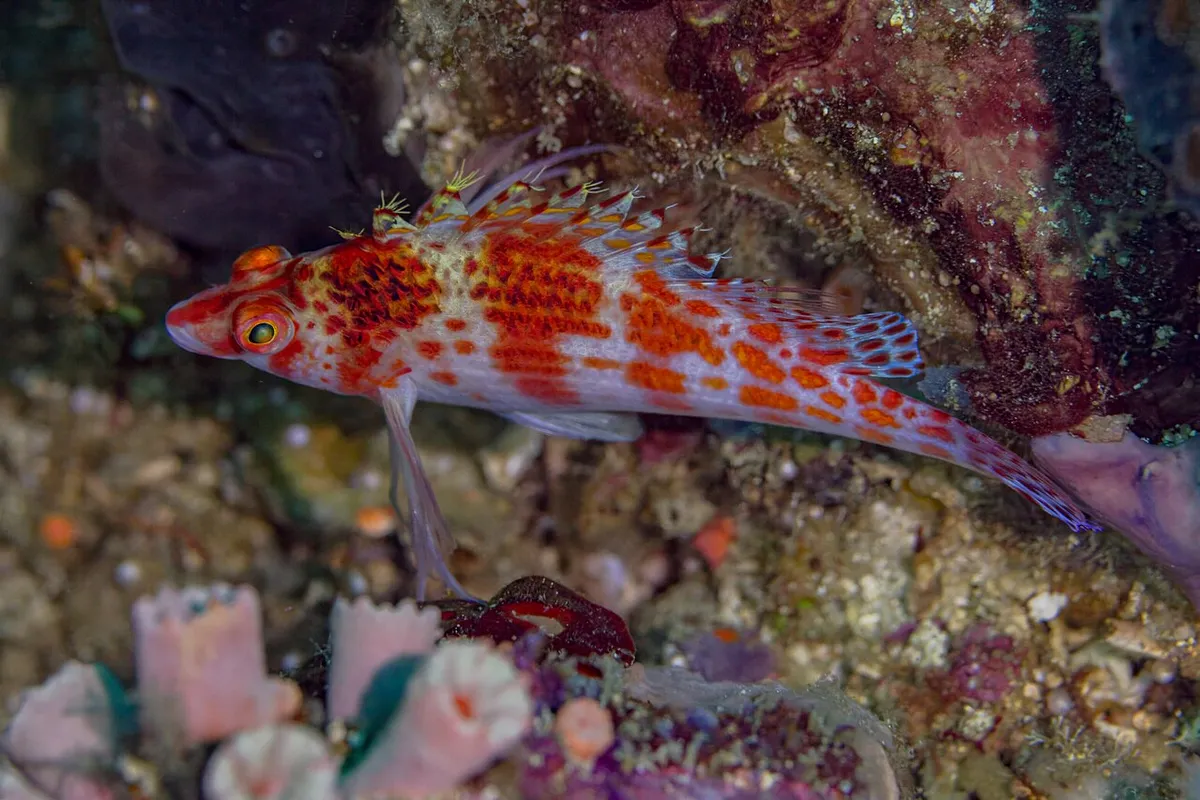
The falco hawkfish is a small, red-spotted perching predator that suits a reef without small shrimp. Here is how to keep Cirrhitichthys falco.
Read more →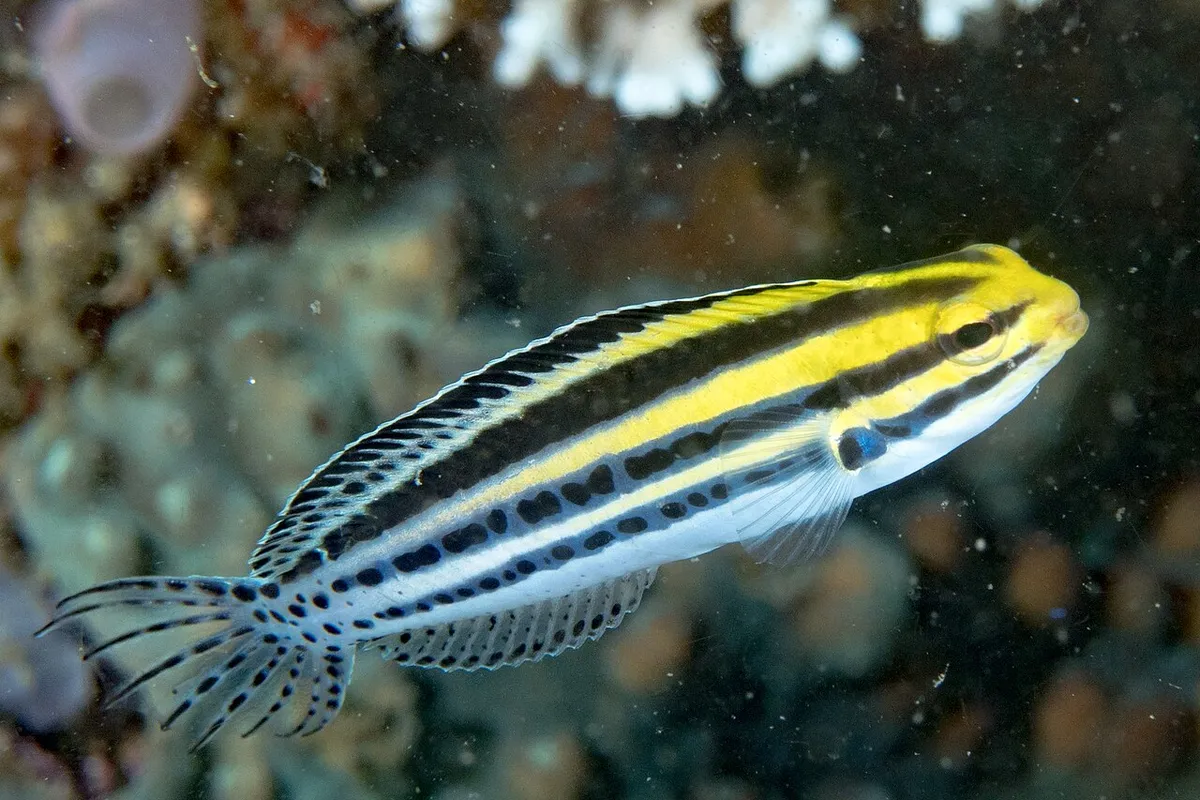
The striped fang blenny is a small, venomous but peaceful reef fish that swims in open water. Here is how to keep Meiacanthus grammistes.
Read more →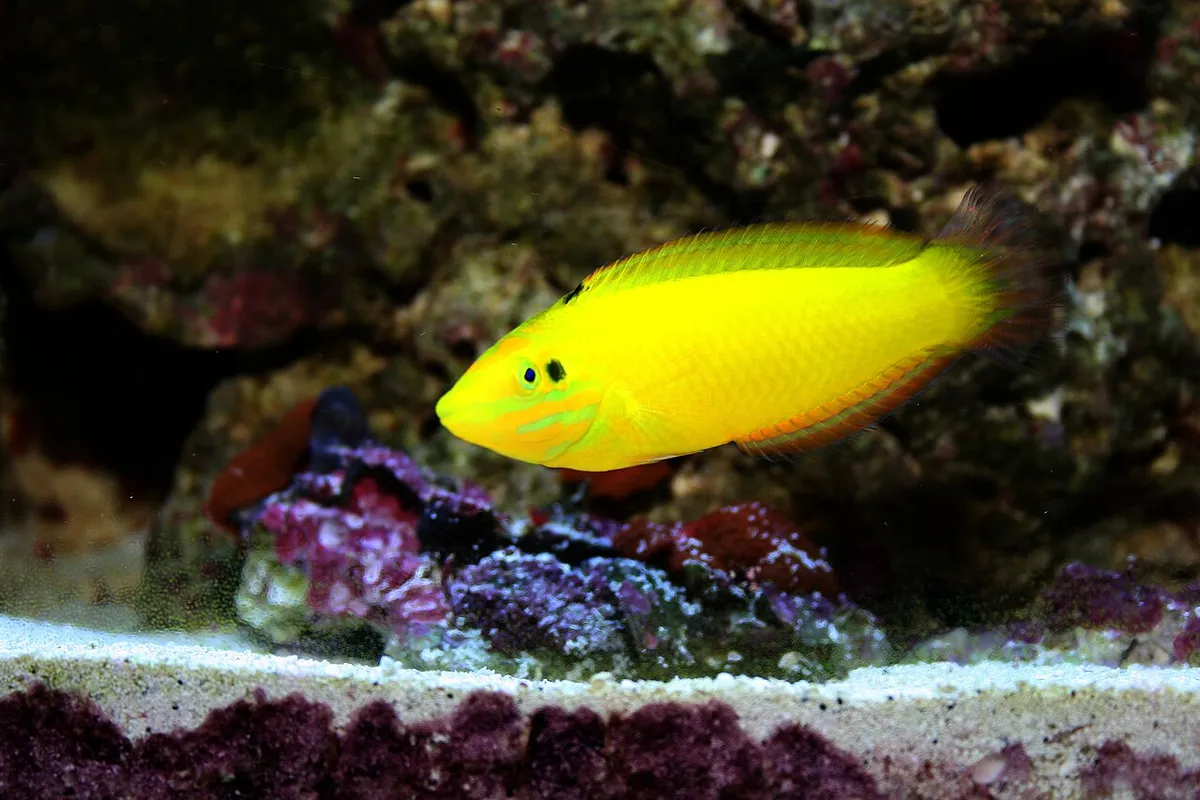
The canary wrasse is a bright yellow, reef-safe wrasse that hunts pests and sleeps under the sand. Here is how to keep Halichoeres chrysus.
Read more →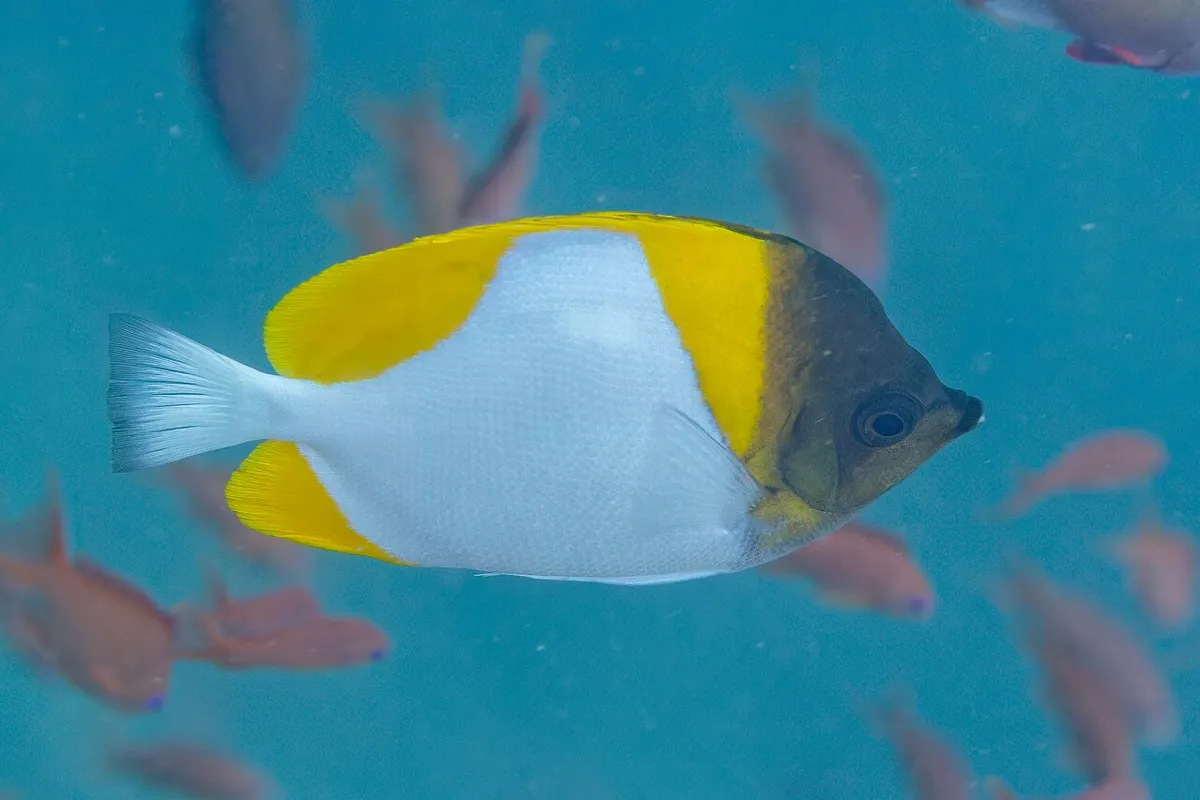
The pyramid butterflyfish is one of the few butterflyfish that is generally reef safe. Here is how to keep Hemitaurichthys polylepis in a group.
Read more →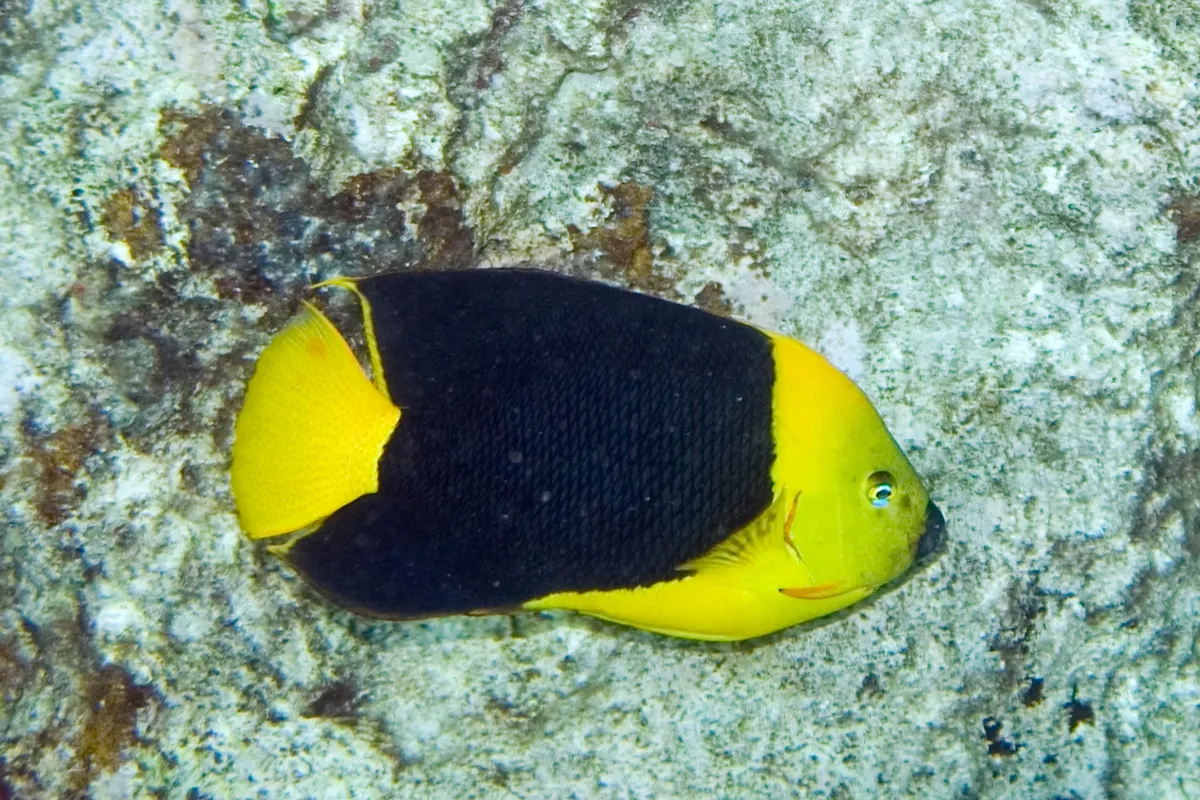
The rock beauty is a bold black and yellow Caribbean angelfish, but its sponge-based diet makes it hard to keep. Here is what you need to know.
Read more →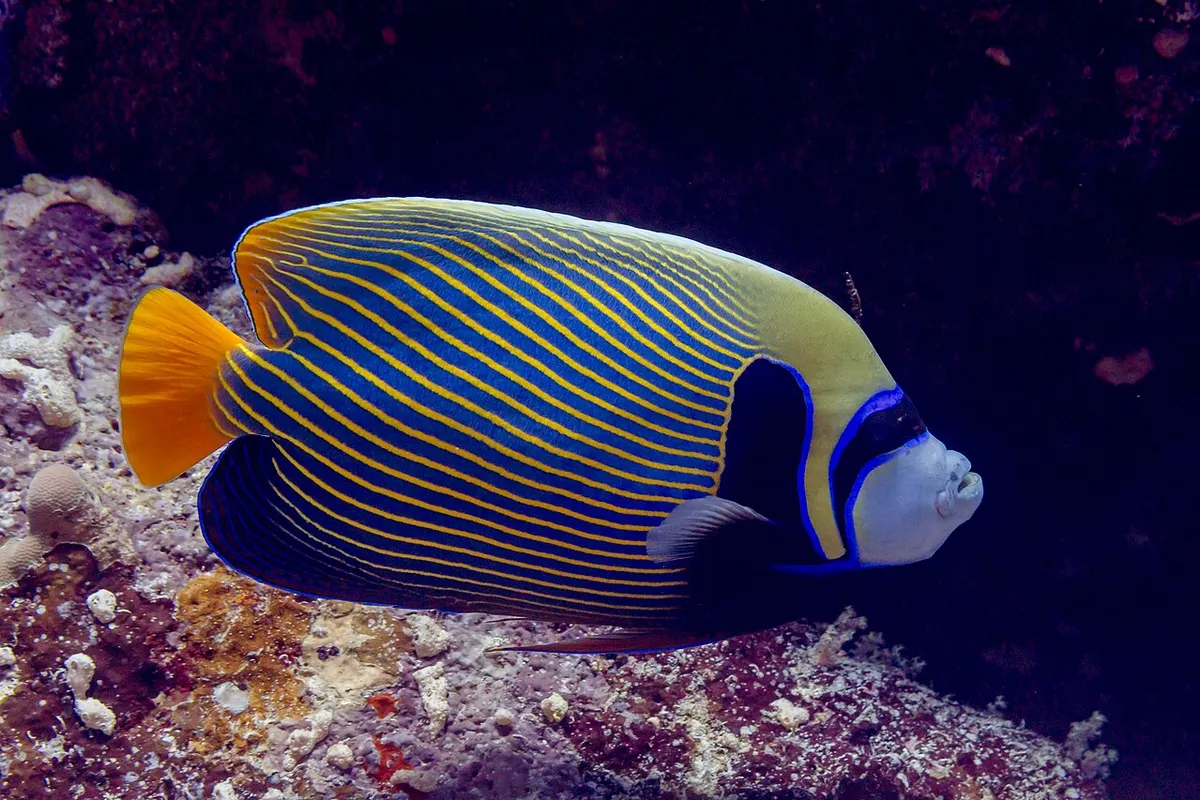
The emperor angelfish is one of the most striking fish on the reef, with a dramatic change from juvenile to adult colours. Here is what it needs.
Read more →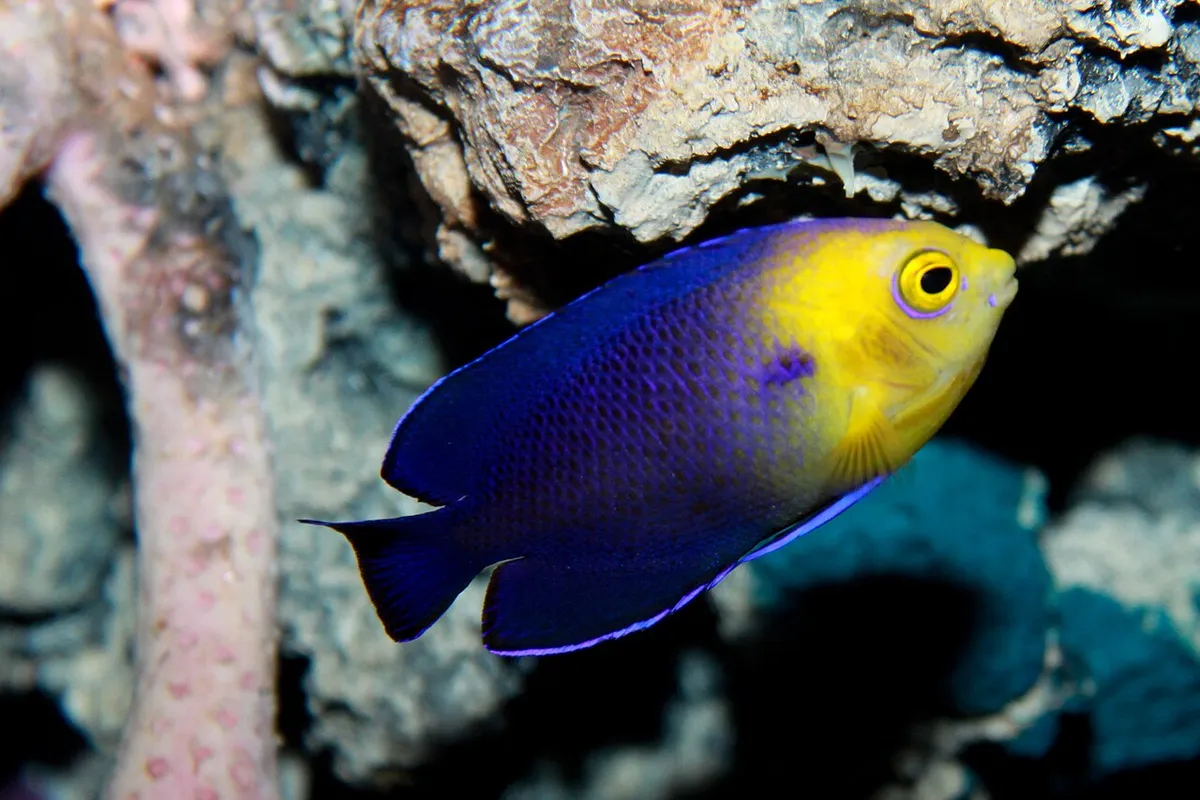
The cherub angelfish is the smallest Centropyge, a deep-blue fish with a yellow face that fits in a nano reef. Here is how to keep Centropyge argi.
Read more →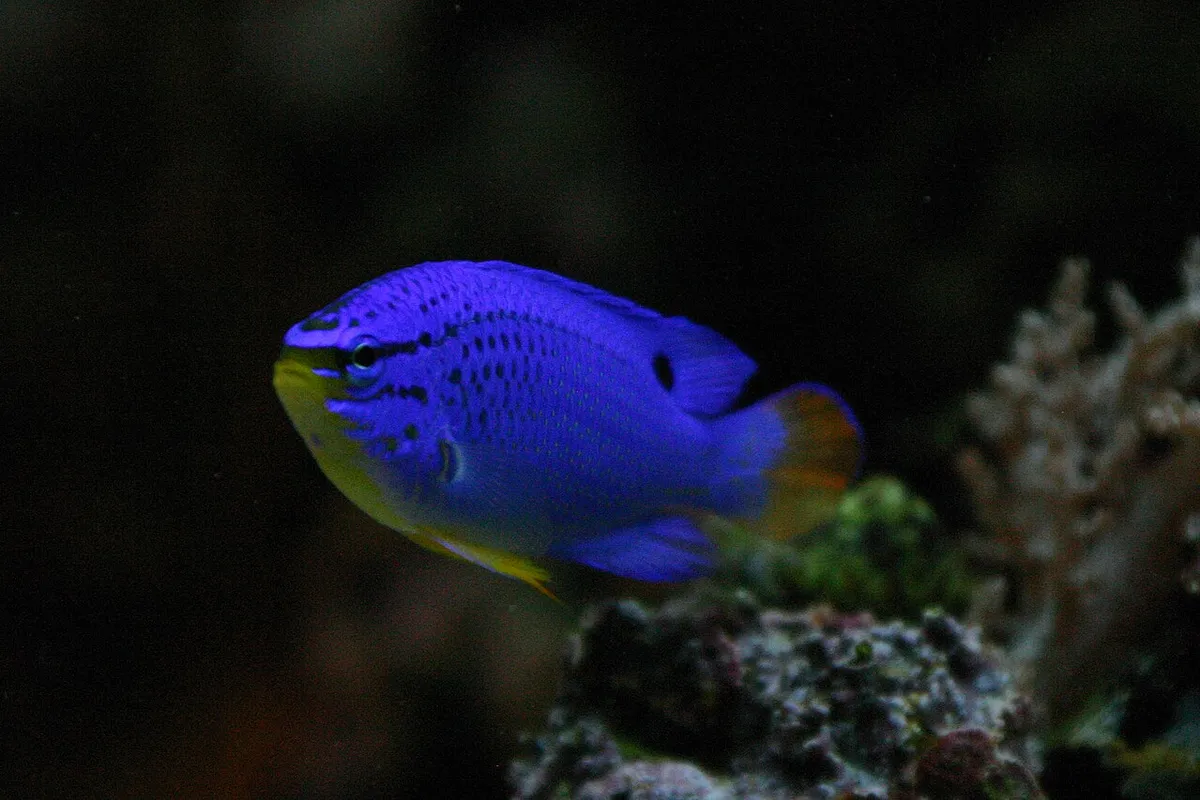
The blue devil damselfish is a hardy, electric-blue reef fish with a feisty temper. Here is how to keep Chrysiptera cyanea without trouble.
Read more →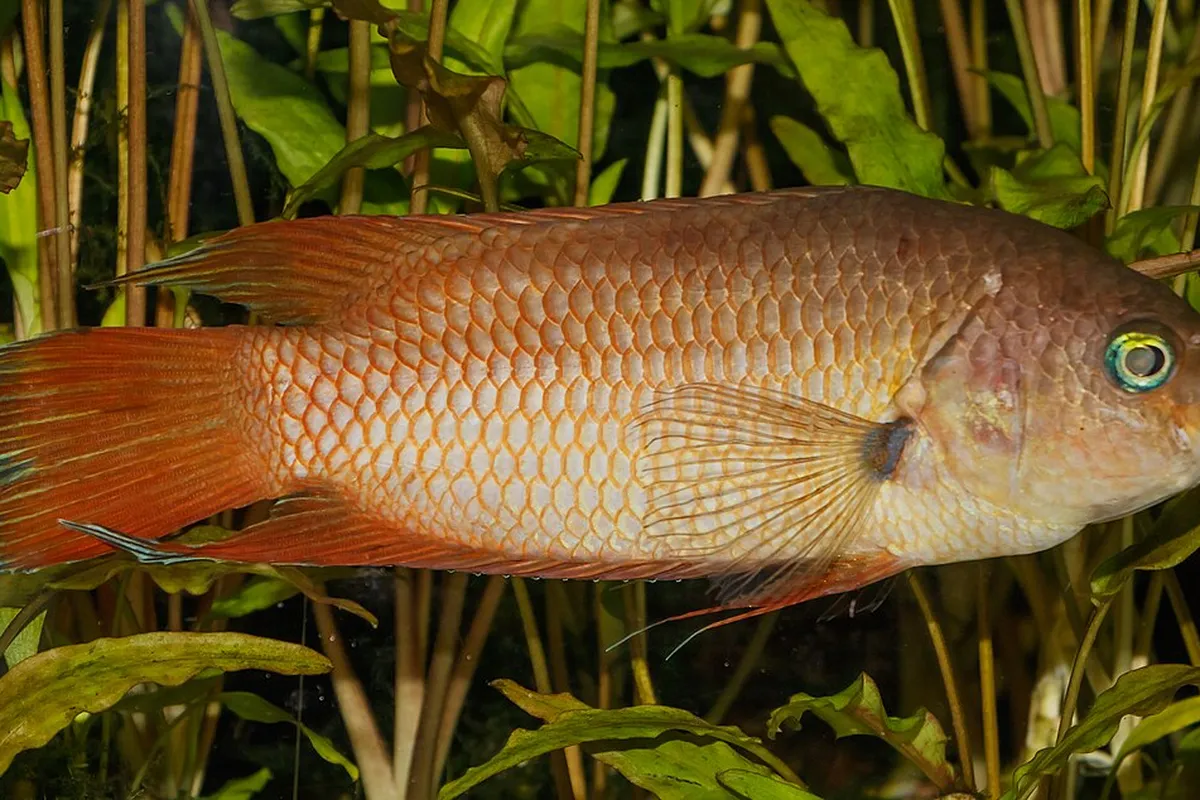
The Ceylonese combtail is a bold, territorial gourami from Sri Lanka with comb-like tail rays. Here is how to keep and breed Belontia signata.
Read more →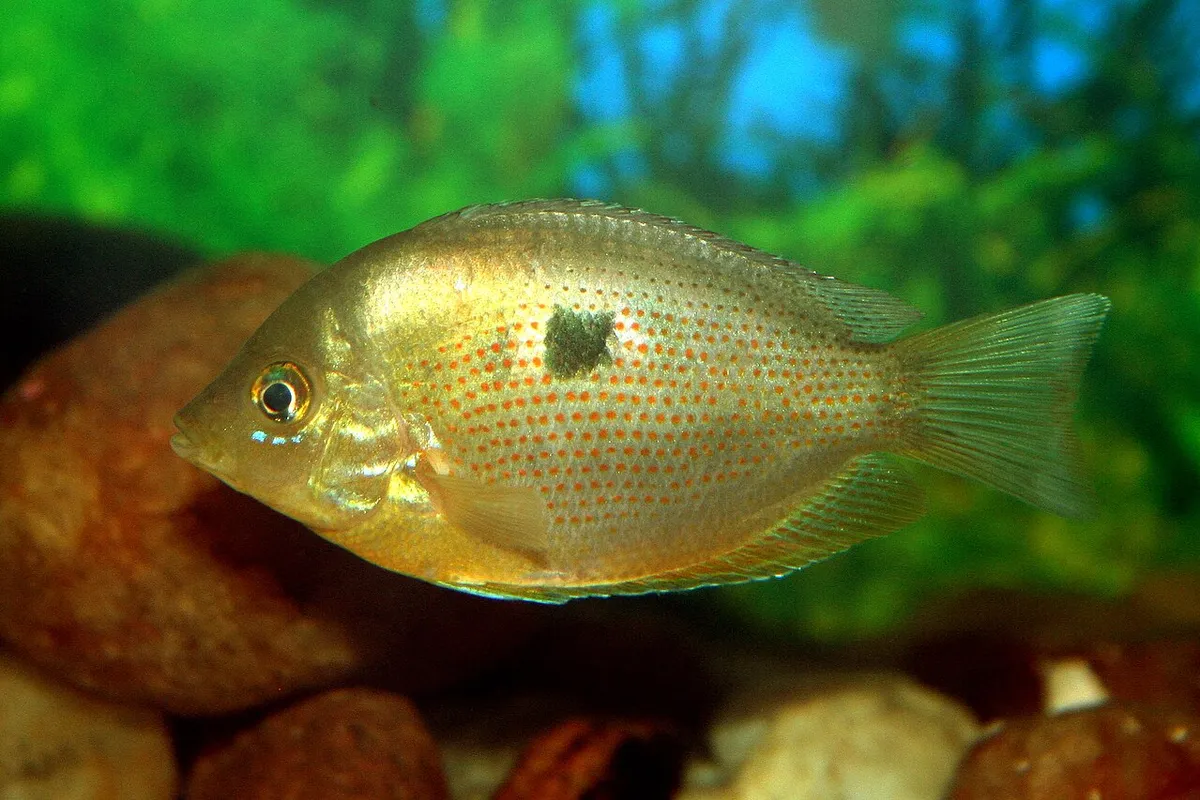
The orange chromide is a small Asian cichlid from brackish lagoons, with a wild yellow form and an orange variety. Here is how to keep it.
Read more →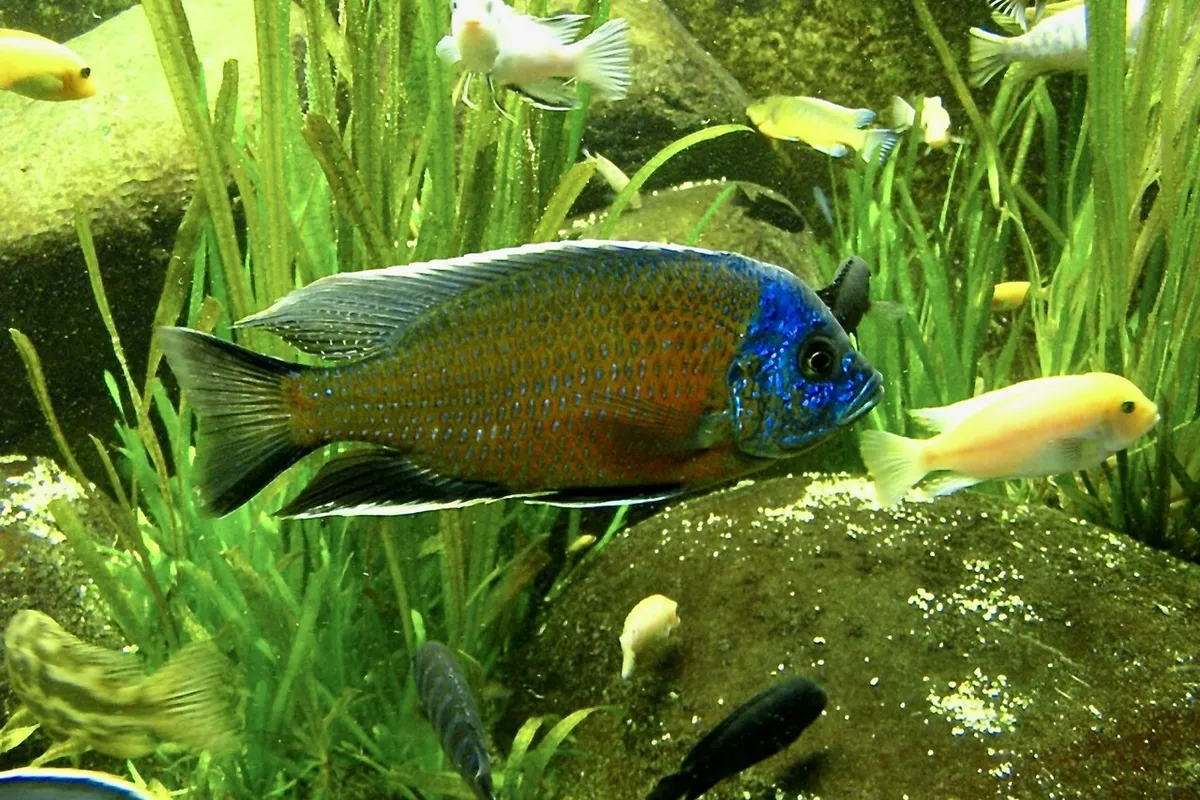
The redfin hap is one of the calmer Lake Malawi cichlids, with males in blue and red or gold. Here is how to keep Copadichromis borleyi.
Read more →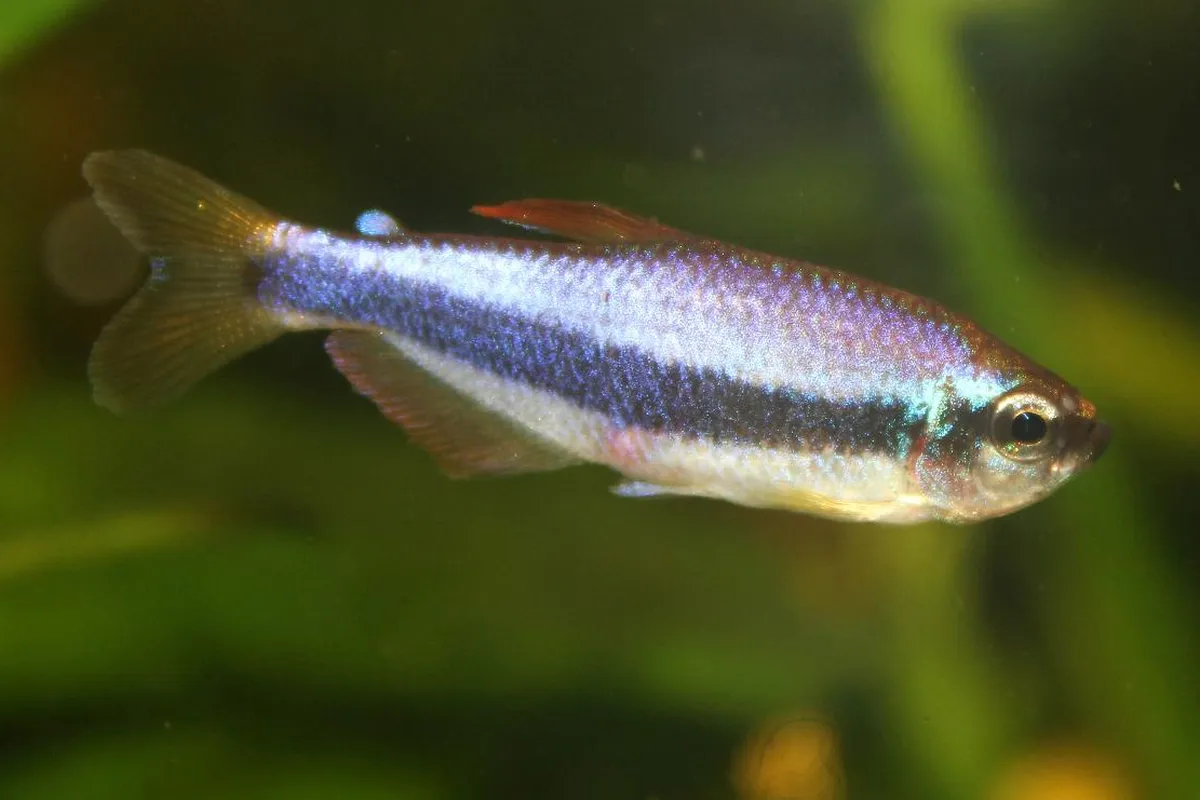
The royal tetra, or blue emperor tetra, is a small, peaceful schooling fish with a shimmering blue stripe. Here is how to care for Inpaichthys kerri.
Read more →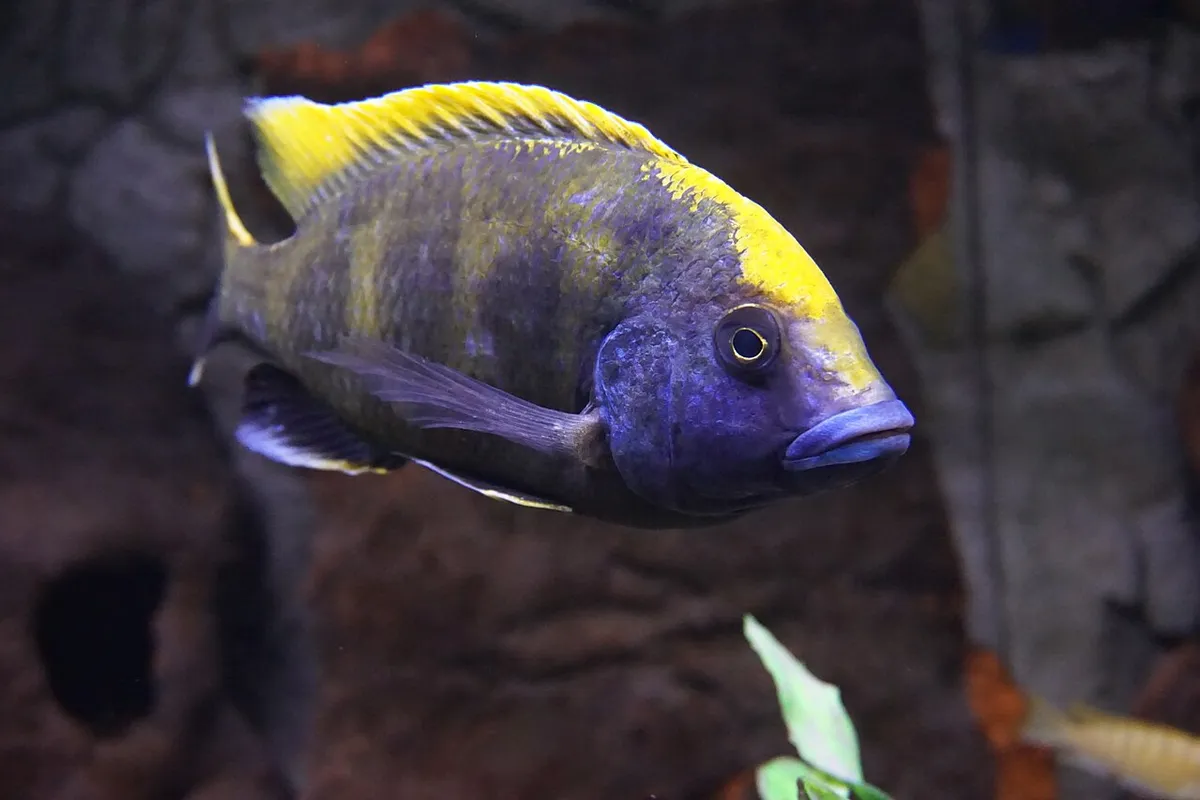
The venustus is a Lake Malawi predator known for its giraffe-like pattern and its habit of playing dead to catch prey. Here is how to keep it.
Read more →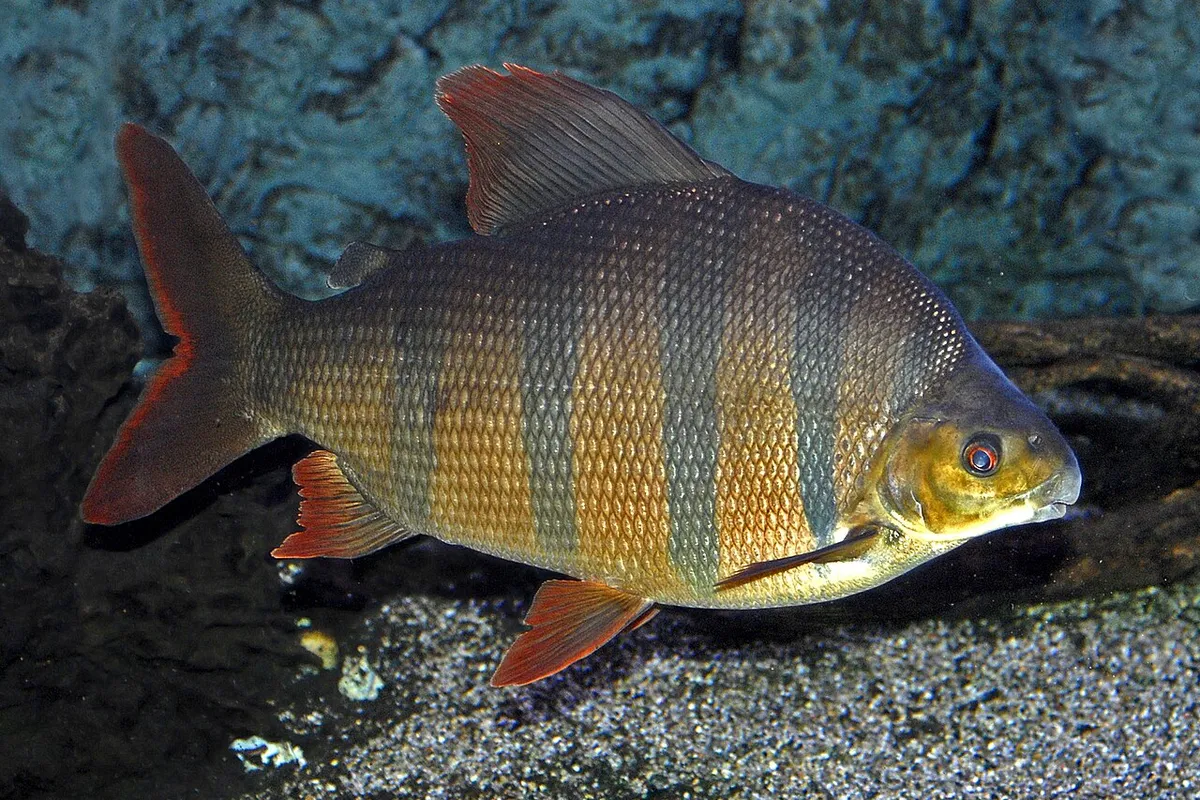
The six-banded distichodus is a bright orange and black African fish that grows big and eats plants. Here is what it takes to keep one well.
Read more →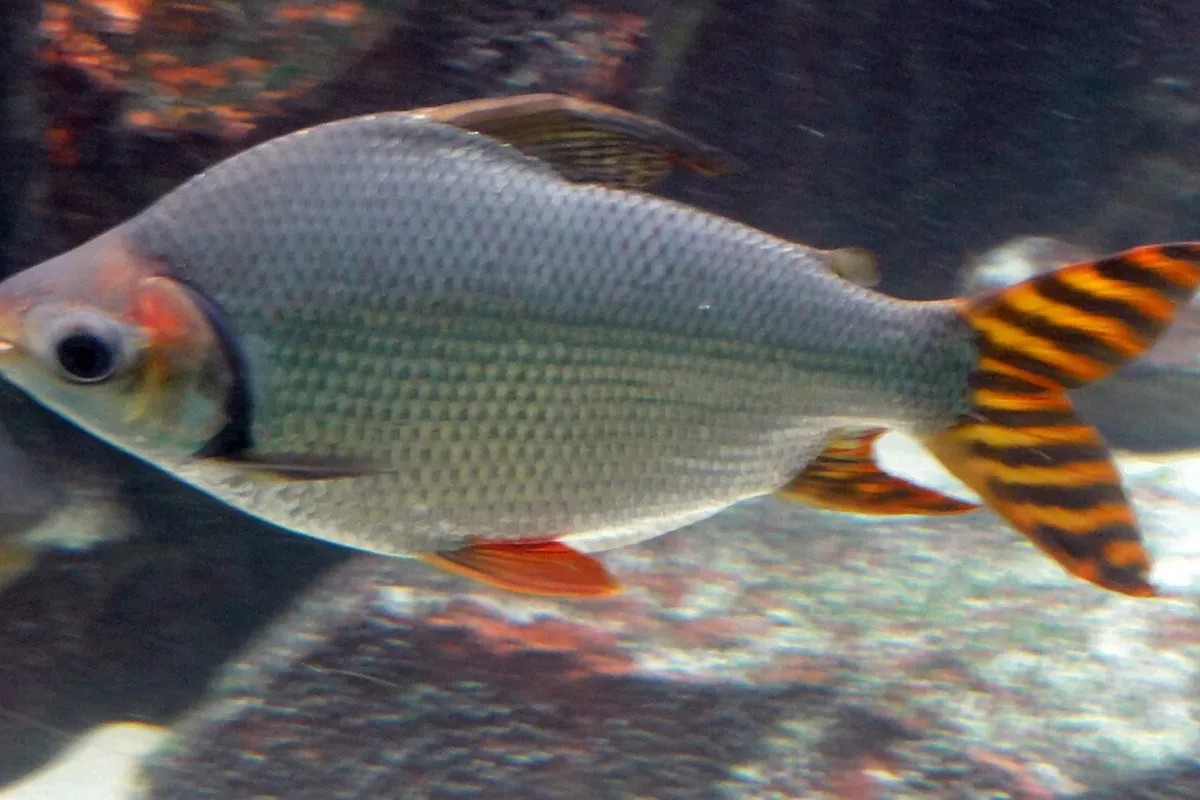
The flagtail prochilodus is a large, peaceful Amazon fish with boldly striped fins and a big appetite for algae. Here is what it needs.
Read more →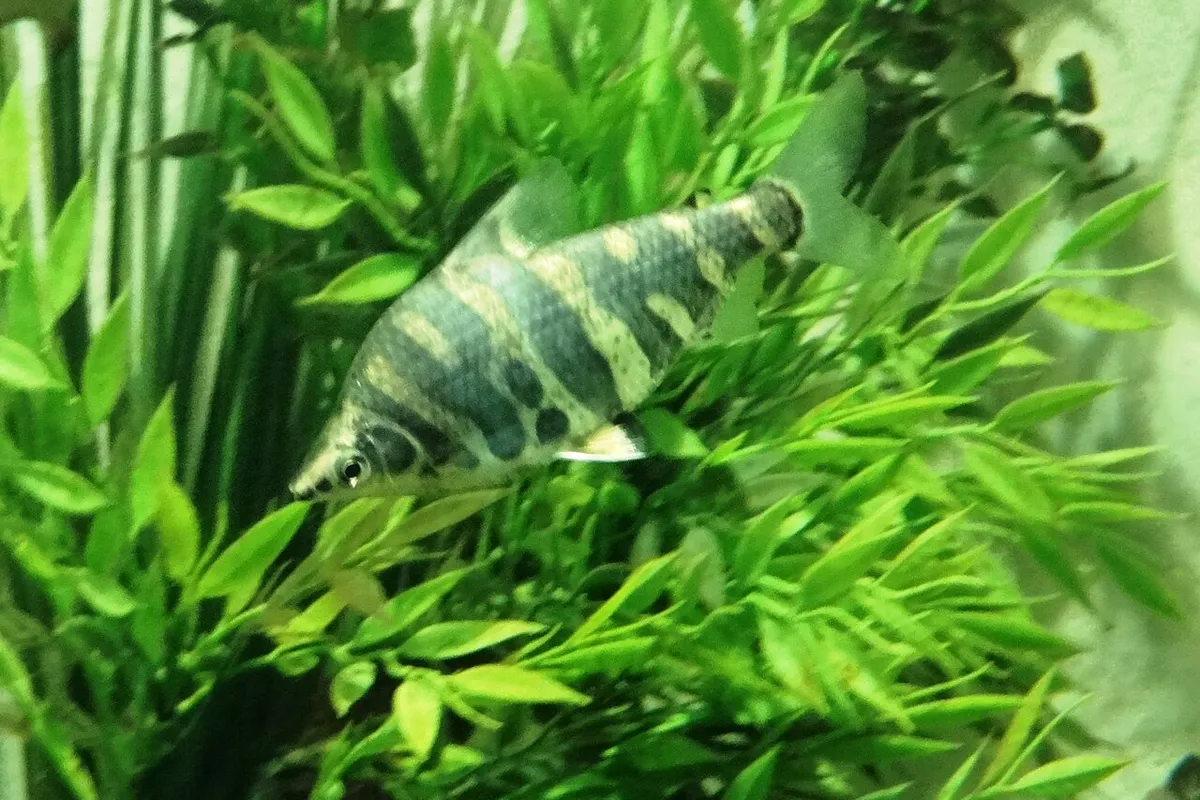
The marbled headstander swims head-down while it grazes. It is a striking fish, but it nips plants and fins. Here is how to keep Abramites hypselon…
Read more →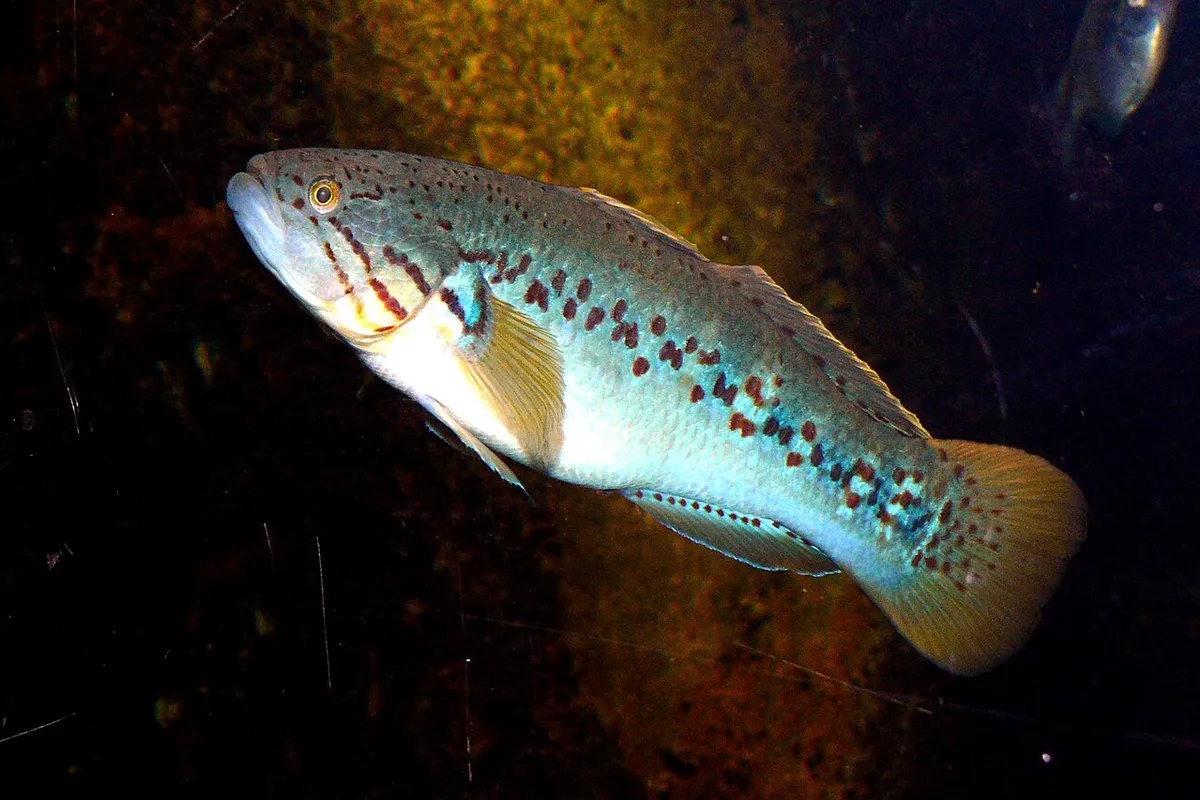
The southern purple-spotted gudgeon is a colourful Australian native that guards its eggs. Here is how to house, feed and breed Mogurnda adspersa.
Read more →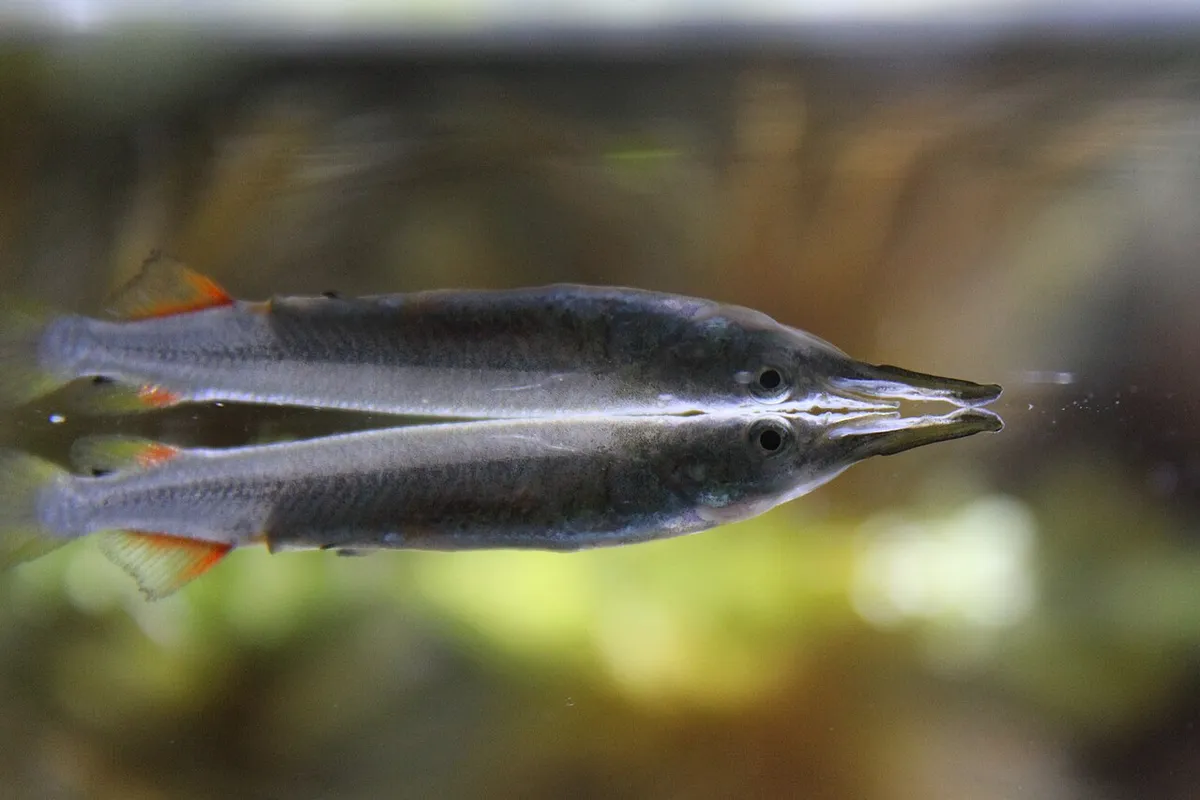
The wrestling halfbeak is a slim, surface-dwelling livebearer with a long lower jaw. Here is how to keep, feed and breed Dermogenys pusilla.
Read more →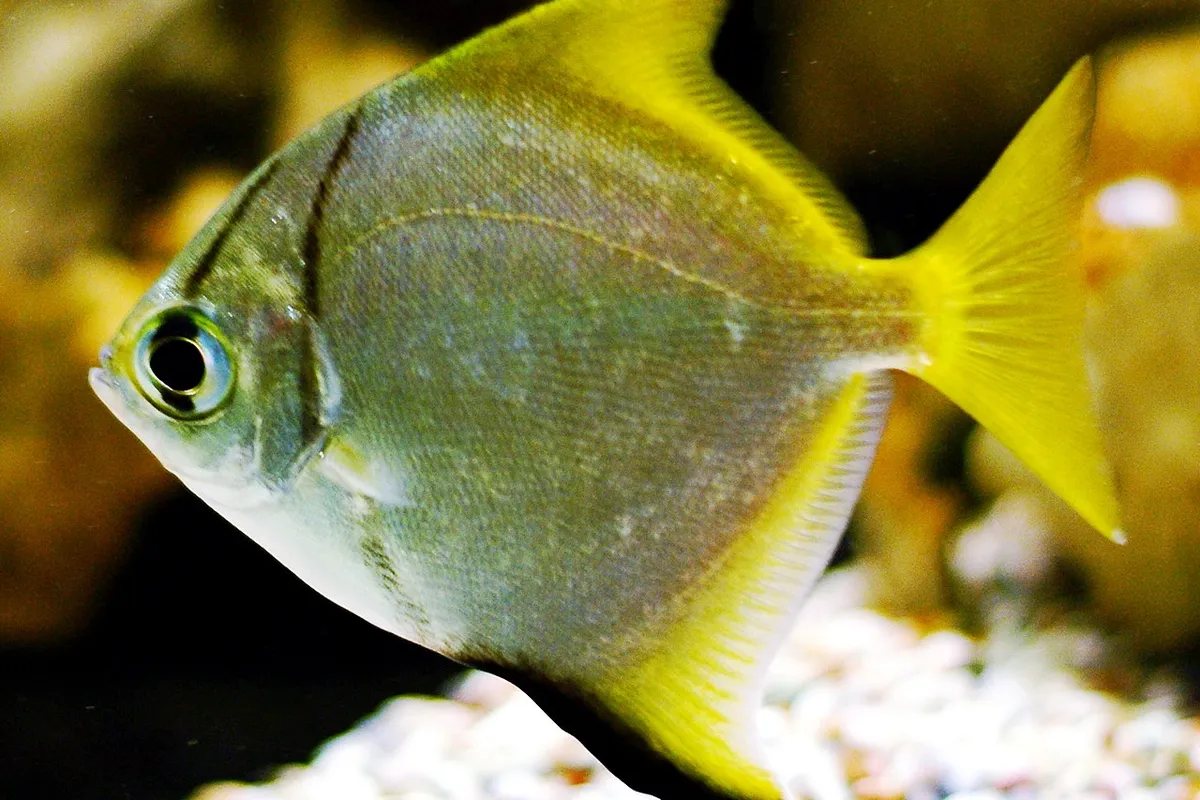
The silver moony is a shimmering, disc-shaped schooling fish that starts life in brackish water and ends up in the sea. Here is what it needs at ea…
Read more →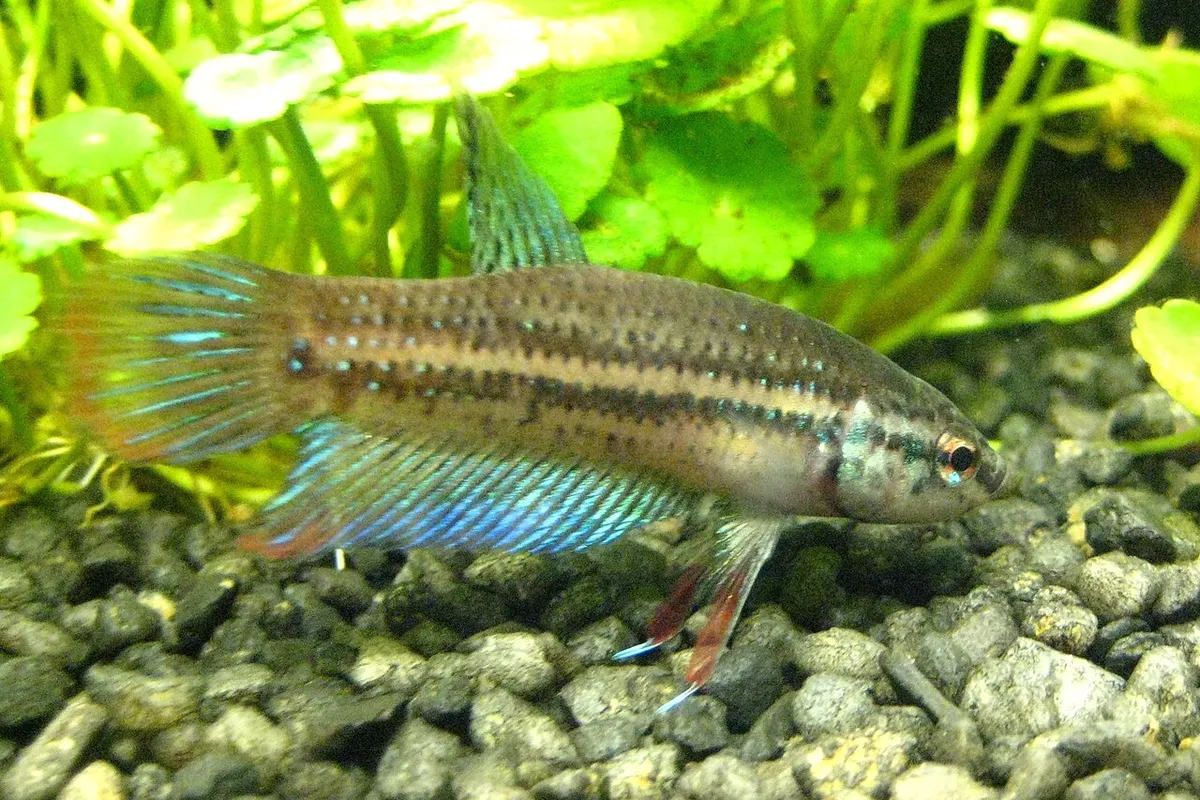
Betta imbellis is a wild betta calm enough to keep in pairs or small groups. Here is how to set up its tank, feed it and breed it.
Read more →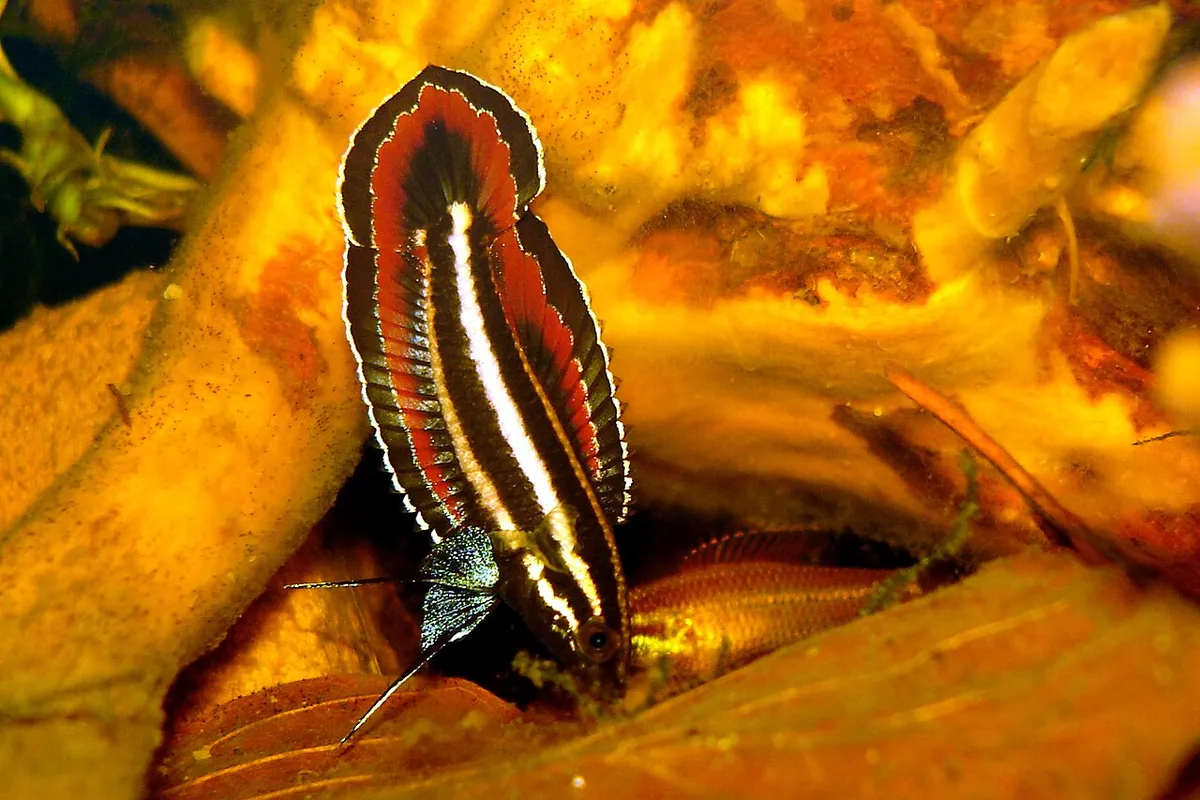
Licorice gouramis are tiny, shy blackwater fish from Southeast Asian peat swamps. Here is how to set up soft, acidic water and breed Parosphromenus.
Read more →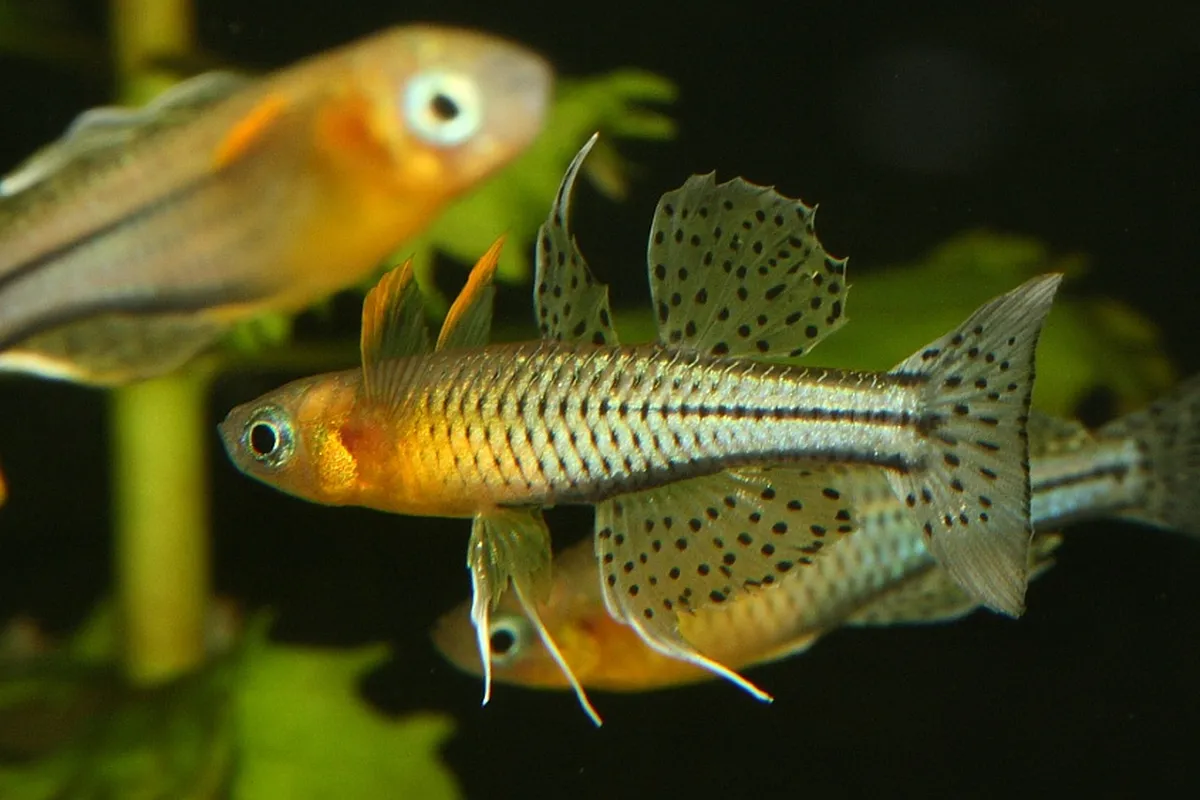
The spotted blue-eye is a tiny rainbowfish with bright eyes and speckled fins. Here is how to keep and breed Pseudomugil gertrudae in a planted nan…
Read more →