
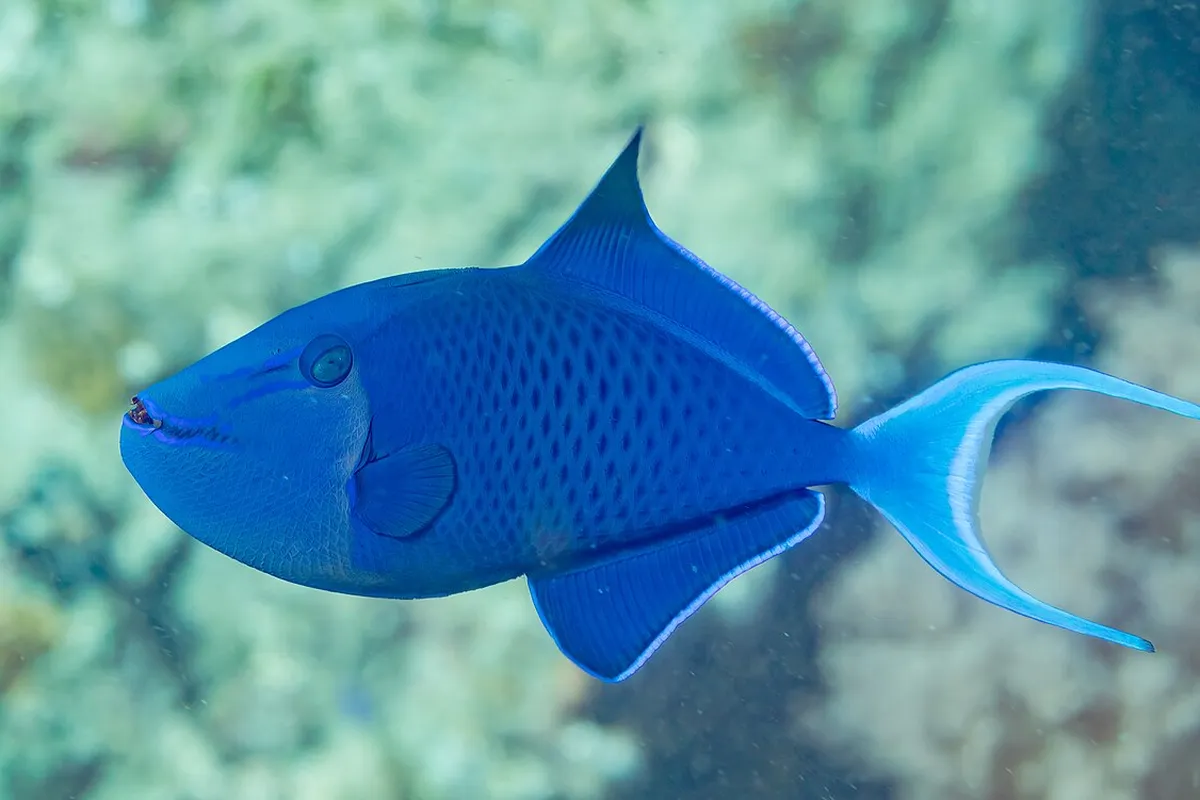
Niger Triggerfish (Odonus niger)
The niger triggerfish is one of the calmest triggers, with a deep blue body, red teeth and a lyre-shaped tail. Here is how to keep Odonus niger.
Read more →
Guías
Este centro de Agua Salada en Amigos Peces reúne orientación práctica sobre peces de agua salada para cuidadores que desean respuestas claras antes de cambiar el agua, el ganado o el equipo.
Utiliza estos artículos para emparejar especies con el tamaño del tanque, planificar la filtración y la alimentación, y resolver problemas de química del agua sin adivinar. Cada guía está escrita para acuarios domésticos y enlaza a lecturas relacionadas cuando necesites más profundidad sobre peces de agua salada.
Comienza con lo básico: parámetros estables, hábitos de cuarentena y un horario de alimentación que coincida con el ganado; luego explora los perfiles y cómo hacerlo a continuación. Cuando estés listo para diversificar, salta a temas vecinos para que tu plan de peces de agua salada se mantenga consistente en todo el tanque.
Ya sea que estés llenando un primer tanque comunitario o refinando un paisaje establecido, guarda esta página en tus marcadores y regresa a medida que surjan preguntas. Los acuarios saludables se construyen a partir de pequeñas rutinas repetibles más que de mejoras únicas, y el éxito con los peces de agua salada sigue el mismo patrón.
Explora a continuación: todas las guías, especies de peces, guías de equipo, química del agua.
Amigos Peces publica hojas de cuidado de especies, notas sobre plantas e invertebrados, ideas de paisajismo acuático y explicaciones sobre el cuidado del agua para que los consejos sobre peces de agua salada sean fáciles de encontrar. Lee una guía a fondo, aplícala lentamente y utiliza los centros enlazados arriba cuando desees un segundo enfoque sobre el mismo problema.
Antes de comprar ganado o repensar la filtración, revisa dos o tres artículos sobre peces de agua salada aquí y anota los números objetivo para temperatura, dureza y alimentación. Esa breve lista de verificación previene los reinicios más comunes y mantiene tu acuario más cerca de la exhibición tranquila y saludable que estás buscando.
Vuelve después de los cambios de agua o nuevas adiciones: compara lo que ves en el tanque con las listas de verificación de peces de agua salada a continuación, luego sigue un paso recomendado en lugar de cambiar todo de una vez. Las mejoras constantes se acumulan, y Amigos Peces está diseñado para apoyar ese ritmo.
The niger triggerfish is one of the calmest triggers, with a deep blue body, red teeth and a lyre-shaped tail. Here is how to keep Odonus niger.
Read more →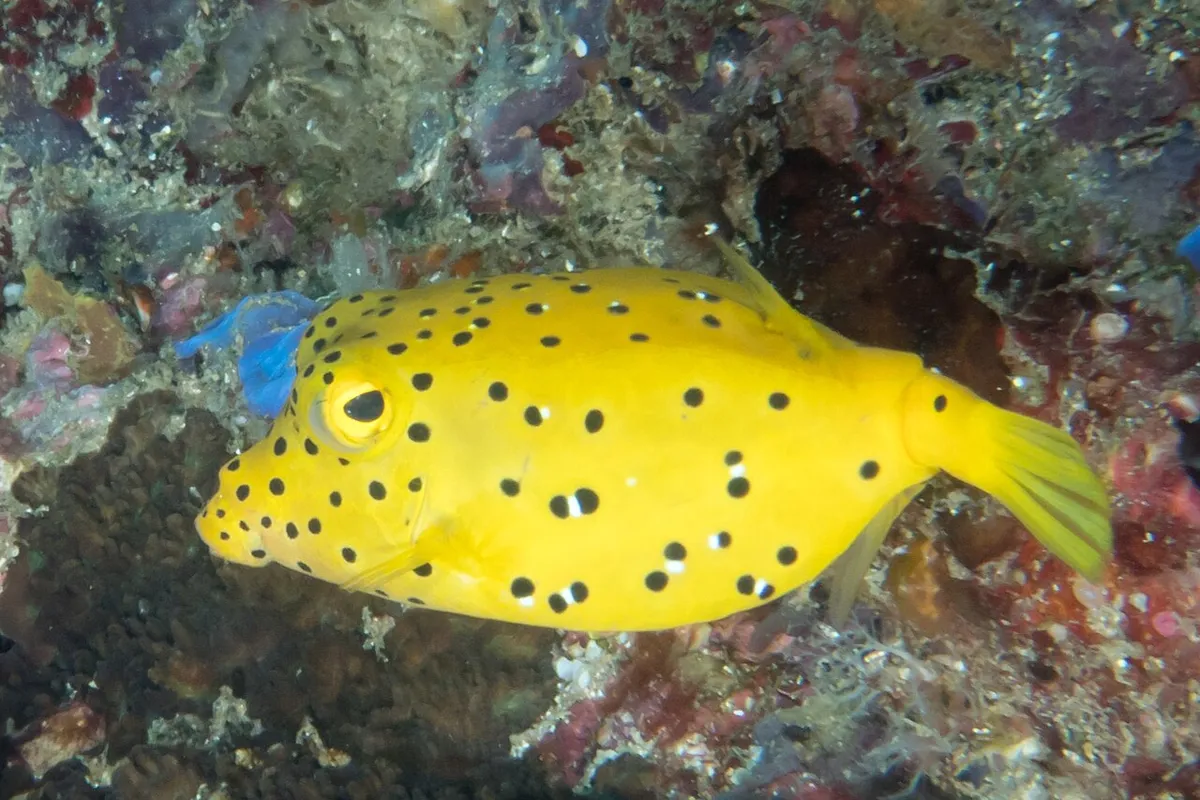
The yellow boxfish is adorable as a juvenile, but it grows large and can release a toxin that kills tank mates. Here is what to know first.
Read more →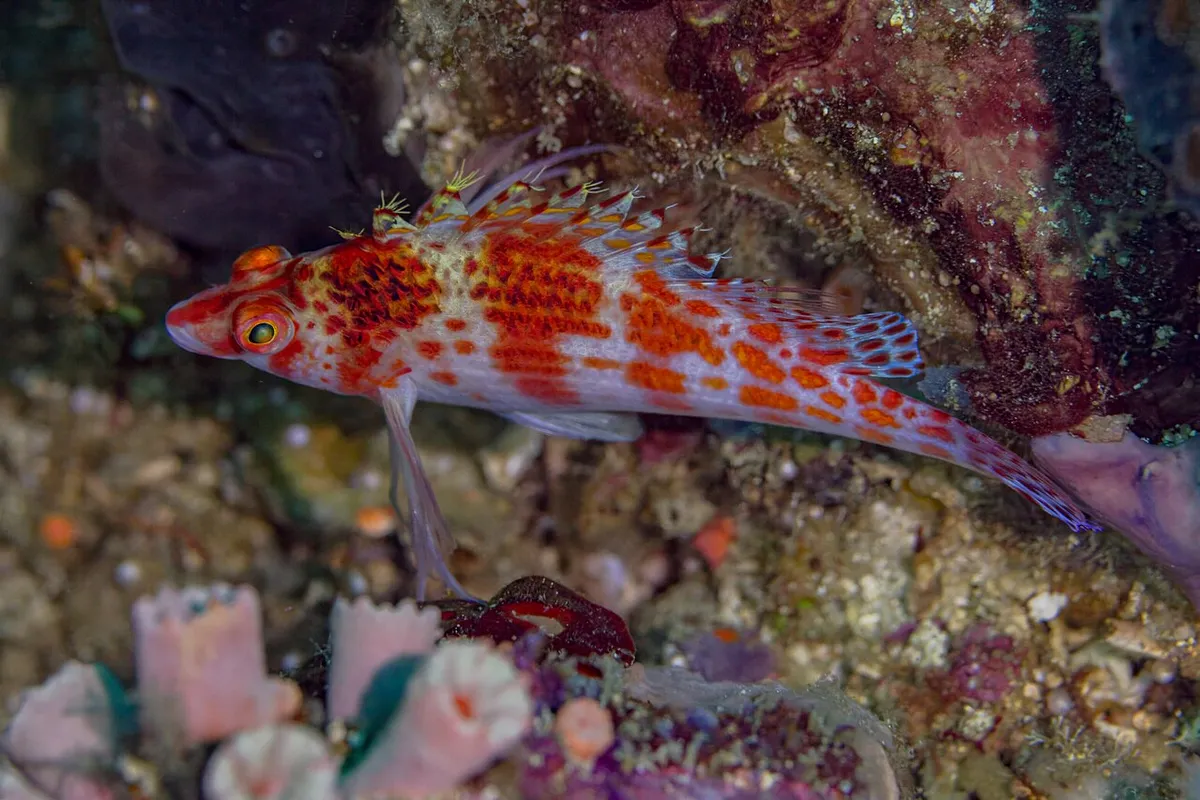
The falco hawkfish is a small, red-spotted perching predator that suits a reef without small shrimp. Here is how to keep Cirrhitichthys falco.
Read more →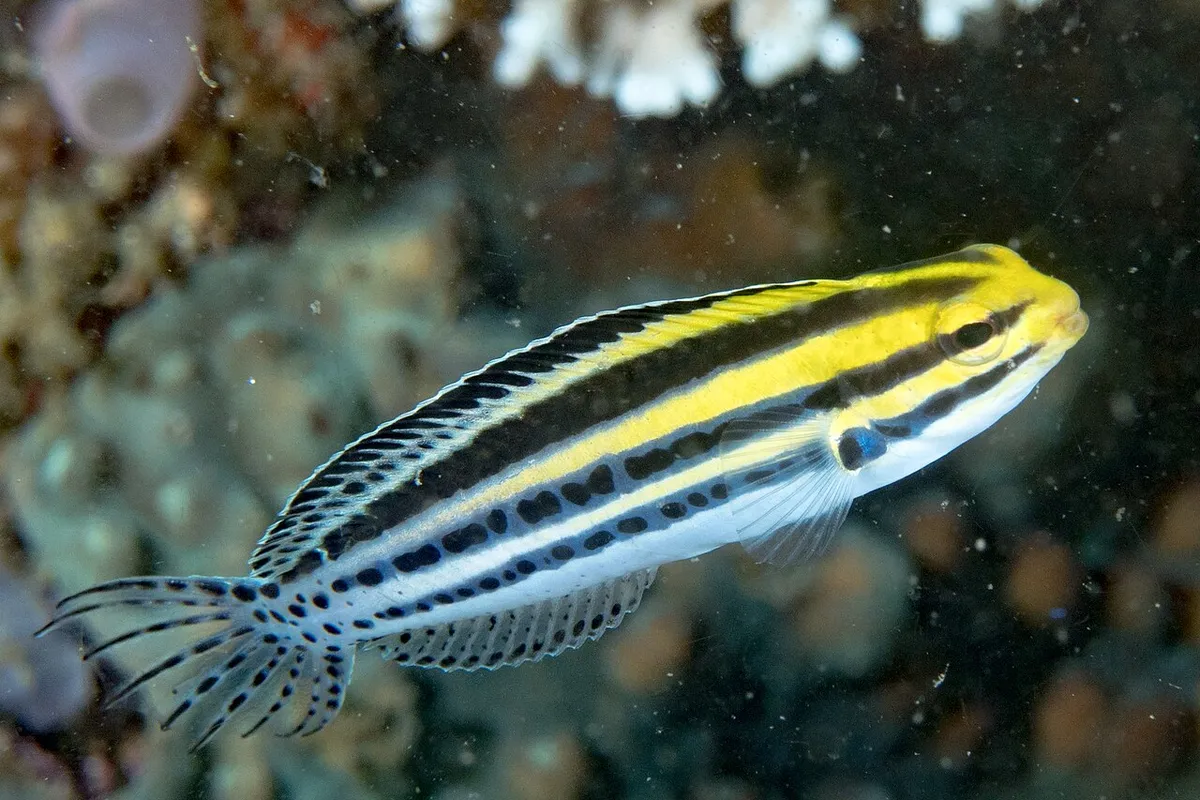
The striped fang blenny is a small, venomous but peaceful reef fish that swims in open water. Here is how to keep Meiacanthus grammistes.
Read more →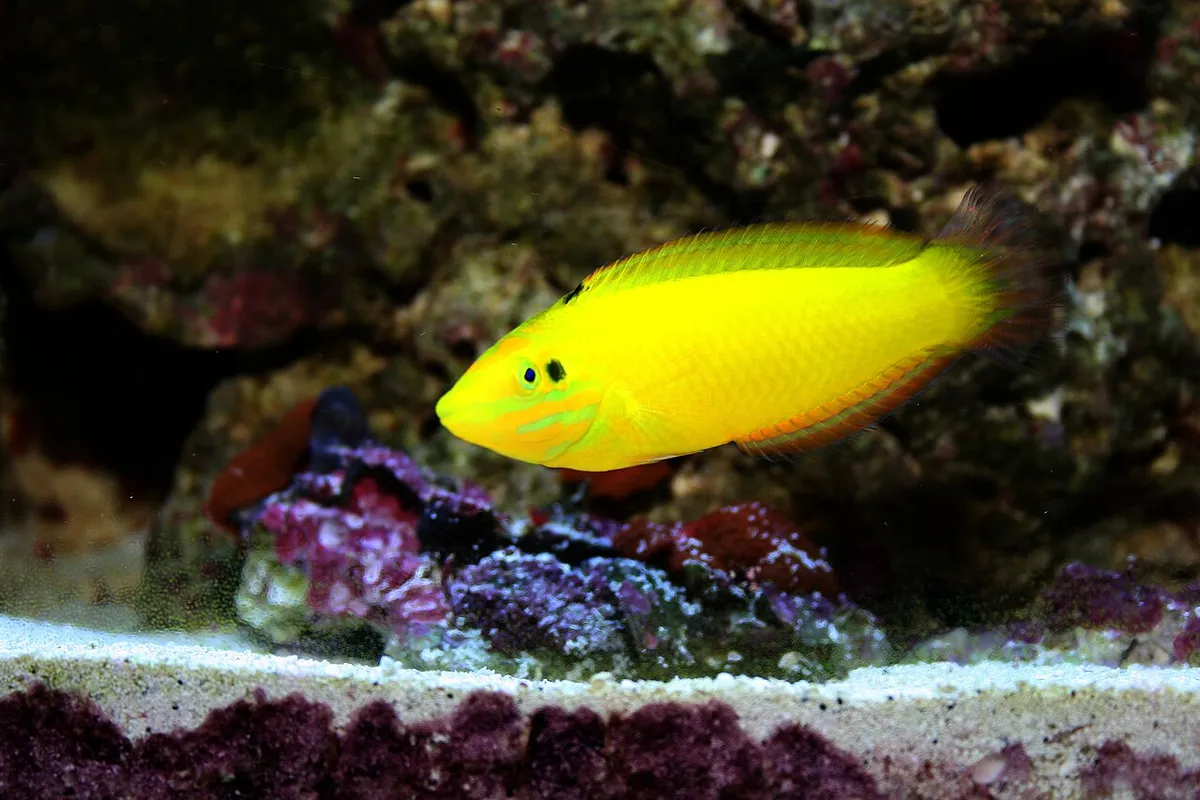
The canary wrasse is a bright yellow, reef-safe wrasse that hunts pests and sleeps under the sand. Here is how to keep Halichoeres chrysus.
Read more →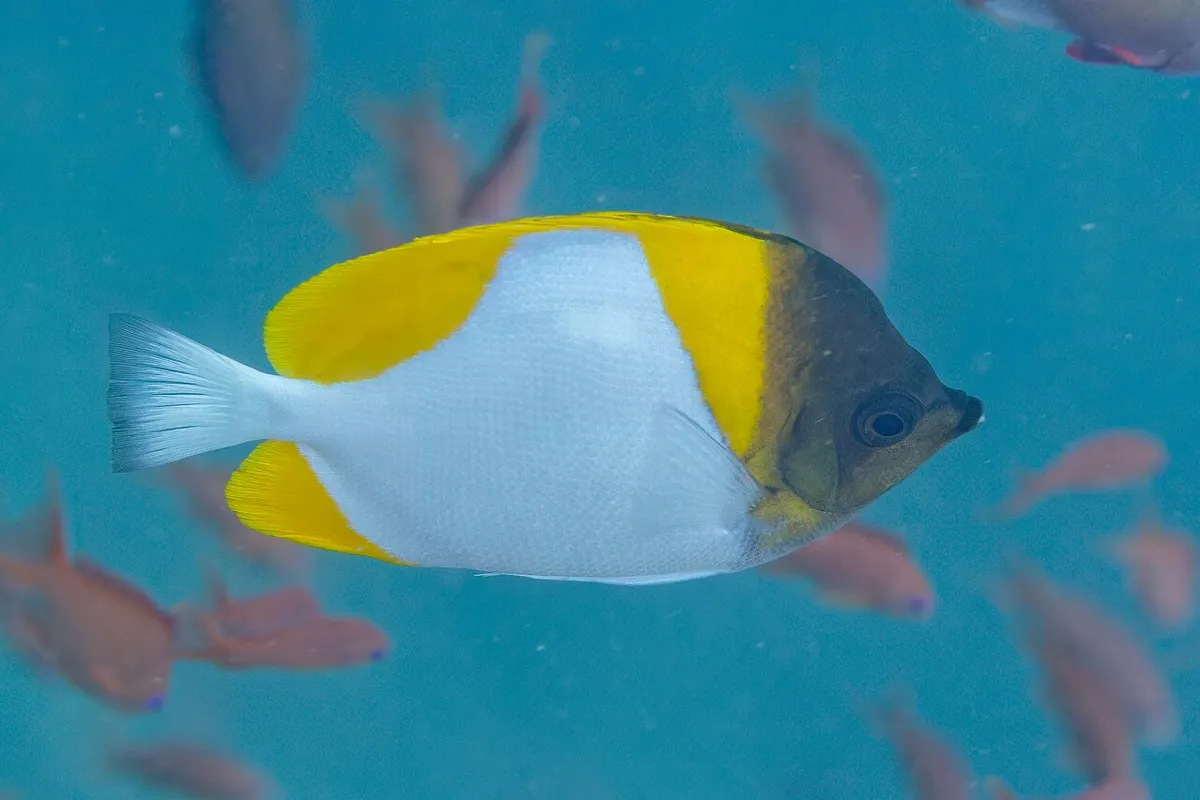
The pyramid butterflyfish is one of the few butterflyfish that is generally reef safe. Here is how to keep Hemitaurichthys polylepis in a group.
Read more →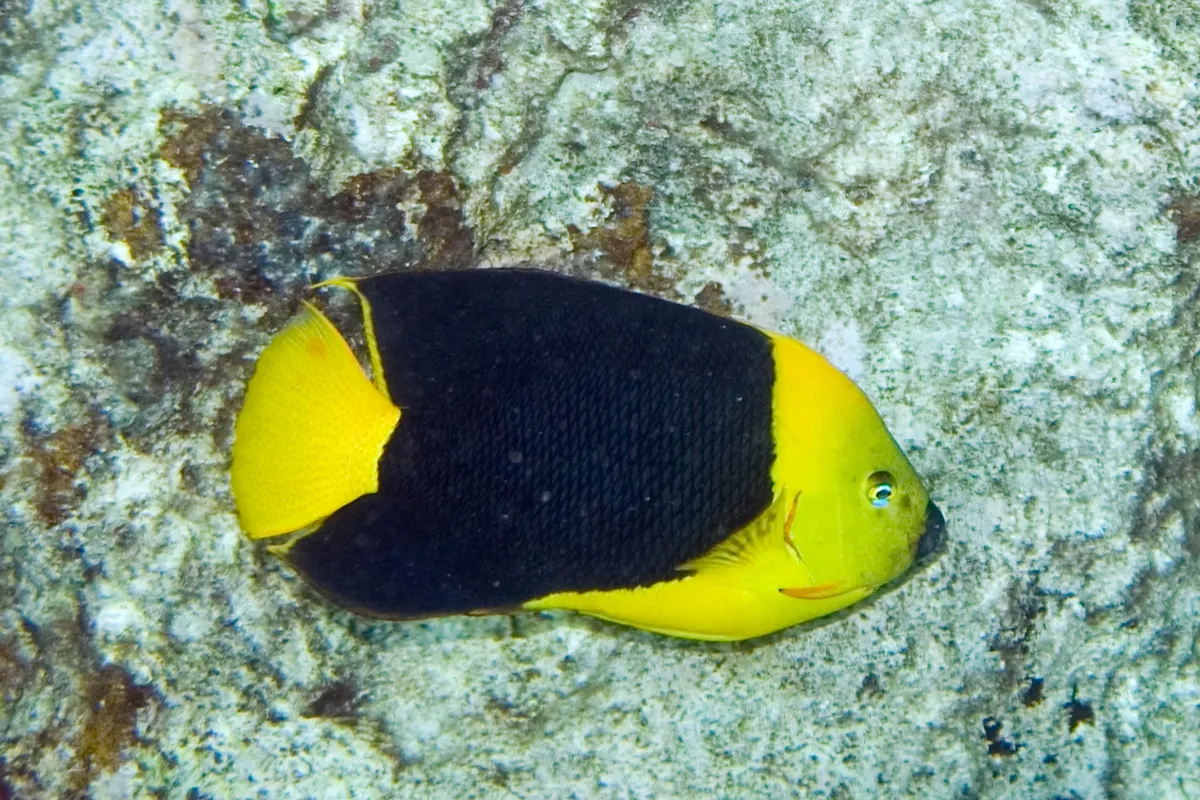
The rock beauty is a bold black and yellow Caribbean angelfish, but its sponge-based diet makes it hard to keep. Here is what you need to know.
Read more →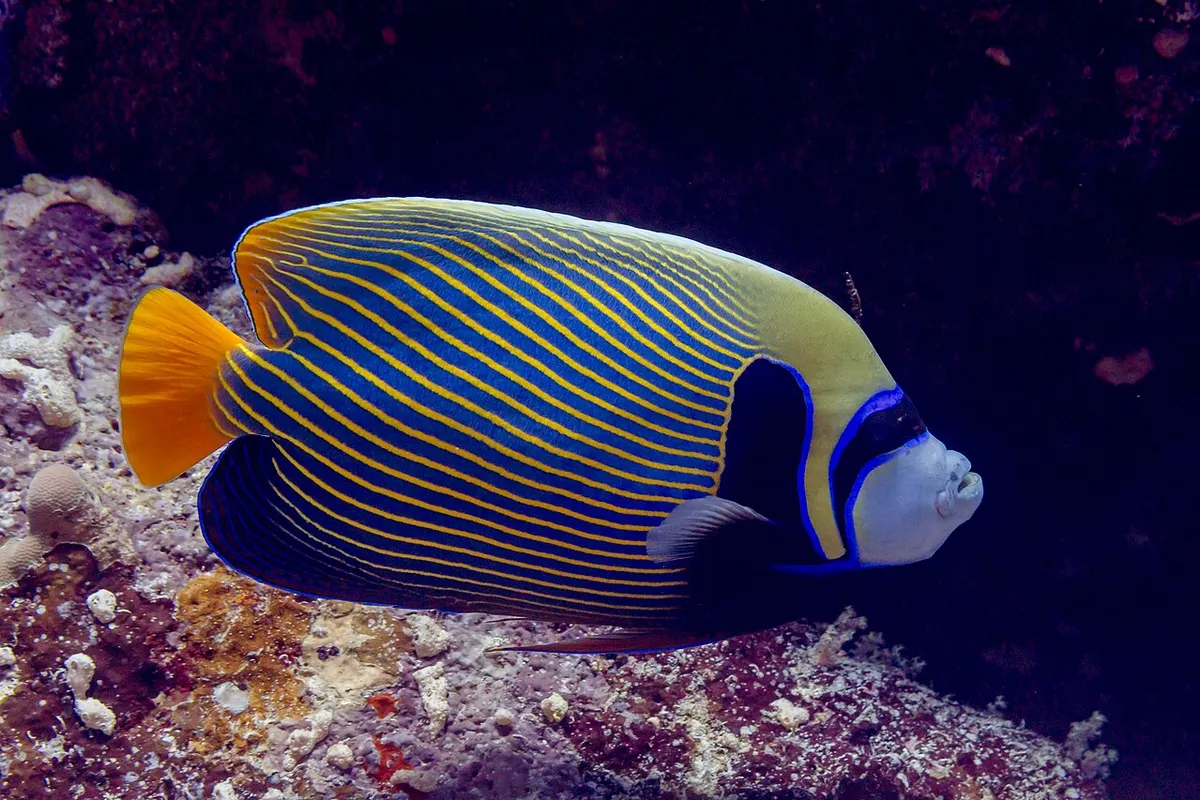
The emperor angelfish is one of the most striking fish on the reef, with a dramatic change from juvenile to adult colours. Here is what it needs.
Read more →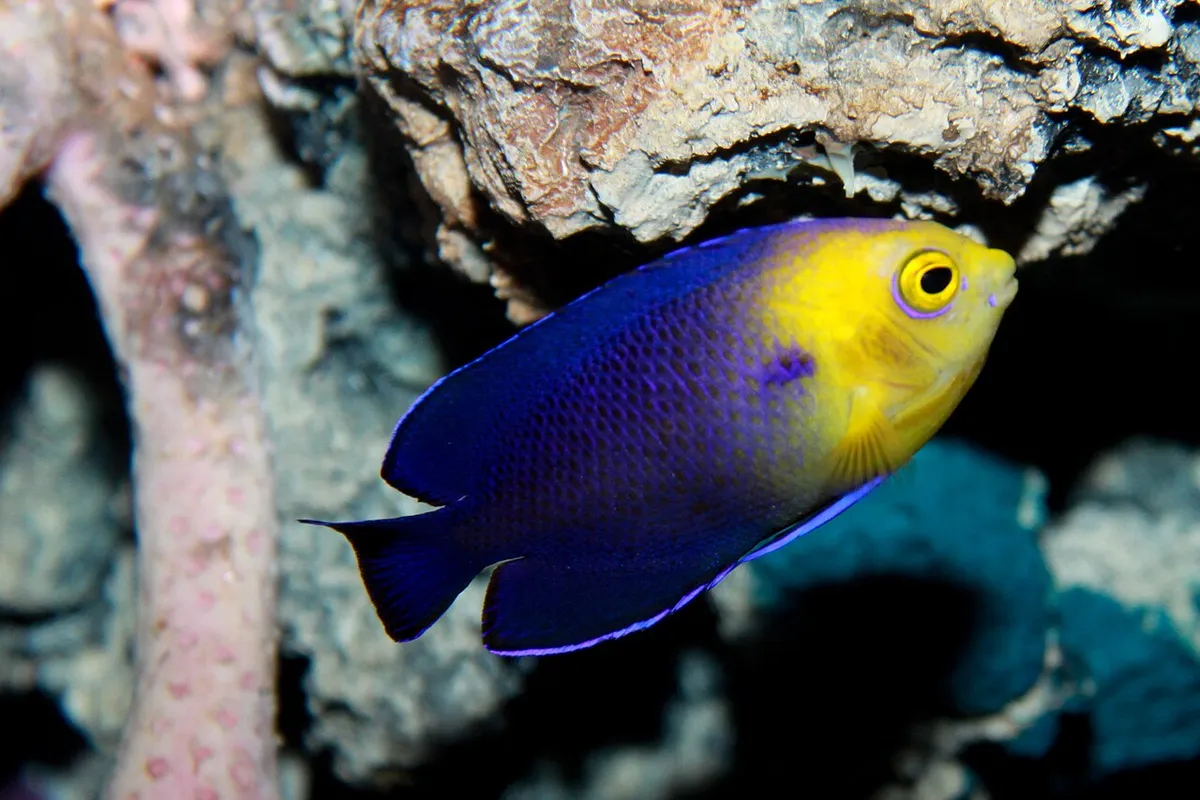
The cherub angelfish is the smallest Centropyge, a deep-blue fish with a yellow face that fits in a nano reef. Here is how to keep Centropyge argi.
Read more →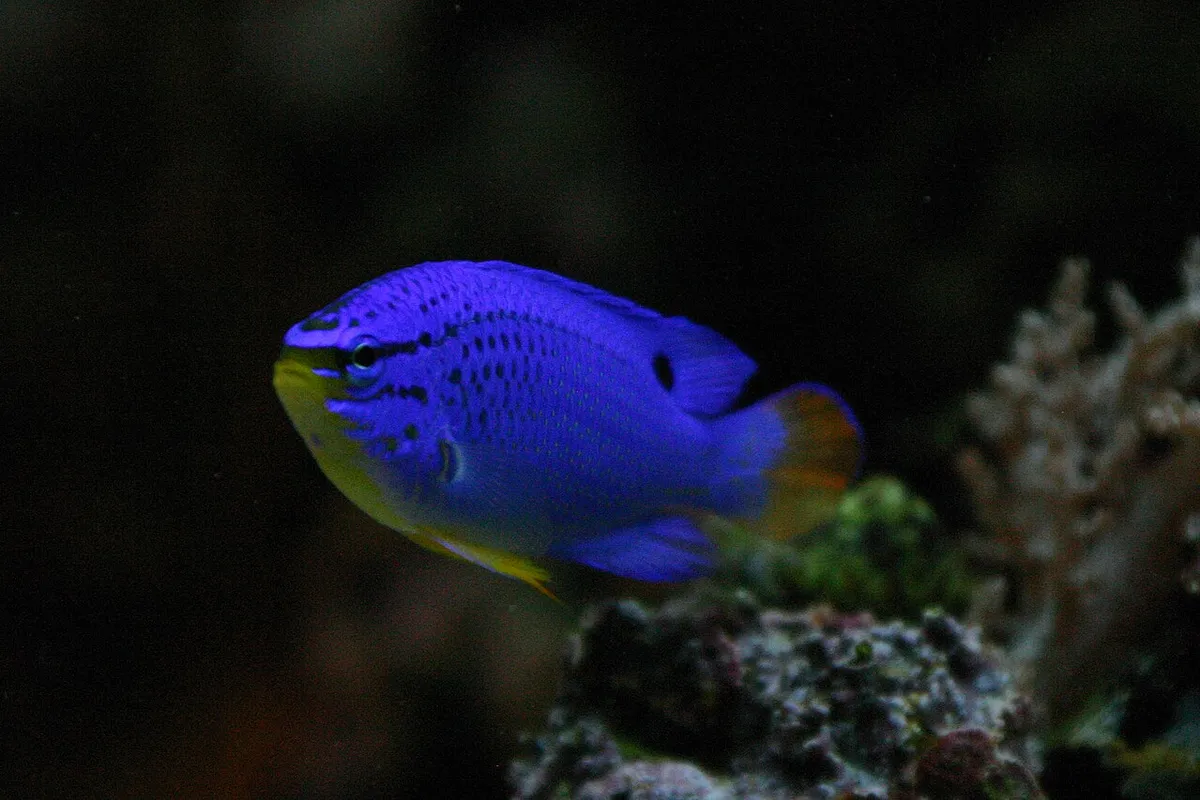
The blue devil damselfish is a hardy, electric-blue reef fish with a feisty temper. Here is how to keep Chrysiptera cyanea without trouble.
Read more →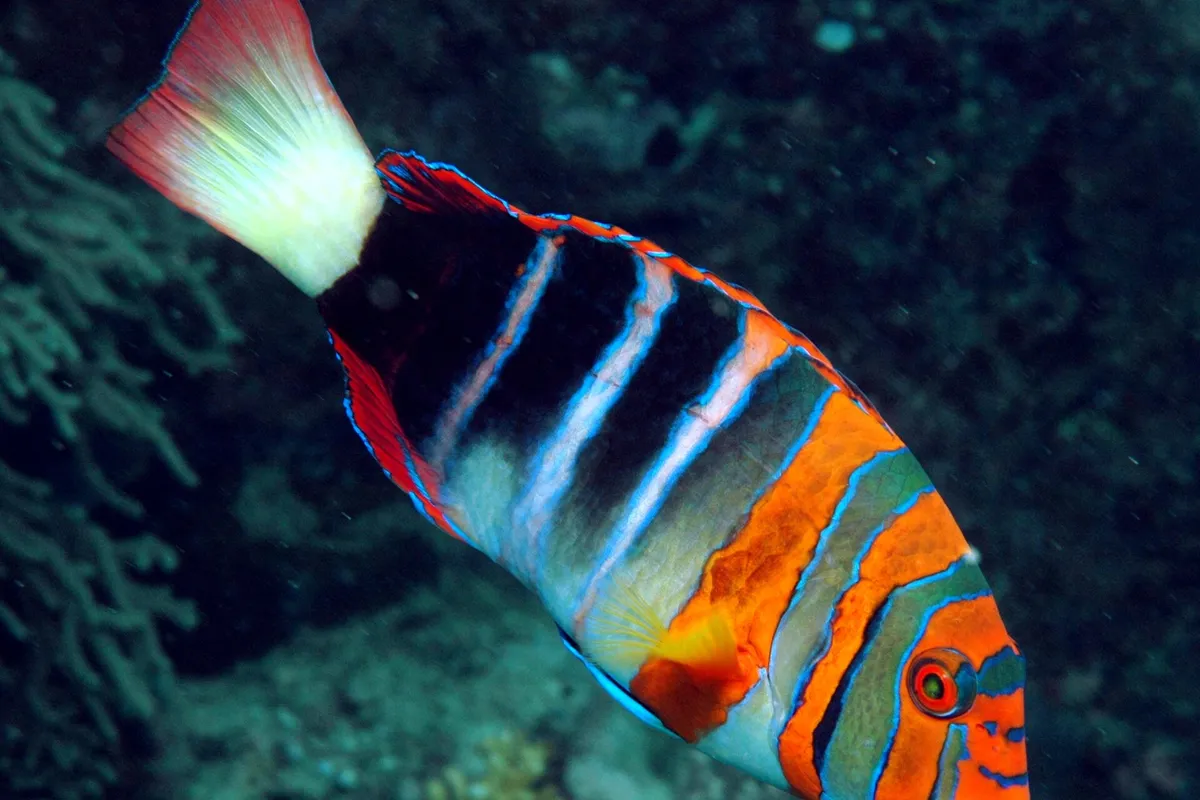
The harlequin tuskfish is a boldly striped wrasse with bright blue teeth. It is hardy and good with corals, but it eats crabs, shrimp and snails an…
Read more →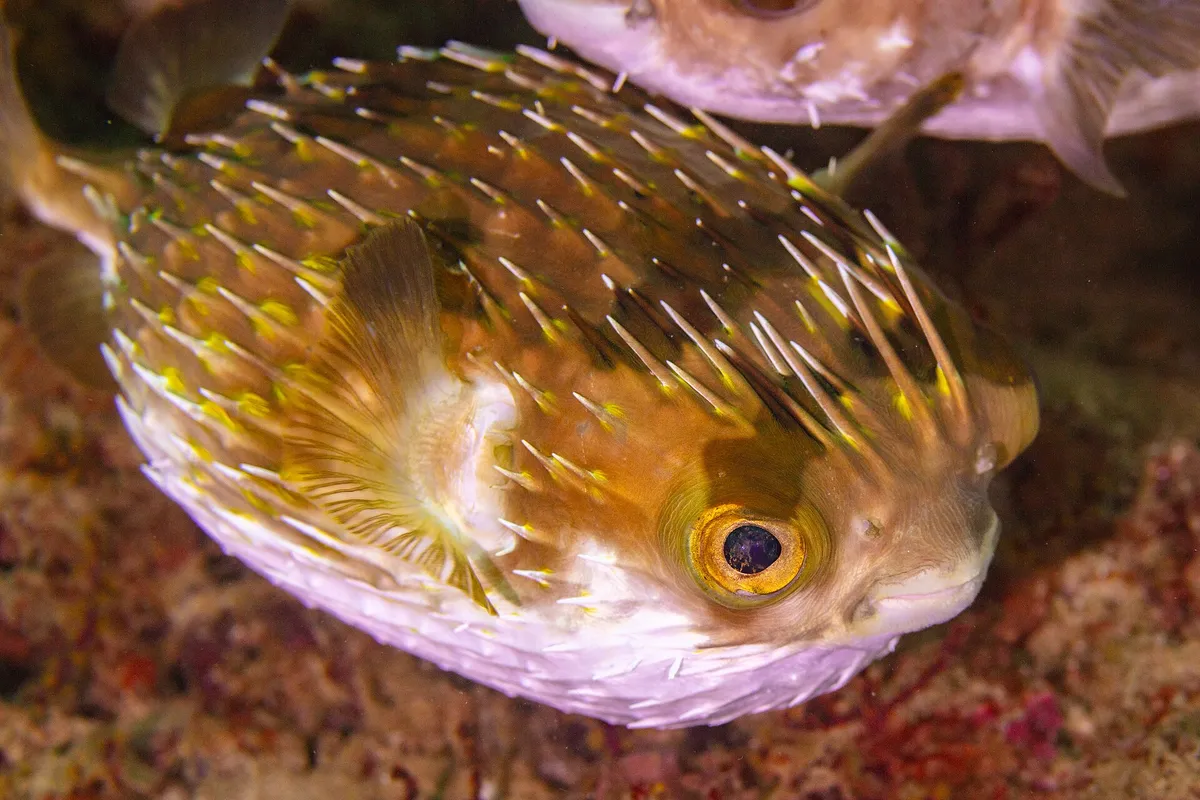
The porcupine puffer is a big-eyed, friendly fish that becomes a real pet. It grows to 30 cm or more, eats shellfish and crabs, and needs a large f…
Read more →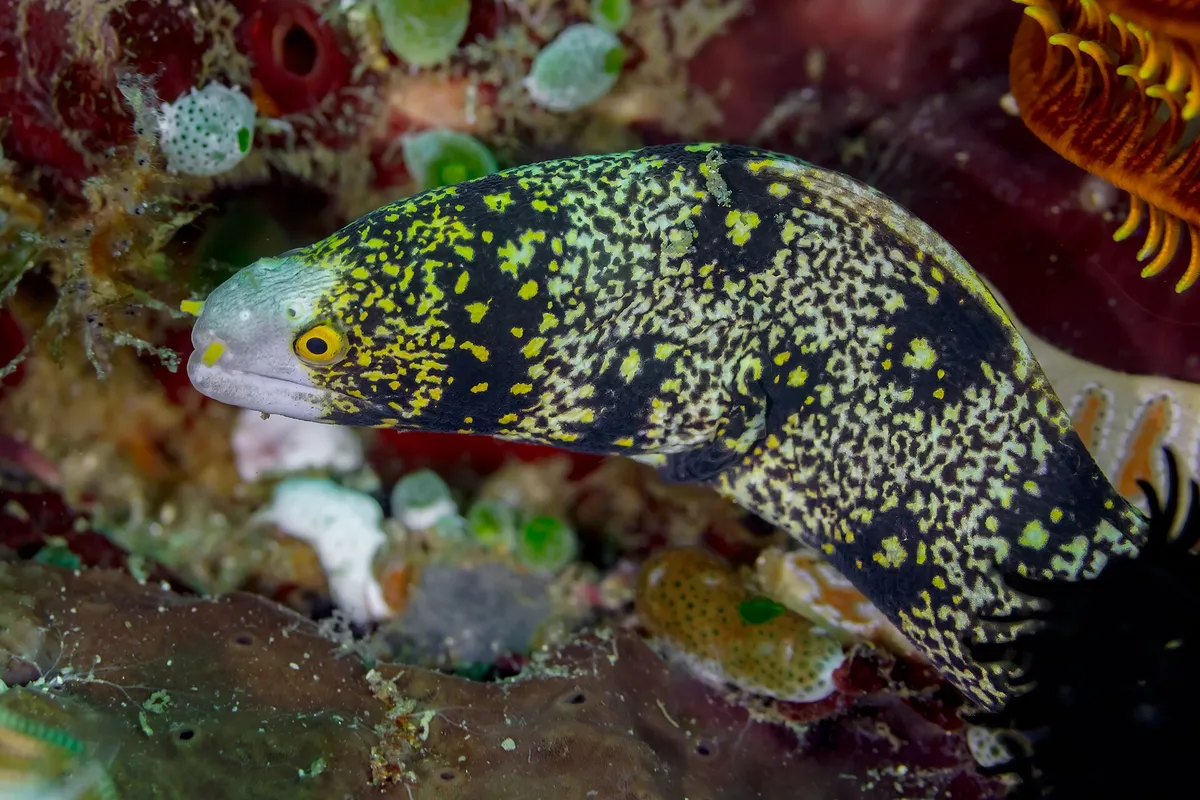
The snowflake moray is one of the best eels for home aquariums: medium-sized, fairly peaceful with fish, and hardy. It eats crustaceans, so it is n…
Read more →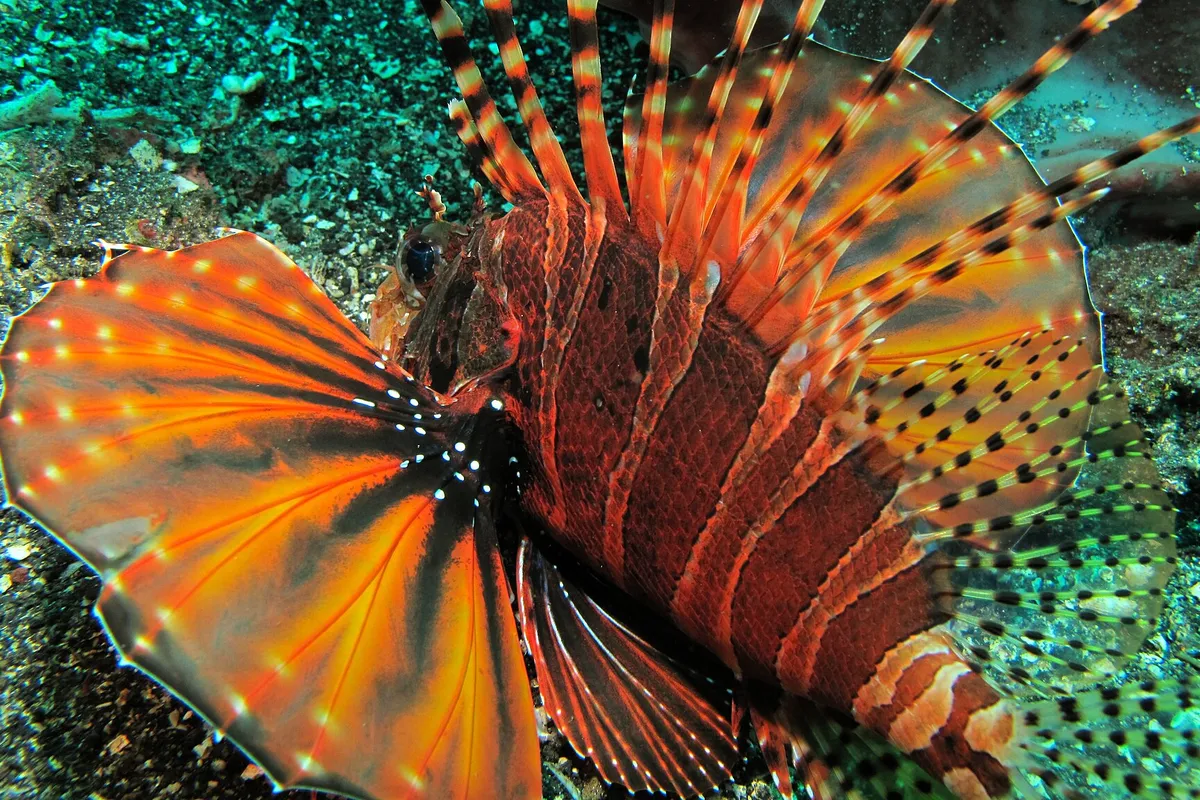
The zebra lionfish is a dwarf lionfish that grows to about 20 cm. It is easier to house than the larger red lionfish, but it is still a venomous pr…
Read more →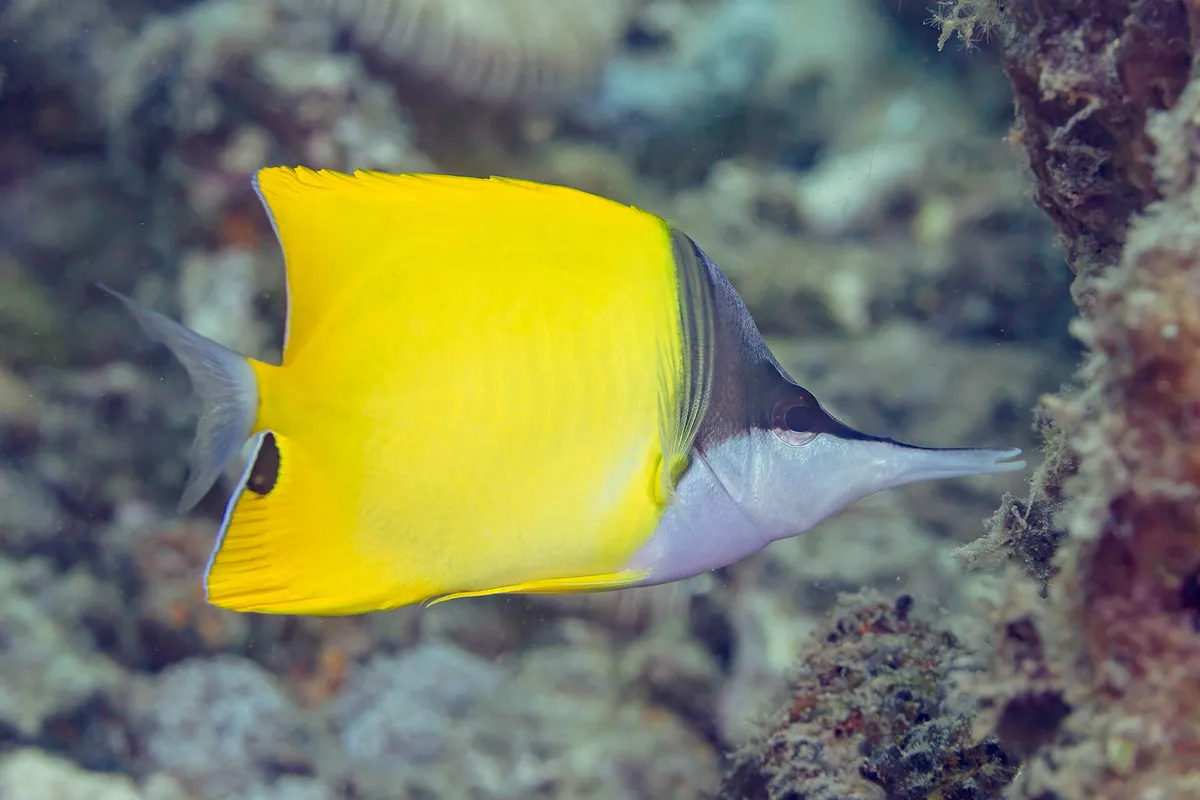
The longnose butterflyfish is a bright yellow butterfly with a long snout for picking food from crevices. It is one of the hardiest butterflyfish,…
Read more →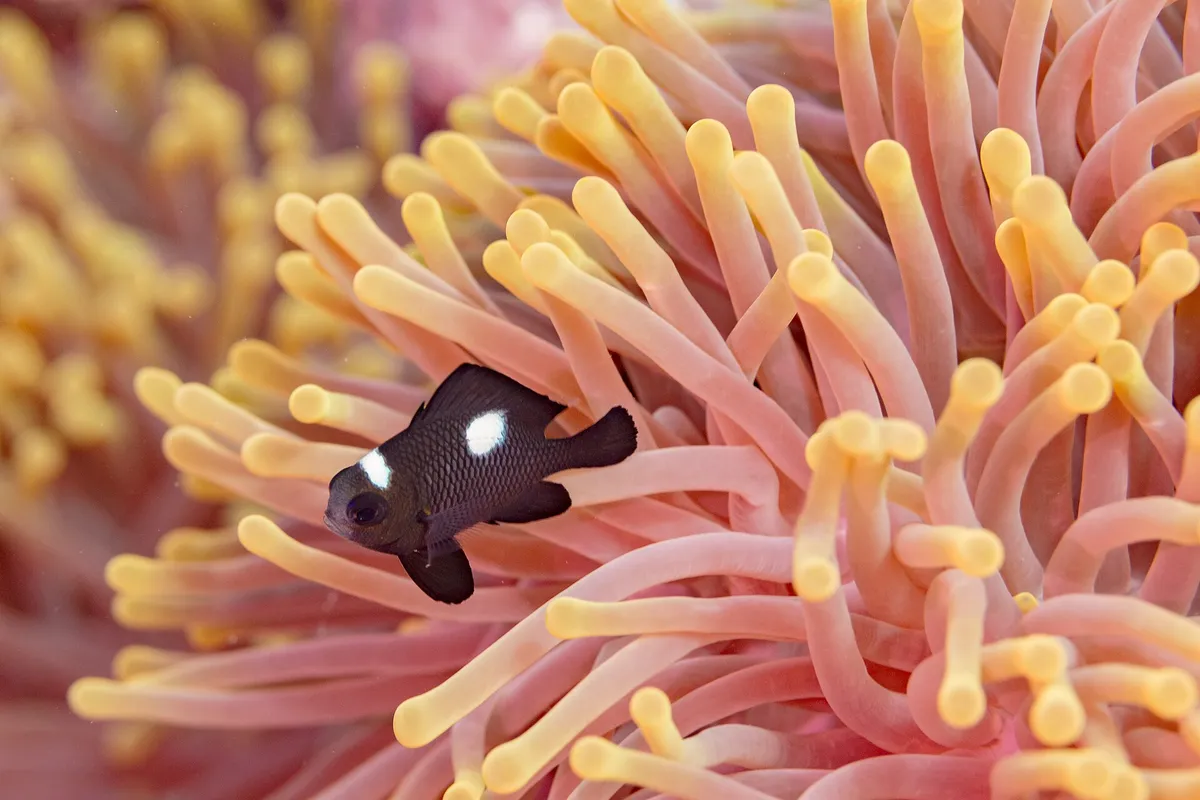
The domino damselfish is a tough, black-and-white damsel that hides in anemones as a juvenile. It is hardy and cheap, but it grows aggressive with…
Read more →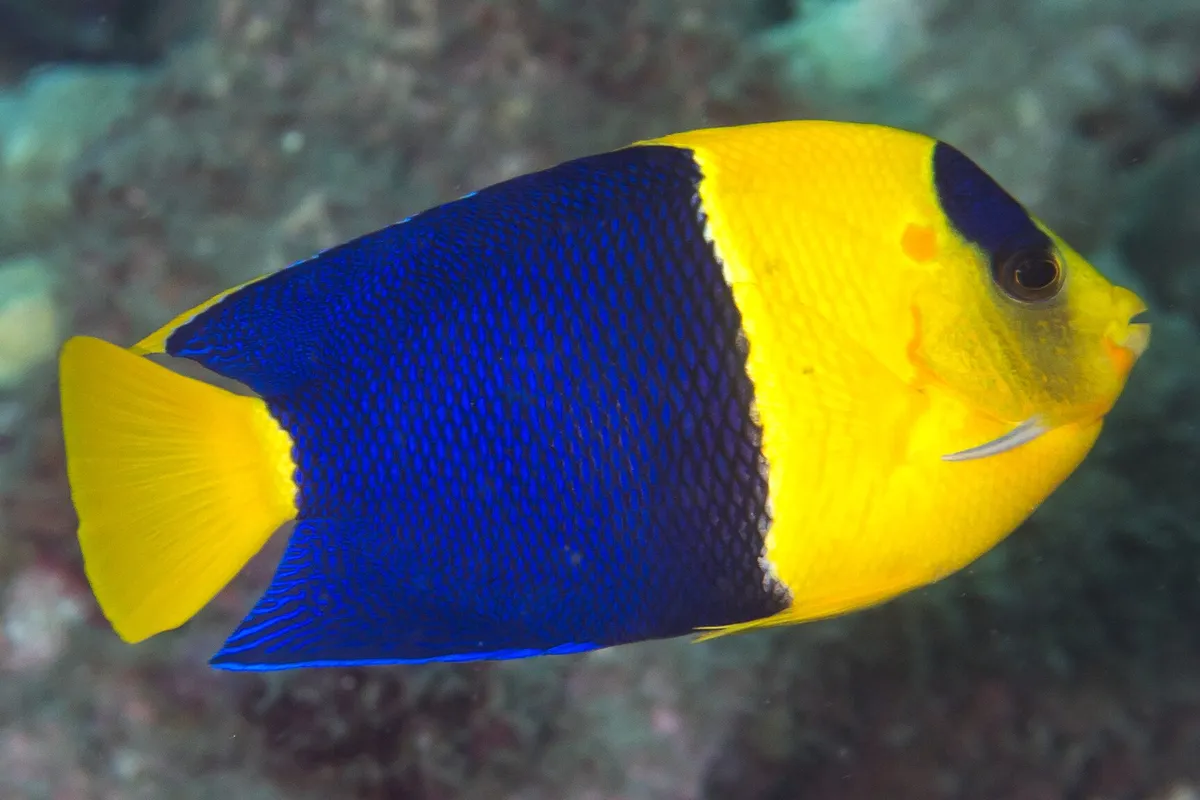
The bicolor angelfish is a striking blue and yellow dwarf angel. It is beautiful but harder to acclimate than most dwarf angels and needs a mature…
Read more →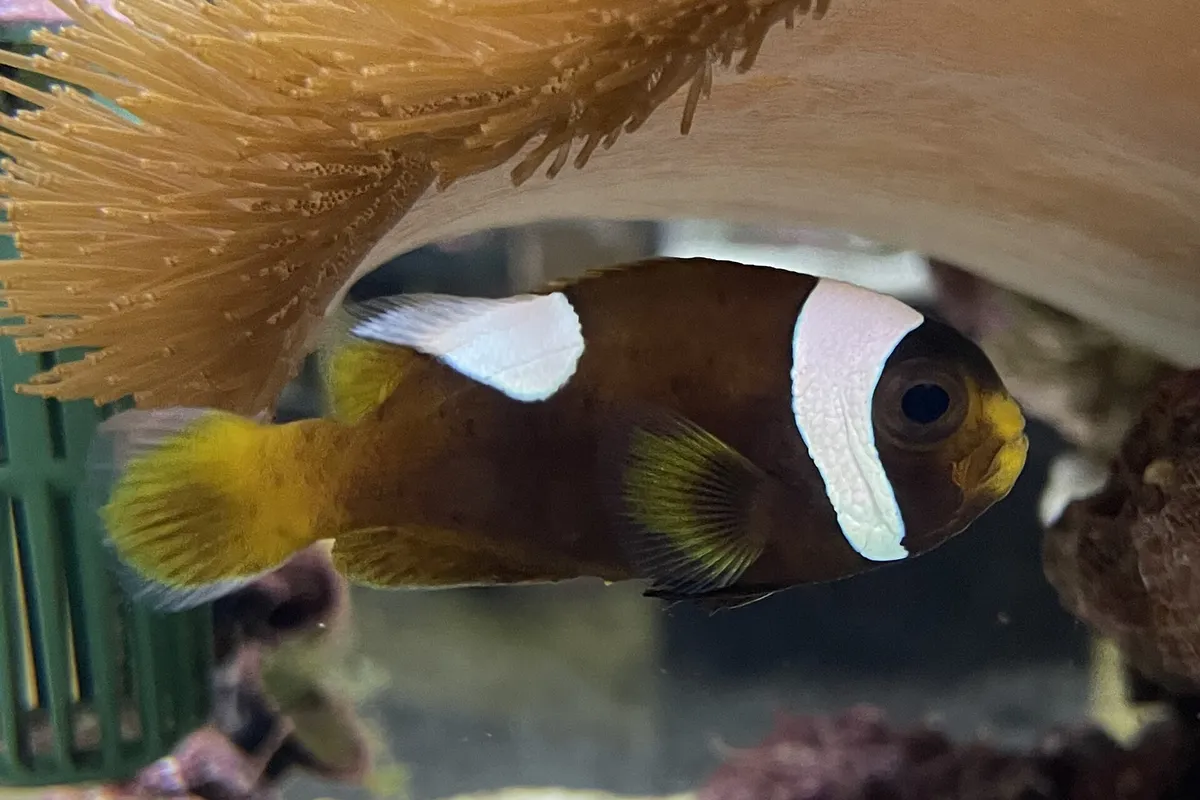
The saddleback clownfish is a dark brown clown with a white saddle that lives in sand anemones. It is more demanding than ocellaris clowns, but tan…
Read more →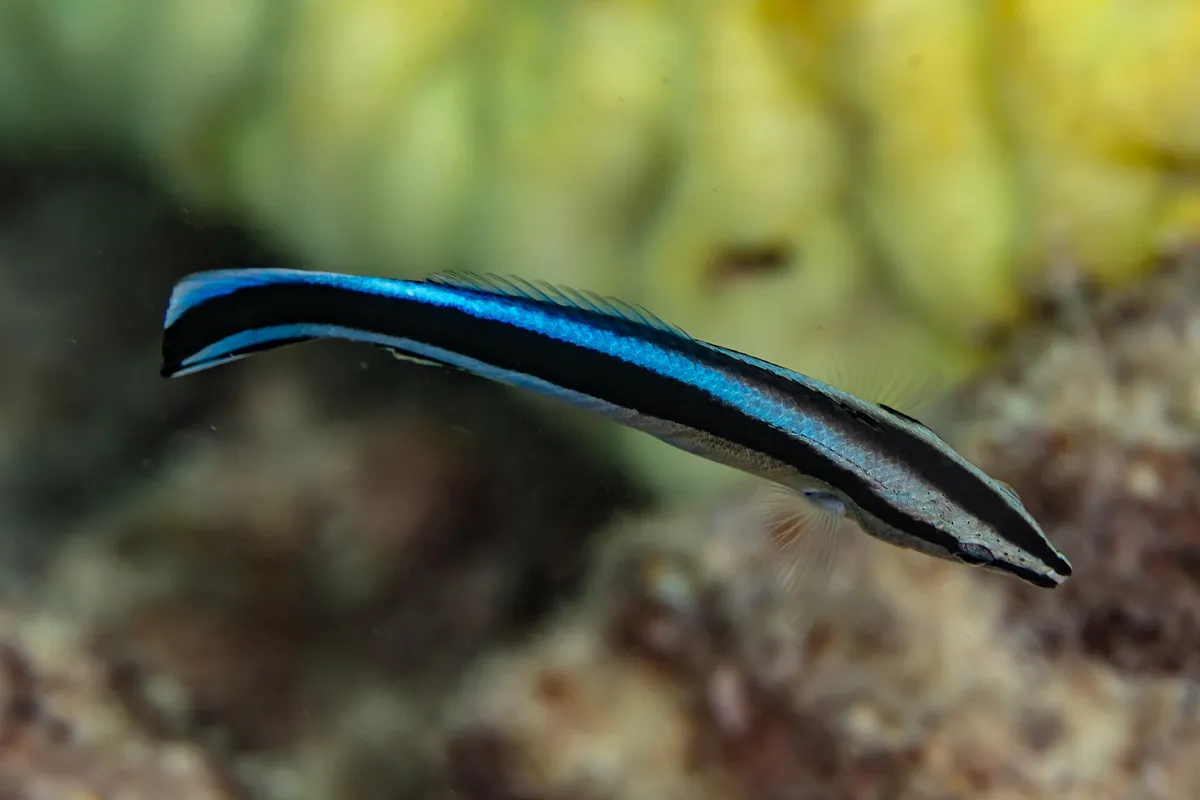
The bluestreak cleaner wrasse cleans parasites off other fish on the reef. It is fascinating to watch but rarely survives in home aquariums. Here i…
Read more →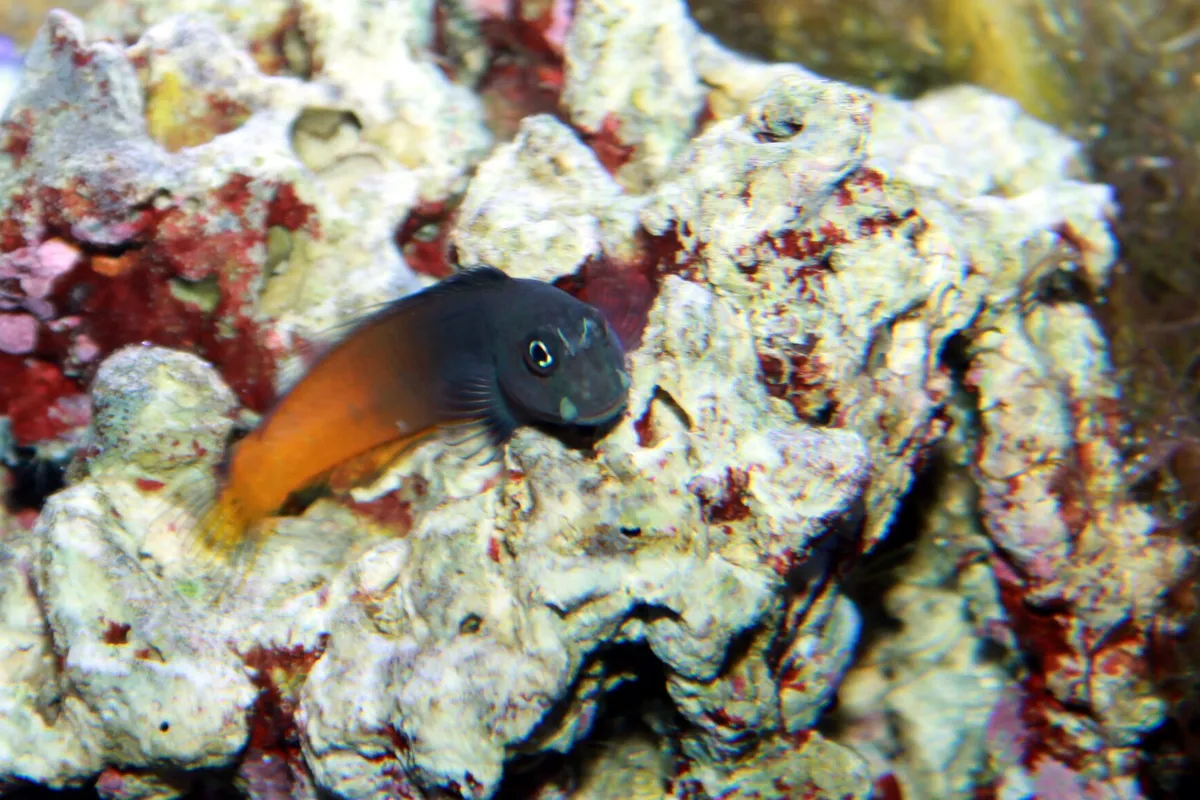
The bicolor blenny is a reef-safe, 10 cm blenny with a dark front half and an orange tail. It perches on rocks, grazes algae and has more personali…
Read more →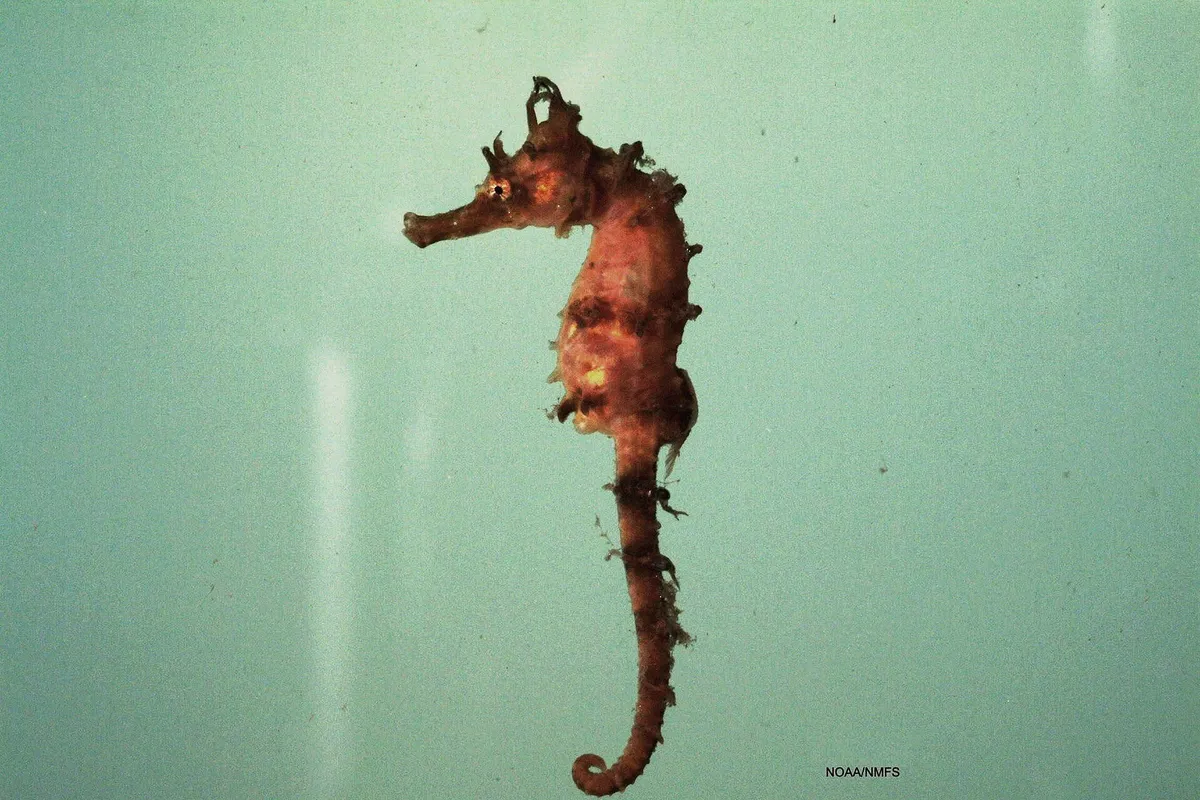
Hippocampus erectus is a hardy 15 cm Atlantic seahorse, widely captive bred, that needs a calm species tank, frozen mysis twice a day and plenty of…
Read more →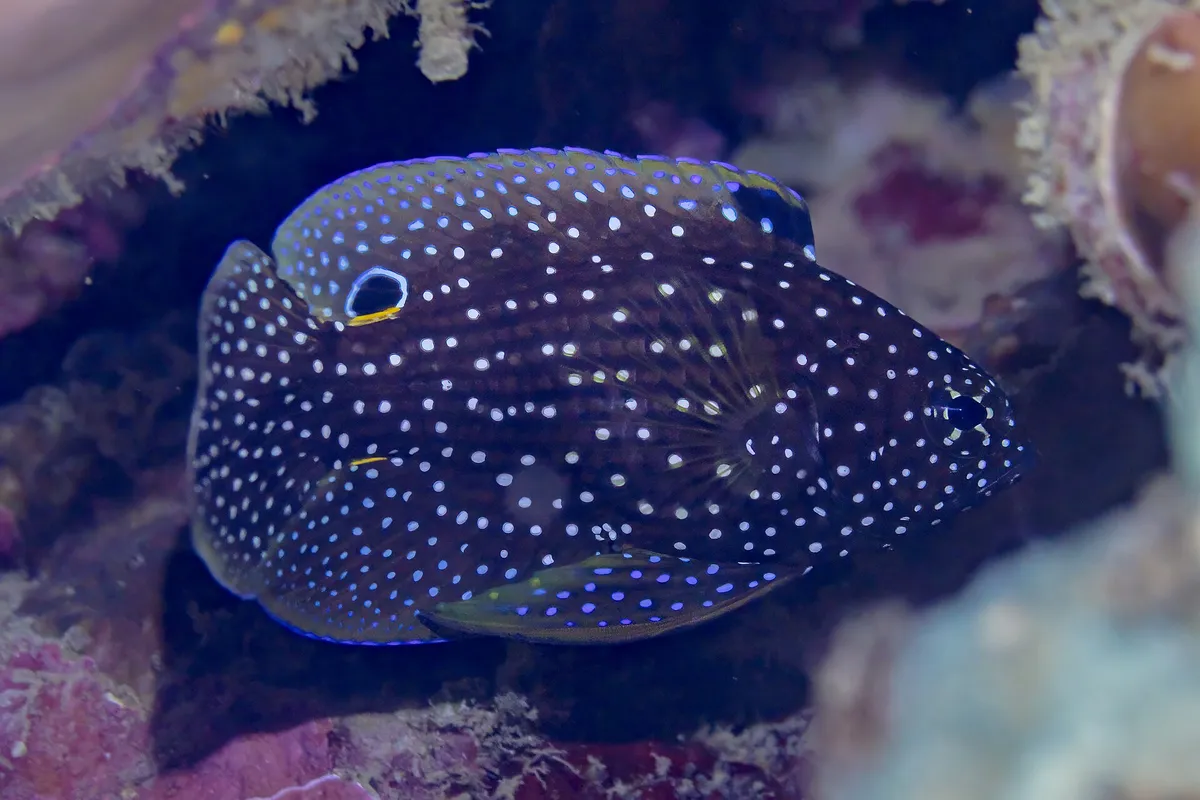
Calloplesiops altivelis is a shy, 15–20 cm white-spotted reef fish with huge fins and a fake eye on its tail that needs caves, calm tank mates an…
Read more →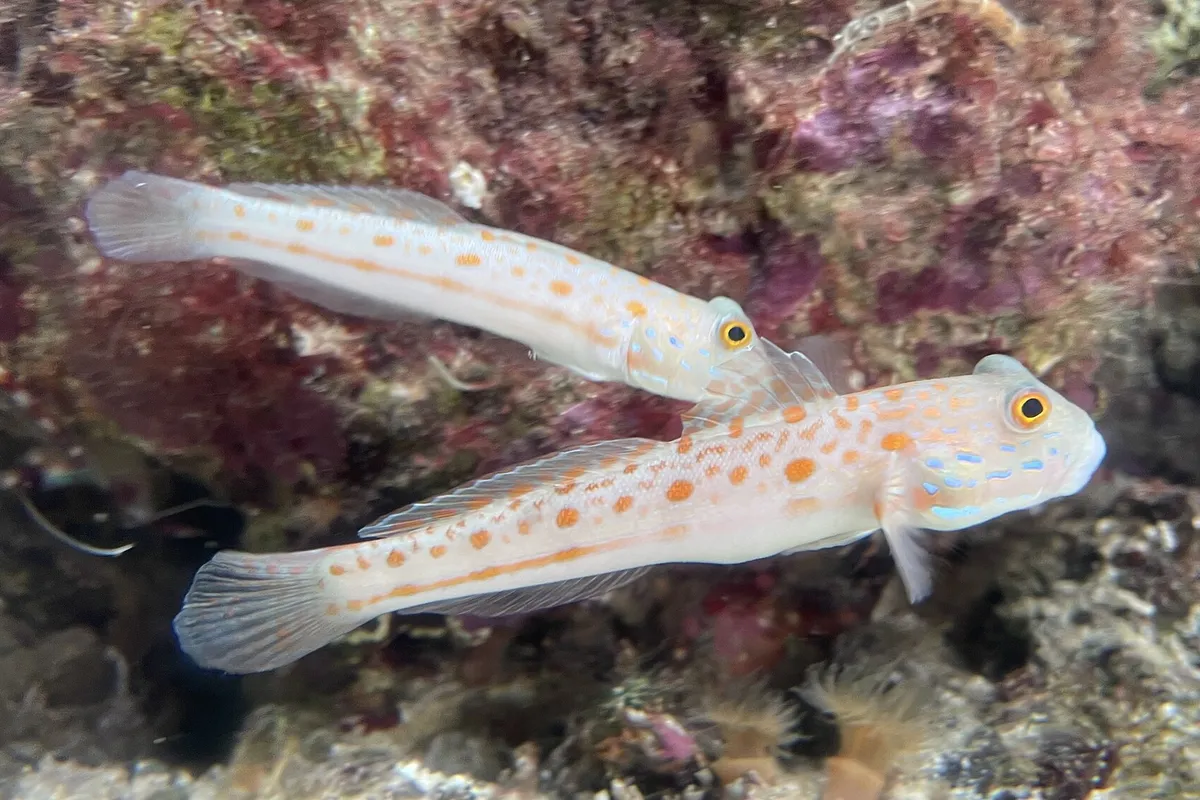
Valenciennea puellaris is a 12–15 cm orange-spotted sleeper goby that sifts sand all day, keeps the bed clean and needs a mature tank with plenty…
Read more →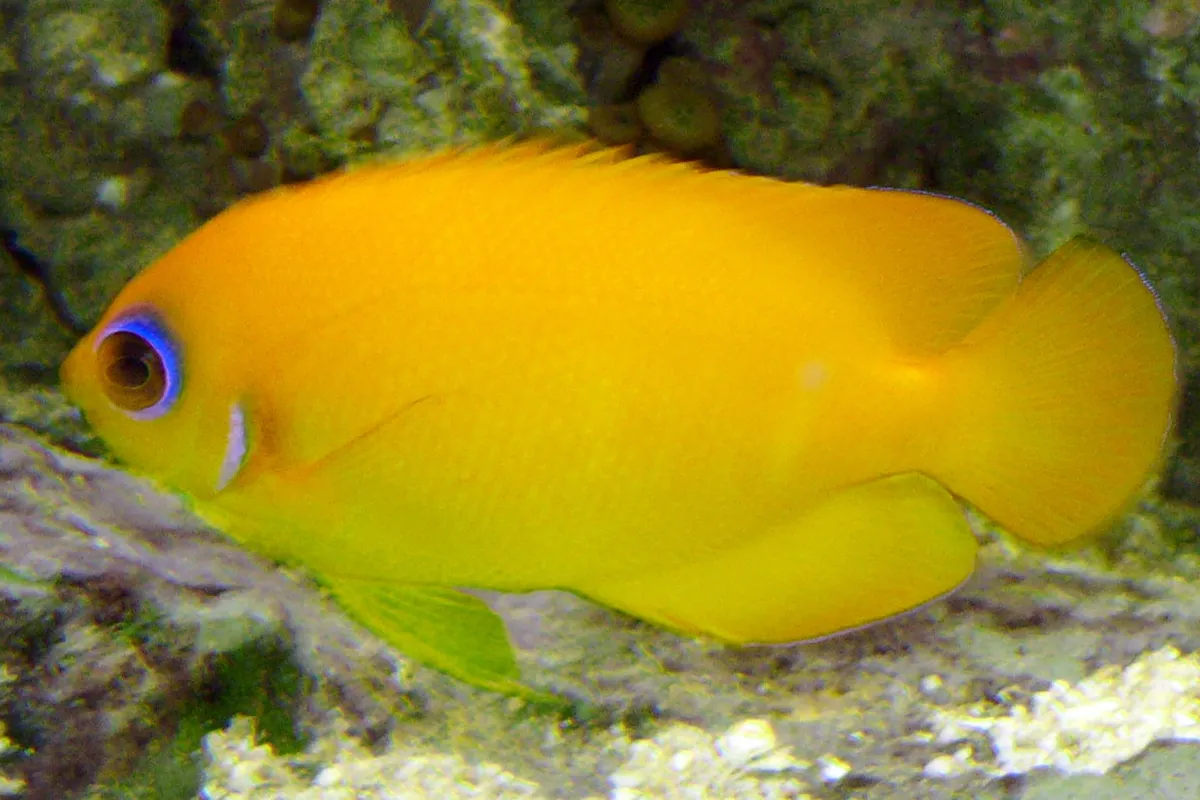
Centropyge flavissima is a 10–14 cm bright yellow dwarf angelfish with blue eye rings that needs mature rockwork to graze and may nip some corals.
Read more →