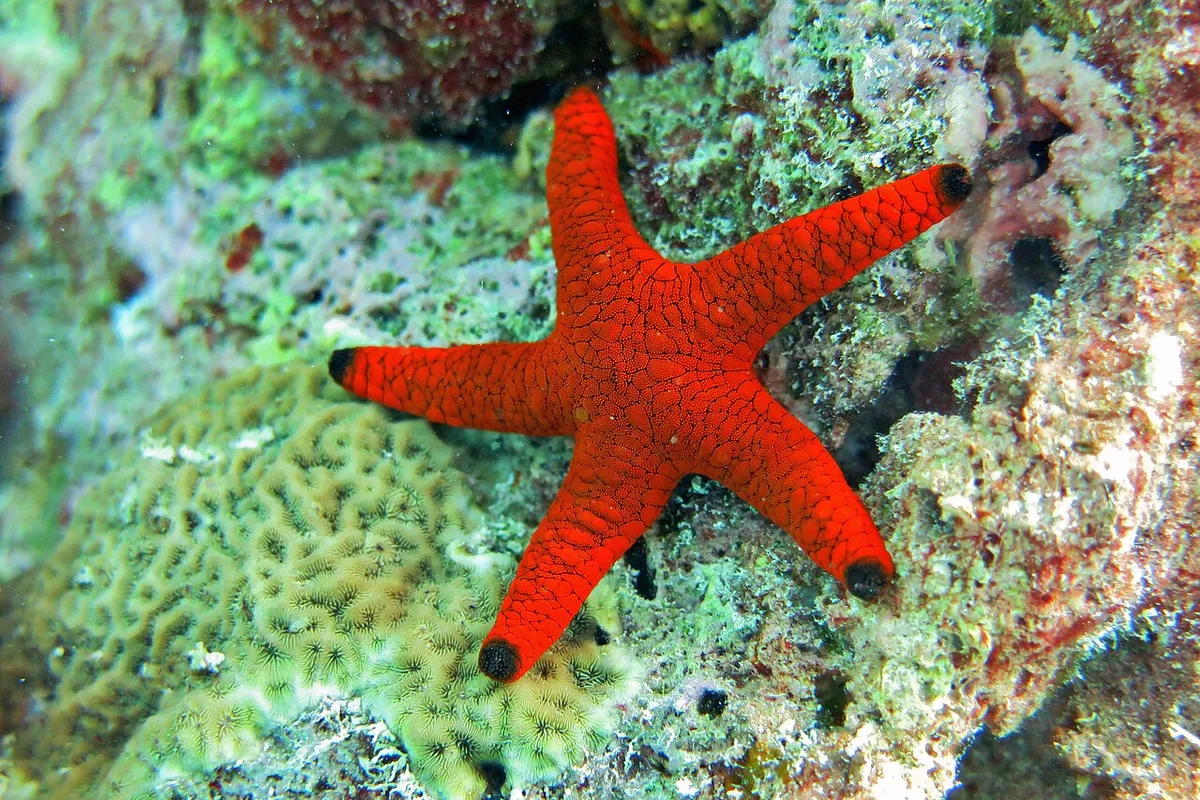
Red Marble Starfish (Fromia indica)
The red marble starfish is a small, reef-safe sea star that grazes biofilm. Here is how to acclimate and keep Fromia indica.
Read more →
Guías
Este centro de Invertebrados en Amigos Peces reúne orientación práctica sobre invertebrados de acuario para cuidadores que desean respuestas claras antes de cambiar el agua, el ganado o el equipo.
Utiliza estos artículos para emparejar especies con el tamaño del tanque, planificar la filtración y la alimentación, y solucionar problemas de química del agua sin adivinar. Cada guía está escrita para acuarios domésticos y enlaza a lecturas relacionadas cuando necesites más profundidad sobre invertebrados de acuario.
Comienza con lo básico: parámetros estables, hábitos de cuarentena y un horario de alimentación que coincida con el ganado; luego navega por los perfiles y cómo hacerlo a continuación. Cuando estés listo para diversificar, salta a temas vecinos para que tu plan de invertebrados de acuario se mantenga consistente en todo el tanque.
Ya sea que estés llenando un primer tanque comunitario o refinando un paisaje establecido, guarda esta página y regresa a medida que surjan preguntas. Los acuarios saludables se construyen a partir de pequeñas rutinas repetibles más que de mejoras únicas, y el éxito con los invertebrados de acuario sigue el mismo patrón.
Explora a continuación: tanques de agua dulce, guías de alimentación, química del agua, todas las guías.
Amigos Peces publica hojas de cuidado de especies, notas sobre plantas e invertebrados, ideas de paisajismo acuático y explicaciones sobre el cuidado del agua para que los consejos sobre invertebrados de acuario sean fáciles de encontrar. Lee una guía a fondo, aplícala lentamente y utiliza los centros enlazados arriba cuando quieras un segundo ángulo sobre el mismo problema.
Antes de comprar ganado o repensar la filtración, revisa dos o tres artículos sobre invertebrados de acuario aquí y anota números objetivo para temperatura, dureza y alimentación. Esa breve lista de verificación previene los reinicios más comunes y mantiene tu acuario más cerca de la exhibición tranquila y saludable que estás buscando.
Regresa después de los cambios de agua o nuevas adiciones: compara lo que ves en el tanque con las listas de verificación de invertebrados de acuario a continuación, luego sigue un paso recomendado en lugar de cambiar todo de una vez. Las mejoras constantes se acumulan, y Amigos Peces está diseñado para apoyar ese ritmo.
The red marble starfish is a small, reef-safe sea star that grazes biofilm. Here is how to acclimate and keep Fromia indica.
Read more →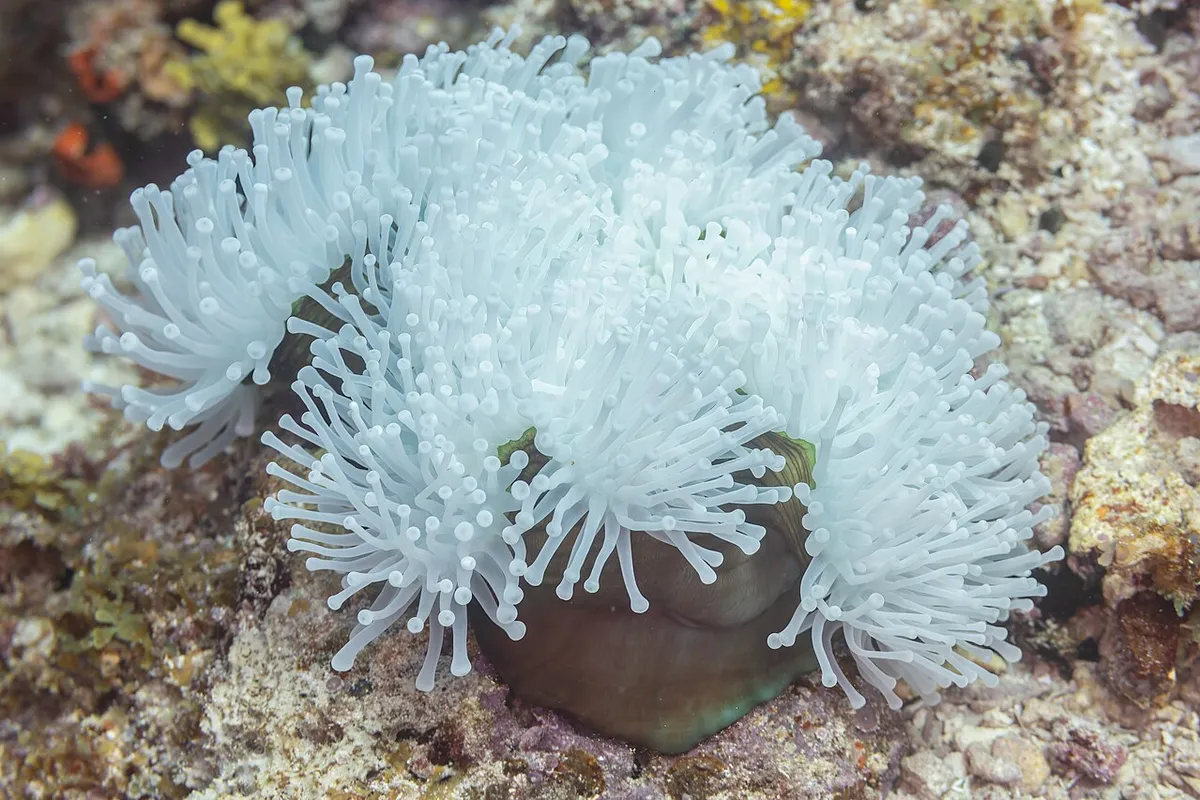
The magnificent sea anemone is a classic clownfish host, but it is one of the hardest anemones to keep. Here is what it really needs.
Read more →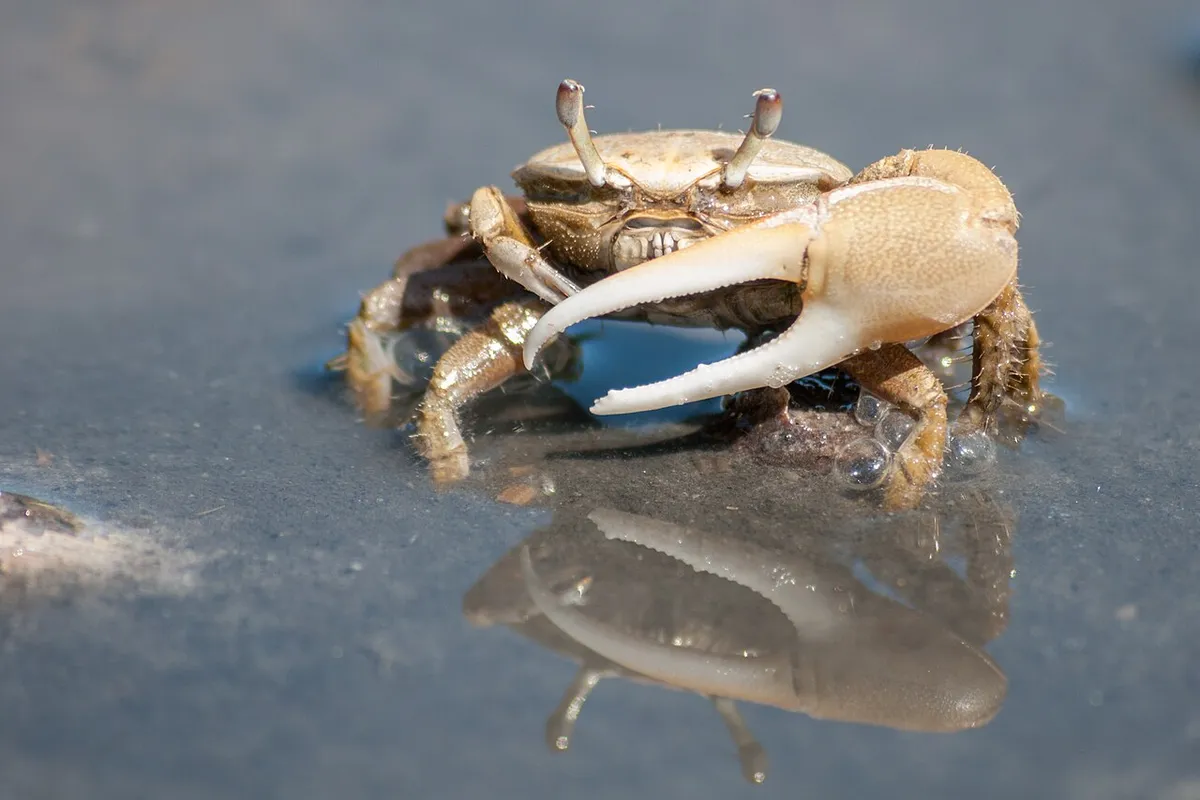
Fiddler crabs are small brackish-water crabs that need land as well as water. Here is how to set up a proper fiddler crab tank.
Read more →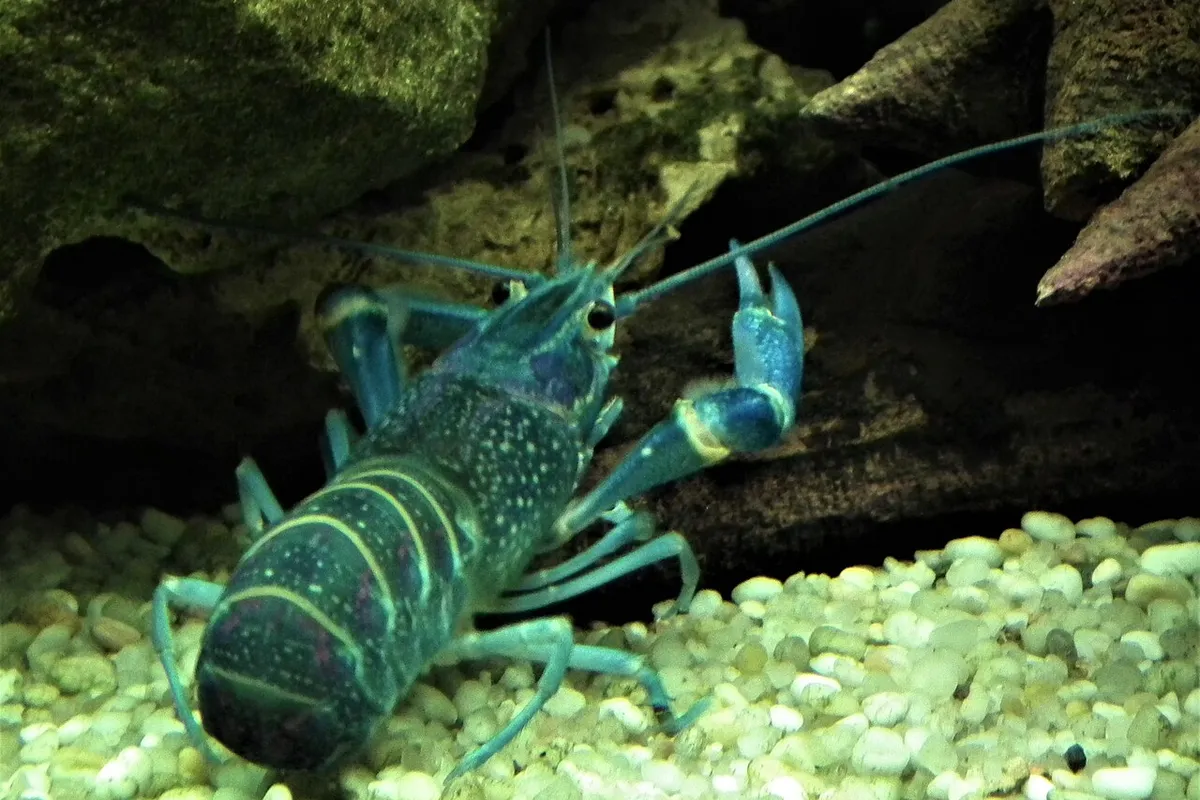
The redclaw crayfish is a large blue-green Australian crayfish with red-edged claws. Here is how to house, feed and breed Cherax quadricarinatus.
Read more →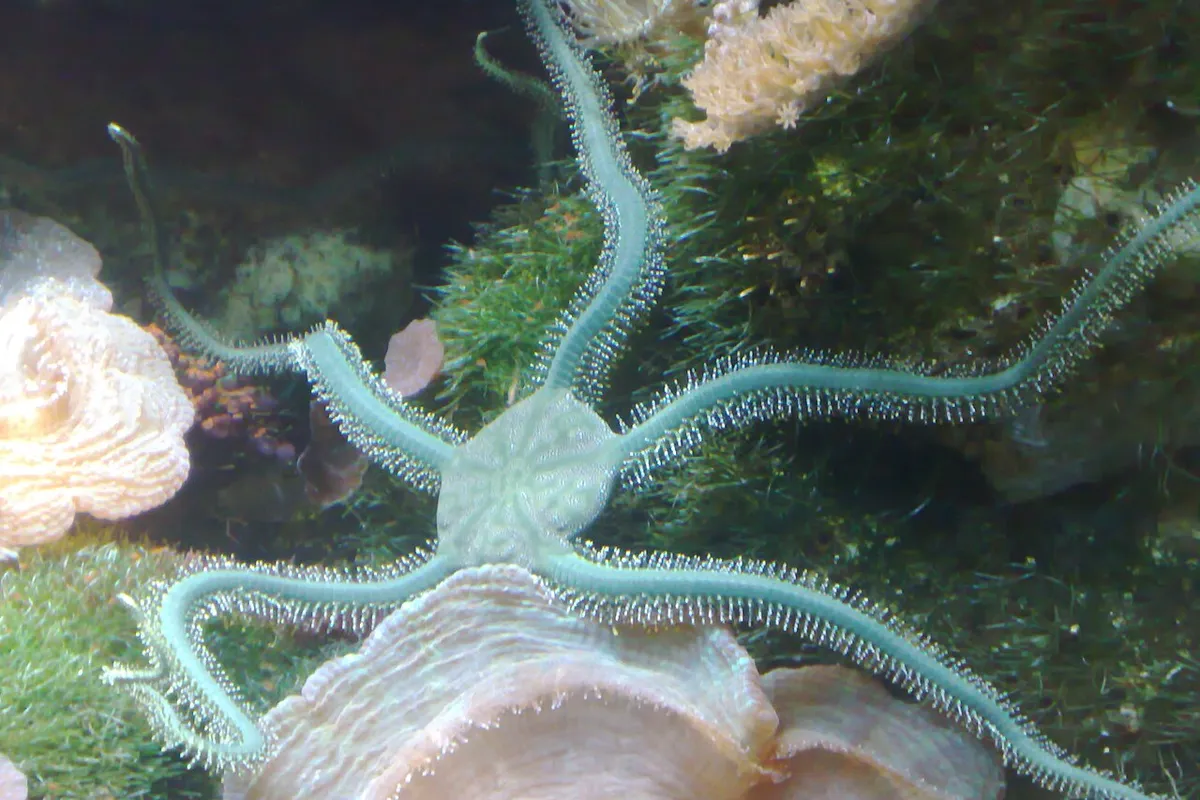
The green brittle star is a large, hardy scavenger that will also catch small fish. Here is how to keep Ophiarachna incrassata safely.
Read more →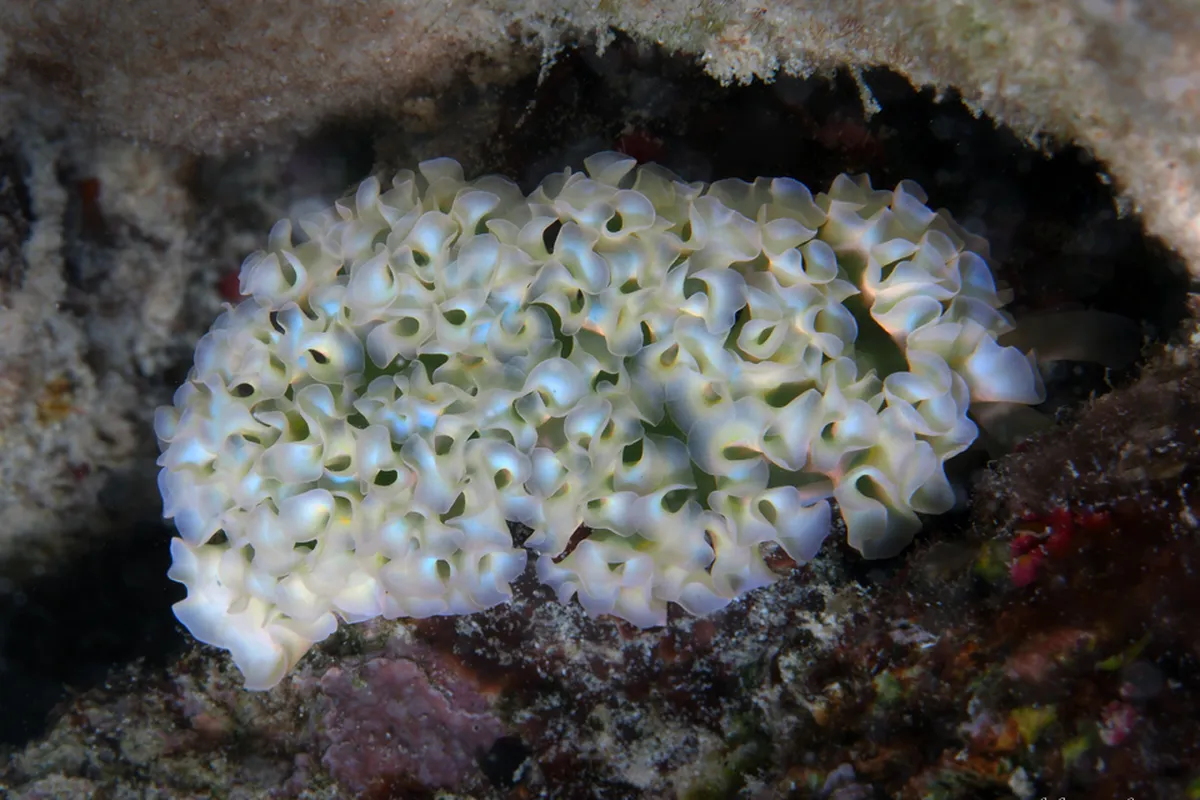
The lettuce sea slug is a ruffled, solar-powered sea slug that eats Bryopsis algae. Here is how to keep Elysia crispata alive and fed.
Read more →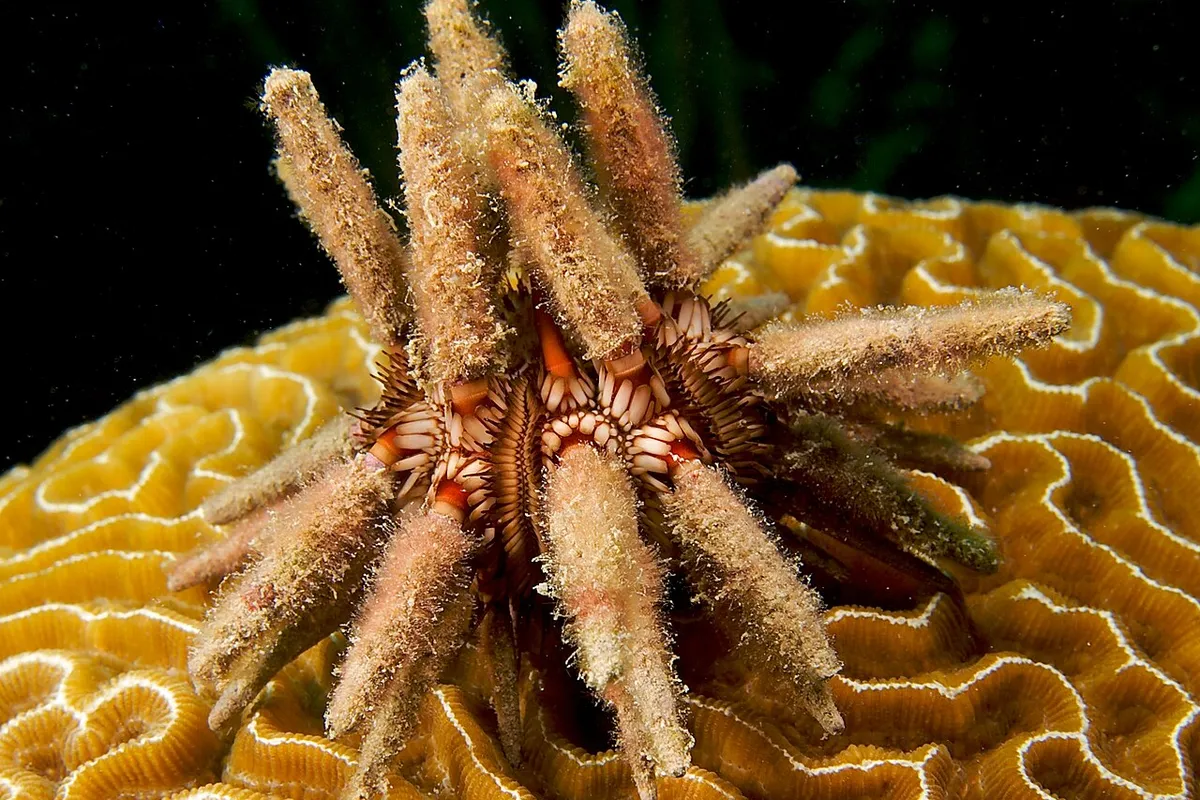
The slate pencil urchin has thick, blunt spines and a big appetite for algae. It is not fully reef safe. Here is how to keep Eucidaris tribuloides.
Read more →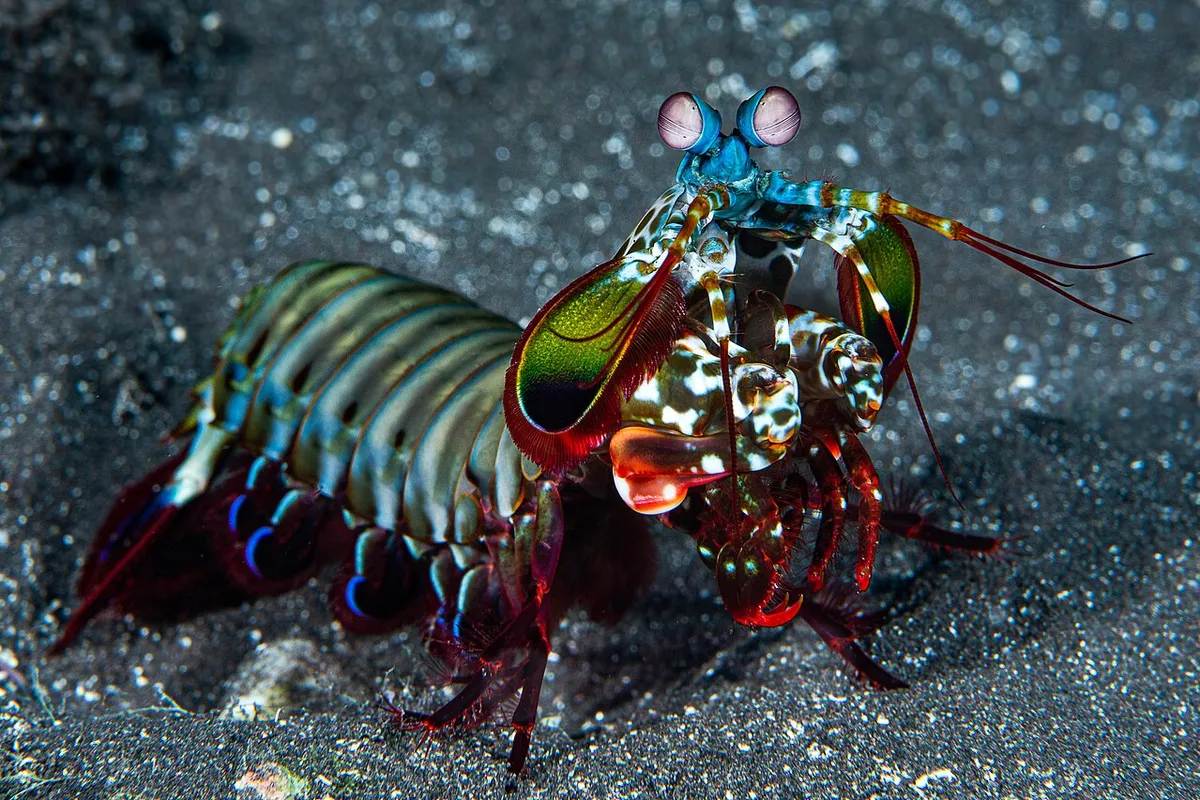
The peacock mantis shrimp is one of the most colourful and powerful animals on the reef. Here is how to keep Odontodactylus scyllarus safely.
Read more →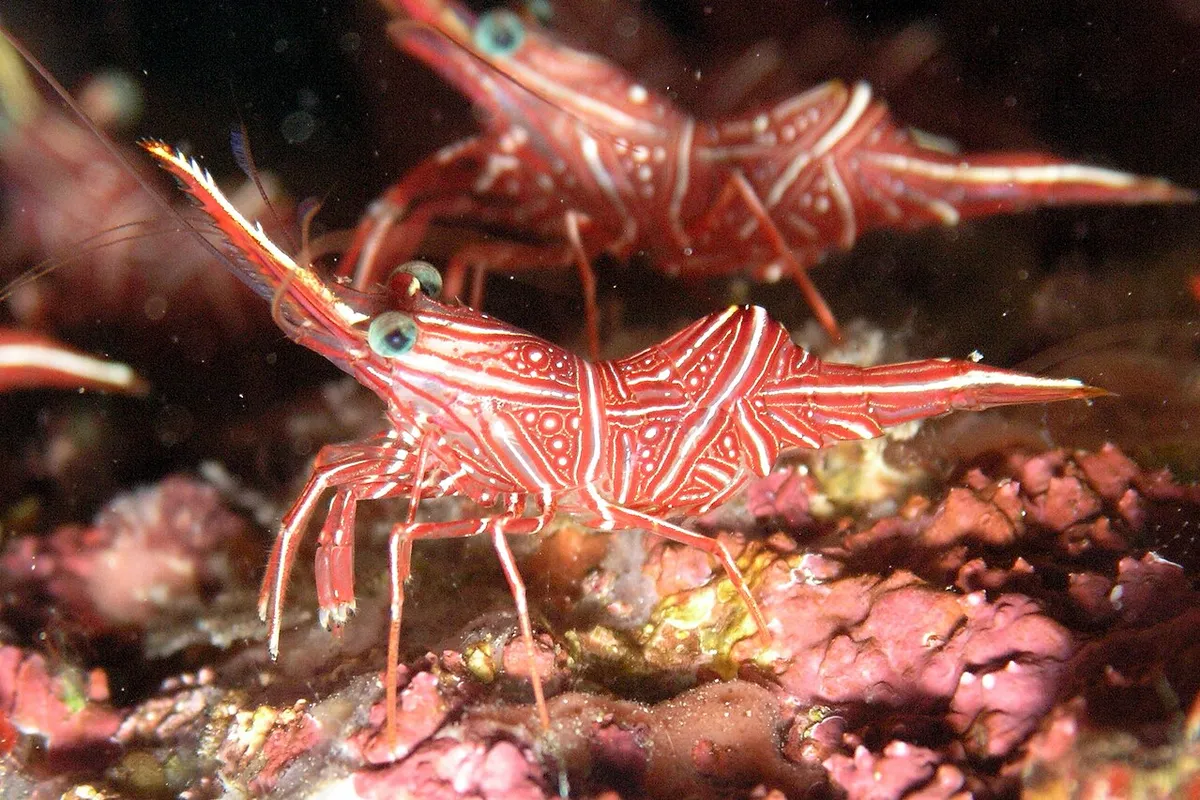
The camel shrimp is a hardy, red-and-white striped shrimp that lives in groups. It is not fully reef safe. Here is how to keep it.
Read more →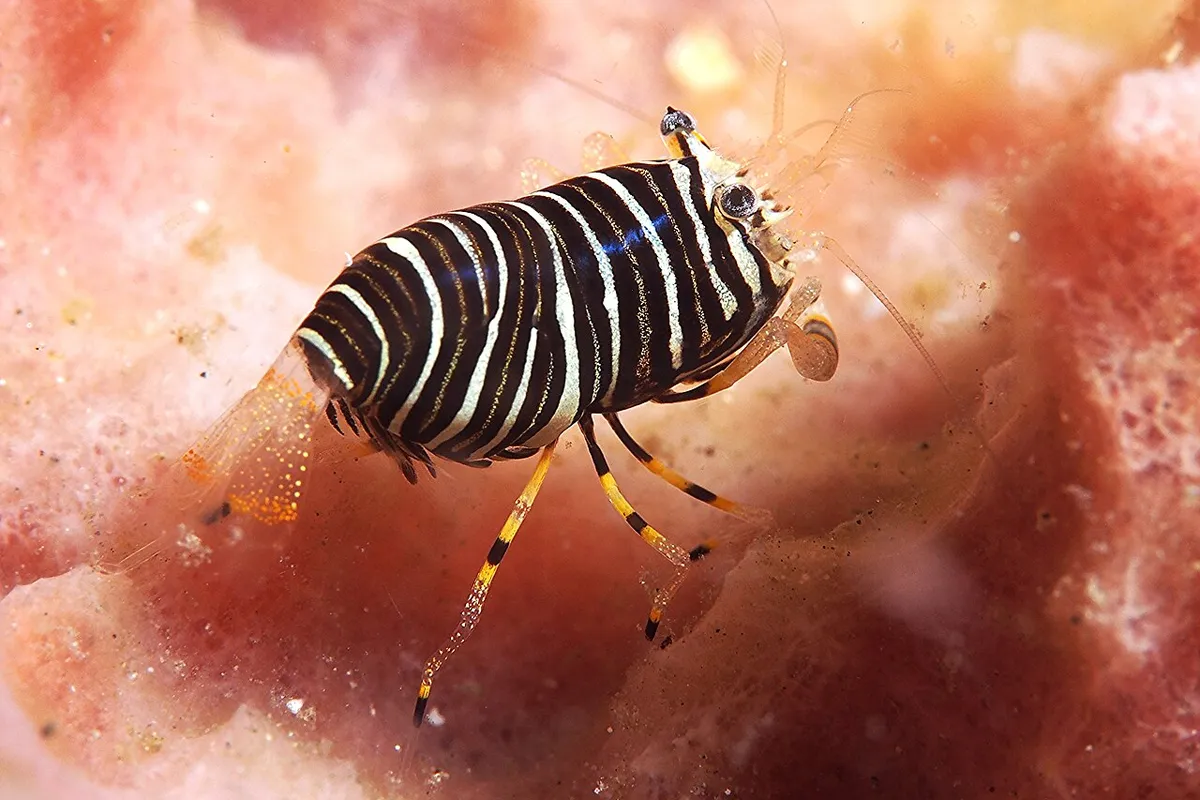
The bumblebee shrimp is a tiny, striped marine shrimp that eats starfish tube feet. Here is how to feed and house Gnathophyllum americanum.
Read more →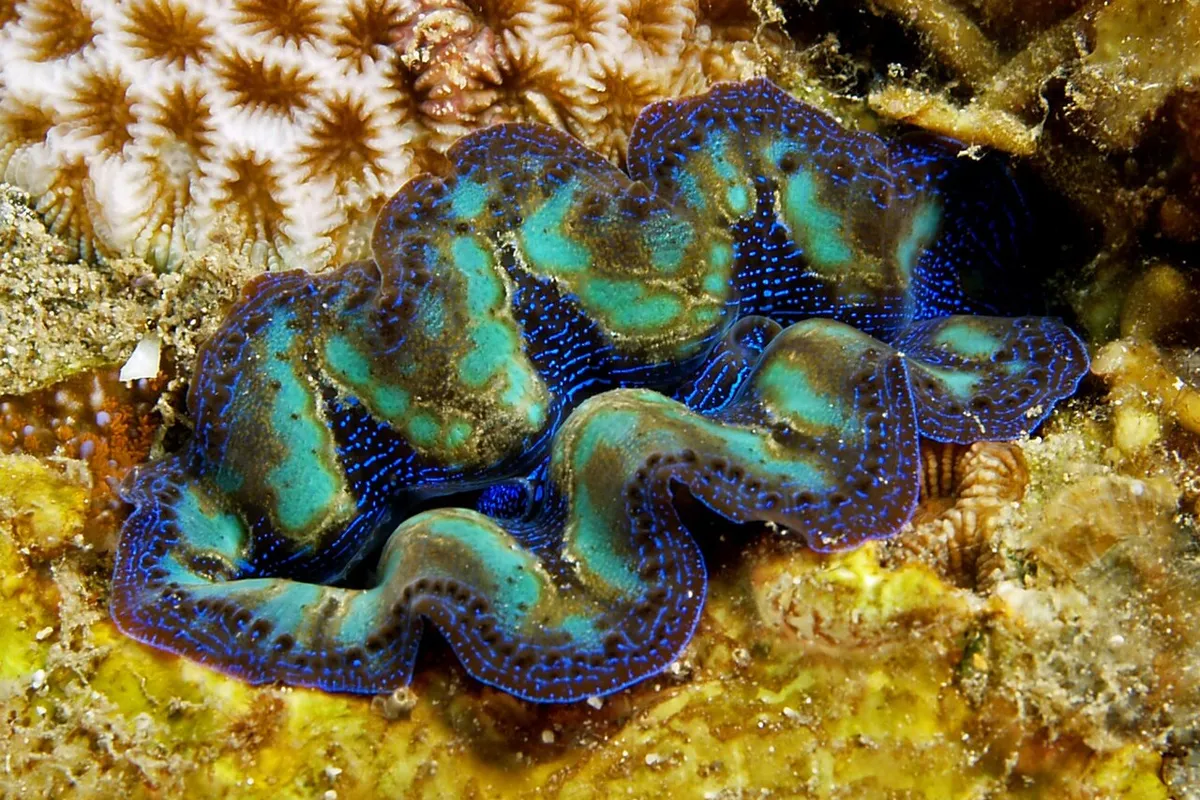
The crocea clam is the smallest giant clam, famous for its brilliant mantle colours. Here is how to light, place and care for Tridacna crocea.
Read more →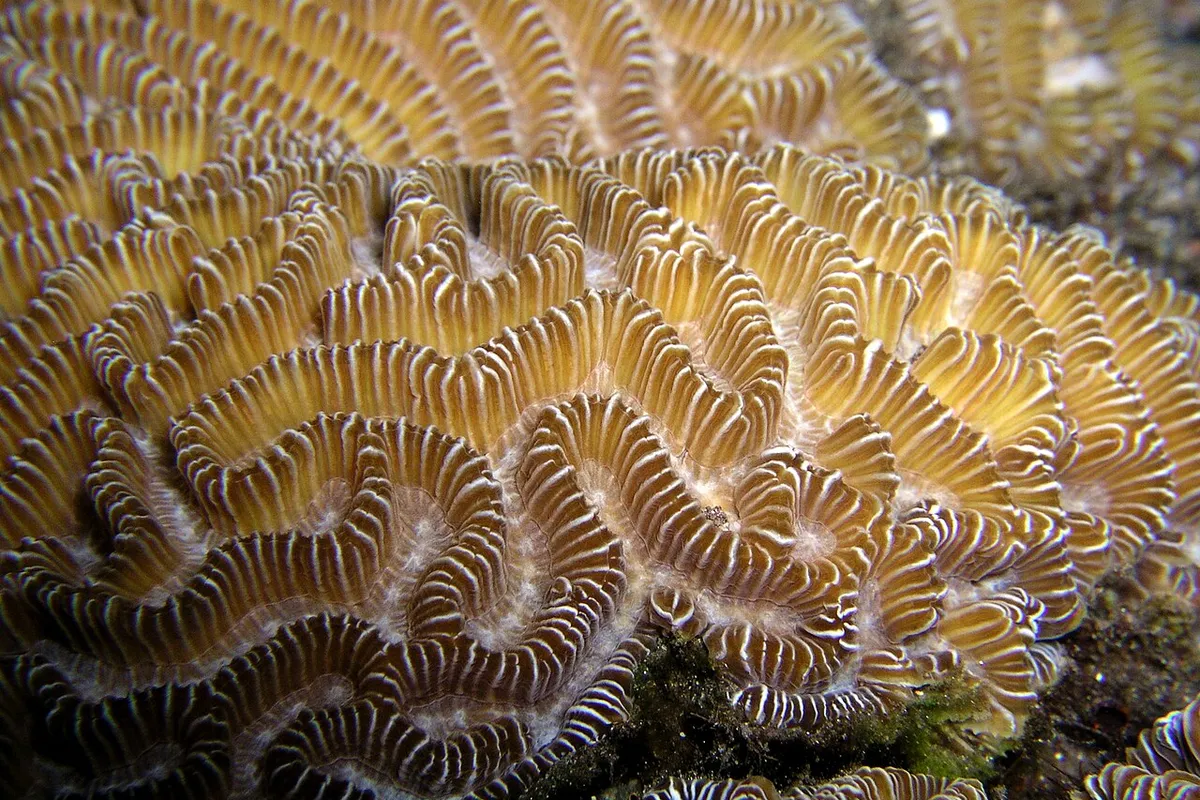
Maze brain corals form rounded colonies with winding, maze-like valleys. Here is how to light, feed and place Platygyra in a reef tank.
Read more →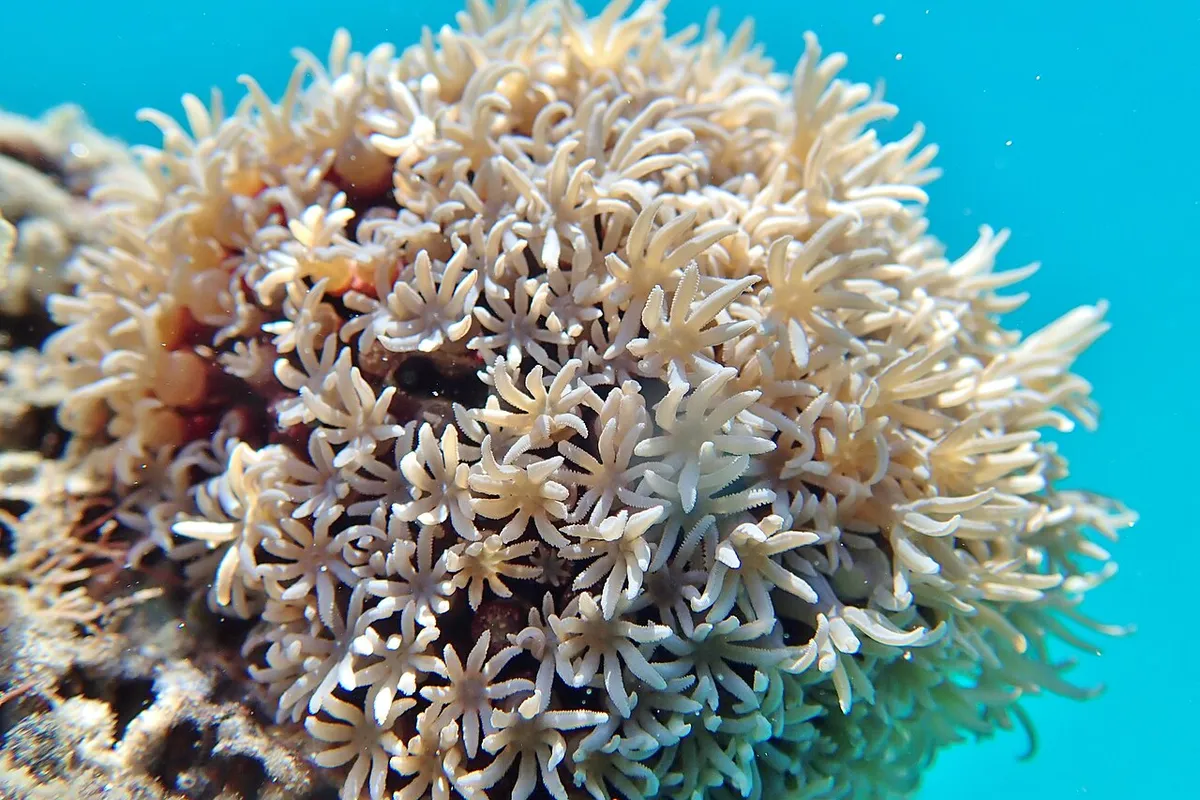
Organ pipe coral is a soft coral with a bright red skeleton of tiny tubes. Here is how to keep live Tubipora musica in a reef tank.
Read more →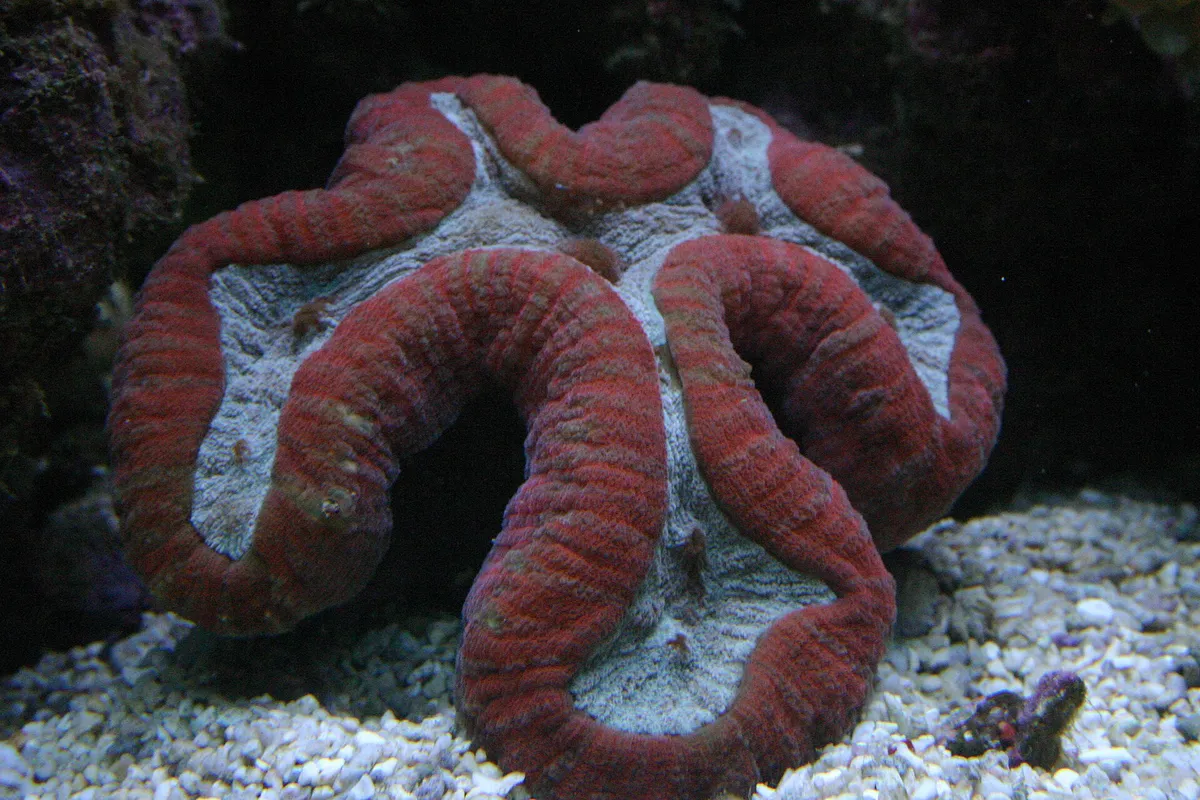
Lobophyllia, or lobo brain coral, is a fleshy, colourful large-polyp stony coral with fat, meandering lobes. It is hardy, peaceful for an LPS coral…
Read more →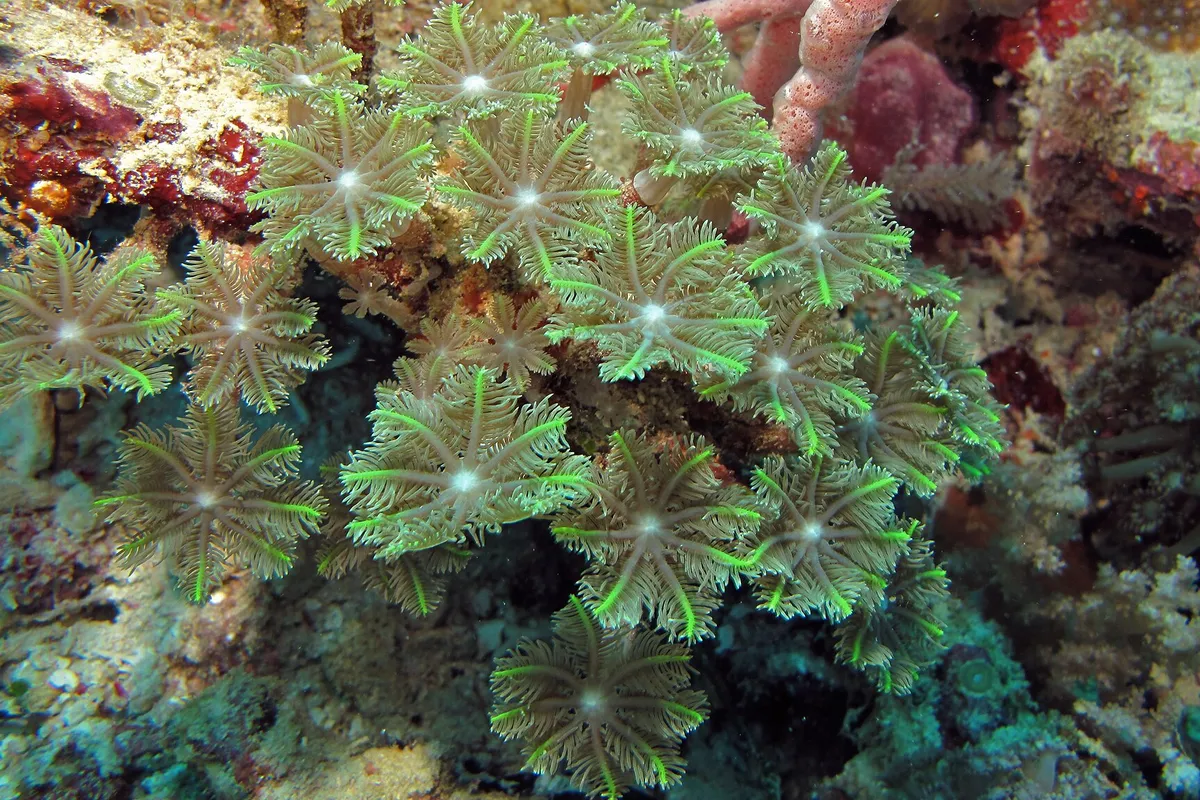
Clove polyps are hardy soft corals with feathery, eight-armed polyps that spread over rock. They are easy, beautiful and fast growing, so give them…
Read more →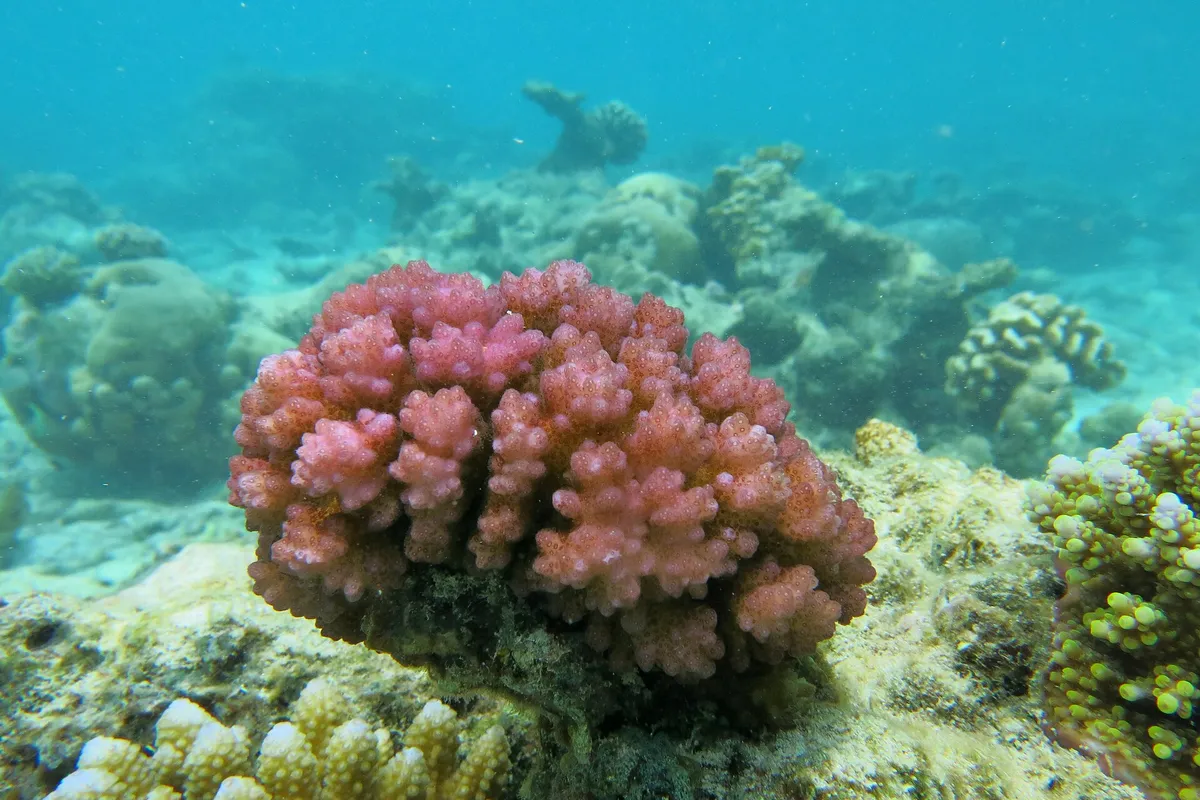
Cauliflower coral is a fast-growing, branching stony coral that is one of the easiest SPS corals to keep. It needs strong light, good flow and stab…
Read more →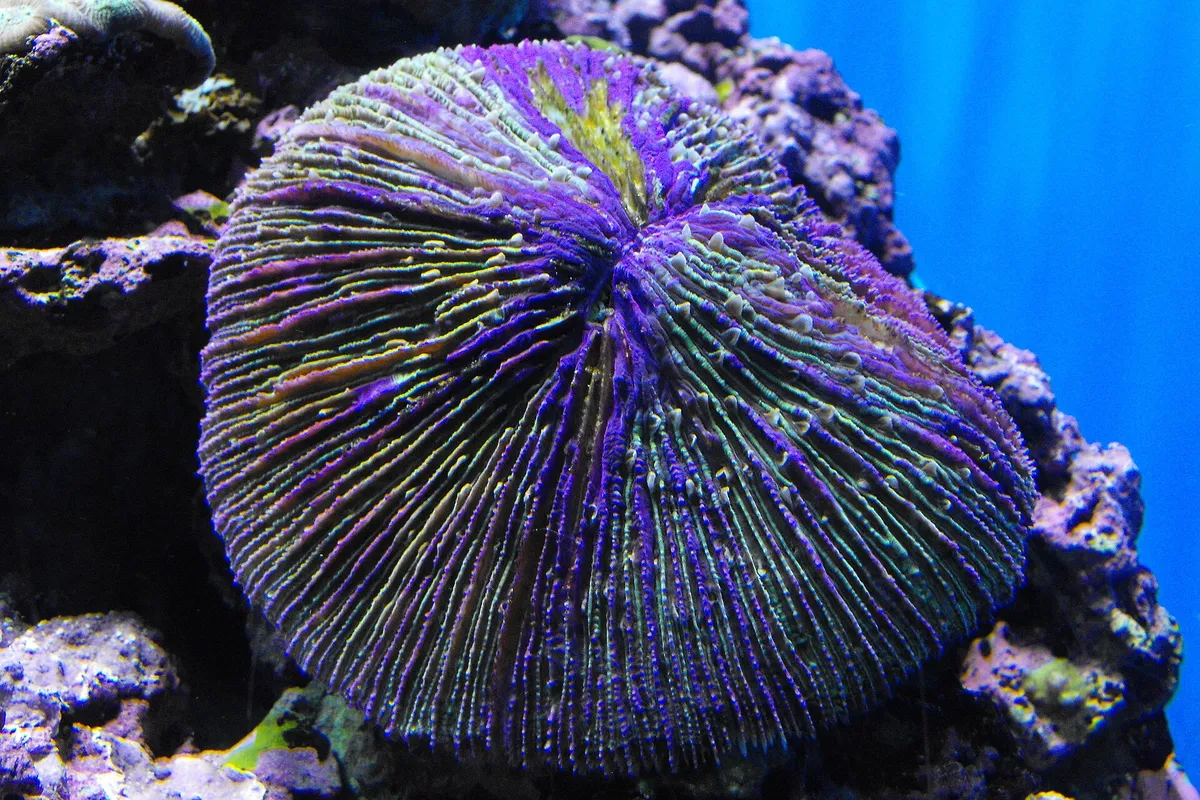
Plate corals are free-living, disc-shaped stony corals that sit on the sand and can even move. They are hardy, colourful and one of the best large-…
Read more →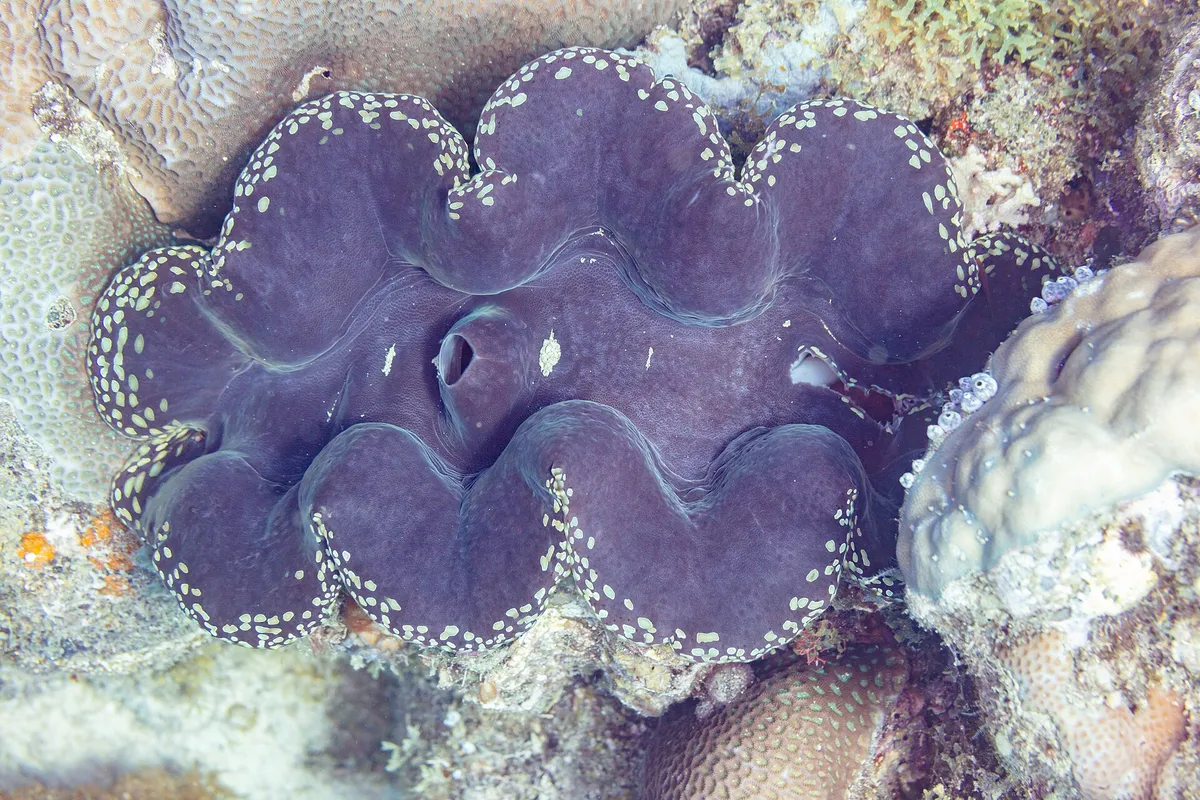
The squamosa clam is a giant clam with a fluted, scaly shell and a colourful mantle. It is one of the easier Tridacna clams, needing strong light a…
Read more →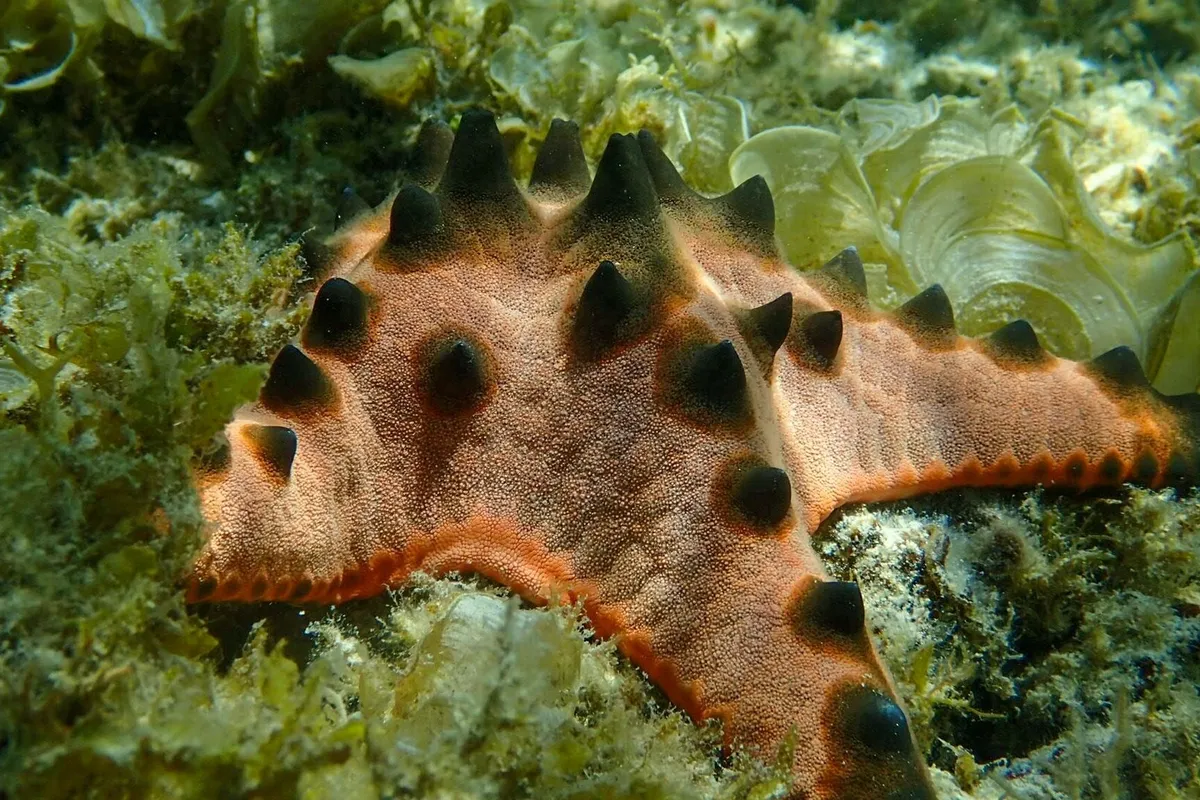
The chocolate chip starfish is a hardy, easy-to-feed sea star with dark knobs on its back. It suits fish-only tanks, but it is not reef safe: it ea…
Read more →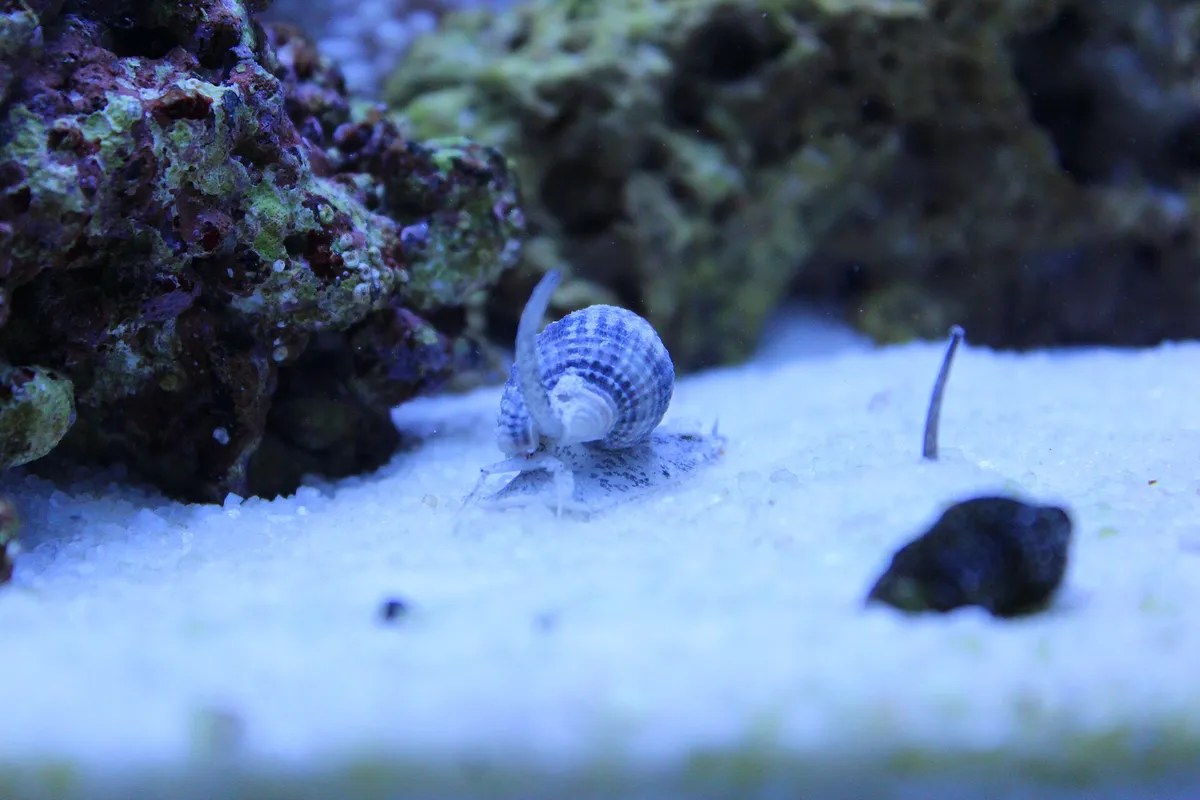
Nassarius snails bury in the sand and burst out the moment food hits the bottom. They are reef-safe scavengers that clean leftover food and keep sa…
Read more →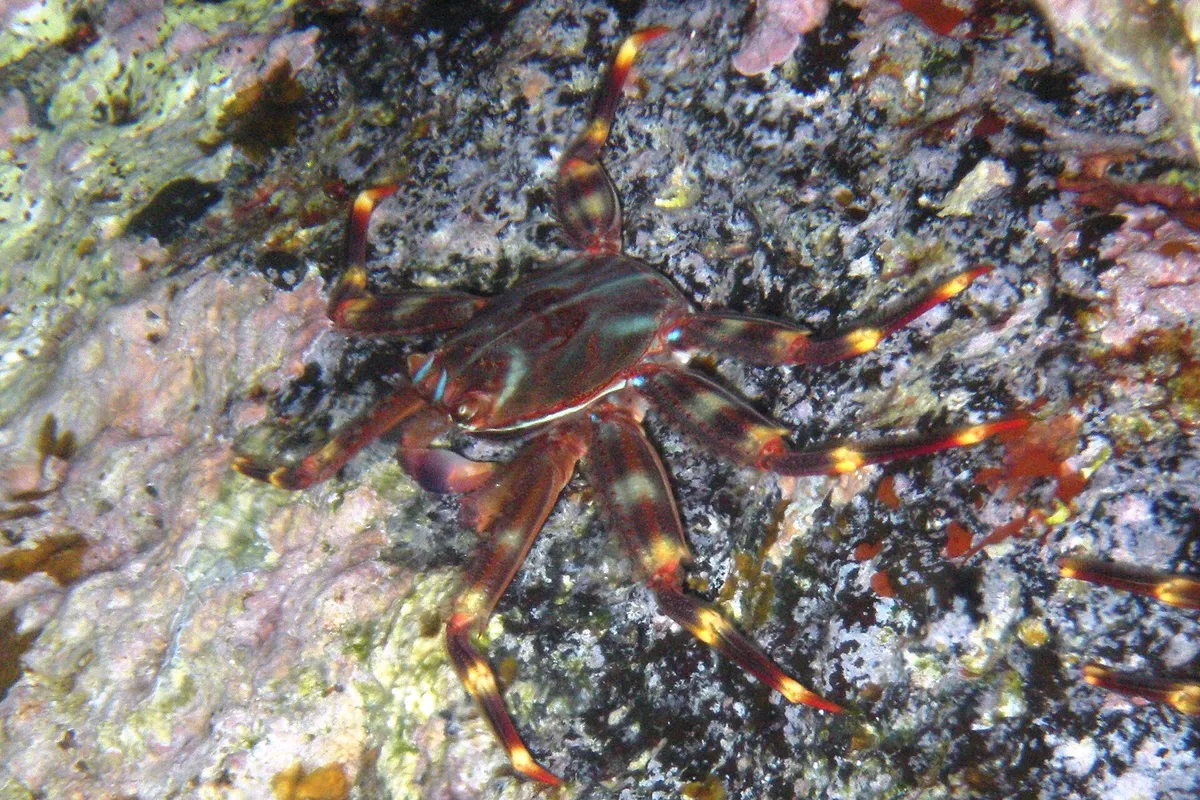
The Sally Lightfoot crab is a flat, fast, algae-eating crab that is great at clearing hair algae. It is mostly reef safe, but large ones can turn o…
Read more →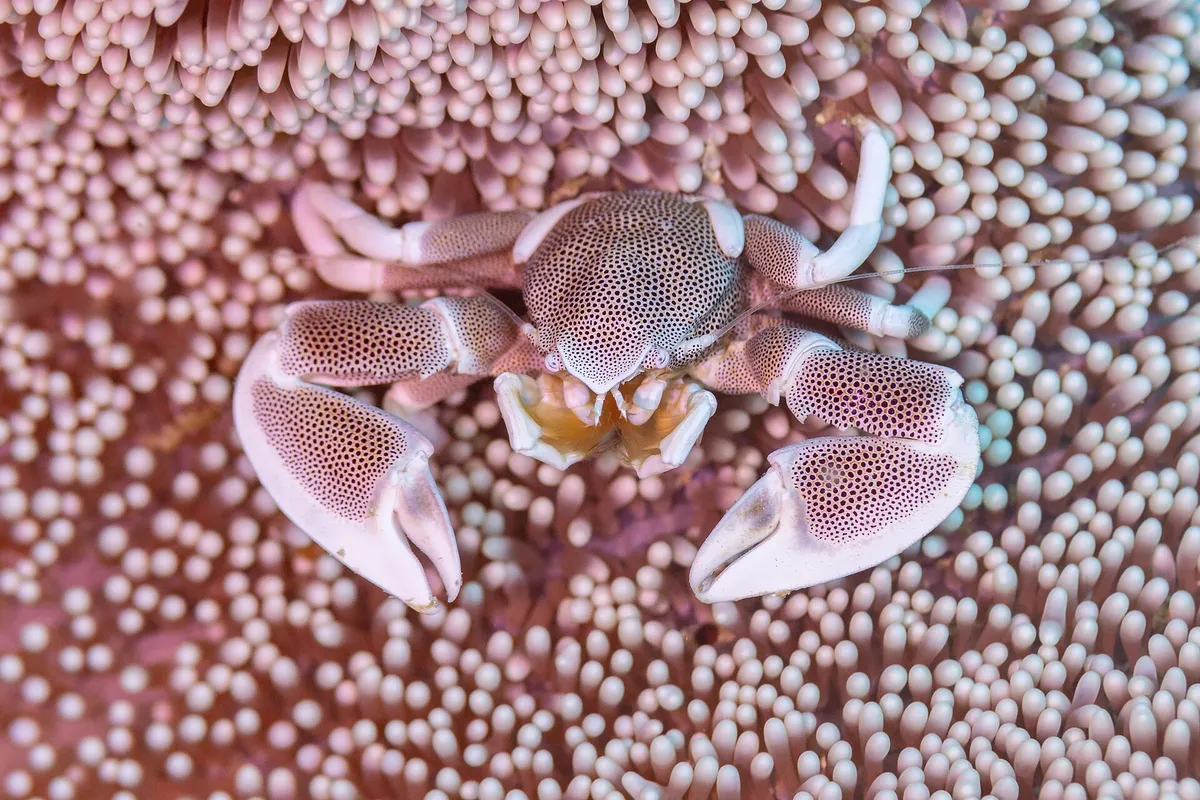
The spotted porcelain crab lives in anemones and feeds by sweeping the water with feathery fans. It is small, peaceful, reef safe and one of the be…
Read more →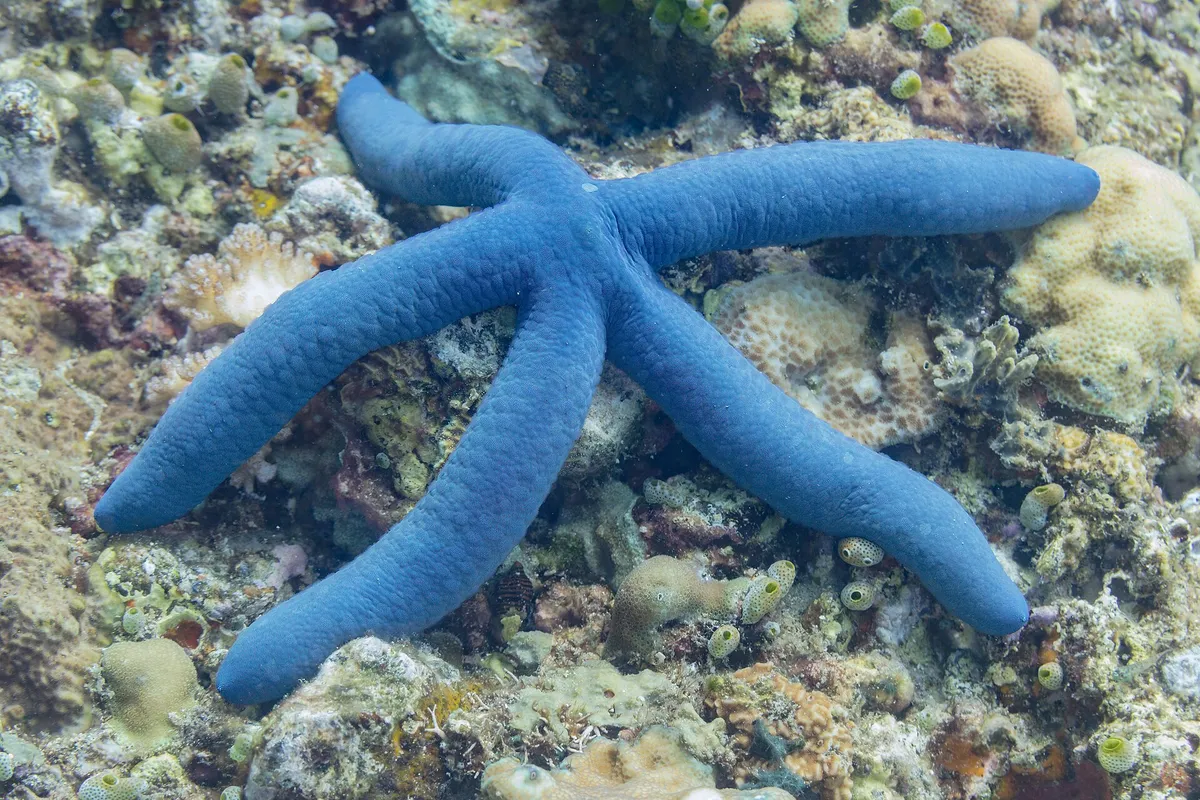
The blue linckia is a stunning, electric-blue starfish that is reef safe but very hard to keep alive. It needs a large, very mature tank and slow,…
Read more →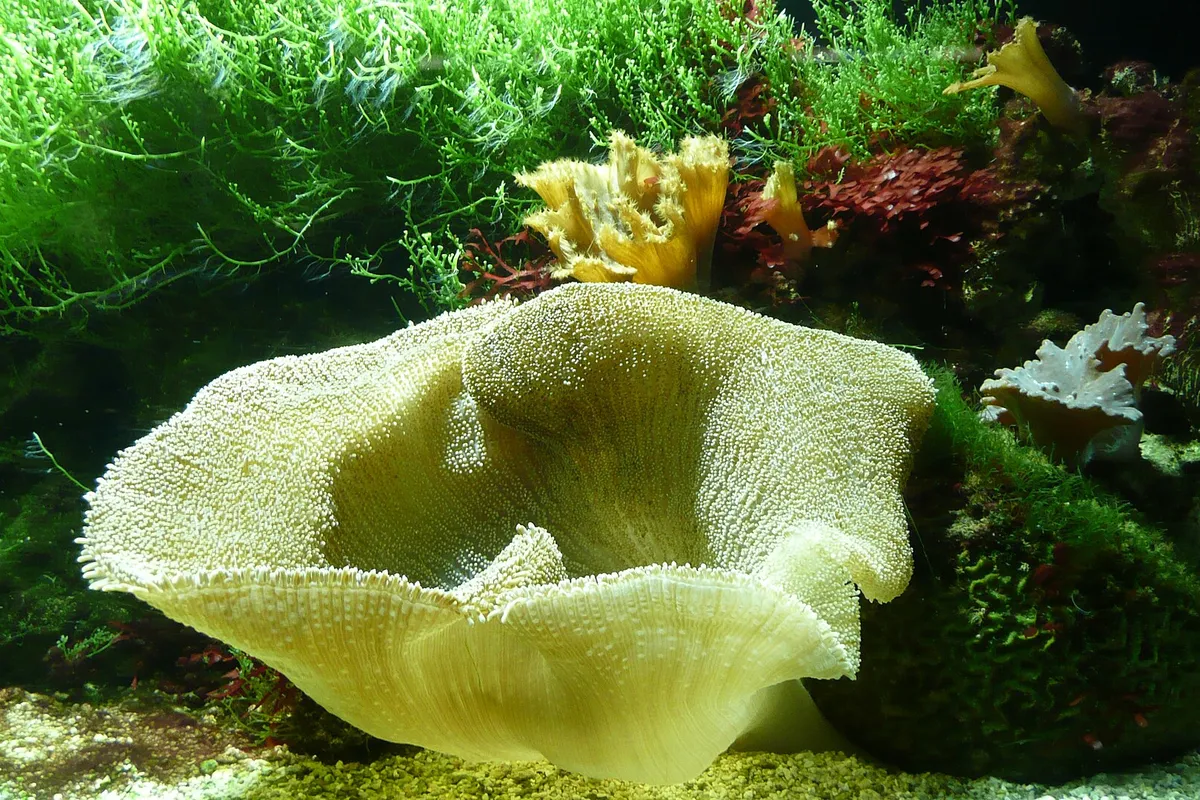
Stichodactyla haddoni is a large, sticky saddle carpet anemone up to 80 cm across that hosts clownfish but eats fish too, so it needs a big, mature…
Read more →