
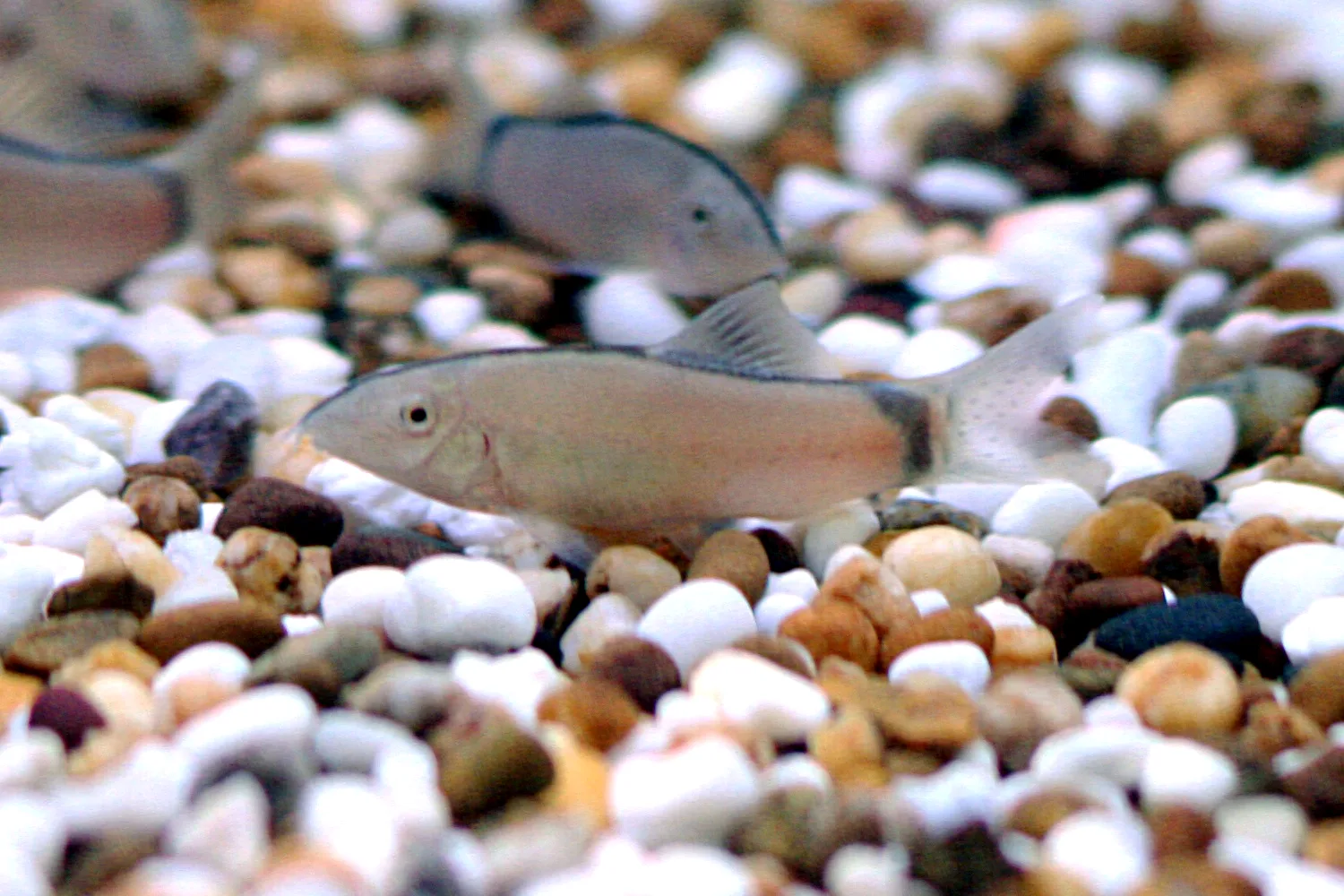
Skunk Loach (Yasuhikotakia morleti)
Yasuhikotakia morleti wears a dorsal skunk stripe and a subocular spine: a Mekong loach to keep as five-plus (or one), under a latched lid, and nev…
Read more →
Guías
Este centro de Agua Dulce en Amigos Peces reúne orientación práctica sobre peces de agua dulce para cuidadores que desean respuestas claras antes de cambiar el agua, el ganado o el equipo.
Utiliza estos artículos para emparejar especies con el tamaño del tanque, planificar la filtración y la alimentación, y solucionar problemas de química del agua sin adivinar. Cada guía está escrita para acuarios domésticos y enlaza a lecturas relacionadas cuando necesites más profundidad sobre peces de agua dulce.
Comienza con lo básico: parámetros estables, hábitos de cuarentena y un horario de alimentación que coincida con el ganado; luego explora los perfiles y cómo hacerlo a continuación. Cuando estés listo para diversificar, salta a temas vecinos para que tu plan de peces de agua dulce se mantenga consistente en todo el tanque.
Ya sea que estés llenando un primer tanque comunitario o refinando un paisaje establecido, guarda esta página en tus marcadores y regresa a medida que surjan preguntas. Los acuarios saludables se construyen a partir de pequeñas rutinas repetibles más que de mejoras únicas, y el éxito con los peces de agua dulce sigue el mismo patrón.
Explora a continuación: todas las guías, plantas de acuario, química del agua, guías de alimentación.
Amigos Peces publica hojas de cuidado de especies, notas sobre plantas e invertebrados, ideas de paisajismo acuático y explicaciones sobre el cuidado del agua para que los consejos sobre peces de agua dulce sean fáciles de encontrar. Lee una guía a fondo, aplícala lentamente y utiliza los centros enlazados arriba cuando desees un segundo ángulo sobre el mismo problema.
Antes de comprar ganado o repensar la filtración, revisa dos o tres artículos sobre peces de agua dulce aquí y anota los números objetivo para temperatura, dureza y alimentación. Esa breve lista de verificación previene los reinicios más comunes y mantiene tu acuario más cerca de la exhibición tranquila y saludable que estás buscando.
Regresa después de los cambios de agua o nuevas adiciones: compara lo que ves en el tanque con las listas de verificación de peces de agua dulce a continuación, luego sigue un paso recomendado en lugar de cambiar todo de una vez. Las mejoras constantes se acumulan, y Amigos Peces está diseñado para apoyar ese ritmo.
Yasuhikotakia morleti wears a dorsal skunk stripe and a subocular spine: a Mekong loach to keep as five-plus (or one), under a latched lid, and nev…
Read more →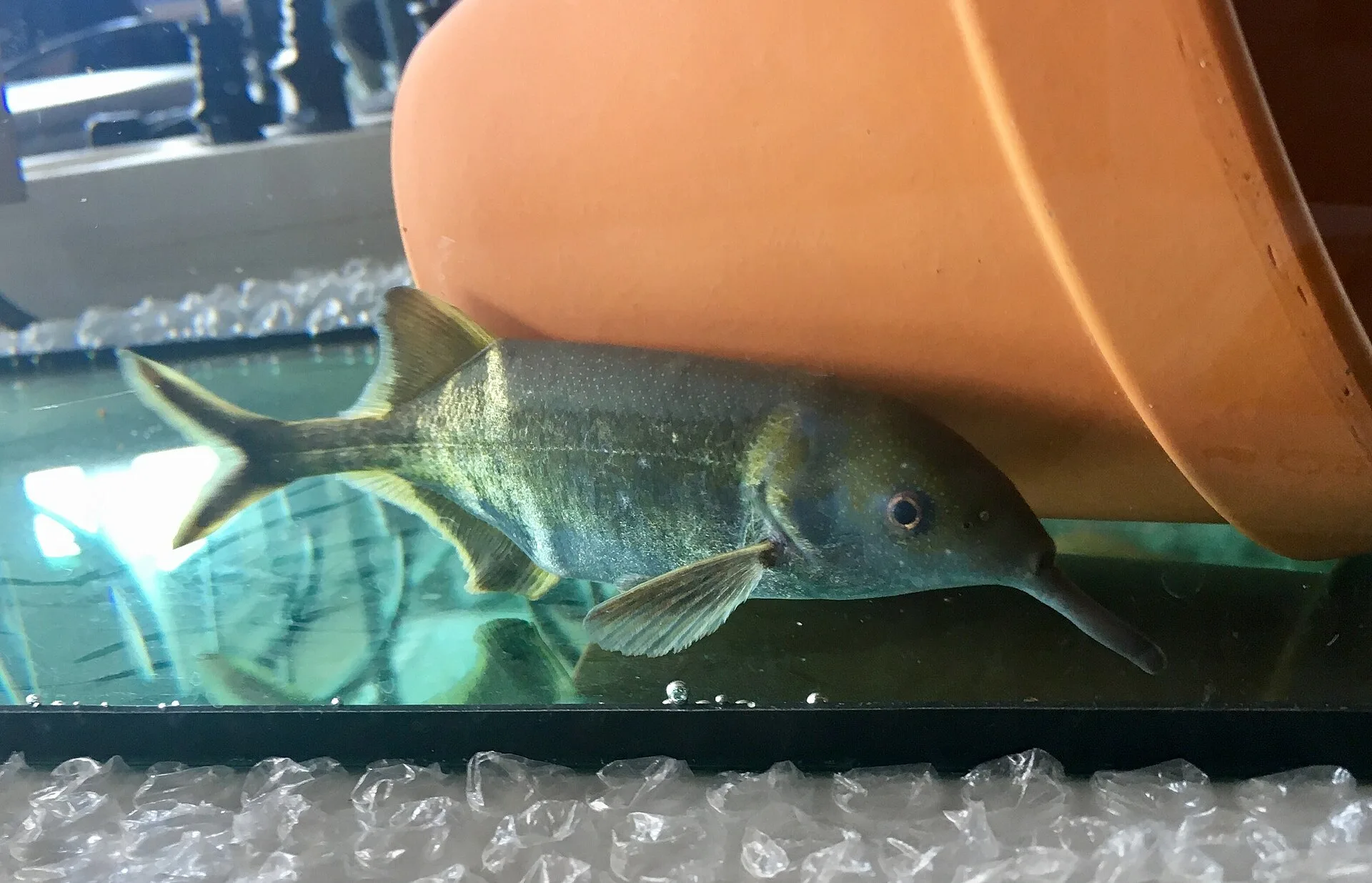
Gnathonemus petersii hunts with a weakly electric chin in the dark: sand, dim cover, meat at dusk, and a tank without stray voltage or a bully on t…
Read more →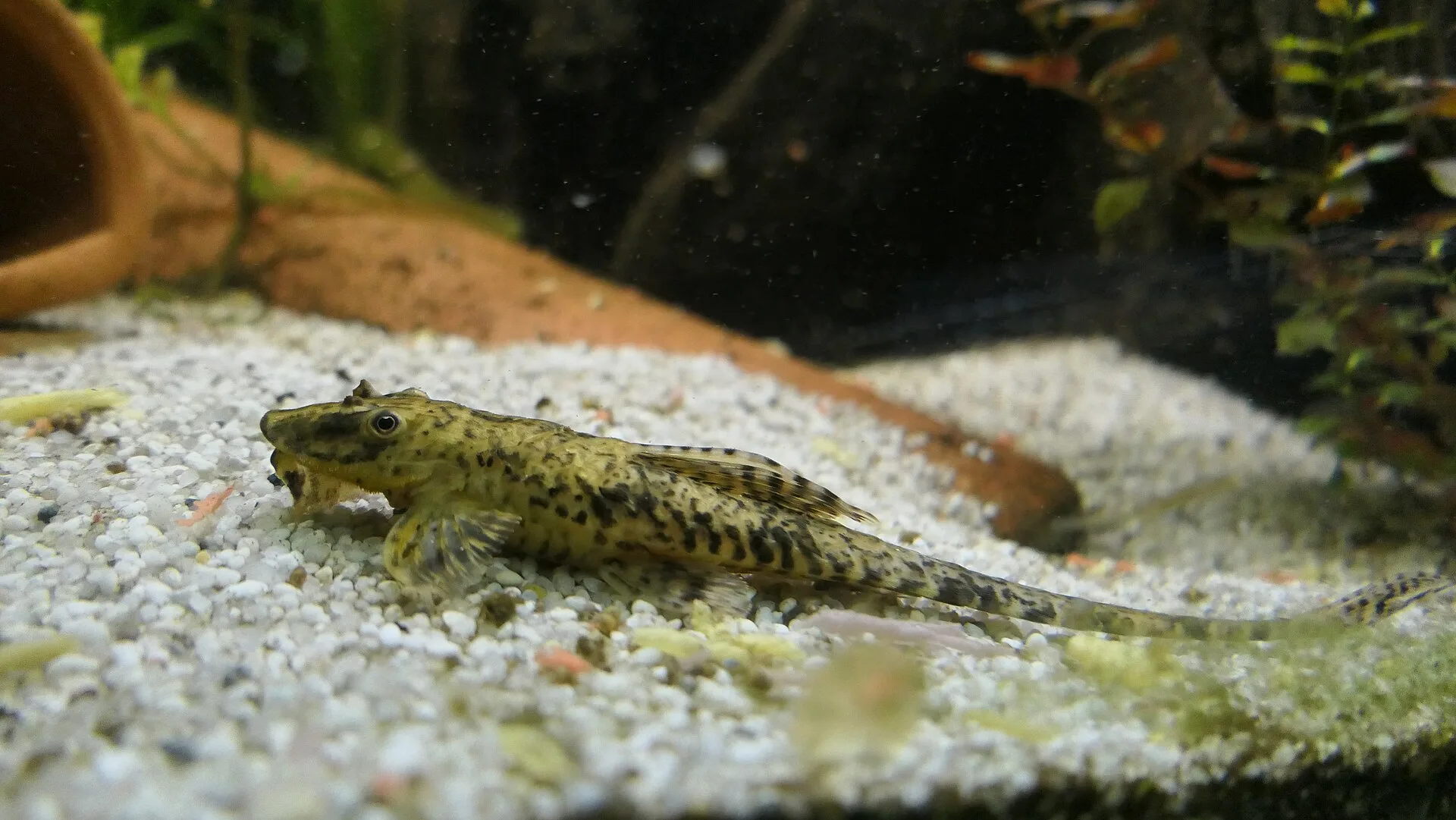
Rineloricaria lanceolata lies on sand like a walking leaf — a quiet South American whiptail that wants litter, a spawning tube, night-time wafers…
Read more →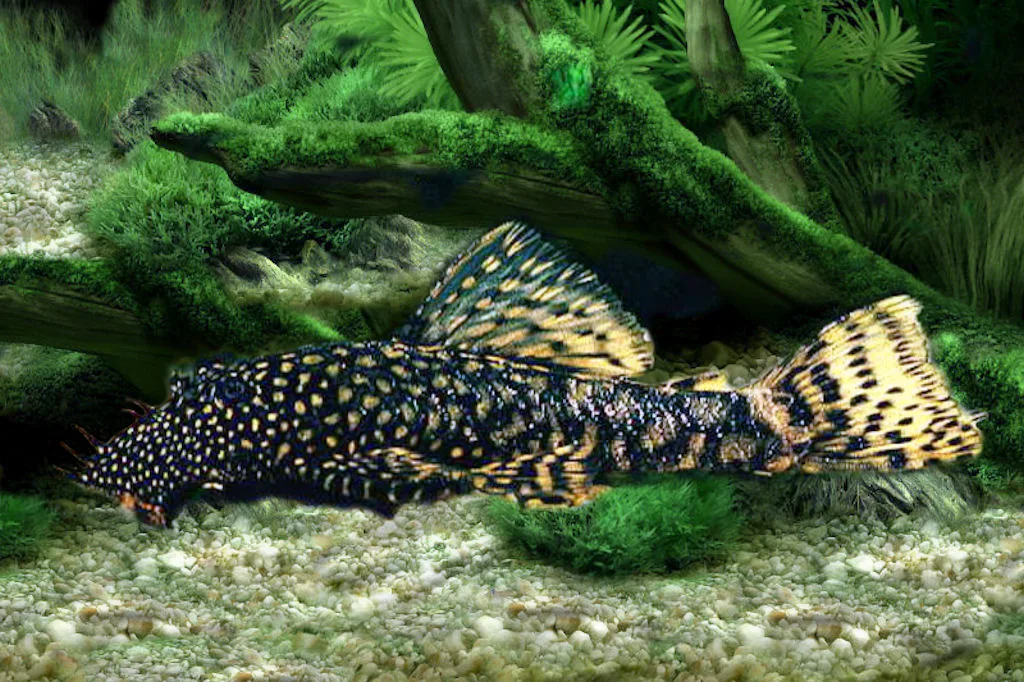
Ancistrus cirrhosus is the pleco that still fits: wood to rasp, vegetables every week, a cave for the bristled male, and fry in the doorway whether…
Read more →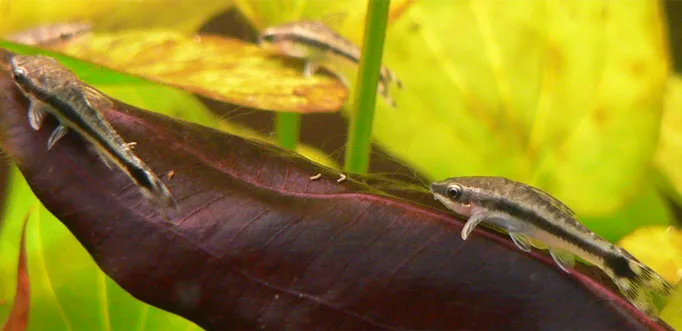
Otocinclus vittatus rasps biofilm, not leftover flake: a 4 cm school of grazing catfish for a tank that is already established, already planted, an…
Read more →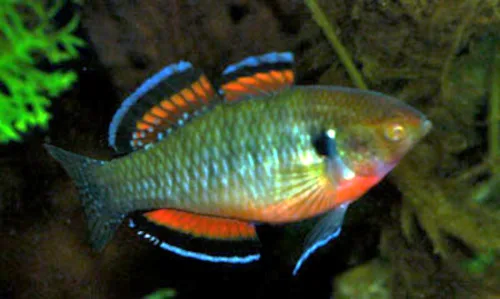
Hypseleotris compressa males look painted when they colour up: an Australian gudgeon of 10–12 cm that sits, lunges, and does not belong in a nano…
Read more →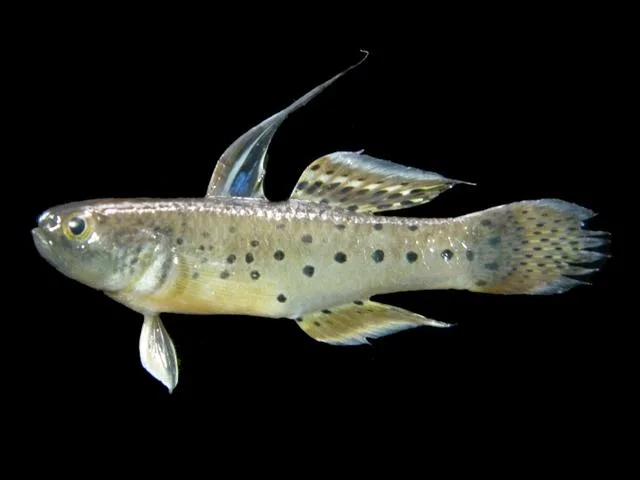
Stigmatogobius sadanundio, the knight goby, is an estuarine sentry — spotted, territorial, meat-eating — that wants hard freshwater or honest b…
Read more →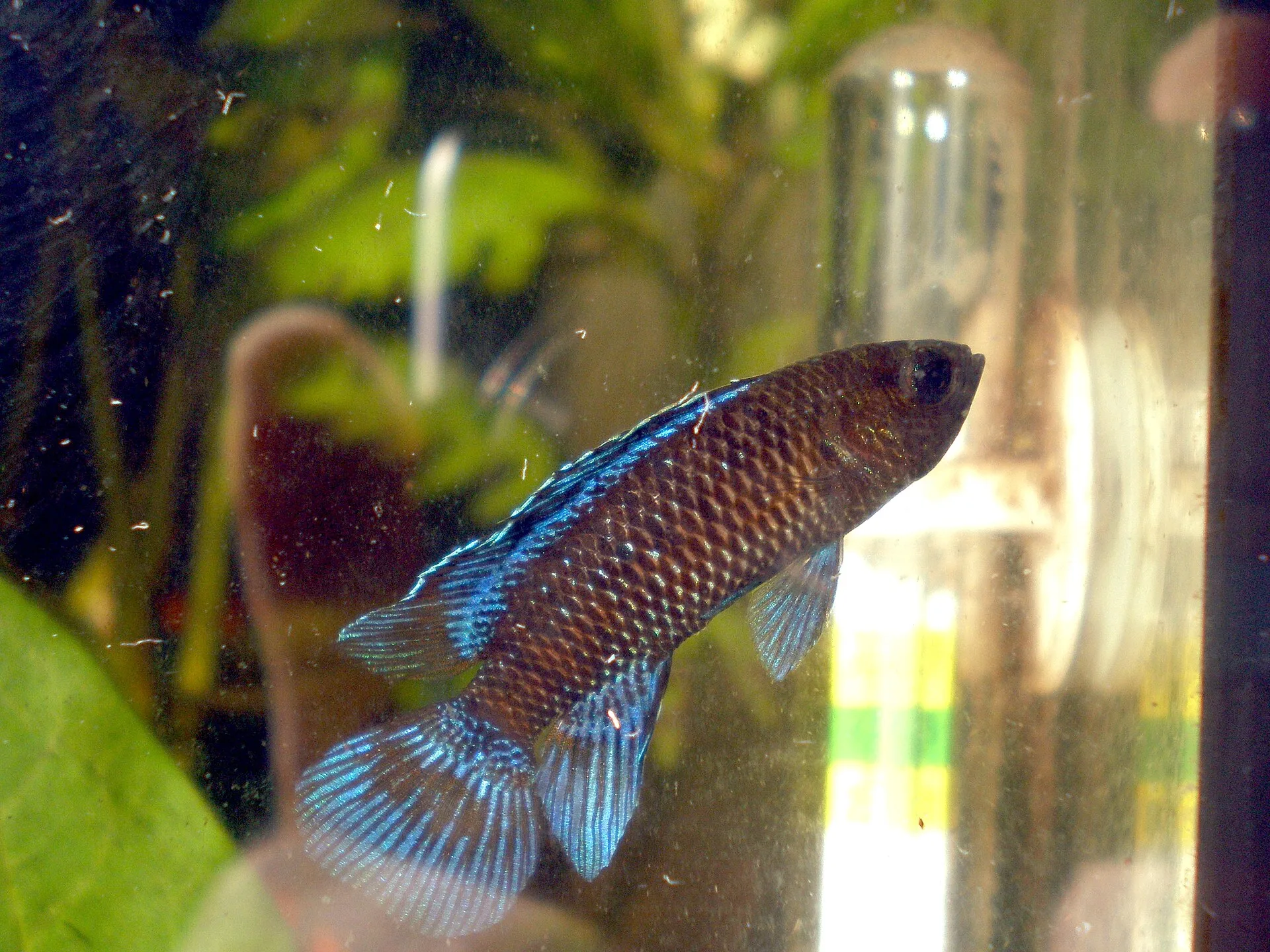
Badis badis is a Ganges micropredator that starves beside fast tetras: a chameleon that turns blue in a weedy cave if you feed it what still wriggl…
Read more →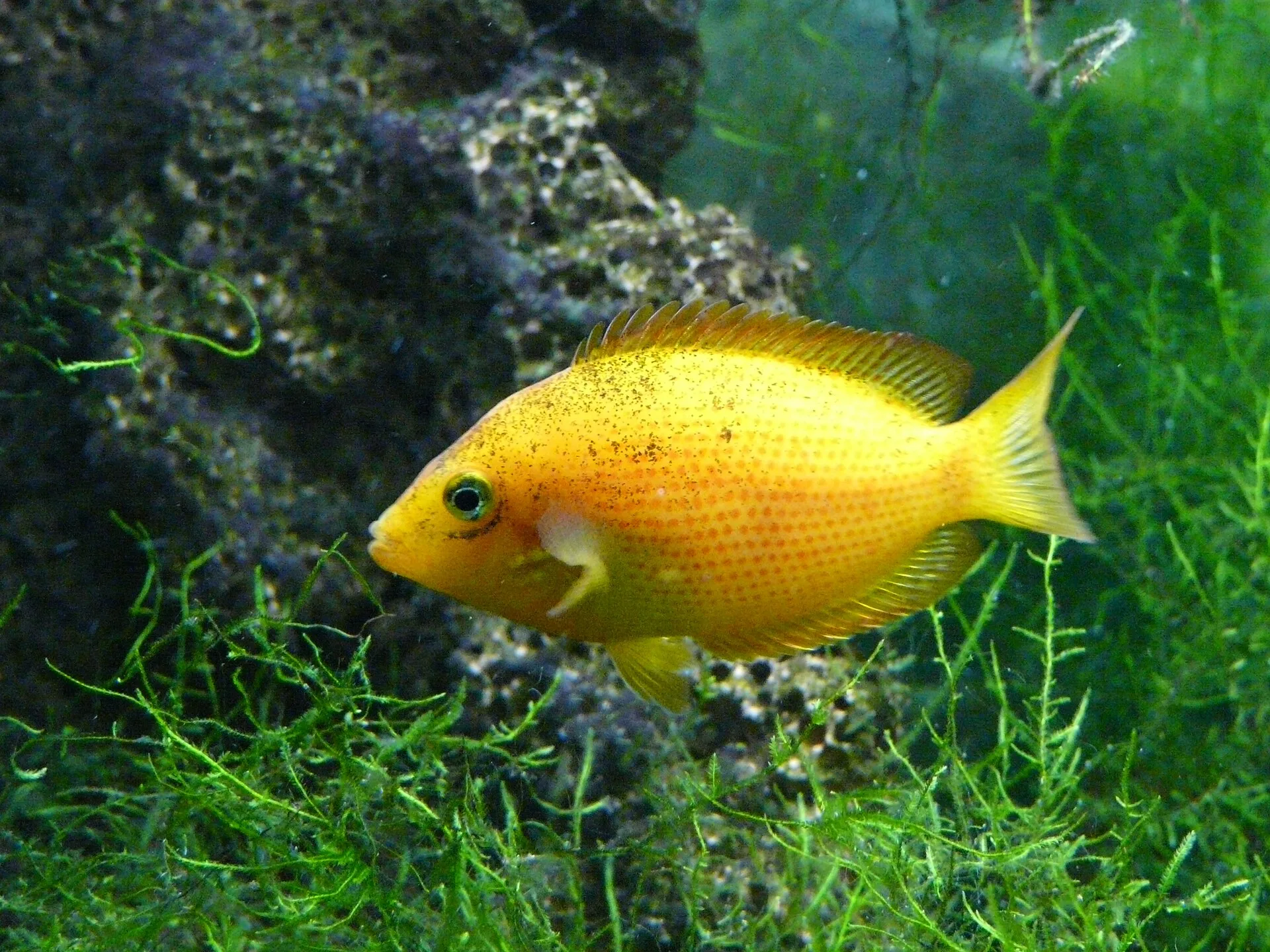
Etroplus maculatus, the orange chromide of India and Sri Lanka, colours like a sunset when the pair and the hardness are right, with optional brack…
Read more →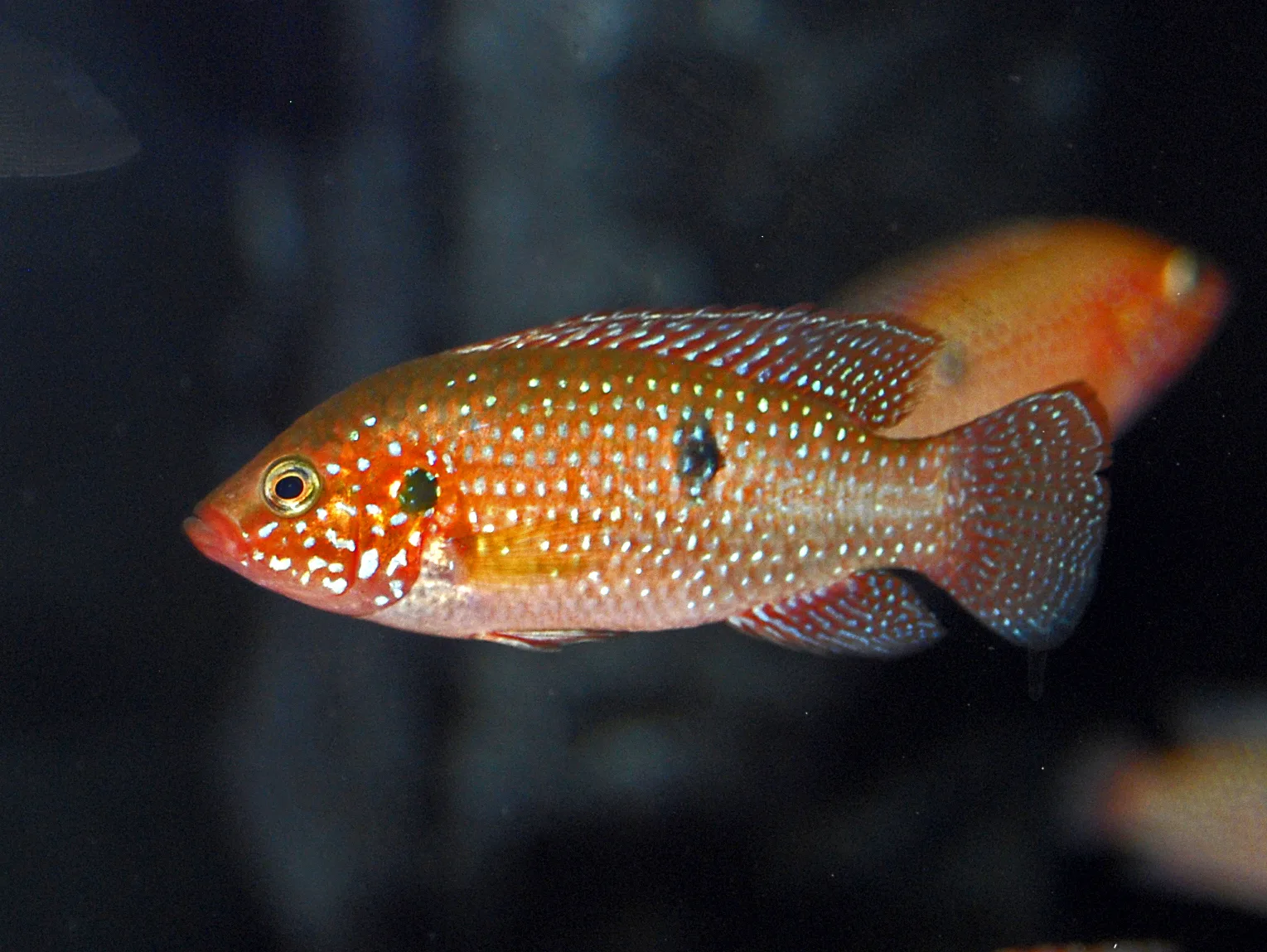
Hemichromis lifalili is a Congo jewel the size of a hand and the confidence of a much larger cichlid — red, turquoise-spangled, and territorial t…
Read more →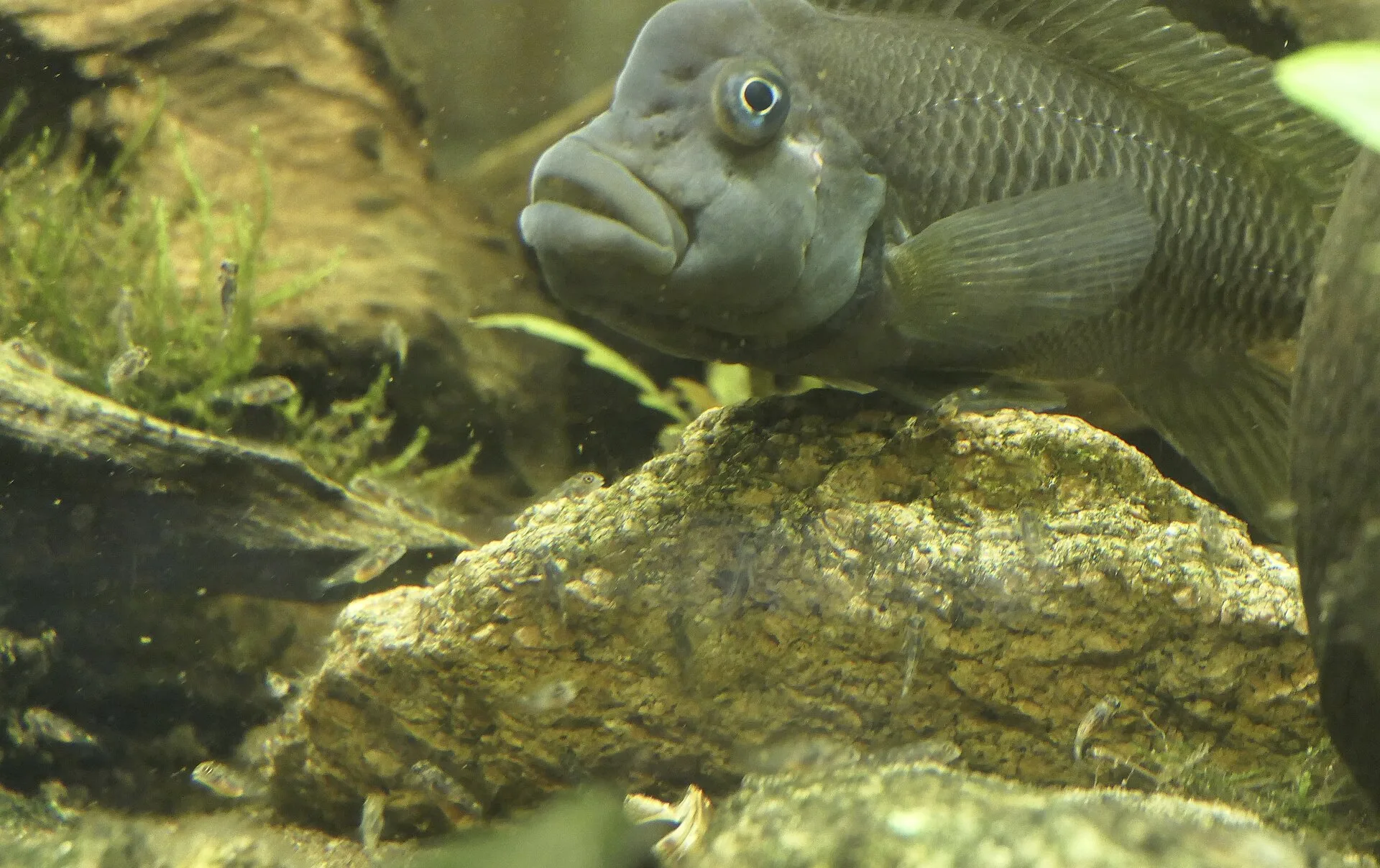
Steatocranus casuarius hops through Congo rapids more than it swims: a reduced swim bladder, a nuchal hump on the male, and an aquarium built of cu…
Read more →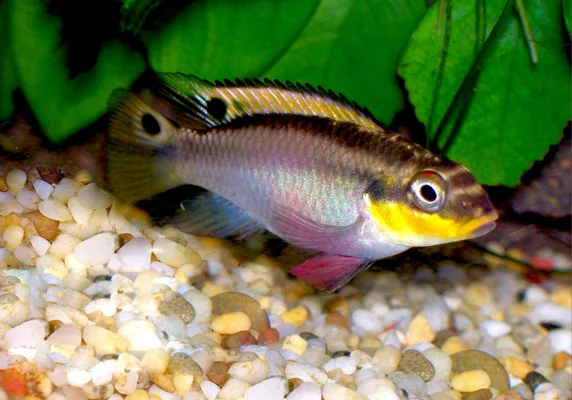
Moliwe, Nigerian red, Wouri — Pelvicachromis taeniatus is a West African cave cichlid whose locality name is the point, not a generic krib in a d…
Read more →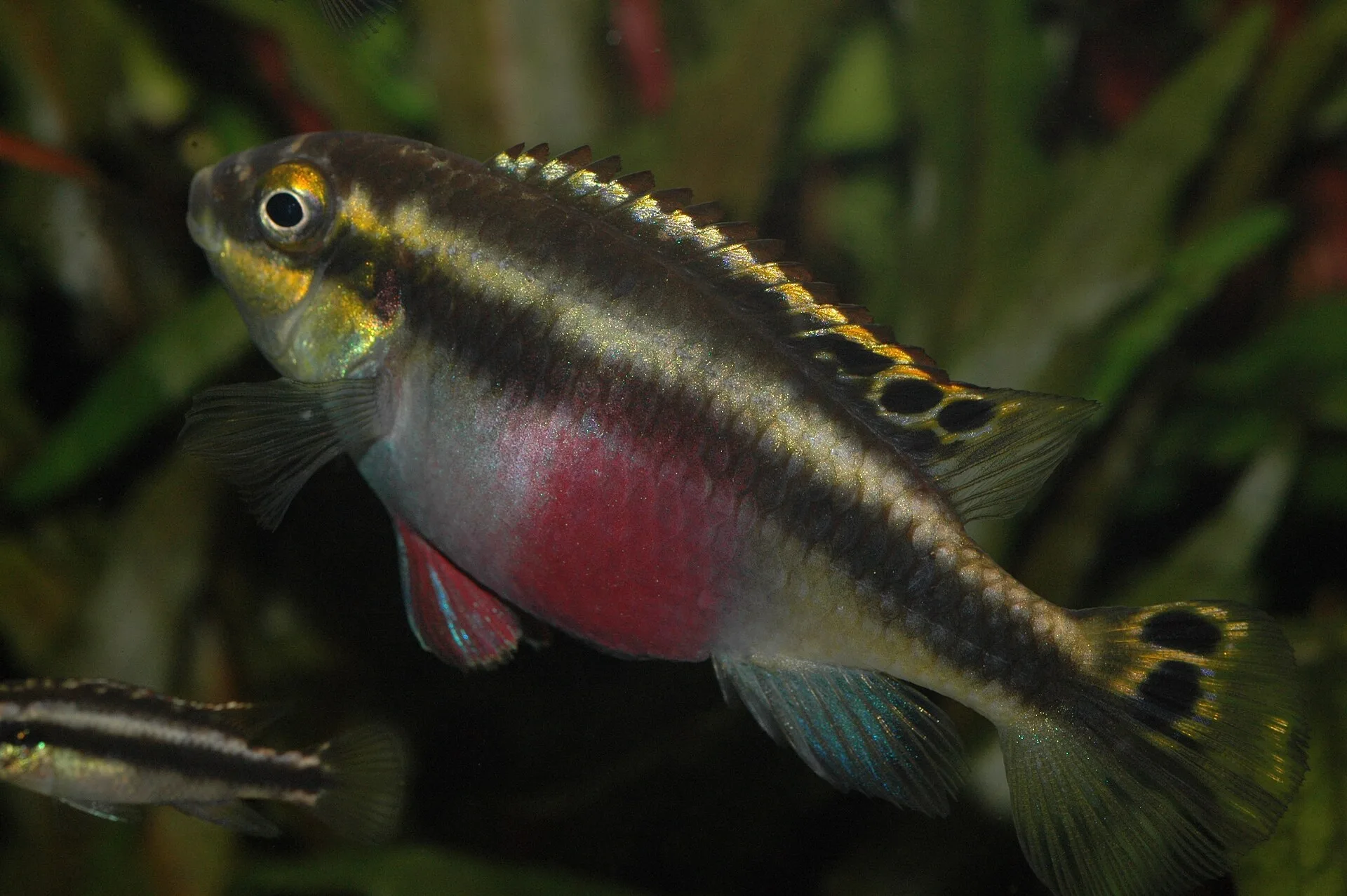
Kribensis is West Africa’s household cave cichlid: a pair that chose each other, a pot they both approve of, and a pink belly that means the rest…
Read more →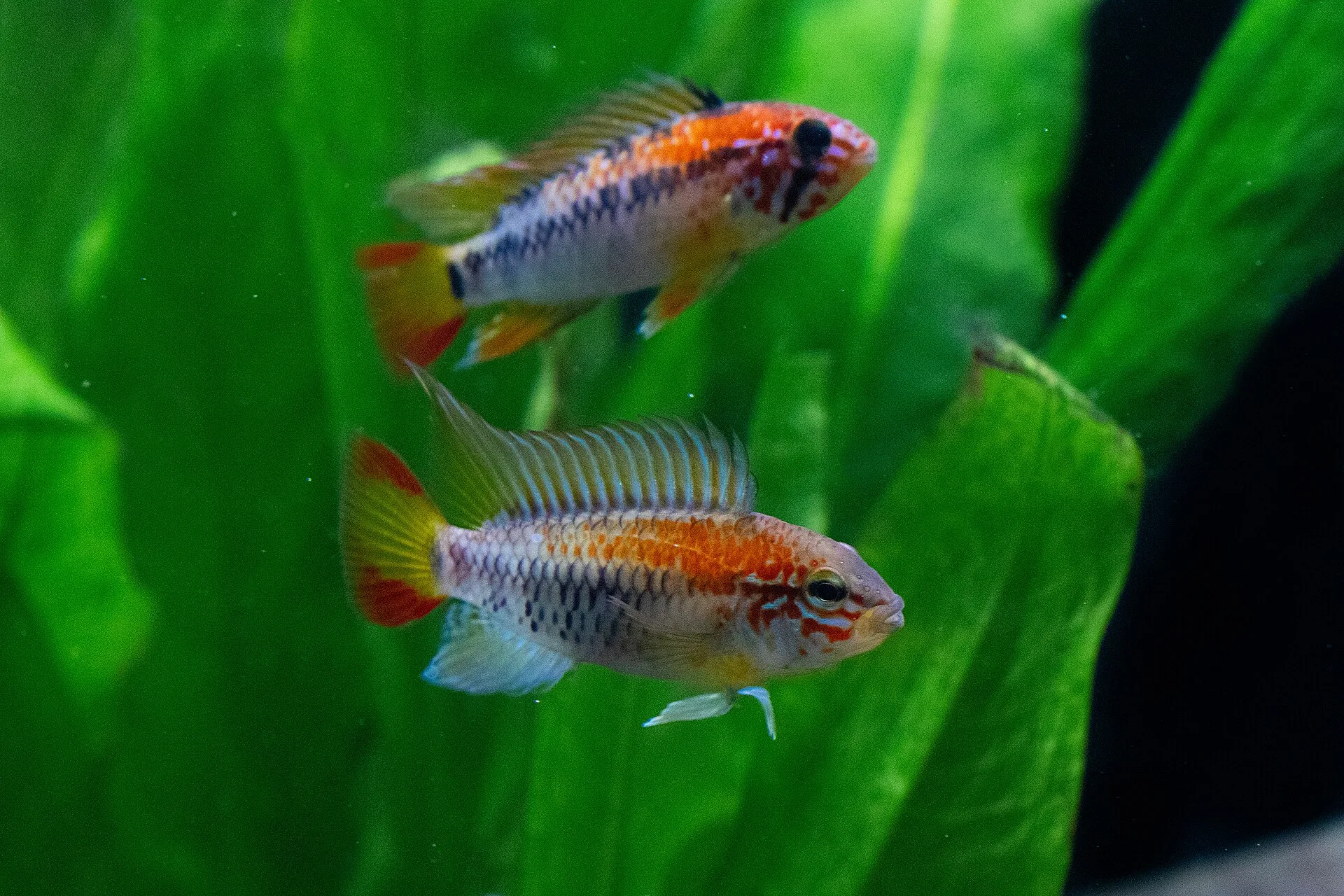
Apistogramma macmasteri arrives looking like cardboard and turns red-orange only in tea-stained creek water, with a clay pot and a tank that belong…
Read more →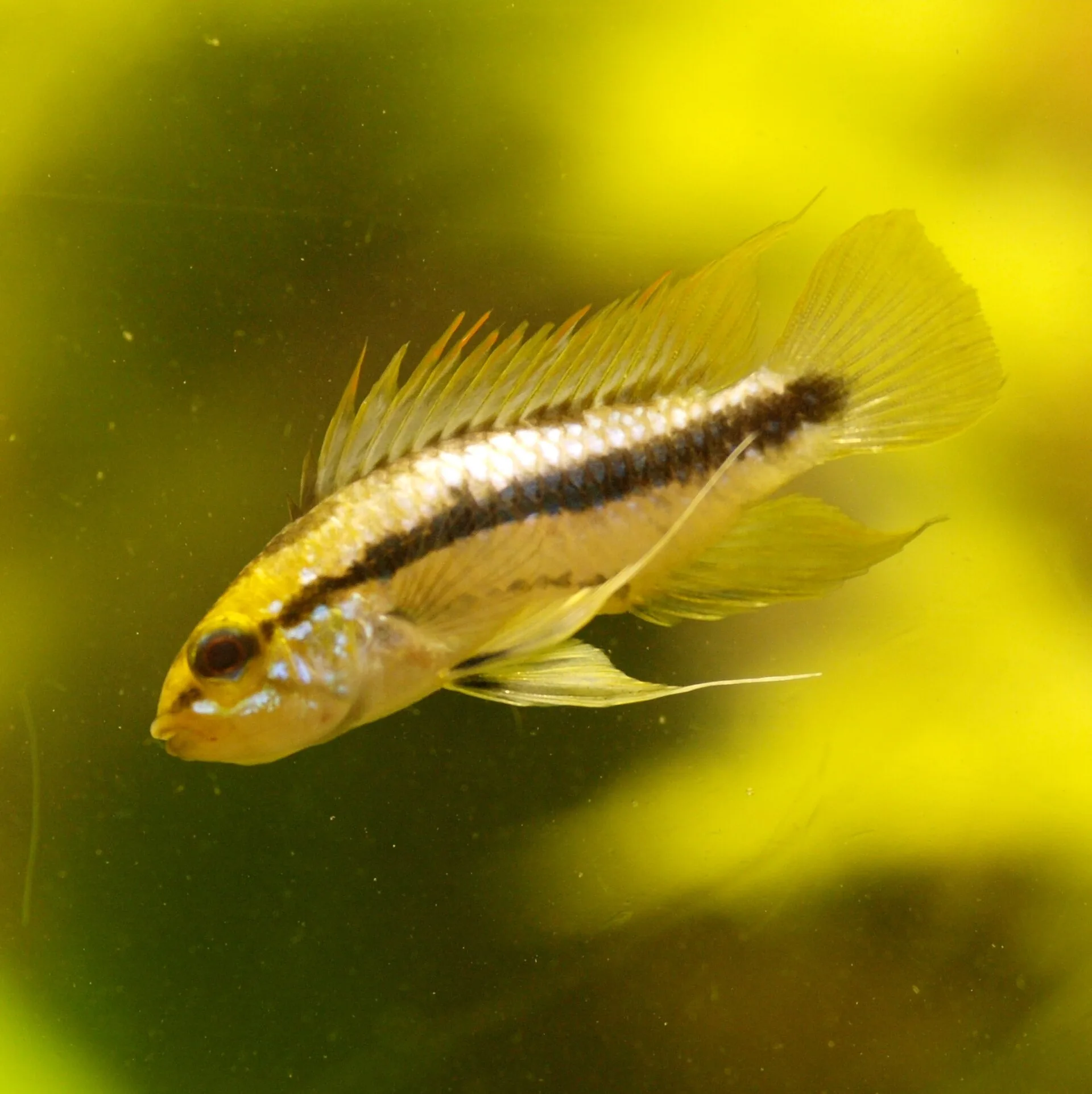
Three dark lines down the flank are both the field mark and a mood meter for Apistogramma trifasciata, a shy Paraguay-basin dwarf cichlid that want…
Read more →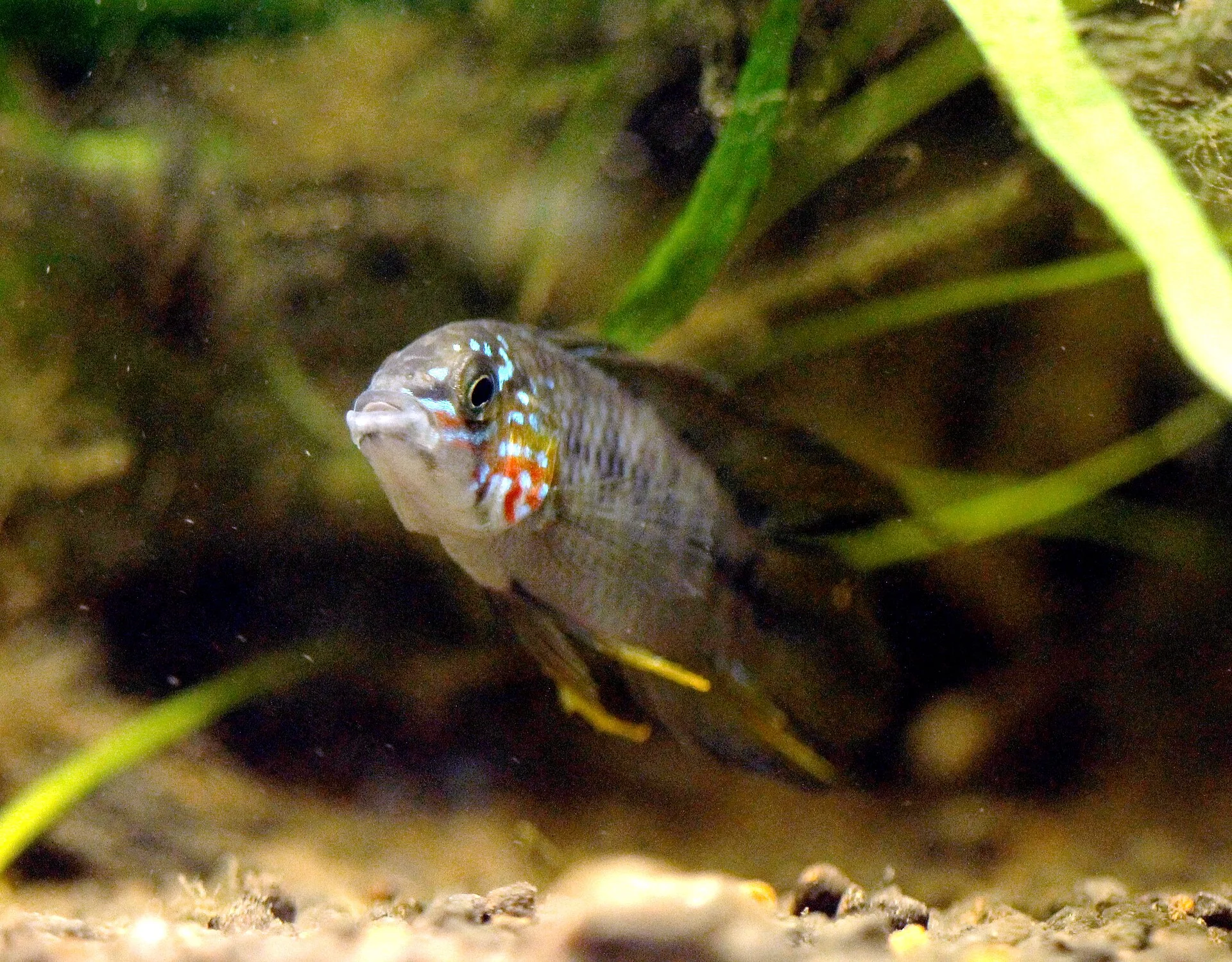
Apistogramma borellii is the yellow dwarf of the Paraná floodplain, more forgiving of hardness than most apistos, and at its best when one male ha…
Read more →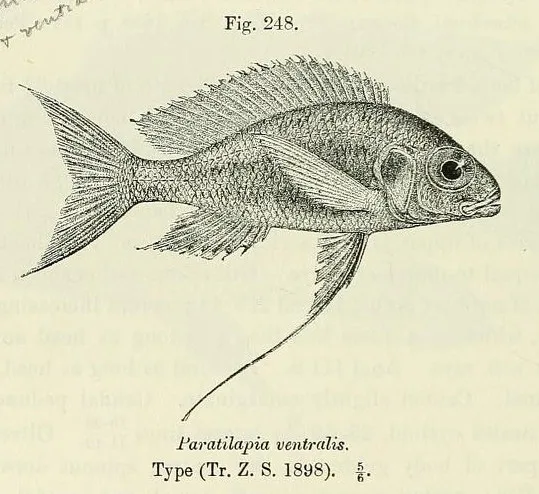
Males of Ophthalmotilapia ventralis trail yellow egg-spots on elongated ventrals and hold leks over Tanganyika sand — a featherfin that needs vol…
Read more →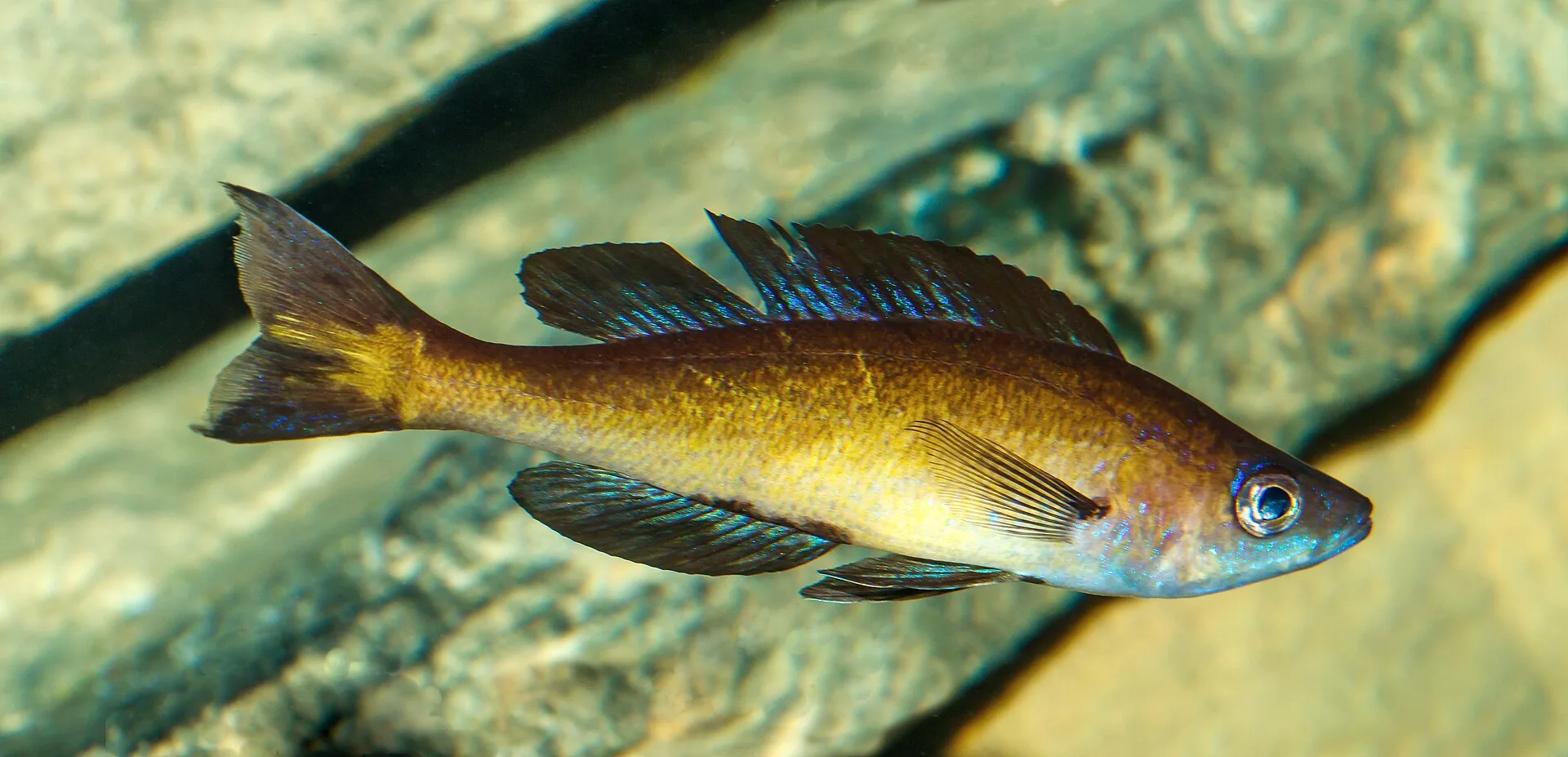
Cyprichromis leptosoma is Tanganyika’s open-water sardine cichlid: a school in empty hard water, hanging at an angle, mouthbrooding in the blue.
Read more →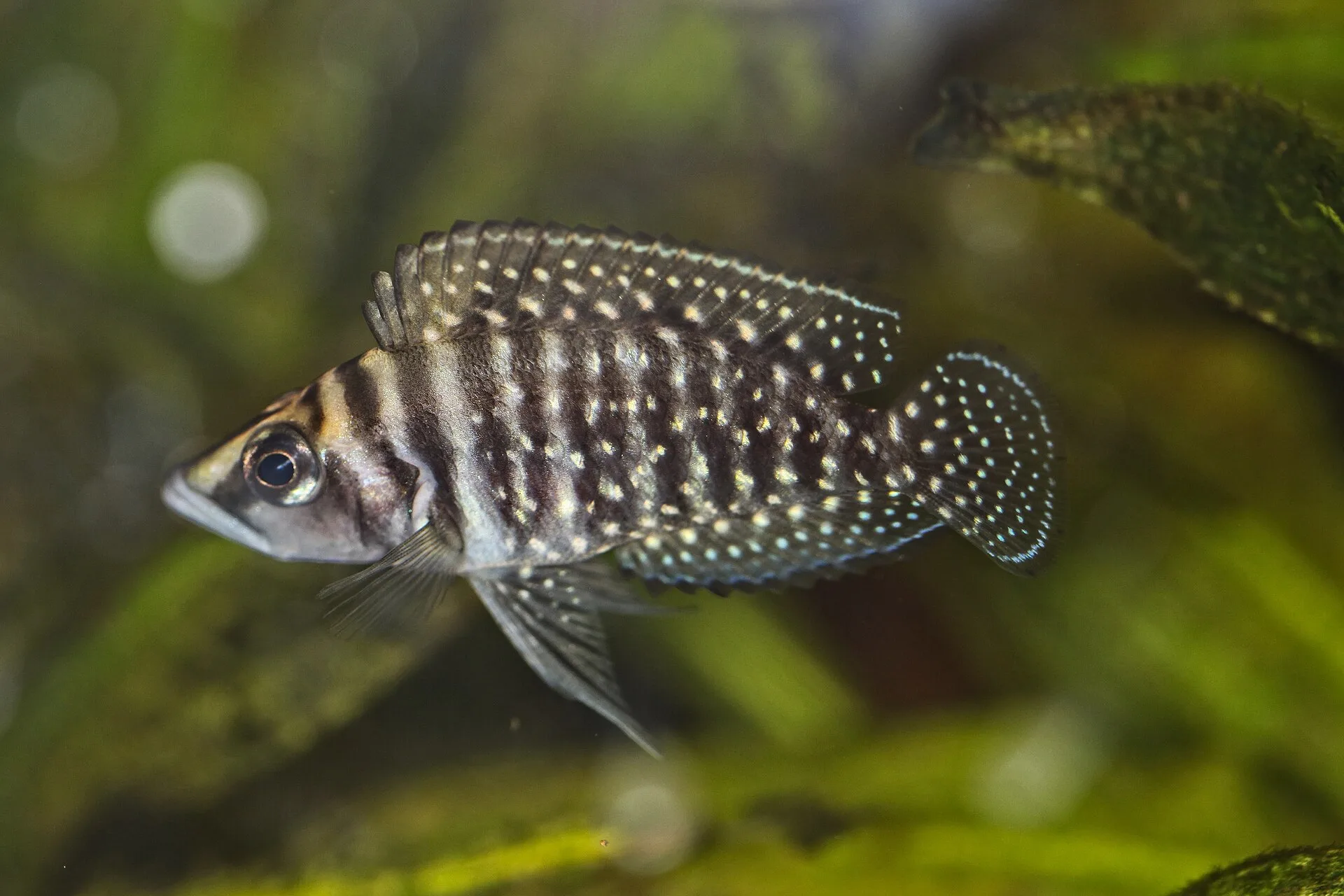
Calvus is a compressed, pearly Tanganyikan that slides into fissures and hunts whatever fits. The female spawns where the male cannot follow.
Read more →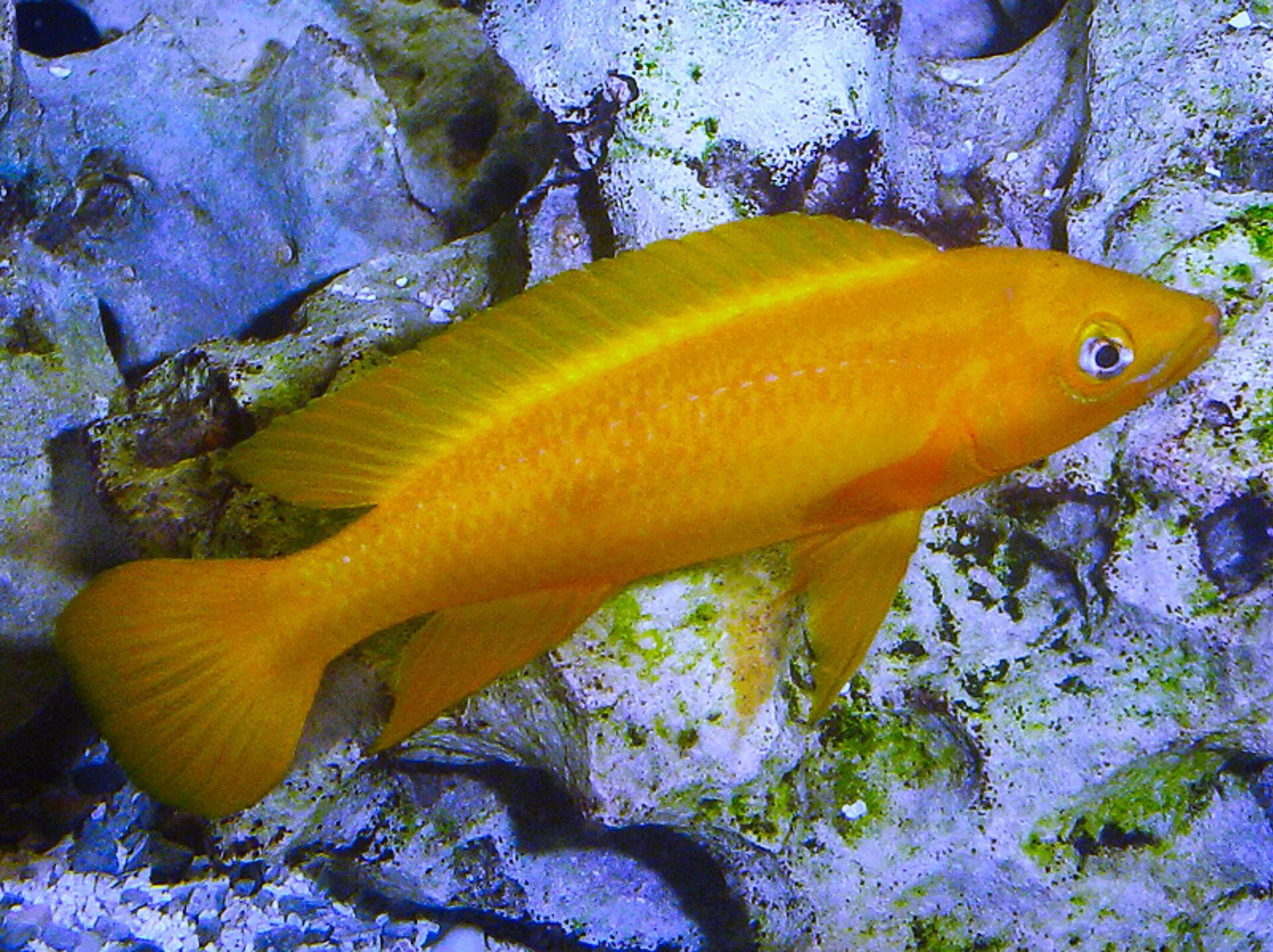
Lemon cichlids stay lemon when a Tanganyikan cave pair gets crustacean-rich food and a hole they actually own. Beige is usually the tank talking, n…
Read more →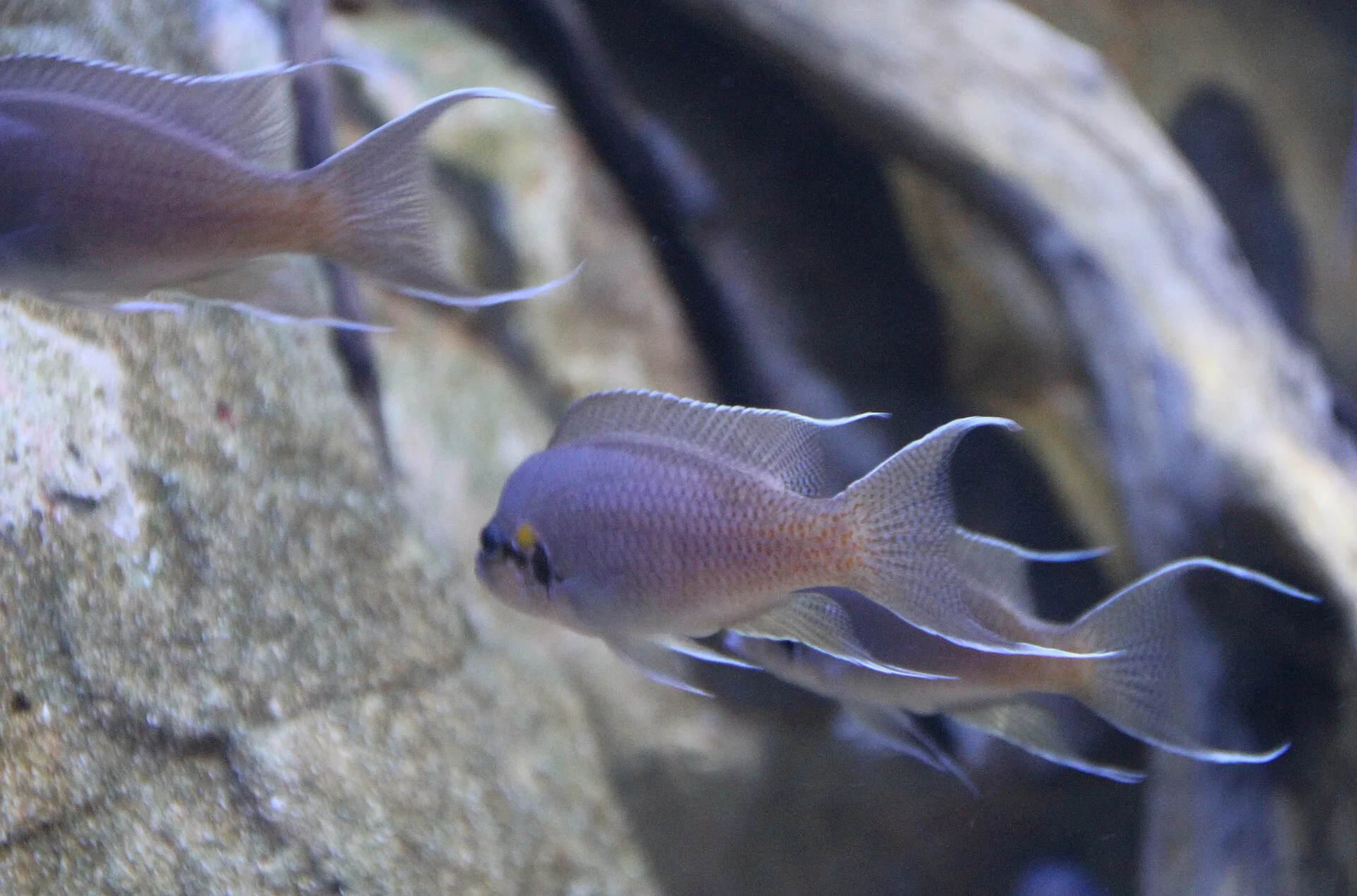
Fairy cichlids are lyretail Tanganyikans whose “pair” becomes a palace of helpers. Build for the dynasty, or the clan annexes every cave you me…
Read more →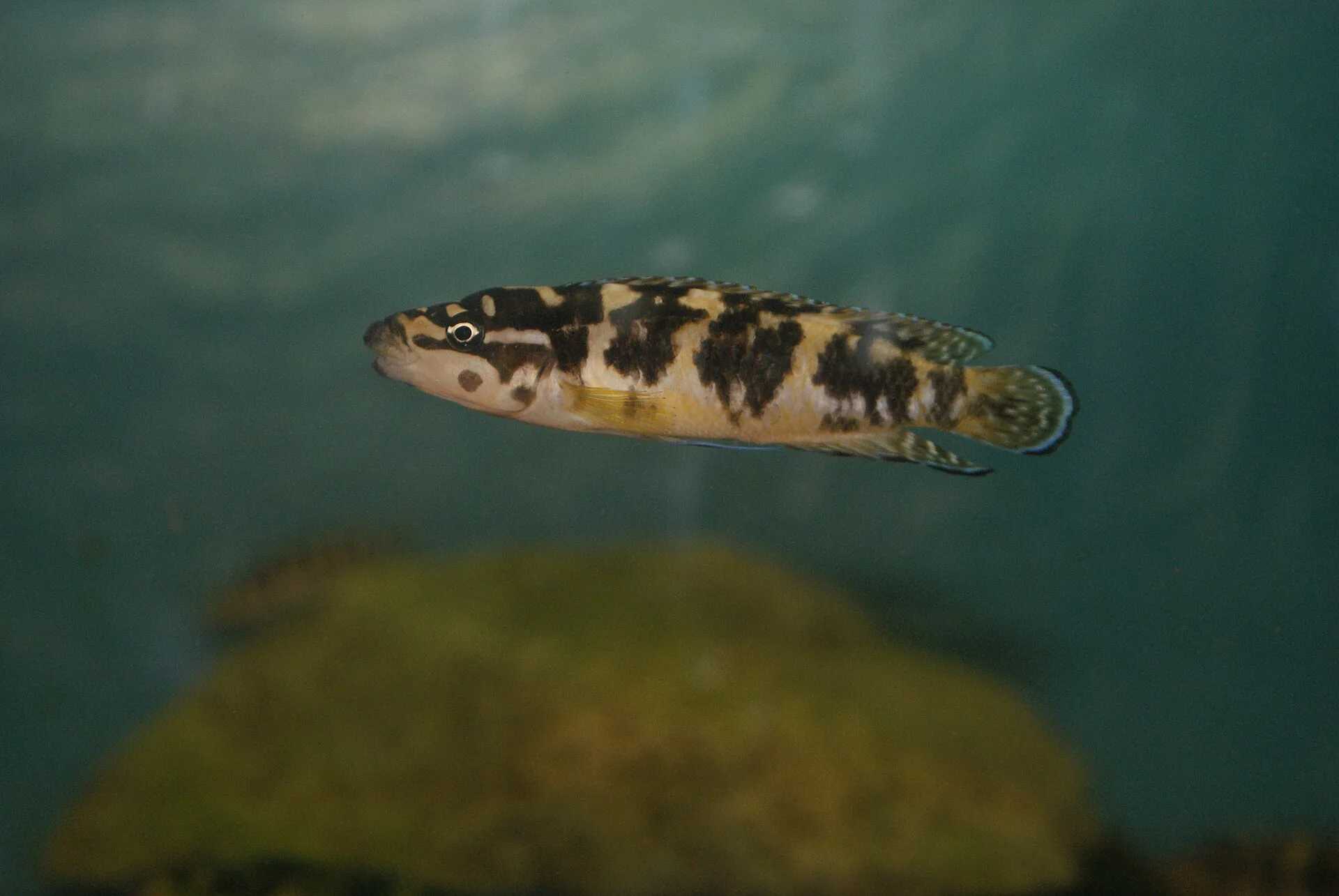
The maze-patterned julie stitches itself into a crack, spawns on a cave ceiling, and may raise stacked generations—or end the marriage if the tan…
Read more →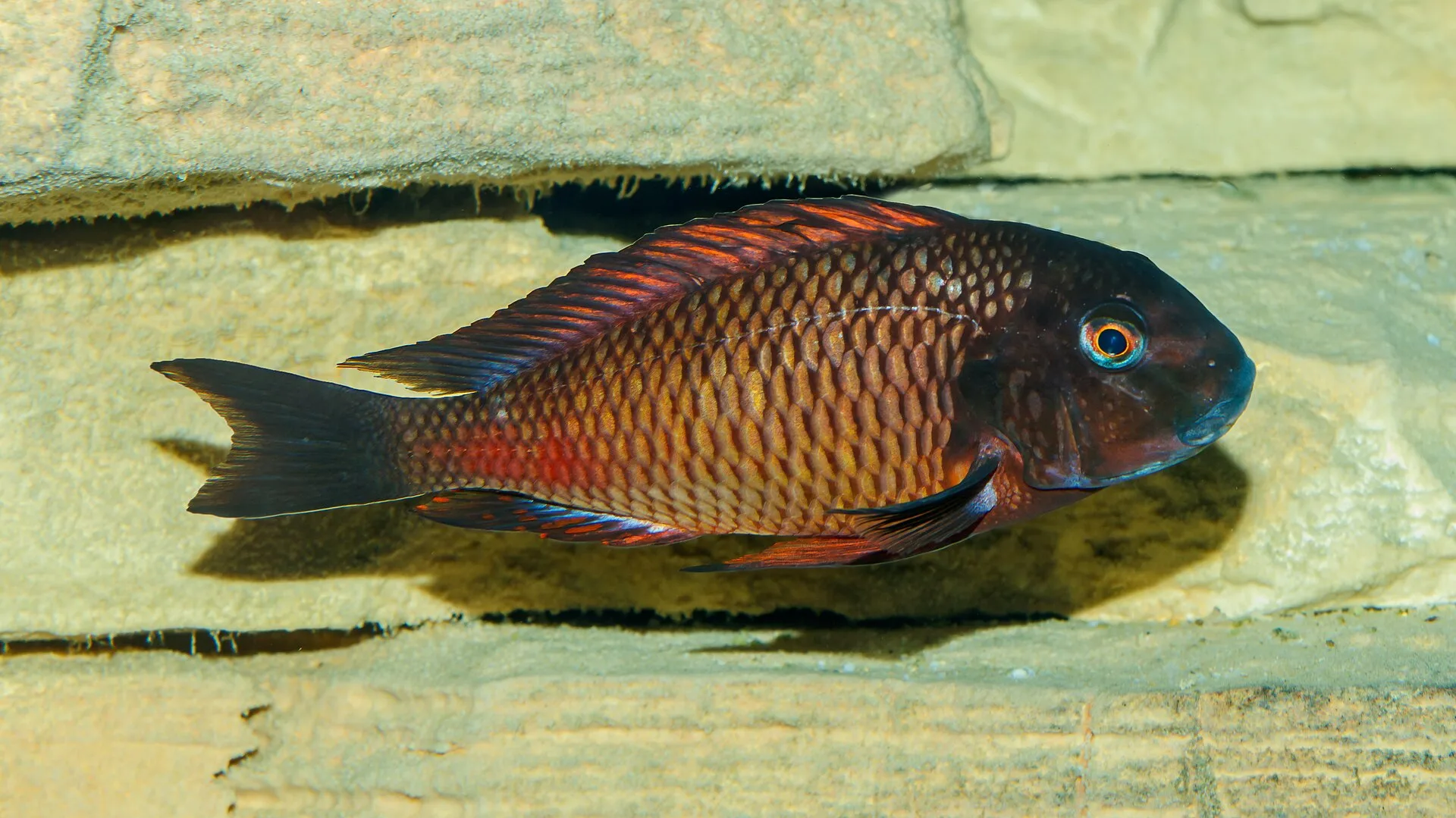
Tropheus moorii is a Tanganyikan grazing colony, not a pair of treats. Rock, alkaline water, fibre, and a dozen fish are the contract; daily bloodw…
Read more →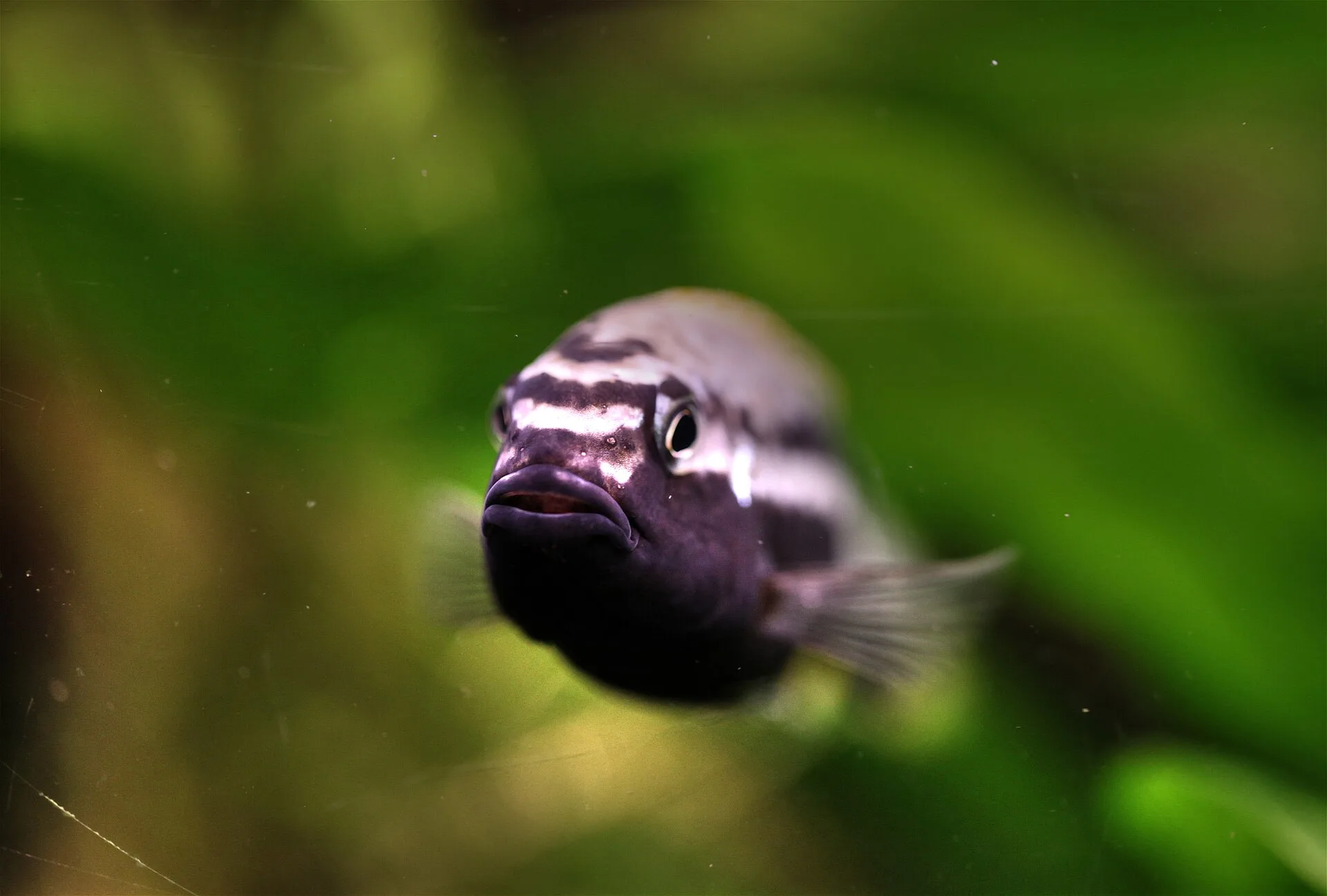
Golden mbuna females stay yellow-striped; males invert into a dark, electric-striped night form. One male, many females, rocks, and vegetables.
Read more →