
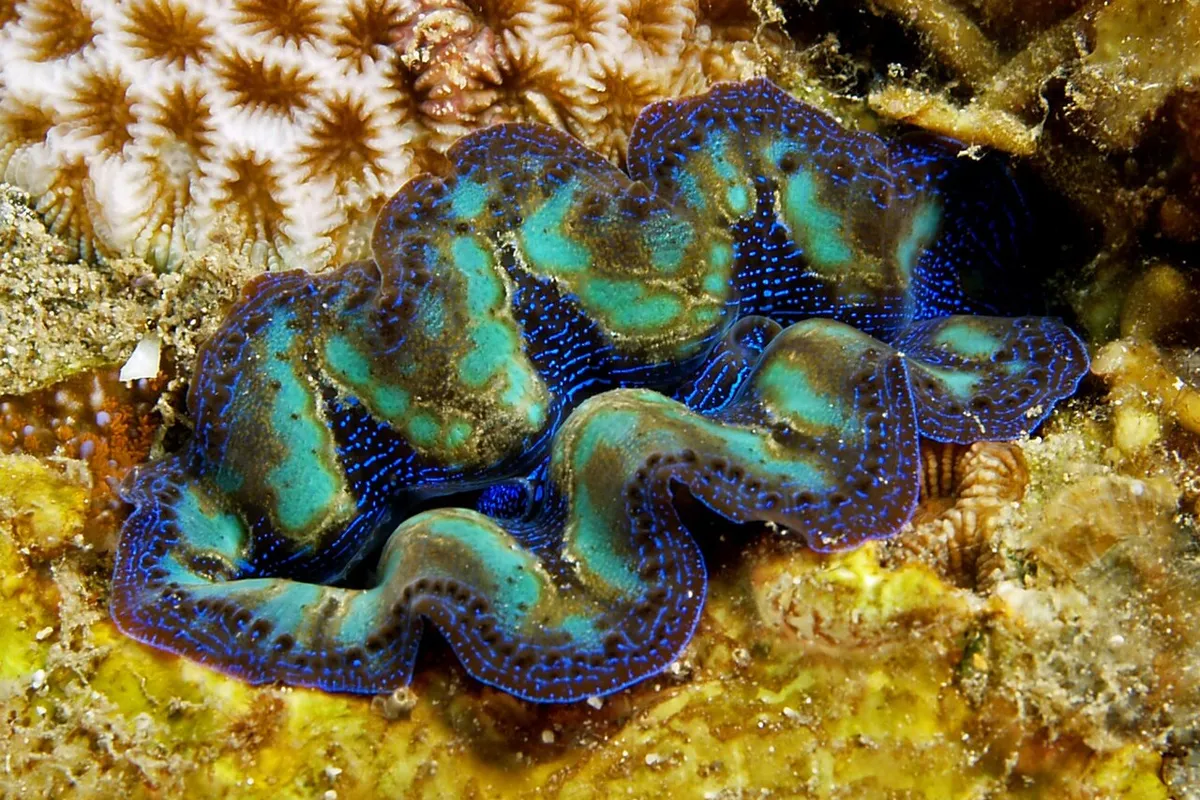
Crocea Clam (Tridacna crocea)
The crocea clam is the smallest giant clam, famous for its brilliant mantle colours. Here is how to light, place and care for Tridacna crocea.
Read more →
The crocea clam is the smallest giant clam, famous for its brilliant mantle colours. Here is how to light, place and care for Tridacna crocea.
Read more →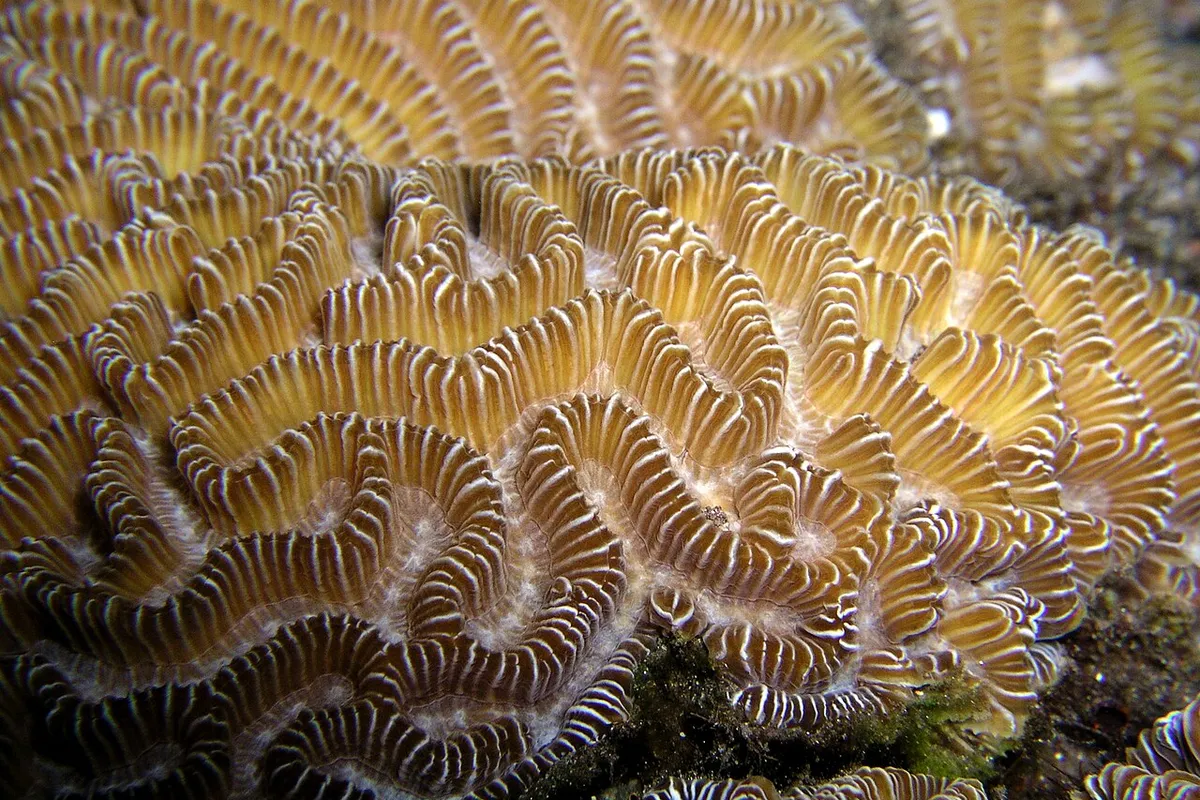
Maze brain corals form rounded colonies with winding, maze-like valleys. Here is how to light, feed and place Platygyra in a reef tank.
Read more →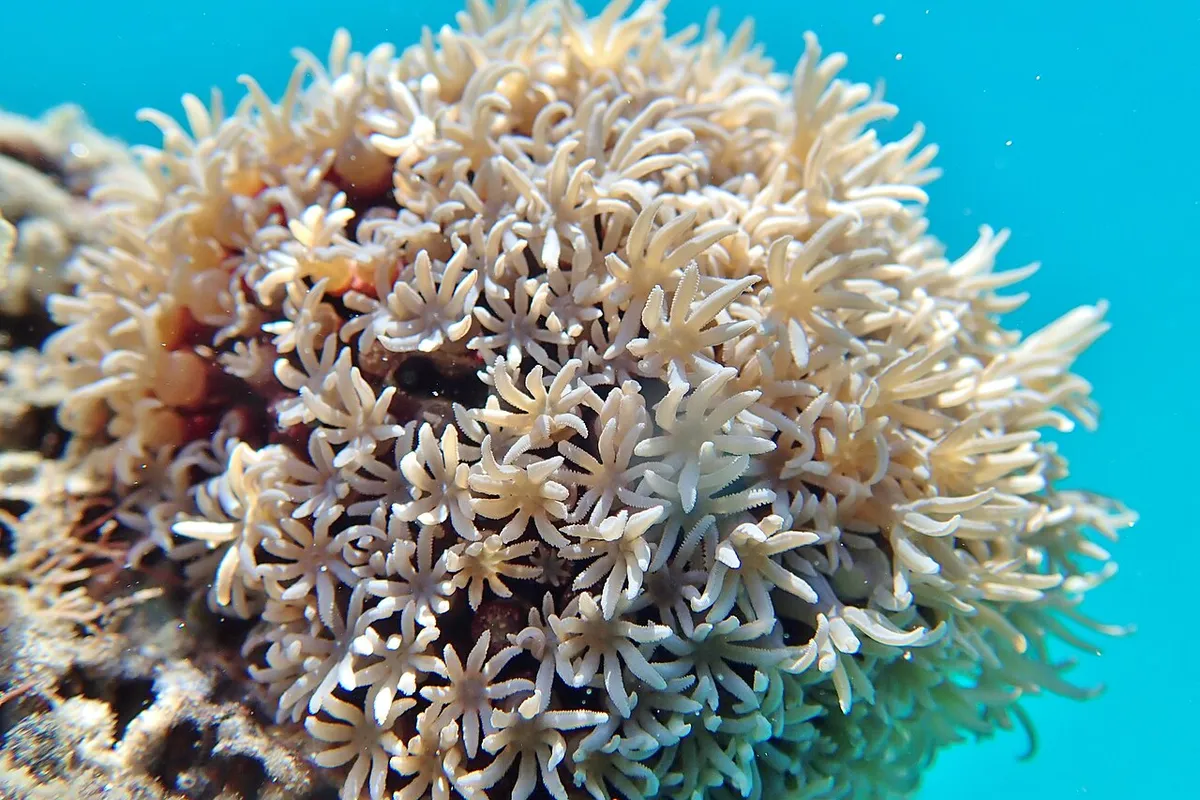
Organ pipe coral is a soft coral with a bright red skeleton of tiny tubes. Here is how to keep live Tubipora musica in a reef tank.
Read more →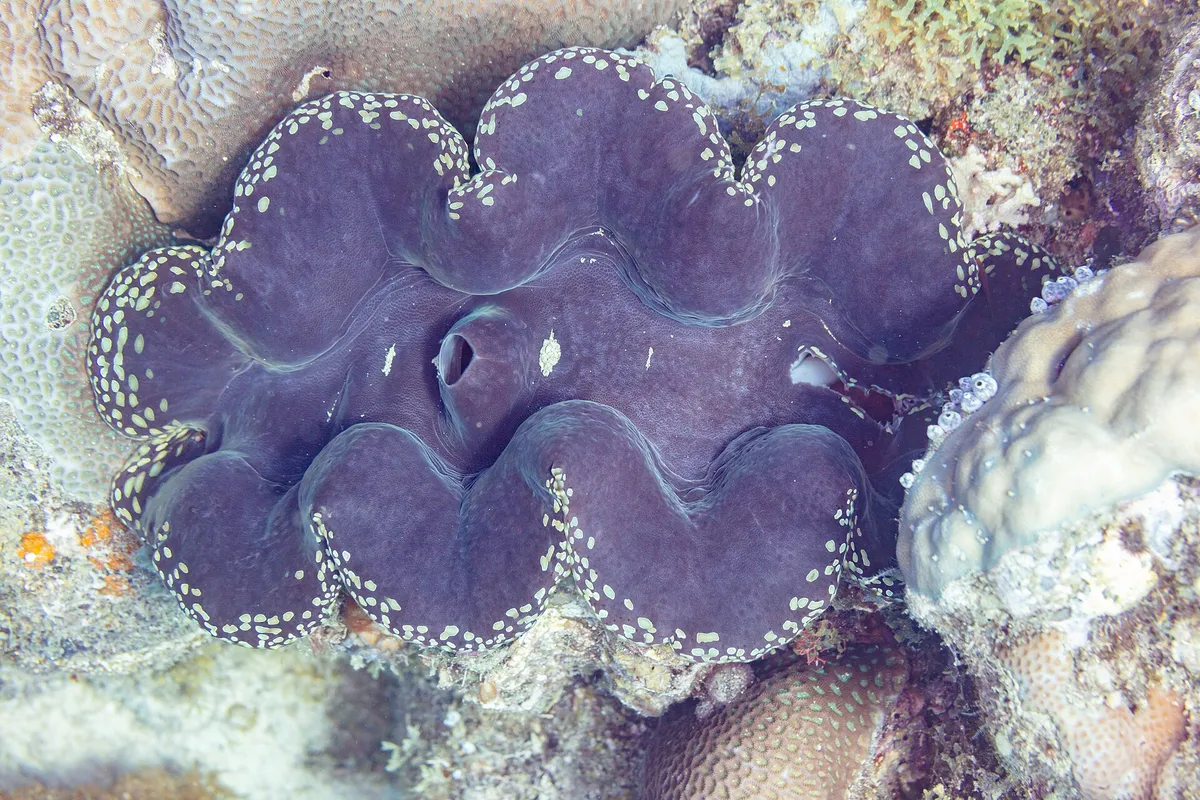
The squamosa clam is a giant clam with a fluted, scaly shell and a colourful mantle. It is one of the easier Tridacna clams, needing strong light a…
Read more →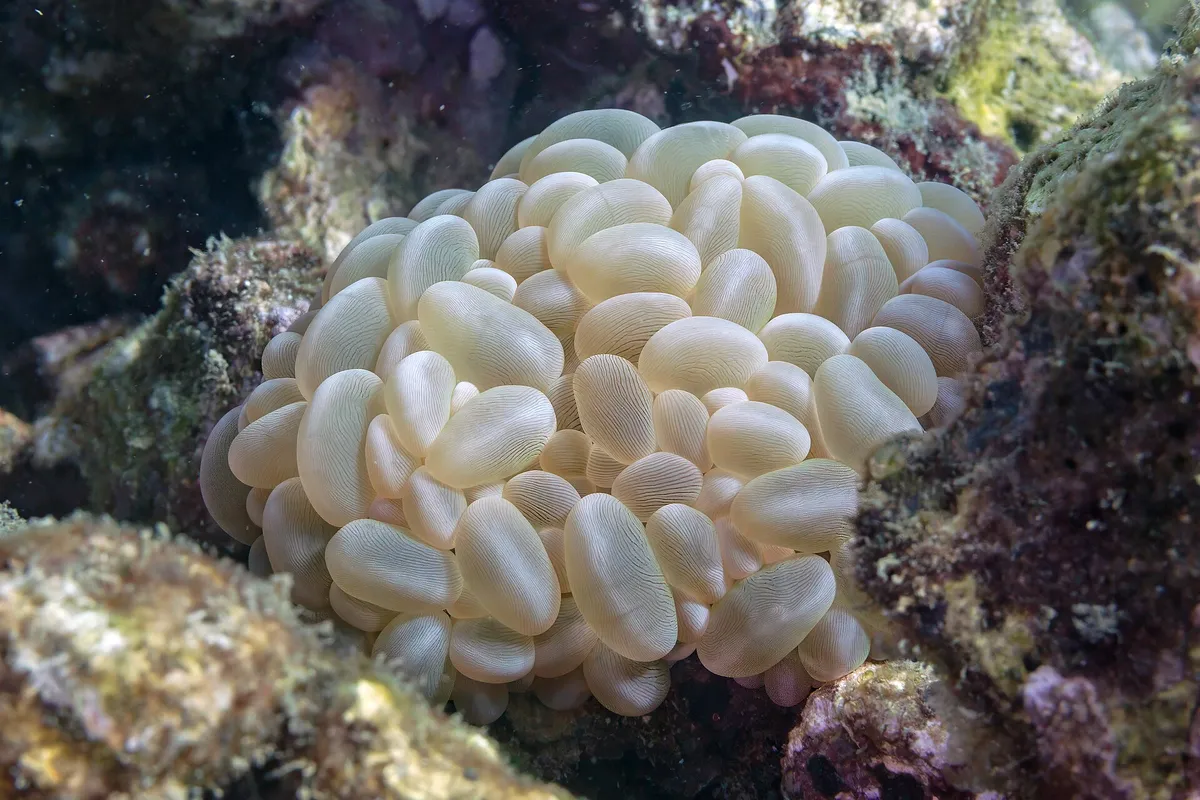
Plerogyra sinuosa is an LPS coral covered in grape-like water-filled bubbles by day that extends long stinging sweepers at night, so give it space…
Read more →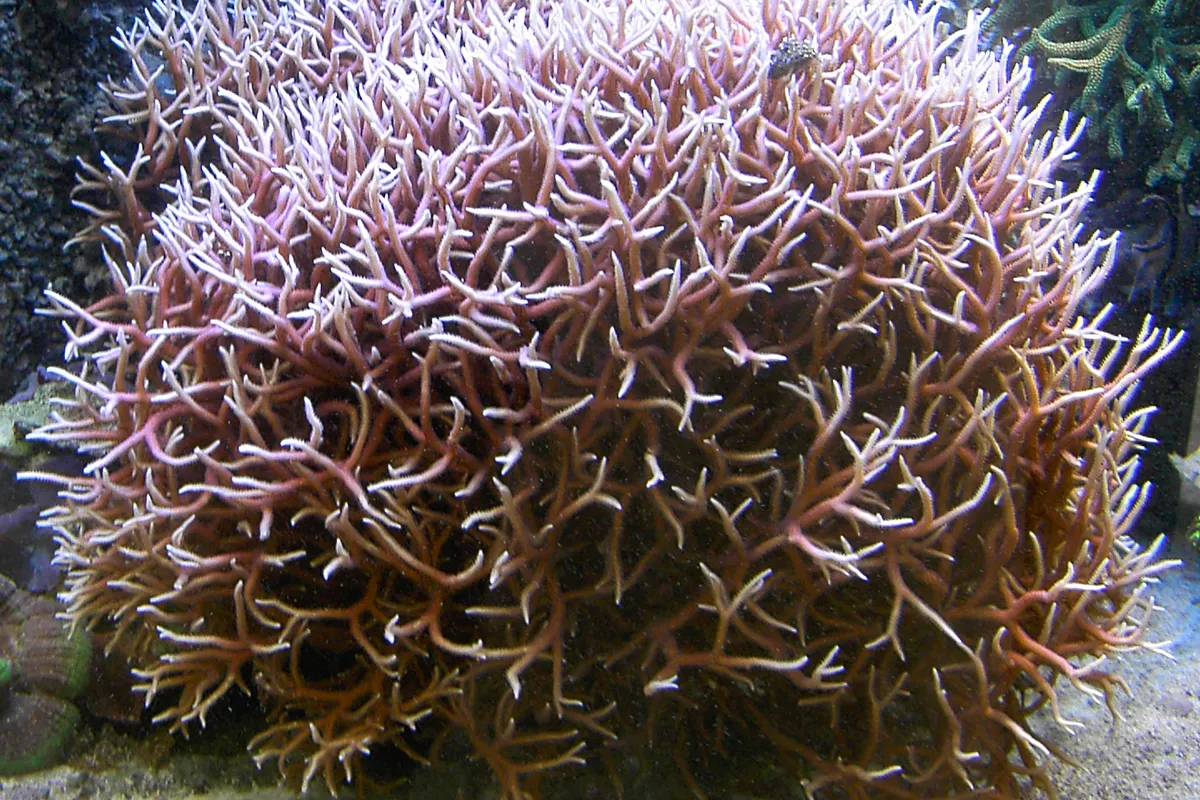
Seriatopora hystrix is a fast-growing, fine-branched SPS coral in pink, green or cream that is one of the easier small-polyp stony corals for stabl…
Read more →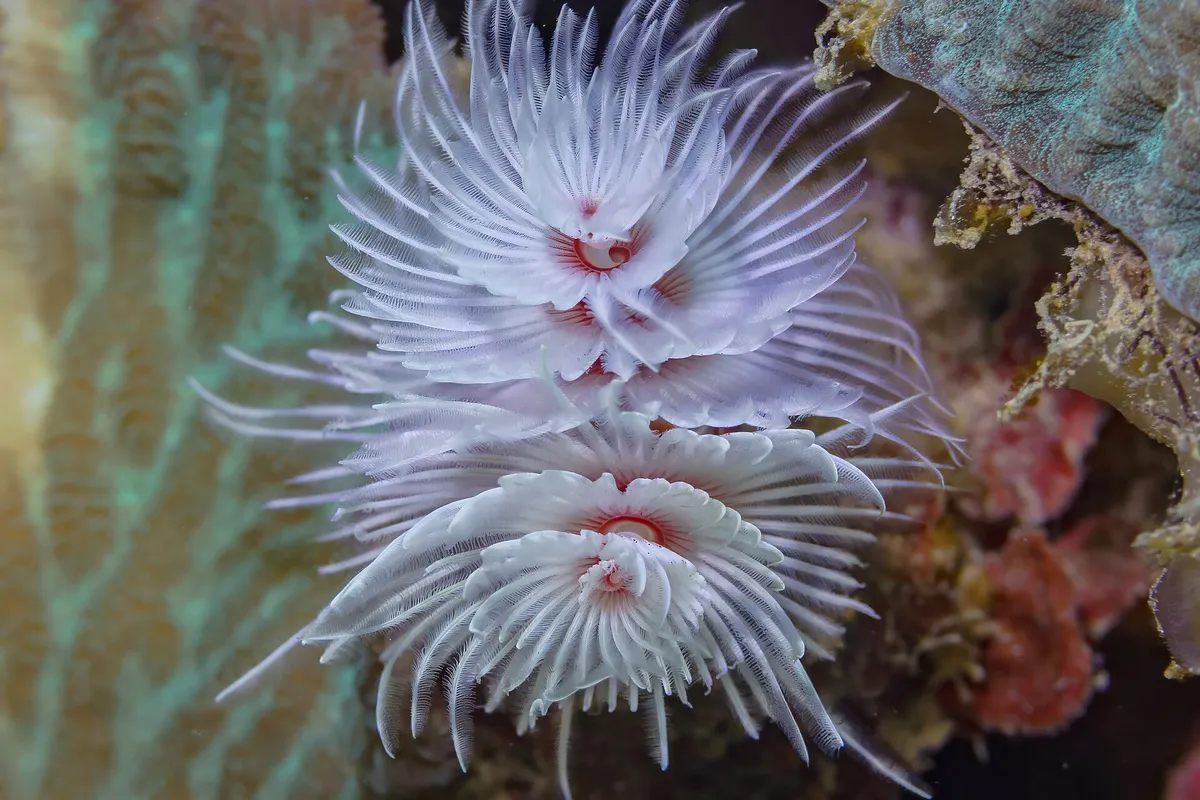
Sabellastarte feather duster worms are 5–10 cm tube worms with a crown of banded feathery radioles that filter food from the water and vanish int…
Read more →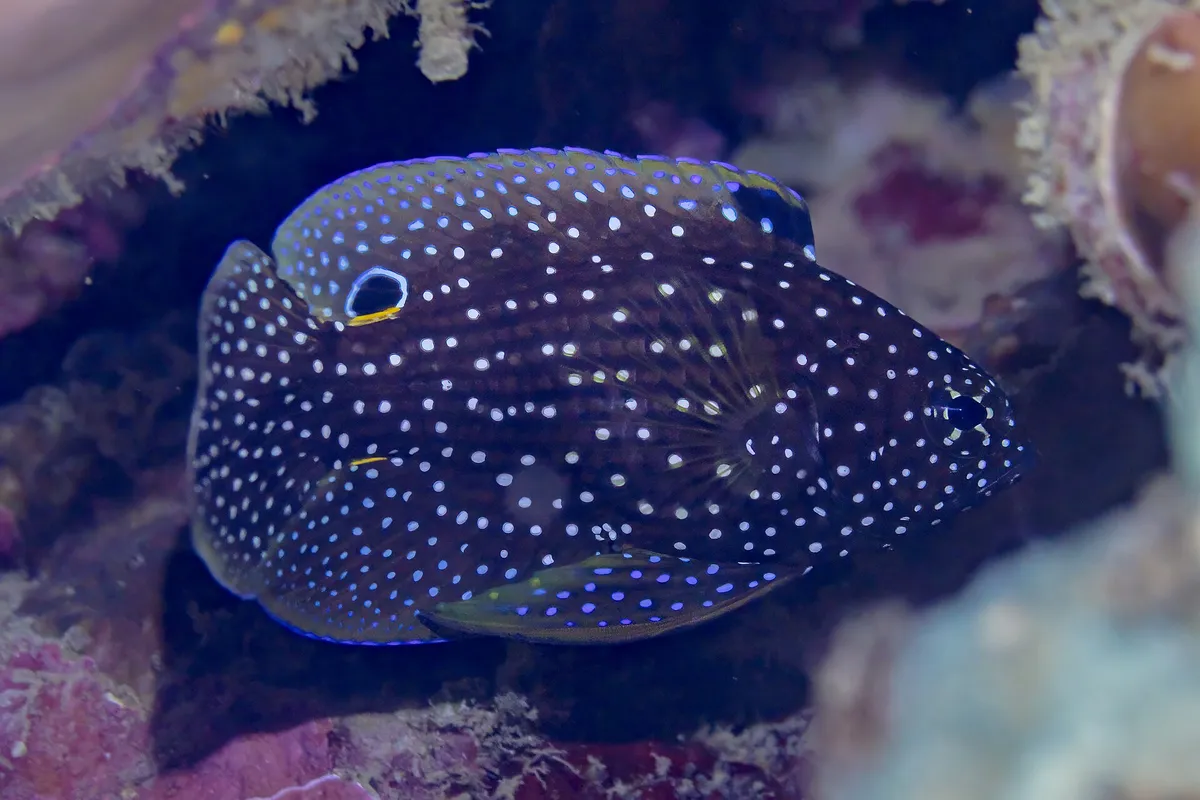
Calloplesiops altivelis is a shy, 15–20 cm white-spotted reef fish with huge fins and a fake eye on its tail that needs caves, calm tank mates an…
Read more →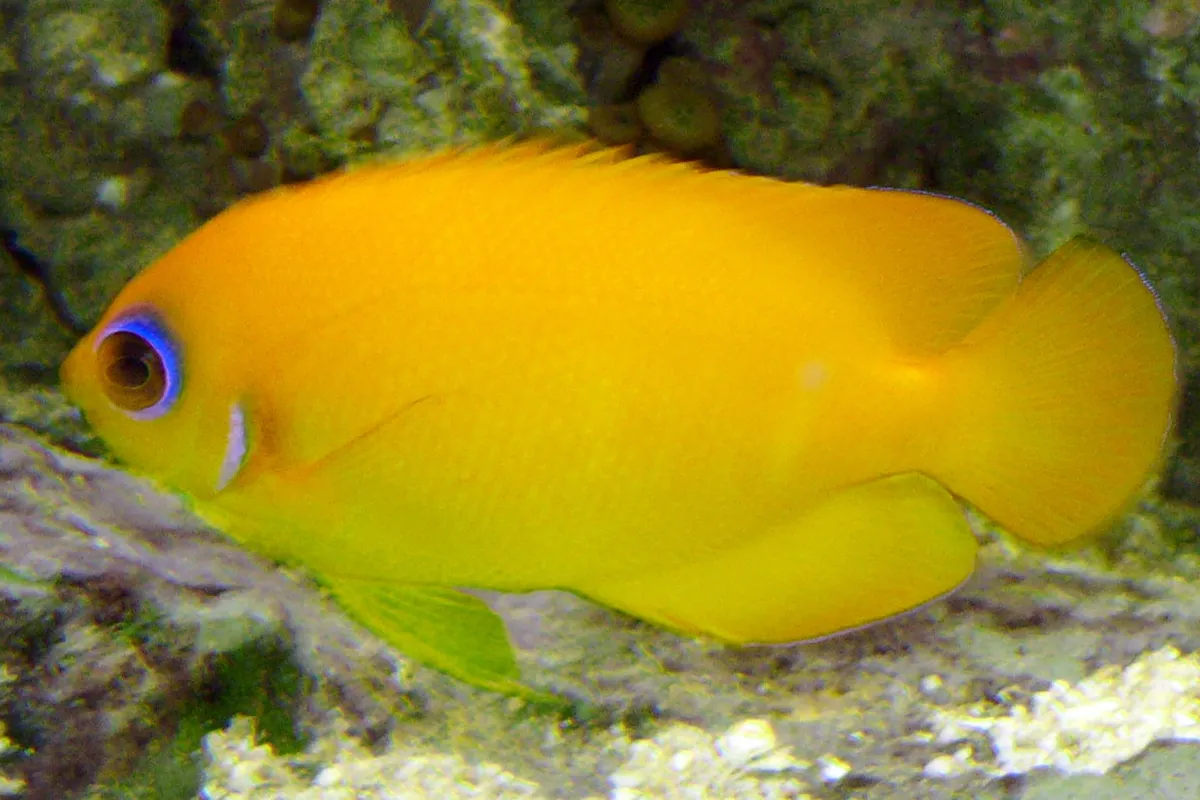
Centropyge flavissima is a 10–14 cm bright yellow dwarf angelfish with blue eye rings that needs mature rockwork to graze and may nip some corals.
Read more →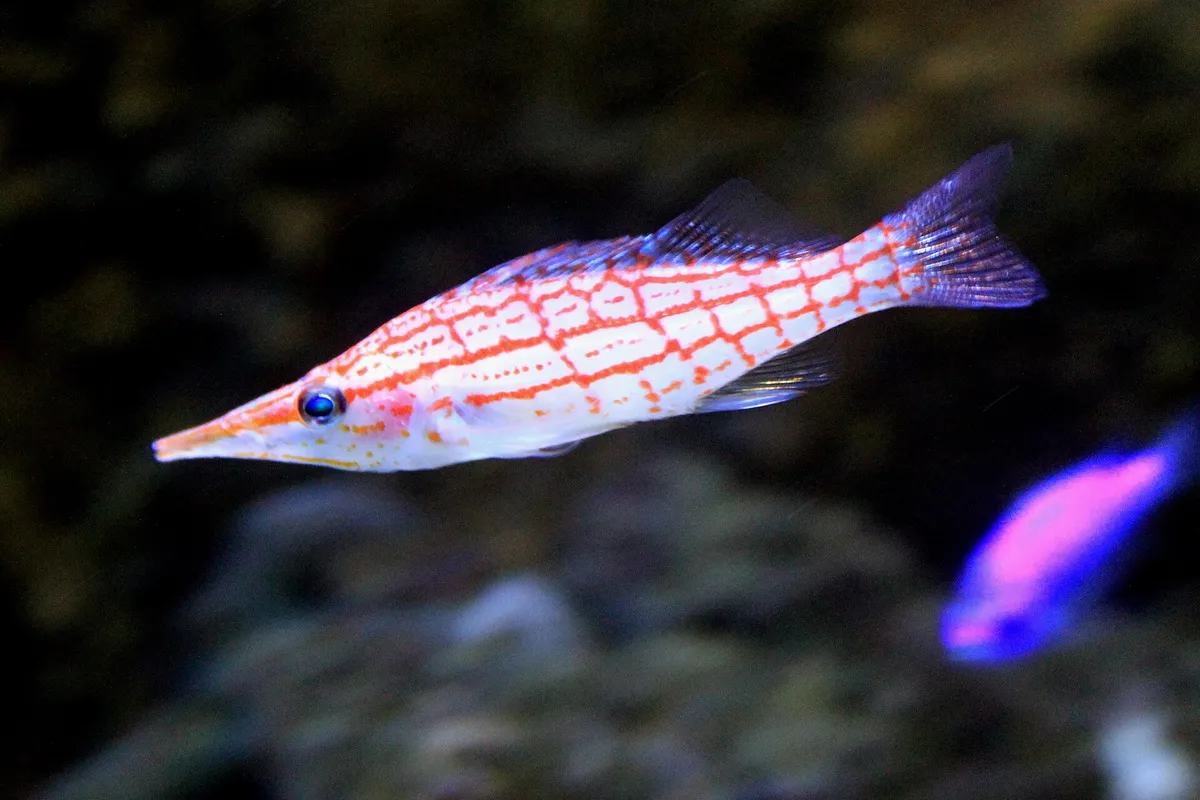
Oxycirrhites typus is a 13 cm red-checked hawkfish with a long snout that perches on corals and is mostly reef safe, except for small shrimp.
Read more →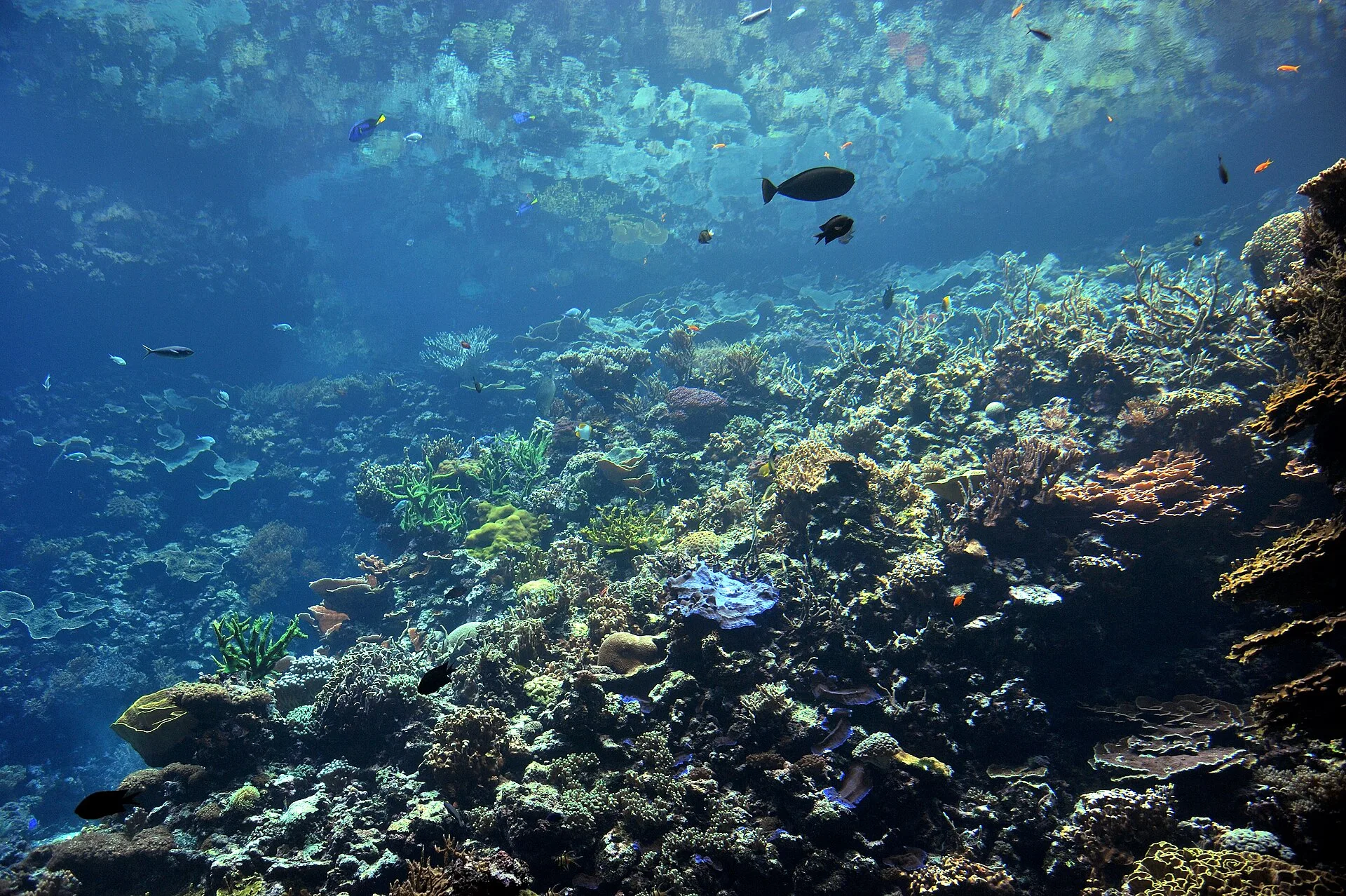
Reef tanks juggle hungry fish against nutrient export. Here’s a practical marine feeding schedule that keeps fish fit without greening the rock.
Read more →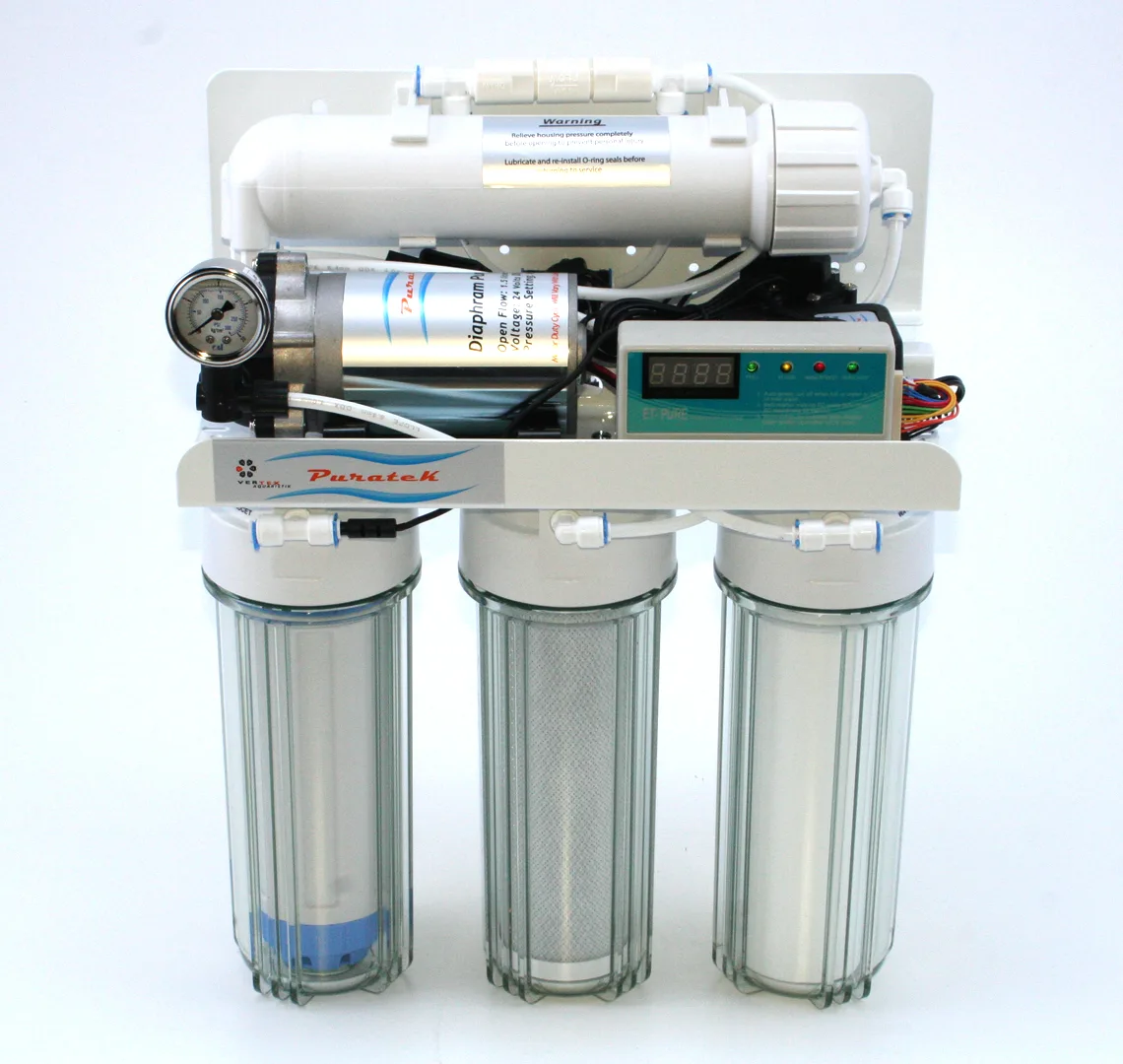
Tap water carries chlorine, metals, and phosphates — RO/DI gives control for shrimp, discus, and reef salt mixing.
Read more →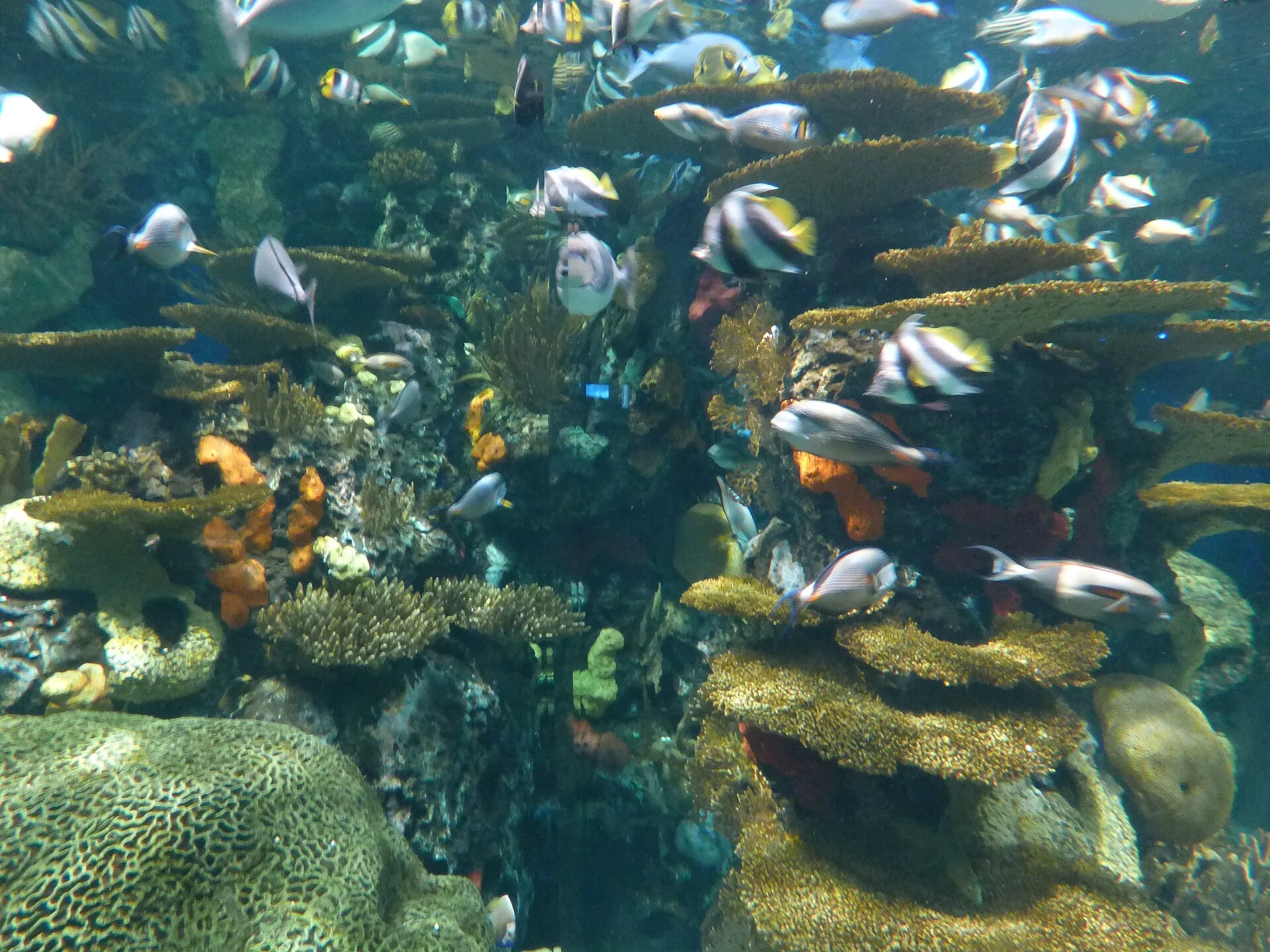
Magnesium keeps calcium and alkalinity in solution — low Mg causes white precipitation on heaters and stalled coral growth.
Read more →
Alkalinity is the backbone of coral skeleton building — unstable dKH causes more reef losses than any single parasite.
Read more →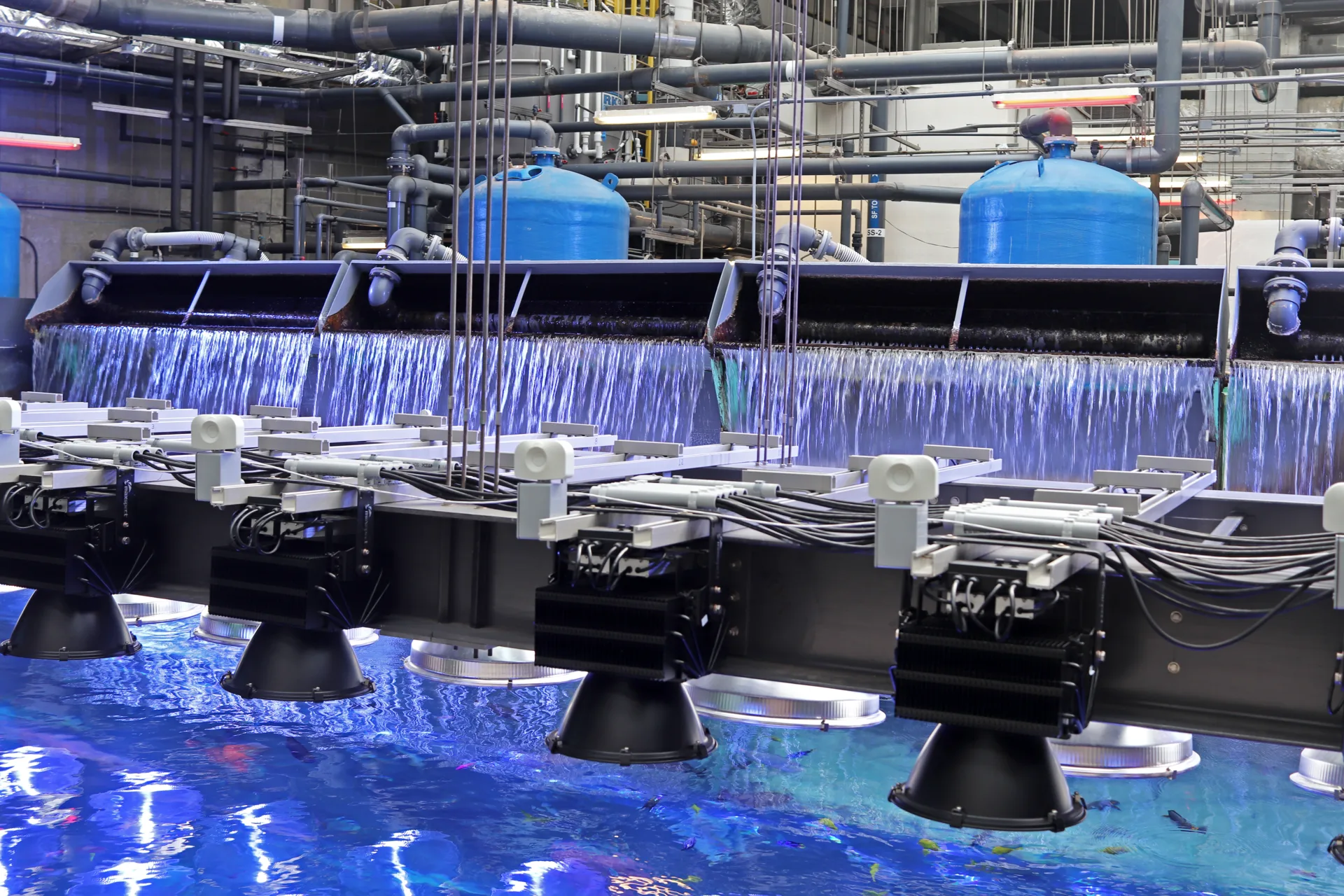
Phosphate fuels algae and slows coral calcification — learn where it enters and how to export it without crashing a balanced reef.
Read more →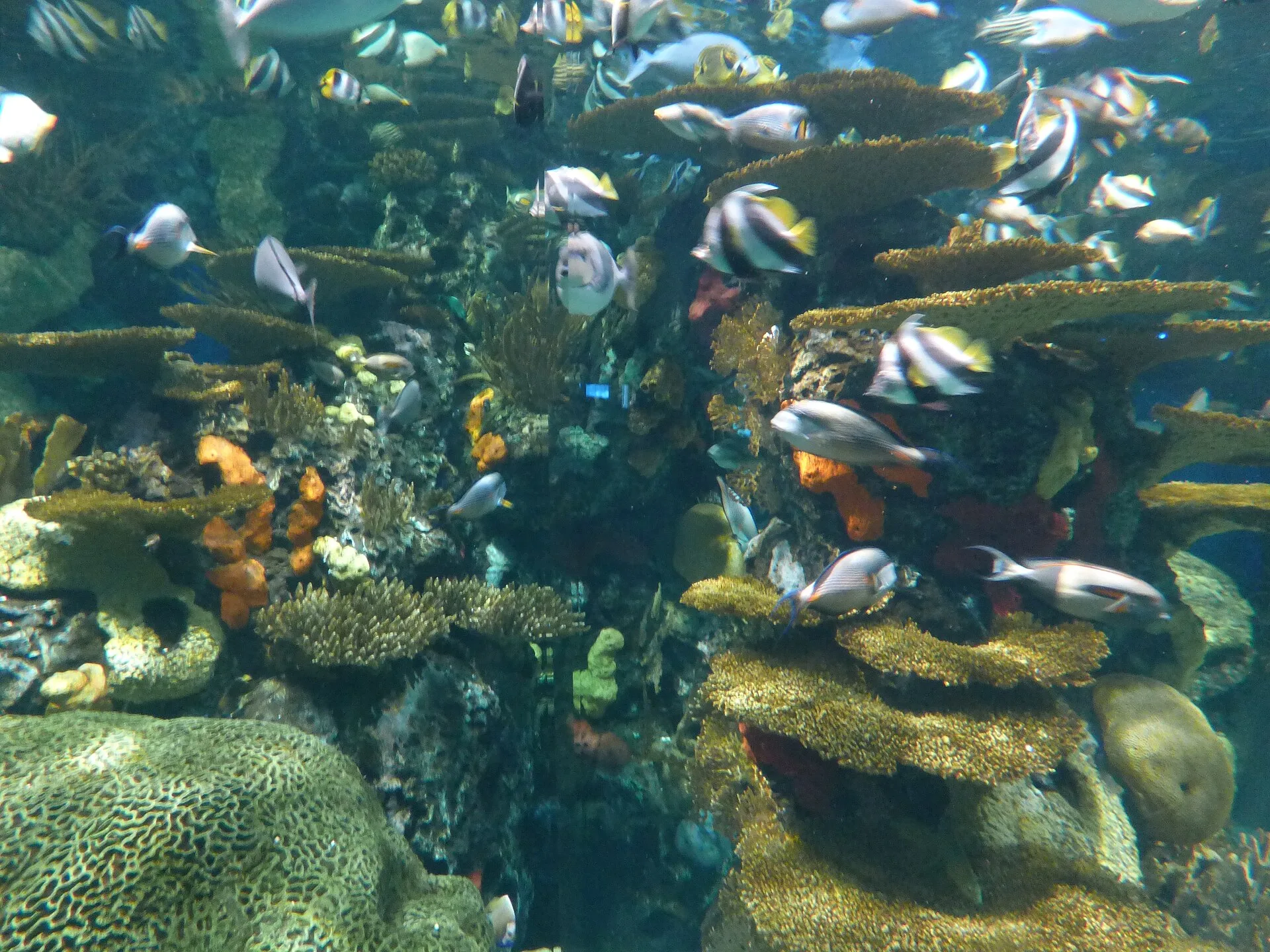
Target feeding delivers meaty foods directly to coral polyps — growth and color improve when done consistently without overloading the system.
Read more →
Phytoplankton feeds filter-feeding corals and clams — valuable when dosed in moderation to tanks that actually consume it.
Read more →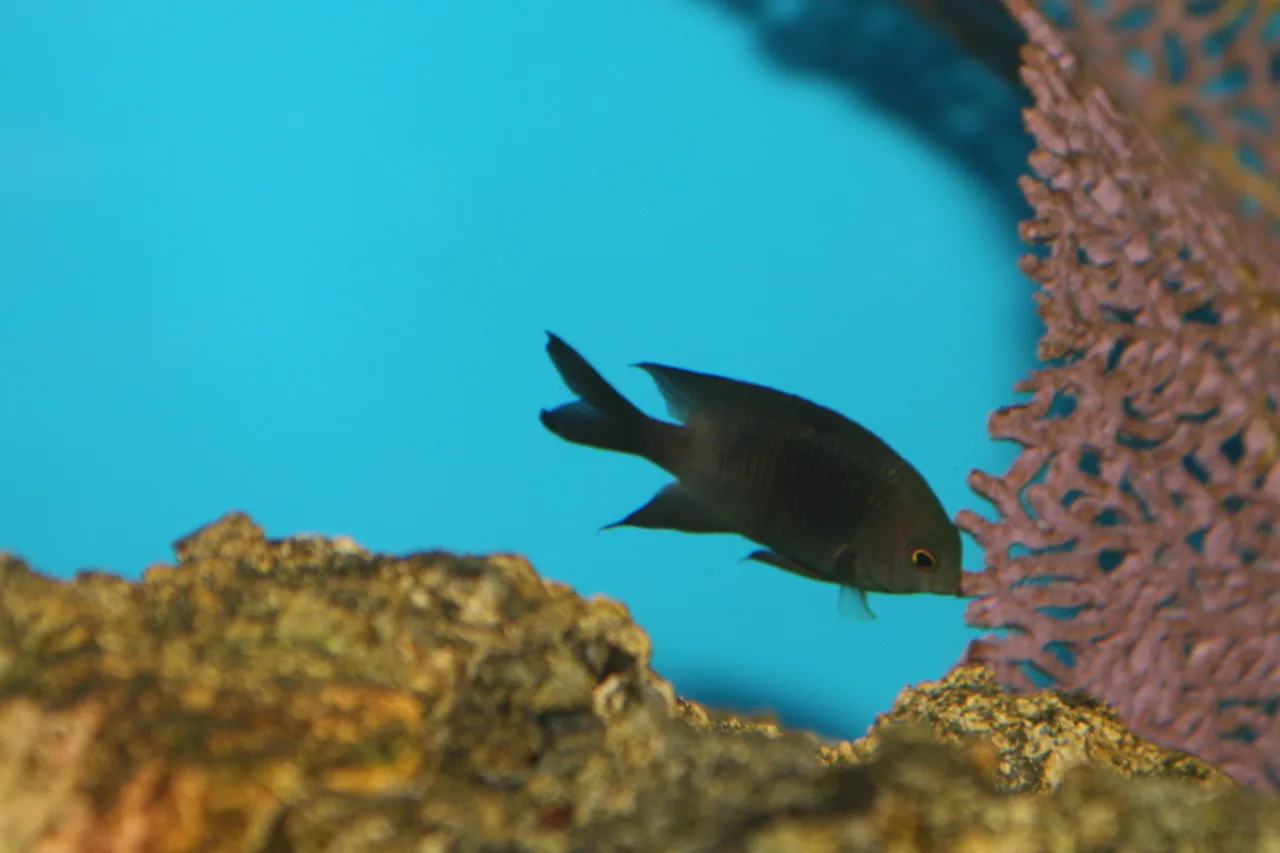
Copepods are living reef plankton — mandarins, wrasses, and corals all benefit when populations persist in live rock and refugiums.
Read more →
Automated dosing keeps reef parameters stable when consumption outpaces manual water changes — but sloppy calibration causes worse swings than no…
Read more →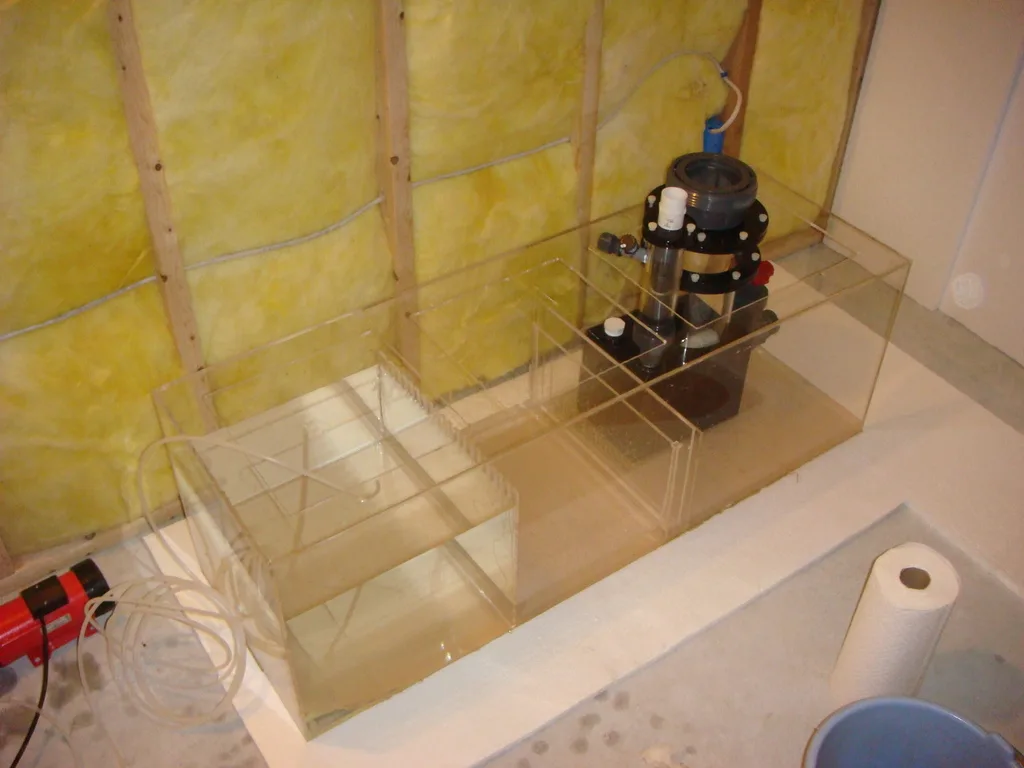
Sumps expand filtration capacity, hide gear, and enable refugiums that export nutrients — the backbone of most serious reef systems.
Read more →
When room temperature or high-intensity lighting pushes tanks past safe limits, a chiller becomes essential insurance — not a luxury gadget.
Read more →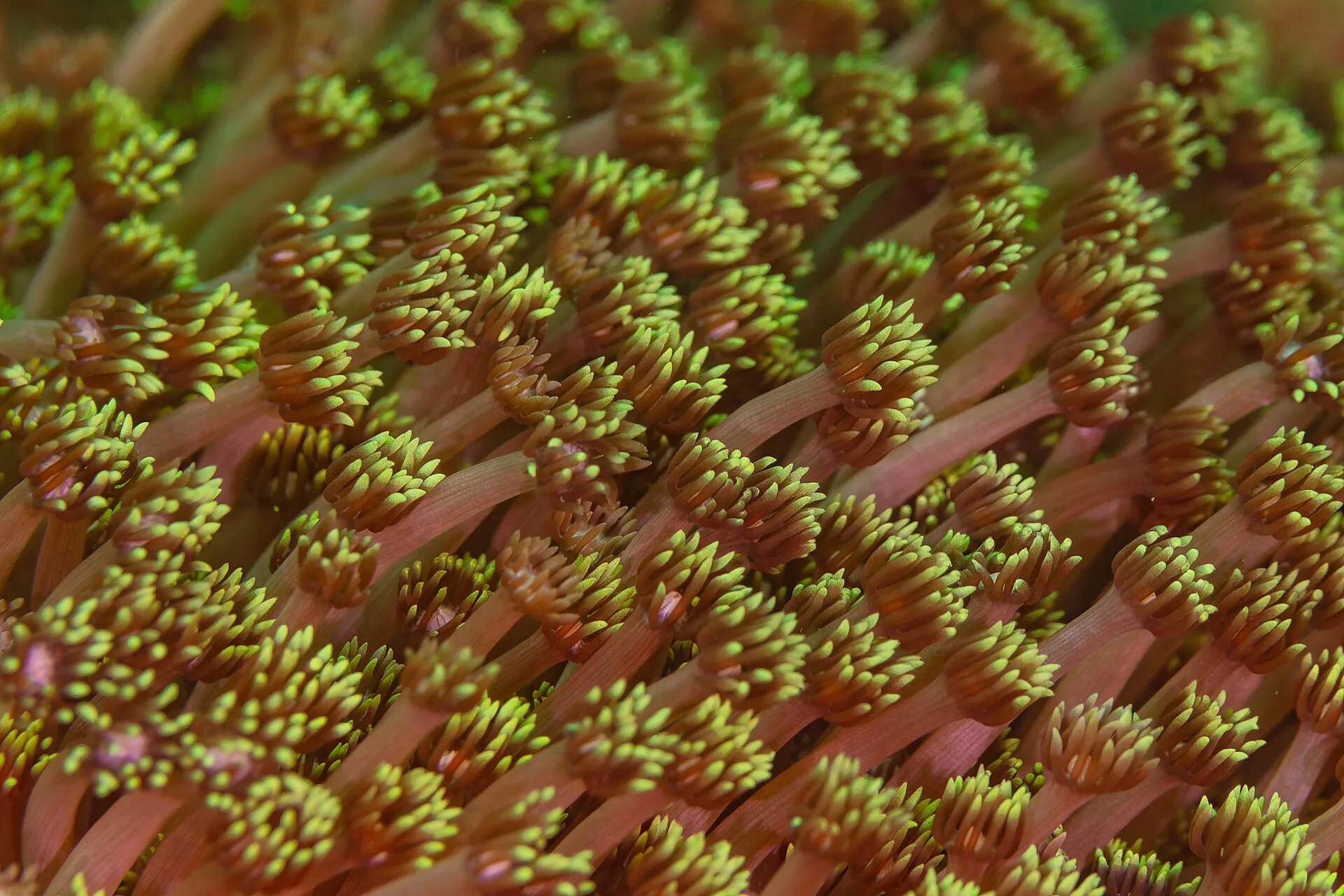
Care notes for keeping Goniopora (Goniopora sp.) successfully in home aquariums.
Read more →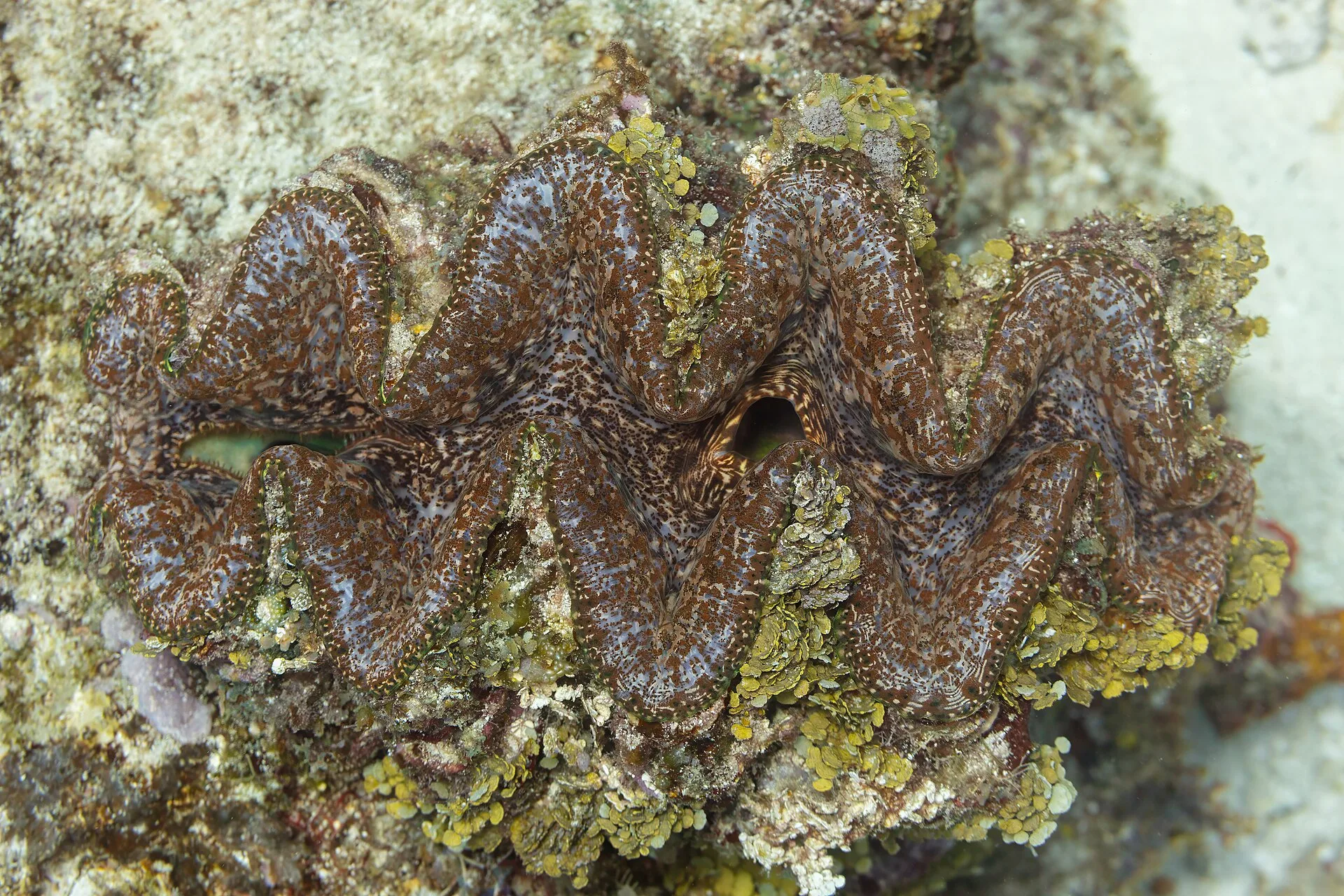
Care notes for keeping Maxima Clam (Tridacna maxima) successfully in home aquariums.
Read more →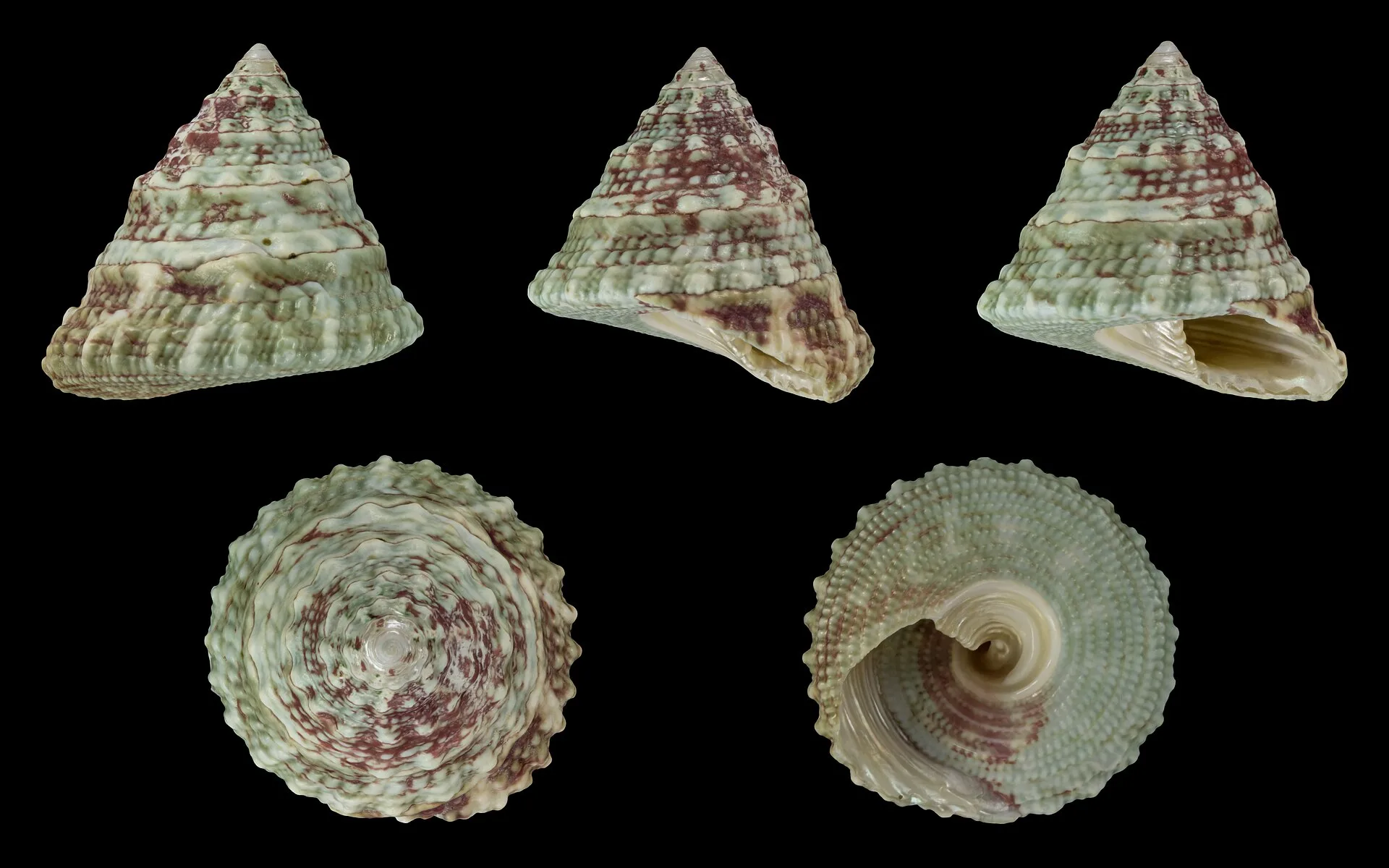
Care notes for keeping Trochus Snail (Trochus sp.) successfully in home aquariums.
Read more →