
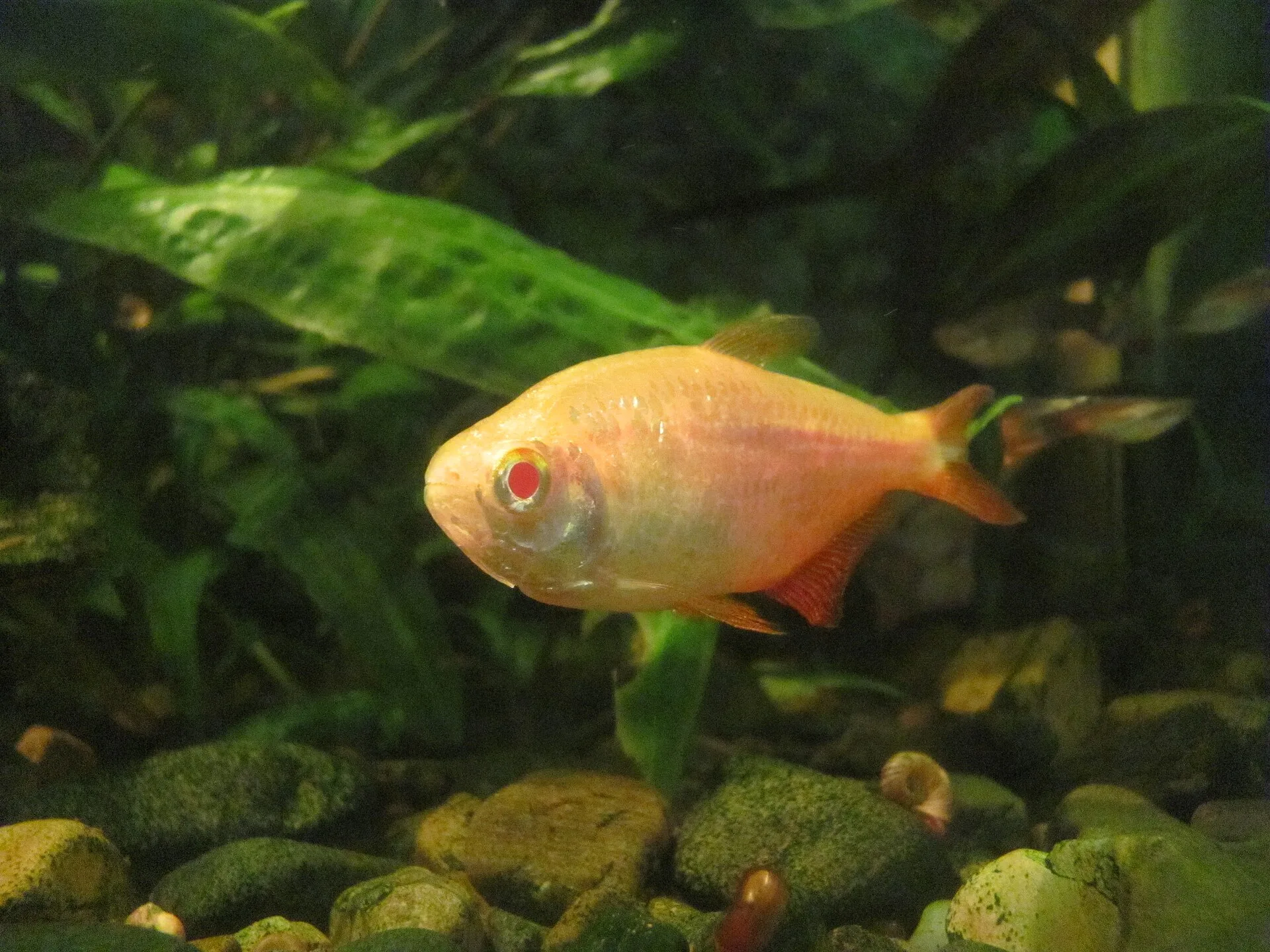
Buenos Aires Tetra (Hyphessobrycon anisitsi)
A La Plata schooler that likes cooler water, eats soft plants, and nips when understocked — not an Amazon neon with a different label.
Read more →
A La Plata schooler that likes cooler water, eats soft plants, and nips when understocked — not an Amazon neon with a different label.
Read more →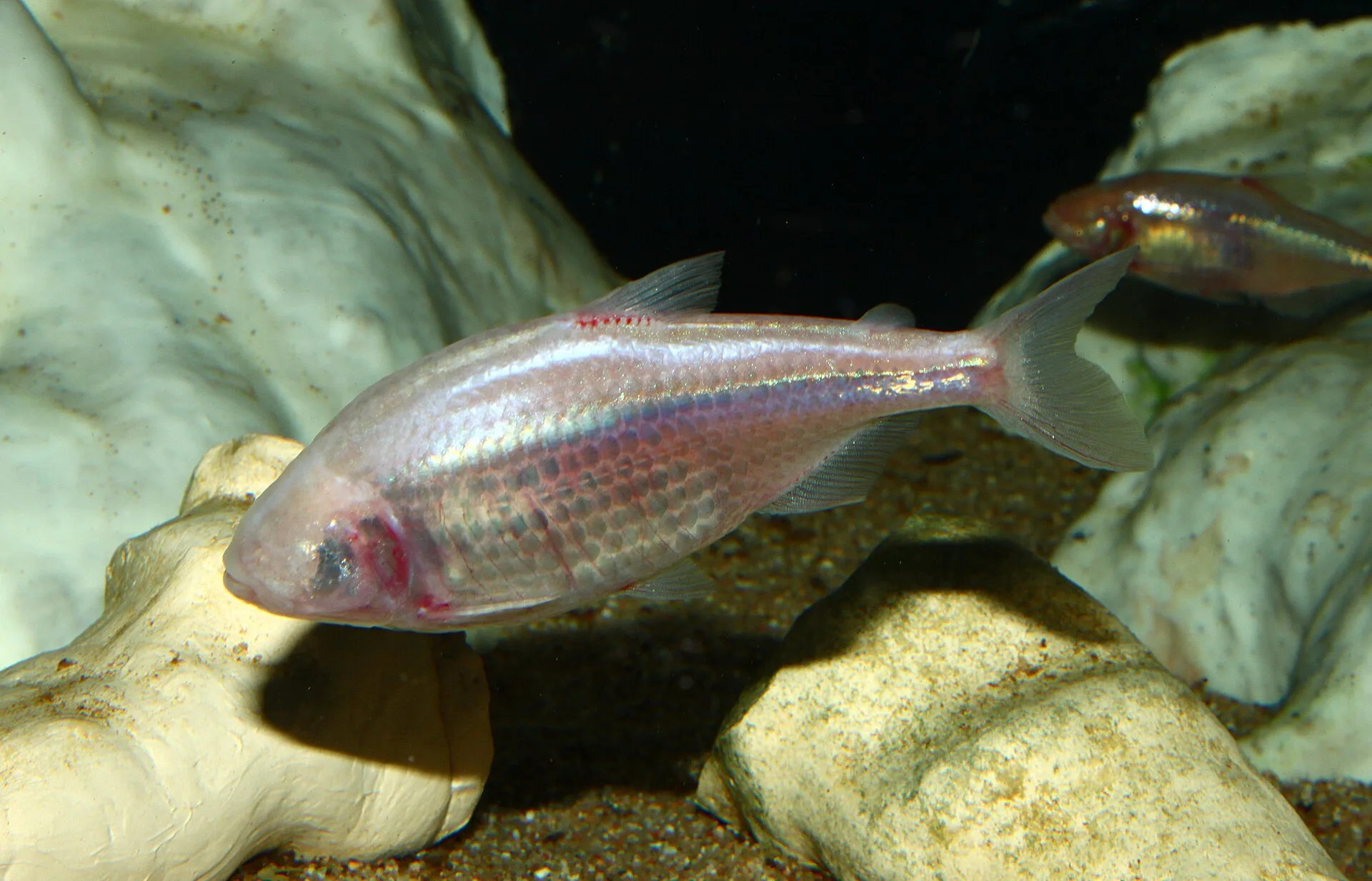
Eyed river fish and blind cave morphs share a Latin name. Mexican tetra care splits on light, schooling, and whether the animal can even see its food.
Read more →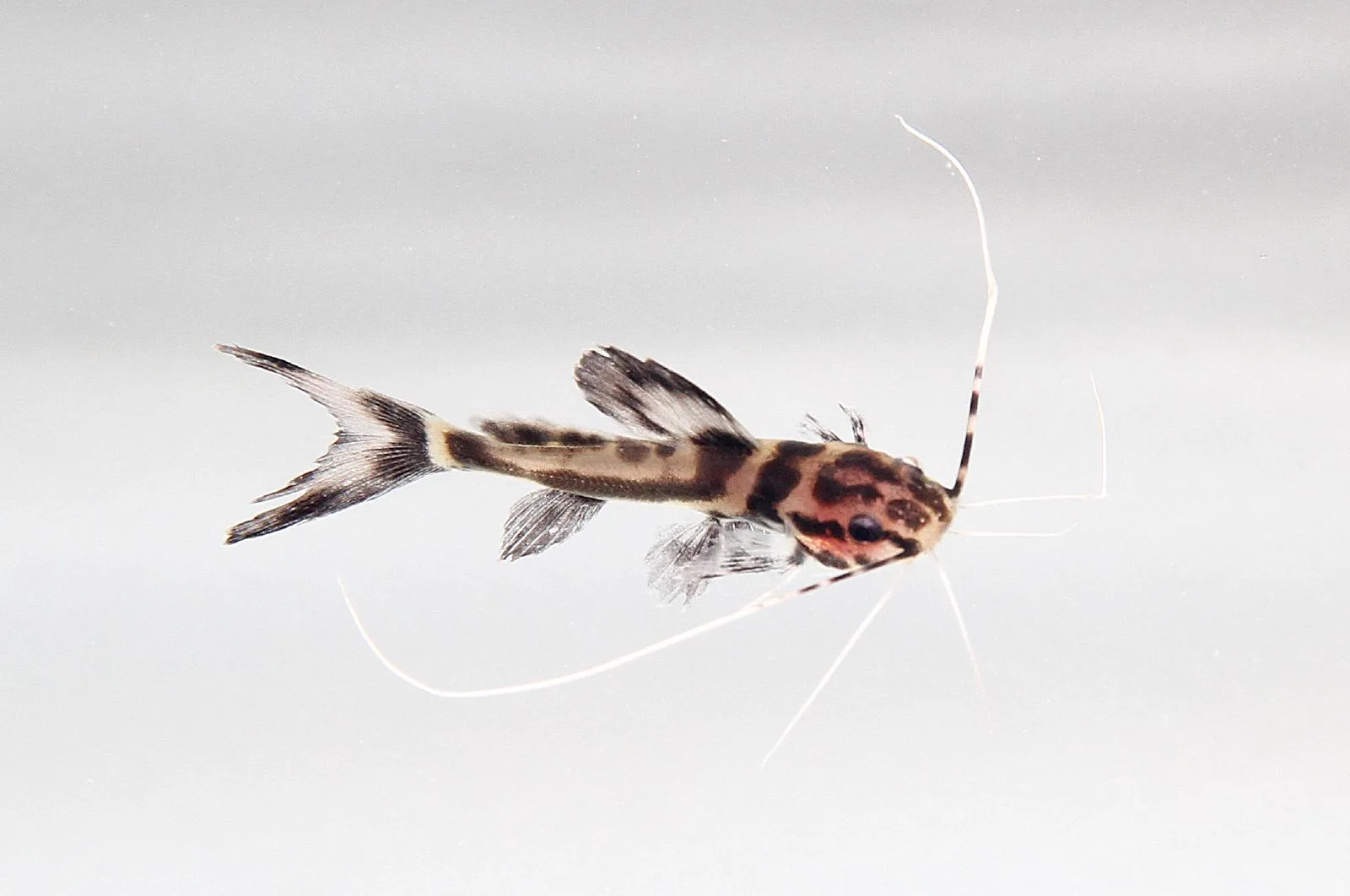
Leiarius marmoratus is a marbled sailfin pimelodid that can pass 60 cm — a huge Amazon predator with a high dorsal, not a barred tiger shovelnose…
Read more →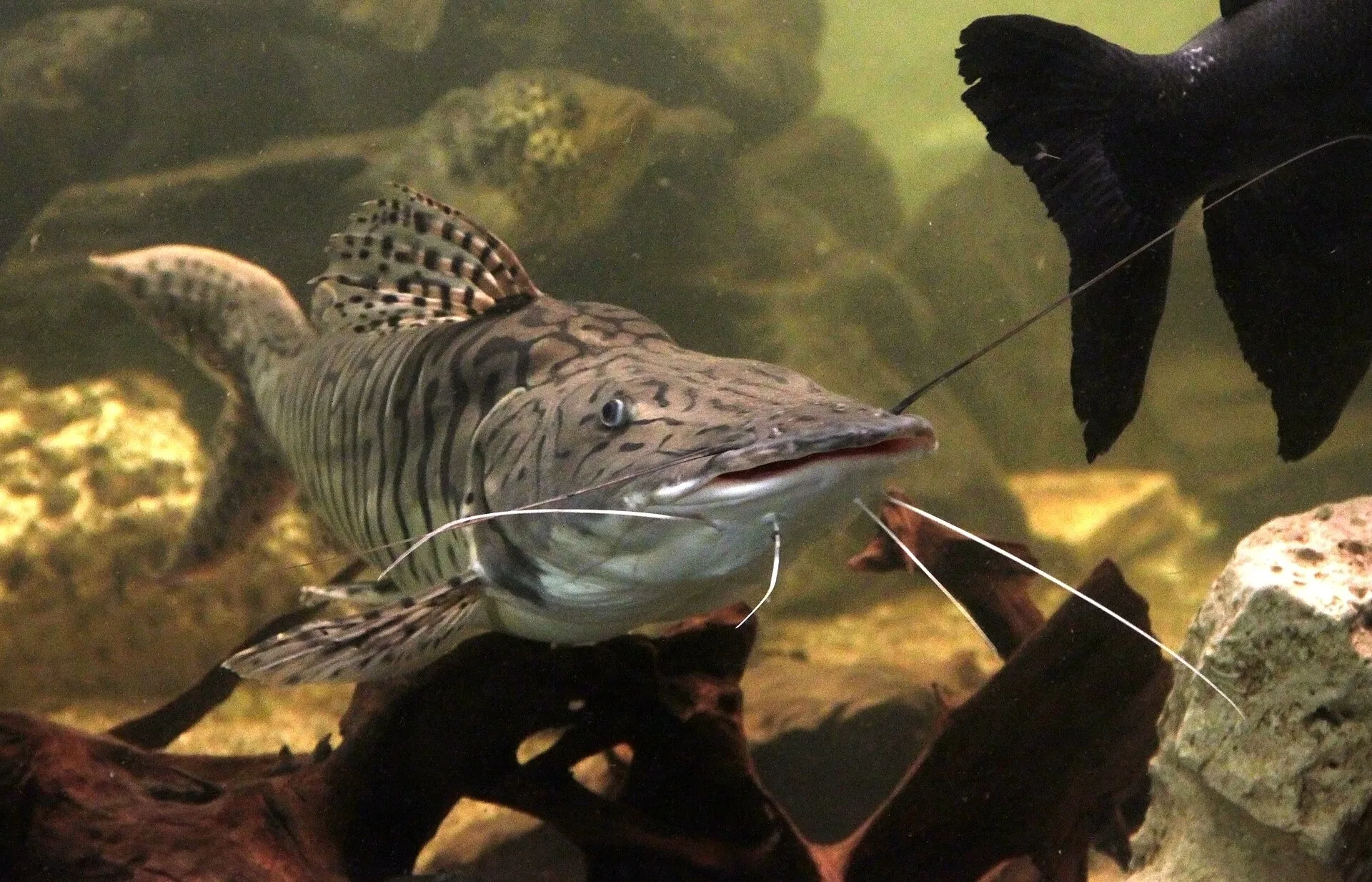
Pseudoplatystoma fasciatum, the barred or tiger shovelnose, is a metre-class Amazon channel predator — a public-aquarium fish, not a living-room…
Read more →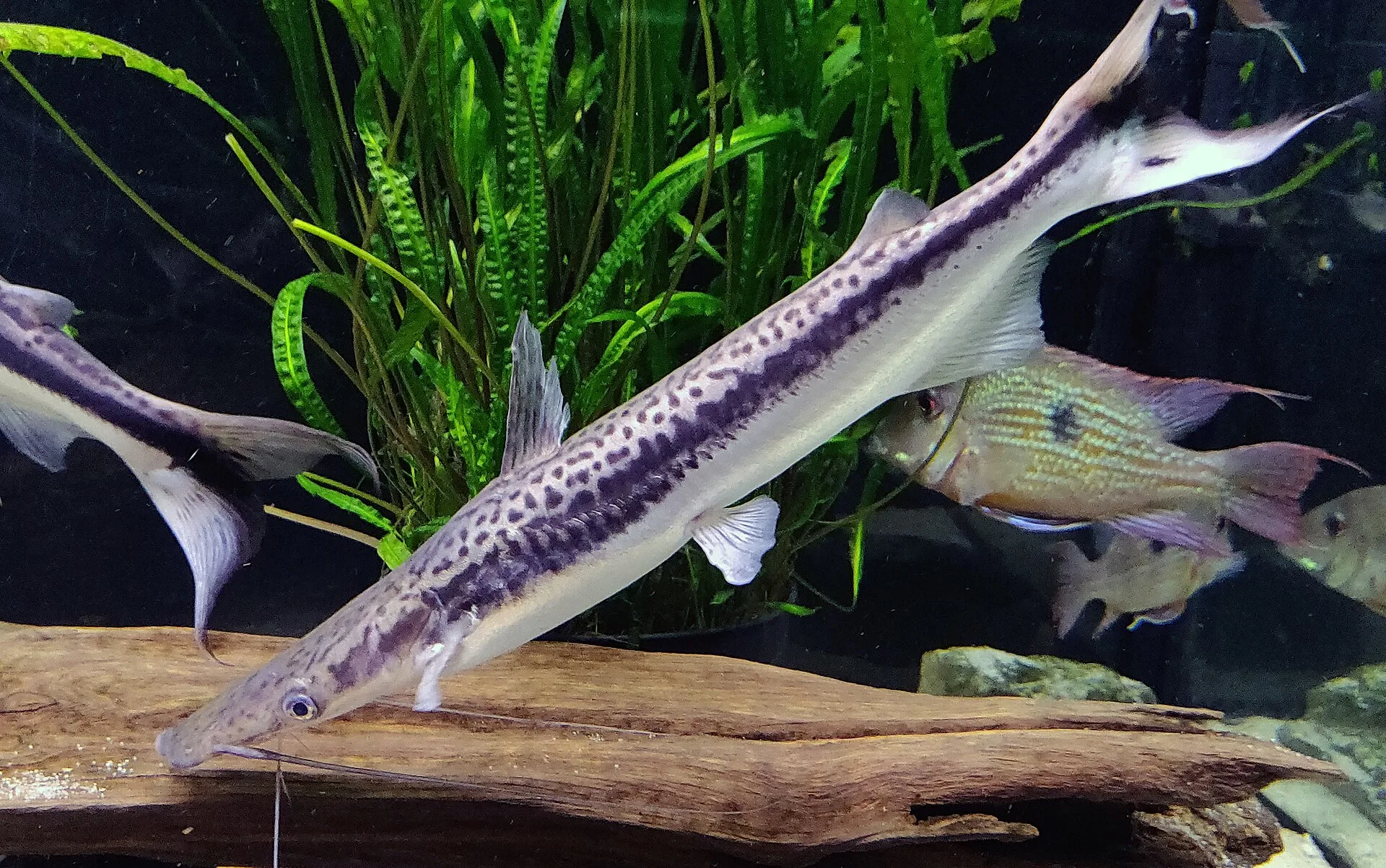
Sorubim lima, the duckbill or shovel-nosed catfish, is a 50-centimetre pimelodid that hunts over sand with a spatula snout — a large river predat…
Read more →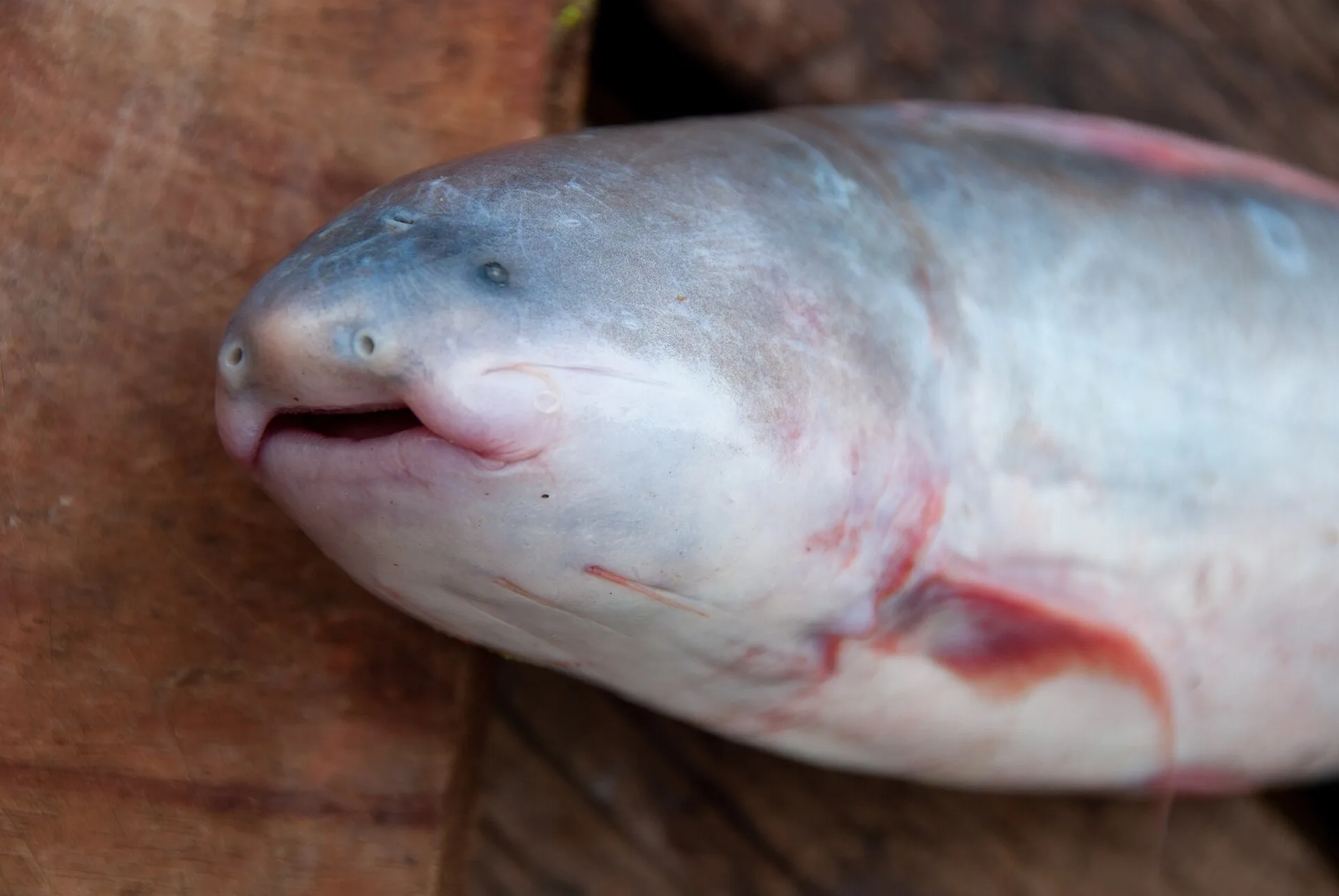
Cetopsis coecutiens, the whale candiru, is a thick-bodied Amazon scavenger-predator that bites chunks from fish — a dangerous river specialist, n…
Read more →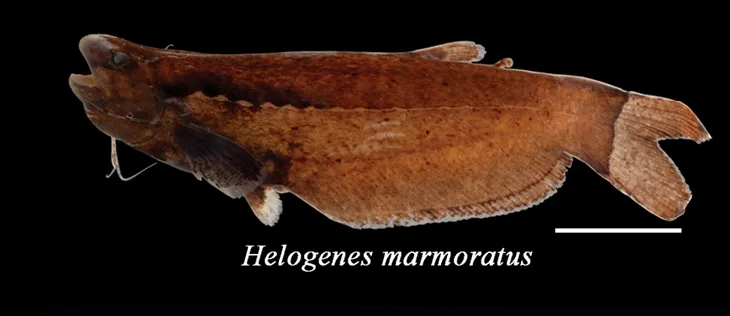
Helogenes marmoratus, the otter catfish, is a small leaf-litter cetopsid that looks like a mottled tadpole — an insectivore of blackwater debris,…
Read more →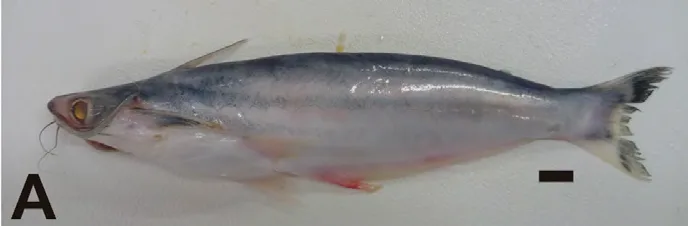
Auchenipterus nuchalis is a midwater, nocturnal driftwood-family catfish of Amazon channels — a schooling insect-hunter, not a log-packing Trache…
Read more →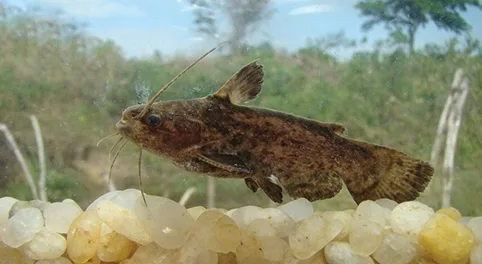
Trachelyopterus galeatus is a nocturnal driftwood catfish of the Auchenipteridae — a hollow-log fish with internal fertilisation, not a pleco and…
Read more →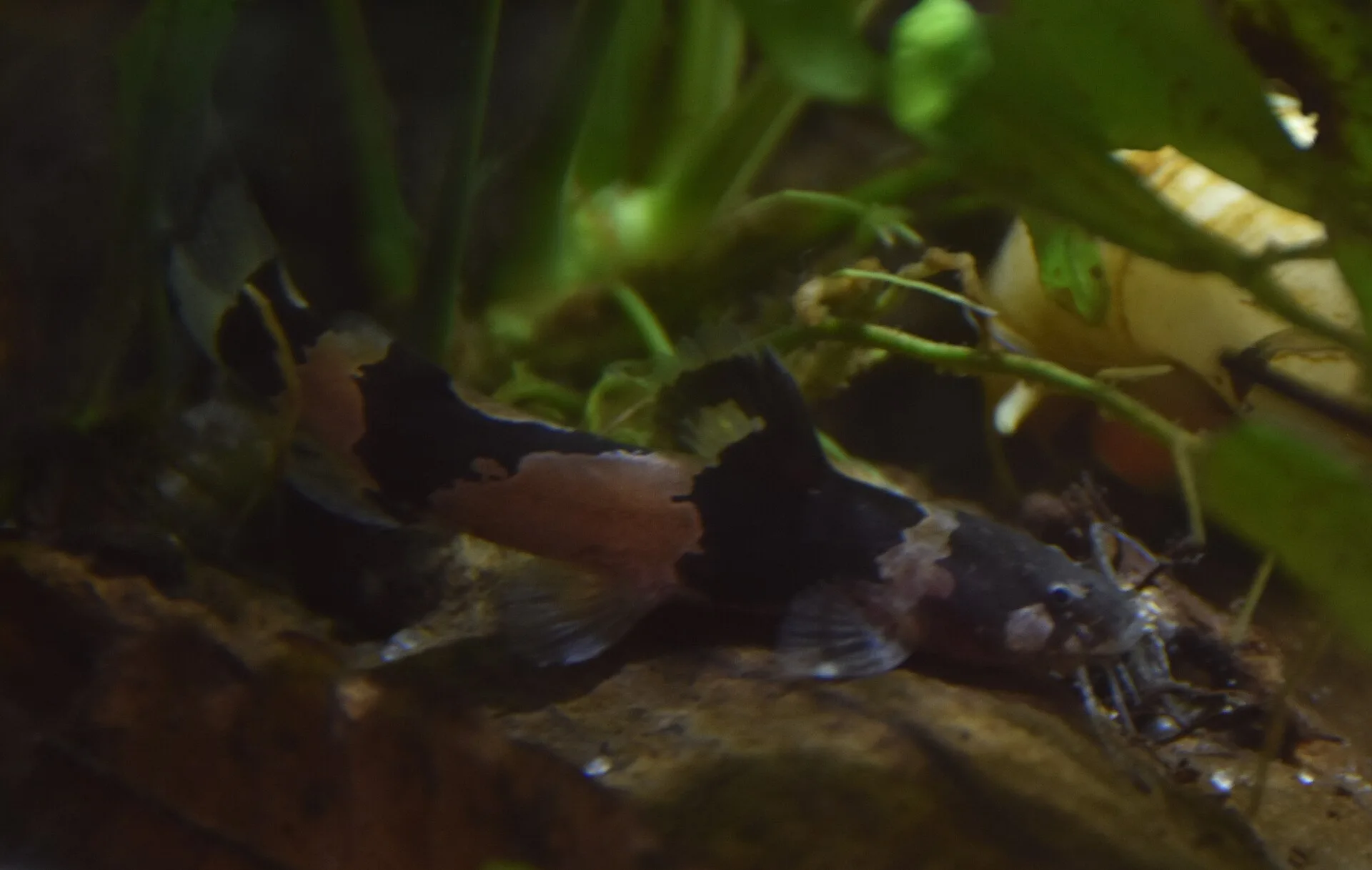
Microglanis iheringi is a small Venezuelan bumblebee catfish — a nocturnal cave ambusher of insects and fry, not a giant shovelnose and not a pla…
Read more →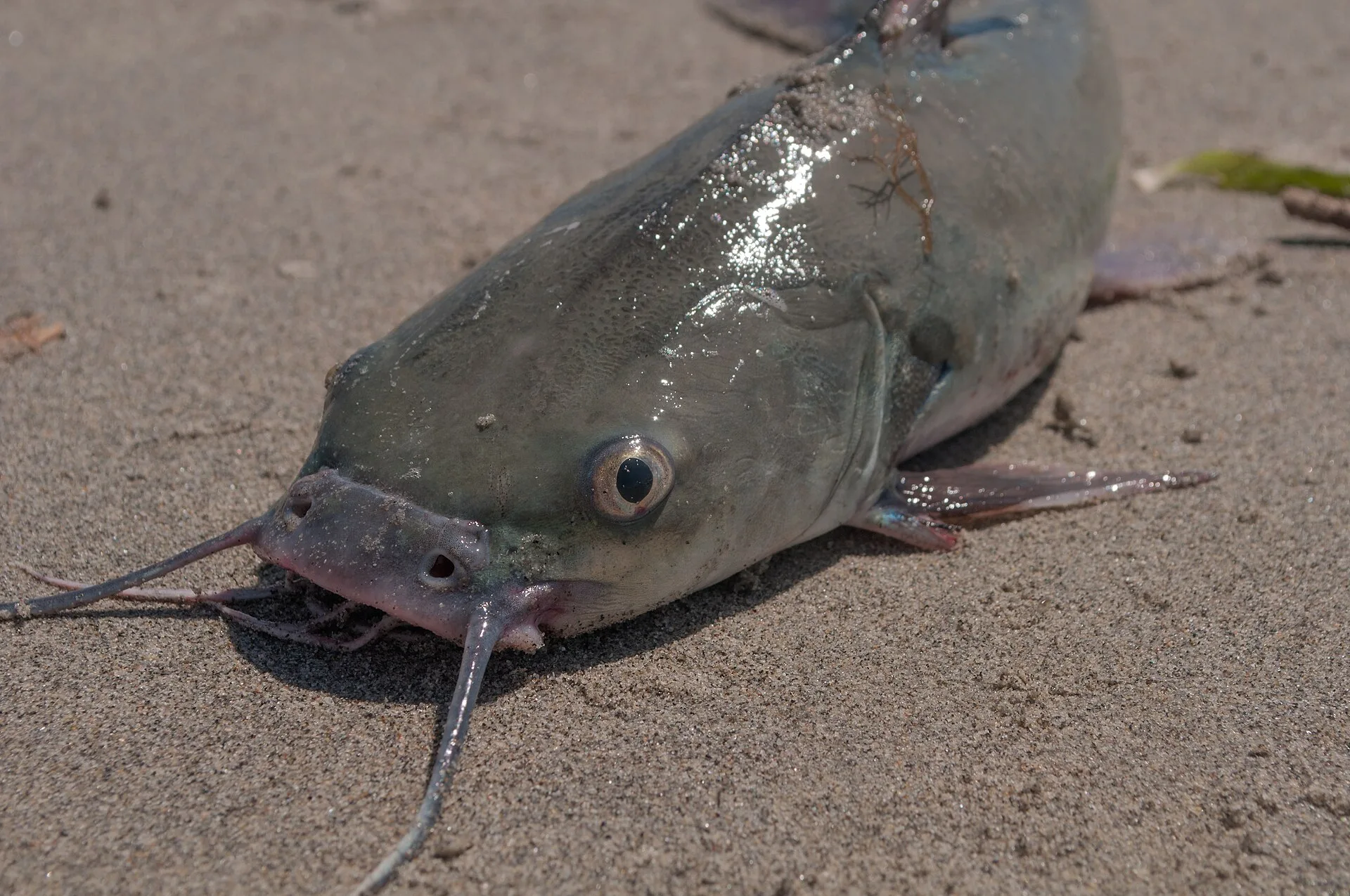
Sciades herzbergii, the pemecou sea catfish, is a large West Atlantic ariid of brackish and coastal marine water — a venomous-spined estuary fish…
Read more →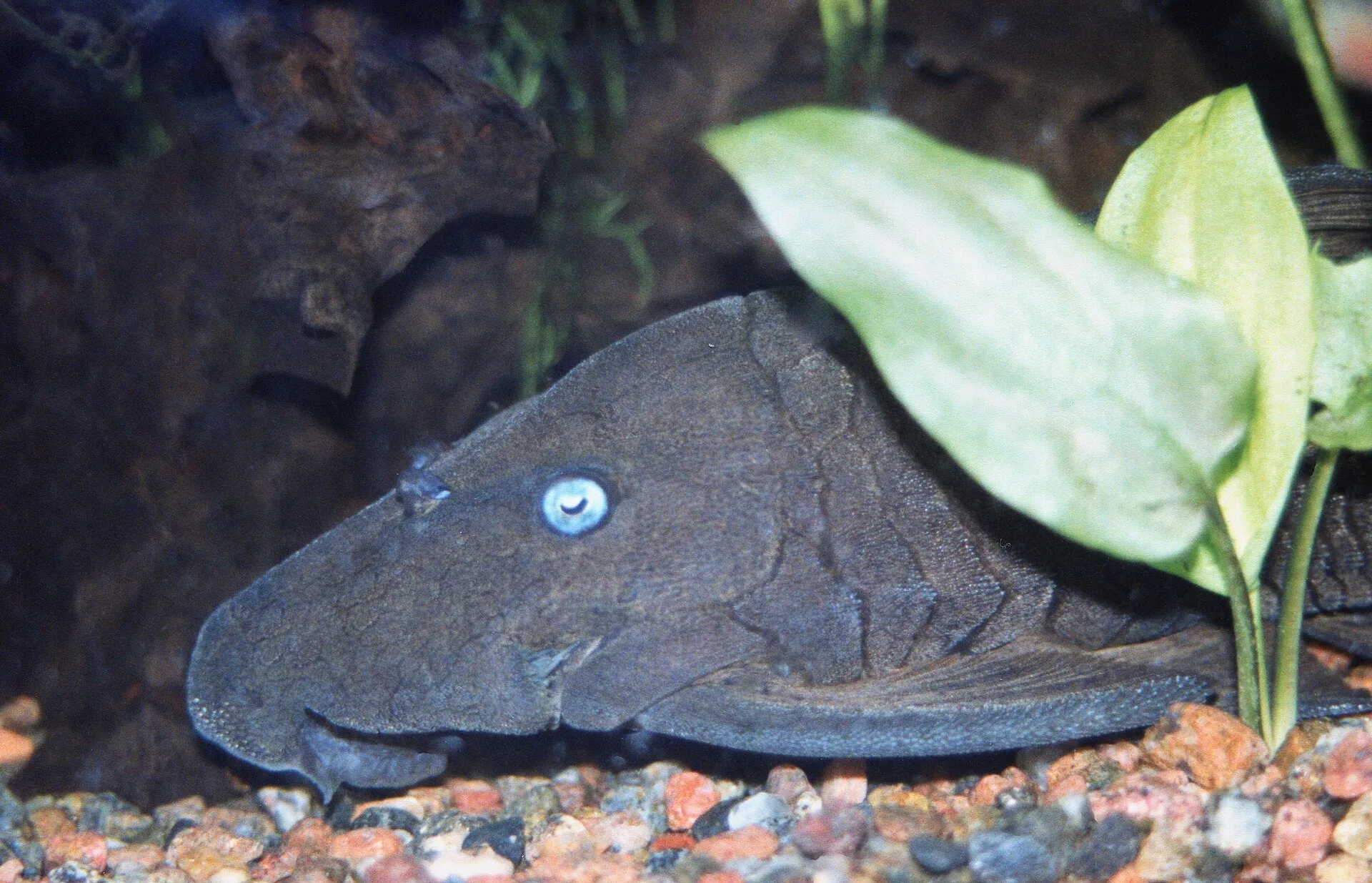
Panaque cochliodon is the Magdalena blue-eyed panaque — an olive xylophage with a startling iris, not a striped royal, and still a large wood-eat…
Read more →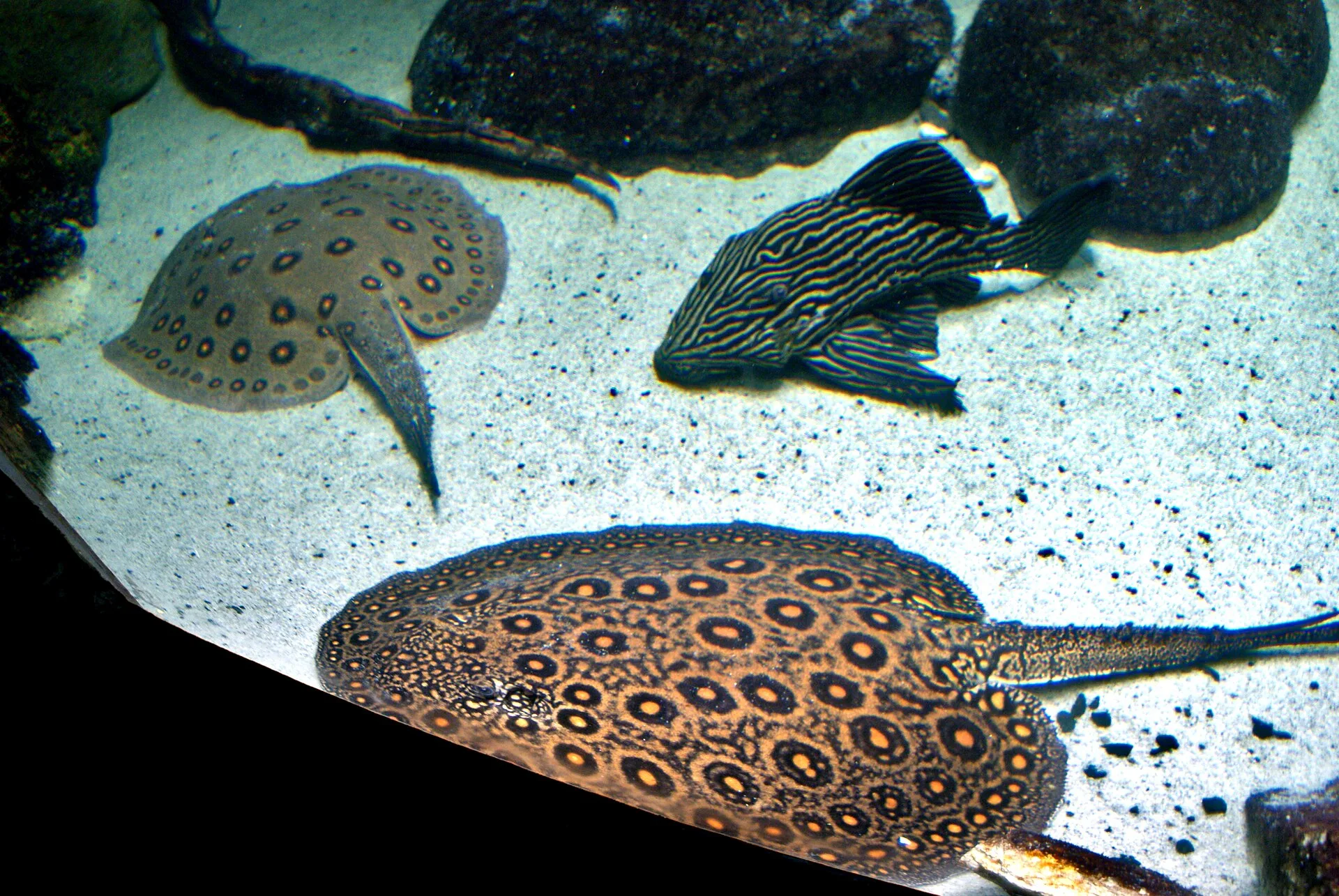
Panaque nigrolineatus, the royal panaque, is a large xylophagous loricariid — it eats wood, grows past 40 cm, and produces a serious waste load,…
Read more →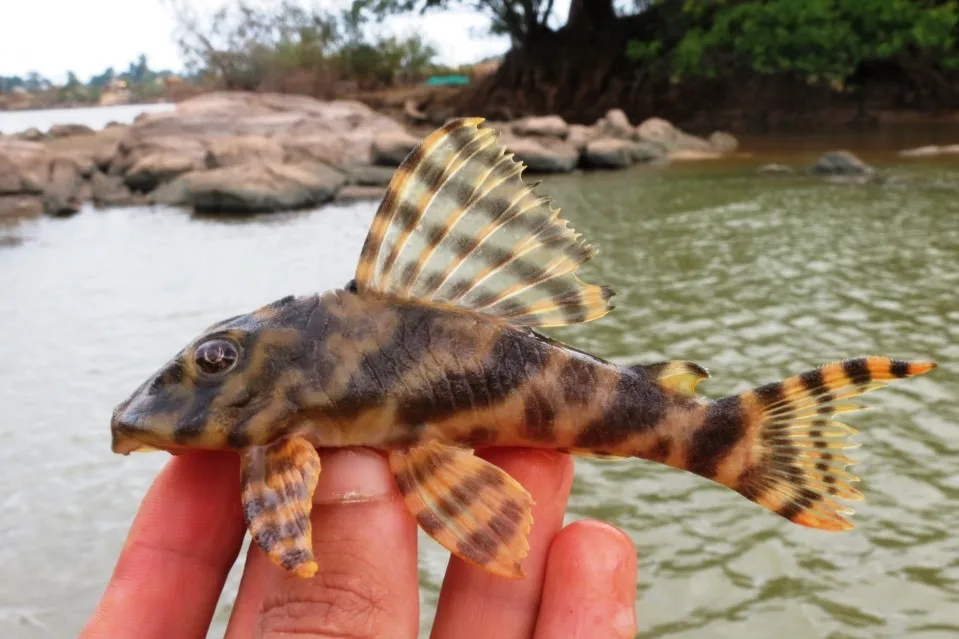
Peckoltia vittata is a striped medium pleco of Amazon wood and caves — an omnivorous L-number-sized loricariid that stays far smaller than a comm…
Read more →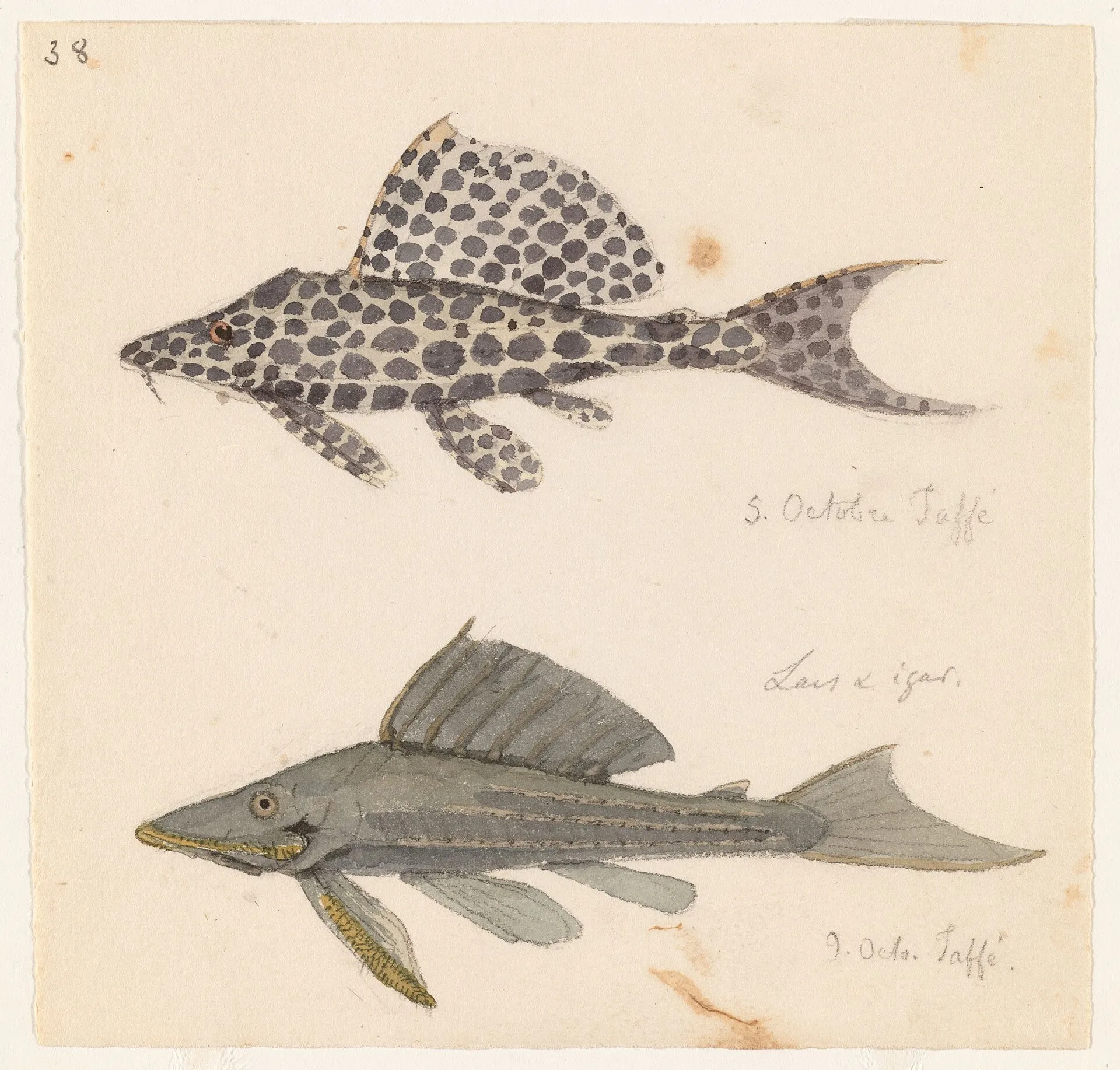
Glyptoperichthys (Pterygoplichthys) gibbiceps is the spotted sailfin pleco — an Amazon giant that can near half a metre, not a bristlenose and no…
Read more →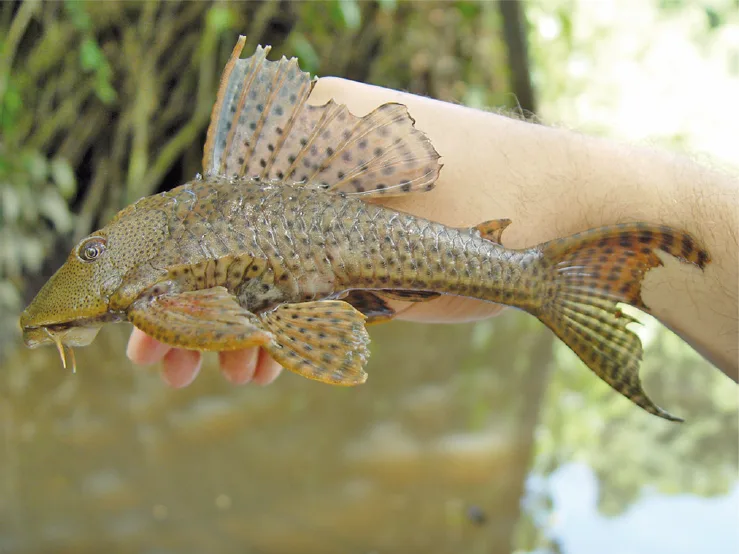
True Hypostomus plecostomus is a Guianan armoured catfish that grows to a substantial adult — the trade’s “common pleco” is a giant-in-wait…
Read more →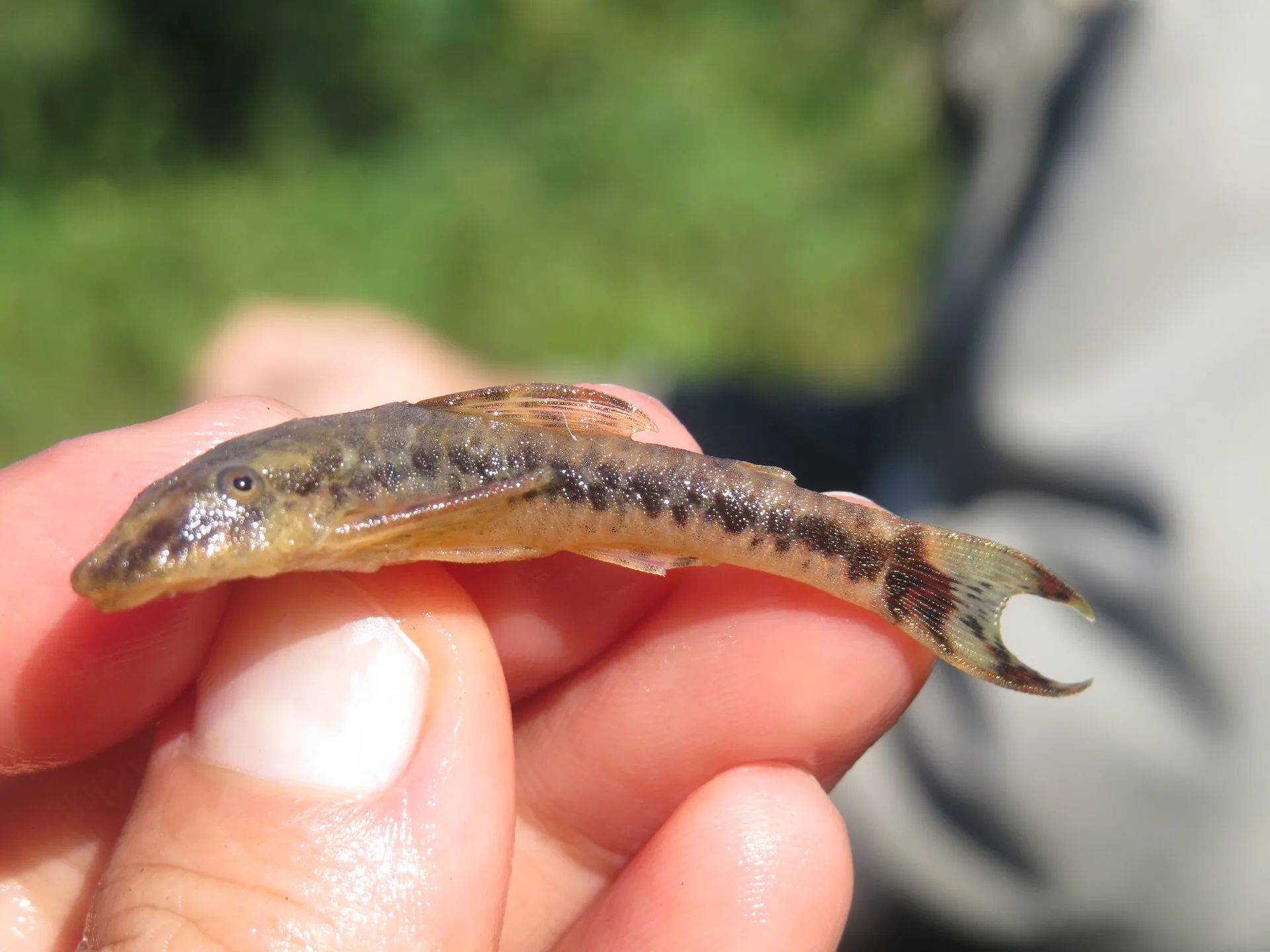
Parotocinclus maculicauda is a spotted-tail stream loricariid from Brazil’s Atlantic drainages — more of a riffle dwarf than a still-water oto,…
Read more →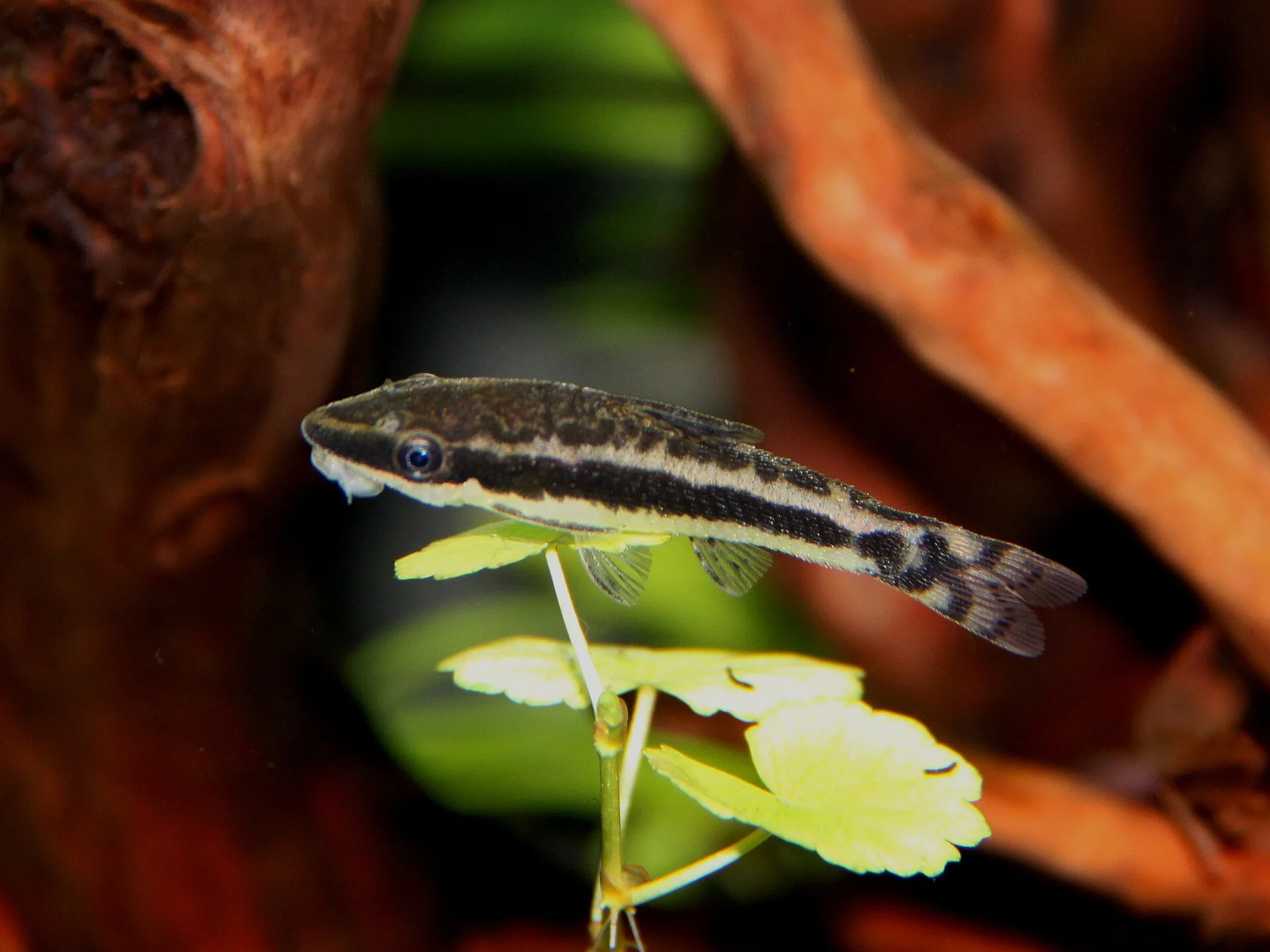
Macrotocinclus affinis, the golden oto of Rio de Janeiro drainages, is a small Atlantic-forest rasper with a warm gold wash — split from Otocincl…
Read more →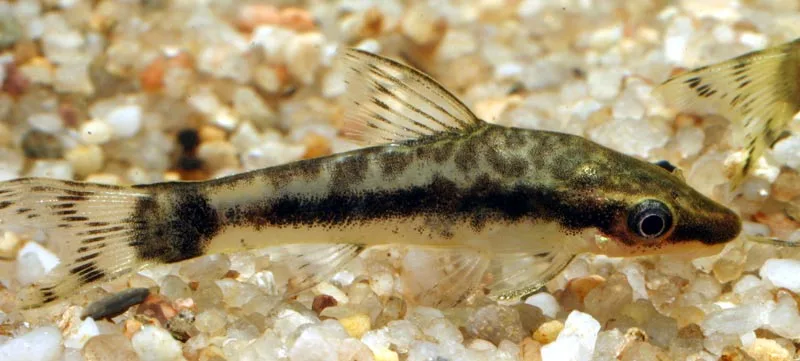
Otocinclus macrospilus is a small Peruvian dwarf suckermouth that lives in a grazing school — a biofilm specialist that starves in new tanks, not…
Read more →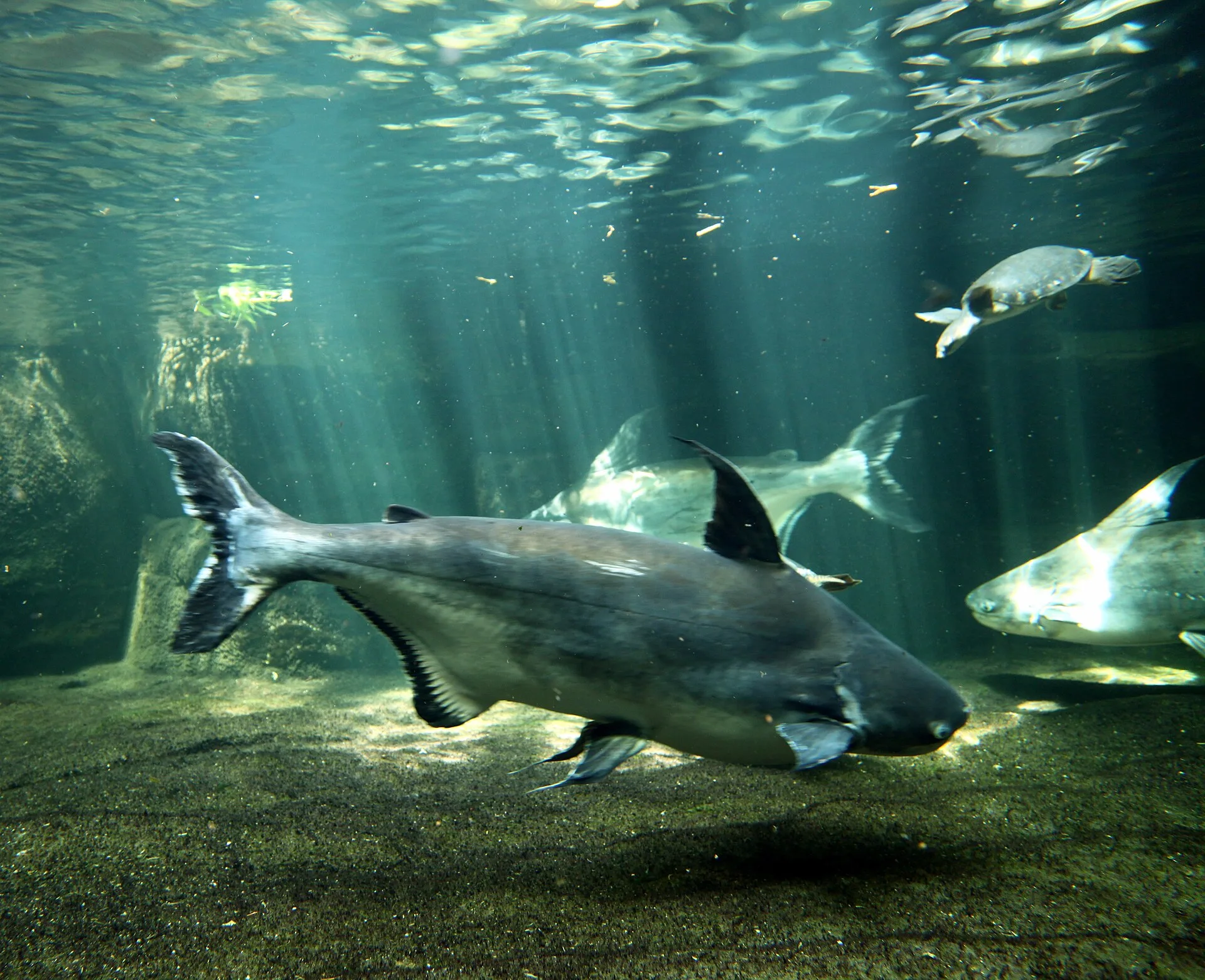
Pangasius sanitwongsei is a giant Chao Phraya–Mekong predator that can exceed two metres — a river monster and conservation problem, not an iri…
Read more →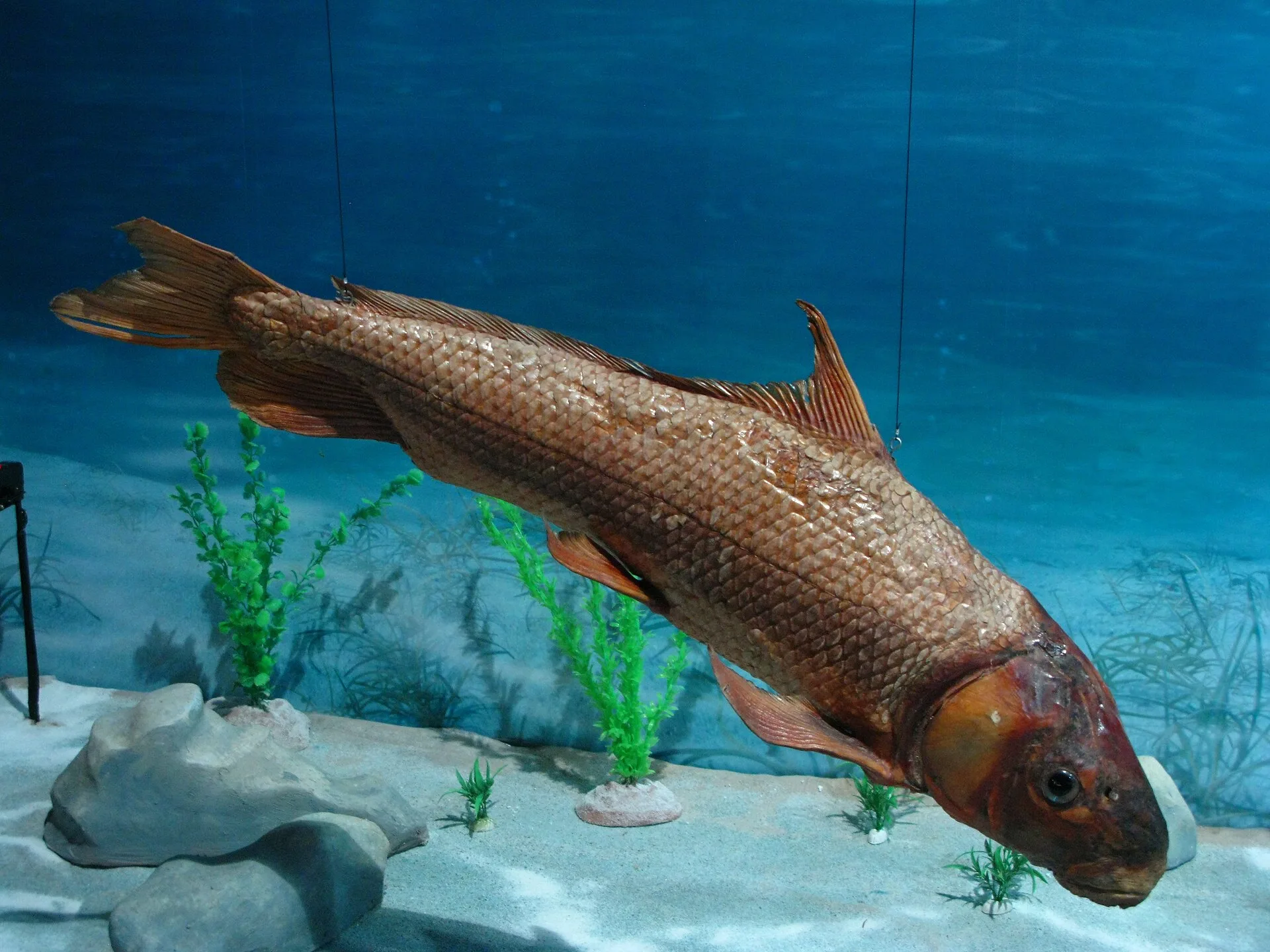
Myxocyprinus asiaticus is a Yangtze sucker — a cool-water carp relative with a juvenile sail, not a shark, not a catfish, and not a tropical comm…
Read more →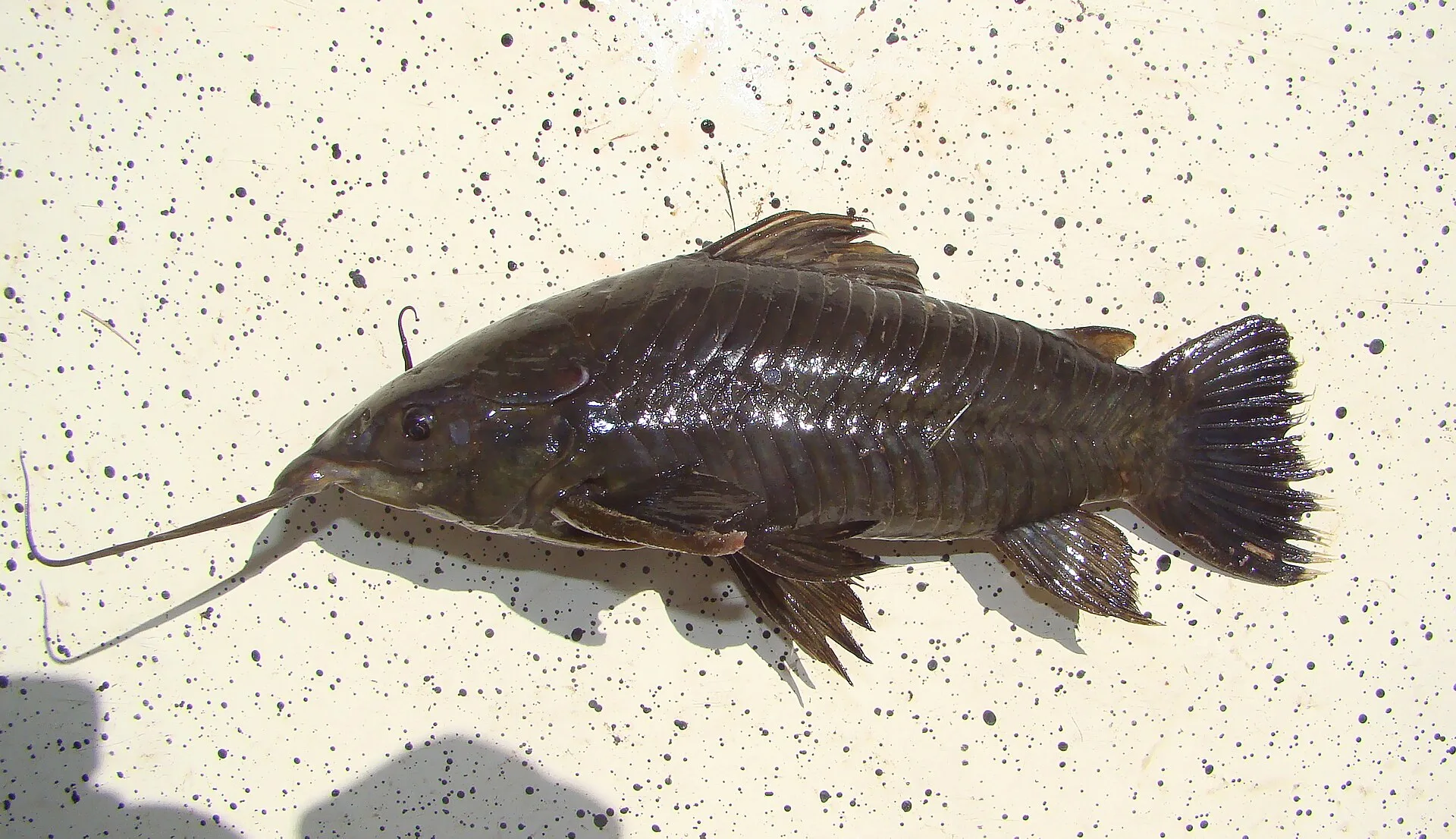
Hoplosternum littorale, the port hoplo or hassar, is a large air-breathing callichthyid of coastal plains and a regional food fish — heavier and…
Read more →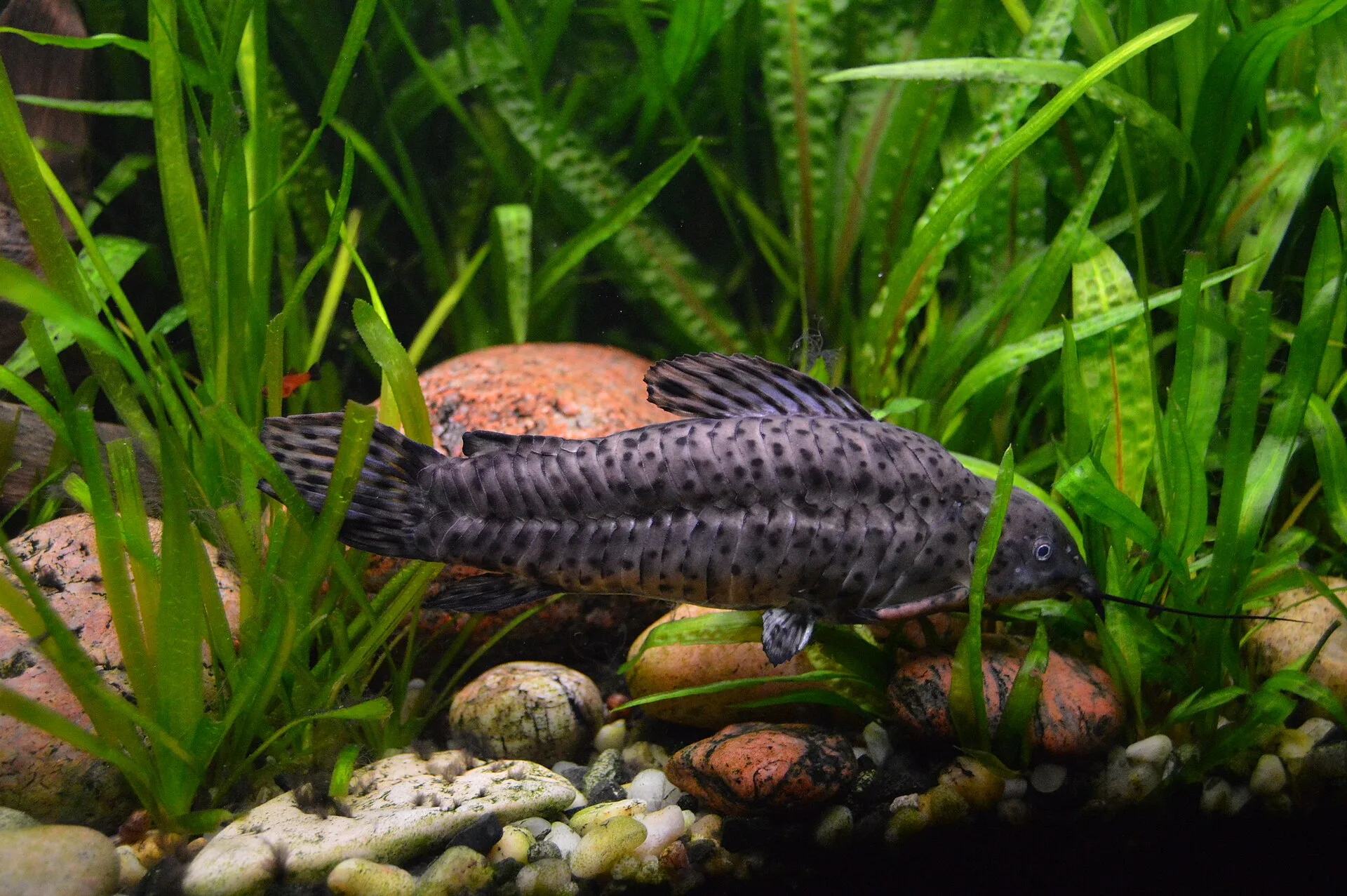
Megalechis thoracata, the brown hoplo, is a floodplain callichthyid that gulps air and builds bubble nests — a spotted armoured catfish, not a po…
Read more →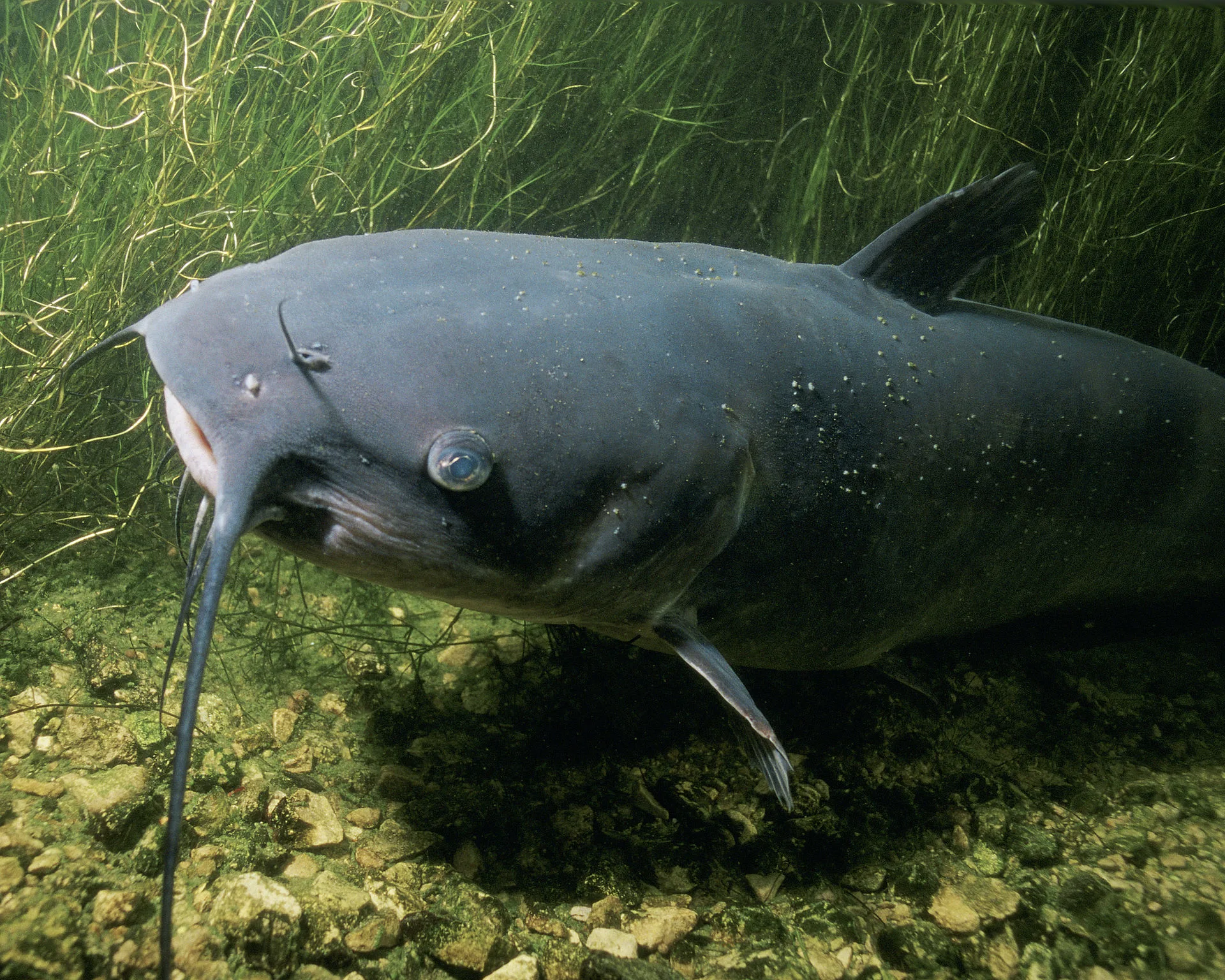
Ictalurus punctatus is a North American river and pond catfish that can top a metre in the wild — a cool-water food fish and giant forager, not a…
Read more →